
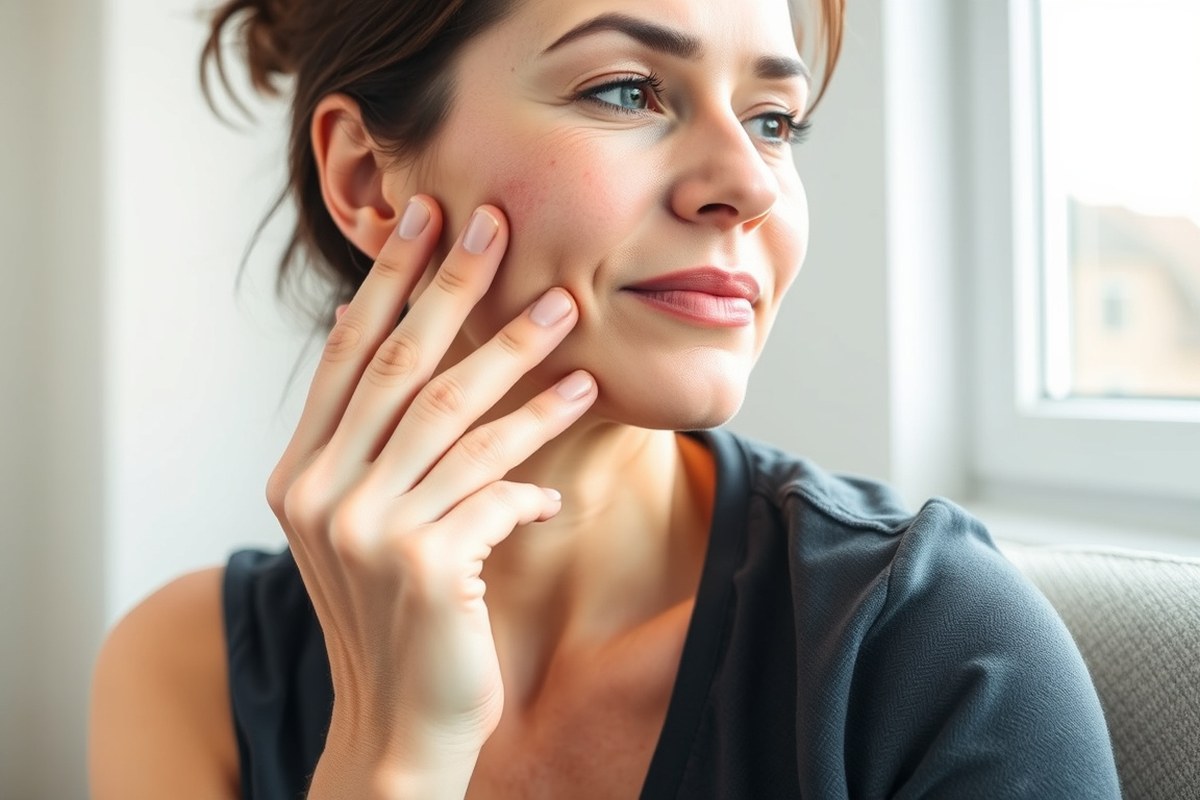
How to Get Rid of Rosacea: A Complete Guide with Proven Treatments and Tips
You cannot get rid of rosacea permanently, but you can control it well enough to reduce flare-ups and keep symptoms under control most days. Effective treatments include prescription creams like ivermectin 1% (Soolantra) and encapsulated benzoyl peroxide (Epsolay), which target bumps and inflammation. Daily sun protection and avoiding common triggers are also key to managing rosacea successfully.
This information is for anyone diagnosed with rosacea or suspecting they have it. You’ll learn how to recognize symptoms, manage flare-ups, choose the right treatments, protect your skin, and know when to see a dermatologist. Understanding these steps will help you keep rosacea effects minimal and improve your daily comfort and confidence.
Key Takeaways
- Use ivermectin 1% cream or encapsulated benzoyl peroxide cream as the most effective topical treatments for rosacea bumps.
- Avoid sun exposure and reapply broad-spectrum sunscreen every 2 hours to reduce flare-ups, as 81% of patients report sun triggers.
- Identify flare-ups by dabbing a small amount of new product near affected skin and watch for irritation over 72 hours.
- Manage ocular rosacea symptoms by gently cleaning eyelids with warm, cotton-wool compresses for 5 to 10 minutes daily.
- Stick to your skincare routine consistently for 6 to 8 weeks to see noticeable rosacea improvements, which often take months.
- Incorporate daily moisturizers to reduce dryness and skin roughness, improving skin barrier function and minimizing irritation.
What Is Rosacea and How to Recognize Its Symptoms

Rosacea is a chronic skin condition that primarily affects the face, causing persistent redness, visible blood vessels, and small acne-like bumps. It usually begins with episodes of flushing or blushing that come and go but may progress to more constant redness and skin sensitivity over time. Understanding the symptoms can help you identify rosacea early and seek appropriate care. Common signs include frequent facial redness, burning or stinging sensations, dry or rough skin patches, and visible tiny blood vessels around the nose, cheeks, forehead, or chin.
There are four main types of rosacea, each with distinct features. The first type, erythematotelangiectatic rosacea, is mostly characterized by redness and visible blood vessels. The second type, papulopustular rosacea, presents with red bumps and pus-filled pimples resembling acne but without blackheads. Phymatous rosacea involves thickened skin, often around the nose, leading to a swollen, bulbous appearance. The fourth type, ocular rosacea, affects the eyes, causing redness, dryness, irritation, and sometimes swelling of the eyelids, occurring in about 10% of people with rosacea. These different types can overlap, making it important to observe all your symptoms carefully to understand which subtype fits your case best.
Symptoms of rosacea can vary based on skin tone and age. On lighter skin tones, redness and visible blood vessels are more obvious, while on darker or olive-toned skin, these signs may appear as flushing or a dull redness less easy to spot. Acne-like bumps can develop regardless of skin color, but redness may be under-recognized in darker skin, which can delay diagnosis. Rosacea typically begins between ages 30 and 50 but can occur in younger or older adults. Sensitivity to skin care products and triggers like sunlight, heat, or stress often adds to the symptoms, increasing flare-up risks.
To help recognize rosacea, use this checklist: persistent redness of the central face lasting more than three months; presence of small red bumps or pustules without blackheads; visible small blood vessels around the nose or cheeks; stinging, burning, or dry skin sensation; eye irritation or redness if ocular symptoms are present; thickened skin or swelling, especially around the nose; symptoms worsening after exposure to known rosacea triggers such as sunlight or hot beverages. Keep track of these signs over several weeks to show your healthcare provider for an accurate diagnosis.
Identifying rosacea accurately matters because, while there is no cure, effective treatment options can control symptoms and reduce flare-ups. Early diagnosis makes it easier to manage symptoms before the condition worsens. Persistent or untreated rosacea can lead to skin thickening or eye complications. For skin of color or unusual presentations, consult a dermatologist familiar with rosacea’s varied signs to avoid misdiagnosis. Recognizing your subtype and symptoms allows you to follow a tailored skincare and treatment plan that improves your skin’s condition and comfort over time.
What Causes Rosacea and Common Triggers of Flare-Ups

Rosacea develops due to a mix of genetic and environmental factors that cause inflammation and visible blood vessels on your face. You might notice flare-ups after exposure to sunlight, strong emotions, or certain foods. Recognizing these causes helps you tailor your routine to reduce the frequency and severity of symptoms.
Genetic Factors Influencing Rosacea
Your genes can increase the likelihood of developing rosacea. Many people with rosacea report a family history of persistent facial redness or skin flushing, which shows a hereditary tendency. This inherited sensitivity causes your skin’s blood vessels to react more intensely to minor triggers that usually wouldn’t affect others. This genetic predisposition means your skin might flush more easily from childhood and that years of sun exposure, temperature changes, and other small irritants could push your skin beyond a sensitivity threshold, making rosacea symptoms more apparent.
Environmental Contributors to Symptoms
Sun exposure is the most common trigger, affecting about 81% of rosacea patients. Ultraviolet rays cause your blood vessels to expand, leading to redness and inflammation. Other environmental factors like wind, pollution, and dry air can also irritate your skin and worsen symptoms.
Strong emotions, such as stress or anxiety, make your body release chemicals that widen blood vessels, worsening facial redness. Since flare-ups vary among individuals, tracking your exposure to environmental factors will help pinpoint your unique triggers.
- Avoid direct sun without protection, especially between 10 a.m. And 4 p.m.
- Wear a wide-brimmed hat and sunglasses outdoors
- Use gentle skincare products to minimize irritation
- Manage stress through breathing exercises or meditation
- Limit exposure to wind and cold, using scarves or face covers
- Keep indoor air humidified during dry seasons
Keeping a daily diary of activities, foods, and weather can uncover hidden triggers and guide your rosacea management.
Role of Immune System Dysfunction
A specific type of bacteria called Bacillus oleronius often appears in people with papulopustular rosacea. This bacteria can cause your immune system to overreact, attacking healthy skin cells and causing inflammation that leads to redness and bumps. This immune response is an important factor in worsening symptoms beyond just surface irritation.
When your immune system responds too aggressively, it increases skin sensitivity and the likelihood of persistent redness. Properly managing this dysfunction often requires both lifestyle adjustments and prescribed medications to calm your immune response without causing further irritation.
Impact of Dietary Choices on Flares
What you eat and drink can directly affect rosacea flare-ups. Spicy foods, hot beverages, and alcohol often cause blood vessels to dilate, producing flushing and more noticeable redness. These dietary factors trigger the same vessel-dilating mechanism that heat or stress might, but sensitivities vary widely.
Some common foods and drinks linked to flare-ups include chili peppers, caffeinated hot drinks, and wine, especially red varieties. To identify your personal dietary triggers, try eliminating suspect items one at a time for at least two weeks and keep an eye on changes in your symptoms.
- Avoid spicy meals during flare periods
- Choose cooler or room-temperature drinks over hot beverages
- Limit or avoid alcohol, particularly red wine
- Increase water intake to stay hydrated
- Incorporate anti-inflammatory foods like leafy greens and fatty fish
Temperature Variations Affecting Skin
Extreme temperatures, both hot and cold, can provoke or worsen rosacea symptoms by causing blood vessels in your face to expand or contract quickly. Heat from sunny days, hot baths, or vigorous exercise often triggers flushing. Conversely, cold wind or chilly air can irritate skin and lead to dryness and redness, contributing to flare-ups.
Moderate indoor temperatures and appropriate protective clothing during outdoor activities can reduce this risk. For example, wearing a breathable scarf in cold weather and avoiding hot steamy showers can help maintain your skin’s balance and comfort.
- Keep indoor heating moderate, around 68-72°F (20-22°C)
- Use fans or air conditioning to prevent overheating
- Wear soft hats and scarves during cold exposure
- Avoid hot showers longer than 10 minutes
- Pause intense exercise in extreme weather
Treatment Options for Rosacea: Prescription, Over-the-Counter, and Laser
Treating rosacea involves a mix of prescription medications, over-the-counter products, and laser therapies tailored to your specific symptoms. Topical and oral prescriptions reduce inflammation and redness over weeks, while lasers target persistent redness and visible blood vessels. Over-the-counter options focus on soothing skin and minimizing irritation, but no treatment works instantly or cures rosacea completely.
Topical and Oral Prescription Treatments
Prescription treatments mainly include topical gels or creams and oral medications aiming to reduce inflammation and control flare-ups. Topical options, like metronidazole or brimonidine gels, usually take several weeks, up to six, to show noticeable results. Brimonidine, for example, can help reduce redness by constricting blood vessels, making it useful for persistent facial flushing. Oral antibiotics are often prescribed for inflammatory bumps and typically improve symptoms within a few weeks.
Phymatous rosacea, which causes thickened skin or excess tissue growth, often does not respond to topical or oral antibiotics. In such cases, a referral to a specialist for surgical removal might be necessary. Prescription topical treatments can be combined with oral medications to achieve better control depending on your symptoms. Your dermatologist will base the treatment plan on your overall health and the severity of your rosacea.
Over-the-Counter Options and Their Uses
Over-the-counter (OTC) treatments focus on gentle skincare and soothing inflamed skin to help maintain remission alongside medical therapies. Products containing ingredients like niacinamide, azelaic acid, or ceramides support the skin barrier and reduce irritation. These options don’t replace prescriptions but can improve skin comfort and reduce sensitivity.
Using fragrance-free, non-irritating moisturizers and cleansers helps prevent flare-ups triggered by damaged skin. Consistent use of sunscreens designed for sensitive skin also plays a role in managing rosacea but checking that they don’t cause irritation is essential. OTC products are generally safe but may take time to show visible improvements, so patience is necessary.
Laser and Light Therapies Explained
Laser and intense pulsed light (IPL) therapies offer a targeted approach to treat fixed redness, visible blood vessels, and flushing that topical or oral treatments may not fully resolve. Treatments like IPL and Excel V laser reduce unwanted blood vessels and persistent redness effectively, often attracting attention because they offer longer-lasting results compared to medications.
These procedures require multiple sessions spaced over weeks or months and can be part of an ongoing maintenance routine or used occasionally during flare-ups. Costs vary widely depending on the provider and location, usually ranging from several hundred to over a thousand dollars per session. Side effects include temporary redness or swelling but serious adverse effects are rare when treatments are performed by experienced dermatologists.
Laser treatment is not a permanent cure but can provide significant improvement in appearance and confidence. Combining laser therapy with topical or oral medications increases the chances of sustained symptom relief.
| Treatment Type | How It Works | Time to See Results | Typical Use Cases |
|---|---|---|---|
| Topical Prescription (e.g., metronidazole, brimonidine) | Reduces inflammation, constricts blood vessels | 3 to 6 weeks | Redness, flushing, mild to moderate inflammation |
| Oral Antibiotics | Decreases inflammation systemically | Several weeks | Inflammatory bumps, moderate to severe rosacea |
| Over-the-Counter Skincare | Supports skin barrier, reduces irritation | Varies, gradual | Maintenance, sensitive skin care |
| Laser/IPL Treatments (e.g., Excel V, IPL) | Targets blood vessels, reduces redness | Several sessions over weeks/months | Persistent redness, visible blood vessels |
| Surgical Intervention | Removes excess tissue in phymatous rosacea | Immediate, recovery time weeks | Thickened skin, rhinophyma |
Matching treatment to your specific type and severity of rosacea helps optimize symptom control and reduces the chance of irritation. Follow your dermatologist’s instructions and allow several weeks to assess progress before switching medications or plans. A combined approach often works best for sustained relief and healthier skin.
How to Identify and Manage Rosacea Flare-Ups Effectively
Recognizing rosacea flare-ups early helps you act quickly to minimize their impact. Flare-ups often show as increased redness, visible blood vessels, swelling, or small bumps on your face. You might notice burning or stinging sensations too. Managing flare-ups means adjusting both your lifestyle and treatment plan right away to prevent symptoms from worsening.
The speed of improvement varies by treatment and individual responses. Medical treatments, like prescription topical or oral medications recommended by your dermatologist, may start to show results within 2 to 4 weeks. Laser treatments can reduce visible redness but might require multiple sessions spaced weeks apart. Lifestyle changes, such as avoiding triggers, contribute immediately but may take a few weeks for overall symptom reduction.
Rosacea requires ongoing management because symptoms can fluctuate over time. Maintaining treatment and skincare routines and adapting them if you notice new or worsening symptoms is essential. Regular check-ins with your healthcare provider will ensure your plan stays effective and fits changes in your rosacea. Follow these steps to identify and manage rosacea flare-ups effectively:
- Monitor your skin daily. Check for signs like increased redness, swelling, or new bumps. Keep a journal to track symptoms and potential triggers.
- Avoid known triggers promptly. Reduce or eliminate foods, weather exposure, or activities you know cause flare-ups. Staying consistent with trigger avoidance reduces frequency.
- Adjust your skincare routine as needed. Use gentle, fragrance-free cleansers and moisturizers. Stop any new products that cause irritation immediately.
- Apply prescribed treatments without delay. Follow your dermatologist’s instructions for topical or oral medications, even if symptoms start improving, to prevent relapse.
- Use sun protection daily. Sun exposure often worsens rosacea. Apply broad-spectrum sunscreen with SPF 30 or higher every morning.
- Consult your dermatologist regularly. Schedule follow-ups to review symptom changes and treatment effectiveness. Make adjustments based on their advice.
- Consider laser treatments if recommended. These can reduce redness and visible blood vessels when medication and lifestyle changes are insufficient.
Managing rosacea flare-ups effectively depends on acting quickly at the first sign and working closely with your healthcare provider. Consistent treatment and lifestyle modifications help bring symptoms under control, keeping flare-ups less frequent and milder over time.
The Importance of Sun Protection and Choosing the Right Sunscreen
One of the best ways to control rosacea is to protect your skin from sun exposure. Ultraviolet rays cause facial blood vessels to dilate, triggering redness, swelling, and discomfort. Applying a sunscreen with at least SPF 30 daily shields your skin, even on cloudy days or when indoors most of the time. Combining sunscreen with shady spots and sun-safe clothing further lowers your chances of flare-ups caused by sun damage.
Choosing the right sunscreen matters because rosacea makes your skin more sensitive and prone to irritation. Sunscreens that contain zinc oxide or titanium dioxide are typically the gentlest options for sensitive skin because they work by physically blocking UV rays rather than using chemical filters, which can aggravate redness and irritation. Look for mineral-based, non-comedogenic sunscreen formulas designed for sensitive or rosacea-prone skin. Avoid products with fragrances, alcohol, or harsh preservatives, as these ingredients can cause irritation and worsen flare-ups.
Apply sunscreen as the last step in your morning skincare routine, about 15 minutes before going outside. Use enough to cover all exposed areas, generally, a quarter teaspoon for your face alone, and reapply every two hours if you remain outdoors, or after swimming or sweating heavily. Even if you only plan to be outside briefly, exposure to UV rays can still trigger symptoms, so regular use is key.
Sun exposure is a known trigger for many people with rosacea, so consistent sun protection often leads to noticeable improvements in skin redness and inflammation over time. However, sun protection alone won’t cure rosacea, it helps prevent flare-ups and progression by minimizing one of the most common aggravating factors. Spending a lot of time outdoors means combining sunscreen with wide-brimmed hats, UV-protective sunglasses, and lightweight, long-sleeve clothing for the best defense.
Your skin’s reaction to sun protection products can vary. Notice any stinging, burning, or more redness after applying a sunscreen, even one labeled for sensitive skin? Stop using it and consult a dermatologist. Testing a small amount on a less visible spot 24 to 48 hours before full application helps identify possible irritants early. Consider sunscreens formulated for rosacea sufferers, which often contain soothing ingredients like niacinamide or hyaluronic acid to support skin hydration and repair.
Choose mineral-based sunscreens with zinc oxide or titanium dioxide and apply generously every day, even if you only spend brief periods outdoors.
Daily Skincare and Lifestyle Changes to Reduce Rosacea Flare-Ups
Calming rosacea-prone skin starts with choosing gentle skincare products designed to protect your skin’s barrier and reduce redness. Use a mild, creamy cleanser free of foaming agents and avoid scrubbing to prevent irritation. Moisturisers with soothing ingredients like ceramides, niacinamide, and hyaluronic acid can strengthen your skin and lock in hydration. Applying products with these ingredients twice daily helps maintain skin comfort and reduces flare frequency.
Avoid ingredients like alcohol, camphor, fragrances, glycolic and lactic acids, menthol, sodium lauryl sulfate, and urea, which can increase irritation by removing natural oils or irritating delicate skin. Skip acne products unless prescribed, as these often contain drying agents that can aggravate rosacea. To reduce the chance of a reaction, try new skincare items on a small skin patch for up to two days before applying them to your entire face.
- Use a gentle, fragrance-free cleanser morning and night.
- Apply a moisturizer with ceramides or niacinamide after cleansing.
- Incorporate a mineral-based sunscreen each morning.
- Keep skincare simple, limit to 3 to 4 products max.
- Avoid hot water; rinse with lukewarm water instead.
- Use lukewarm compresses if skin feels inflamed.
- Identify and limit exposure to your known personal triggers.
Alongside skincare, lifestyle adjustments play a important role in managing rosacea. Avoid extreme temperatures and protect your face from wind and sun with hats and shade. Cut back on alcohol, spicy foods, and hot beverages if you notice they provoke symptoms. Maintain a diary for two to three weeks to track what worsens or improves your condition, including foods, activities, and products. This record can guide your personal management plan. Here is a 7-day example routine you can adapt:
- Day 1-2: Cleanse with a gentle, non-foaming cleanser, apply moisturizer with ceramides, and use a mineral sunscreen.
- Day 3-4: Repeat morning routine. At night, add a nourishing cream featuring niacinamide to calm irritation.
- Day 5-6: Keep routine simple; limit product application to avoid overwhelming skin. Monitor any new symptoms.
- Day 7: Review your skin’s response. Adjust product types or amounts based on how your skin feels and looks.
Results may take several weeks before you notice reduced redness and fewer flare-ups. Costs for gentle, dermatologist-recommended products vary widely but expect to spend around $20 to $50 per item. If irritation worsens or you see no improvement, consult a dermatologist for tailored advice.
How to Safely Test New Products and Avoid Rosacea Irritation
Testing new skincare products carefully is essential when you have rosacea to avoid irritation and flare-ups. Patch testing helps you spot reactions before applying products to your face. Watch for redness, stinging, or swelling as signs a product may worsen your rosacea.
Steps for Proper Patch Testing
Performing a patch test lets you safely try any new solution on a small area of your skin before full use. Here’s a step-by-step method to do it right:
- Choose a test area: Pick a small spot of skin near where you usually have flare-ups, such as the cheek or jawline.
- Clean the skin: Gently wash and dry the test area with lukewarm water, avoiding harsh scrubbing.
- Apply a small amount: Dab a pea-sized amount of the product on the test spot using clean fingers or a cotton swab.
- Leave undisturbed: Avoid rubbing, washing, or touching the test spot for 48 to 72 hours.
- Observe for reactions: Check the area twice daily for redness, itching, stinging, or swelling.
- Document your findings: Note any changes in your skin’s appearance or sensation for at least 3 days.
- Decide on next steps: Use the product on your face only if no irritation develops after 72 hours.
This process costs nothing but a bit of time and helps avoid costly and uncomfortable flare-ups by identifying irritants early.
Signs of Product Irritation
Several symptoms indicate that a skincare product is irritating your rosacea skin. Look for new or worsening redness, especially if it is more intense or covers a larger area than usual. Stinging or burning sensations shortly after application also signal irritation.
Swelling or raised bumps may occur in response to irritants. Some people notice dryness or flaky patches where the product was applied. Intense flare-ups may include warmth, tender skin, or worsening visible blood vessels.
Stopping the use of the product immediately is important if you experience any of these symptoms during your patch test or after using a new product. Continuing could trigger a more severe flare-up that takes weeks to calm down.
Timing and Repeating Tests
Wait at least 48 to 72 hours before evaluating the patch test area because some skin reactions take time to show. Do not rush to apply new products on your rosacea-affected face without this waiting period. You may need to repeat the patch test if you try similar products or formulations with new ingredients.
Introduce only one new product every one to two weeks to keep track of what your skin tolerates. This approach helps isolate which products cause irritation and prevents compounding reactions. Waiting until your skin calms down before testing new products is advisable when active rosacea symptoms are present to reduce the risk of confusion between flare-up and irritation.
When to See a Dermatologist and How to Handle Complex Rosacea Cases
You should see a dermatologist if you notice persistent redness, visible blood vessels, or frequent flare-ups that do not respond to over-the-counter treatments or lifestyle changes. Early consultation helps prevent worsening symptoms and establishes a treatment plan tailored to your type and severity of rosacea. Moderate to severe cases, such as those with swelling, pustules, or thickening skin, often require medical intervention, including prescription topical treatments or low-dose oral antibiotics. These medications reduce inflammation and bacterial involvement, easing symptoms more effectively than home remedies alone.
Ocular rosacea, affecting the eyes, presents with redness, dryness, burning, or swollen eyelids. This subtype needs prompt care from a dermatologist or an ophthalmologist to avoid complications like corneal damage. Treatment usually includes prescribed antibiotic eye drops or oral antibiotics combined with good eyelid hygiene. Regularly cleaning your eyelids with a mild cleanser and warm compresses can reduce irritation. Ignoring ocular symptoms may lead to worsening eye discomfort or vision issues, so professional guidance is essential if eye symptoms accompany facial rosacea.
Rosacea management varies by subtype and skin type. For example, subtype 1, mainly redness and flushing, often benefits from topical metronidazole or azelaic acid prescribed by a dermatologist. More severe or subtype 2, which involves acne-like pimples, may respond better to oral antibiotics or isotretinoin tablets. Skin sensitivity also affects product choice; oily or thickened skin might tolerate stronger treatments, while sensitive skin requires milder formulas to avoid irritation. Your dermatologist can perform a skin assessment and recommend the most suitable treatment and skincare regimen based on your subtype, skin type, and rosacea severity.
People with thickened skin or rhinophyma, a rosacea complication leading to enlarged nose tissue, should seek specialized care. Dermatologists may suggest laser therapy or surgery to reduce tissue growth after inflammation is controlled. These procedures require a professional experienced in rosacea to minimize risks and achieve better aesthetic outcomes.
Persistent redness, pustules, or eye discomfort lasting over a few weeks warrants professional evaluation to prevent permanent skin changes or eye damage.
Cost and duration of treatment depend on severity. Prescription topical medications typically range from $30 to $100 per tube, often used daily for several months. Oral antibiotics can cost $10 to $40 per month but may require at least 3 to 6 months of use to see sustained improvement. Isotretinoin is reserved for the most severe cases due to potential side effects and costs around $200 monthly, requiring close medical monitoring. Laser treatments for thickened skin or visible vessels often involve multiple sessions at a higher cost but can provide long-lasting results when medication alone is insufficient. Follow-up visits every few months are common to monitor progress and adjust treatment.
Step-by-Step Action Plan to Manage Rosacea
Follow these steps to begin controlling rosacea symptoms, reduce flare-ups, and improve your skin’s condition effectively.
- Before You Start: Identify your common rosacea triggers by noting your daily activities, diet, and skincare products. Track any flare-ups to confirm which factors worsen your symptoms.
- Day 1: Switch to gentle skincare products designed for sensitive skin. Avoid harsh cleansers, exfoliants, and fragrances. You’ll know it’s working if your skin feels less irritated within a few days.
- Week 1: Introduce daily sun protection using a broad-spectrum sunscreen labeled “for sensitive skin” and SPF 30 or higher. Check if you experience fewer redness episodes on sun-exposed skin.
- Week 2: Consult a dermatologist to discuss prescription options or laser treatments tailored to your rosacea type. Improvement signs include reduced redness, fewer visible blood vessels, or minimized bumps after recommended treatment duration.
- Week 3: Begin managing flare-ups by avoiding identified triggers and using calming topical products as advised. Observe if flare-ups become less frequent or less severe over the next weeks.
- Week 4 and Ongoing: Test any new skincare products slowly by applying a small amount on a patch of skin before full use to prevent irritation. Confirm by absence of increased redness, burning, or swelling after 24-48 hours.
- Monthly Review: Monitor your rosacea progress and maintain lifestyle adjustments. Schedule follow-ups with your dermatologist if symptoms persist or worsen to reassess your treatment plan.
Frequently Asked Questions
How Can I Clear Up Rosacea Quickly?
There’s no instant cure for rosacea, but quick relief comes from using effective prescription creams like ivermectin 1% or encapsulated benzoyl peroxide. Start treatment as advised by a dermatologist to reduce bumps and redness efficiently.
What Triggers Rosacea?
Common triggers include sun exposure, emotional stress, and physical stresses. Sunlight affects 81% of sufferers, making it the most frequent cause of flare-ups that worsen rosacea symptoms.
Can Rosacea Permanently Go Away?
Rosacea cannot be permanently cured; it’s a chronic condition. Managing symptoms with ongoing care, lifestyle adjustments, and treatment helps control flare-ups and improve skin appearance over time.
What Should You Not Put on Rosacea?
Avoid harsh scrubs, alcohol-based toners, and strong exfoliants, as they can irritate sensitive skin and worsen rosacea symptoms. Use gentle, fragrance-free products recommended by dermatologists.
Does Diet Affect Rosacea Flare-Ups?
Yes, certain foods like spicy items, hot drinks, and alcohol can trigger flare-ups for many people with rosacea. Tracking your diet helps identify and avoid your personal triggers.
Can Rosacea Cause Eye Problems?
About 10% of people with rosacea experience ocular rosacea, which causes redness, dryness, and irritation in the eyes, requiring specific treatments to prevent complications.
Final Thoughts
Managing rosacea requires consistent care tailored to your skin’s needs. Start by keeping a daily diary to track your flare-ups and identify specific triggers you can avoid. This simple step helps you take control and makes your visits to the dermatologist more productive.



One Comment