
How to Get Rid of Swollen Feet: 8 Effective Methods for Fast Relief
To get rid of swollen feet quickly, start by elevating your feet above heart level, using compression socks correctly, and soaking them in alternating warm and cold water with Epsom salt. Gentle foot massages and cold compresses also ease discomfort, while drinking enough water and adjusting your diet supports long-term relief. Simple exercises and lifestyle changes can help prevent swelling from returning.
This advice benefits anyone dealing with swollen feet, whether you have a sedentary job, are pregnant, elderly, or managing health conditions. You will learn clear, effective methods to reduce swelling fast, when to seek medical advice, and how to avoid common mistakes that make foot swelling harder to treat.
Key Takeaways
- Improve your feet above heart level for 15-30 minutes multiple times daily to quickly reduce everyday foot swelling.
- Use compression socks properly by choosing the right size and wearing them during extended standing or sitting periods.
- Soaking swollen feet in cool water mixed with Epsom salt for about 15 to 20 minutes helps reduce discomfort and swelling effectively.
- Alternate between cold and warm foot soaks, 1 minute cold, 1 minute warm, for up to 15 minutes to improve circulation.
- Apply cold compresses wrapped in cloth for 15-20 minutes several times per day to ease inflammation and discomfort.
- Maintain a low-sodium diet, stay hydrated, and consider supplements that support circulation to help prevent swelling.
1. What Causes Swollen Feet and When Is It Serious?
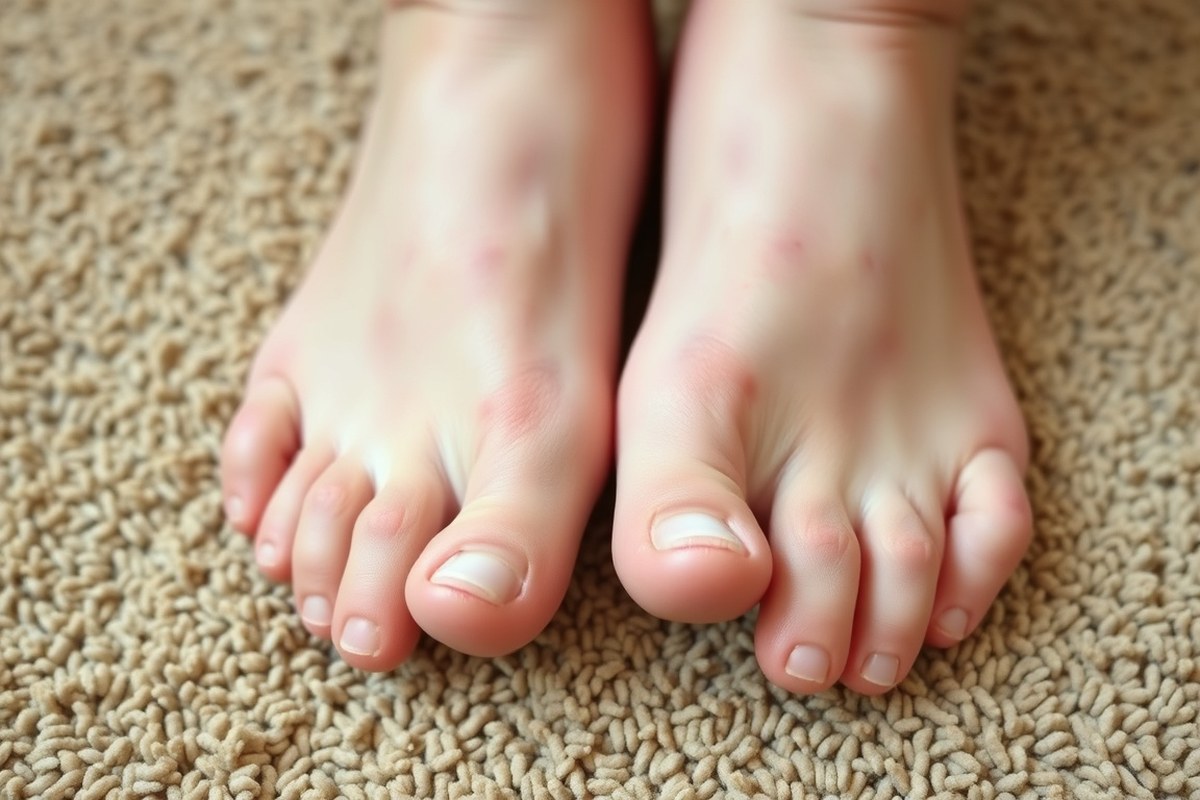
Swollen feet happen when fluid builds up in the tissues of your feet and ankles, causing puffiness and discomfort. This swelling can occur after standing or sitting for long periods, especially in hot weather, when blood vessels dilate and fluid leaks into nearby tissues. Mild swelling after a day of inactivity or heat usually improves with rest and elevation.
Common causes include pregnancy, injury, and being sedentary. Pregnancy increases fluid retention and pressure on veins, leading to swelling. Injuries cause swelling as part of the body’s healing response. Sitting or standing still for hours slows blood return from the feet, contributing to puffiness. Some medications for high blood pressure or inflammation may also cause swelling as a side effect.
Swelling that persists beyond a day or happens frequently can indicate serious health issues such as heart failure, kidney or liver disease, chronic venous insufficiency, or lymphedema. These diseases affect how your body manages fluid and blood flow. If you experience ongoing swelling in both feet and legs along with tiredness or difficulty breathing, see a doctor. Immediate medical attention is needed if you notice redness, warmth, pain in the swollen area, or chest pain, as these may signal infection or blood clots.
Seasonal changes and climate also matter. Warm or hot weather often makes swelling worse because heat causes blood vessels to widen and leak fluid. In contrast, cold weather usually reduces swelling by constricting vessels. This means you might notice more foot puffiness in summer or in hot indoor environments.
Knowing when to be concerned involves how your swelling looks and feels. Mild, soft swelling that disappears overnight and doesn’t cause pain is usually harmless. Swelling that is hard, painful, red, or asymmetric requires evaluation. Use a simple decision rule: if swelling returns quickly after elevation, is linked to other symptoms like breathing difficulties, or worsens over days, see a healthcare professional promptly. Your doctor can perform exams and tests to pinpoint the cause and guide treatment.
Recognizing the cause helps. For example, swelling due to prolonged sitting improves with movement and elevation, while swelling from heart or kidney diseases will need specific care. Checking with your doctor ensures that any serious condition is caught early. Persistent swollen feet are unlikely to go away on their own, so prompt diagnosis and correct management matter most to avoid complications.
2. How to improve Your Feet Correctly to Reduce Swelling

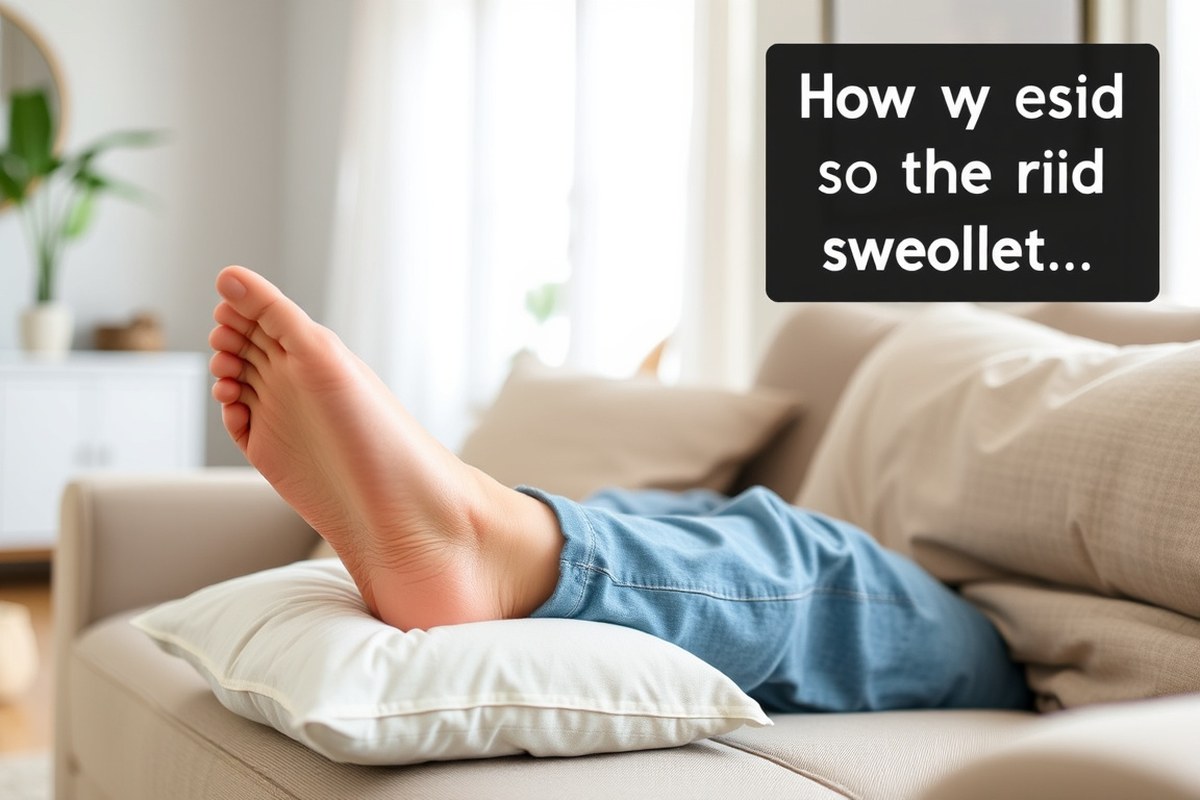
Elevating your feet above heart level for 15 to 30 minutes several times a day helps reduce swelling by improving blood and fluid circulation. Proper posture, correct height, and avoiding common mistakes maximize the benefits of foot elevation. Regular elevation can cut foot swelling by up to half when combined with other healthy habits.
Correct Posture for Foot Elevation
The key to effective foot elevation is positioning your feet so they are higher than your heart, which promotes fluid return toward your upper body. Lie flat on your back using pillows or cushions to prop your legs comfortably without bending your knees excessively. Keep your feet relaxed and supported to prevent muscle strain or discomfort while elevating.
During pregnancy, lying on your left side with your feet improve may also support proper blood flow and reduce leg pressure. Avoid sitting with feet hanging down or crossing your legs as this worsens swelling by trapping fluids in your lower limbs.
Ideal Height and Duration Recommendations
Improve your feet at least 6 to 12 inches above your heart level, using pillows, cushions, or a reclined chair. The elevation should feel natural and not cause neck or back discomfort. Aim to improve your feet for 15 to 30 minutes per session, repeating 3 to 4 times a day or more during long periods of standing or sitting.
For swelling caused by prolonged travel or work shifts, plan elevation breaks every 1 to 2 hours to prevent fluid buildup. Consistent and frequent elevation provides the most effective relief and can reduce swelling noticeably within days when combined with hydration and salt reduction.
Common Elevation Mistakes and Fixes
Many people limit their feet elevation to too short a time or fail to get their feet high enough. Elevating feet below heart level or resting while sitting can worsen swelling. Another error is placing too few pillows, causing knees to bend sharply and restricting blood flow.
Some also neglect frequency, elevating feet only once despite long hours of standing or sitting. Avoid putting your legs in awkward positions that strain muscles or joints while elevating. If swelling persists despite proper elevation, consult a healthcare professional to rule out underlying conditions.
Improve your legs multiple times daily for at least 15 minutes each, ensuring your feet rest comfortably above your heart to speed swelling reduction.
Follow these steps to improve your feet correctly and help relieve swelling:
- Find a comfortable flat surface, like a bed or couch, where you can lie down fully.
- Gather pillows or cushions to raise your legs; two or three stacked soft pillows work well.
- Lie on your back and place the pillows under your calves and feet to lift them at least 6 to 12 inches above heart level.
- Adjust pillows or cushions to avoid bending your knees excessively; keep legs mostly straight with a slight natural bend.
- Relax your feet and ankles, letting them rest naturally without tensing muscles.
- Remain in this position for 15 to 30 minutes, ideally 3 to 4 times throughout the day.
- During pregnancy, try lying on your left side with feet improve to ease pressure on blood vessels.
- Stand up slowly after each session to prevent dizziness and resume gentle walking to promote circulation.
3. Using Compression Socks: Choosing and Wearing Them Right
Compression socks apply steady, graduated pressure to your feet, ankles, and legs, which improves circulation of blood and lymphatic fluid. This support helps decrease swelling and stops fluid from accumulating. They work by gently compressing tissue to encourage better flow, especially helpful if you spend long hours sitting or standing. These socks are also useful for managing swelling caused by lymphedema, where excess lymph fluid builds up in tissues.
When choosing compression socks, it’s important to get the right level of pressure and fit. Compression levels are measured in millimeters of mercury (mmHg). Starting with a lighter compression level, such as 15-20 mmHg, is common for minor swelling. Higher levels, like 20-30 mmHg or more, are typically used for chronic swelling or specific medical conditions and should be selected with guidance from a healthcare professional.
Proper sizing affects effectiveness. Socks that are too tight can cause discomfort and limit circulation, while loose socks won’t provide enough compression to reduce swelling. Measure your ankle circumference and sometimes your calf to select the correct size, which is usually provided in the product packaging or online sizing charts.
| Compression Level (mmHg) | Recommended Use | Typical Price Range (USD) |
|---|---|---|
| 8-15 | Prevention of mild swelling, general leg fatigue | $10 – $25 |
| 15-20 | Mild to moderate edema, everyday wear for swollen feet | $20 – $40 |
| 20-30 | Chronic swelling, lymphedema management (consult doctor) | $30 – $60 |
| 30-40 | Severe swelling, post-surgical use (medical supervision needed) | $50 – $80 |
Wear the socks during the day, especially if you are active or standing a lot, but take them off before bed unless your doctor advises otherwise. Put them on first thing in the morning before swelling starts to build, and avoid folding the top band, which can cause circulation problems. Socks can be worn daily but should be replaced every 3 to 6 months or sooner if they become stretched out or lose elasticity.
- Make sure your skin is dry and clean before putting on compression socks to avoid irritation.
- Do not use compression socks if you have certain circulatory problems, such as peripheral artery disease, without consulting a healthcare provider.
- Check for signs of poor fit, like numbness, tingling, or increased pain, which indicate the socks may be too tight.
Correct use of compression socks can significantly reduce swelling and discomfort in your feet. However, they are most effective combined with other strategies like elevating your feet and staying hydrated. Persistent swelling despite wearing properly fitted socks should prompt a medical evaluation.
4. Foot Soaking: Using Epsom Salt, Warm vs Cold Water, and Frequency
Soaking your feet in Epsom salt can help reduce swelling and inflammation if done correctly. Using warm water with dissolved Epsom salt soothes tired muscles and softens skin, while cold water or tonic water soaks help constrict blood vessels and reduce swelling. Limit soaks to 15, 20 minutes and no more than 3 times a week to avoid skin irritation or worsening circulation issues.
Preparing an Epsom Salt Soak
To make an Epsom salt foot soak, start with a clean basin or tub large enough to cover your feet and ankles. Use warm water because it dissolves the salt best and feels soothing. The recommended amount is half a cup of Epsom salts for about 2 to 3 liters (half to three-quarters of a gallon) of water. Stir well until the salt fully dissolves. Here’s how to prepare your soak safely:
- Fill a clean basin or foot bath with 2 to 3 liters of warm water, about 92, 100°F (33, 38°C).
- Measure out half a cup of Epsom salts (magnesium sulfate).
- Add the Epsom salts to the water.
- Stir the water until the salts dissolve completely.
- Check the temperature to make sure it is comfortably warm but not hot.
- Place your feet gently into the soak, making sure ankles are submerged.
- Relax and soak for 15 to 20 minutes.
- After soaking, pat your feet dry with a clean towel.
Warm Versus Cold Soak Benefits
Warm Epsom salt soaks help relax your muscles, increase blood flow, and relieve tightness around swollen areas. Many people find the magnesium in Epsom salts soothing, although the scientific evidence on absorption through the skin remains limited.
Cold soaks, on the other hand, can reduce inflammation by constricting blood vessels and slowing fluid buildup. You can soak your feet in cold water or tonic water for 15 to 20 minutes. If using just cold water without salts, keep the soak under 2 minutes to avoid discomfort or circulatory stress. Tonic water may have mild anti-inflammatory effects because of dissolved quinine, but this is anecdotal. Avoid cold soaks if you have diabetes, circulation problems, or open wounds unless your doctor approves.
Safe Duration and Frequency Guidelines
Limit foot soaks to 15, 20 minutes to allow benefits without over-drying or irritating your skin. Over-soaking can cause dryness or worsen swelling. Avoid hot water above 100°F because it may increase swelling or cause burns, especially if you have reduced sensation in your feet.
Do not soak your feet more than 3 times a week. Daily soaks may dry out your skin or interfere with natural oils that protect it. People with health conditions such as diabetes or poor circulation should consult a healthcare provider before starting regular foot soaks.
After soaking, improve your feet to encourage fluid drainage. Follow good hygiene practices by thoroughly drying your feet and applying moisturizer to prevent cracking. Use foot soaks as a part of your routine care, especially after long periods of standing or sitting.
5. Applying Cold Compresses and Performing Foot Massages for Relief
Using cold compresses and gentle foot massages can help reduce swollen feet by improving circulation and decreasing inflammation. Cold compresses slow blood flow to the area, easing swelling, while massage encourages fluid drainage. Applying these methods correctly maximizes relief and prevents discomfort.
How to Apply Cold Compress Safely
Cold compresses reduce foot swelling by constricting blood vessels and limiting fluid buildup. For effective and safe treatment, the temperature and timing matter. Avoid direct contact between ice and skin to prevent frostbite or irritation.
- Wrap a few ice cubes or a cold gel pack in a thin towel or cloth to protect your skin.
- Place the wrapped cold compress on the swollen foot for 15 to 20 minutes at a time.
- Remove the compress and let your skin warm up for at least 20 to 30 minutes before reapplying.
- Repeat this process 3 to 4 times a day to manage swelling effectively.
- Keep your foot improve slightly while applying the cold compress for added effect.
- Monitor your skin for any signs of excessive redness, numbness, or pain during and after treatment.
Avoid applying ice directly to your skin; wrap it to prevent burns and limit sessions to 20 minutes to reduce the risk of frostbite.
Massage Strokes to Reduce Swelling
Foot massages help move excess fluid away from swollen tissues by stimulating lymphatic and blood flow. Proper massage techniques target drainage pathways to minimize edema without causing pain or damage.
- Start by gently rubbing your foot from the toes toward the ankle using light pressure to encourage fluid movement.
- Use circular motions on the arch of your foot, applying gentle pressure with your thumbs.
- Smoothly stroke upward along your foot and lower leg, moving toward the heart to promote lymphatic drainage.
- Massage each foot for about 5 to 10 minutes, taking care not to press into any tender or bruised areas.
- Finish by gently squeezing and releasing your toes to stimulate circulation.
Using lotion or oil can reduce friction and make the massage more comfortable. If swelling results from pregnancy or mild injury, regular daily massages can reduce discomfort.
Precautions During Cold and Massage Therapy
Not everyone should apply cold or perform foot massage without caution. Cold compresses may worsen symptoms if circulation problems like peripheral artery disease exist. Massages should be avoided if you have infections, open wounds, or blood clots in your legs.
Consult your healthcare provider before starting these treatments if you have underlying conditions such as diabetes, heart disease, or severe edema. Stop treatment immediately if you notice worsening pain, increased redness, or changes in skin color.
Do not massage swollen areas if you suspect a blood clot; seek medical advice first to avoid complications.
6. Diet, Hydration, and Supplements That Help Reduce Swelling
Drinking enough water actually helps reduce swelling rather than making it worse. When you stay well-hydrated, your body is less likely to retain fluid, which can lower swelling in your feet. Aim to drink about 64 ounces (roughly eight 8-ounce glasses) of water daily. Adjust this amount based on your activity level, weather, and personal needs. Dehydration can cause your body to hold on to fluid, increasing swelling.
Consuming too much salt plays a key role in causing swelling since high sodium levels make your body hold on to water, leading to puffy feet and ankles. Reducing salt intake can produce noticeable improvements within a few days to a week, depending on how much you cut back. Aim to consume less than 2,300 milligrams of sodium daily, or even less if you have conditions like high blood pressure. Since processed and fast foods are often high in salt, try preparing fresh meals with little added salt.
Potassium-rich foods help balance sodium levels and promote fluid balance in the body, which can reduce swelling in your feet. Common potassium sources include bananas, sweet potatoes, spinach, and avocados. Eating about 3,500 to 4,700 milligrams of potassium daily is generally recommended for adults without kidney problems. Including these foods regularly supports healthy circulation and electrolyte balance, helping to combat edema.
Adding magnesium supplements may also ease swelling. Some people find magnesium helps reduce fluid retention, especially when swelling is linked to conditions like premenstrual syndrome. Magnesium supplements usually come in doses between 200 to 400 milligrams per day. You can also increase magnesium naturally by eating foods like nuts, whole grains, and leafy greens. Consult with a healthcare provider before starting supplements, especially if you have existing health concerns or take medications.
Beyond hydration and minerals, changing your overall diet can reduce swelling. Eating a well-balanced diet rich in fruits, vegetables, and omega-3 fatty acids helps lower inflammation and supports proper blood flow. Avoid excessive alcohol consumption since it can cause your body to hold on to water, worsening swelling. Combining these dietary changes with a healthy lifestyle improves your chances of managing edema effectively. These adjustments may take a few days to a couple of weeks to show noticeable results.
7. Simple Exercises and Lifestyle Changes to Prevent Foot Swelling
Physical activity plays a key role in improving circulation and preventing swollen feet. Simple leg exercises boost blood flow and encourage fluid to move away from your lower extremities, helping stop swelling before it starts. Aim to do these exercises multiple times per day, especially if you sit or stand for long periods.
Some of the best exercises for foot circulation include ankle pumps, heel raises, and toe curls. For ankle pumps, flex your feet upward toward your shins and then point them downward, repeating 10 to 15 times. Heel raises involve lifting your heels off the floor while standing and lowering them slowly; perform 15 to 20 repetitions. Toe curls work the small foot muscles by scrunching your toes downward and relaxing, also for 10 to 15 reps. These movements are easy to do while seated or standing and take just a few minutes.
- Walk briskly for 20 to 30 minutes daily to stimulate overall blood flow.
- Take breaks every hour to stand and move if you have a sedentary job.
- Wear comfortable, supportive shoes that fit well.
- Improve your feet above heart level for 15 to 20 minutes in the evening.
- Stay hydrated by drinking 6 to 8 cups of water daily to help kidney function.
- Limit salt intake to reduce fluid retention, aiming for less than 2,300 mg daily.
- Avoid crossing your legs while sitting to prevent restricting circulation.
Lifestyle changes that prevent recurring foot swelling include maintaining a healthy weight, as excess weight can put added pressure on your veins. Routine exercise like walking or swimming promotes steady blood circulation. Compression socks can support venous return if recommended by your healthcare provider. Pay attention to how long you stand or sit; try to change positions often or take short walks every 30 to 60 minutes.
Keep in mind that swelling may worsen if you ignore these habits. Poor circulation can lead to fluid pooling, which causes discomfort and can make walking or wearing shoes difficult. Simple habits and exercises that support circulation help you stay comfortable and reduce the risk of swelling returning often.
8. When to See a Doctor: Red Flags and Medication-Related Swelling
Swollen feet can sometimes signal a serious health problem needing prompt medical attention. You should see a doctor if the swelling is sudden, severe, or accompanied by redness, warmth, or pain. These signs might indicate infections like cellulitis, blood clots, or inflammation in the veins, all of which require urgent evaluation. Also, swelling that comes with shortness of breath, chest pain, or dizziness needs immediate emergency care.
Some medications can cause your feet and ankles to swell as a side effect. Common culprits include blood pressure drugs such as calcium channel blockers, nonsteroidal anti-inflammatory drugs (NSAIDs), steroids, and certain diabetes medications. Noticing swelling after starting or increasing a medication means you should contact your healthcare provider. They may adjust your dosage, switch medications, or recommend treatments to manage the swelling safely. Do not stop or change your medication on your own.
Tracking how your swelling responds to treatment helps decide if you need further care. After elevating your feet or trying compression socks, the swelling should noticeably decrease within a day or two. Improvement includes less puffiness, reduced tightness in shoes, and increased comfort when walking or standing. When swelling persists beyond a week or gets worse despite your efforts, make an appointment with your doctor for a thorough assessment.
Use this simple decision rule: seek medical care if your swollen feet are painful, red, or warm; if swelling came on suddenly and affects one leg only; if you have fever or skin changes; or if you experience breathing trouble or chest discomfort. These symptoms suggest underlying problems that require professional evaluation and possibly urgent treatment. Otherwise, monitor your symptoms carefully, note any medication changes, and use home remedies as advised by your doctor.
Professional doctors, including podiatrists, can offer complete evaluations to identify the cause and appropriate treatment plan for persistent or unclear swelling. Treatments may include prescription medications, lifestyle advice, or in rare cases, further tests like ultrasound. The process usually involves a physical exam, questions about your medical history and medications, and sometimes blood work or imaging. Costs vary depending on the healthcare provider and insurance but expect a typical office visit to range from $100 to $300 without insurance. Many insurance plans cover such visits when medically necessary.
Always inform your healthcare provider about all medications and supplements you take, as some herbs and drugs can interact and worsen swelling without clear warning signs.
Step-by-Step Action Plan to Reduce Swollen Feet
Follow these steps to start relieving your swollen feet safely at home, and know when to get professional help.
- Before you start: Identify possible causes of your swelling, such as long sitting, recent injury, pregnancy, or medication. Note if you have pain, redness, or fever, which need urgent medical attention.
- Day 1: improve your feet above heart level for 15 to 20 minutes, three times a day. Check if the swelling visibly decreases or feels less tight afterward.
- Day 2: Put on properly fitted compression socks during daytime hours to support circulation. You should notice reduced heaviness or tightness in your feet by evening.
- Day 3: Soak your feet for 15 minutes in warm water with Epsom salt up to three times this week. Swelling should feel softer, and discomfort should lessen after soaking.
- Daily: Apply cold compresses for 10 to 15 minutes when swelling flares. Follow with gentle foot massages to encourage fluid movement and ease tightness.
- Ongoing: Drink plenty of water and limit salty foods. Add gentle foot and ankle exercises like ankle circles or walking. Improved mobility and less daily swelling indicate progress.
- After 1 week: Review your swelling and symptoms. If swelling persists, worsens, or is accompanied by pain, redness, or shortness of breath, contact your healthcare provider promptly.
Frequently Asked Questions
Can Wearing High Heels Cause Swollen Feet?
Yes, high heels can restrict blood flow and cause swelling. Choosing comfortable, supportive shoes helps reduce foot swelling, especially if you stand for long periods.
Does Foot Swelling Always Go Away Overnight?
Not always; swelling may persist if caused by circulation or health issues. Elevating feet and using compression socks can speed recovery.
Can Dehydration Cause Swollen Feet?
Dehydration may lead to fluid retention and swelling as the body holds water. Staying well hydrated helps balance fluids and reduce swelling.
Is It Safe to Use Heat on Swollen Feet?
Heat can worsen swelling by increasing blood flow; cold compresses are safer for relief. Avoid heat if feet are red or warm to touch.
Does Weight Gain Affect Foot Swelling?
Yes, extra weight puts more pressure on your feet and can increase swelling. Maintaining a healthy weight helps reduce strain and fluid buildup.
Can Standing All Day Cause Swollen Feet?
Standing long periods slows blood return and leads to swelling. Take breaks to sit or improve your feet to ease swelling.
Key Points to Remember
Managing swollen feet often starts with simple steps like elevating your feet correctly or trying compression socks. Taking time today to improve your feet for 15-20 minutes while resting can provide immediate relief and help reduce swelling over time. Pay attention to any signs that swelling worsens or comes with other symptoms, and don’t hesitate to consult a healthcare professional if you notice red flags.


One Comment