
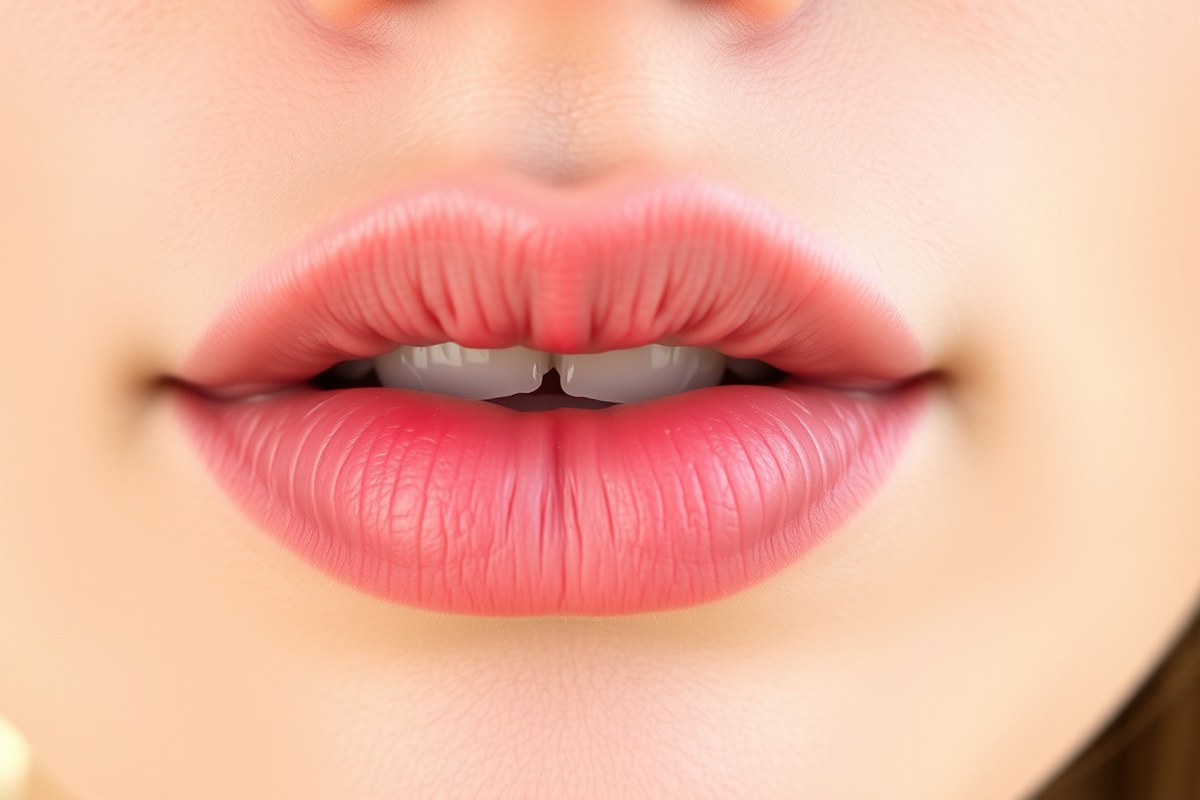
How to Get Rid of Pimple on Lip: 8 Safe, Effective Ways That Work Fast
Begin by determining if a bump on your lip is a genuine pimple or a cold sore, as these need different treatments. Applying gentle remedies like warm or cold compresses, tea tree oil, or salicylic acid available over the counter can help reduce swelling and clear the blemish safely and quickly. Avoid squeezing the pimple to prevent irritation or scarring. Adjusting your skincare habits and lifestyle can also help prevent pimples from appearing near your lips.
This information is for teens and adults who want safe and effective methods to handle pimples on or near their lips. You’ll learn how to spot and treat lip pimples, use remedies correctly, and know when to seek professional care for persistent or severe cases.
Key Takeaways
- Identify lip pimples by their appearance and location; cold sores are contagious viral blisters that heal in 2 to 4 weeks without treatment.
- Pimples on or around the lips often result from clogged pores, irritation, or contact with lip products and bacteria.
- Use 100% tea tree oil safely by applying it to the pimple for 10 minutes, then washing it off to reduce inflammation.
- Apply a warm, damp cloth at about 95°F (35°C) for 10 to 15 minutes, 3 to 4 times daily to speed up healing.
- Avoid popping lip pimples to prevent infection; instead, use warm compresses and gentle cleansing to promote healing.
- Lip pimples typically last 2 to 4 weeks; expect gradual healing as inflammation decreases and skin repairs itself.
How to Identify and Differentiate Pimples vs Cold Sores on Your Lip
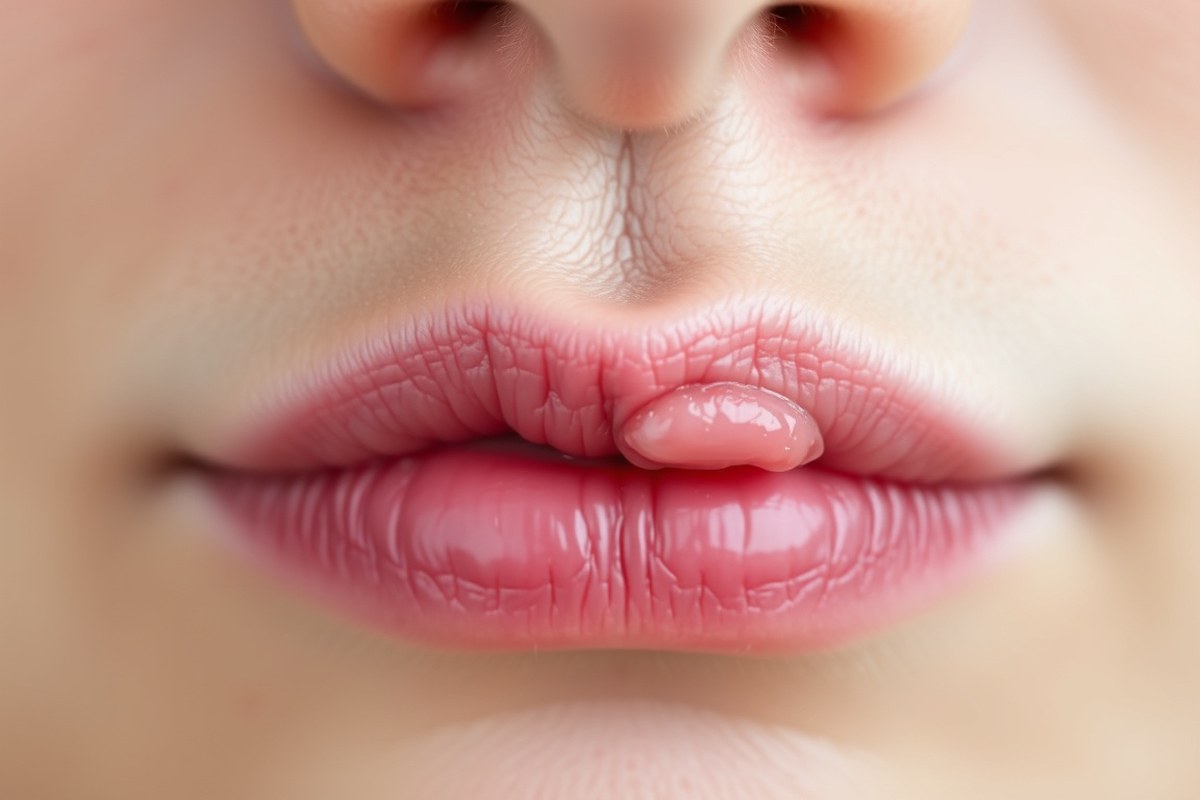
To distinguish a pimple from a cold sore on your lip, pay attention to how it looks, any sensations before it appears, and its causes. Pimples often show up as single whiteheads, red bumps, or blackheads with mild tenderness. Cold sores usually begin with a burning or tingling feeling, followed by small clusters of fluid-filled blisters. Accurate identification is important because pimples and cold sores require different treatments.
Visual Characteristics of Pimples vs Cold Sores
Pimples on or around the lips often appear as a single inflamed bump. They can have a whitehead if clogged with pus or be red or black if inflamed or containing trapped oil. In contrast, cold sores form multiple small, fluid-filled blisters grouped tightly together. These blisters eventually burst and crust over.
Check for the sensation before the bump appears: pimples generally cause a dull soreness or tenderness at the site, but cold sores are preceded by itching, burning, or tingling sensations. Location also helps, pimples appear on the lip line or nearby skin, while cold sores usually show up on or very close to the lip vermilion border.
Common Causes Behind Each Type of Bump
Pimples result from clogged pores caused by excess oil, bacteria, and dirt. They form when hair follicles trap oil and dead skin cells, leading to inflammation. This is typical acne behavior occurring on and near lips due to factors like lip balm, cosmetics, or touching the area.
Cold sores come from the herpes simplex virus type 1 (HSV-1). This virus is contagious and stays dormant until triggered by factors like stress, sun exposure, or illness. Cold sores are not acne and require antiviral treatment rather than acne medication.
Immediate Actions Based on Identification
Once you spot a suspicious bump on your lip, use the following checklist to decide how to proceed. Identifying it accurately helps avoid improper treatment and speeds healing.
- Observe the number and type of bumps. A single inflamed bump likely indicates a pimple. Multiple clustered blisters signal a cold sore.
- Assess pre-bump sensations. Tingling, itching, or burning before the bump suggests a cold sore. Tenderness or soreness points to a pimple.
- Note the bump’s location. Pimples usually form on or just around the lip line; cold sores target the lip vermilion border or adjacent skin.
- Look for fluid-filled blisters. Presence means cold sore; absence favors pimple.
- Avoid popping or picking. Popping a cold sore risks spreading HSV-1, while squeezing a pimple can cause irritation or infection.
- Apply the right treatment. Use acne treatments like salicylic acid for pimples and antiviral creams for cold sores.
- Consult a healthcare provider. If unsure, especially when the bump recurs or worsens, a provider can test for HSV-1 to confirm cold sores.
Common Causes of Pimples on or Around the Lips You Should Know
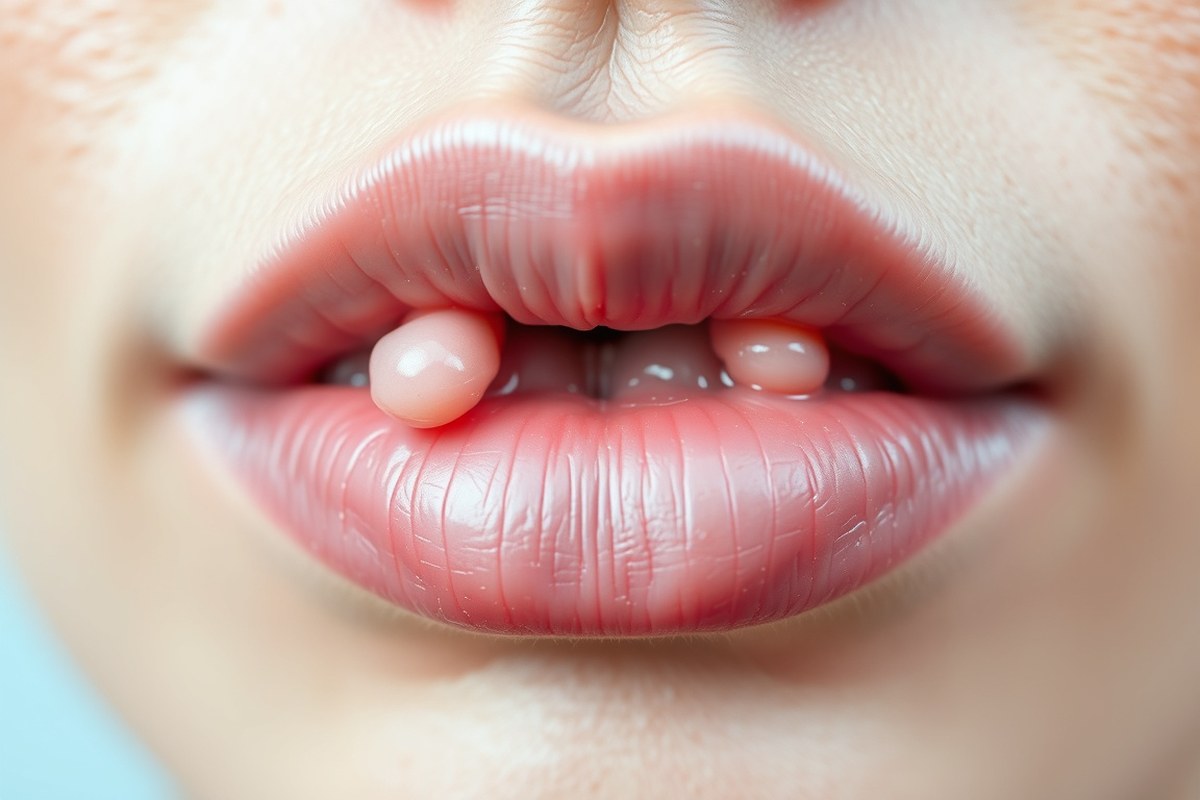
Pimples appearing on or around your lips happen for a few specific reasons linked to skin and lifestyle factors. The skin near your lips has oil glands and hair follicles that can get clogged, allowing pimples to form. Hormonal changes, bacteria, irritation from lip products, and certain hygiene habits all can contribute to breakouts in this exact spot.
How Clogged Pores Develop Near Lips
Clogged pores are often the starting point for pimples on your lip line. Your skin naturally produces oils, called sebum, to keep it hydrated. If dead skin cells or excess oil block the tiny openings of hair follicles, this creates an environment where pimples begin. The lip area is prone because lip balms, food particles, and sweat can trap oils and debris near these pores.
Even though the lip skin is thinner than on other parts of your face, the pores here can still get blocked. Clearing the skin gently twice a day with a cleaning agent that contains benzoyl peroxide or salicylic acid can help prevent buildup. Avoid harsh scrubbing that can inflame the skin and worsen your condition.
Role of Bacteria in Lip Breakouts
Bacteria play an active role in turning clogged pores into pimples. Once a pore is blocked, bacteria commonly found on your skin, like Cutibacterium acnes, multiply inside the pore. Their growth causes inflammation, redness, and potentially a pus-filled bump.
Touching your lips often or sharing lip products can transfer bacteria and increase your risk of breakouts. Washing your hands regularly before touching your face and avoiding sharing makeup or lip balms can limit bacterial spread and reduce flare-ups.
Impact of Hormonal Fluctuations
Hormonal changes cause your oil glands to produce more sebum, increasing the chance of clogged pores near your lips. These fluctuations can happen during puberty, menstrual cycles, stress periods, or certain medication use. Pimples above or around the lips are a common sign of these hormonal shifts.
Managing stress and maintaining a balanced diet with plenty of water may help regulate hormones and reduce breakouts. However, some hormonal acne might require medical treatment if it persists or worsens.
Effects of Irritating Lip Products
Many lip balms and lipsticks contain oils and emollients that can clog pores along your lip line. These products are designed to hydrate but if they have comedogenic ingredients, they may trap sebum and dead skin, leading to pimples. Using too much lip product or not removing it properly at the end of the day also increases this risk.
Choose non-comedogenic, hypoallergenic lip products designed for sensitive or acne-prone skin. Remove lip products thoroughly every night using gentle cleansers that won’t strip moisture. Avoid products with added fragrances or irritants known to aggravate skin near the lips.
Use non-comedogenic lip balms and cleanse your lips nightly to prevent product buildup and irritation that can cause pimples.
Poor Hygiene and Lip Acne Formation
Lip pimples are not usually caused by poor hygiene but some habits can increase their chance. Frequent touching of the lips with unwashed hands transfers oils and bacteria onto delicate skin around your mouth. Sweat left on the lip line after exercise or heat also contributes to clogged pores.
Regular facial cleansing twice daily, especially after sweating, supports a healthier skin barrier. Washing your hands before touching your lips and avoiding picking or popping pimples can prevent infections and scarring. Keep your pillowcases clean and change them every few days to minimize bacterial exposure while you sleep.
Safe Use of Home Remedies and OTC Treatments for Lip Pimples
You can safely use diluted tea tree oil, mild natural remedies like honey and turmeric, and certain over-the-counter treatments such as benzoyl peroxide and salicylic acid on pimples around your lips. Proper dilution and careful application help avoid irritation or damage to the sensitive lip area. Applying these treatments according to specific instructions improves results and reduces the chance of side effects.
Tea Tree Oil: Usage and Precautions
Tea tree oil can be effective at reducing inflammation and bacteria on lip pimples, but it must be diluted because it is highly concentrated and can cause irritation. Use 2 drops of 100% pure tea tree oil mixed with 12 drops of witch hazel to create a safe solution. Apply this with a small cotton swab directly on the pimple twice daily. Avoid contact with the inside of your mouth and lip mucosa to prevent burning or stinging.
Do not use tea tree oil undiluted or on open wounds near your lips. Should redness, peeling, or itching occur, stop use immediately. Those with sensitive skin should perform a patch test on another area first, applying once and waiting 24 hours to check for any reaction.
Over-the-Counter Ingredients: Benzoyl Peroxide and Salicylic Acid
Benzoyl peroxide and salicylic acid are common OTC acne treatments that can be used on pimples near the lips, but caution is necessary because these ingredients may dry out and irritate the thin skin around your mouth. Use the lowest concentration available, 2.5% benzoyl peroxide or 0.5% to 2% salicylic acid, to minimize side effects.
Apply a pea-sized amount with a clean fingertip or cotton swab only on the affected pimple, not on the lips themselves. Limit application to once a day at first to see how your skin reacts. Avoid swallowing any product and rinse your lips immediately if you experience excessive burning or redness.
Effective Natural Remedies and How to Apply Them
Several natural remedies can help treat lip pimples safely and gently. Raw honey offers natural antimicrobial benefits and can be applied directly to the pimple. Use a small dab and leave it on for 15 to 20 minutes before rinsing with warm water. Turmeric paste, made by mixing one teaspoon of turmeric powder with a few drops of water or honey to create a spreadable paste, can help reduce inflammation. Apply it to the pimple for 10 minutes, then wash off carefully.
Lemon juice has some antibacterial properties but is acidic and can irritate lips. When used, dilute it with water in a 1:1 ratio and apply with a cotton ball for no longer than 10 minutes. Always moisturize your lips afterward to prevent dryness. These remedies work best for mild pimples and should be used cautiously around broken or peeling skin. Below is a comparison of these common remedies to help you decide which fits your needs based on benefits and precautions.
| Treatment | Best For | Key Benefits | Precautions | Typical Timeline |
|---|---|---|---|---|
| Tea Tree Oil (diluted) | Mild inflammation | Antimicrobial, reduces redness | Must dilute; avoid sensitive skin; patch test recommended | Use twice daily; effects visible in a few days |
| Benzoyl Peroxide (2.5%) | Moderate pimples | Kills bacteria, reduces pimples | Can dry skin; avoid lips; apply sparingly | Use once daily; 1, 2 weeks for results |
| Salicylic Acid (0.5, 2%) | Mild acne, oily skin | Exfoliates pores, reduces swelling | Dryness possible; avoid lips; patch test advised | Apply once daily; improvement in 1 week |
| Raw Honey | Mild inflammatory pimples | Natural antimicrobial, soothes skin | Use only raw/unprocessed honey; possible stickiness | Apply 15, 20 minutes; daily use |
| Turmeric Paste | Inflammation reduction | Anti-inflammatory, antibacterial | Can stain skin; dilute for sensitive skin | Apply 10 minutes; repeat daily |
| Lemon Juice (diluted) | Antibacterial boost | Kills bacteria, promotes healthy pores | Highly acidic; dilute and limit contact time; avoid broken skin | Apply 10 minutes; use occasionally |
Choosing between these treatments depends on your skin sensitivity, the severity of the pimple, and your preference for natural versus OTC products. Always start with small amounts and monitor your skin’s response, and stop use if irritation occurs.
How Warm and Cold Compresses Help Heal Lip Pimples
Warm and cold compresses are simple yet effective ways to reduce pain and inflammation from a pimple on your lip. A warm compress helps open clogged pores, encourages drainage, and speeds up healing. Using a warm, damp cloth at about 95°F (35°C) softens the skin and can ease discomfort. Cold compresses, on the other hand, soothe swelling and redness by constricting blood vessels and numbing pain.
For new pimples that feel tender or swollen, start with a warm compress to promote healing. Apply it for about 10 to 15 minutes, three to four times a day. Once the swelling begins to decrease, switch to a cold compress to reduce any remaining inflammation and pain. Hold a cold compress on the affected area for about 1 minute twice a day. Using the right compress at the right stage helps speed up recovery and prevent extra irritation. Follow these steps to apply warm and cold compresses safely and effectively:
- Prepare the warm compress: Soak a clean washcloth in warm water at around 95°F (35°C). Wring out excess water so it’s damp but not dripping.
- Apply the warm compress: Gently press the warm cloth against your lip pimple for 10 to 15 minutes. Do this 3 to 4 times daily. Rewarm the cloth if it cools down too fast.
- Prepare the cold compress: Wrap a small piece of ice or a cold pack in a clean towel. Avoid applying ice directly to skin to prevent damage.
- Apply the cold compress: Hold the cold compress gently against the pimple for 1 minute at a time, twice a day. Remove it if you feel excessive discomfort or skin numbness.
- Keep your lip clean: After each compress session, gently wash your lips with mild soap and water to prevent bacteria buildup.
- Avoid picking or squeezing: Compresses help reduce pain but do not pop the pimple. Popping increases infection risk and slows healing.
- Adjust frequency as needed: Continue warm compresses until swelling reduces, then maintain cold compresses to control inflammation.
By carefully alternating warm and cold compresses, you can manage pain, reduce swelling, and encourage faster healing without harsh chemicals. These treatments are low-cost and require only common household items. If your pimple worsens or doesn’t improve in about a week, consider consulting a dermatologist for further treatment options.
When to Avoid Popping Lip Pimples and What to Do Instead
Resisting the urge to pop a pimple on or around your lip is essential because squeezing can push bacteria deeper into the skin, causing worse infection and inflammation. The delicate skin on the lips also heals more slowly, increasing the risk of scarring and prolonged redness. Instead of popping, focus on gentle care to speed healing without damage.
Common mistakes that delay healing include frequently touching the pimple, using harsh scrubs or alcohol-based products on the area, and ignoring basic hygiene. These actions irritate the skin and encourage bacteria growth. Cleansing the area gently and using targeted treatments can reduce swelling and clear the spot more safely.
Never pop or squeeze a lip pimple; this often leads to infection and visible scars.
Here are some practical tips and corrections to avoid mistakes and protect your skin:
- Wash the lip area twice daily with a mild salicylic acid cleanser to unclog pores without irritation.
- Apply a warm compress for 10 to 15 minutes, 2 to 3 times daily, to reduce inflammation and promote drainage.
- Use a cold pack wrapped in a cloth for 10 minutes to reduce pain and swelling after warm compress treatment.
- Apply a small amount of aloe vera gel once or twice daily as a soothing spot treatment.
- Avoid touching, picking, or rubbing the pimple throughout the day to prevent spreading bacteria.
- Keep lips moisturized with a gentle, non-comedogenic balm safe for lip use.
- Practice good hand hygiene before touching your face or applying treatments.
Applying these steps consistently can prevent infection and minimize scarring. Healing results include reduced redness and size within a few days and no dark marks or pits on the lip after healing. If there is persistent pain, spreading redness, or pus buildup, consult a healthcare professional rather than attempting to treat it yourself.
How Long Do Lip Pimples Last and What to Expect During Healing
A lip pimple typically lasts anywhere from a few days to up to two weeks, depending on its size and your skin’s healing response. Most small and mild pimples start to shrink and heal within 3 to 7 days when you use gentle home treatments. You might begin to see some improvement in redness and swelling after applying warm compresses or over-the-counter (OTC) products containing ingredients like benzoyl peroxide or salicylic acid within 24 to 48 hours.
It’s normal for a lip pimple to become swollen, tender, or even painful, especially in the first few days. This happens because the pimple is inflamed as your immune system works to fight bacteria and clear clogged pores. Applying a cold compress for short periods can reduce swelling and pain. Avoid touching or trying to pop it, as that can worsen inflammation or cause infection, making the healing process longer.
Home remedies like gentle cleansing with a mild soap, warm compresses for 10 to 15 minutes a few times a day, and targeted OTC products typically help speed healing. Results depend on consistent application and your skin’s sensitivity. Persistent or particularly painful pimples that don’t respond to home care within a week may require a dermatologist’s evaluation. Medical treatments such as prescription topical antibiotics or retinoids work over 4 to 6 weeks but are more effective for frequent or severe breakouts rather than a single lip pimple.
The healing process involves the inflammation settling down first, followed by the gradual reduction of redness and swelling. The skin often peels slightly during this time as it renews. Notice when the pimple turns into a hard bump or forms a whitehead, and resist the urge to squeeze it. Instead, continue with warm compresses and topical treatments to allow it to drain naturally. Avoid lip products or cosmetics that could further irritate the area until it fully heals.
Expect mild discomfort around the pimple during the initial days. The outer skin generally looks better before the pain completely goes away. Using an effective treatment routine should clear the lip pimple mostly within about one week, with minor scabbing or sensitivity lasting a few days more. Healing times can vary based on factors such as your overall skin health, hydration, diet, and habits like lip licking or biting, which can slow recovery.
Lifestyle, Diet, and Skincare Tips to Prevent Lip Pimples
Pimples on or around your lips often stem from several factors including hormonal changes, stress, and diet. Managing these underlying causes helps prevent new breakouts. Hormonal fluctuations, especially during puberty or menstrual cycles, can boost oil production, increasing the chance of clogged pores near your lips. Reducing stress through techniques like meditation, regular exercise, or adequate sleep lowers the release of stress hormones that may trigger acne symptoms.
Diet plays a noticeable role in lip pimple prevention. Foods high in sugar, dairy products, and certain fats tend to worsen acne for some people. You can try limiting these to see if your skin clears up. Drinking plenty of water supports skin hydration and healing. Monitoring your personal reactions to specific foods will help identify any triggers.
Keeping your lips clean without irritation is important. Gently washing your face twice daily with a mild, non-comedogenic cleanser helps remove excess oils and bacteria. Avoid harsh scrubs near your lips since they can cause inflammation and worsen existing pimples. When choosing lip products like balms or makeup, opt for those labeled non-comedogenic or fragrance-free to minimize pore clogging and irritation. Replacing your toothbrush every three months and switching toothpaste formulas can also reduce allergic reactions that mimic pimples.
- Use a gentle lip scrub or soft cloth once a week to exfoliate dead skin gently
- Apply a broad-spectrum SPF lip balm daily to protect against UV damage and irritation
- Choose lip products without petroleum, lanolin, or heavy oils that can clog pores
- Adjust skincare routines seasonally: richer balms in winter, lighter formulas in summer
- Manage hormonal acne peaks with topical retinoids or consult your doctor for hormone therapy options
- Limit sugar, dairy, and fried foods, and increase intake of fruits, vegetables, and omega-3 rich foods
- Practice stress-relief activities like yoga, deep breathing, or hobbies you enjoy daily
For oily skin, lightweight, mattifying products work better during the hotter months. Dry skin benefits from hydrating but non-greasy formulations, especially in cooler, drier seasons. Always test new products on a small patch before applying around your lips to check for sensitivity or reactions. Preventing lip pimples takes consistent care through tailored habits that fit your skin type and lifestyle. Persistent or severe issues may need professional evaluation to rule out allergies or underlying skin conditions.
When to See a Dermatologist and Medical Treatments for Persistent Lip Pimples
Persistent or severe pimples on or around your lips warrant a visit to a dermatologist. You should seek professional help if the pimple does not improve after several weeks of home care, becomes increasingly painful, shows signs of infection such as swelling or pus, or keeps recurring in the same area. Also, if the pimple looks unusual, bleeds easily, or you have multiple pimples that fail to respond to over-the-counter treatments, a dermatologist can provide an accurate diagnosis to rule out other skin conditions like cold sores or cysts.
Dermatologists have medical tools and prescription options aimed at stubborn lip pimples. For example, they may perform a professional extraction using sterile instruments to remove a single, deep pimple safely. This approach reduces the risk of scarring and infection compared to trying to pop it yourself. In cases of recurring or cystic pimples, laser treatment might be recommended to target and remove the lesion effectively. These procedures usually require a few minutes in a clinic and can cost between $100 to $500 or more, depending on your location and the treatment complexity.
For medical management, your dermatologist might prescribe topical medications with stronger doses of antibiotics, retinoids, or anti-inflammatory agents. Oral antibiotics could be recommended for multiple or widespread pimples that do not respond to topical treatments. In severe or cystic acne on the lips, isotretinoin, a powerful oral medication, might be advised, but this requires close medical supervision due to potential side effects and specialized monitoring. Prescription treatments typically take several weeks to show improvement, and your doctor will schedule follow-ups to adjust therapy if needed.
Handling cystic or recurrent pimples differs from occasional breakouts. These types of pimples are often deeper under the skin and more painful, requiring professional care to prevent scarring and prolonged discomfort. Your dermatologist may combine medication with physical treatments like drainage or laser therapy. Consistent follow-up helps manage flare-ups and keeps track of any skin changes. Avoiding self-extraction of painful cystic pimples reduces the risk of complications such as infection and scarring, which are more common without proper care.
See your dermatologist if a lip pimple is painful, lasts more than two weeks, or recurs frequently to get accurate diagnosis and effective treatment options.
Step-by-Step Action Plan to Get Rid of a Pimple on Your Lip
Follow these clear steps to identify, treat, and prevent pimples on your lip safely and effectively. Monitor your progress and adjust as needed for the best results.
- Immediately: Check if the spot is a pimple or cold sore by looking for blister-like clusters and tingling, which indicate a cold sore. Avoid acne treatments if a cold sore is present and consult a healthcare provider.
- First 24 hours: Apply a warm compress to the pimple for 10-15 minutes, 3 times a day. Warm compresses reduce swelling and speed healing; you should notice less redness and tenderness.
- Days 2 to 4: Use an over-the-counter (OTC) acne spot treatment containing benzoyl peroxide or salicylic acid carefully around the lip area. Avoid applying too much to prevent irritation; improvement should show in reduced size and discomfort.
- Throughout healing: Keep the area clean and avoid touching or popping the pimple to reduce infection risk. Stop treatment and consult a professional if swelling or pain worsens.
- Ongoing: Adjust your diet by reducing sugary and greasy foods and drink plenty of water. Track if fewer pimples appear around your lips over the next 1-2 weeks.
- Week 1 and beyond: Incorporate a gentle lip-safe skincare routine with non-comedogenic products and regular moisturizing. This will help prevent new pimples.
- After 2 weeks: If pimples persist or worsen, schedule a visit with a dermatologist. They can prescribe medications or other treatments tailored to your condition.
Frequently Asked Questions
Can Tea Tree Oil Help Get Rid of a Pimple on the Lip?
Yes, applying 100% tea tree oil can reduce inflammation and bacteria on a lip pimple, helping it heal faster. Use it sparingly to avoid irritation and do a patch test first.
Does Toothpaste Actually Clear Up Pimples on the Lip?
Toothpaste is commonly used but can irritate sensitive skin on the lip. It’s best to avoid it and stick with gentler treatments like warm compresses or OTC creams.
Is Castor Oil Effective for Treating Lip Pimples?
Castor oil may help reduce inflammation and promote healing on lip pimples due to its anti-inflammatory properties. Use a small amount at night and observe your skin’s reaction.
How Often Should I Apply Salicylic Acid to a Lip Pimple?
Frequency varies based on your skin type; usually once a day is enough to reduce pimple size. Avoid overuse since the skin on lips is delicate and can dry out easily.
Can I Get Rid of a Pimple on My Lip Overnight?
Getting rid of a lip pimple overnight is unlikely, but warm or cold compresses can reduce swelling and redness quickly. Persistent cases may require medical treatments.
Are Hydrocolloid Patches Safe to Use on Pimples on the Lip?
Yes, hydrocolloid patches can protect the pimple by absorbing fluids and speeding healing. Make sure the patch fits properly without touching the lip’s edge to avoid irritation.
Final Thoughts
Getting rid of a pimple on your lip requires patience and careful care to avoid irritation or infection. Start today by applying a gentle warm compress for a few minutes to reduce swelling and promote healing. Keeping the area clean and resisting the urge to pop can help your skin recover faster while preventing scars or further bumps.




One Comment