
How to Get Rid of Cold Sore on Lip Quickly: 8 Proven Steps That Work
To get rid of cold sore on lip quickly, start antiviral treatment at the very first sign of tingling or itching. Applying ice for 10-15 minutes several times a day helps reduce swelling and pain. Avoid sharing towels or lip balms, and keep the sore clean to prevent worsening or spreading.
This advice suits anyone experiencing the early symptoms of a cold sore or looking for safe treatment options. You will find clear steps on managing cold sores, effective remedies, when to seek medical care, and tips for avoiding future outbreaks and spreading the infection.
Key Takeaways
- Start cold sore creams within 24 hours of symptom onset for best results in reducing duration and pain.
- Apply ice for 10-15 minutes several times daily to numb pain and reduce swelling around the cold sore.
- Look for tingling, itching, or burning 6-24 hours before cold sores appear to begin early treatment promptly.
- Avoid picking cold sores to prevent infection and slower healing; expect healing within 7 to 10 days without treatment.
- Use topical creams with anesthetics like lidocaine to relieve soreness if cold sores break through the skin.
- Consult a doctor if a cold sore does not heal within 10 to 14 days or causes unusual pain or swelling.
1. How to Treat a Cold Sore on Your Lip Quickly and Safely

Starting treatment quickly is the most important factor in reducing how long a cold sore lasts. You should begin as soon as you notice the initial symptoms, which often include tingling, itching, or burning around your lip. These sensations typically happen 6 to 24 hours before the cold sore itself appears. Antiviral creams and ointments, like those containing docosanol, work best when applied within 24 hours of these symptoms. While there’s no reliable way to get rid of a cold sore in just 24 hours, early treatment can shorten the healing process and decrease discomfort.
Apply treatments regularly as directed, usually several times a day, continuing until the cold sore completely heals. Keep in mind that a cold sore will usually clear up on its own within 7 to 10 days, but antiviral treatments can help shorten this. Avoid contact with others during outbreaks to prevent spreading the virus, especially through kissing or sharing personal items.
- Identify symptoms early. Watch for tingling, itching, or burning sensations around your lips, these can appear up to 24 hours before a cold sore forms.
- Start treatment immediately. Apply an over-the-counter antiviral cream like docosanol at the first sign of symptoms, ideally within the first 24 hours.
- Apply the cream frequently. Follow product instructions, generally applying the antiviral cream 5 times a day to the affected area until the sore heals.
- Keep the area clean and dry. Gently wash with mild soap and water and avoid picking at the sore to prevent infection.
- Avoid sharing personal items. Do not share towels, utensils, or lip products during an outbreak to reduce the chance of spreading the virus.
- Refrain from kissing or skin contact. Limit contact with others during outbreaks, especially in the first 24 hours from symptom onset until the cold sore heals.
- Continue treatment until fully healed. Usually, cold sores heal within 7 to 10 days, but keep applying treatments as the instructions recommend to reduce healing time.
- Consult a healthcare provider for frequent or severe outbreaks. Prescription antivirals may be necessary if cold sores appear often or cause significant pain.
2. What Causes Cold Sores and What Triggers Outbreaks?

Cold sores on the lip come from an infection with the herpes simplex virus, mostly the herpes simplex virus type 1 (HSV-1). This virus lives in your body and flares up when triggered. The virus spreads through direct contact and can reactivate from various physical and emotional triggers.
Herpes Simplex Virus Type Involvement
The main cause of cold sores is the herpes simplex virus type 1, or HSV-1. This virus is very common; more than 3.7 billion people under 50 carry it worldwide, according to the World Health Organization. Once HSV-1 infects you, it stays in your nerve cells permanently, usually hidden from your immune system. It can flare up unexpectedly, causing cold sores on your lips.
Cold sores may sometimes result from herpes simplex virus type 2 (HSV-2), which more commonly causes genital herpes. This can occur when HSV-2 infects the mouth, often through oral sex. Although HSV-1 and HSV-2 have similarities, they are distinct types of the herpes simplex virus.
Modes of Transmission Between People
The herpes simplex virus passes through close contact with others. Kissing someone with an active cold sore or sharing items like cups, utensils, or lip balm can spread the virus. It is most contagious during outbreaks when sores and blisters are present due to the active virus in the fluid.
Cold sores can also lead to infection in other places, such as genital infection during oral sex with a partner who does not carry the cold sore virus. To prevent spreading the virus, avoid intimate contact while you have an active cold sore and do not share personal items that touch your mouth or lips.
Physical and Emotional Outbreak Triggers
Various factors can trigger a cold sore outbreak by activating the virus inside your body. Physical triggers include exposure to sunlight, fever, illness like colds or the flu, and hormonal changes such as those during menstruation. These factors can weaken your immune system or irritate your skin, giving the virus a chance to resurface.
Emotional stress is another common trigger. When you are stressed, your body produces hormones that can suppress your immune response. This suppression allows the herpes simplex virus to reactivate and cause cold sores. Stress can also trigger other herpes-related viruses, such as shingles and Epstein-Barr virus.
Environmental Factors Influencing Flare-Ups
Environmental factors such as cold weather or wind can dry out the skin on and around your lips. This dryness can crack the skin, which makes it easier for the herpes virus to break through and cause an outbreak. Excessive sun exposure also harms the delicate skin and may prompt an outbreak.
People who work outside or spend long time in harsh weather conditions may experience more frequent cold sore flares. Protecting your lips with sunscreen or lip balm with SPF and covering your face in windy or cold weather can reduce the chance of flare-ups.
Immune System Role in Reactivation
Your immune system plays a key role in controlling the herpes simplex virus. When your immune defenses are strong, the virus stays dormant in your nerve cells without causing symptoms. However, if your immune system weakens due to illness, fatigue, or other health issues, the virus can reactivate and create cold sores.
Maintaining good overall health, managing stress, getting enough sleep, and eating a balanced diet supports your immune system and helps prevent outbreaks. Some treatments and supplements, like antiviral medications and vitamin C, may also help limit the virus’s activity by boosting your body’s ability to clear it.
Avoid touching a cold sore or its fluid since this can easily transmit the virus to other areas of your body or other people.
3. Recognizing Cold Sore Symptoms Before and During Outbreaks
Cold sores typically begin with a few early signs you can spot before the sore fully forms. Most people experience itching, burning, tingling, or stinging at the spot where a cold sore is about to surface. This sensation usually happens 1 to 2 days before a visible sore appears and often occurs in the same place where previous cold sores have appeared. Recognizing these early symptoms is important because starting treatment at this stage can help reduce the severity and duration of the outbreak.
A cold sore usually develops on or around the outer edge of the lip. It begins as a cluster of small blisters that eventually burst, leaving a crusty area that heals in 7 to 10 days. The sores are contagious from this early tingling phase through until complete healing. This early contagious period means you should avoid sharing items like towels, cups, or lip balm to prevent spreading the virus to others or other parts of your body.
Recognizing a cold sore versus other lip sores helps ensure proper treatment. Cold sores usually recur in the same place and begin with tingling, followed by blisters and crusting. Other lip issues like canker sores or allergic reactions differ in appearance and don’t start with tingling. Canker sores typically form inside the mouth as round ulcers with a white or yellow center, while cold sores result from HSV-1 and appear on the lip or just outside the mouth.
- Early signs: itching, burning, tingling 1-2 days before cold sore
- Cold sores appear as clusters of fluid-filled blisters on or near the outer lip
- They usually crust over and heal within 7 to 10 days
- Cold sores often appear repeatedly in the same spot
- Canker sores develop inside the mouth and don’t cause tingling beforehand
- Cold sores are contagious from early tingling until fully healed
- A sore lasting more than 10 to 14 days without healing should be checked by a doctor
Pay attention to these signs as soon as you notice a tingling or burning sensation on your lip. Promptly using antiviral medications or creams at this stage can sometimes prevent the cold sore from fully developing or reduce how long it lasts. Avoid touching the area to limit irritation and the risk of spreading the virus. If you’re unsure whether a sore is a cold sore or something else, a healthcare provider can help diagnose the issue and suggest the best course of action, especially if lesions do not improve within two weeks.
4. Comparing Over-the-Counter and Prescription Cold Sore Treatments
Over-the-counter (OTC) creams and prescription antiviral treatments both target cold sores, but they differ in how quickly they work, their costs, and accessibility. OTC options like Abreva® offer a convenient first step, especially when applied at the earliest sign of a cold sore. This cream can reduce healing time and ease symptoms such as pain, itching, burning, and tingling. Prescription antivirals, including oral medications like acyclovir, valacyclovir, and famciclovir, tend to be more effective at shortening the duration and severity of outbreaks, often cutting healing time by about one day more than OTC creams.
Choosing between OTC and prescription treatments depends on your needs, budget, and outbreak frequency. OTC creams are accessible without a prescription and usually cost between $15 and $30 per tube. While they are easy to apply topically, they generally deliver limited antiviral strength. Prescription medications may require a doctor’s visit but provide stronger antiviral action. Prescription creams like acyclovir applied directly can help, though oral antivirals commonly provide the best results. They often cost more upfront, but generic versions can reduce costs significantly. Early treatment with either type, including supportive measures like cold compresses, helps control symptoms and speed healing.
| Treatment Type | Examples | How to Use | Healing Time Reduction | Cost Range | Accessibility |
|---|---|---|---|---|---|
| OTC Creams | Abreva®, creams with lidocaine or benzocaine | Dab on at first sign, don’t rub in; reapply as directed | Speeds healing; reduces symptoms; less than 1 day | $15, $30 per tube | Available without prescription |
| Prescription Topical Creams | Acyclovir cream | Apply directly to sores; follow prescribed frequency | May shorten healing by about 1 day | Varies; often higher than OTC | Requires prescription |
| Prescription Oral Antivirals | Oral acyclovir, valacyclovir, famciclovir | Take as prescribed, typically 5 to 10 days | Shortens outbreak duration by ~1 day; more effective | Varies widely; generics can be affordable | Requires prescription; most effective option |
OTC creams are a reasonable choice for mild outbreaks or if you want quick access without seeing a doctor. They provide symptom relief and some reduction in healing time but are less potent than prescription options. Prescription oral antivirals are often preferred for frequent or severe outbreaks because they work systemically and reduce both healing time and pain more effectively. Applying treatments early, at the first sign of itching or tingling, yields the best results. Pairing treatments with supportive care like cold compresses can also reduce pain and swelling.
5. Effective Home Remedies and What to Avoid When You Have a Cold Sore
Several home remedies can help relieve pain and speed healing during a cold sore outbreak. Applying a cold compress for 10 to 15 minutes several times a day can numb the pain and reduce swelling, making the healing process more comfortable. Over-the-counter cold sore patches, such as COMPEED® patches, provide a protective shield that not only relieves pain but also keeps irritants like acidic foods from contacting the sore. Using creams with docosanol as soon as you notice tingling can shorten healing time to about 2½ days. Rinsing your mouth with antiseptic solutions may also help prevent infection and accelerate recovery.
Be careful about what you apply to a cold sore. Avoid using household substances such as rubbing alcohol, hydrogen peroxide, or toothpaste because they can harm the skin and delay healing. Refrain from touching or picking at the sore to prevent spreading the virus and worsening irritation. Once the cold sore has completely scabbed, you can gently use makeup or lip balm, but it’s best to consult your doctor first.
What you eat and drink matters during an outbreak. Certain foods and drinks can worsen discomfort and delay healing. Acidic, salty, or spicy foods can irritate the open sore, increasing pain and inflammation.
- Avoid acidic foods and drinks, such as citrus fruits, vinegar, and juice.
- Skip salty snacks and highly spicy meals until the sore heals.
- Do not share utensils, cups, straws, lip balm, or lipstick to prevent spreading the virus.
- Wash your hands thoroughly with soap and water after touching the sore or applying treatments.
- Wait until the sore has completely scabbed before applying any makeup or lip products.
- Use cold compresses or soothing over-the-counter products to manage pain.
Avoid touching or picking at your cold sore, and always wash your hands after contact to reduce the risk of spreading the infection.
During a cold sore episode, protecting the area from further irritation and infection can speed healing and reduce discomfort. Following safe hygiene and avoiding triggers like irritating foods will support recovery.
6. Common Mistakes When Treating Cold Sores and How to Avoid Them
Popping cold sore blisters is a common mistake that can lead to infection and slower healing. The blister serves as a protective barrier while the skin repairs itself. Breaking it open increases the chance of bacterial infection and spreads the virus to other areas or people. Instead, keep the sore clean and apply appropriate antiviral creams as soon as you notice symptoms, ideally within the first 24 hours, to limit its growth and speed recovery.
Poor hygiene also worsens cold sore outcomes. Since cold sores are contagious, touching them can transfer the virus to your fingers and nearby surfaces, leading to reinfection or spread to others. Avoid touching the sore directly, wash your hands thoroughly with soap and water after any contact, and discard or thoroughly clean any items that came in contact with the sore, such as towels, lip balms, or utensils.
Delaying treatment gives the virus more time to multiply and the blister to develop fully. Early treatment with approved antivirals or medicated creams can shorten healing time and reduce discomfort. Keep antiviral creams in your medicine cabinet, so you can start using them immediately when you feel the first tingling or burning sensation, which often precedes visible blisters.
- Do not pop or pick at blisters to avoid infection and scarring.
- Wash your hands after touching the cold sore and avoid sharing personal items.
- Apply antiviral creams within 24 hours of initial symptoms.
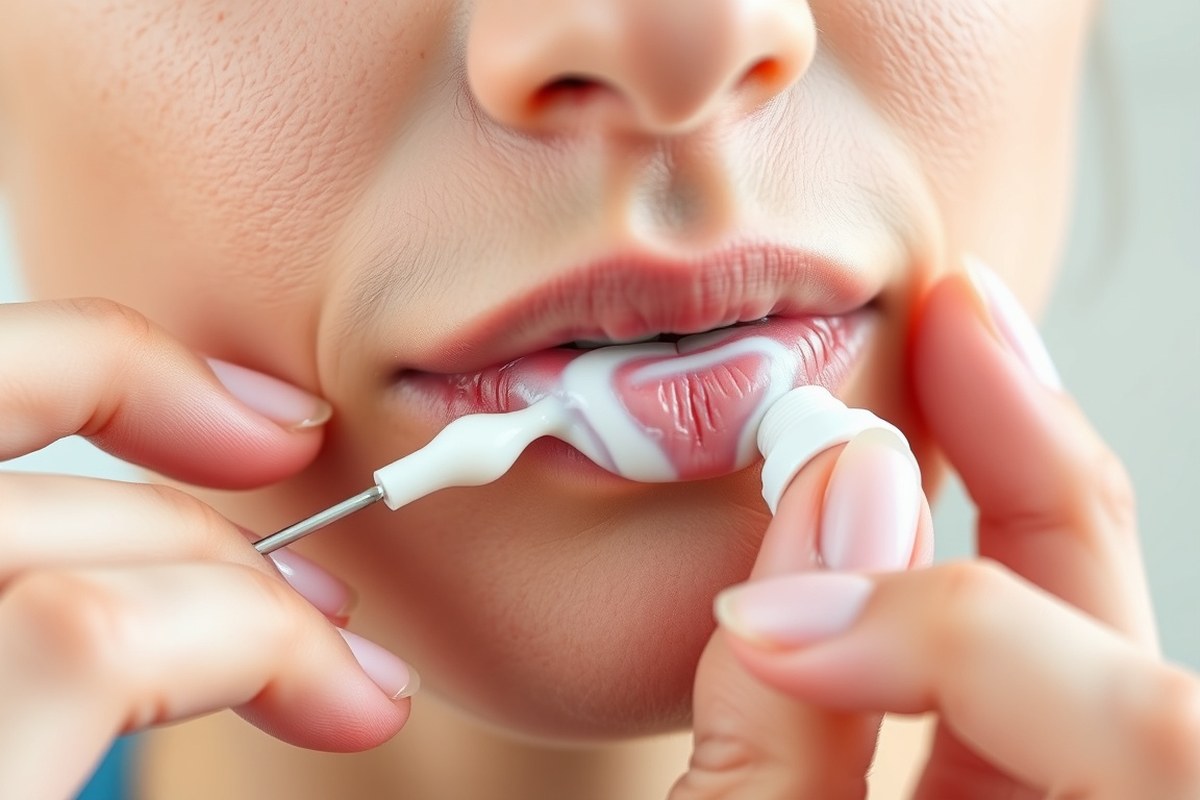
- Use a clean cotton swab or disposable applicator to apply ointments, not your fingers.
- Avoid acidic or salty foods that can irritate and delay healing.
- Maintain good hydration and get adequate sleep to support immune function.
- Discard or sanitize toothbrushes, towels, and lip products after an outbreak.
Acidic foods like citrus and salty snacks can irritate cold sores and prolong the healing process, so avoid those until sores are fully healed. Keeping yourself hydrated and rested strengthens your immune system and helps your body fight the infection. For frequent outbreaks, consider consulting a healthcare provider to explore preventive options and ensure you are applying treatments correctly.
7. When to See a Doctor and Treatment Tips for Special Populations
Seeing a healthcare provider about a cold sore is important when you notice signs of infection, severe symptoms, or belong to a group with special needs such as children, immunocompromised individuals, or those with frequent outbreaks. Early medical advice helps prevent complications and ensures you receive the right treatment for your situation.
Warning Signs That Need Medical Attention
You should see a doctor if your cold sore worsens instead of healing, lasts longer than two weeks, or appears to be spreading, especially if it affects your eyes or mouth area. Warning signs include increased redness, swelling, pus drainage, or severe pain, which may indicate a bacterial infection. Experiencing frequent outbreaks, more than one per month or six to eight per year, or having a compromised immune system due to illness or treatment requires medical evaluation. Also, cold sores that cause fever, difficulty swallowing, or unusual symptoms such as confusion or widespread rash need prompt care.
People who develop cold sores alongside symptoms like swollen lymph nodes or intense discomfort during the initial stages of an outbreak should contact a healthcare provider. These prodromal signs can signal the need for antiviral therapy to reduce severity. Uncertainty about whether a sore is a cold sore or another condition should prompt a visit to a healthcare professional who can provide a proper diagnosis and recommend testing or treatment.
Cold Sore Management for Children and Elderly
Cold sores in newborns, young children, and elderly adults require careful attention because their immune systems may not handle the infection as well as healthy adults. Newborns face a risk of severe infection and often need hospital evaluation if they develop cold sores. Young children with eczema or other skin conditions may also experience more severe symptoms and should receive prompt medical advice. Parents should avoid over-the-counter treatments intended for adults without consulting a pediatrician, as some ingredients may not be suitable.
The elderly may experience longer healing times or more discomfort. Maintaining good hydration and gentle lip care helps, but persistent or worsening symptoms warrant a medical visit. For both age groups, healthcare providers may recommend specific antiviral medications or supportive treatments tailored to their safety and comfort.
Treatment Considerations for Immunocompromised Patients
Individuals with weakened immune systems, due to conditions such as HIV, cancer, organ transplantation, or immunosuppressive drugs, must seek medical care for cold sores early. Their bodies can take longer to heal, and the infection can spread widely or lead to complications without professional management. Doctors often prescribe antiviral medications not only to treat outbreaks but sometimes as preventive therapy to reduce frequency and severity.
Because common over-the-counter remedies usually don’t suffice for immunocompromised patients, a healthcare provider will determine the safest and most effective antiviral dose based on the patient’s condition and immune status. Monitoring is essential, as untreated or severe cold sores in this population can cause secondary infections or systemic illness requiring hospital care.
8. Preventing Future Cold Sore Outbreaks and Avoiding Spread
Preventing future cold sore outbreaks involves managing your individual triggers, practicing good hygiene, and protecting your skin from seasonal risks like sun exposure and cold weather. Cold sores are contagious from the first tingle until fully healed, so avoiding close contact and sharing personal items during this time is important to stop spreading the virus. You can reduce outbreaks and protect others with a practical prevention routine tailored to your needs.
Managing Common Outbreak Triggers
Identifying and avoiding your specific triggers can lower how often cold sores appear. Common triggers include fatigue, stress, hormonal changes, a weakened immune system, and exposure to extreme temperatures. Avoiding these factors helps reduce the virus’s chance to reactivate. Prescription antiviral medication, such as valacyclovir (Valtrex), can also help prevent frequent outbreaks by suppressing the virus. Your prevention checklist for triggers should include:
- Get enough rest to avoid fatigue
- Manage stress through relaxation techniques or counseling
- Monitor hormonal cycles if you notice patterns linked to outbreaks
- Keep your immune system strong with a balanced diet and exercise
- Avoid extreme heat or cold when possible
- Use antiviral medication if prescribed by your doctor for frequent outbreaks
Regularly tracking your symptoms and triggers can help you anticipate and prevent outbreaks before they begin.
Hygiene and Contact Precautions
Cold sores spread easily through close contact starting at the first tingle and remain contagious until completely healed. This includes sharing utensils, lip balms, towels, or kissing. Avoiding these behaviors stops transmission to others or different parts of your own body, such as the eyes or genitals, where the virus can cause more serious infections. To reduce spread, adopt these hygiene practices:
- Wash your hands often, especially after touching a cold sore
- Do not share personal items that contact lips or face
- Avoid kissing and close contact with others until the cold sore is fully healed
- Keep the affected area clean and avoid picking at sores
- Use separate towels and clean them frequently
Cold sores are most contagious when blisters burst and fluid drains, so extra care during this phase helps protect those around you.
Because HSV-1 can sometimes spread even when blisters are not visible, known as asymptomatic shedding, maintaining hygiene consistently is important, especially if you are prone to outbreaks.
Seasonal Care and Sun Protection
Sun exposure often triggers cold sore outbreaks, especially for people who get cold sores frequently. Ultraviolet (UV) light can weaken the skin’s defenses and activate the virus. Similarly, cold, dry weather can crack your lips and increase outbreak risk. Protecting your lips with products that contain sunscreen and moisturizing regularly helps prevent flare-ups. Seasonal care tips include:
- Apply a lip balm with at least SPF 15 before going outdoors
- Wear a wide-brimmed hat and seek shade during peak sun hours
- Use moisturizing lip balms to prevent dryness and cracking
- Avoid licking your lips, as saliva can dry them out
- Cover your lips with a scarf in cold, windy weather
Herbal salves like those containing lemon balm extract combined with SPF can soothe the skin and offer added sun protection. Staying proactive with seasonal care helps reduce the chance of outbreaks linked to weather and sunlight changes.
Step-by-Step Action Plan to Get Rid of Cold Sores on Your Lip
Follow this plan to treat cold sores quickly and safely, manage symptoms, and reduce the chance of future outbreaks.
- At the First Sign of Tingling or Itching: Apply an over-the-counter antiviral cream or ointment like docosanol immediately. You’ll know it’s working if the sore does not progress to blisters or heals faster than previous outbreaks.
- Within 24 Hours of Blister Appearance: Use a prescription antiviral medication if available, as it shortens healing time and severity. Improvement shows as reduced pain and faster crusting over the next few days.
- During Active Outbreak: Keep the area clean and dry, avoid touching the sore, and use cold compresses to relieve discomfort. Prevent spreading by washing hands often and not sharing personal items; healing skin means lower contagiousness.
- After the Cold Sore Heals: Avoid known triggers such as excessive sun exposure, stress, or illness by using lip balm with SPF and managing lifestyle factors. Fewer or no new outbreaks indicate successful prevention.
- Ongoing Care and Prevention: Consider daily antiviral suppressive therapy if outbreaks are frequent or severe, based on a doctor’s advice. Monitor frequency and severity to judge if this approach helps.
- If Cold Sores Do Not Improve or Worsen: See a healthcare professional, especially if you have a weakened immune system or if sores last more than two weeks. Prompt medical treatment can prevent complications.
Frequently Asked Questions
What Causes Cold Sores on Lips?
Cold sores on lips are caused by the herpes simplex virus (HSV-1), which is common and contagious. Once infected, the virus stays in your body and can reactivate with triggers like stress or a cold, causing outbreaks.
How to Make a Cold Sore on Your Lip Go Away Faster?
Applying antiviral creams or taking prescription antiviral pills early can help a cold sore heal faster, sometimes within 5 days. Using treatments as soon as you feel tingling or burning increases their effectiveness.
Can a Cold Sore Disappear in 3 Days?
Cold sores usually do not disappear in just 3 days; they typically last 7 to 10 days. Early treatment might shorten healing time, but completely clearing a sore within 3 days is unlikely.
Can Cold Sores Be non-STD?
Yes, cold sores are not classified as sexually transmitted diseases. They are caused by HSV-1, which spreads through casual contact like kissing or sharing utensils, not just sexual contact.
How Long Are Cold Sores Contagious?
Cold sores are most contagious from the moment you feel tingling until they fully heal, usually 7 to 10 days. Avoid sharing items or close contact during this time to prevent spread.
Can Cold Sores Return After Treatment?
Cold sores can return because the herpes virus stays dormant in your body. Treatments reduce symptoms and healing time but don’t cure the virus or prevent future outbreaks.
Before You Go
Acting quickly with appropriate treatment is your best bet to reduce the duration and discomfort of a cold sore on your lip. Start by applying an antiviral cream or taking an oral antiviral medication as soon as you notice the first symptoms like tingling or itching. Today, check your medicine cabinet for approved cold sore treatments and plan to keep them handy for your next outbreak to manage it more effectively.





2 Comments