How Do Exterminators Get Rid of Mice: Expert Steps for Effective Control
Exterminators get rid of mice by locating entry points, setting traps or bait stations, and sealing off access to prevent reinfestation. They use targeted methods to remove mice from hard-to-reach areas like walls while ensuring safety for your family and pets. This approach combines inspection, exclusion, trapping, and follow-up monitoring to effectively control the problem.
This information is for homeowners, renters, and property managers facing mouse issues who want to understand professional extermination steps. You’ll learn how exterminators find and remove mice, the time and costs involved, safety precautions, and why professional methods often succeed where DIY attempts fail.
Key Takeaways
- Exterminators carefully inspect your home to find mice and seal entry points as small as 0.25 inches to stop infestations.
- Professionals use strategically placed traps and bait 6 to 10 feet apart along mouse paths to target colonies effectively.
- Advanced techniques remove mice from inside walls and hard-to-reach spaces, reducing hidden nesting risks.
- Full mouse extermination usually takes 3-5 weeks, depending on infestation size and treatment methods used.
- Licensed exterminators follow strict safety rules to protect pets, children, and your property during treatments like fumigation.
- Ongoing monitoring and follow-up treatments prevent reinfestation since mice breed quickly and nest close to home.
How Exterminators Locate Mice and Entry Points

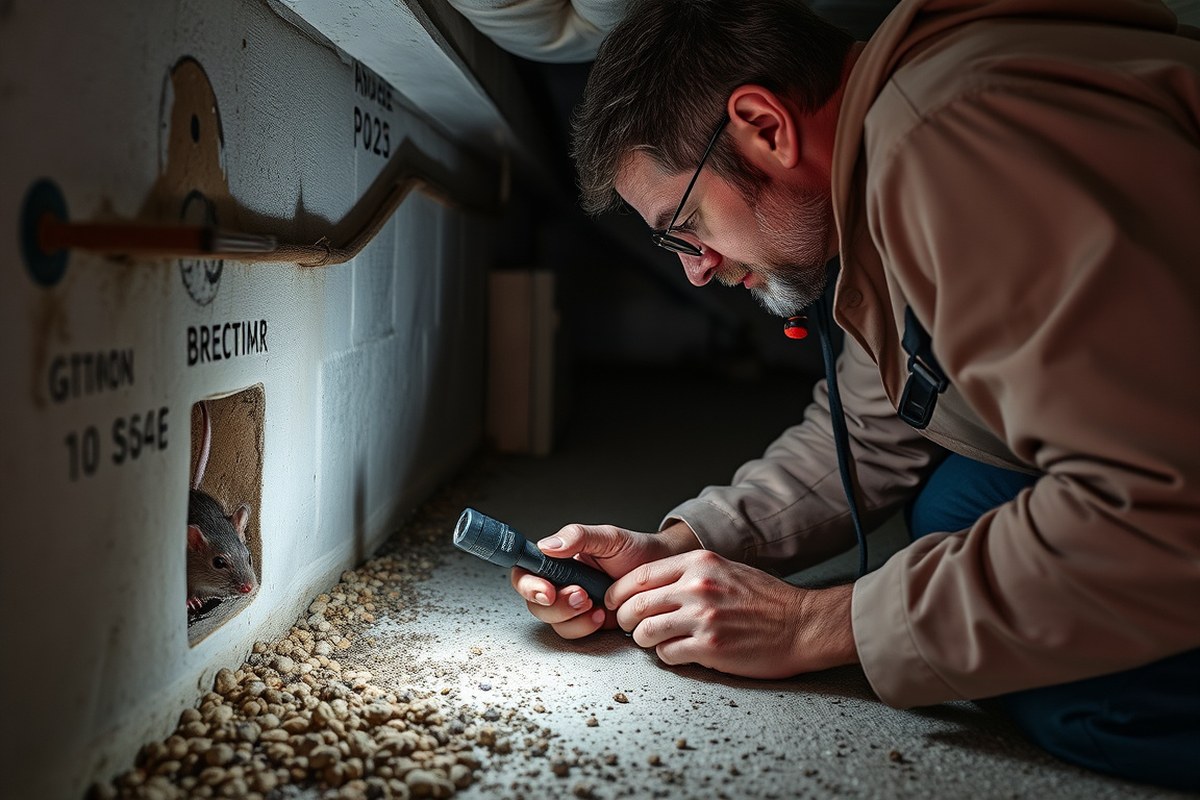
Exterminators find mouse hiding places and entry points by conducting a detailed inspection inside and outside your home. Identifying where mice live and how they enter helps target the infestation accurately and prevents further invasion. Effective inspections focus on signs mice leave behind, such as droppings, gnaw marks, and nest materials, often located near food or water sources. Here’s a typical step-by-step inspection process professionals use to locate mice activity and entry points:
- Examine common nesting areas. Inspect cluttered spots like behind appliances, inside cupboards, or in basements where mice prefer nesting. Check for shredded paper, cotton balls, or insulation that might be used as nest materials.
- Look for fresh droppings. Greasy rub marks and fresh droppings found along baseboards, behind furniture, and near food storage spots indicate active mouse trails and nests.
- Listen for sounds. Scratching or squeaking noises, especially at night, reveal where mice are moving or nesting inside walls or ceilings.
- Inspect entry points on the exterior. Walk around your home’s foundation and walls, focusing on cracks, gaps under doors, around pipes, vents, and electrical wiring that mice can use to get inside.
- Use bait to confirm active paths. Professionals sometimes place cotton balls or bait stations near suspected entryways to observe mouse activity and confirm their routes.
- Check kitchens and pantries carefully. Cabinets and food storage rooms often reveal contamination or signs of mice due to available food.
- Identify conditions that encourage mice. Notice clutter or moisture issues that provide shelter or hydration, encouraging mice to nest nearby.
By completing these steps, exterminators develop a clear map of mouse activity and identify gaps as small as ¼ inch that allow mice to enter. This thorough inspection is important because seeing one mouse often means many others are nesting in hidden areas. A professional inspection typically takes one to two hours depending on the size of the property and infestation level. Paying close attention to detail during this process can reduce the risk of missing hidden nests or entry points, which often causes treatments to fail.
Trapping and Baiting Strategies Professionals Use

Exterminators use a combination of high-efficiency snap traps, multi-catch traps, and tamper-resistant bait stations with rodenticides to control mouse infestations. These tools are chosen based on the infestation size and location, ensuring targeted and safe mouse elimination. Professionals also follow strict protocols for trap and bait placement to maximize effectiveness and minimize risks to children and pets.
Snap Traps and Multi-Catch Traps
Snap traps are the frontline tool for exterminators when dealing with small mouse populations. Unlike common store-bought traps, professionals use high-efficiency snap traps designed to kill instantly, reducing suffering and preventing bait shyness within the colony. These traps are often placed in pairs against walls or perpendicular to walls with triggers facing the wall, taking advantage of mice’s tendency to run close to edges.
Multi-catch traps catch several mice without resetting, making them useful where quick colony reduction is necessary. They allow exterminators to capture multiple rodents before needing to replace or reset traps, which can speed up the process in heavy infestations. Both types of traps avoid poison, making them safer within homes, especially where children or pets live.
Bait Stations and Rodenticides
Bait stations contain rodenticides and are primarily used for larger or hidden infestations, such as mice inside walls or outdoor access points. Unlike DIY bait, professional-grade bait stations are tamper-resistant to prevent accidental exposure by children or pets. They are placed strategically near walls and areas showing mouse activity, with openings positioned close to the wall to target mice while limiting access from non-target animals.
Professional baiting gradually reduces large colonies over weeks. An immediate kill is avoided to prevent other mice from learning to avoid the poison, which can happen if they associate bait with a sudden loss of colony members. Bait stations are carefully maintained and monitored, ensuring bait stays fresh and effective, unlike many DIY methods where bait dries out or is replaced improperly.
| Feature | Professional Traps and Baits | DIY Traps and Baits |
|---|---|---|
| Trap Types | High-efficiency snap traps, multi-catch traps, electronic traps | Basic snap traps, glue boards, battery-operated traps |
| Bait Used | Tamper-resistant stations with professional-grade rodenticides | Store-bought poisons or baits, often less secure |
| Trap Placement | Near activity signs, in pairs, along walls, inside walls if needed | Random or obvious spots, often less strategic |
| Safety Features | Child and pet-resistant bait stations, careful trap placement | Minimal safety controls, risk of accidental exposure |
| Maintenance and Monitoring | Regular bait checks and trap resets by professionals | User-dependent, often neglected |
| Effectiveness | Targeted, efficient for small or large populations | Effective only for small populations, often fails for large infestations |
Efficient trap and baiting strategies rely on precise placement and frequent maintenance, both of which distinguish professional methods from DIY attempts. Professionals assess activity areas, pairing traps to maximize capture chances and prevent mice from learning to avoid devices.
Safe Placement Around Pets and Children
Technicians prioritize locations where pets and children cannot accidentally trigger traps or access bait. Snap traps are placed out of reach or in areas pets cannot enter, such as behind appliances or inside wall voids. Tamper-resistant bait stations are used when poison is necessary, locked to prevent knocks and spills. Professionals often recommend specific schedules to check traps regularly to remove caught mice promptly, minimizing exposure risks and unpleasant odors.
For homes with pets and children, traps without poisons are preferred, as they present the least risk while still effectively reducing populations. When bait stations are unavoidable, technicians advise limiting access areas or using barriers to confine the bait. Clear communication of safety steps is part of the service, guiding homeowners on spotting and avoiding hazards during treatment periods.
Tip: Place snap traps perpendicular against walls with the trigger side facing the wall, as mice tend to run along edges, increasing catch chances.
How Exterminators Seal Entry Points and Prevent Reinfestation
Exterminators seal entry points by locating and closing every gap, hole, and crack that mice use to get inside. They use sturdy, rodent-resistant materials like steel wool, copper mesh, and cement to block these openings securely. Sealing is critical because mice can squeeze through tiny spaces the size of a dime, so leaving even small gaps allows infestations to continue or recur.
Common Entry Points to Seal
Mice exploit a variety of openings both inside and outside a home to gain access. Around the home’s exterior, gaps around doors and windows, cracks in the foundation, openings near pipes or vents, loose siding, and gaps beneath garage doors are common entry points. Inside, mice often enter through holes in walls, gaps around utility lines, behind baseboards, or spaces around crawlspace entrances.
Even small cracks or holes larger than a pen cap deserve attention, as mice can compress their bodies to squeeze through tiny spaces. Exterminators systematically inspect foundations, walls, attics, basements, and crawlspaces, checking near plumbing and electrical entries to identify all potential access points.
Best Materials and Tools for Sealing
Professionals rely on materials that mice cannot chew through or dislodge. Steel wool or copper mesh is stuffed into small holes as a first barrier. For larger gaps, expanding foam, cement, or mortar is applied over the metal mesh to create a durable seal. Weather-resistant caulk or silicone sealant is used around windows and doors to close smaller cracks.
Other tools include putty knives to press the sealing compound firmly and wire brushes to clean surfaces prior to sealing. For gaps around pipes or vents, custom-fit metal flashing or hardware cloth may be installed to provide both a snug fit and a chew-proof barrier.
Importance of Thorough and Durable Sealing
Thorough sealing prevents mice from re-entering after the initial treatment and protects your home long term. Even a small missed gap allows mice to return within days or weeks. Durable materials ensure the seal holds up to weather, moisture, and repeated attempts by mice to gnaw their way back in.
Exterminators also advise homeowners to perform ongoing maintenance like trimming plants away from the house and removing yard debris to reduce outdoor hiding spots. Without durable sealing, trapping or poisoning alone only solves part of the problem, as mice exploit unsealed entry points repeatedly. Here is a step-by-step overview of the sealing process exterminators follow:
- Inspect the building’s exterior and interior carefully for any holes, cracks, or gaps bigger than ½ inch (about the size of a dime).
- Clean the surfaces around identified entry points using a wire brush or cloth to remove dirt, dust, and loose material so the sealant adheres properly.
- Insert steel wool or copper mesh tightly into smaller gaps as a blocking layer.
- Apply cement, mortar, or expanding foam over the metal mesh to seal larger holes and cracks completely.
- Use weather-resistant caulk or silicone sealant around windows, door frames, and small cracks to close them off.
- Install metal flashing or hardware cloth around utility penetrations and vents to stop mouse access without restricting ventilation.
- Inspect again after sealing to find and fix any missed entry points.
- Advise the homeowner on routine exterior maintenance to keep seals intact and reduce new entry paths.
Techniques to Remove Mice Inside Walls and Hard-to-Reach Areas
Exterminators can effectively remove mice hidden inside walls and other inaccessible areas using specialized tools and targeted treatment methods. Since mice nests inside walls cannot be reached by standard snap or glue traps, professionals rely on more strategic approaches designed to both detect and eliminate rodents deep within void spaces.
To start, exterminators often use inspection cameras or borescopes to see inside walls without damaging the structure. This lets them pinpoint exact mouse activity locations, such as nests or travel routes. Following the inspection, they place bait stations or tamper-resistant bait boxes near wall void entrances or inside crawl spaces adjacent to the infestation sites. This approach use the mice’s natural travel patterns to ensure they encounter the bait without introducing hazards inside the walls.
In some cases, professionals use rodenticide gel baits or tracking powders that mice carry back to the nest. This indirect delivery targets hidden populations without placing harmful substances openly. Exterminators avoid putting traps or poisons directly inside the wall cavity unless necessary. Instead, they apply treatments around accessible edges like baseboards, electrical outlets, and plumbing penetrations that connect to interior wall spaces. This method reduces risks related to wall damage and accidental exposure to pets or children.
After eliminating the rodents, removing nests and cleaning droppings inside walls is critical to prevent health hazards and future infestations. Since direct access is limited, professionals may open small inspection holes or panels strategically to reach infested areas. They wear protective gear such as gloves and respirators to handle droppings safely, as exposure can cause diseases like hantavirus. Using HEPA vacuums designed for biohazard cleanup helps contain and remove contaminants effectively. Disinfectants are then applied to eradicate residual pathogens and neutralize odors that might attract new mice.
The cost and time for treating mice inside walls can vary. Simple baiting and sealing methods may only take a few hours and cost between $150 and $300. Larger infestations requiring openings, removal of nests, and thorough cleanup may range from $300 to $600 or more, depending on infestation severity and wall access challenges. Effective results show a stop in scratching noises or visible signs like droppings within a week, although ongoing monitoring ensures no new activity returns.
What can go wrong is relying solely on surface traps or ignoring inaccessible nests where mice reproduce. This allows populations to persist and intensify damage. Improper cleanup increases health risks and can leave lingering scents that attract other pests. Working with a licensed professional ensures safe, thorough removal of mice and their waste from inside walls using modern techniques tailored to your home’s layout and the infestation’s scope.
Timeframes and Costs: What to Expect for Mouse Extermination
Removing a mouse infestation from a home usually takes professional exterminators about three to five weeks. How long it takes depends on how large the mouse population is and the kind of treatment applied. Exterminators begin by inspecting the property and setting traps or baits, then continue with ongoing checks and tweaks. This repeated process is needed because mice reproduce quickly, with female mice capable of having litters every 30 days once they reach two months of age.
Costs for professional mouse extermination vary widely depending on the treatment extent, property size, and whether fumigation is involved. Fumigation, a more intensive approach reserved for severe infestations, is considerably more expensive and can run between $2,000 and $6,000. Most residential mouse control uses less costly methods like trapping, baiting, and exclusion services. These options generally fall in lower price ranges and are often sufficient for infestations that are not extreme.
| Treatment Type | Typical Duration | Estimated Cost Range |
|---|---|---|
| Standard Extermination (Traps and Baits) | 3-5 weeks | $150 – $500 |
| Rodent Exclusion and Prevention Services | 1-2 weeks for sealing entry points | $300 – $1,000 |
| Fumigation | 1-3 days treatment plus preparation | $2,000 – $6,000 |
Fumigation involves sealing the structure and applying gaseous pesticides to remove mice hidden in walls or inaccessible areas, but it requires vacating the property and preparing it carefully. It is recommended only for severe infestations that other methods fail to resolve. Most homeowners will see effective results with the more common treatments combined with exclusion techniques to prevent reinfestation.
Keep in mind that professional exterminators often require follow-up visits to monitor traps and reapply treatment as necessary, so factor in ongoing service fees rather than expecting a one-time fix.
Expect initial results within a week or two, but complete clearance usually takes the full service timeline due to rapid breeding cycles. Quick removal without thorough follow-up can lead to reinfestation, so professional inspection and careful execution of every treatment phase make a significant difference in success and overall cost-effectiveness.
Safety Measures for Pets, Children, and Property During Treatment
Exterminators prioritize safety when treating a home for mice, especially around pets and children. They commonly use rodent control products that are designated as low-toxicity and specifically formulated for residential settings. Nonpoisonous baits and traps are preferred because poisons pose a risk of accidental ingestion by pets and kids, which can lead to serious illness. When poisons are necessary, exterminators place tamper-resistant bait stations in locations inaccessible to children and pets, such as behind appliances or inside wall voids. This reduces the risk of exposure while maintaining control effectiveness.
To ensure safe use of traps and bait, professionals conduct a thorough inspection first to identify high-activity areas and potential access points away from living spaces. They then install snap traps or live traps baited with attractive food like peanut butter or seeds in these targeted zones. Whenever possible, traps are placed in enclosed areas or improve locations that pets and children cannot reach. Sticky traps are avoided around pets to prevent accidental trapping of non-target animals.
Before any treatment, exterminators provide homeowners with a safety protocol checklist. This often includes removing pet food and toys from treatment areas, securing pet cages or rooms, and temporarily relocating pets and young children from spaces receiving chemical applications. The professional will explain exactly where treatments will occur and how long restrictions should last. Most baits and traps require minimal disruption, allowing residents to remain in their home during treatment. However, if a stronger chemical or fumigant were necessary, which is rare for mice, evacuation protocols might be advised. Since fumigation is generally not recommended for mice due to its intensity and chemical use, such measures are uncommon.
After treatment, exterminators advise regular checks of bait stations and traps to remove any captured rodents and dispose of them safely. They may also reseal bait stations to maintain safety. Cleaning treated areas and washing hands after handling traps or removing dead mice are critical steps. In homes with small children or curious pets, ongoing education about not touching trapping devices is advised to prevent accidental contact.
The safest rodent control methods used by professionals often cost between $150 and $300 for an initial visit and treatment, depending on home size and infestation severity. This cost includes the installation of child-safe bait stations and traps, inspection, and safety consultation. Poor results usually stem from improper trap placement or ignoring safety protocols, which can expose pets or children to risks or let mice continue breeding undisturbed.
In cases where pets are especially sensitive or allergic to chemicals, or where children have health vulnerabilities, exterminators may recommend exclusively mechanical controls like electronic traps or sealing entry points combined with non-chemical deterrents such as peppermint oil sprays, which are safe for both children and animals when labeled 100% pure. Proper ventilation after chemical treatments further minimizes any lingering residues that could affect household members.
Monitoring, Follow-Up, and Preventing Future Infestations
Exterminators track mouse activity after treatment using monitoring devices and visual checks to see if bait and traps remain disturbed. Follow-up visits occur within one to two weeks to reset traps, replace bait, and evaluate progress. Preventing mice from returning involves ongoing inspection, home maintenance, and removing food or shelter sources that attract rodents.
Signs Treatment Is Working
Successful treatment shows fewer signs of mouse presence over time. You might notice less gnawing damage, fewer droppings, and traps or bait stations remain undisturbed. No new sightings or sounds of scratching inside walls or ceilings also indicate progress. Monitoring devices placed in key spots such as kitchens, utility rooms, and garages help track activity levels between visits.
When mouse activity declines consistently over two to four weeks, it usually means the infestation is under control. Continued evidence of mouse signs suggests you need adjustments to traps, bait, or sealing of entry points. Effective treatments disrupt mouse behavior and remove attractants, making your home less welcoming to rodents.
When to Schedule Follow-Up Visits
Follow-up visits typically happen about 7 to 14 days after initial treatment. Those visits let exterminators check traps, replace bait, evaluate new activity, and confirm if the infestation is resolved. Most infestations resolve within 2 to 4 weeks, depending on severity and how quickly sealing and treatment are applied.
For severe cases or large properties, additional follow-ups may be necessary every one to two weeks until activity stops. Routine visits also help catch early signs if mice try to reinfest. Schedule extra visits immediately if you notice fresh signs of mice after treatment ends, like new droppings or noises.
Questions to Ask Your Exterminator
Clear communication helps ensure lasting mouse control. Ask your exterminator these key questions before and during treatment:
- What monitoring tools will you use to track mouse activity? Understanding devices like tracking blocks, infrared monitors, or bait station inspections lets you know how they measure success.
- How often will you conduct follow-up visits? Confirm the schedule so you can prepare for inspection and any home access needed.
- What signs indicate the treatment is working properly? Learn what evidence to watch for so you can report your observations.
- How do you handle ongoing prevention after mice are eliminated? Prevention advice usually covers cleanliness, food storage, and maintenance tasks.
- Do you offer any guarantees or warranty for your mouse control service? Knowing about follow-up treatments or refunds gives peace of mind.
Why DIY Mouse Control Often Fails Compared to Professional Methods
Many DIY mouse control efforts fail due to common mistakes that limit their effectiveness. One frequent error is relying solely on visible snap traps, which often miss mice hiding deep in wall voids or behind appliances. Another mistake is setting traps or placing bait haphazardly without thoroughly locating active runways or entry points. Overlooking these areas allows mice to continue breeding and accessing food, reducing success rates. Also, improper handling or placement can expose homeowners to mouse-borne diseases like hantavirus, especially if sanitation is neglected during cleanup.
Professionals have tools and techniques tailored to these challenges. They conduct detailed assessments to find entry points and infestation hubs, including inaccessible wall spaces. Using a combination of sealed bait stations, multiple types of traps, and exclusion methods, exterminators reduce the mouse population more effectively. They also understand mouse behavior and biology, enabling strategic placement of controls and ongoing monitoring that DIY methods often lack.
- Using only one type of trap without combining bait and mechanical traps
- Placing traps too far apart or in low-activity zones
- Failing to remove food sources and seal entry points simultaneously
- Ignoring wall voids where mice nest and travel
- Neglecting safety and sanitation protocols during control
Some conditions make professional help necessary. Extensive infestations inside walls or attics require tools like endoscopes or tamper-proof bait stations only professionals carry. Homes with pets or children also need treatments that balance effectiveness and safety, best managed by experts. Professionals can detect species-specific habits; for example, the common house mouse in Washington D.C. Has different nesting behavior than other species, which affects control methods. DIY efforts succeed best in very early, minor infestations but risk delays and increased costs if mice reproduce unchecked.
Always wear gloves and a mask while handling traps or cleaning mouse droppings to reduce health risks associated with DIY mouse control.
Step-by-Step Action Plan for Effective Mouse Extermination
Follow these expert-backed steps to tackle a mouse infestation confidently, whether you hire a professional or want to understand their process.
- Before You Start: Inspect your home carefully to identify signs of mice and find potential entry points. Look for droppings, gnaw marks, and shredded materials. Confirm the problem by spotting fresh evidence.
- Day 1 to 3: Set up professional-grade traps and bait stations near identified mouse paths and entry points. Check traps regularly; success is indicated by catches or bait being taken.
- Day 4 to 7: Have a professional seal all entry points with durable materials like steel mesh or foam sealant. A sealed home shows no new signs of mouse entry or fresh droppings at previous openings.
- Week 2: Address mice hiding inside walls and hard-to-reach areas using rodent-specific repellents or baiting systems placed by an expert. Monitor effectiveness by a decrease in droppings and noise at these locations.
- Week 3 to 4: Maintain ongoing monitoring through regular inspections and trap checks. A successful treatment means no new catches for at least a week and no fresh signs anywhere in the home.
- After 4 Weeks: Continue prevention by keeping your home clean, storing food in sealed containers, and regularly inspecting vulnerable areas. No sign of new mice activity means prevention is working.
- Call for Professional Help: If trapping and sealing don’t stop the infestation within two weeks or mice return repeatedly, hire a licensed exterminator experienced with difficult infestations for thorough treatment and follow-up.
Frequently Asked Questions
Is It Worth Getting an Exterminator for Mice?
Yes, hiring an exterminator is worth it because they address the entire infestation and prevent future problems. Professionals use targeted methods to save you time, money, and health risks compared to DIY efforts.
How Quickly Can an Exterminator Get Rid of Mice?
Exterminators can often eliminate mice within days to a couple of weeks depending on the extent of infestation and your home’s layout. Acting promptly is key to preventing further damage.
What Do Exterminators Put Down to Get Rid of Mice?
Exterminators typically use snap traps and bait stations with rodenticides, combined with exclusion tactics to seal openings. This combination effectively reduces and prevents new mice from entering.
What Do Exterminators Put Out for Mice?
They place bait stations containing controlled rodent poison and snap traps along mouse pathways and near entry points. This targeted placement improves bait uptake and trap success.
Can Exterminators Get Rid of Mice in Walls?
Yes, exterminators use specialized traps and bait placed in wall voids and behind surfaces to reach hidden mice without major damage to the structure.
Do I Need to Leave My Home During Mouse Extermination?
Usually, you don’t need to leave unless the exterminator uses strong chemical treatments; follow their instructions for safety around pets and children.
Final Thoughts
Exterminators use targeted techniques that combine detection, removal, sealing, and prevention to effectively eliminate mice from your property. Hiring a professional ensures the job is done safely and thoroughly, reducing the chance of reinfestation. You can start by scheduling an inspection with a local pest control service to assess your home’s vulnerabilities and discuss a customized treatment plan.