How to Get Rid of Apron Belly Without Surgery: 8 Effective Non-Surgical Methods
Getting rid of apron belly without surgery is possible for many people through a combination of diet, exercise, lifestyle changes, and noninvasive body contouring treatments. These approaches can reduce mild to moderate abdominal overhang, improve skin tone, and improve comfort without the need for a surgical procedure. Surgery remains the only option to completely remove a large pannus, but non-surgical methods offer effective alternatives for managing apron belly appearance and associated issues.
This information is aimed at adults dealing with apron belly caused by weight gain, pregnancy, or post-bariatric surgery changes. You’ll learn what an apron belly is, how to assess your type, and which non-surgical treatments and lifestyle changes might work best to reduce the apron belly naturally and safely.
Key Takeaways
- Assess your apron belly type through a consultation to create a personalized plan based on your body shape and goals.
- Regular exercise, a healthy diet, hydration, and stress management can gradually reduce apron belly without surgery.
- Noninvasive body contouring offers a non-surgical option but has limits and often requires multiple sessions for visible results.
- GLP-1 medications reduce overall fat but often worsen an existing apron belly by causing loose skin and fat overhang.
- Surgery may be necessary for significant apron belly removal, with recovery from 2 to 4 weeks and full healing up to 2 years.
- Having an apron belly increases health risks like cardiovascular disease and type 2 diabetes, highlighting the importance of management.
What Is an Apron Belly and What Causes It?
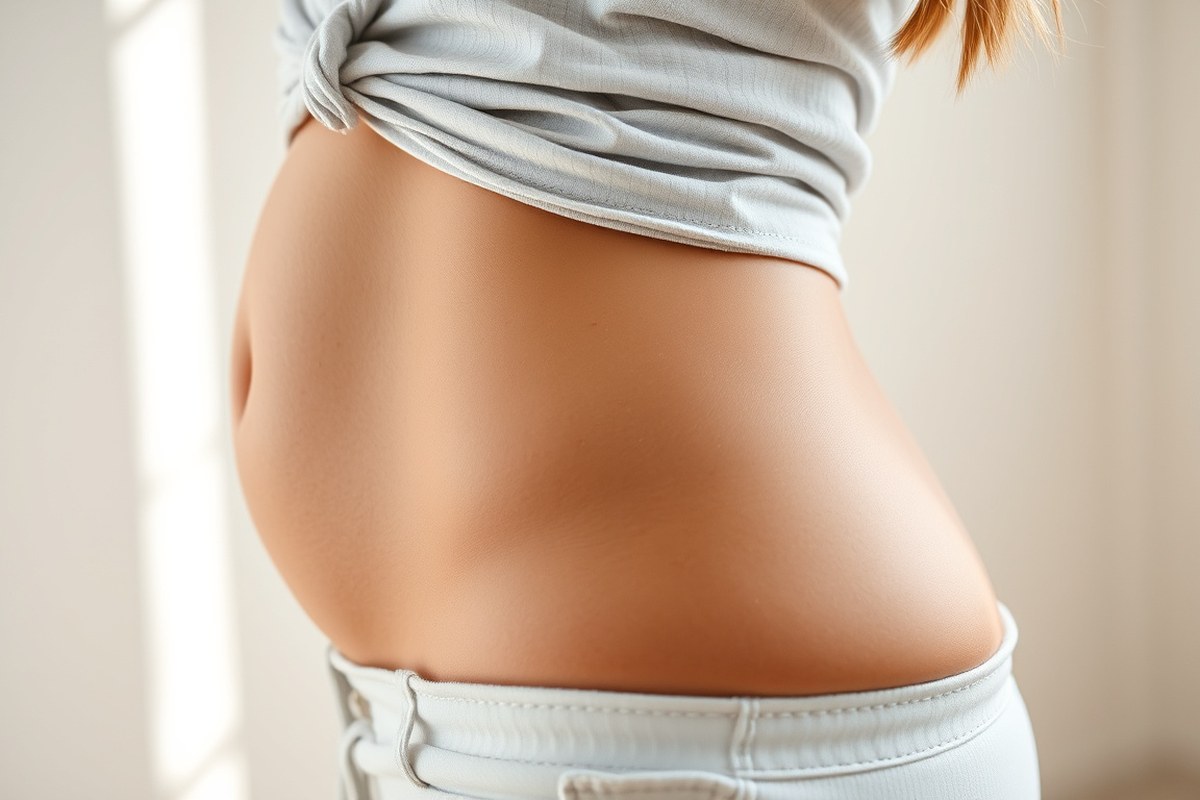
An apron belly, medically known as a panniculus or pannus, is a distinct condition where a sizable fold of excess skin and fat hangs down over the lower abdomen. This differs from regular belly fat, which typically lies flat or evenly distributed under the skin. The apron belly hangs like a flap and can cause issues beyond appearance, such as chafing, difficulty with hygiene, and limited mobility. It’s common following pregnancy, weight gain, major weight loss, bariatric surgery, or as a side effect of certain medications.
The main difference between an apron belly and typical belly fat is the involvement of excess loose skin combined with fat that hangs over the lower abdomen. Typical belly fat is often more evenly spread and may respond better to diet and exercise. However, the pannus results from stretched abdominal muscles and skin that do not fully retract after the underlying weight or pregnancy-related changes. This excess skin remains even after significant fat reduction, making the apron belly harder to reduce just by losing weight.
Common causes of an apron belly include multiple pregnancies, where the skin and muscles stretch repeatedly, and significant weight fluctuations. Weight gain deposits fat under the skin, while rapid or major weight loss, such as after bariatric surgeries like gastric bypass or gastric sleeve, leaves behind loose skin that no longer fits the smaller body frame. GLP-1 medications such as Ozempic, Wegovy, and Mounjaro assist rapid weight loss but often make an existing apron belly more noticeable by reducing fat volume quickly while the stretched skin remains.
Genetics and aging also play roles in apron belly formation. Age reduces skin elasticity, while some people naturally have weaker connective tissue, increasing the likelihood of developing hanging abdominal skin after weight changes. Medications like GLP-1 compounds accelerate body fat loss compared to diet alone but do not firm or tighten the skin, often exposing underlying laxity.
Understanding these causes helps in managing expectations about non-surgical approaches. While diet, exercise, and lifestyle can reduce overall fat, they rarely reverse the skin laxity and muscle weakness that contribute to the apron belly fold. A thorough assessment of your apron belly involves identifying the cause, pregnancy, weight changes, surgery, or medication, and recognizing that functional concerns like chafing or hygiene problems may guide treatment choices more than focusing solely on appearance. Consulting healthcare professionals specializing in body contouring can provide tailored plans based on your anatomy and the apron belly’s specific cause.
How Can You Assess Your Apron Belly Type to Choose the Best Approach?

Assessing whether your apron belly is caused mainly by fat, loose skin, or muscle separation helps you choose the right approach to improve it without surgery. Each type requires different treatments, so use a simple checklist to identify your specific issue before deciding on lifestyle changes, body contouring treatments, or medical evaluation for muscle repair.
Signs of Excess Fat Accumulation
Excess fat in the apron belly usually feels soft and thick when you press it between your fingers. It tends to respond to diet and exercise, shrinking gradually if you lower calories and increase physical activity. Fat overhang often appears evenly distributed, and the skin remains relatively elastic with no major sagging.
To self-check for fat accumulation, pinch the lower abdomen and see if it feels like a thick layer of soft tissue. You might also notice weight gain patterns in other areas like hips and thighs. Non-surgical fat reduction treatments such as CoolSculpting are most effective when the apron belly primarily consists of fat.
Identifying Loose Skin Versus Fat
Loose skin forms a fold that hangs down and feels thin or wrinkly rather than thick. Unlike fat, excess skin does not shrink significantly with diet or exercise, as it loses elasticity after pregnancy, weight loss, or aging. If the skin doesn’t bounce back when pinched and the fold doesn’t reduce with fat loss, skin laxity is likely the main issue. Here’s a quick checklist to differentiate fat from loose skin:
- Pinch test: thick, soft tissue suggests fat; thin, loose flap suggests skin.
- Elasticity: skin that snaps back after pinching has less laxity.
- Appearance: wrinkles or creases indicate skin excess rather than fat.
- Response to weight changes: fat reduces with weight loss; loose skin does not.
- Age and history: significant weight loss or multiple pregnancies often cause loose skin.
Non-surgical treatments seldom tighten loose skin effectively, but keeping skin moisturized and protected from sun exposure supports its health. Surgical removal remains the most reliable solution for large excess skin folds in an apron belly.
Detecting Muscle Separation (Diastasis Recti)
Muscle separation occurs when the abdominal muscles weaken and the belly protrudes more despite fat or skin reduction. Diastasis recti creates a visible gap between the “six-pack” muscles and can worsen the apron belly look by failing to provide adequate abdominal support. You can perform a simple self-test to identify muscle separation:
- Lie flat on your back with knees bent and feet flat on the floor.
- Place your fingers just above the belly button and gently lift your head slightly.
- Press inward to feel for a gap or separation between the abdominal muscles.
- A gap wider than 2.7 cm (about 1 inch) suggests diastasis recti.
Muscle separation requires targeted core-strengthening exercises or professional physical therapy. Treatments like EMSCULPT NEO can help build muscle tone but won’t fix the underlying separation fully. When diastasis recti contributes significantly to your apron belly, discussing options with a healthcare provider is recommended.
Use the finger gap test lying down to check for muscle separation; an abnormal gap needs professional evaluation for effective treatment strategies.
Can Diet, Exercise, and Lifestyle Changes Reduce Apron Belly Effectively?
You can reduce the fat portion of an apron belly through weight loss, diet, and consistent exercise, but loose skin typically remains unaffected by these measures. Incorporating targeted abdominal exercises, improving diet quality, and supporting skin elasticity with healthy habits will improve the appearance and firmness of your lower belly. For best results, aim to reach and maintain a stable weight before addressing the apron belly’s full extent.
Optimal Exercises for Lower Abdominal Control
Regular cardiovascular exercise helps lower overall body fat, including the fat around your lower abdomen. Activities like walking, running, cycling, and swimming performed for at least 150 minutes per week promote fat loss that can reduce an apron belly’s size. However, cardio does not tighten loose skin.
Strengthening your abdominal muscles improves core tone and posture, which makes your apron belly less pronounced. Focus on exercises that engage the lower abs, such as pelvic tilts, leg raises, and modified crunches. For diastasis recti, a common separation of abdominal muscles after pregnancy, physical therapy or gentle core strengthening exercises may help support the abdomen but won’t close the separation without surgery.
- Start with low-impact cardio like brisk walking for 30 minutes 5 days a week
- Include 2 to 3 abdominal strengthening sessions weekly, focusing on lower abs
- Avoid high-strain crunches or sit-ups if you have diastasis recti
- Incorporate full-body strength training to maintain muscle mass during weight loss
- Maintain consistency for at least 3 months to see visible improvements
Perform abdominal exercises after warming up and finish with gentle stretches. Adjust intensity gradually based on your fitness and any abdominal discomfort.
Diet Tips to Promote Fat Loss and Skin Health
Improving diet quality both reduces abdominal fat and supports healthy skin. Create a calorie deficit through portion control combined with a balanced intake of macronutrients. Reducing added sugars and refined carbohydrates decreases fat accumulation, while increasing protein and fiber helps with weight maintenance and satiety.
Hydration plays a important role. Drinking enough water daily, about half your body weight in ounces, helps maintain skin elasticity and aids metabolic processes. For example, someone weighing 160 pounds should aim for roughly 80 ounces (around 2.4 liters) of water a day.
- Limit sugar-sweetened beverages and processed snacks
- Choose lean proteins like chicken, fish, and legumes
- Eat plenty of fiber-rich fruits and vegetables for digestion and fullness
- Include healthy fats from sources like nuts, seeds, and avocados
- Drink adequate water throughout the day, especially before meals
Maintain steady weight loss or stay at a stable target weight for at least three months before considering more invasive treatments for excess skin.
Lifestyle Habits That Support Skin Elasticity
Skin elasticity affects how well your abdomen recovers from changes in size or weight. Genetics, age, and lifestyle all influence skin quality. Avoiding smoking is critical since smoking reduces blood flow and collagen formation, impairing skin healing and appearance.
Stress management and adequate sleep also promote overall skin health by reducing cortisol levels, which can break down collagen. Using moisturizers with ingredients like vitamin E or hyaluronic acid may improve skin hydration but will not fully reverse loose skin.
- Quit smoking or avoid tobacco exposure entirely
- Manage stress through mindfulness, yoga, or therapy
- Get 7 to 9 hours of quality sleep per night
- Apply moisturizing creams rich in antioxidants daily
- Protect skin from excessive sun exposure to prevent damage
Combining these habits with diet and exercise improve the body’s natural ability to maintain firmer skin, improving the apron belly’s appearance over time. For persistent loose skin, consult a healthcare professional about possible interventions.
How Do Non-Surgical Body Contouring Treatments Work and What Are Their Limits?
Non-surgical body contouring options offer a way to reduce fat and tighten skin without incisions. These treatments work best for people with mild apron belly, where the excess involves small fat pockets or slight skin laxity. Popular methods include CoolSculpting, radiofrequency (RF) therapy, and laser treatments. Each uses different technology to shrink fat cells or stimulate collagen for firmer skin, but none fully replace the results of surgery when there is significant skin overhang.
CoolSculpting freezes fat cells by cooling them to about 20 to 30 degrees below zero Celsius, causing the fat to break down naturally over weeks. Most patients need 1 to 3 sessions spaced about a month apart. Visible results generally appear after two to three months. This method targets stubborn fat areas and can help reshape the lower abdomen, though it does not tighten loose skin effectively.
Radiofrequency and laser therapies generate heat to stimulate collagen production in the dermis. This can improve mild skin sagging by encouraging the skin to “snap back.” These treatments usually require multiple sessions, typically 4 to 6, delivered weekly or biweekly. They offer modest skin tightening but have limited fat reduction effects.
These technologies are safe when performed by trained professionals and approved devices. Side effects are generally mild, including temporary redness or swelling. However, they may not deliver significant contouring if excess skin or fat is extensive. A consultation with a provider can determine if your apron belly type could benefit from these options or if surgery is more appropriate.
| Treatment | How It Works | Sessions Needed | Results Timeline | Effectiveness | Typical Cost Range* |
|---|---|---|---|---|---|
| CoolSculpting | Fat freezing (cryolipolysis) | 1, 3 per area | 2, 3 months | Good for fat reduction, limited skin tightening | $700, $1,500 per session |
| Radiofrequency Therapy | Heat stimulates collagen | 4, 6 | Weeks to months | Mild skin tightening, minor fat reduction | $200, $500 per session |
| Laser Therapy | Heat promotes collagen, mild fat melting | 4, 6 | Weeks to months | Mild skin tightening, minor fat reduction | $300, $600 per session |
*Costs vary by region and provider Choosing between these treatments depends on your apron belly’s characteristics. If you have mostly stubborn fat with only slight skin sagging, CoolSculpting can offer a noticeable body contour improvement without downtime. For mild loose skin, radiofrequency or laser therapy may improve firmness but won’t remove excess skin folds. Patients with moderate to severe skin overhang typically require surgical options for a more complete correction.
What Impact Do GLP-1 and Other Medications Have on Apron Belly Appearance?
GLP-1 medications like Ozempic and similar drugs can lead to rapid weight loss, which may cause or worsen the appearance of an apron belly. This happens because the skin and tissues stretch over time with weight gain, and when you lose weight quickly, your skin often cannot keep up with the shrinking body underneath. The result can be sagging skin that forms the characteristic apron belly, especially in the lower abdomen.
The rapid pace of weight loss with these medications means your skin has less time to adapt and retract naturally. This differs from slower weight loss, where the skin may better adjust as fat reduces gradually. Consequently, many people using GLP-1s notice the development or accentuation of an apron belly even as their overall body weight improves. This creates a paradox where getting healthier or lighter can expose or increase this stubborn skin overhang.
Managing apron belly while using GLP-1 medications involves several strategies. First, maintaining a stable weight after the initial loss is essential. Avoiding weight fluctuations helps prevent further stretching of the skin. Second, incorporating skin-tightening treatments or exercises that build abdominal muscle tone may modestly improve firmness and appearance, though they cannot eliminate significant excess skin.
For some, using compression garments can reduce skin irritation, chafing, and discomfort caused by the apron belly. These garments also support skin during the weight loss phase, which might aid skin adaptation. Consulting a dermatologist or aesthetic specialist about non-surgical skin tightening options such as radiofrequency or ultrasound therapy could offer gradual improvement.
In cases where the apron belly creates persistent physical discomfort or hygiene challenges, or when your body weight has stabilized, surgical options may be necessary. Surgery such as abdominoplasty or panniculectomy removes excess skin and fat but requires meeting health criteria like stable weight, good physical condition, and a non-smoking status. These decisions involve discussions with healthcare professionals to weigh risks and benefits carefully.
Rapid weight loss from GLP-1 medications often causes more noticeable sagging skin, so pace your weight loss realistically and consider skin care and support to help your body adapt.
The cost and commitment of complementary treatments vary widely. Compression garments can range from $30 to $100 and require daily wearing for comfort and protection. Non-surgical skin treatments typically need several sessions over months and can cost from a few hundred to several thousand dollars, depending on the method and provider. Surgery involves higher expenses, from $6,000 to $15,000 or more, factors that should be balanced with your health goals and resources.
Adjusting your expectations is part of managing changes from GLP-1 medications. An apron belly’s appearance might improve slowly after weight stabilizes, but significant excess skin often requires medical procedures. Integrating healthy eating, gradual exercise enhancements, skin protection, and professional advice offers the best chance of a balanced outcome while using these effective weight-loss drugs.
When Is Surgery Necessary and How Does It Compare to Non-Surgical Options?
Surgery is required when the apron belly has a large amount of loose skin and tissue that can’t be fully improved through non-surgical methods. Operations like panniculectomy or a larger tummy tuck provide a thorough fix, especially for individuals facing discomfort, hygiene issues, or negatively affected lifestyle. The panniculectomy targets removal of the hanging skin fold causing problems, while a tummy tuck removes excess skin, tightens abdominal muscles, and reshapes the stomach area for a firmer, smoother appearance.
Non-surgical treatments such as diet, exercise, or body contouring can reduce fat and improve skin elasticity but cannot eliminate a true apron belly with substantial skin laxity. For example, if you have tried consistent lifestyle changes or non-invasive procedures over several months without noticeable improvement in the skin overhang, that’s a strong signal surgery might be necessary. An apron belly with severe sagging usually requires surgical intervention to achieve a flat, toned abdomen.
Comparing costs highlights a significant tradeoff. Non-surgical options typically range from a few hundred to a few thousand dollars, depending on the treatment type and number of sessions, but results are often modest and gradual. In contrast, a tummy tuck or panniculectomy involves higher upfront costs, often between $8,000 and $15,000 or more, depending on the surgeon, geographic location, and extent of surgery. These surgeries usually offer immediate, dramatic improvements but come with risks like infection, scarring, anesthesia complications, and a longer recovery time that can stretch from several weeks to a few months.
Knowing when to consider surgical options can follow this decision rule: if your apron belly causes functional issues such as skin infections or pain, or if non-surgical methods have failed to improve the physical appearance and comfort after 6 to 12 months, consult with a board-certified plastic surgeon. They can evaluate your skin elasticity, muscle tone, overall health, and personal goals to recommend either a panniculectomy for focused removal or a tummy tuck for complete contouring.
The key difference between these two surgeries lies in their goals and results. A panniculectomy targets only the excess hanging skin and fat, providing relief from problems caused by a large pannus but without tightening the muscle wall or significant cosmetic reshaping. A tummy tuck Also, repairs weakened abdominal muscles, which can improve posture and core strength, while also delivering a more youthful abdominal contour. This makes it preferred for those seeking both functional relief and a more appealing waistline.
Deciding between non-surgical and surgical approaches depends on the severity of the apron belly and your willingness to undergo surgery. People with minor skin laxity might see meaningful improvement through non-invasive treatments combined with weight management. However, a fully flattened or removed apron belly is realistically achievable only through surgery, especially where excess skin remains after pregnancy, bariatric surgery, or significant weight loss.
What Are the Health Risks and Psychological Effects of Living with an Apron Belly?
Living with an apron belly presents several health risks that go beyond cosmetic concerns. The fold of excess skin and fat in the lower abdomen can trap moisture and heat, creating an ideal environment for skin irritation, rashes, chafing, and infections caused by bacteria or fungi. These skin issues, if left untreated, may worsen and lead to persistent discomfort or more serious infections. Maintaining good hygiene under the apron fold is critical, but sometimes even proper care isn’t enough to prevent problems, especially if mobility is limited by the panniculus.
People with an apron belly also face higher risks of metabolic complications such as cardiovascular disease and type 2 diabetes. Excess abdominal fat, particularly visceral fat, contributes to inflammation and insulin resistance, factors linked to these chronic illnesses. The discomfort and reduced physical activity caused by the apron belly can further worsen these conditions by limiting opportunities for exercise.
From a psychological perspective, carrying an apron belly often leads to self-consciousness and lowered confidence. Clothing may feel uncomfortable or ill-fitting, which can affect social interactions and daily activities. This emotional burden can contribute to stress, anxiety, and withdrawal from occasions where body image is a concern. Recognizing these feelings is important. Reaching out for support through counseling, support groups, or talking with others who share similar experiences can provide helpful coping strategies and decrease feelings of isolation.
Medical professionals sometimes classify apron belly issues like recurrent skin infections or mobility limitations as medical concerns, making procedures like panniculectomy partly or fully covered by insurance. However, before considering surgery, managing your condition through careful skin care, appropriate clothing choices, and gradual increases in physical activity can help reduce the severity of symptoms. Products designed for moisture control, such as absorbent powders and barrier creams, can minimize skin irritation. Regularly cleaning and thoroughly drying the area under the breastfold or belly fold is essential to prevent infections.
In summary, an apron belly affects both physical health and psychological well-being. Addressing skin care and hygiene rigorously reduces risks of irritation and infection, while active management of metabolic health lowers chances of chronic diseases. Emotional support, whether through therapy or peer groups, aids in coping with the body image challenges that come with living with an apron belly. Taking a complete approach that includes attention to medical risks and mental health improves overall quality of life for those dealing with this condition.
Dos and Don’ts for Natural Apron Belly Reduction Success
Successfully reducing an apron belly without surgery requires realistic expectations, consistent habits, and avoiding common pitfalls. Visible improvements usually take several months as your body adjusts to healthier routines, though compression garments can offer immediate but temporary smoothing effects. Focus on sustainable lifestyle changes while being mindful of skin limitations.
Key Lifestyle Changes to Prioritize
Start by improving your diet with whole foods rich in protein, fiber, and healthy fats to support fat loss and skin health. Aim for balanced meals and avoid extreme calorie restrictions that can worsen skin elasticity. Incorporate regular, low-impact exercises like walking, swimming, or cycling to maintain a steady calorie burn without stressing weakened skin.
Hydration and skincare also play important roles. Drinking at least 64 ounces (about 2 liters) of water daily helps keep skin supple, while moisturizing with creams containing ingredients like hyaluronic acid or vitamin E can aid in preventing excessive dryness and irritation around the apron belly.
- Eat balanced meals with lean protein, vegetables, and whole grains.
- Exercise 30-60 minutes most days, focusing on cardio and core stability.
- Drink at least 64 ounces of water daily for skin hydration.
- Use gentle moisturizers on the lower abdomen to improve skin condition.
- Wear loose, breathable clothing to reduce chafing and irritation.
- Maintain consistent sleep and stress management practices.
Expect to see modest changes within 8 to 12 weeks of sustained effort, though skin tightening may require longer and is limited without surgery.
Mistakes That Hinder Progress
One common mistake is focusing solely on abdominal crunches or sit-ups, which do little to reduce excess fat or improve stretched skin in the apron belly area. These exercises target muscle tone but do not address the deeper challenges of fat distribution and skin damage. Avoid calorie fad diets that promise quick fat loss but can worsen skin laxity and overall health.
Another frequent error is neglecting the skin itself. Since stretched skin cannot shrink back on its own, ignoring skin hydration and protection can lead to worsened appearance and discomfort. Over-exercising or using aggressive topical treatments may also irritate sensitive areas, leading to rashes or chafing.
Don’t expect belly exercises alone to fix apron belly; combine balanced diet, cardio, and skin care for best results.
Progress can stall if you give up too soon; consistent habits over several months are necessary. Track your routine and adjust based on how your body responds, aiming for gradual improvements.
Guidelines for Using Compression Garments
Compression garments can offer a temporary reduction in the apron belly’s visible size by smoothing the area underneath clothing. They work best to increase comfort and boost confidence during activities like outings or workouts, rather than serving as a tool for fat loss. Select garments that deliver firm yet comfortable compression, covering the lower abdomen fully without interfering with breathing or circulation.
Wear compression garments for a few hours daily, especially during physical activity or long periods of standing. Remove them at night to allow skin to breathe and prevent irritation. If you notice skin redness or itching, switch to a softer fabric or discontinue use until the skin recovers.
Compression garments support appearance but do not improve skin elasticity or reduce fat; use them as a temporary aid, not a treatment.
Proper use of compression garments can complement lifestyle efforts by reducing friction and chafing, especially during exercise. Understanding their limits helps avoid frustration and promotes realistic expectations.
Step-by-Step Action Plan to Reduce Your Apron Belly Without Surgery
Follow these practical steps to start reducing your apron belly through non-surgical methods and lifestyle changes. Track your progress along the way to stay motivated and adjust as needed.
- Before You Start: Assess your apron belly type by measuring your lower abdomen and noticing skin laxity. Knowing your type helps you choose the best approach and set realistic goals.
- Week 1: Begin a balanced diet focusing on whole foods and controlled portions to reduce overall body fat. Track your weight and waist circumference weekly to monitor changes.
- Week 2: Introduce targeted low-impact aerobic exercise like walking or swimming combined with core-strengthening movements. Aim for 30 minutes, 4 days a week. Notice improved muscle tone over time.
- Week 4: Evaluate non-surgical body contouring options with a licensed professional if your apron belly includes stubborn fat pockets. Expect gradual changes and understand treatments have limits.
- Week 6: Discuss with your healthcare provider about GLP-1 or other approved medications if lifestyle changes aren’t enough and you have related health conditions. Note if appetite or weight loss improves.
- Week 8: Monitor overall health improvements such as reduced skin irritation or better mobility. Adjust your diet and exercise routine based on progress and comfort.
- Month 3: Reassess your apron belly, considering whether non-surgical methods meet your goals. Consult a specialist to discuss if surgery is necessary or if continuing non-invasive efforts makes sense.
- Ongoing: Maintain healthy habits, avoid quick fixes or excessive dieting, and prioritize mental well-being to support lasting apron belly reduction and better quality of life.
Frequently Asked Questions
Can You Flatten an Apron Belly?
Yes, you can reduce an apron belly with consistent diet, exercise, and non-surgical treatments, though complete flattening may be difficult if excess skin is severe. Mild cases respond well to lifestyle changes and body contouring procedures that target fat and tighten skin.
What Are the Main Causes of an Apron Belly?
An apron belly usually forms from weight gain, pregnancy, bariatric surgery, or significant weight loss, which causes excess fat and loose skin in the lower abdomen. Hormonal changes and repeated stretching also contribute to skin overhang.
How to Get Rid of Belly Overhang Naturally?
Reducing belly overhang naturally involves healthy eating, regular exercise focusing on core strength, and stress management to lower abdominal fat. Staying hydrated and patient consistency are key since skin elasticity varies by age and genetics.
What Tightens the Apron Belly?
Strengthening abdominal muscles through targeted workouts and noninvasive skin tightening treatments can improve apron belly firmness. Hydration and collagen-boosting foods support skin elasticity but cannot replace the effects of surgery when skin excess is large.
Can Non-Surgical Fat Reduction Remove Apron Belly Permanently?
Non-surgical fat reduction can permanently reduce fat cells but may not fully remove apron belly if loose skin is excessive. Fat reduction combined with lifestyle changes offers gradual, lasting improvement without surgery risks.
Does Stress Affect Apron Belly Size?
Yes, stress can increase abdominal fat through hormone changes, making the apron belly more prominent. Managing stress helps regulate cortisol, supporting belly fat reduction efforts.
Final Thoughts
Reducing your apron belly without surgery is possible with a realistic approach that combines lifestyle changes and, if appropriate, non-surgical treatments. Start by tracking your daily food intake and physical activity to identify simple adjustments that can make a difference. Consult a healthcare provider to discuss safe options tailored to your apron belly type and goals, helping you take the next step toward improvement with confidence.