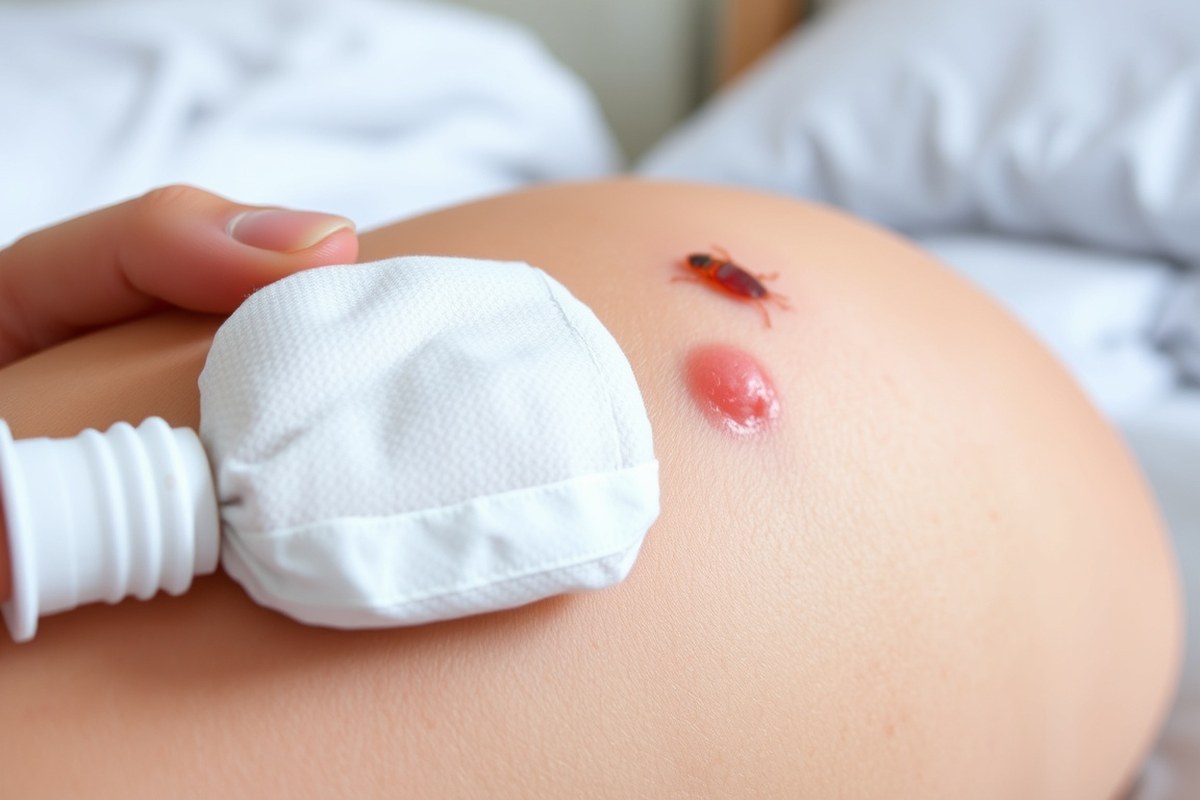
How to Get Rid of Bed Bug Bites Overnight: 8 Effective Steps for Fast Relief
To get rid of bed bug bites overnight, apply soothing treatments like tea tree oil or over-the-counter creams designed to reduce itching and inflammation. Using cold compresses can also help calm swelling and discomfort. These steps provide quick relief and help prevent infection while you wait for the bites to heal.
This information is useful for anyone dealing with fresh bed bug bites, including parents managing their children’s reactions or travelers facing unexpected infestations. You’ll learn how to recognize bed bug bites, compare treatment options, safely use remedies, and know when to seek medical help for faster recovery.
Key Takeaways
- Apply a cold compress wrapped in a clean cloth to bed bug bites for 10, 15 minutes to reduce itching and swelling overnight safely.
- Recognize bed bug bites by their clustered, itchy, red welts, often appearing after 24 to 72 hours, differing from mosquito bites in pattern and timing.
- Use OTC hydrocortisone creams for quick itch relief, combine with natural remedies cautiously, and avoid mixing treatments without guidance.
- Steroid creams can be used safely with certain natural remedies but follow package directions to prevent skin irritation or adverse reactions.
- Expect most bed bug bites to heal within 1 to 2 weeks, with noticeable improvement overnight when treated properly.
- Seek medical care if bites become infected, cause severe allergic reactions, or do not improve after a week of home treatment.
1. How to Get Rid of Bed Bug Bites Overnight Safely
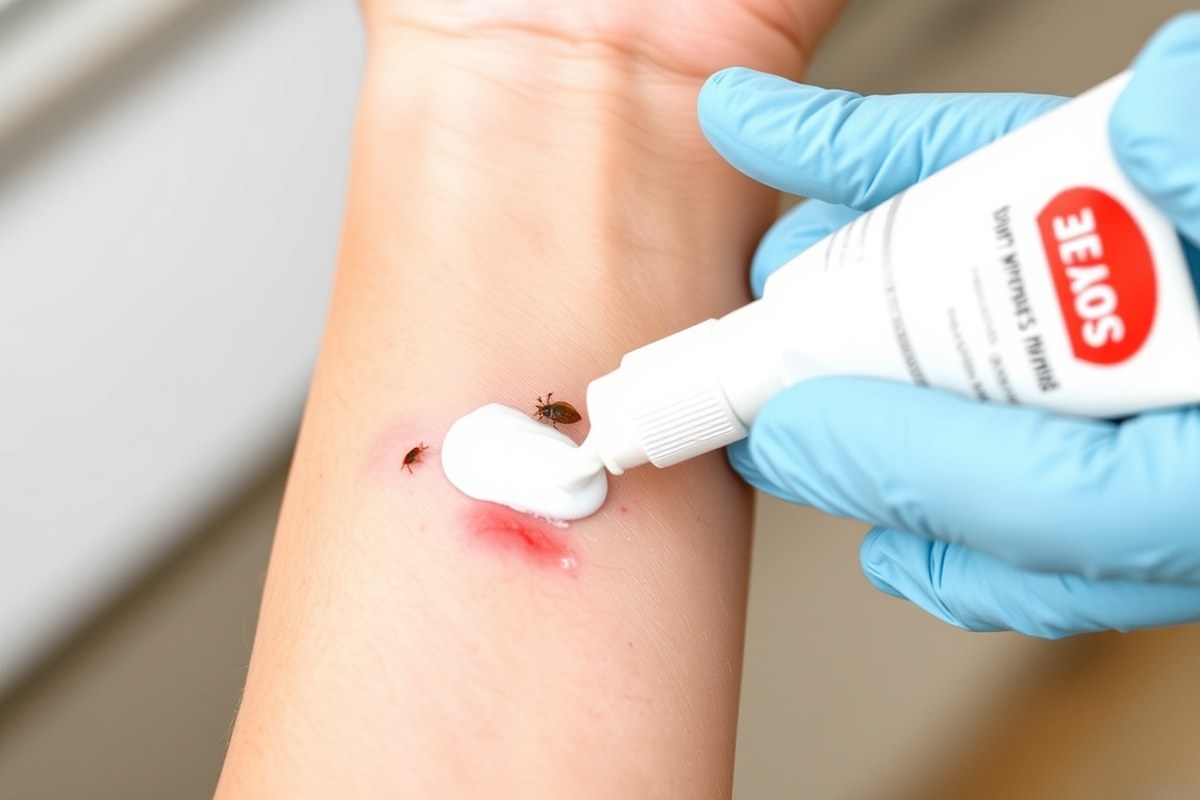
Relieving bed bug bites overnight focuses on reducing itching and swelling quickly while preventing irritation or infection that could delay healing. No treatment completely eliminates itch and swelling in just one night, but you can significantly ease symptoms by following a careful routine. Avoid scratching or harsh treatments that may worsen bites or increase infection risk. Cold compresses and certain over-the-counter creams help calm inflammation. Keeping the skin clean and using antihistamines can also control itching effectively.
- Gently wash the affected skin with mild soap and lukewarm water. This removes dirt and reduces infection risk. Avoid scrubbing since aggressive rubbing can irritate bites more.
- Apply a cool compress wrapped in a soft cloth for 10-15 minutes at a time. This helps reduce swelling and relieves itching temporarily. Repeat every hour as needed but do not apply ice directly to skin to avoid frostbite.
- Use an over-the-counter 1% hydrocortisone cream or a bug bite relief roll-on. Follow product directions carefully. These products decrease inflammation and itching. Avoid stronger steroid creams unless prescribed by a healthcare professional.
- Take an oral antihistamine such as diphenhydramine (Benadryl) before bedtime. This can suppress itching and help you sleep despite discomfort. Be mindful of possible drowsiness as a side effect.
- Optionally, apply a drop of diluted tea tree oil to bites, which may help reduce swelling due to its anti-inflammatory properties. Dilute with a carrier oil like coconut before applying to sensitive skin to prevent irritation.
- Resist scratching the bites to avoid breaking the skin, which increases the risk of bacterial infection and prolongs healing. Use distraction techniques or keep nails trimmed short if needed.
- Keep the bitten area exposed to air and wear loose, breathable clothing overnight. This prevents additional irritation and sweat buildup that can worsen itching.
Trust that bed bug bites usually heal within 7 to 14 days. Immediate treatment lowers discomfort and reduces chances of infection or swelling spreading. Avoid home remedies like ammonia, bleach, or unproven harsh chemicals that can damage skin and worsen symptoms. If bites show signs of infection such as increased redness, warmth, pus, or fever, consult a healthcare provider promptly.
2. Recognizing Bed Bug Bites and How They Differ from Other Insect Bites
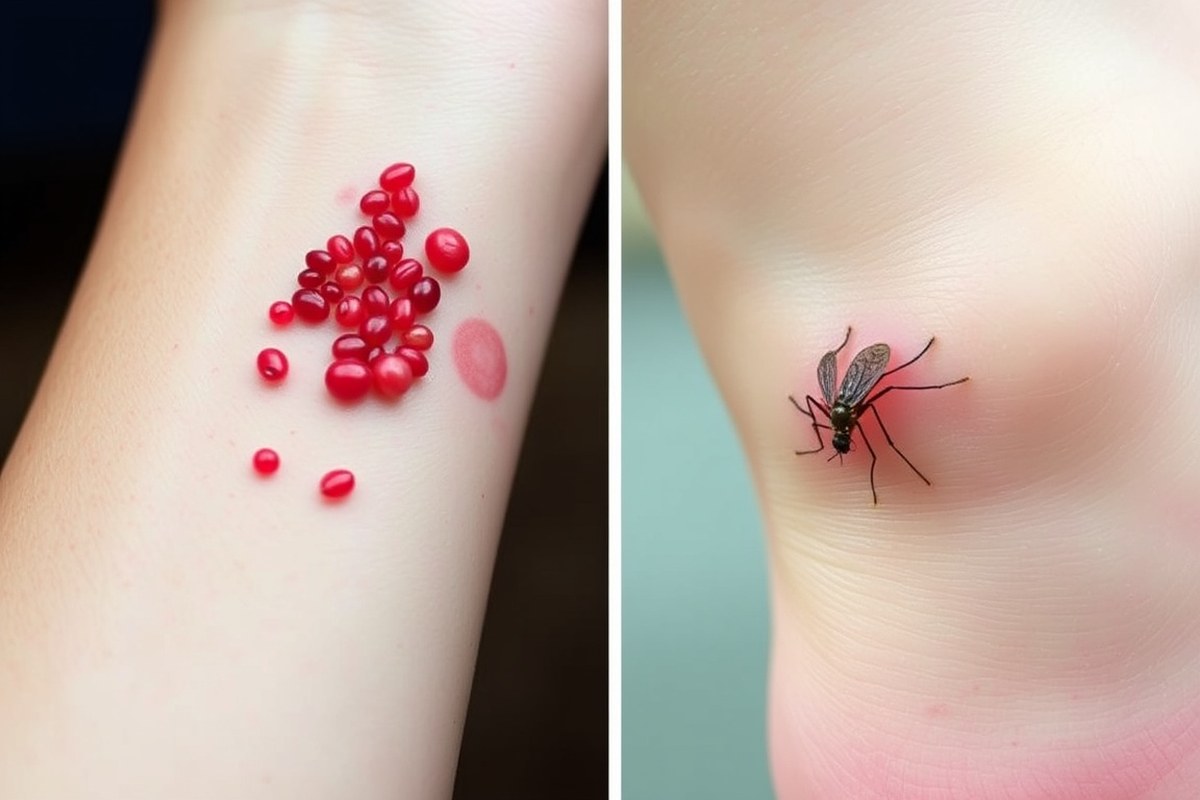
Bed bug bites can look similar to other insect bites but have distinct features that help you identify them correctly. Knowing the difference is necessary to choose the right treatment and prevent further bites. Bed bug bites are not contagious and do not spread by touch.
Visual Features Unique to Bed Bug Bites
Bed bug bites commonly appear as small, red, raised bumps that may be darker in the center but typically lack a clear puncture mark visible to the naked eye. The bites can be itchy and sometimes swell, especially if you have an allergic reaction, which can cause larger, painful marks. These bites often manifest in clusters or lines rather than as isolated spots.
Unlike some other insect bites, bed bug bites usually do not have a central puncture point visible, which helps differentiate them from mosquito or flea bites. Their red marks may be surrounded by areas of inflamed skin, and the size can vary depending on individual reaction.
Common Misidentifications with Flea and Mosquito Bites
Bed bug bites may be mistaken for flea or mosquito bites or confused with skin conditions like hives or contact dermatitis. Flea bites often appear on lower legs and ankles and are usually smaller with a distinct puncture. Mosquito bites tend to be isolated, larger, and scattered randomly over exposed skin areas. Spider bites, in contrast, can cause more local swelling and sometimes blistering or tissue damage.
- Bed bug bites rarely show a single, clean puncture found in mosquito bites.
- Flea bites generally cluster around the feet and lower legs.
- Mosquito bites appear scattered and are more random than bed bug bites.
- Bed bug bite clusters or lines can look like hives but are usually in rows.
- Bed bug bites may take days or weeks to become visible after the bite.
- Allergic reactions to bed bug bites can mimic other skin allergies.
- Visual confirmation of bed bugs (bugs, eggs, shed skins) is the best way to be sure.
Confirming the presence of bed bugs in your bedding or furniture provides the best verification of the source of bites.
Bite Pattern and Location on the Body
Bed bug bites tend to occur in clusters, sometimes forming rows or lines on skin exposed during sleep, such as the face, neck, arms, and hands. Flea bites typically affect the lower legs and ankles because fleas usually hop up from the floor or carpet. Mosquito bites can appear on any exposed skin area and do not follow a specific pattern.
The location and arrangement give you a clue: waking up with several bites along your arms or neck in a row suggests bed bugs. Flea bites feel more random and limited to lower extremities, while mosquito bites appear sporadically.
Typical Itching and Reaction Timing
Bed bug bite reactions often appear one to several days after the bite and can last for up to two weeks. Itching can be intense but tends to decrease overnight with proper skin care.
Unlike mosquito bites, which usually cause immediate itching, reactions to bed bug bites may take longer to develop, sometimes up to 14 days, which makes identification challenging. Flea bites often cause rapid itching and small red bumps shortly after exposure.
Consistent new bites each morning signal an active bed bug infestation, so arrange pest control promptly to stop further bites and skin irritation.
3. Popular Treatments Compared: OTC Creams, Natural Remedies, and Cold Compresses
Choosing the right treatment for bed bug bites overnight depends on how fast you need relief and what risks you can manage. Cold compresses can reduce itching and swelling almost immediately by numbing the skin and lowering inflammation. Over-the-counter (OTC) creams like hydrocortisone reduce redness and itching within hours by calming immune response. Natural remedies, such as tea tree oil or baking soda paste, offer anti-inflammatory and antiseptic benefits but may work more slowly and vary by individual skin sensitivity.
| Treatment | Expected Relief Time | How to Use | Pros | Cons | Safety Considerations |
|---|---|---|---|---|---|
| Cold Compress | 5, 15 minutes | Apply ice pack wrapped in cloth for 10, 15 minutes | Quick swelling and itch reduction; no chemicals | Short-lived relief; avoid direct ice on skin to prevent frostbite | Do not apply ice directly; limit to 20 minutes max |
| OTC Hydrocortisone Cream (1%) | Within a few hours | Apply a thin layer to bite area 1, 3 times daily | Reduces itching, swelling, and redness effectively | Can irritate sensitive skin if overused; not for large areas | Avoid long-term use without doctor advice; not for broken skin |
| Tea Tree Oil | Several hours to overnight | Put a few drops on bite using cotton swab once at bedtime | Natural antiseptic and anti-inflammatory; lowers infection risk | Can cause allergic reactions or irritation in some | Dilute if possible; test small area first; avoid eyes and mouth |
| Baking Soda Paste | Several hours to overnight | Mix baking soda with warm water to make paste; apply to bite | Anti-inflammatory and antiseptic; easy and inexpensive | May dry skin; fewer studies on effectiveness compared to OTC | Avoid if skin is broken or very irritated |
| Witch Hazel | Several hours | Apply liquid extract with cotton ball to bite area | Natural astringent; reduces swelling and itchiness | Can sting broken skin; less potent than steroid creams | Avoid on sensitive or damaged skin; do not ingest |
Hydrocortisone creams, especially low concentration (1%), are among the safest steroid options for overnight use to relieve itching. Stronger steroids should be avoided unless prescribed due to potential side effects like thinning skin. Natural remedies provide alternative choices but can irritate sensitive skin or cause allergic reactions. Cold compresses provide the fastest symptom relief with no chemicals but only for a short duration.
Using a cold compress first to quickly reduce swelling and itch, then applying a topical cream or natural remedy before bed can maximize overnight relief. Always test natural oils in a small skin area before wider use. Avoid excessive steroid cream application, especially for children or those with sensitive skin. For severe swelling or signs of infection, consult a healthcare professional rather than relying only on home treatments.
4. Safe Use of Steroid Creams and Natural Remedies Together
You can safely use steroid creams together with natural remedies by applying steroid creams first to reduce inflammation, then introducing natural treatments afterward to soothe and protect the skin. Avoid mixing both directly or applying multiple products at the same time to prevent irritation or worsening skin symptoms. Careful timing and observation for any adverse reactions are key to combining these approaches successfully.
Best Practices for Applying Steroid Creams
Steroid creams reduce inflammation and itching quickly. Apply a thin layer of a low to medium potency steroid cream, such as hydrocortisone 1%, to clean, dry skin. Use the cream sparingly, no more than 1 to 2 times per day, and follow package instructions or your healthcare provider’s advice. Do not cover the treated area with tight bandages unless directed. Avoid applying on broken skin or open wounds to reduce the risk of absorption and irritation.
Limit steroid cream use to short periods, usually no longer than 7 days, to avoid thinning or other damage to your skin. Always wash your hands before and after application, and do not apply near your eyes or mucous membranes.
Effective Natural Remedies Complementing Steroids
Certain natural remedies can be used after the steroid cream has absorbed to calm the skin without causing irritation. These include:
- Cool oatmeal baths to reduce itching and inflammation
- Aloe vera gel for soothing and moisturizing dry or irritated skin
- Coconut oil to maintain skin hydration and protect against secondary infection
- Calamine lotion to reduce itchiness
- Cold compresses applied loosely for 10 to 15 minutes to decrease redness and swelling
Apply natural remedies gently; avoid aggressive rubbing or massaging. Let steroid creams fully absorb, typically 15, 20 minutes, before applying any natural product. This staggered approach helps prevent interaction and skin irritation.
Timing and Frequency for Combining Treatments
Start with the steroid cream right after cleaning the bite site to control itching and inflammation early. Wait about 15 to 20 minutes for the cream to absorb into the skin before applying a natural remedy. Use natural therapies once or twice daily as needed to maintain soothing effects without overwhelming the skin.
For example, in the morning, apply steroid cream first, followed by aloe vera after 20 minutes. In the evening, use a cool oatmeal bath and then calamine lotion once dry. Alternate treatments daily if you observe any increase in irritation or dryness. Limit steroid use to 5 to 7 days, while natural remedies can continue until symptoms improve.
Skin Sensitivity Risks to Monitor
Combining steroid creams and natural remedies can increase the risk of skin irritation, allergic reactions, or worsening redness if improperly used. Watch for signs such as increased itching, burning sensations, blistering, or skin peeling. Stop use immediately if any of these occur.
Certain natural products like essential oils or fragranced lotions should be avoided as they may irritate sensitive or broken skin. Also, steer clear of applying multiple active products simultaneously, which can cause dryness or contact dermatitis. Keep treatment simple and observe your skin’s response closely.
5. How Long Bed Bug Bites Take to Heal and What to Expect Overnight
Bed bug bites typically start showing symptoms within one to two days but can take up to 14 days in some cases. Untreated bites can remain itchy and swollen for one to two weeks. Treatment can reduce itching and swelling overnight but does not stop the allergic reaction completely. Full skin healing usually takes one to two weeks after the bite appears.
Expected Itch Reduction Within Hours
After applying appropriate treatment such as an over-the-counter anti-itch cream or a cold compress, you can expect a noticeable reduction in itching within a few hours. This happens because treatments help reduce inflammation and soothe the skin. While itching decreases, redness and swelling may still be present but should feel less intense.
Treating bites overnight helps calm symptoms but it cannot immediately stop the body’s allergic response to the bite. The immune system still reacts to the bug’s saliva, so some redness or mild swelling may persist for several days even with treatment. The relief you feel is mainly due to symptom management rather than a complete halt of the reaction.
Signs Indicating Infection or Allergic Reaction
Watch for signs that may mean the bite is infected or you are having an allergic reaction. If redness spreads beyond the bite area, if the skin starts oozing pus or shows clear fluid, or if you develop blisters, these signs suggest infection and the need for medical attention. Severe allergic reactions with symptoms like difficulty breathing or swelling of the face are rare but require immediate emergency care.
Most bites cause only mild to moderate symptoms. However, if you have a large number of bites or notice worsening irritation despite treatment, consult a healthcare professional. Preventing scratching is important because breaking the skin increases infection risk and prolongs healing.
Typical Duration Until Complete Skin Healing
Untreated bed bug bites generally take about one to two weeks to fully heal as the skin repairs itself. This includes the fading of redness, reduction of swelling, and disappearance of itchiness. With consistent use of treatments like anti-itch creams, cold compresses, or mild steroids, healing may be somewhat quicker, but full recovery still requires several days.
It is normal for the bite marks to leave some discoloration for a short time after the skin heals. The healing timeline can vary by person depending on the severity of the bite and individual sensitivity. No overnight treatment can make the skin return to normal immediately because repairing irritated skin is a gradual process.
Factors Influencing Faster Recovery
Several factors affect how fast bed bug bites heal. Skin sensitivity, your immune response, and whether you scratch the bites all play a role. Avoiding scratching reduces the risk of infection and speeds healing. Using soothing treatments promptly can also reduce itchiness and swelling, making the bite less bothersome as it heals.
Good skin care is important, especially for children, pregnant women, or people with sensitive skin. Keeping bites clean and applying recommended creams help prevent complications. Addressing the underlying infestation quickly by cleaning bedding and contacting pest control also lowers the chance of new bites slowing your skin’s recovery.
Do not scratch bed bug bites to prevent infection, as this can delay healing and worsen skin irritation.
6. When to See a Doctor: Warning Signs and Decision Rules
Seek medical care for bed bug bites if you notice signs of infection, an allergic reaction, or if symptoms worsen instead of improve. Scratching can break the skin and allow bacteria to enter, raising the risk of secondary infection. Watch for increasing pain, swelling, redness that spreads beyond the bite area, warmth, or pus. Fever paired with any bite-related skin changes should also prompt a doctor visit.
Most bites heal within 1 to 2 weeks with proper care and do not require professional treatment. However, a decision rule can help you decide when to see a healthcare professional. Use this checklist:
- Multiple bites covering large areas of your body
- Extensive swelling, blistering, or raised areas around bites
- Bites that become increasingly painful or warm to the touch
- Spreading redness or pus forming at bite sites
- Fever, chills, or other flu-like symptoms accompanying skin changes
- Severe itching with signs of an allergic reaction like difficulty breathing
- Symptoms worsen after several days despite home treatment
Bites that show no signs of improvement after 1 to 2 weeks or those worsening over time need evaluation to check for complications. Prompt treatment of infections may involve antibiotics, while allergic reactions might require oral antihistamines or corticosteroids. Avoiding scratching is key to prevent skin breaks and scarring, so use anti-itch creams, cold compresses, or antihistamines as recommended.
For children, pregnant women, and those with sensitive skin, consult your healthcare provider early if symptoms escalate or do not respond to over-the-counter treatments. Persistent or unexplained skin reactions also warrant a doctor’s assessment, since other conditions might mimic bed bug bites.
If bites continue to appear and you suspect ongoing exposure, arrange a professional pest inspection to control the infestation effectively and prevent new bites. Taking these steps helps manage discomfort, avoid infection, and address potential allergic reactions swiftly and safely.
7. Bite Treatment Variations for Children, Pregnant Women, and Sensitive Skin
Caring for bed bug bites in babies, pregnant women, and those with sensitive skin requires extra caution to avoid irritation or harmful effects. Mild steroid creams like hydrocortisone can ease itching and inflammation, but children under 10 and pregnant women should consult a doctor before use. For babies, using hydrocortisone cream or specialized baby-safe anti-itch lotions can relieve discomfort. Apply a thin layer only on the bite area once or twice a day, and avoid covering it tightly to let the skin breathe. Overuse or using stronger steroids without advice can cause skin thinning or other side effects, especially in sensitive or developing skin.
Non-medicated options work well for sensitive skin and may better suit pregnant women or very young children. Cold compresses applied gently for 10 to 15 minutes can reduce swelling and itching without the risk of irritation. Using a clean, cool damp cloth or an ice pack wrapped in cloth helps calm the skin safely. Doing this several times overnight can ease symptoms without medication. Avoid harsh soaps or scented lotions around the bite, which might worsen sensitivity or cause allergic reactions.
Keeping the skin clean is essential for all age groups to prevent infection and reduce scarring risks. Gently washing the area with mild soap and warm water once or twice daily helps remove irritants and reduce the chance of bacteria entering broken skin. Pat the area dry instead of rubbing to protect the thin skin. Applying a hypoallergenic moisturizer after cleaning supports skin repair and prevents dryness that could trigger more itching or discoloration.
Pregnant women should avoid self-medicating and seek guidance on safe treatments. Some oral antihistamines or creams are not recommended during pregnancy. A healthcare provider can suggest safe products that ease itching without affecting the mother or developing baby. Those with highly sensitive skin might benefit from fragrance-free, dermatologist-tested creams that reduce irritation. Keeping nails trimmed short and wearing soft gloves during sleep can help prevent scratching damage even if itching is severe.
Careful treatment reduces the risk of scars or dark spots after healing, which is a common concern for sensitive or darker skin types. Avoid scratching the bites as any break in the skin increases infection risk and leads to permanent marks. If itching persists despite gentle care, a brief consult with a doctor ensures the skin remains healthy and recovers quickly. Prices for mild hydrocortisone creams start around $5 to $10 at pharmacies, and cold compress supplies are often already at home, making overnight relief affordable and accessible.
8. Preventing Further Bites and Managing the Infestation Effectively
Preventing more bed bug bites while treating existing ones requires both cleaning and managing the infestation effectively. Washing your bedding and clothes in hot water at minimum 140°F (60°C) kills bugs at all life stages, but washing alone is usually not enough. Follow this by drying items on high heat for at least 30 minutes. This process removes live bugs and their eggs from fabric, reducing the chance of additional bites while you heal.
Using bed bug sprays can help control the population but rarely prevent bites immediately or soothe itching. Most sprays are insecticides targeting bugs directly, not topical treatments for skin irritation. Consult product labels carefully and apply sprays to common hiding spots like mattress seams, box springs, baseboards, and furniture cracks. Avoid spraying areas with direct skin contact like bedding to prevent irritation.
Sometimes you may notice bites without spotting any visible bugs. Bed bugs are adept at hiding in tiny crevices and can remain elusive, especially in early infestations. Inspect your bedroom thoroughly for reddish stains on mattresses or sheets (from crushed bugs), shed skins, and live bugs hidden along bed frames, behind headboards, and under furniture edges.
Managing an infestation requires a combination of methods. Hiring a professional exterminator is often necessary for persistent cases. Meanwhile, regular cleaning and vigilance help prevent reinfestation. Here is a practical checklist:
- Wash bedding, pillowcases, and clothes in hot water (at least 140°F) and dry on high heat for 30 minutes.
- Vacuum mattress seams, upholstered furniture, and cracks daily, then discard vacuum bags immediately in sealed plastic bags.
- Apply EPA-approved bed bug sprays to mattress edges, baseboards, and furniture cracks following label instructions.
- Use mattress encasements designed to trap and starve bed bugs inside.
- Avoid bringing used furniture or luggage into your home without inspection.
- After travel, immediately wash and dry clothes on high heat and inspect luggage.
- Consider professional pest control services for severe or persistent infestations.
Removing bed bugs requires patience; repeated cleaning and treatment over several weeks can significantly reduce bites and help your skin heal.
Bed bug bite prevention indoors depends on reducing exposure to live bugs and maintaining clean bedding and surroundings. Keeping clutter to a minimum helps eliminate hiding spots. Regularly inspect sleeping areas and treat any evidence you find promptly to stop bites from continuing overnight.
Overnight Action Plan for Soothing and Managing Bed Bug Bites
Follow these steps to quickly ease bed bug bite discomfort, confirm you’re treating the right issue, and protect yourself from more bites while you sleep.
- Before Bed: Clean the affected skin gently with mild soap and water to remove irritants and reduce infection risk. You’ll know it worked if the area feels fresher and less greasy.
- Right After Cleaning: Apply an over-the-counter hydrocortisone cream or calamine lotion according to package instructions. Monitor for reduced itching or redness within an hour.
- Immediately After Applying Cream: Use a cold compress wrapped in a cloth for 10 to 15 minutes to reduce swelling and numb irritation. You should notice less swelling and calming of the skin.
- Before Sleeping: Avoid scratching to prevent skin damage and possible infection; keep fingernails trimmed to minimize injury if you do scratch. Check that bite areas look no worse, with no increased redness or open wounds.
- Next Morning: Inspect your bites for signs of improvement like decreased redness and swelling. If bites worsen or show signs of infection (increased warmth, pus), plan to see your healthcare provider promptly.
- Immediate Infestation Control: Set up mattress encasements, wash bedding in hot water, and reduce clutter near sleeping areas. Check that you find fewer new bites the next day as a sign it’s working.
- Special Care for Kids or Sensitive Skin: Use milder treatments such as oatmeal baths or consult your doctor before using steroid creams. Check for no worsening irritation or allergic reactions by morning.
Frequently Asked Questions
What Instantly Kills Bed Bugs?
Contacting a professional exterminator is the most effective way to instantly kill bed bugs, as they use pesticides and heat treatments that home methods can’t match. Over-the-counter sprays might reduce numbers but rarely eliminate an infestation completely.
What Stops Bed Bugs from Biting You at Night?
Using mattress encasements and applying bed bug repellents on your skin or bedding can reduce bites, but the best protection is removing bed bugs from your home. Keeping your sleeping area clean and isolated also limits their access at night.
Can Bed Bugs Live on Pillows?
Yes, bed bugs can live on pillows and other bedding since they stay close to where you sleep. Regularly washing and vacuuming pillows can help reduce their presence. Using pillow covers that are bed bug proof can also prevent them from hiding there.
Can I Sleep in My Bed If I Have Bed Bugs?
Sleeping in a bed infested with bed bugs can lead to more bites and skin irritation, but you can take steps like encasing your mattress and using insecticides to limit bites overnight. Consider professional treatment before sleeping there long term.
How Soon Do Bed Bug Bites Start to Itch?
Bed bug bites typically begin to itch within a few hours after being bitten, sometimes caused by your body’s allergic reaction to their saliva. Applying soothing remedies right away can reduce the itching overnight.
Do Bed Bugs Transmit Diseases to Humans?
Bed bugs are not known to transmit diseases to humans, but their bites can cause itching and secondary infections if scratched excessively. Proper treatment of bites and controlling infestations is important for comfort and health.
Final Thoughts
Relieving bed bug bites overnight focuses on reducing itching and inflammation safely. Applying an over-the-counter hydrocortisone cream or using a cold compress can offer quick relief while preventing further irritation. You can start by gently cleansing the bites and applying a cold compress today to ease discomfort and help you rest better. Taking prompt, safe action also supports your efforts to manage the infestation effectively.