How to Get Rid of Bed Bugs Fast: 8 Proven Steps for Quick Results
To get rid of bed bugs fast, start by identifying the infestation early and targeting the mattress, box spring, and bed frame where about 70% of bed bugs live. Use a combination of heat, cold, steam, vacuuming, and laundering to attack the bugs and their eggs effectively. Quick action with the right methods can control the problem before it spreads further.
This information is for homeowners, renters, and property managers dealing with bed bugs who need fast, reliable solutions. You’ll find step-by-step plans, comparisons of treatment options, advice on furniture care, when to call professionals, prevention tips, and how to avoid common mistakes. Knowing how to get rid of bed bugs fast will help you regain control of your home quickly and confidently.
Key Takeaways
- Focus treatment on mattresses, box springs, and bed frames, where about 70% of bed bugs typically hide in infestations.
- Use hot water washing for 30 minutes and drying on high heat for at least 30 minutes to kill bed bugs on bedding.
- Freeze bagged non-washable items at 0°F for 8, 10 hours to eliminate bed bugs and their eggs effectively.
- Apply steam at near 212°F directly to bed bugs to kill them instantly on contact during home treatment.
- Vacuum furniture and cracks thoroughly, then treat with long-lasting, pyrethroid-resistant bed bug pesticides like Ortho® Home Defense Max®.
- Schedule professional pest control when infestations persist; expect complete inspection, targeted treatments, and follow-up monitoring.
1. Fast, Step-by-Step Plan to Eradicate Bed Bugs Quickly
Starting fast with a clear plan makes it possible to interrupt the bed bug egg hatching cycle and shrink the infestation quickly. Bed bugs hatch from eggs in about 7 to 10 days, so precise timing and thorough treatment are essential. The steps below combine inspection, treatment, and prevention measures, prioritizing areas where bed bugs hide most. Repeat treatments timed just after egg hatching improve the chance of complete eradication.
- Conduct a detailed inspection to confirm infestation and map hotspots. Use a flashlight and magnifying glass to check mattress seams, bed frames, furniture joints, and cracks. Employ bed bug monitors to detect hidden bugs. Confirming infestation prevents wasting effort on mistaken identifications.
- Declutter the infested rooms to reduce hiding spots and improve treatment reach. Remove unnecessary items from around the bed and floor. This exposes bugs and provides better access for chemicals or heat. Keep clutter contained in sealed bags to avoid spreading bugs.
- Launder all bedding, curtains, and clothes on high heat. Wash fabrics in hot water and dry on the highest heat setting your dryer allows for at least 30 minutes. Heat between 117°F and 122°F kills bed bugs and their eggs. Drying this long prevents re-infestation through untreated items.
- Vacuum mattresses, box springs, bed frames, and surrounding floors thoroughly. Focus on seams, cracks, and crevices. Vacuuming removes some live bugs and shed skins but will not reach all eggs. Dispose of vacuum bags or empty canisters outside immediately.
- Apply a professional-grade heat or chemical treatment. Heat treatments require maintaining 135°F to 145°F in all infested areas for several hours to kill all life stages. Professional chemical treatments target bugs in cracks and hidden places but need careful application. Hiring specialists usually improves treatment success and speed.
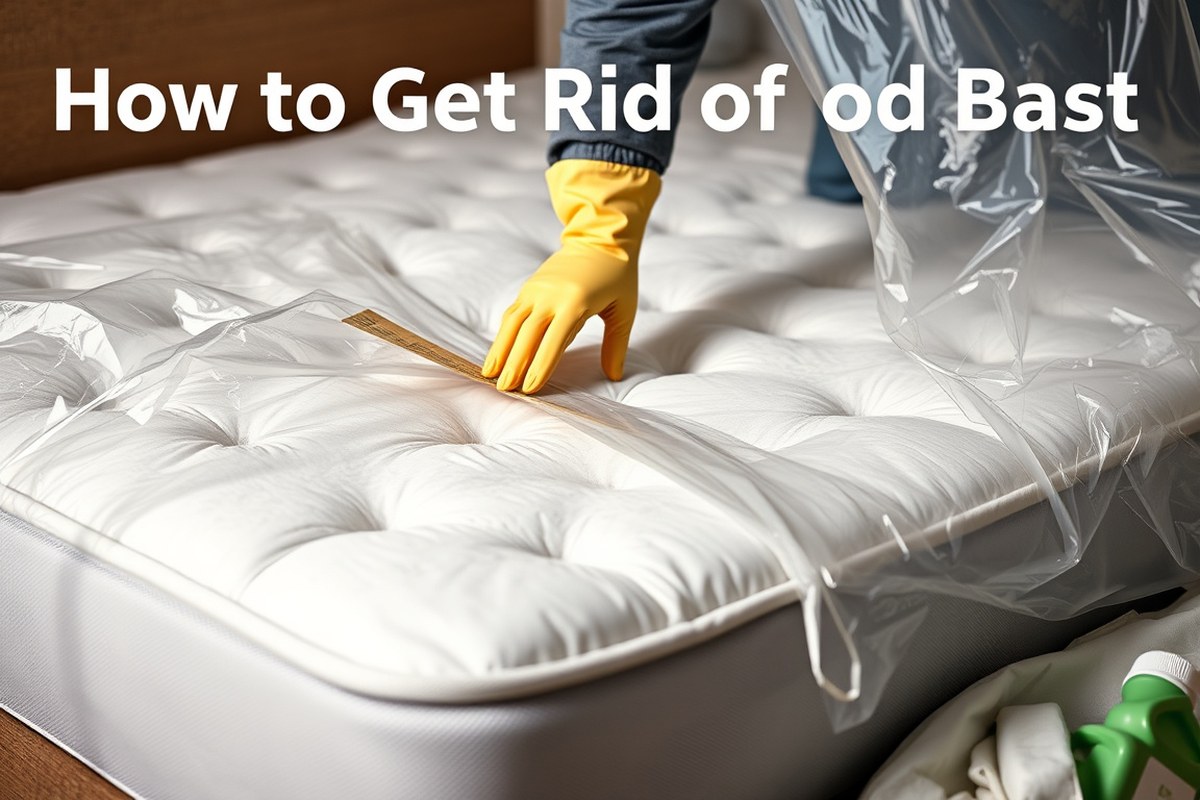
- Encase mattresses and box springs in bed bug-proof covers. Encasements trap any remaining bugs inside, prevent new infestation, and make inspection easier. Use zipper-closed, tear-resistant encasements designed for bed bugs.
- Schedule a follow-up inspection and repeat treatment 7 to 10 days after initial treatment. This interval targets newly hatched bugs that escaped the first round. Repeat monitoring and treatment cycles as needed until no bugs are found. Consistent follow-up is key to stopping re-infestations.
2. Identifying Bed Bugs and Recognizing Infestations Early
Bed bugs are tiny, wingless creatures that feed on human blood at night. Spotting them early and being aware of their signs allows you to prevent an infestation from growing. By examining the proper areas and accurately identifying these pests, you can act quickly to control the problem.
Physical Characteristics of Bed Bugs
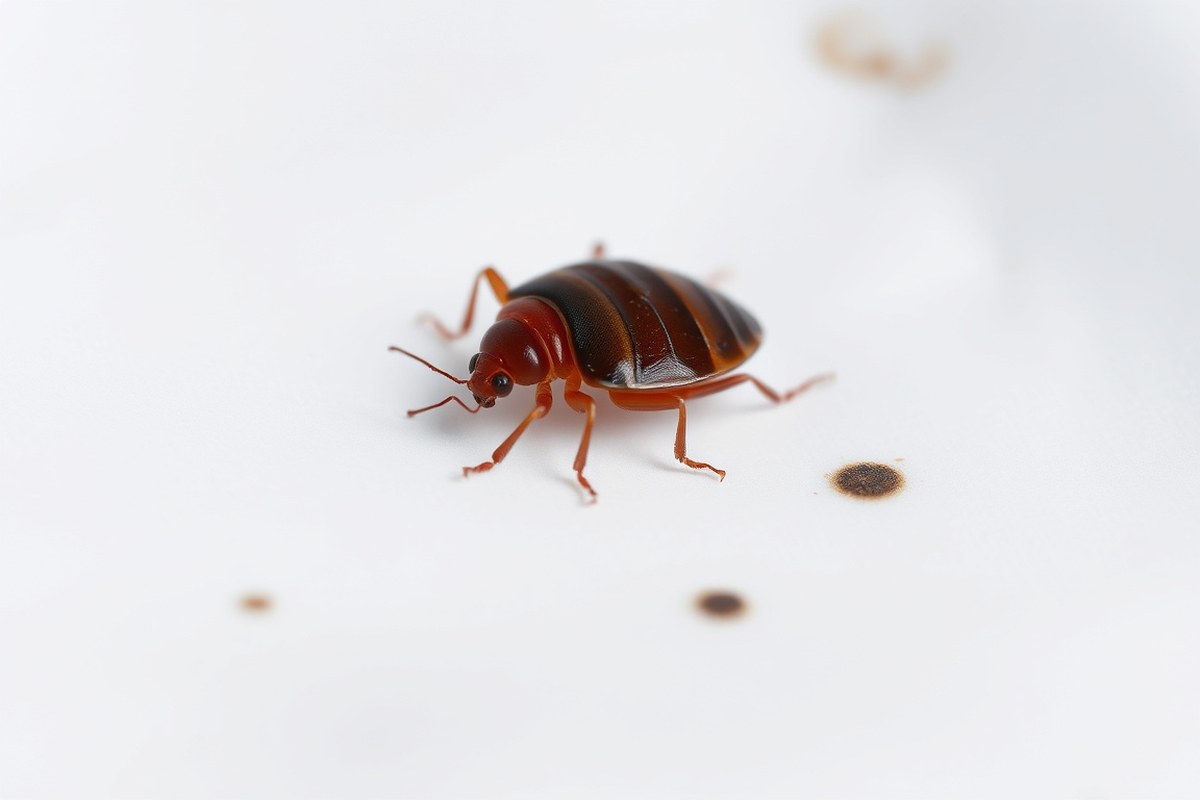
Adult bed bugs are about 1/4 inch long, roughly the size of an apple seed. They have a flat, oval-shaped body that is reddish-brown and turns more swollen and redder after a blood meal. Bed bugs are wingless but can crawl quickly across surfaces. Their legs and antennae are visible, and they have a segmented body. Nymphs, or young bed bugs, are smaller and lighter in color, making them harder to spot.
Spotting live bed bugs can be tricky since they hide during the day and come out mainly at night. Using a flashlight and a magnifying glass helps, especially when checking seams and crevices where they tend to rest. Pay close attention to any moving insects that match this description in bedrooms, particularly around sleeping areas.
Common Hiding Spots for Bed Bugs
Bed bugs prefer tight, dark crevices near where people sleep. Around 70% of them hide in the mattress, box spring, and bed frame. Look carefully at mattress seams, under tags, and around the piping or handles of the mattress. The bed frame joints, cracks, headboards, and behind wall-mounted items close to the bed are other common hiding places.
Besides beds, they can also live in upholstered furniture, cracks in baseboards, behind wallpaper, inside electrical outlets, and even inside drawer joints. For apartments or shared housing, check closets and luggage storage areas. Regular inspection of these spots helps catch infestations early before they spread to other rooms.
Early Bite Symptoms on Skin
Bed bug bites usually appear as small red bumps or welts, often in a line or cluster. The bites can be itchy and tend to show up on exposed skin areas like arms, neck, face, and hands. Not everyone reacts the same; some people have no reaction, while others develop swelling or blisters. These bites commonly show up within a day or two after being bitten.
Distinguishing bed bug bites from other bug bites like mosquitoes or fleas or from skin conditions such as eczema can be difficult. The pattern of bites in a row and the timing, mainly after sleeping, can indicate bed bugs. When you see bites but no bugs, carefully inspect bedding and furniture for other signs of bed bugs.
Distinguishing Bed Bugs from Other Insects
Several bugs can be confused with bed bugs, but signs help to differentiate them. Unlike carpet beetles or bat bugs, bed bugs have a distinctive flat, wide body. They don’t jump or fly, unlike fleas and mosquitoes. Bed bug nymphs can resemble tiny mites, but bed bugs have six legs and antennae that are visible.
Other pests or skin issues don’t leave the same clues, such as dark spots of dried bed bug excrement or shed skins. Finding clusters of dark brown or black dots on sheets or mattresses, combined with the appearance of the bug, confirms a bed bug infestation rather than another bug or skin condition.
Indicators of Active Bed Bug Presence
Seeing live bed bugs is the clearest sign of infestation, but there are other indicators. Look for rust-colored or dark spots of dried bed bug excrement on mattresses, bedding, or furniture. Blood spots can appear when the bugs are accidentally crushed after feeding. Another key sign is the presence of shed skins, outer shells that bed bugs lose as they grow.
Also, some infestations emit a distinct, musty, sweet odor caused by bed bug scent glands. Using pitfall traps designed for bed bugs can detect their presence at low levels and reduce bites during treatment. Regularly inspecting these signs helps monitor the infestation’s status and effectiveness of treatments.
Carefully inspect mattress seams, bed frames, and nearby furniture for dark spots or shed skins weekly to catch infestations early and avoid costly, prolonged treatments.
3. Comparing Fast Bed Bug Treatment Methods: Pros and Cons
The speed at which bed bug treatments kill, their effectiveness against eggs, cost efficiency, and safety vary widely. Steam kills bed bugs instantly on contact and also kills eggs, making it a fast and effective option without harmful residues, though there’s a burn risk. Freezing kills bugs but may require long exposure times that can vary with temperature, and it may not kill all eggs. Vacuuming provides immediate removal but doesn’t kill bugs or eggs directly, thus requiring follow-up treatments. Pesticides vary in kill speed and effectiveness against eggs but carry safety risks, such as toxicity and resistance issues. Diatomaceous earth is slow to act but kills adults and eggs over days without chemical exposure.
| Method | Kill Speed (Direct Contact) | Kills Eggs? | Cost | Safety Concern |
|---|---|---|---|---|
| Steam | Instant | Yes | Moderate ($100-$200 for a good steam cleaner) | Burn risk |
| Freezing | Hours to days (varies) | Partially | Low (use home freezer) | Material damage & incomplete egg kill |
| Vacuuming | Immediate removal, not kill | No | Low (existing vacuum) | None, but improper disposal risks spread |
| Pesticides | Minutes to hours | Varies, often incomplete | Moderate to high ($30-$300) | Toxicity, insecticide resistance |
| Diatomaceous Earth | Slow (7, 17 days) | Yes | Low ($10-$30 per treatment) | Respiratory irritation if inhaled |
Using steam treatment requires applying vapour directly at about 212°F, moving slowly to maintain contact long enough to kill all life stages on furniture, mattress edges, and cracks. Freezing items requires placing infested materials in a freezer set below 0°F for at least four days to kill most bugs but may not eliminate all eggs. Vacuuming involves thorough suction of all cracks and crevices; bagging and discarding vacuum contents outside immediately helps prevent reinfestation. Pesticides demand careful selection, select products labeled for bed bugs and follow instructions strictly to reduce health risks. Diatomaceous earth is spread in thin layers around baseboards, furniture, and wall crevices after removing clutter, and works as a slow but lasting defense by damaging bug exoskeletons. Safety concerns vary but boil down to avoiding burns from steam, minimizing chemical exposure from pesticides, ensuring safe vacuum disposal, and keeping diatomaceous earth out of the air you breathe.
4. Effective Use of Heat, Cold, Steam, and Laundering at Home
Applying heat, freezing, steam, and laundering correctly can kill bed bugs and their eggs in various household items. Use water temperatures of at least 120°F for washing and dry items for 30 minutes on high heat. Home freezers at 0°F need at least 8-10 hours, but many freezer compartments are not cold enough for reliable results. Steam at temperatures above 130°F can reach hiding places in furniture and kill bed bugs on contact.
Washing and Drying Techniques That Kill Bed Bugs
Washing clothes, bedding, and linens in hot water and drying on high heat effectively kills all bed bug life stages. Heat kills the bugs, while washing helps remove dirt and debris. Set your washing machine to a soak or wash cycle with water temperature at least 120°F for a minimum of 30 minutes. Follow this by drying the items in a dryer set on high heat for at least 30 minutes. Overloading the dryer reduces effectiveness by preventing items from heating evenly.
For items that can only be washed on gentle or cold cycles, use a dryer on high heat to ensure bed bug elimination. Repeat laundering every few days during treatment to address any newly hatched bugs. Store cleaned items in sealed plastic bags or containers to avoid re-infestation.
- Sort infested clothes, bedding, and washable fabrics separately from other laundry.
- Set washing machine to use water at 120°F or higher and run the full cycle (30 minutes or more).
- Transfer items immediately to the dryer and use the highest heat setting for 30 minutes.
- Check that items are not tightly packed to allow hot air to circulate.
- Repeat washing and drying every 3 to 7 days during treatment to catch new bugs or eggs.
- Store cleaned items in sealed bags or containers until the infestation is fully under control.
Freezing Items: Temperature and Timing Guidelines
Freezing can kill bed bugs and eggs, but most household freezers are not designed to maintain the 0°F or below consistently needed. Items must remain at 0°F for at least 8 to 10 hours to achieve bed bug kill. Larger or thicker items like cushions or shoes require longer exposure. Be cautious with delicate items that may be damaged by freezing.
Bag infested items tightly to prevent bed bugs from escaping, then place them in the coldest part of the freezer. Do not open the freezer door during treatment to avoid temperature fluctuations. If your freezer does not reach or maintain low enough temperatures reliably, freezing is less effective. In such cases, rely on heat or steam treatments.
Safe and Effective DIY Steam Treatments
Steam kills bed bugs by exposing them to temperatures above 130°F, which destroys all life stages. Steam treatments allow you to reach cracks, seams, and other hiding places on furniture and mattresses that laundering cannot. Use a steam cleaner with a nozzle that releases dry steam and heats water to at least 130°F.
Apply steam slowly and steadily to thoroughly treat infested areas. Pay special attention to mattress seams, bed frames, upholstered furniture, couches, and baseboards. Direct the steam into cracks and folds where bed bugs hide. Avoid wetting items excessively, which can cause mold or damage.
Apply steam twice, a few days apart, to kill any newly hatched bugs from uncovered eggs. Keep children and pets away from the area during treatment to prevent burns. Using steam requires patience and thoroughness, but it is chemical-free and an effective component of home bed bug control.
5. Furniture and Crack Treatment: Vacuuming and Pesticide Use
Start by removing clutter around your furniture to access all possible hiding places of bed bugs. Use a vacuum with a hose attachment to thoroughly clean mattress seams, cushions, crevices in wooden or upholstered furniture, bed frames, and cracks along baseboards or walls. Focus on tufts, zippers, and trims where bed bugs often hide. Vacuum slowly and methodically to suck up bugs, eggs, shed skins, and debris. Empty the vacuum immediately into a sealed plastic bag; seal it tight and dispose of it outside your home to prevent live bugs from escaping and spreading.
Next, lightly spray an EPA-registered bed bug insecticide designed for indoor use on furniture joints, cracks, and baseboards after vacuuming. Use products containing active ingredients such as pyrethroids, but follow the label instructions carefully for safe application. Avoid over-saturating surfaces, which can be hazardous and cause damage. Do not apply pesticides directly to your skin or bedding. Instead, apply sprays to cracks and crevices where bed bugs hide. Allow treated areas to dry before use and ventilate rooms well during and after application.
After treatment, regularly inspect treated areas at least once a week for signs of remaining bed bugs or eggs. Use handheld magnifiers for better visibility in tight spaces. If using natural alternatives like vinegar or rubbing alcohol, apply them as supplementary measures; these substances may kill bed bugs on contact but lack residual effects, requiring repeated treatment. For mattresses and upholstery, consider steam cleaning at temperatures above 130°F, which can reach into deep folds and kill bed bugs and their eggs without chemicals.
Avoid dispersing bed bugs during vacuuming or spraying by minimizing movement of infested items. Do not shake or toss bedding and furniture; this risks releasing bed bugs into the air or onto floors. Use plastic covers for mattresses and box springs immediately after vacuuming and pesticide application to trap remaining bugs inside and prevent spreading. Wearing disposable gloves and changing clothes after treatment reduces the chance of carrying bed bugs to other rooms. Take care to isolate treated items until you confirm the infestation is eliminated.
Seal vacuum bags in a plastic bag and dispose of them outdoors immediately after vacuuming to prevent live bed bugs from escaping inside your home.
6. When to Call Professionals and What to Expect from Services
Call a professional exterminator when the bed bug infestation is severe, especially if you see widespread signs on mattresses, furniture, and walls or if your DIY efforts do not significantly reduce the population within two weeks. Small or early-stage infestations might be manageable with thorough DIY treatments like heat, steam, and desiccants, but once bed bugs spread beyond a bed or a single room, professional help is safer. Homes with multiple bedrooms, rental properties, or multiunit buildings should consider professional services earlier to prevent the infestation from spreading to neighbors or other rooms.
Professionals typically use a combination of treatment methods. Heat treatment involves raising room temperatures to at least 118°F (48°C) for several hours, effectively killing all life stages of bed bugs without chemicals. Other common treatments include targeted pesticide applications by licensed technicians, which must be used carefully due to safety concerns. Some professionals also combine heat with vacuuming and residual insecticides to ensure thorough control. Treatments usually take one to two visits over a few weeks, depending on the infestation severity and the size of the property.
Costs for professional bed bug control vary based on home size, infestation severity, and treatment method chosen. Expect prices ranging from $500 to over $1,500 for a typical single-family home. Heat treatments tend to be more expensive upfront but can reduce the need for repeat visits. Some companies offer guarantees of 60 to 90 days during which they will retreat at no extra charge if bed bugs reappear. Clarify what the guarantee covers before hiring, as it might not include replacement treatments after extensive household changes or introducing new infested items.
Deciding whether to call a professional starts with assessing infestation size and your living situation. For example, if you have a small apartment and catch bed bugs early, a thorough DIY approach using laundering, vacuuming, and sealing cracks might work. On the other hand, a heavily infested mattress in a large home often requires professional heat treatment combined with follow-up inspections. In rental units, involving professionals quickly helps protect other tenants and prevents legal complications.
When contacting an exterminator, ask about their experience specifically with bed bugs, treatment options, expected time frames, and costs upfront. Make sure the technician is licensed and uses Integrated Pest Management techniques that combine chemical and nonchemical methods responsibly. Follow all preparation steps your exterminator recommends to improve the treatment’s effectiveness, such as laundering bedding at 120°F and decluttering. After treatment, expect to monitor for bed bugs regularly and report any signs promptly for further action under most service agreements.
7. Monitoring, Prevention, and Protecting Against Reinfestation
Monitoring for bed bugs after treatment starts with using interceptors or traps placed under each leg of your bed and nearby furniture. These devices work by trapping bed bugs as they attempt to climb onto or off the bed, helping you detect if any bugs remain active. While interceptors don’t kill every bed bug in the room, they serve as an early warning system and reduce the chance of bugs reaching you during sleep. Check these traps weekly for signs of live or dead bugs, replacing or cleaning them as needed to keep monitoring effective.
Protecting your mattress and box spring involves investing in tightly woven mattress and box spring encasements specifically designed to prevent bed bugs from nesting inside. Encasements trap any bed bugs already inside, cutting off their access to food and gradually killing them within months. Look for encasements rated by the Environmental Protection Agency or consumer reviews for durability and secure zipper seals. Cover the mattress and box spring completely, smoothing the surface to reduce bed bug hiding spots. Using a mattress encasement also simplifies inspections; any new bugs found on the surface point to a reinfestation rather than an existing hidden population. Memory foam, latex, hybrid, or bamboo mattresses can naturally resist bed bugs better than traditional innersprings, but combine them with encasements for best protection.
Preventing future infestations involves a combination of good housekeeping and vigilant inspection routines. Regularly launder bed linens, pillowcases, and mattress protectors in hot water above 130°F to kill any hitchhiking bed bugs and eggs. Keep clutter off and around the bed to minimize hiding spots for bed bugs and vacuum cracks near the bed frame and baseboards to remove stray bugs and shed skins. Avoid unsealed secondhand furniture and inspect any items brought into the home thoroughly before placing them near sleeping areas.
Some homeowners try unconventional methods such as moth balls or soap to repel or kill bed bugs, but these do not effectively address infestations within mattresses or furniture and do not protect against re-infestation. Focus instead on proven methods like mattress encasements, interceptors, heat laundering, and routine visual inspections for the telltale signs, such as the small dark fecal stains left by bed bugs. Consistent use of these strategies, especially during the first 6 to 8 weeks after treatment, significantly lowers the chance that bed bugs will return and become a long-term problem.
8. Common Mistakes When Getting Rid of Bed Bugs Fast and How to Fix Them
Common mistakes during fast bed bug removal often delay success or make infestations worse. Overlooking thorough inspection, spreading bugs while cleaning, poor laundering, and relying on unproven DIY methods are frequent issues. Fixing these mistakes improves results and lowers chances of reinfestation.
Decluttering and Proper Laundering Importance
Clutter provides bed bugs with many hiding spots, causing treatments to miss them and prolong infestation. Removing excess items from bedrooms and living areas makes inspection and treatment easier and more effective. Pay attention to under beds and inside drawers, as bugs thrive in tight spaces.
Laundering plays a key role because bed bugs can cling to clothing, bedding, and soft items. Use hot water cycles of at least 120°F (49°C) and dry items on high heat for 30 minutes or more. Some materials may need repeated washing to fully kill bugs and eggs. Items that can’t be washed should be sealed in plastic bags and placed in a hot dryer or freezer for several days.
- Discard or store clutter in sealed containers during treatment.
- Launder all bedding, curtains, and clothing from infested rooms.
- Use dryer heat for at least 30 minutes at 120°F or higher.
- Seal unwashable items in plastic for heat or cold treatment.
- Empty under-bed storage and clean thoroughly.
- Keep treated items separated from untreated ones to avoid reinfestation.
Maintaining these steps consistently ensures proper exposure to lethal temperatures and reduces bed bug habitats.
Avoiding Spread During Vacuuming and Handling
Vacuuming bugs loosens them from hiding places but can spread them if done carelessly. Bagless vacuums risk releasing bugs back into the room. Always empty vacuum contents into a sealed plastic bag immediately after use and dispose outside the home to prevent escape.
Handling infested items can move bugs to new locations. Contain clothes or bedding in sealed bags before transporting for laundering or disposal. Keep infested items away from clean areas. When inspecting cracks or furniture, work slowly and methodically to avoid driving bugs deeper where treatments cannot reach.
Dispose of vacuum bags or empty canisters into a sealed plastic bag and discard outdoors right after vacuuming to trap any escaped bed bugs.
Good handling habits limit the spread and reestablishment of bed bugs in your home or neighboring units.
Dispelling Popular Bed Bug Myths
Several DIY methods claim quick bed bug elimination but lack scientific support and can waste time or money. For example, talcum powder and baking soda do not kill bed bugs through dehydration, despite common belief. Petroleum jelly applied to bed legs doesn’t trap bugs either and can complicate cleaning efforts.
Using only chemical sprays without preparation or combining multiple unproven remedies rarely succeeds. Bed bugs often hide in areas sprays can’t reach and develop resistance to some insecticides. Steaming and heat treatments are effective but require reaching critical temperatures between 118°F and 122°F (48-50°C) for at least 90 minutes over infested areas.
- Avoid relying on powders like talcum or baking soda.
- Skip household petroleum jelly traps on furniture legs.
- Don’t depend solely on sprays; combine with cleaning and heat.
- Focus on consistent, timed laundering and heat exposure.
- Look closely; these small insects can conceal themselves in tiny cracks that are only as wide as a credit card.
Discarding myths prevents wasted effort and helps you focus on proven control steps that increase your chance of fast elimination.
Step-by-Step Action Plan to Get Rid of Bed Bugs Fast
Follow this practical plan to start tackling bed bugs immediately and track your progress as you go.
- Before you start: Inspect your sleeping areas carefully for bed bugs, shed skins, or dark spots on bedding to confirm infestation. Knowing the extent helps target treatments effectively.
- Day 1: Wash all bedding, clothing, and fabrics in hot water (at least 120°F) and dry on the highest heat for 30 minutes. This kills bed bugs at all stages; signs no new bites or bugs after cleaning indicate initial success.
- Day 2: Vacuum mattresses, box springs, furniture seams, and cracks thoroughly; immediately seal and discard the vacuum bag contents outside. A decrease in visible bugs or shed skins shows vacuuming effectiveness.
- Day 3: Use steam treatment on mattresses, couches, and cracks, reaching temperatures above 130°F to kill bed bugs and eggs. Look for no live bugs after steam applications as proof it worked.
- Day 4: Apply EPA-registered bed bug pesticides according to product instructions on furniture and cracks, avoiding overuse. Reduced bug activity and fewer bites over days reflect pesticide impact.
- Week 2: Use mattress encasements and bed bug interceptors on bed legs to trap remaining bugs and prevent reinfestation. Collect fewer bugs in interceptors over time to monitor progress.
- Week 3: Reinspect all treated areas carefully for signs of bed bugs. If you continue to find live bugs or bites, contact a pest control professional for advanced treatment options.
- Ongoing: Maintain clutter-free, clean sleeping areas and regularly vacuum and launder bedding to prevent return. Absence of new bites or bugs over several weeks confirms lasting control.
Frequently Asked Questions
What Kills Bed Bugs Instantly?
Steam at near 212°F or boiling water kills bed bugs instantly by contact. Use a steam cleaner on surfaces or pour boiling water on infested areas for immediate effect.
How Do You Draw Bed Bugs Out of Hiding?
Bed bugs are attracted to body heat and carbon dioxide, so using heat or bait traps can encourage them out. Placing a warm object or using a CO2 trap helps expose hiding spots.
Can Bed Bugs Live in Pillows?
Yes, bed bugs can live inside pillows, especially in seams and fabric folds. Washing and drying pillows on high heat can kill any bed bugs living inside.
What Kills 100% of Bed Bugs?
Steam exposure above 70°C (158°F) kills 100% of bed bugs, including eggs, within seconds. Sustained heat treatments or professional pest control offer the best complete eradication in all life stages.
How Long Can Bed Bugs Survive Without Feeding?
Bed bugs can survive about one month without feeding, although adults live about four months normally. Patience and persistent treatment help ensure total elimination during this time.
Does Freezing Kill Bed Bugs Quickly?
Freezing at 0°F (-18°C) kills bed bugs but requires at least 4 continuous days for full effect. It’s slower than heat but useful for treating smaller items safely.
Before You Go
Getting rid of bed bugs fast requires prompt, thorough action and close attention to detail. Start by inspecting your sleeping areas carefully and immediately using heat or vacuum treatment to tackle the most vulnerable spots. Taking this first step today sets a strong foundation for eliminating the infestation before it spreads further.