
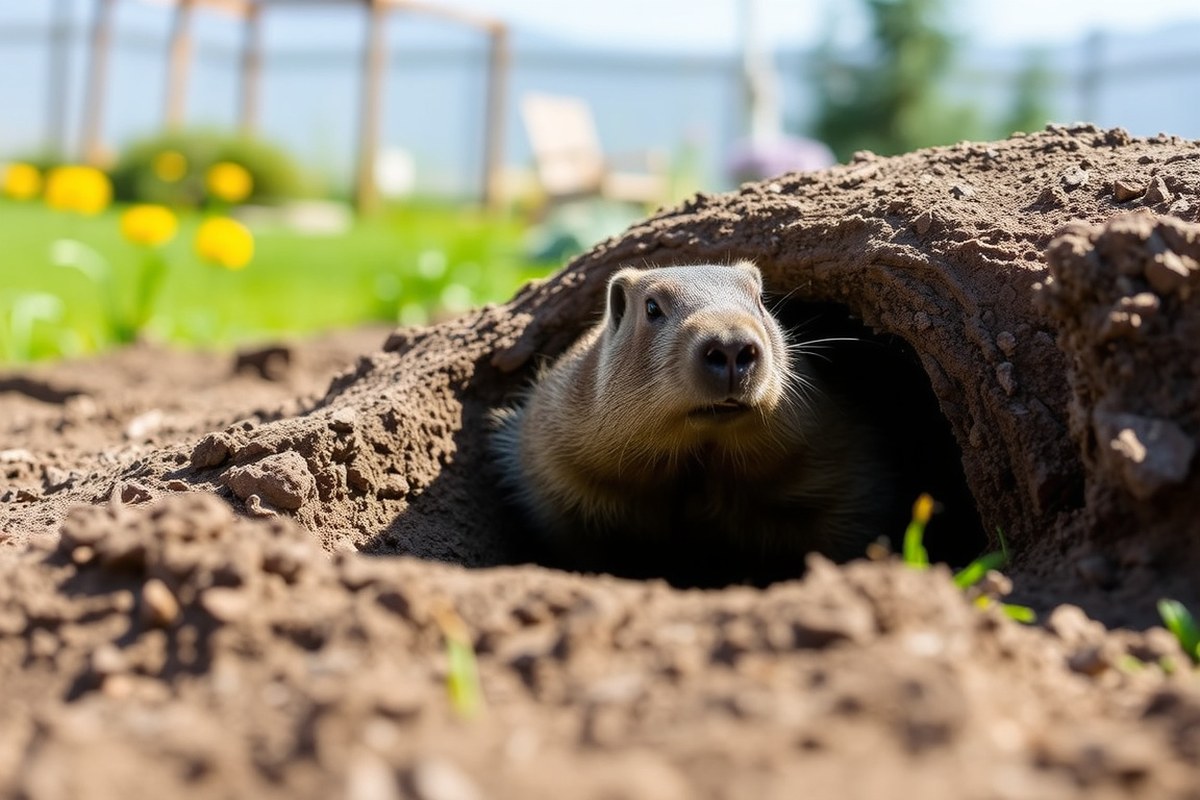
How to Get Rid of Groundhogs: 8 Effective and Humane Methods That Work
To get rid of groundhogs effectively, focus on humane eviction followed by exclusion to prevent their return. Use natural repellents, install proper fencing, and consider live trapping to handle burrows without harm. This approach limits damage to your garden and property while protecting the animals.
This article is for homeowners and gardeners dealing with groundhog problems who want practical, humane solutions. You’ll learn how to identify groundhogs and their burrows, understand why they cause damage, explore legal removal methods, set up deterrents and fencing, and avoid common mistakes to keep your garden safe long term.
Key Takeaways
- Identify groundhogs by their 16, 22 inch size and look for large burrows up to 6 feet deep and 20 inches wide.
- Groundhogs damage gardens and structures by digging extensive tunnels that can disrupt foundations and landscaping elements.
- Use 6-foot woven-wire fencing with 4 feet above ground and 2 feet buried, bending the top 15 inches outward to stop climbing.
- Apply natural repellents and electric wires placed 4 to 5 inches above ground to deter groundhogs humanely from gardens.
- Trap groundhogs carefully and handle them with caution when removing from under sheds or decks to avoid injury and stress.
- Avoid using short or flimsy fences and check regularly for new digging to prevent repeated groundhog invasions and damage.
How to Identify Groundhogs and Their Burrows
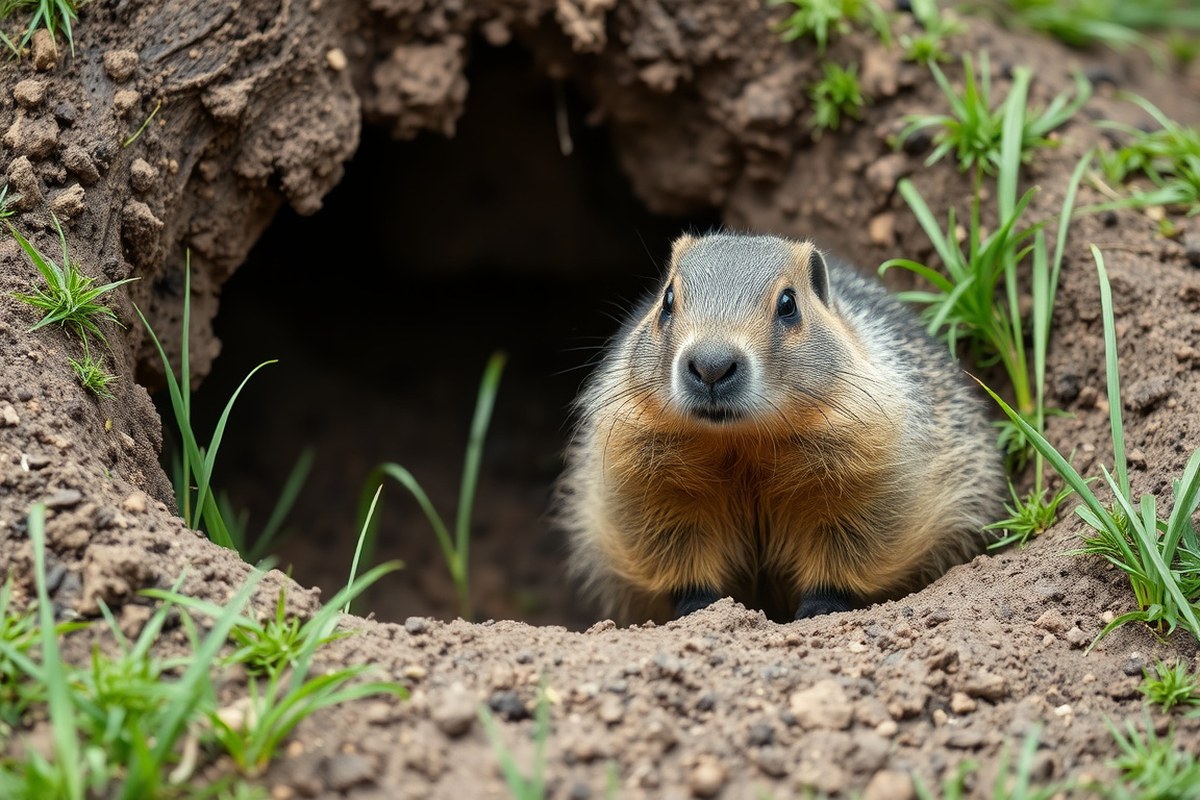
Groundhogs, also known as woodchucks, are medium-sized rodents common in North America. To identify one, look for a stocky body measuring 16 to 22 inches long, including a short, bushy tail. They weigh between 5 and 13 pounds. Their fur is usually brownish-gray, and they have strong, curved claws designed for digging. You might spot them during the day, especially in the early morning or late afternoon, as they forage in gardens or open fields.
Recognizing signs of groundhog activity is just as important as seeing the animals themselves. Groundhogs are expert diggers and create extensive burrow systems that can stretch 5 feet underground. These burrows are typically located near brush piles, stone walls, or under sheds and decks, and they can damage patios, sidewalks, or even home foundations. Successful identification helps target your removal efforts effectively.
- Look for burrows with entrances about 8 to 12 inches wide and oval-shaped openings, usually surrounded by fresh soil mounds.
- Check for trails leading from burrows to feeding areas; groundhogs often graze on garden plants and vegetables.
- Spot fresh droppings near burrow entrances or feeding zones; these are small, dark, and pellet-shaped.
- Notice clipped vegetation or chewed plants typical of groundhog feeding habits.
- Listen for rustling or movement during daylight, as groundhogs are most active then and will retreat quickly if disturbed.
Knowing these details helps you confirm a groundhog presence before beginning any control measures. Groundhog burrows often have multiple exit holes, so be sure to observe the entire area carefully. Disturbed soil near flower beds or vegetable gardens is a common telltale sign. Used cat litter placed near burrow entrances may signal a predator’s presence and discourage groundhogs from returning, according to the University of Illinois Extension.
Note that groundhogs tend to be solitary, so each burrow usually houses one animal. They live about 4 to 6 years and are ready to defend their burrows with quick retreats rather than aggression. Detecting their tracks, four toes in front and five in back, with noticeable claw marks, can also help confirm their presence. Properly identifying groundhogs and their burrows lets you choose the right removal or exclusion method and avoids unnecessary damage or ineffective treatments.
Why Groundhogs Damage Gardens and Become a Problem Now
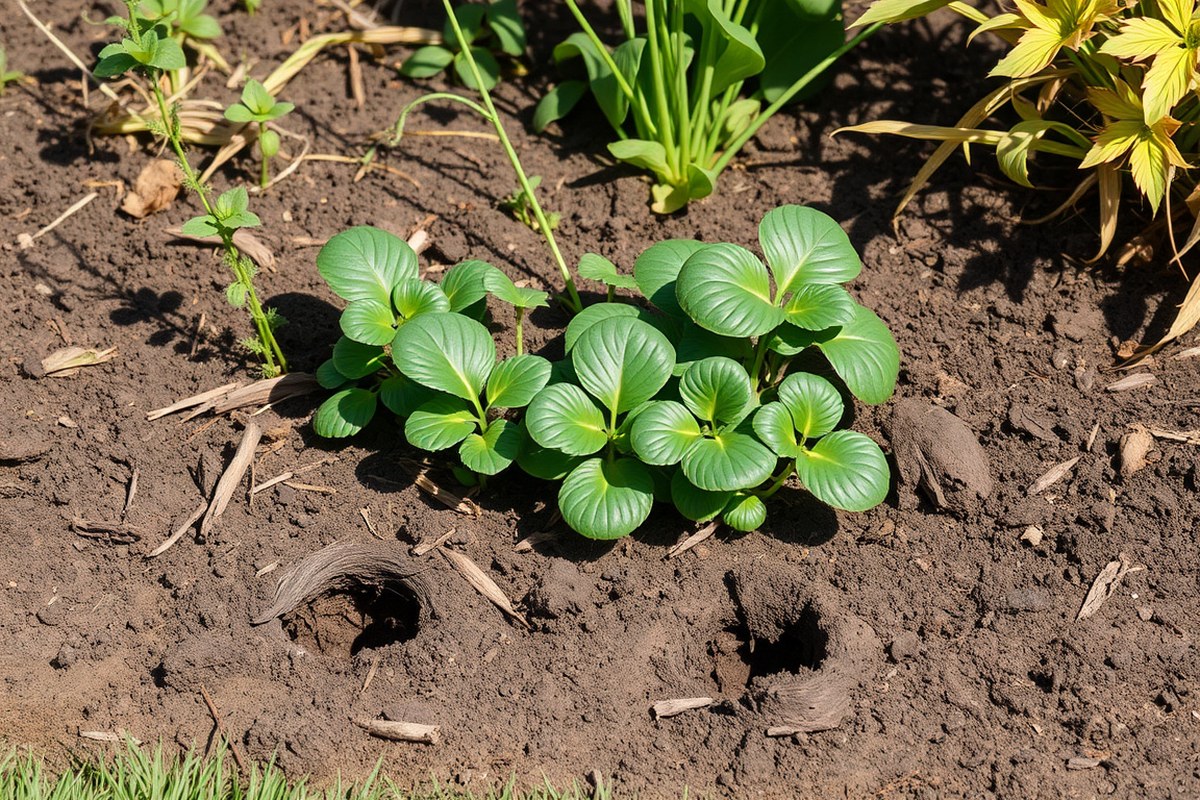
Groundhogs can cause significant damage to your garden and property primarily through their feeding and burrowing habits. They consume up to 1.5 pounds of vegetation daily, which enables them to quickly decimate vegetable crops, flower beds, and ornamental plants. Chewed leaves, missing plant tops, and dug-up soil around garden beds or lawns often signal their presence. Their burrows, which have entrances about 10 to 12 inches wide, can weaken foundations, decks, and other structures if located nearby. Burrowing can also create uneven ground, leading to potential safety hazards and increased lawn maintenance.
Groundhogs are most active during early morning and late afternoon, which are the best times to spot signs of their activity. Their increased movement during these periods often results in more visible damage, especially if they have established a burrow on or near your property. Seasonal changes also trigger shifts in their behavior. In spring and early summer, they focus heavily on feeding to regain weight after hibernation. Later in the growing season, they start targeting a wider variety of crops, including berries, tomatoes, corn, apples, and alfalfa, expanding the damage area.
Changes in food availability can trigger groundhogs to venture deeper into residential gardens and landscapes. For example, when natural food sources in wooded or grassy areas become scarce, they seek out home gardens and orchards, which offer a reliable daily buffet. The presence of dense cover like tall grass or unkempt garden areas also encourages groundhogs to settle, as it provides shelter and protection from predators. Keeping your yard tidy, therefore, can reduce their comfort level and discourage them from moving in.
Understanding these triggers helps in timing control measures effectively. Installing fencing or deterrents before the growing season peaks, typically in spring, can reduce the risk of damage. Pay close attention to raised soil piles near structures as these may indicate fresh burrowing activity needing prompt attention. Combatting groundhog damage requires a mix of monitoring, habitat modification, and sometimes physical barriers to protect vulnerable plants and structures.
Install an electric wire about 4 to 5 inches above the ground around your garden to create an effective barrier that deters groundhogs from entering and damaging your plants.
Legal Considerations and Humane Groundhog Removal Methods
Groundhogs are subject to varying legal protections depending on your location. Humane live trapping paired with responsible relocation is generally preferred but must comply with local wildlife regulations. Following the correct procedures helps you manage groundhogs effectively without harming them or violating laws.
Understanding Local Wildlife Laws
You need to check local, state, and federal wildlife laws before attempting to trap or relocate groundhogs. Some areas protect groundhogs through specific game commission regulations, while others consider them nuisance animals that you can remove under certain conditions. Regulations often restrict trapping seasons to avoid interfering with breeding or hibernation periods.
Contact city or county officials or your local game commission to verify any trapping permits, firearms restrictions, or relocation requirements applicable in your area. Ignoring these can lead to fines or legal trouble. Laws may also dictate where you can release trapped animals, making it important to confirm these details beforehand.
Setting and Monitoring Live Traps Safely
Humane live traps are effective for catching groundhogs without injury. These traps typically cost between $40 and $100. Proper placement and regular monitoring ensure the safety and well-being of the trapped animal. You are responsible for checking traps at least twice a day to reduce stress and prevent harm. Follow these steps to set and monitor a live trap:
- Choose a sturdy live trap about 10 inches by 12 inches, made of wire mesh.
- Place the trap near active groundhog burrows or feeding areas.
- Bait the trap with fresh vegetables such as carrots, lettuce, or apples.
- Ensure the trap’s trigger mechanism works smoothly.
- Check the trap in the early morning and late afternoon daily.
- Keep the trap shaded and provide ventilation for the trapped groundhog.
- Wear gloves when handling traps to protect yourself from bites and diseases.
Failure to monitor traps often leads to prolonged animal stress or injury. Never leave traps unattended for more than 12 hours. Avoid setting traps during the groundhog’s breeding or hibernation seasons to prevent trapping young or dormant animals inside the burrow.
Relocating Groundhogs Responsibly and Legally
Relocation requires releasing groundhogs far enough away to prevent immediate return to your property. A minimum release distance of one mile is typically recommended, though local regulations may specify different distances. Choose a release site with appropriate habitat and where groundhogs are not considered a nuisance. To relocate a trapped groundhog safely, follow these guidelines:
- Confirm relocation is legal in your area and find a suitable wildlife-friendly location.
- Transport the groundhog in the live trap vehicle securely to minimize stress.
- Wear gloves and carefully open the trap while placing it on the ground at the release site.
- Allow the groundhog to exit the trap on its own, keeping a safe distance.
- Dispose of any bait left in the trap to avoid attracting other animals.
- Clean and disinfect the trap after use to prevent disease transmission.
Relocation alone rarely solves groundhog problems. Combining humane trapping and relocation with habitat modification and exclusion fencing improves long-term control. Hiring a licensed wildlife professional may be advisable for safe handling and compliance with all regulations, especially if wildlife poses health risks or if you are unsure of local laws.
Natural Repellents and Humane Deterrents That Work
Natural repellents and humane deterrents can offer some relief from groundhog activity, but their success often depends on how and when you apply them. Predatory scents such as coyote or fox urine, available at garden centers, mimic the smell of natural groundhog enemies. Spray these around garden edges and near burrow entrances every 7 to 10 days, or after heavy rain, to maintain their effectiveness. Groundhogs dislike strong, pungent odors like ammonia and castor oil, which cause discomfort but no lasting harm. Use a diluted ammonia solution, about 1 part ammonia to 3 parts water, sprayed along garden perimeters. Castor oil mixed with water and a small amount of dish soap can be sprayed directly on plants or soil; reapply after rain or watering.
Deterrents based on sound and vibration may help in some cases but usually only provide short-term relief. Solar-powered vibration stakes create underground pulses that disrupt groundhog movement near burrows and cost roughly $15 to $30 each. Placing several stakes around burrow openings can make the soil feel unstable to groundhogs. Similarly, motion-activated sprinklers startle groundhogs with sudden water bursts and also deter other wildlife. These devices require regular maintenance to ensure sensors and batteries work, and effectiveness tends to diminish as animals become accustomed to them.
Other low-cost options include dispersing human hair, pet fur, or used kitty litter near entrances and garden beds. These substances create unfamiliar smells that can discourage groundhogs from settling in. Changing these materials regularly, every 5 to 7 days, helps keep their repellent effect active.
- Spray predator urine around garden borders weekly, especially after rain
- Apply diluted ammonia solution to soil edges every 5 to 7 days
- Mix castor oil with water and soap; spray on plants and around burrows after rain
- Install solar-powered vibration stakes near burrow entrances, spacing them 3 to 5 feet apart
- Set up motion-activated sprinklers with clear line of sight to burrows or garden areas
- Place human hair or used kitty litter around burrow entrances and replace weekly
- Remove nearby vegetation to reduce cover and make repellents more effective
These repellents usually work best when combined with habitat modification. Clearing weeds and brush near groundhog tunnels removes hiding spots and makes them more vulnerable to deterrents. Repellents and vibration devices might not fully stop determined groundhogs, especially those already familiar with your garden’s food sources. Effective use involves persistence and regular renewal of treatments. Expect results to appear within a week or two. If groundhogs remain, consider supplementing repellents with other humane methods to encourage them to move on.
Building and Installing Effective Groundhog Fencing
To effectively keep groundhogs out, install a strong fence that is buried at least 12 inches deep and extends at least 3 to 4 feet above ground. Use durable materials and consider an L-shaped footer or outward-bent top to discourage digging and climbing. Electric fencing can add an extra layer of protection when installed safely with proper spacing.
Choosing the Right Fence Materials
Opt for sturdy wire mesh or hardware cloth with openings no larger than 1 inch to block groundhogs. Materials like galvanized steel mesh resist rust and damage, making them ideal for long-term use. Avoid flimsy plastic or wire fencing that groundhogs can easily chew or bend through.
A fence height of 3 to 4 feet is effective in stopping groundhogs from scaling it. To boost protection, angle the top section outward between 10 to 15 inches at about 45 degrees away from your yard. This can be done by fastening the upper part lightly to the posts, making it harder for groundhogs to grip.
How to Bury and Angle Fencing to Prevent Digging
Prevent burrowing by burying the fence at least 12 inches deep. The bottom edge can be bent at a 90-degree angle to form an L-shaped footer extending 12 inches outward under the soil. Bury this L-footer 1 to 2 inches underground to block digging attempts at the base.
This underground portion is critical because groundhogs often dig beneath fences if the soil is easy to excavate. Stretch and secure the fence tightly to the ground and use stakes every 3 to 5 feet to maintain tension and stability.
- Measure the perimeter of the area you want to exclude groundhogs from, leaving a few inches of clearance around plants or structures.
- Dig a trench at least 12 inches deep around this perimeter.
- Bend the bottom 12 inches of fencing outward in an L-shape and place it into the trench.
- Backfill the trench, compacting soil firmly over the buried fencing to prevent gaps.
- Install vertical support stakes every 3 to 5 feet to keep fencing upright and secure.
- Bend the top 10 to 15 inches of fencing outward at a 45-degree angle and loosely attach it so it is unstable for climbing.
- Examine the fence regularly for loose sections or gaps and repair them promptly.
Securely burying an L-shaped footer prevents groundhogs from digging under your fence, which is a common failure point of groundhog exclusion fences.
Using Electric Fencing Safely Around Homes
Electric fencing can deter groundhogs effectively when installed properly. Use a single strand of wire placed 4 inches above ground and a second strand 8 inches high, which target a groundhog’s typical movement range. Energize the fence with a low-voltage charger designed for small animals.
Before installation, measure the perimeter and keep the fence at least 1 foot away from plants or structures to reduce accidental contact. Use insulated posts and signs to warn family and pets. Be sure to comply with local regulations and follow the electric fence manufacturer’s instructions carefully.
Regularly check the wires for vegetation contact or breaks, as overgrowth can short-circuit the fence and reduce its effectiveness. Combine electric fencing with physical barriers like wire mesh for optimal results. Always use electric fencing as part of a complete exclusion strategy, not as the sole method.
Trapping Techniques and Handling Groundhogs Under Structures
Groundhogs living under sheds, decks, or houses require careful trapping and handling to avoid damage to your property and ensure safe removal. These animals often tunnel close to or beneath wood structures, attracted by shelter and safety. Limited access means setting traps under these areas must be done with caution and the right equipment.
Using live traps is the preferred humane method for groundhogs under structures. Choose a trap large enough to comfortably capture an adult groundhog, around 24 to 30 inches long and 8 to 12 inches wide. Place the trap as close as possible to the burrow entry under the structure. Groundhogs prefer shaded, sheltered spots, so cover the trap with cloth or a tarp to make it inviting and less stressful for the trapped animal. Here’s a checklist for effective trapping of groundhogs under sheds, decks, or houses:
- Inspect for active burrow entrances or fresh diggings beneath structures
- Clear debris to give easy trap access without harming the structure
- Use bait like fresh vegetables or fruits placed at the trap’s far end
- Secure the trap to prevent movement once triggered
- Check the trap at least twice daily to avoid long confinement
- After capture, follow local regulations for releasing or contacting a professional
- Consider placing stainless-steel hardware cloth around vulnerable areas to block re-entry
Setting a trap under limited space can be tricky. Slide the trap carefully into the opening without disturbing the burrow more than necessary. When the entrance is too narrow, widen it slightly with hand tools, taking care not to cause structural damage. Avoid handling traps with bare hands; wearing gloves reduces human scent and may improve success.
Excluding future burrowing under structures is as important as trapping. Stainless-steel hardware cloth, with mesh size around 1/4 inch, works well to block digging since groundhogs cannot chew through it. Secure this material tightly along shed or deck edges, burying it 12 inches deep and extending 6 to 12 inches outward underground to discourage tunneling.
Costs vary depending on trap size and quality but expect to pay between $40 and $100 for a durable live trap. Hardware cloth typically costs $1 to $3 per square foot, with professional installation adding labor costs. Successful removal should see no new signs of digging within two weeks. Persistent activity may require re-evaluation of exclusion methods or professional assistance.
When removing the trapped groundhog yourself, pick a release site at least 5 miles from your property in a suitable habitat. Avoid releasing near residential areas to prevent the animal from returning. For homeowners uncomfortable with trapping or handling, hiring an exterminator ensures safe, legal compliance and humane treatment of the animal.
Common Mistakes and Troubleshooting Failed Groundhog Controls
Groundhog control methods often fail because of common mistakes such as improper fencing, missing active burrows, and ineffective use of repellents. These errors allow groundhogs to bypass barriers, continue damaging property, or avoid deterrents altogether. Fixing these problems means paying attention to details like fence construction, thorough site inspection, and repellent application timing.
One frequent mistake is using fencing that is not heavy-gauge or has openings larger than 3 inches. Groundhogs can squeeze through weak or wide gaps, making the barrier useless. Investing in welded wire fencing with no larger than 3-inch squares helps ensure they cannot slip through. Also, the fence should be buried at least 10 to 12 inches deep or bent outward at the bottom in an L-shape to prevent digging underneath.
Missed burrows allow groundhogs to keep returning even after partial exclusion. Groundhogs excavate multiple burrows connected by tunnels, and failing to identify all entrances keeps the problem ongoing. To correct this, carefully inspect the property for fresh digging, look for groundhog droppings near the burrows, and monitor activity by marking each known entrance. Closing burrows must be done carefully while the groundhog is away, and it’s best to block all entrances simultaneously to trap it out safely.
Repellent methods frequently fail because repellents are applied inconsistently or during weather conditions that reduce their effectiveness. Many natural repellents only last a few days and need reapplication after rain or heavy dew. Groundhogs may also become used to a scent if it remains unchanged over time. To improve results, apply repellents weekly, following label instructions, and use a mix of scents to prevent habituation.
- Use heavy-gauge welded wire fencing with 3-inch or smaller squares
- Bury fencing 10, 12 inches deep or create an outward L-shaped skirt
- Thoroughly locate and mark all active groundhog burrows
- Seal all burrow entrances at once while animals are away
- Reapply repellents weekly and after rain or wet weather
- Switch repellent scents periodically to avoid groundhog habituation
- Consider consulting a licensed pest professional for infestations
Groundhog control also requires patience and timing. Closing burrows works best when groundhogs are out foraging, usually during daylight. Attempting burrow closure when a groundhog is inside can backfire, causing them to dig new exits. Costs for fencing materials range from $1 to $3 per square foot, depending on quality and size of wire. Repellents typically cost between $10 and $25 per container and require frequent reapplication. Addressing these common mistakes by combining sturdy fencing, complete burrow closure, and consistent repellent use greatly increases the chance of successful groundhog removal.
Choosing the Best Groundhog Control Method for Your Situation
Choosing the right groundhog control method depends on your budget, how quickly you need results, and whether you prefer a do-it-yourself approach or professional help. Each method comes with tradeoffs in cost, time to effectiveness, and legal concerns, especially regarding humane treatment and seasons when groundhogs are most active.
Comparing Control Methods by Effectiveness and Cost
Groundhog control options range from repellents and fencing to trapping and lethal methods. Each has advantages and limitations related to cost, how long it takes to see results, and legality. Below is a comparison table summarizing these factors to help you decide.
| Method | Cost Range | Time to Effectiveness | Pros | Cons | Legality & Safety Notes |
|---|---|---|---|---|---|
| Natural Repellents | $10, $50 for DIY sprays | Days to weeks | Easy DIY, non-lethal, safe | Must reapply regularly, limited success if groundhogs are established | Generally legal, safe |
| Fencing | $1, $3 per linear foot | Immediate exclusion once installed | Effective for protecting small garden areas, humane | Labor intensive, requires maintenance, may not cover large areas | Legal, safe |
| Live Trapping | $50, $150 for traps | Days to weeks, depending on trapping success | Humane, allows relocation | Time consuming, requires checking traps frequently, relocation laws vary | Legal with permits in some states; check local rules |
| Lethal Methods | Varies; firearms, professional fees | Immediate | Quick population control | Ethical concerns, safety risks, often requires professional help | Strict local laws; professionals recommended |
| Professional Services | $150, $500 or more per removal | Days to weeks | Expertise, humane and legal compliance, long-term solutions | Higher cost | Fully legal and safe when licensed |
The table shows fencing offers the fastest exclusion but suits smaller areas best. Repellents are low cost but slower and less reliable. Trapping can be humane but requires effort and legal compliance. Professionals handle complex or persistent infestations safely.
How Seasonal Cycles Impact Control Success
Groundhog activity peaks from spring through early fall. The best time to implement control is early spring before they establish burrows and reproduce. Fencing and repellents work best during this period because the groundhogs are less entrenched.
During late summer and fall, groundhogs build fat reserves for hibernation, making them less responsive to deterrents and harder to trap. Winter control is generally ineffective since groundhogs hibernate. Plan control efforts from March through September for best success.
Start fencing and repellents early in spring before burrows expand to prevent groundhog establishment.
When to Hire Professional Groundhog Removal
Homeowners can try fencing, repellents, and live trapping for small-scale groundhog problems. When infestations persist despite these efforts, or if you consider lethal removal, hiring a professional wildlife control company is wise. Professionals know legal limits, humane methods, and safe handling techniques.
Professional groundhog removal generally costs from $150 to $500 or more per job but often delivers long-term solutions. Companies like Rice’s Termite & Pest Control in Maryland or Viking Pest in New Jersey provide expert services targeting groundhogs specifically. Call a professional if you’re dealing with burrows under structures or if your own efforts fail after several weeks.
Step-by-Step Action Plan to Control Groundhogs
Follow these steps to identify, remove, and keep groundhogs away from your property using humane and effective methods.
- Before you start: Inspect your yard carefully to identify groundhog burrows and signs of damage. Confirm active use by fresh soil mounds or recent garden damage.
- Day 1: Review local regulations on groundhog removal to ensure compliance. Contact local wildlife agencies if unsure.
- Day 2: Install natural repellents or deterrents such as predator urine or motion-activated sprinklers around your garden. Monitor for reduced groundhog visits.
- Week 1: Build and install fencing with a buried flange at least 10 to 12 inches deep to block burrowing. Check fence integrity daily for signs of attempts to enter.
- Week 2: If groundhogs persist, set up humane live traps near active burrows, baited with fresh vegetables. Check traps twice daily to avoid stress to animals.
- After trapping: Relocate trapped groundhogs at least 5 miles away in accordance with local laws. Confirm removal by absence of new burrows or fresh damage.
- Ongoing: Regularly inspect your property for new activity and maintain fencing and deterrents. Replace repellents as directed by product instructions.
- After 1 month: Evaluate success by the absence of garden damage and burrow activity. If problems continue, reconsider or combine approaches for better results.
Frequently Asked Questions
What Smells Do Groundhogs Hate?
Groundhogs dislike strong scents like ammonia, vinegar, and predator urine. Using these smells near burrows may help keep them away temporarily but won’t eliminate the problem entirely. Rotate scents to prevent habituation.
What Happens If You Block a Groundhog Hole?
Blocking a groundhog hole traps the animal inside and can stress or harm it. Groundhogs will try to find alternate exits, sometimes digging new holes nearby. Humane eviction followed by exclusion is a better approach.
What Can I Pour in a Groundhog Hole?
Pouring substances like bleach or oil into a hole can harm the groundhog and disrupt soil health. It’s neither a humane nor effective method. Eviction through live trapping or deterrents is safer and more effective.
What Does Epsom Salt Do to a Groundhog?
Epsom salt does not effectively deter or harm groundhogs. It might dry out soil, but it won’t make burrows uninhabitable. Rely on proven repellents or fencing for control.
Can Groundhogs Climb Fences to Get into Gardens?
Yes, groundhogs can climb fences up to 3 feet high, requiring fences to be taller or angled outward to keep them out.
How Long Do Groundhogs Live in the Wild?
Groundhogs live about 4 to 6 years in the wild, usually spending most of their life alone except during breeding season.
Key Points to Remember
Effective groundhog control depends on carefully choosing the method that fits your situation and applying it consistently. Start today by inspecting your property for fresh burrows or signs of garden damage to pinpoint where groundhogs are active. Taking this step lets you target your removal or deterrent efforts where they’ll make the biggest difference.





3 Comments