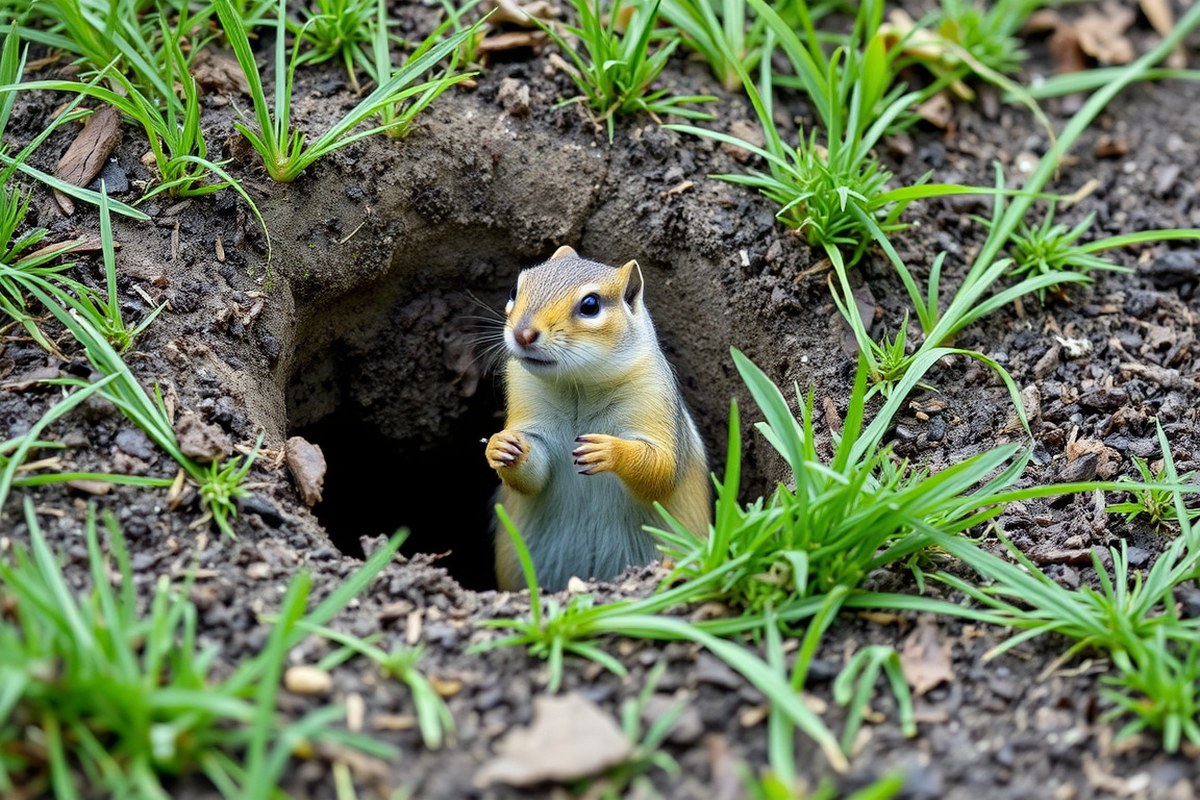
How to Get Rid of Ground Squirrels: 8 Proven Methods That Work
To get rid of ground squirrels effectively and permanently, focus on a triple-threat approach: habitat modification, physical barriers, and consistent trapping. These methods combined help prevent reinfestation while minimizing harm. Using traps and burrow fumigation also plays a key role in safely eliminating these pests from your yard.
This advice is for homeowners, gardeners, and property managers facing ground squirrel problems. You’ll learn how to identify these rodents, set traps correctly, use repellents, understand habitat traits, and manage large infestations with legal and humane practices for lasting results.
Key Takeaways
- Identify ground squirrels by their 5-11 inch body, bushy 5-9 inch tail, and weight up to 1 pound to avoid confusing pests.
- Inspect burrows that are 4-5 inches wide, 2.5-4 feet deep, and up to 35 feet long near structures for signs of ground squirrels.
- Use traps baited and placed near active burrows, then release squirrels at least 5 miles away where legal to prevent return.
- Install physical barriers like underground wire mesh around gardens to stop new ground squirrel infestations physically.
- Apply natural or sound repellents cautiously, as their effectiveness for ground squirrels varies and may not prevent infestations.
- Address large infestations by combining trapping, habitat modification, and professional removal methods for thorough control.
1. How to Get Rid of Ground Squirrels Permanently and Safely
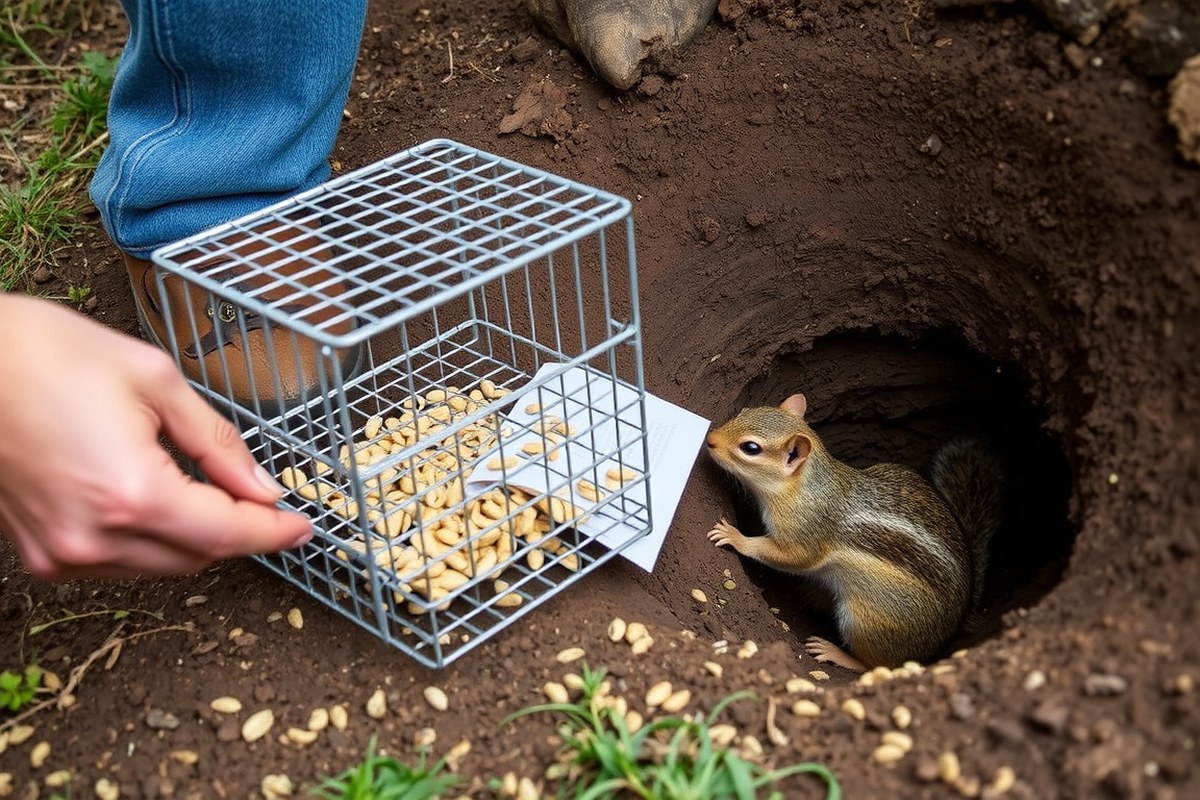
Permanently removing ground squirrels requires combining habitat modification, physical exclusion, and consistent trapping. Using just one method rarely works because ground squirrels are adaptable and reproduce quickly. Balancing these tactics improves safety for your garden and pets while making the area less attractive for squirrels to return.
Traps effectively reduce squirrel numbers but won’t prevent new ones from wandering in. Changing their living and feeding environment is key. Reducing accessible food and modifying soil to disrupt burrows lowers their survival chances. Installing barriers keeps squirrels physically out of vulnerable areas. This integrated approach reflects Integrated Pest Management principles, focusing on long-term, environmentally responsible solutions.
The timeline to clear an infestation varies by severity. Smaller problems may clear in a few weeks, while large or established populations can take several months of consistent effort. Regular monitoring and maintenance of exclusion and habitat changes are necessary to stop reinfestation. Follow these steps to decide on and execute the best control methods based on your situation, ensuring you cover removal and prevention phases effectively.
- Assess the infestation severity and legal guidelines. Check local regulations on trapping, bait use, and fumigation since they vary by state. For small populations, focus on trapping and habitat changes. Larger infestations might need professionals for baiting or fumigation.
- Prepare your property by removing food and shelter sources. Secure pet food indoors, clean bird feeders, and harvest ripe fruits promptly. Fill in or reshape burrows to reduce cover and make digging harder for squirrels.
- Set and maintain traps consistently. Use live-catch or lethal traps spaced near active burrow openings and runways. Check traps daily to maximize capture and reduce risks to non-target animals.
- Install physical exclusion barriers. Use hardware cloth or welded wire fencing buried 6 to 12 inches deep to block burrows and perimeter access around garden beds and building foundations.
- Apply habitat modification measures. Replace dense ground cover with less hospitable landscaping. Remove brush piles and dense vegetation to eliminate hiding spots.
- Monitor progress weekly and adjust methods. Reassess active burrows and new damage. Re-bait traps and repair fencing promptly to maintain control.
- Continue maintenance for at least 2 to 3 months. Ground squirrels can breed several times per year. Ongoing effort prevents new generations from establishing.
Following this plan typically costs $100 to $300 for homeowner materials like traps and fencing, but extensive infestations or professional services increase costs. Success looks like reduced burrow activity and no fresh garden damage over several weeks. Problems arise if you stop control efforts too soon, allowing squirrels to repopulate rapidly.
2. How to Identify Ground Squirrels and Differentiate Pest Species
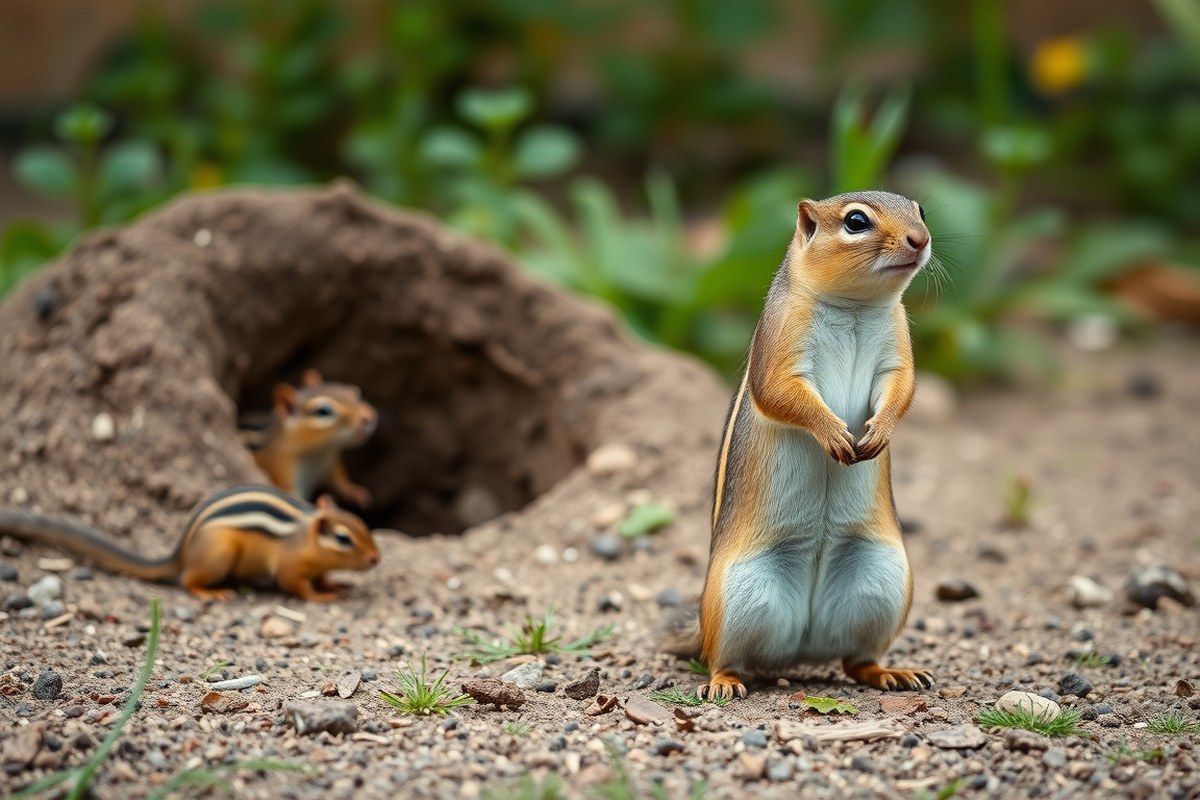
Ground squirrels are burrowing rodents that belong to the Sciuridae family. They generally weigh up to 1 pound (0.45 kilograms) and measure about 11 inches (28 centimeters) in length. Unlike chipmunks, which are smaller and more agile climbers, ground squirrels spend most of their time foraging above ground near their burrows. They live in colonies, often within 150 yards of their tunnels, which can extend as deep as 6 feet in looser soil. This makes them a challenge around gardens and foundations.
Distinguishing ground squirrels from other pest species like gophers, moles, and chipmunks requires attention to physical traits and signs of their activity. Gophers create fan-shaped mounds of soil at the surface near the entrance of their burrows, while moles leave raised, winding tunnels and no visible burrow entrances. Ground squirrel burrows have more obvious entrances without the characteristic fan-shaped mounds of gophers. Chipmunks usually have striping on their bodies and are smaller than ground squirrels, and moles have a more cylindrical, hairless body suited for tunneling underground.
Numerous species of ground squirrels inhabit North America, but some common ones include the California ground squirrel (Otospermophilus beecheyi) and the Douglas ground squirrel (Otospermophilus douglasii). These species are widespread in urban, suburban, and agricultural areas. Another notable species is the thirteen-lined ground squirrel, also known as the squinney or striped gopher, which is widely found across grasslands and prairies.
| Feature | Ground Squirrel | Chipmunk | Gopher | Mole |
|---|---|---|---|---|
| Size | Up to 11 inches, ~1 lb | 6-8 inches, less than 0.5 lb | 6-12 inches, ~0.5-1 lb | 4-7 inches, less than 0.25 lb |
| Body markings | Gray-brown, sometimes striped | Distinct stripes on back and face | Usually brownish, no stripes | Hairless snout, sleek fur |
| Burrow entrance | Clear entrances, no soil fan | Small holes near logs or bushes | Fan-shaped mounds of soil | No entrance mounds; raised tunnels |
| Burrow depth | Up to 6 feet depending on soil | Shallower and simpler | 1-3 feet deep | Usually 6-12 inches |
| Typical activity | Forages and basks above ground | Fast, agile climber and forager | Mostly underground feeders | Insect eater, underground only |
Recognizing these differences is essential because the methods to control or deter these animals vary. For instance, ground squirrels are more likely to cause visible damage by eating plants and undermining irrigation systems near their burrows. In contrast, gophers and moles primarily damage roots and create surface tunnel damage which affects lawns more than garden beds. Knowing which species you are dealing with helps you address the problem effectively.
Be cautious when examining burrows, some inactive ground squirrel tunnels may house other animals.
3. Understanding Ground Squirrel Habitats and Burrow Characteristics
Ground squirrels build their burrows in grassy, open areas near homes and gardens, where soil conditions allow easy digging. Their tunnel systems are usually shallow but extensive, with multiple entrances and chambers. They prefer locations that provide food sources, cover, and safety from predators.
Common Locations for Ground Squirrel Burrows
Ground squirrels typically create burrows in yards, pastures, golf courses, and other grassy or open spaces near homes. These areas offer soft soil suitable for digging and easy access to seeds, plants, and insects they feed on. Near gardens, they often choose spots with loose soil around flower beds, vegetable patches, or under shrubs. Burrows can appear along fence lines or near irrigation equipment where water encourages plant growth.
Unlike tree squirrels that nest in trees, ground squirrels spend most of their time on or under the ground. Their burrows serve as shelter and storage, and they tend to establish colonies with several interconnected tunnels close together. Look for fresh soil mounds or exposed tunnel openings where the ground has been disturbed, as these often mark their preferred sites.
Typical Depth and Structure of Squirrel Tunnels
Burrow systems usually extend between 5 and 30 feet in length. The tunnels are typically within 2 to 3 feet of the soil surface but may reach depths of 6 feet or more in some cases. These tunnel networks contain multiple chambers used for sleeping, rearing young, and storing food. Multiple entrances help ground squirrels escape predators quickly and maintain good ventilation within the tunnels.
The complexity of burrow systems allows squirrels to survive seasonal changes and predators. You might notice several holes clustered together, each surrounded by loose soil pushed out during digging. Burrows are open and exposed rather than hidden, which distinguishes them from burrows of other small mammals like voles or moles that tend to keep entrances concealed.
Preferred Environmental Conditions Near Homes
Ground squirrels favor areas with ample grass or low-growing vegetation, providing both food and cover. Gardens with vegetables, flower beds, and fruit trees attract them because they offer easy access to food and softer soil for burrowing. Irrigated lawns or pastures with well-drained soil are particularly inviting, as ground squirrels avoid overly compact or waterlogged ground.
Sunny, open spaces near homes provide ideal habitats since ground squirrels like to forage above ground near burrow entrances. They avoid thick woods but often live near wooded edges where open turf meets trees. Proximity to water sources like garden hoses or irrigation systems further increases their attraction to residential yards.
Signs of Active Ground Squirrel Colonies
Active burrows are marked by fresh soil mounds and clear tunnel entrances frequently used by squirrels. You may see squirrels foraging nearby during daylight hours, often watching from a distance. Tracks or droppings around burrow entrances also indicate activity. Active tunnels typically have well-maintained openings without debris or spider webs covering them.
Abandoned burrows tend to have collapsed entrances or plant growth inside and around the tunnels, showing disuse. Watching for movement over several days helps confirm if a colony is currently active. Presence of multiple burrow holes clustered closely suggests a colony rather than a single squirrel, which can lead to significant damage if not addressed.
Impact of Terrain on Burrow Placement
Ground squirrels prefer flat or gently sloping terrain where soil texture allows easy digging. Rocky or heavily compacted soils discourage burrowing, so they choose softer, looser soils often found in garden beds or landscaped yards. They avoid waterlogged areas or very steep slopes that could flood tunnels or make burrow construction unstable.
In hilly or uneven terrain, burrows tend to be located on south-facing slopes or sheltered spots that stay warmer and dry. Soil moisture and exposure to sunlight affect where colonies establish themselves near homes. Understanding these terrain factors helps target burrow locations more effectively during removal or prevention efforts.
4. How to Set Up and Use Traps Effectively for Ground Squirrels
Setting traps to control ground squirrels requires careful choice of trap type, effective baiting, strategic placement, and consistent monitoring. Selecting between live and lethal traps depends on legal restrictions and your preference for humane methods. Using the right bait and positioning traps near active burrows increases capture rates. Frequent checking ensures trapped squirrels don’t suffer long and allows you to reset traps promptly for continued success.
Choosing Between Live and Lethal Traps
Choose live traps if you want a humane option and local laws allow you to release or humanely euthanize ground squirrels. Live traps contain the animal without harm, but relocation may be restricted by wildlife regulations. Lethal traps often provide quicker population control but may require permits and are not allowed in all areas.
For example, the TerraTrap GS Kit is well-known for effective live trapping of California ground squirrels. It captures squirrels without injury, allowing you to comply with humane guidelines. Lethal traps, such as snap traps or gas cartridges, kill squirrels quickly but come with higher legal scrutiny and ethical concerns.
| Trap Type | How It Works | Pros | Cons | Approximate Cost |
|---|---|---|---|---|
| Live Trap | Contains ground squirrel alive until released | Humane; reusable; selective capture | Relocation restrictions; requires monitoring | $30 – $60 |
| Lethal Snap Trap | Kills squirrel instantly on trigger | Quick results; low cost; no relocation issues | Ethical concerns; restricted in some areas | $10 – $25 |
| Gas Cartridge | Explodes in burrow to kill squirrels | Effective for large colonies | Safety risks; legal restrictions; costly | $20 – $50 each |
Best Bait Types and Placement Tips
Use appealing baits like peanut butter, nuts, raisins, or bread to lure ground squirrels into traps. Peanut butter’s strong smell and texture are especially effective. Place a small amount of bait inside the trap’s trigger area to encourage entry. Avoid over-baiting outside the trap to prevent squirrels from eating bait without entering.
Position traps near active burrow openings or along runways where squirrels frequently travel. Clear obstacles and shake the ground around burrows lightly to draw squirrels’ attention to the new object. Placing traps in shaded or concealed locations improves chances of capturing wary squirrels. Avoid direct sunlight or high-traffic areas where non-target animals or pets may interfere.
Trap Checking and Maintenance Schedules
Check traps at least twice daily, early morning and late afternoon. Frequent checks minimize stress and suffering for live-caught ground squirrels and reduce the chance of bait loss or trap malfunction. Reset traps immediately after release or disposal of squirrels to maintain trapping momentum. Keep a written baiting and checking script to stay consistent. For example:
Morning Check (7 AM): Inspect all traps for captures, remove squirrels, reset bait, and relocate traps if no activity. Afternoon Check (5 PM): Repeat morning steps; replace bait if dry or eaten; clean traps if necessary.
Maintaining trap cleanliness extends usability and reduces disease risk. Use gloves when handling traps and squirrels, follow local disposal laws, and sanitize traps with diluted bleach solution after use. Adhering to these schedules improves success rates and complies with humane standards.
- Choose an appropriate trap type based on legal rules and your humane preferences.
- Select fresh bait such as peanut butter, nuts, or raisins for attraction.
- Place traps near active ground squirrel burrows or paths, in shaded, low-disturbance areas.
- Set bait inside the trap trigger zone; avoid over-baiting outside.
- Check traps twice daily to promptly remove captured squirrels and reset traps.
- Document checking times and resets in a log or checklist.
- Sanitize traps after each use and handle squirrels with protective gloves.
- Follow local guidelines for squirrel release or humane euthanasia if using live traps.
5. Legal and Humane Considerations for Ground Squirrel Removal
Legal restrictions on ground squirrel control vary widely by state and species, making it important to check local regulations before choosing a removal method. Poison use is generally limited and highly regulated, with fumigation using aluminum phosphide tablets being the most effective approved option in some areas. Shooting ground squirrels with small-caliber rifles is permitted in certain locations where it is legal but tends to be slow and less humane. Lethal trapping often serves as the recommended balance between effectiveness and humane treatment, especially for California ground squirrels.
Relocation of trapped ground squirrels is typically restricted or discouraged. Most states require that live-captured squirrels be released immediately on the property where caught or euthanized using legal and humane methods. This is because squirrels usually try to return to their original home, resulting in poor survival and potential spread of disease. Relocating squirrels to new areas without authorization can violate wildlife laws and lead to ecological problems.
Humane ground squirrel removal starts with choosing methods approved by wildlife authorities in your region. Humane trapping involves checking traps frequently, ideally twice daily, to minimize stress and injury. When euthanasia is necessary, it should be performed quickly and as painlessly as possible, typically by professionals licensed in wildlife control or veterinary care. Avoid poisons that cause prolonged suffering or non-target poisoning. Humane removal also includes cleaning up any waste or damage promptly to maintain sanitary conditions.
A basic decision rule to select legal methods begins by identifying your ground squirrel species and local jurisdiction. Contact your state wildlife agency or extension office to confirm allowed poisons, trapping seasons, and relocation policies. When lethal control is permitted, choose the least painful method accepted locally, such as approved lethal traps. In cases where shooting is an option and you have experience, ensure it is done safely and complies with firearm laws. Live trapping combined with on-site release is only legal where specifically allowed and not harmful to the animal.
Following a compliance checklist helps ensure lawful and humane removal: verify legal methods for your area, use licensed professionals when needed, check traps frequently, provide immediate euthanasia if not releasing on-site, and keep records of methods used. Proper signage on your property about trapping activities may be required. Costs vary depending on method, fumigation and professional trapping typically range from $200 to $500 or more per treatment, reflecting labor, materials, and licensing. Effective removal results in clear reduction of burrow activity without prolonged animal distress or violation of laws.
Never relocate ground squirrels more than a few yards from their capture site without explicit state permission; illegal relocation can harm the squirrels and disrupt local ecosystems.
6. Using Physical Barriers and Habitat Modification to Prevent Reinfestation
Installing physical barriers and altering your landscape effectively keeps ground squirrels from coming back after removal. Ground squirrels can dig under or squeeze through weak fencing, so sturdy, well-installed barriers matter. Use 1/4-inch hardware cloth that extends at least 6 inches below the ground around gardens, yards, or structures. It should also stand 18 to 24 inches above ground to block entry. Avoid wire mesh with larger openings or chicken wire, as these do not reliably exclude squirrels.
Sealing abandoned burrows is essential but challenging. Simply filling holes with loose soil won’t stop squirrels; they can easily dig through it or locate new entry points. Instead, backfill old burrows with heavy gravel or compact clay soil combined with gravel to create a dense, hard-to-dig barrier. Check the area regularly for new holes or signs of digging to prevent reinfestation.
Changing your landscape can discourage squirrels by eliminating food and hiding spots. Clear away brush piles, tall weeds, and excess mulch near gardens. Remove fallen fruits, nuts, or birdseed from the ground to reduce attractants. Keeping your yard tidy decreases cover squirrels use and makes your property less appealing.
Maintenance is important for lasting success. Barriers or hardware cloth fences need inspection every 4 to 6 weeks to ensure no gaps, holes, or signs of damage appear. Burrows require monitoring to detect any new digging activity. Frequent upkeep prevents the vacuum effect, where squirrels from nearby areas move into vacated territory.
- Select barrier materials: Choose 1/4-inch hardware cloth or heavy-duty wire mesh that extends at least 6 inches underground and 18-24 inches above ground.
- Install fencing properly: Dig a trench around the perimeter, bury the mesh vertically into the ground, and angle the underground part outward to deter digging under.
- Seal abandoned burrows: Remove debris from old tunnels, then fill with heavy gravel or tightly packed clay mixed with gravel for a firm barrier.
- Modify the landscape: Remove brush piles, tall weeds, and excess mulch near garden areas, and clean fallen seeds or fruits regularly.
- Inspect barriers and burrows: Conduct thorough checks every 4 to 6 weeks for holes, damage, or new burrows to act quickly if problems arise.
- Maintain landscape hygiene: Keep yard clear of attractants year-round to reduce the chance of new squirrels settling in.
- Repair or replace damaged fencing promptly: Prevent small breaches from becoming reentry points by fixing wire holes or gaps as soon as they appear.
7. Natural and Sound Repellents: Do They Work for Ground Squirrels?
Natural repellents and sound deterrents offer nontoxic options to discourage ground squirrels, but their effectiveness varies and usually doesn’t replace more direct control methods. Ultrasonic devices consistently fail to control or displace ground squirrels, as confirmed by Montana State University Extension after unbiased research trials. Instead, use natural or sound repellents as supplemental tools alongside traps or physical barriers.
Among natural repellents, scents like peppermint or plants like marigolds have limited success. While they might repel tree squirrels, ground squirrels tend to ignore these odors. A better natural option is the TerraTrap GS Kit, designed specifically for ground squirrels, especially California ground squirrels. This kit works as a nontoxic control method but may require several weeks of consistent application to reduce populations effectively.
Sound deterrents such as the Pressurized Exhaust Rodent Controller (PERC) have shown some success in managing ground squirrels but tend to require frequent use and may not be practical for large infestations. Motion-activated devices like sprinklers or reflective tape often startle squirrels temporarily but lose effectiveness over time as the animals habituate to the stimuli.
| Repellent or Device | Effectiveness | Best Usage | Pros | Cons |
|---|---|---|---|---|
| TerraTrap GS Kit | Moderate to high | Apply regularly for several weeks on burrow entrances | Nontoxic; designed for ground squirrels | May take weeks to show results |
| Pressurized Exhaust Rodent Controller (PERC) | Moderate | Use daily near active burrows | Effective in tested cases; safe for humans | Costly; requires ongoing use |
| Ultrasonic Devices | Low to none | Not recommended as primary control | Safe and easy to deploy | Ineffective in trials; waste of money |
| Motion-Activated Sprinklers | Short-term | Use in frequently visited areas | Non-chemical; startles squirrels | Brief effect; squirrels adapt quickly |
| Natural Scents (Peppermint, Marigolds) | Low | Place around garden edges; reapply weekly | Safe; inexpensive | Ground squirrels often unaffected |
Reapplying natural repellents varies by product but generally requires weekly application, especially after rain or heavy watering, to maintain scent strength. Sound and motion deterrents need daily or near-daily activation to maintain their impact. Using these tools together with trapping or habitat modification can improve overall control results. For example, setting traps after discouraging squirrels from their burrows increases trap encounters. Combining repellents with physical barriers helps protect vulnerable garden areas while you reduce the population.
Costs also vary: natural repellents like peppermint oils or planting marigolds range from $10 to $30 for initial setup. The TerraTrap GS Kit costs about $70 to $100 but offers a targeted option without poison. The PERC device rental or purchase can exceed several hundred dollars. Ultrasonic devices and motion-activated sprinklers typically cost $20 to $50 but rarely provide lasting results. Ground squirrel management demands persistence and multi-method approaches rather than reliance on quick fixes through repellents or sounds alone.
8. Dealing with Large or Complex Ground Squirrel Infestations
Handling a large ground squirrel infestation requires a detailed and patient approach to ensure complete removal. Managing numerous active burrows simultaneously and a dense population often exceeds the effectiveness of basic DIY methods, making professional help the best option if problems persist.
Signs of Large Infestations and Active Burrows
Large ground squirrel infestations usually show many burrow entrances spread across your property. These openings can be as wide as a person’s foot and often indicate complex tunnel networks stretching 5 to 30 feet with multiple chambers. Look for fresh soil mounds near entrances, gnaw marks on plants or structures, and frequent sightings of squirrels during daylight hours.
Multiple generations commonly use the same burrow, with individual squirrels creating their own entrances, which can make it tough to pinpoint active areas at a glance. Tracking recent digging activity and monitoring entrances for signs of use daily will help map out the infestation’s scale.
Common Mistakes in Large Removal Efforts
Attempting to treat each burrow independently without a coordinated plan often leads to squirrels simply moving to untreated tunnels or digging new burrows. Ignoring the complexity and interconnectedness of the burrow system underestimates their adaptability.
Other pitfalls include using ineffective repellents that squirrels quickly avoid, relying solely on traps without sealing burrows, or applying rodenticides incorrectly, risking harm to pets and local wildlife. DIY efforts often fall short due to lack of access to specialized baits like zinc phosphide, which are restricted to licensed professionals.
- Not identifying all active entrances before treatment
- Using a single control method instead of multiple approaches
- Failing to monitor progress and adjust methods promptly
- Ignoring potential safety risks around large burrow entrances
- Applying poisons without proper licensing or safeguards
- Neglecting property repairs that could prevent re-infestation
- Underestimating how quickly squirrels adapt to controls
These common errors prolong infestations and increase the chance of injury from deep burrow collapses or tripping hazards on your property.
Professional Removal Options and Cost Estimates
Professionals bring key advantages such as access to licensed rodenticides, experience managing interconnected burrow networks, and equipment for thorough inspection and removal. They also handle necessary repairs to stop squirrels from returning through damaged foundations or vents.
Costs vary widely based on infestation size, location, and labor involved. Pricing estimates in the U.S. Range from $300 to $1,200 or more for professional services, factoring in follow-up visits and repairs. DIY methods mostly require time investment and materials costing $50 to $200 but often need repeating.
| Approach | Cost Range | Time Required | Effectiveness |
|---|---|---|---|
| DIY Trapping and Exclusion | $50 – $200 | Several weeks to months | Moderate, often incomplete for large infestations |
| Professional Removal and Repairs | $300 – $1,200+ | 1 to 3 visits over weeks | High, with proper follow-up and sealing |
Always weigh the cost of continuing DIY efforts against professional services, especially if the infestation covers a wide area or keeps recurring.
Tips for Managing Multiple Burrows Simultaneously
For widespread infestations, a systematic approach is essential. Begin by creating a complete map of all burrow entrances and marking recent activity. This allows you to coordinate treatments and reduce the risk of squirrels escaping through untreated holes.
Use a combination of methods such as trapping, sealing inactive entrances, and habitat modification simultaneously. Regularly inspect burrow entrances and maintain a treatment log that notes visits, methods used, and squirrel activity status to guide adjustments.
- Map and label every burrow entrance clearly
- Set traps at each active entrance and check them daily
- Seal abandoned or treated burrows securely after confirming no activity
- Modify habitat to reduce attractants like accessible food or debris piles
- Track progress with photos and written notes
- Perform follow-up treatments as needed over several weeks
- Be patient, ground squirrel removal takes repeated, coordinated efforts
Maintaining safety during this process is essential, especially around large burrow openings that pose a risk of injury through unexpected ground collapse or twisting an ankle due to hidden voids.
Step-by-Step Action Plan to Get Rid of Ground Squirrels
Follow these steps to identify, control, and keep ground squirrels off your property safely and for good. Monitor progress with each phase before moving on.
- Before You Start: Inspect your property to confirm you are dealing with ground squirrels by checking for their size, fur color, and distinctive burrows. Look for multiple entrances and soil mounds. Clear identification helps target solutions effectively.
- Day 1: Locate active burrows and set up approved traps near their entrances following safety and legal guidelines. Use appropriate bait like seeds or nuts. Check traps daily to assess effectiveness and to handle captures humanely.
- Week 1: Begin habitat modification by removing food sources, trimming low vegetation, and filling unused burrows. Monitor squirrel activity. Reduction in new burrows and feeding signs means habitat changes are working.
- Week 2: Install physical barriers such as underground mesh and fencing around garden beds or perimeters to keep squirrels out. Inspect barriers weekly. Fewer sightings indicate the barrier is effective.
- Week 3: Use sound or natural repellents if desired, but expect these to supplement other methods rather than replace them. Note any changes in squirrel presence over several days.
- Week 4 and Beyond: Continue checking traps, repairing barriers, and maintaining the environment to prevent reinfestation. If squirrels persist or infestation is large, consider consulting a licensed wildlife removal professional.
Frequently Asked Questions
What Are the Risks of Using Poison to Get Rid of Ground Squirrels?
Using poison can harm pets, wildlife, and children, and is illegal in some areas. It’s safer to use traps or professional services instead. Always check local regulations before considering poison.
Can Ground Squirrels Come Back After Removal?
Yes, ground squirrels can return if the habitat is not modified. Removing burrows and blocking entry points helps prevent reinfestation. Continuous monitoring is important.
How Long Does It Take to Fully Remove Ground Squirrels?
It can take weeks to months depending on the infestation size. Persistence with trapping and habitat changes speeds up the process. Professional help may shorten removal time.
Can Dogs or Cats Keep Ground Squirrels Away?
Pets may scare squirrels temporarily but don’t provide reliable control. Ground squirrels quickly get used to animals around. Use physical barriers and traps for better results.
Are Repellents Safe for Gardens and Children?
Most natural repellents are safe but often ineffective long-term. Some chemical repellents might require careful application to avoid harm. Follow product instructions and keep children away during use.
What Time of Year Is Best to Remove Ground Squirrels?
Spring and early summer are ideal because ground squirrels are more active. Early action prevents population growth and damage later in the year. Regular checks help catch new activity.
Before You Go
Getting rid of ground squirrels requires a careful mix of identification, safe removal methods, and prevention strategies. Start by examining your property for fresh burrows and signs of recent activity to target your efforts effectively. Taking action today to set up traps or install physical barriers can help you regain control and protect your garden or lawn from further damage. Staying consistent with these measures will improve your chances of keeping ground squirrels away long term.