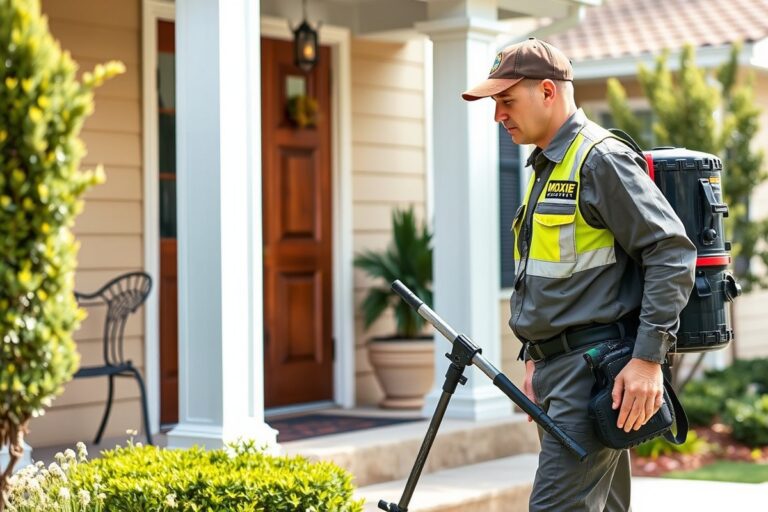
How to Get Rid of Crickets in the House: 8 Proven Methods That Work
To get rid of crickets in the house, start by identifying where they are hiding and reducing moisture around your home. Seal cracks and entry points while using safe traps or bait to remove those already inside. Maintaining clean surroundings and limiting outdoor lighting can also help keep crickets away long term.
This advice is for anyone dealing with house, field, or camel cricket infestations indoors. You’ll learn how to confirm an infestation, remove crickets safely, and prevent them from returning by managing both indoor and outdoor conditions effectively.
Key Takeaways
- Identify cricket infestations by spotting light tan house crickets or darker field crickets around your home’s corners or baseboards.
- Crickets enter homes seeking food, warmth, and shelter, often hiding in cluttered areas like firewood piles kept too close to the house.
- Use diatomaceous earth dust and granular bait traps placed near cricket hideouts for safe, effective indoor cricket control.
- DIY molasses and chili powder traps attract and kill crickets; place these traps near entry points and known cricket hotspots.
- Seal cracks, gaps, and vents around your home and store firewood 15-20 feet away to block cricket entry and reduce attractants.
- Maintain outdoor yard cleanliness by removing debris and placing bird feeders 15-20 feet away from the house, avoiding porch-light areas.
1. Identify and Confirm a Cricket Infestation Indoors
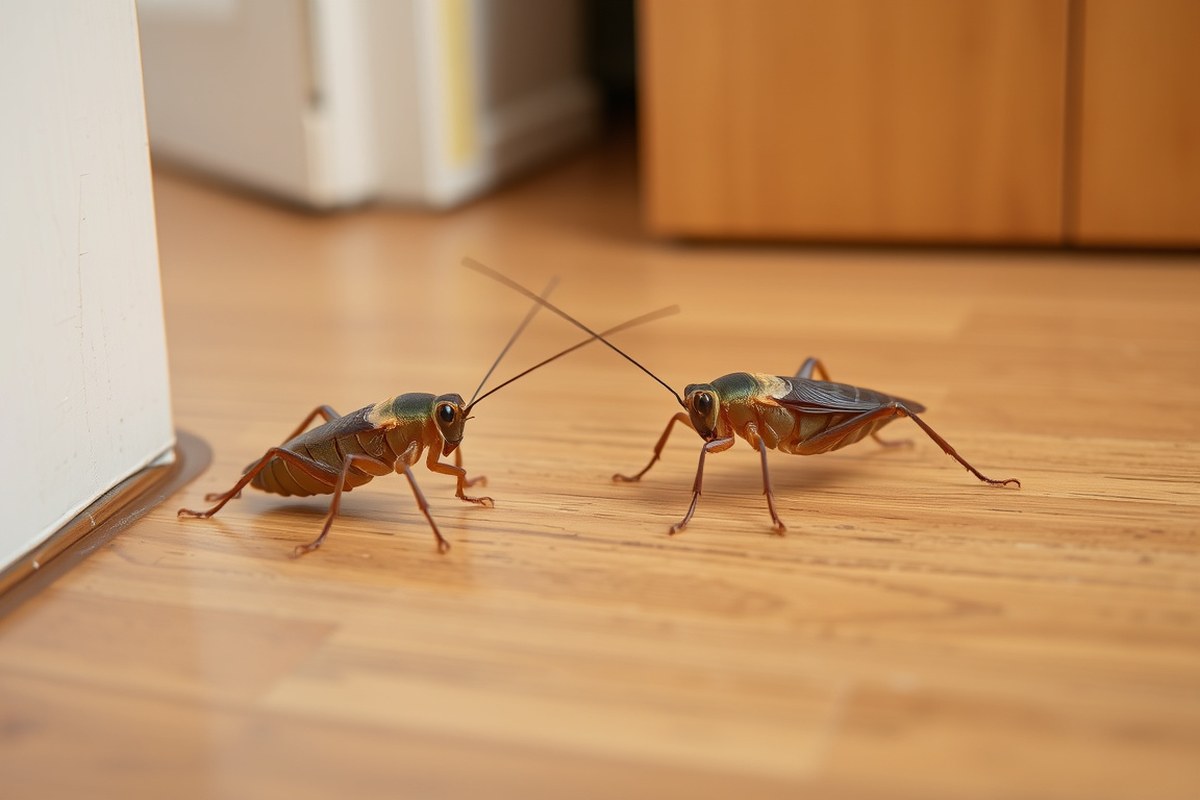
To confirm a cricket infestation inside your house, you need to recognize the common types of crickets, spot the typical signs they leave behind, and learn how to tell them apart from similar insects. Proper identification helps target your control efforts effectively and avoid confusing them with insects like camel crickets or grasshoppers, which require different handling.
Common Species of Household Crickets
Homes are often invaded by three main cricket species: house crickets, field crickets, and camel crickets. House crickets (Acheta domesticus) are characterized by a yellow-brown color with dark stripes on their heads and bodies. They can reproduce indoors throughout the year if they find sufficient food and moisture, making them persistent problems. Field crickets are generally larger, measuring up to 1¼ inches, and come in black, brown, or straw-yellow hues. Despite their name, field crickets frequently enter homes, especially in warmer seasons.
Camel crickets differ significantly from the others. They have a humped back, are wingless, usually pale or tan, and prefer damp locations like basements, crawl spaces, garages, and utility rooms. Unlike house crickets, camel crickets do not chirp and rarely breed indoors, but their tendency to congregate in groups means you could have multiple of them once they establish.
Signs You Have a Cricket Problem
To confirm a cricket infestation, look for several clear signs. Hearing loud chirping at night, especially near kitchens or living areas, usually indicates house or field crickets. Spotting multiple crickets scuttling quickly along baseboards, corners, or near entry points during the evening is a strong sign of infestation. Camel cricket infestations are often detected by seeing several grouped in dark, damp areas of your basement or crawl space.
Other signs include small droppings, about 1 to 2 millimeters long, and damage to fabrics, paper, or plants as crickets feed. You might also notice increased cricket activity after rain or humidity spikes, since these conditions encourage them to seek shelter indoors. Use the following steps to check and confirm the presence of crickets:
- Listen at night for chirping sounds near living spaces or kitchens.
- Inspect typical hiding spots: corners, under furniture, basements, and crawl spaces during the evening hours.
- Look for cricket droppings on floors or near walls, especially in darker areas.
- Check moist, damp areas like basements and garages for camel crickets grouped together.
- Monitor entry points such as door frames, window sills, and vents for cricket activity or dead insects.
- Note any damage on fabrics, books, or houseplants that might indicate feeding.
Differences Between Crickets and Similar Insects
Crickets can be confused with other insects like camel crickets and grasshoppers. House and field crickets have flat, winged bodies and are known for their loud, continuous chirping at night. Camel crickets are wingless, have a distinct humped back, and remain silent. They prefer damp, dark environments unlike regular crickets that seek warmer, inhabited areas.
Grasshoppers are usually larger, with much stronger hind legs for jumping and longer antennae. They are typically active during the day and rarely invade homes in large numbers. In contrast, cricket activity increases indoors at night. Observing these traits helps ensure you’re treating the right pest, so you can choose the most effective control methods accordingly.
2. Why Crickets Enter Homes and Where They Hide
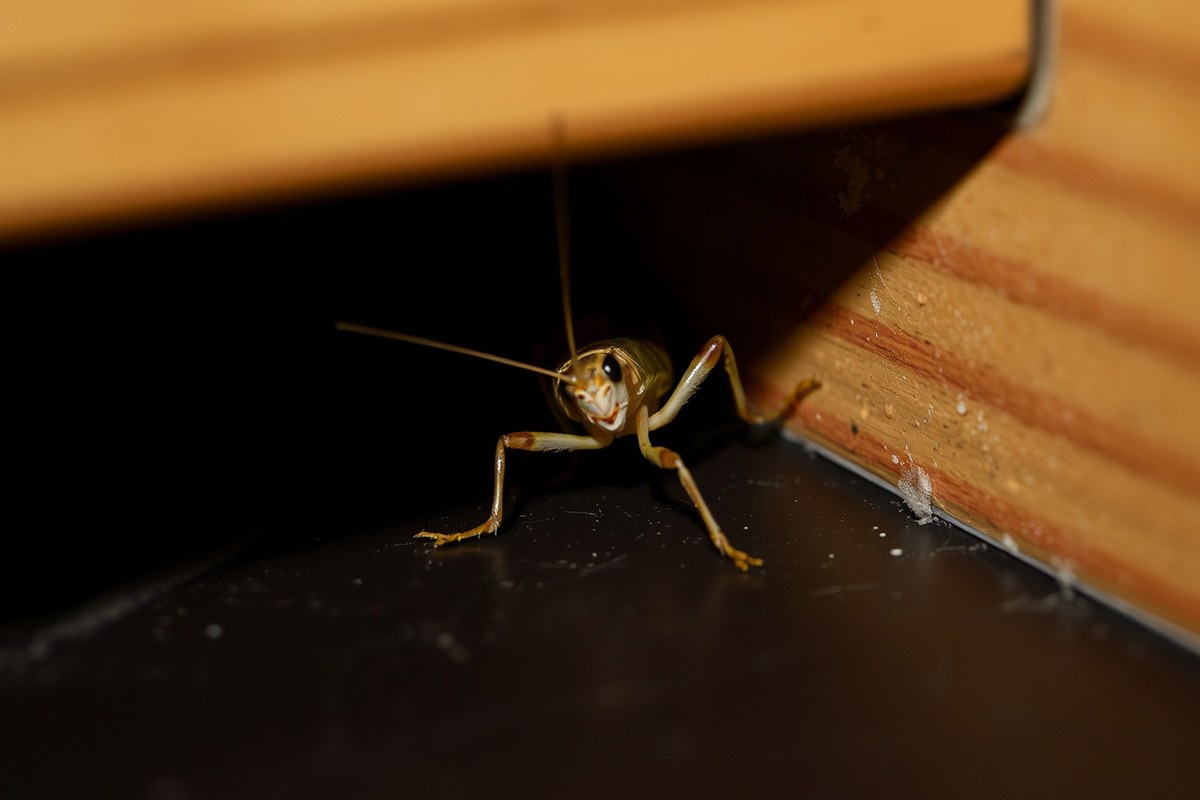
Crickets enter homes mainly seeking shelter from cold or dry outdoor conditions. These insects usually live outdoors but move indoors as temperatures drop, often in fall and winter, to find warmth and moisture. Conversely, extreme heat during summer can also prompt crickets to seek refuge inside. Field and house crickets, including the common indoor pest Acheta domesticus, look for damp, dark places where they can hide safely and access food sources within the home.
Inside your house, crickets prefer quiet, damp, and cluttered spots. Basements, crawl spaces, and garages provide ideal hiding places, especially near piles of firewood, garbage, or stored boxes. They also hide behind appliances, under furniture, and in cracks around baseboards or door frames. Crickets are nocturnal, so chances of spotting them increase in the evening when they become active. Their droppings can accumulate in these areas, which requires prompt cleaning to reduce contamination risks.
Seasonal trends strongly influence when crickets come indoors. Cooler autumn temperatures push them inside before winter because outside conditions become unfavorable for survival. Warm summers combined with dry spells can also trigger indoor invasions as crickets seek moisture. Knowing these patterns allows you to anticipate cricket presence and take early action. Regularly inspect and declutter known hiding spots before colder weather arrives to reduce shelter areas.
Moisture control inside your home is important in discouraging crickets from settling in. Repair leaks, use dehumidifiers in damp rooms, and promote airflow to reduce humidity. Outdoor storage of firewood and garbage should be kept at least 20 feet from the house to prevent crickets from using those piles as a base for indoor invasion. Also, eliminating climbing ivy and sealing common entry points such as cracks near windows, doors, and vents will reduce their access.
Applying insecticides like Ortho® Home Defense® on the perimeter can help create a barrier, but in combination with reducing moisture and clutter, it’s a strong defense. Crickets may live indoors indefinitely if conditions suit them, so consistent monitoring and maintenance are necessary to keep populations low. The costs involved range from simple home maintenance and cleaning supplies to professional pest control in persistent cases.
Keep firewood and compost piles at least 20 feet away from your home to reduce cricket hiding spots near your foundation.
3. Effective Methods to Kill and Remove Crickets Indoors Safely
The fastest ways to kill or remove crickets indoors include vacuuming and using sticky traps. Natural repellents also work well with less risk, while chemical pesticides can provide quicker knockdown but require careful handling. Boric acid and diatomaceous earth offer effective, low-toxicity options suitable for most homes, including those with pets and children.
Vacuuming and Manual Removal
Vacuuming is a quick and effective approach to remove crickets and their eggs. Use a vacuum cleaner with strong suction to reach dark corners, baseboards, and any hidden spots. Empty the vacuum bag or canister outside immediately to prevent crickets from escaping back indoors.
Manual removal by catching crickets or using a broom and dustpan is simple if the infestation is small. This method is chemical-free and provides instant removal but is only practical for limited numbers of crickets.
Sticky Traps and Molasses Traps Explained
Sticky traps, such as glue boards, catch crickets as they walk over them. Place these traps along baseboards, near entry points, and in dark corners where crickets are active. They are non-toxic and safe around pets and children, making them ideal for homes with vulnerable occupants.
Molasses traps attract crickets using a 1:10 mixture of molasses and water. Pour the mixture into shallow bowls and position them near suspected cricket nests. Crickets are drawn to the scent and drown in the liquid. These traps are easy to make, inexpensive, and safe for indoor use.
Natural vs Chemical Treatments
Natural treatments include sticky traps, molasses traps, essential oils, boric acid, and diatomaceous earth. Boric acid kills crickets by disrupting their digestive system, but it should be applied in thin layers in cracks or crevices out of reach of pets and children. Large quantities can be harmful if ingested, so monitor its usage carefully.
Diatomaceous earth (DE) is a silicon-rich powder made from fossilized algae skeletons. It punctures the exoskeleton of crickets, causing dehydration and death. DE is non-toxic to humans and pets and can be sprinkled lightly along baseboards and dark hiding spots. Avoid heavy dusting to minimize inhalation risks.
Chemical pesticides tend to act faster but come with risks. Use only pesticides labeled for indoor use and follow all safety instructions. Consider professional treatment for large infestations to limit exposure to chemicals. The table below compares these common treatments by cost, safety, and application ease for indoor cricket control:
| Treatment | Cost Estimate | Safety Around Pets/Kids | Application Ease | Effectiveness Speed |
|---|---|---|---|---|
| Vacuuming | Free if you own a vacuum | Very safe | Easy, manual effort needed | Immediate removal |
| Sticky Traps | $5, 15 per pack | Very safe, non-toxic | Easy, place along baseboards | Slow to moderate (days to weeks) |
| Molasses Traps | Under $2 per trap | Safe for all household members | Easy, homemade trap | Moderate (few days) |
| Boric Acid | About $10, 20 per container | Low risk; avoid consumption | Moderate, apply in cracks carefully | Moderate (few days to a week) |
| Diatomaceous Earth | $10, 25 per bag | Safe if used properly | Easy, sprinkle lightly | Slow to moderate (several days) |
| Chemical Pesticides | $15, 50 depending on product | Potentially hazardous, use with caution | Moderate to difficult, follow label | Fast (hours to days) |
Choosing the right treatment depends on your household’s safety needs and infestation size. Use non-toxic methods like vacuuming and sticky traps first, especially in homes with pets and children. Apply boric acid or diatomaceous earth as a secondary measure, placing them out of reach. Chemical pesticides offer quick relief but require strict adherence to safety labels to avoid harmful exposure.
4. DIY Molasses and Chili Powder Traps: Recipes and Placement Guide
Molasses and chili powder traps offer a natural, low-toxicity way to reduce crickets inside your home. Molasses attracts crickets with its sweetness, while chili powder’s spicy scent repels or deters them, depending on how you apply it. Using both methods carefully helps control crickets without harsh chemicals.
Preparing Molasses Traps at Home
Molasses traps exploit crickets’ attraction to sweet, fermented scents. The sticky, sugary liquid lures them in, where they get trapped or drown. These traps work best in warm, moist indoor spots like basements and laundry rooms. Setting traps in multiple locations increases your chances of catching more crickets.
- Mix 1/2 cup of molasses with 1 cup of warm water in a shallow dish or jar.
- Add a few drops of dish soap to break surface tension, which helps drown the crickets.
- Stir the mixture gently to blend.
- Place the trap near cricket hiding spots such as corners, baseboards, or under sinks.
- Check the traps daily, emptying and refreshing the mixture every 3 to 5 days.
- Dispose of trapped crickets outside or in the trash to avoid odors or attracting other pests.
The traps cost just a few dollars for molasses and dish soap, making this a budget-friendly option. Avoid placing traps where pets or children can reach them, since molasses is sticky and messy. Results typically appear within several days as crickets get caught in the sweet liquid.
Making and Using Chili Powder Sprays
Chili powder’s spicy scent repels crickets and discourages them from entering treated areas. Spraying a chili powder solution near potential entry points helps keep crickets away, but the powder can stain furniture or floors and irritate eyes. Use sprays only around outdoor foundations or less visible indoor areas, and avoid direct contact with fabrics.
- Mix 1 tablespoon of chili powder with 1 cup of water in a spray bottle.
- Add 1 drop of dish soap to help the solution stick to surfaces.
- Shake well to blend.
- Spray around door frames, windowsills, baseboards, and cracks where crickets might enter.
- Reapply every 3 to 7 days or after cleaning or heavy rain if used outdoors.
- Wear gloves and avoid spraying near eyes or face.
Because chili powder stains and causes irritation, spray lightly and target areas crickets are likely to cross rather than open living spaces. This method works best combined with molasses traps and other control measures.
Applying Essential Oils to Repel Crickets
Essential oils like peppermint, citrus, and eucalyptus have scents that crickets dislike. Using them as a spray or on cotton balls placed near doors, windows, and cracks can discourage cricket entry without staining or harsh chemicals. Peppermint oil is especially popular and widely available.
- Fill a spray bottle with 1 cup of water.
- Add 10 to 15 drops of peppermint essential oil or a blend of citrus oils.
- Shake to mix.
- Spray the mixture around potential cricket entry points and cricket-prone indoor areas.
- Replace or reapply every 3 to 5 days or after cleaning.
- Optionally, soak cotton balls with essential oil and place them in corners or near nests.
Essential oils repel without trapping or killing crickets, making this a preventive approach that complements traps. Oils cost around $10 to $20 per bottle, but a little goes a long way in low-concentration sprays. Avoid direct contact with pets’ beds and feeding areas.
5. Seal Entry Points and Reduce Attractants to Prevent Reinfestation
The most effective way to stop crickets from coming back inside your home is to seal all possible entry points and reduce moisture levels. Crickets squeeze through small cracks and openings in your home’s exterior, especially around doors, windows, vents, and foundation cracks. Start by carefully inspecting these areas for gaps as small as 1/8 inch. Use weatherproof silicone caulk or expanding foam to fill cracks and seal holes, paying close attention to door frames, window sills, and where utility pipes enter the home. Installing door sweeps on exterior doors prevents crickets from crawling under them.
Moisture attracts crickets, so controlling humidity inside and out is just as important as sealing entry points. Repair leaks in pipes and gutters promptly. Make sure your basement, crawl spaces, and bathrooms have proper ventilation to avoid dampness. Empty any standing water in flower pots, buckets, or birdbaths near the house. Removing mulch and woodpiles from directly next to your foundation cuts down on cricket harborage spots.
- Seal cracks and gaps around doors, windows, vents, foundation, and utility entries using weatherproof caulk or foam.
- Install door sweeps on all exterior doors to block cricket access beneath them.
- Fix any leaks inside and outside your home, including plumbing and gutters.
- Ensure proper ventilation in basements, crawl spaces, and bathrooms to reduce indoor moisture.
- Remove woodpiles, grass clippings, and organic waste from close proximity to your home’s foundation.
- Empty standing water in containers around your yard regularly.
- Consider planting garlic, clover, or cilantro near entry points as a natural cricket deterrent.
Sealing entry points thoroughly may cost anywhere from $10 for caulk and foam tubes to over $50 if you purchase door sweeps or hire a handyman. The investment pays off by drastically reducing cricket entry. Signs that your effort worked include fewer cricket sounds inside at night and less cricket presence near doors and windows. Skipping any common entry area or leaving moisture issues unaddressed can allow crickets to reinfest.
Check your home’s exterior every few months and after storms to maintain sealed entry points and prevent new cracks from forming.
6. Outdoor Yard Maintenance and Lighting Tips to Limit Cricket Activity
Outdoor lighting has a significant impact on cricket activity near your home. Crickets are attracted to bright lights, especially white or blue-toned bulbs, which can increase their presence around your yard and, eventually, inside your house. Swapping standard outdoor bulbs for amber-colored, anti-bug LED bulbs will reduce this attraction. Installing motion sensor lights further limits the time lights are on, discouraging crickets from gathering near doors and windows. Turning off outdoor lights when they are not necessary at night is a simple and effective way to decrease cricket activity without any cost, but be aware that constant lighting significantly raises the odds of crickets lingering.
Landscaping and yard upkeep play a key role in managing cricket populations. Crickets thrive in cluttered, damp environments with plenty of hiding spots like tall grass, leaf piles, mulch beds, and dense shrubs. Keeping your lawn trimmed short, below 2 inches if possible, reduces shelter and exposes crickets to predators and elements. Removing debris such as fallen leaves, firewood stacked near the house, and garden waste also limits their breeding grounds. These tasks typically require weekly or biweekly attention during cricket active seasons (spring through fall) and may cost about $20 to $50 per mowing session or less if done yourself.
For yards with dense vegetation or a naturalistic landscape you want to preserve, focus on a clear 2 to 3-foot perimeter around your home’s foundation. Remove or thin vegetation in this zone to eliminate cricket harborage points close to entryways. Avoid heavy mulch layers near the foundation; opt instead for gravel or bare soil for at least a 12-inch band to reduce moist areas where crickets can hide. In dry climates like Sacramento, CA, aim to keep irrigation away from the house, as moist soil favors cricket survival.
Predatory natural controls can be supported by placing bird feeders 15 to 20 feet away from the house but not under porch lights. This attracts birds and other wildlife that eat crickets and reduces prey near your walls. Encouraging pets like cats to spend time outside during early evening hours may also deter crickets from settling nearby.
Successful maintenance involves consistent monitoring and upkeep throughout the warmer months, when crickets are most active. Ignoring overgrown plants or leaving outdoor lights on all night often results in higher cricket numbers and a greater chance of infestation indoors. When done well, these efforts reduce cricket sightings outside and lower their attempts to enter your home, making your indoor pest control more manageable.
7. Maintaining Long-Term Control: Reapplication and Monitoring Strategies
Reapplication of treatments like diatomaceous earth and pesticides is important for long-term cricket control. Diatomaceous earth should be reapplied every 1 to 2 weeks, especially along cracks, crevices, and floorboards where crickets were spotted. Pesticide barriers usually remain effective for 2 to 3 weeks, but you must follow the label instructions for your specific product to maintain protection. Consistent reapplication ensures that newly hatched crickets or returning individuals don’t establish themselves inside your home.
Monitoring for signs of cricket activity involves listening for their distinctive chirping, particularly at night. Continuing to hear chirping after your initial treatment means checking likely hiding spots such as behind baseboards, under furniture, and in dark corners. You may need to retreat or combine your methods, including traps and sealing entry points, to reduce the population further. Persistent chirping can indicate eggs hatching or missed areas where crickets hide.
Crickets can lay eggs indoors, especially in dark, undisturbed areas like basements, closets, or under piles of debris. To ensure removal of eggs, regularly vacuum and clean these spots to physically remove them. Reapplying insecticidal dust or sprays to these areas will kill nymphs as they emerge. This combined approach of cleaning and targeted treatment helps break the breeding cycle inside your home.
- Reapply diatomaceous earth every 1, 2 weeks to maintain effectiveness.
- Follow pesticide label directions for reapplication, usually every 2, 3 weeks.
- Listen for nighttime chirping; retreat if activity persists after treatment.
- Clean and vacuum regularly to remove cricket eggs and prevent hatching indoors.
- Check and treat hidden areas like crawl spaces, vents, and window wells.
- Maintain outdoor yard upkeep to reduce cricket attraction and entry points.
Good results mean a steady reduction in cricket activity, with no chirping noises at night and fewer sightings during the day. When crickets persist beyond a few weeks of treatment and reapplication, increased sealing of entry points or professional pest control services may be necessary. Remember, the key is consistency: maintaining treatment schedules, keeping your home clean, and monitoring symptoms will give you the best chance of long-term cricket control and peace of mind at night.
8. When to Call a Professional Pest Control Service
Persistent cricket infestations that resist multiple DIY attempts often call for professional pest control services. When you notice crickets continuously appearing despite sealing entry points, using traps, and reducing attractants, it signals this problem might be too tough to handle on your own. Severe infestations causing damage to household items or substantial noise disruption are another clear sign that expert intervention is needed. Professionals bring specialized equipment and treatment methods designed to target crickets effectively where home remedies fall short.
Employing a pest professional typically costs between $175 and $325, depending on your home’s size and how severe the cricket problem is. This charge usually includes a detailed inspection, treatment application, and guidance on preventing future issues. Treatments may use specific insecticides, adjustments to the environment, and ongoing inspections to keep crickets away. Pest experts can correctly identify the cricket species, find hidden nests, and apply treatments safely while following local laws.
Experts also offer tailored solutions based on your home’s unique conditions. For example, they might adjust treatments if weather patterns such as drought or heavy rain have pushed crickets indoors, something difficult for homeowners to manage alone. Engaging a professional ensures you avoid improper pesticide use that could pose risks to your family or pets. Most services schedule follow-up visits to check if the crickets have been fully eliminated, which helps maintain long-term control.
Before calling a professional, give yourself a clear decision point: if more than three weeks of consistent DIY control measures fail to reduce the cricket population noticeably, it is time to book an inspection. Attempting further home treatments beyond this point can waste time and money while allowing the infestation to grow. Professionals can solve these problems faster and with less risk, especially if the infestation involves hard-to-reach areas like inside walls or attics.
Calling a professional pest control service is the best step if crickets keep coming back after weeks of traps and sealing, or if you’re dealing with a loud, ongoing infestation disrupting your home life.
Step-by-Step Action Plan to Get Rid of Crickets in Your House
Follow this clear plan to identify, eliminate, and prevent crickets indoors using safe and effective methods. Track progress at each step to ensure success.
- Day 1: Confirm the Problem and Locate Hiding Spots
Inspect your home for live or dead crickets, exoskeletons, and their chirping sounds. Check damp, dark areas like basements, closets, and behind appliances to pinpoint infestation zones. - Day 1-2: Set Up DIY Traps Indoors
Mix molasses and chili powder to create bait traps; place them near cricket hotspots and entry points. Monitor traps daily to see caught crickets, indicating effectiveness. - Days 2-3: Kill and Remove Crickets Safely
Use insecticides labeled for indoor cricket control or vacuum live crickets promptly. Confirm fewer cricket sightings and trap captures after treatment. - Days 3-5: Seal Entry Points and Remove Attractants
Caulk cracks around doors, windows, and foundation. Reduce indoor moisture by repairing leaks and using dehumidifiers. Success shows as reduced cricket movement indoors. - Week 1: Adjust Outdoor Lighting and Yard Maintenance
Switch to yellow, warm LED bulbs outside and trim grass and vegetation near your home to lower cricket activity outside. Notice fewer crickets near windows and doors. - Weeks 2-3: Reapply Treatments and Monitor
Reset traps and reapply any insecticides as directed. Continue inspecting inside and outside areas weekly; a downward trend in cricket numbers confirms progress. - Ongoing: Maintain Prevention and Call Professionals if Needed
Keep sealing new cracks, maintain dry conditions, and keep outdoor lights and yard managed. If crickets persist despite efforts, consult a licensed pest control service for targeted solutions.
Frequently Asked Questions
Can Crickets Damage My Home or Belongings?
Crickets rarely cause structural damage but may chew fabrics or paper. Keep items sealed and repair minor damage promptly to avoid bigger issues.
Are Crickets Attracted to Certain Indoor Plants?
Yes, crickets may hide in or near indoor plants with moist soil. Avoid overwatering and keep plants trimmed to reduce cricket habitat.
Can Ultrasonic Pest Repellers Get Rid of Crickets?
Ultrasonic devices have limited effectiveness against crickets and are not a reliable control method. Use physical barriers and traps for better results.
Do Crickets Bite Humans or Pets?
Crickets do not bite people or pets and are generally harmless. However, their presence indoors can be a nuisance due to noise and droppings.
Will Freezing Areas Help Kill Crickets Indoors?
Freezing can kill crickets in isolated items like clothing or boxes. It’s not practical for large infestations inside the house.
Can Natural Predators Help Control Indoor Cricket Populations?
Indoor predators like spiders may reduce cricket numbers but won’t eliminate infestations. Combine predator presence with other control methods.
Key Points to Remember
Getting rid of crickets in your house requires a mix of immediate action and ongoing care to keep them from coming back. Start today by sealing any gaps or cracks around doors, windows, and your foundation to block their entry. Regularly checking these spots helps you stay ahead of infestations before they grow more challenging to manage.