How to Get Rid of Hemorrhoids Fast: 8 Proven Methods That Work
To get rid of hemorrhoids fast, focus on reducing pain, itching, and swelling with over-the-counter creams, home remedies, and quick diet changes like increasing fiber and fluids. These steps often bring noticeable relief within 24 to 48 hours by softening stools and easing bowel movements. Combining lifestyle adjustments with targeted treatments helps speed healing and prevents flare-ups.
This information suits anyone dealing with painful or uncomfortable hemorrhoids who wants quick and effective ways to ease symptoms and avoid surgery. You will learn proven methods for immediate relief, smart dietary choices, and when to seek professional care for lasting results.
Key Takeaways
- Sitting in warm water for 10 to 15 minutes, two to three times a day, helps ease the discomfort and swelling caused by hemorrhoids.
- Increase fiber and fluid intake to soften stools and ease bowel movements, improving symptoms within 24 to 48 hours.
- Apply over-the-counter creams with anesthetics like 5% lidocaine for quick relief of pain and itching.
- Try hemorrhoid banding, a quick outpatient procedure lasting 5 to 15 minutes, to treat persistent internal hemorrhoids effectively.
- Practice lifestyle changes such as avoiding prolonged sitting and straining during bowel movements to prevent hemorrhoid recurrence.
- Use a sitz bath basin that fits under the toilet seat for convenient and effective hemorrhoid care at home.
1. How to Get Rid of Hemorrhoids Fast: Step-by-Step Relief Checklist
Relief from hemorrhoid pain and swelling often begins within hours of starting treatment, but complete healing takes longer. Mild symptoms usually improve significantly within 1 to 2 days using home remedies. Reducing inflammation and easing discomfort quickly depends on steps you can take right away. Symptoms that last more than a week, worsen, or cause complications like bleeding require professional treatment. The checklist below organizes fast-acting methods from initial home care to when to consider medical options, along with expected timelines for improvement.
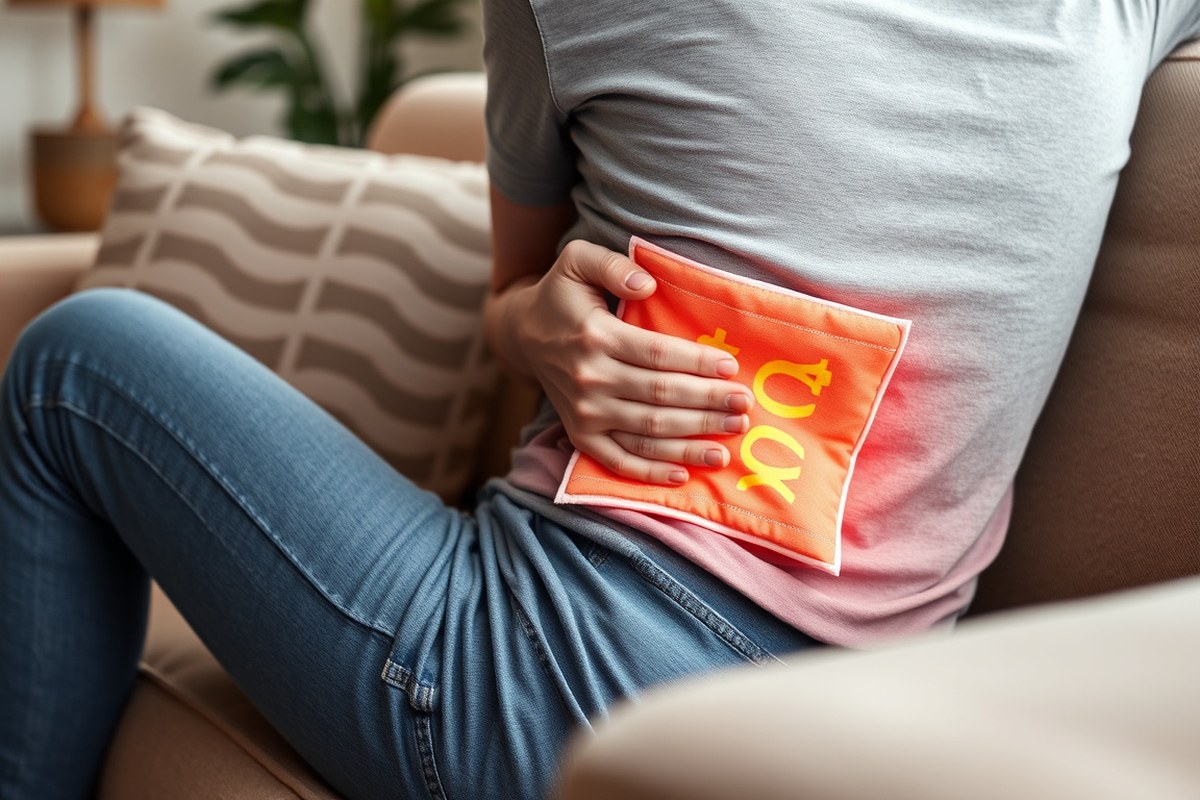
- Apply a cold compress: Wrap an ice pack or cold compress in a clean towel and hold it against the swollen area for 5 to 10 minutes. This numbness reduces pain and inflammation. Repeat every hour as needed during the first 24 hours for best effect.
- Take a warm sitz bath: Use a bathtub or basin filled with warm water near 100°F. Sit so your hips and buttocks are soaked for about 10 to 15 minutes, two to three times daily, especially after bowel movements. The heat calms muscles, reduces vein swelling, and lessens pain.
- Use over-the-counter topical treatments: Apply creams, ointments, or wipes containing ingredients like witch hazel or phenylephrine. These can relieve itching, burning, and reduce swelling. Use as directed, typically 2 to 4 times daily. Expect noticeable symptom relief within 24 to 48 hours.
- Increase fiber and fluid intake: Eat high-fiber foods (fruits, vegetables, whole grains) and drink 8 to 10 glasses of water daily. This softens stools and eases bowel movements, reducing strain that worsens hemorrhoids. Improvements usually start within 1 to 2 days but require ongoing commitment.
- Limit straining during bowel movements: Avoid sitting on the toilet for long periods. When constipated, consider a gentle stool softener or mild laxative after consulting a healthcare provider. Preventing added pressure on veins helps stop worsening symptoms immediately and supports faster healing.
- Consult a healthcare professional if symptoms persist: Seek medical advice if pain, swelling, or bleeding continue beyond one week despite home care. Procedures like rubber band ligation or infrared coagulation can rapidly reduce or remove hemorrhoids. These outpatient treatments usually provide relief within days but require a medical appointment and may cost several hundred dollars depending on location and provider.
2. Understanding Hemorrhoids: Causes, Types, and Symptoms
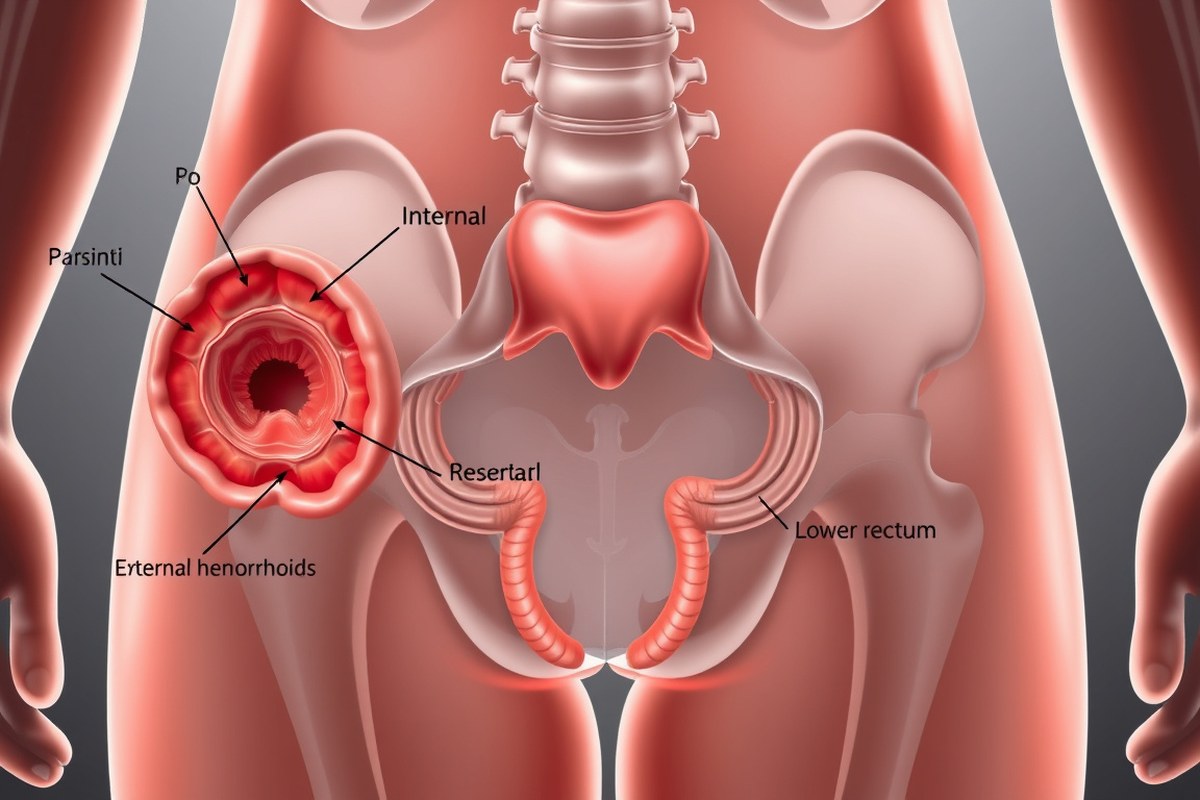
Hemorrhoids are swollen veins located around the anus or in the lower rectum that can cause discomfort and bleeding. Two main types exist: internal hemorrhoids inside the rectum and external hemorrhoids beneath the skin around the anus. Understanding their differences and causes helps you identify symptoms quickly and seek appropriate relief.
Definition and Function of Hemorrhoidal Tissue
Hemorrhoidal tissue refers to a group of blood vessels, connective tissue, and some muscle located in the anal canal. These tissues help with stool control by cushioning and sealing the anal opening. Under normal conditions, they facilitate smooth bowel movements without pain or bleeding.
When these blood vessels swell or become inflamed, they form hemorrhoids. This swelling happens because increased pressure weakens or stretches the veins, causing them to bulge and sometimes rupture. While hemorrhoids are common and affect up to 75 percent of adults at some point, their presence usually indicates underlying issues with bowel habits or lifestyle factors.
Distinguishing Internal Hemorrhoids from External
Internal hemorrhoids develop inside the rectum and generally do not cause pain because that area lacks pain receptors. You might notice bright red bleeding during bowel movements without feeling discomfort. Internal hemorrhoids can prolapse, meaning they push outside of the anus, which can cause irritation and pain at higher grades from one to four.
External hemorrhoids form under the skin around the anus and tend to cause more noticeable discomfort or pain. They can itch, swell, and sometimes bleed. A particular concern is when external hemorrhoids become thrombosed, when a blood clot forms inside, causing severe pain, swelling, and a hard lump.
Common Risk Factors Leading to Hemorrhoids
Constipation is one of the biggest contributors to hemorrhoid development because straining during bowel movements increases pressure on these veins. Irregular bowel habits, including diarrhea and prolonged sitting on the toilet, can also raise risk. Age plays a role since tissues weaken and stretch over time, increasing vulnerability.
Other causes include pregnancy, heavy lifting, and obesity, all of which raise abdominal pressure and contribute to swelling of hemorrhoidal veins. Low fiber diets make stool harder and more difficult to pass, worsening the strain that leads to hemorrhoids. Up to 70 percent of people with internal hemorrhoids find relief by adding more fiber to their diet.
Typical Signs and Symptoms to Recognize
Bright red blood on toilet paper, in stool, or in the toilet bowl often signals internal or external hemorrhoids. Internal hemorrhoids usually cause bleeding without pain, while external hemorrhoids bring itching, discomfort, and swelling around the anus. You might notice a lump or swelling that feels tender or painful if the hemorrhoid is external.
A thrombosed external hemorrhoid appears as a firm, painful lump at the anal opening. This condition can last several days and may require medical treatment if pain is severe. Because thrombosed hemorrhoids involve a blood clot, they differ from regular hemorrhoids by the intensity of the pain and the risk of complications if left untreated.
Beware of severe pain or a hard lump near the anus, which may indicate a thrombosed hemorrhoid needing prompt evaluation by a healthcare provider.
3. Fast-Acting Home Remedies for Immediate Hemorrhoid Relief
Warm sitz baths and cold compresses provide quick relief by soothing the inflamed tissues and reducing swelling of hemorrhoids. Using these remedies correctly and regularly helps ease pain and speed recovery. Also, some natural treatments like witch hazel can offer anti-inflammatory benefits to calm symptoms.
How to Take a Warm Sitz Bath Correctly
A warm sitz bath relaxes the anal muscles and boosts blood flow to the area, which helps reduce itching and irritation. Sitting in warm water loosens the tissues and keeps the area clean, preventing further discomfort. Each session should last 10 to 15 minutes for optimal effect, and repeating two to three times a day speeds healing. Follow these steps to get the most benefit from a sitz bath:
- Fill a bathtub or a sitz bath basin with 2 to 3 inches of warm water at about 98 to 100 °F (comfortably warm but not hot).
- Test the water temperature with your hand to avoid burns or cold shocks, especially if you have sensitive skin.
- Sit in the water so it covers your hips and buttocks, allowing the warm water to contact the affected area directly.
- Relax and soak for 10 to 15 minutes without standing up to avoid disturbing the healing tissues.
- Gently pat the area dry with a clean, soft towel afterward without rubbing to prevent irritation.
- Repeat this process two to three times daily, especially after bowel movements to keep the area clean.
Avoid using harsh soaps or scented bath additives, which can irritate sensitive skin. Adding Epsom salt may help reduce inflammation, but only if your doctor approves.
Applying Cold Compresses Safely and Effectively
Cold compresses help shrink swollen hemorrhoids by constricting blood vessels, which decreases pain and swelling quickly. Using ice packs or cold packs wrapped in a cloth avoids direct skin contact and prevents frostbite. To apply a cold compress:
- Wrap an ice pack or a small bag of ice cubes in a thin towel to protect your skin.
- Place the compress gently on the affected area for 10 to 15 minutes at a time.
- Remove the compress and let the area return to normal temperature before reapplying.
- Repeat every hour as needed for pain and swelling relief during the day.
Limit cold compress use to avoid skin damage and never apply ice directly to the anus. If your skin turns pale, numb, or painful, stop immediately.
Additional Natural Remedies for Fast Relief
Witch hazel is one of the most effective natural options for hemorrhoid relief due to its anti-inflammatory and astringent properties, which reduce swelling and soothe itching. Applying witch hazel using a clean cotton pad two to three times daily can calm symptoms.
Other remedies include using fragrance-free, moist wipes after bowel movements instead of dry toilet paper to avoid irritation. Aloe vera gel applied carefully on the external hemorrhoids may offer cooling relief and reduce inflammation. However, avoid using herbal treatments if you have allergies or sensitive skin.
4. Choosing the Best Over-the-Counter Hemorrhoid Treatments
Over-the-counter (OTC) hemorrhoid treatments provide fast, temporary relief from pain, itching, and swelling. The most common forms are creams, ointments, suppositories, medicated wipes, and pads specifically formulated for hemorrhoid care. These products often contain active ingredients like hydrocortisone, witch hazel, or phenylephrine, each serving a specific function such as reducing inflammation, soothing skin, or constricting blood vessels. Knowing which to choose depends on your symptoms and any sensitivities you might have. Below is a comparison table outlining key OTC topical treatments and pain relievers, including their active ingredients, typical usage instructions, benefits, and possible side effects.
| Product Type | Active Ingredient(s) | Usage Instructions | Benefits | Common Side Effects |
|---|---|---|---|---|
| Creams/Ointments (e.g., Preparation H) | Phenylephrine, Hydrocortisone | Apply thin layer 3-4 times daily to affected area | Reduces swelling, calms itching, soothes pain | Skin irritation, rare allergic reactions |
| Suppositories | Hydrocortisone, Witch Hazel | Insert 1 suppository into rectum up to 3 times daily | Relieves internal hemorrhoid discomfort and inflammation | Temporary burning, mild irritation |
| Medicated Wipes and Pads | Witch Hazel, Aloe Vera | Use after bowel movements as needed | Cleansing and soothing without harsh rubbing | Very low risk; occasional skin sensitivity |
| OTC Pain Relievers (e.g., Ibuprofen, Acetaminophen) | NSAIDs (Ibuprofen, Naproxen), Acetaminophen | Follow package dosage instructions; usually every 4-6 hours | Reduces pain and inflammation | Stomach upset (NSAIDs), liver issues if overused (Acetaminophen) |
To use topical treatments safely and effectively, clean the affected area gently with warm water before application. Avoid using harsh soaps or scrubbing, as this can worsen irritation. Apply creams or ointments sparingly, usually a thin layer, to prevent excessive moisture that may encourage infection or delay healing. Most products recommend applying 3 to 4 times daily, but exceeding the instructions can cause skin thinning or other side effects, especially with hydrocortisone-based creams.
Combining topical treatments with OTC pain relievers can address both surface discomfort and deeper pain. However, OTC medicines do not treat the underlying causes of hemorrhoids and should be used only short term. If symptoms persist beyond a week despite treatment, or worsen with bleeding or severe pain, consult a healthcare professional.
Watch for signs of allergic reaction such as rash or increased irritation, and discontinue use if these occur. Those with sensitive skin may prefer medicated wipes or pads containing soothing ingredients like witch hazel or aloe vera, which have fewer side effects. Finally, avoid prolonged use of hydrocortisone creams past one week without medical advice to reduce risks.
5. Diet and Hydration Tips for Quick Hemorrhoid Symptom Relief
Increasing your fiber intake helps hemorrhoids by softening stools and making bowel movements more regular. This reduces straining and pressure on swollen veins, which lowers inflammation and promotes healing. You should aim to consume about 25 to 30 grams of fiber daily. Most people notice improvement in bowel habits and reduced hemorrhoid pain within a few days to a week after boosting fiber. Fiber alone won’t quickly shrink hemorrhoids but eases symptoms by preventing constipation, a primary trigger.
Drinking enough water is essential to help fiber work effectively. About 6 to 8 glasses (48 to 64 ounces) of water daily are recommended. Adequate hydration prevents stools from becoming hard and further aggravating hemorrhoid tissue. You can also hydrate with clear soups and fruit juices, but water remains the best option. Increasing water usually shows benefits within 24 to 48 hours as it improves stool softness and bowel regularity. Certain foods support quick relief by supplying fiber and reducing strain, while others may worsen hemorrhoid symptoms by causing constipation or irritation. To manage symptoms rapidly, focus on including these foods in your diet:
- Fresh fruits like apples, pears, and berries
- Vegetables such as broccoli, carrots, and leafy greens
- Whole grains like brown rice, oats, and whole wheat bread
- Legumes including lentils, chickpeas, and beans
- Avoid low-fiber foods such as white bread, cheese, and processed snacks
- Limit spicy foods and caffeine that may irritate hemorrhoid tissue
- Include healthy fats like olive oil to aid digestion
Start increasing fiber gradually to prevent bloating and gas; sudden changes can sometimes cause discomfort before you feel relief.
Eating a high-fiber diet and drinking sufficient fluids help keep bowel movements soft and easy to pass. This decreases the risk of straining that causes hemorrhoids to worsen. Most people begin to see symptom improvement in 2 to 3 days, but significant healing may take several weeks. Chronic or severe hemorrhoids may need additional treatments beyond diet and hydration to fully resolve. Consistency with these changes is key to reducing inflammation and avoiding future flare-ups.
6. Lifestyle Changes to Support Healing and Prevent Hemorrhoid Recurrence
Avoiding straining during bowel movements is essential for faster healing of hemorrhoids and reducing the risk of recurrence. Straining increases pressure inside the anal veins, worsening inflammation and delaying tissue repair. To reduce straining, respond promptly to natural urges to have a bowel movement without waiting. Holding it in can lead to constipation and harder stools that require more effort to pass, making hemorrhoids more irritated.
Prolonged sitting, especially on the toilet, puts direct pressure on hemorrhoidal veins, which can aggravate symptoms and slow healing. Sitting for hours at a desk or in a car with limited movement can have a similar effect by reducing circulation and increasing swelling in the anal area. For someone recovering from hemorrhoids, breaking up sitting time into shorter intervals by standing or walking every 30 to 60 minutes helps reduce pressure. Avoid sitting on the toilet for more than a few minutes; use the bathroom only when necessary and do not prolong the session.
Lifestyle changes focused on bowel habits and physical activity are the most effective ways to prevent future flare-ups. This means adopting habits that keep stools soft and bowel movements regular while minimizing pressure on the rectal veins. Wearing loose, breathable clothing also decreases irritation around the anus. Cleaning gently after bowel movements helps prevent skin inflammation caused by leftover feces.
- Use a small step stool to improve your feet during bowel movements, which aligns your rectum better and reduces straining.
- Set reminders to stand or walk briefly every hour if your job or lifestyle involves extended sitting.
- Keep a bottle of soothing wipes nearby to gently clean the anal area after bowel movements without irritation.
- Drink plenty of water throughout the day to keep stools soft, aiming for at least 64 ounces daily.
- Incorporate at least 20 to 30 minutes of moderate physical activity, like walking, most days of the week to improve circulation.
- Avoid heavy lifting or exercises that increase abdominal pressure during hemorrhoid flare-ups.
Making these adjustments doesn’t typically require expensive treatments or equipment but may need conscious effort to change daily routines. The benefits include not only quicker hemorrhoid healing but also a lower chance of painful recurrences. Always pay attention to your body’s signals and seek medical advice if symptoms worsen despite these changes. Gentle lifestyle modifications can support your recovery and improve overall digestive health over time.
7. Medical and Outpatient Procedures for Rapid Hemorrhoid Removal
Minimally invasive medical procedures can quickly and effectively treat hemorrhoids without the need for surgery. Treatments like rubber band ligation and infrared coagulation are common outpatient options used when home remedies aren’t enough or when hemorrhoids persist. Deciding on a procedure depends on how severe your hemorrhoids are and if symptoms like bleeding and pain continue despite initial care.
Rubber Band Ligation: What to Expect
Rubber band ligation is one of the fastest and most common outpatient treatments for internal hemorrhoids, especially those in early stages. A doctor uses a small device called a ligator to place a tiny elastic band around the base of the hemorrhoid. This band cuts off blood flow, causing the hemorrhoid to shrink and eventually fall off within a few days. The procedure takes only a few minutes and generally causes minimal discomfort during and after the treatment.
This method works well for hemorrhoids that cause bleeding or mild prolapse but aren’t severe enough for surgery. Recovery time is short, and most people return to routine activities quickly. Side effects may include mild pain or a feeling of fullness in the rectum, which usually resolves within a few days. However, complications are rare but can include bleeding or infection if the hemorrhoid does not heal properly. Rubber band ligation is often recommended when conservative measures like creams or dietary changes fail or if symptoms persist longer than a few weeks.
Infrared Coagulation and Other Options
Infrared coagulation is another minimally invasive option that uses infrared light to create scar tissue on hemorrhoid blood vessels, cutting off circulation to the area. This causes the hemorrhoid to shrink over time. The treatment usually takes just a few minutes and causes little pain or discomfort. Compared to rubber band ligation, infrared coagulation is generally less painful but may also be slightly less effective, particularly for larger hemorrhoids.
Other outpatient procedures include sclerotherapy, where a chemical solution is injected into the hemorrhoid to shrink it, and thrombectomy, which removes clots from external hemorrhoids that cause severe pain. Your doctor will recommend the best option based on the size, type, and severity of your hemorrhoids, as well as your overall health. These minimally invasive treatments carry fewer risks than surgery, such as lower chances of infection and quicker recovery times.
When Surgery Becomes Necessary
Surgery, specifically hemorrhoidectomy, is generally reserved for cases where hemorrhoids are large, severely prolapsed, or cause ongoing bleeding that other treatments cannot control. This procedure involves the surgical removal of hemorrhoid tissue and requires a longer recovery period compared to minimally invasive options. It may be necessary if outpatient treatments fail or if hemorrhoids significantly interfere with daily life.
Leaving severe or worsening hemorrhoids untreated can lead to complications such as significant bleeding, anemia, painful clots, or strangulated hemorrhoids where blood supply is cut off leading to tissue death. If you experience intense pain, heavy bleeding, or persistent symptoms despite home care and outpatient procedures, seeing a healthcare professional promptly is important. They will assess whether surgical intervention is needed to prevent further issues and provide appropriate treatment to ensure safety and symptom relief.
8. When to Seek Medical Help: Red Flags and Preparation Tips
Consult a healthcare professional if your hemorrhoid symptoms get worse despite regular home treatments over a few weeks, or if you experience heavy bleeding, severe pain, or a hemorrhoid that sticks out and doesn’t go back in. Treatments like rubber band ligation, where a band is placed around the hemorrhoid to cut off blood supply causing it to fall off within roughly ten days, don’t require anesthesia or special preparation. Your doctor can assess if this or other options are needed based on the size and duration of your hemorrhoids.
Differentiate hemorrhoids from more serious conditions, such as rectal or colon cancer, by noting symptom patterns and risk factors. Hemorrhoids typically cause localized pain, itching, and bright red bleeding during bowel movements. However, any rectal bleeding after age 40 should prompt a colon cancer screening, especially if accompanied by weight loss, changes in bowel habits, or fatigue. Unlike hemorrhoids, cancer-related bleeding is often darker or mixed with stool, and lumps or masses might be detected during a digital rectal exam. Keep in mind that internal hemorrhoids can be soft and not always palpable on examination.
Untreated or worsening hemorrhoids risk complications such as anemia from chronic blood loss, thrombosis causing severe pain, and persistent prolapse potentially leading to ulceration or infection. Avoiding medical evaluation can allow these complications to develop, making treatment more difficult and less effective. Recognition of red flags ensures timely specialist care.
- Seek urgent care if bleeding is heavy, continuous, or accompanied by dizziness or weakness.
- Schedule a medical evaluation if hemorrhoid symptoms persist beyond 2 to 3 weeks despite home remedies.
- Consider physician-guided procedures like rubber band ligation when symptoms disrupt daily activities.
- Get screened for colon cancer if over 40 with any rectal bleeding to rule out serious disease.
- Avoid straining during bowel movements and report any new masses or severe pain to your doctor immediately.
When preparing for a healthcare visit, bring a detailed symptom diary noting onset, severity, triggers, and responses to treatment. List any over-the-counter products used. Be ready to discuss bowel habits, diet, and other medical history factors. Your provider may perform a physical exam, anoscopy, or recommend further diagnostic tests. Understanding possible fees varies; consultations typically range from $100 to $300, depending on location and insurance coverage, while procedures like rubber band ligation may incur additional charges.
Do not delay seeking medical advice if bleeding is heavy or persistent, as timely evaluation can prevent serious complications and ensure appropriate care.
Step-by-Step Action Plan for Fast Hemorrhoid Relief
Follow this practical plan to quickly reduce pain and swelling from hemorrhoids, support healing, and know when to seek medical help.
- Day 1: Start Soaking and Cooling, Take a 10-15 minute warm sitz bath two to three times daily to ease swelling and discomfort. Add an ice pack wrapped in cloth afterward for 10 minutes to reduce pain. You’ll notice less burning and itching within hours.
- Day 1: Apply Over-the-Counter Treatment, Use a hydrocortisone cream or witch hazel pads as directed to decrease inflammation and soothe itching. Expect reduced swelling and relief from sharp pain in one to two days.
- Day 1, 3: Adjust Your Diet and Hydration, Drink at least 8 cups of water daily and add high-fiber foods like fruits, vegetables, and whole grains to your meals. Softer stools that pass easily mean your diet changes are working.
- Day 2: Increase Gentle Movement, Walk for 15-20 minutes daily to boost circulation and reduce pressure on veins. Decreased discomfort during sitting or bowel movements shows this is helping.
- Week 1: Monitor Symptoms and Avoid Straining, Use stool softeners if needed and never delay bowel movements. You’ll see less bleeding and irritation if you keep stools soft and avoid pushing.
- Week 1: Maintain Good Hygiene, Clean the anal area gently with warm water after bowel movements and pat dry without rubbing. Reduced itching and soreness confirm progress.
- After 2 Weeks: Evaluate Progress, If pain, bleeding, or swelling persists or worsens despite home care, schedule a medical evaluation. Persistent symptoms mean you might need medical or outpatient treatments.
Frequently Asked Questions
What Shrinks Hemorrhoids Fastest?
Over-the-counter hemorrhoid creams and suppositories provide the fastest relief by reducing pain, itching, and swelling within a day or two. Combining these with sitz baths can help reduce inflammation quickly.
What Are Stage 4 Hemorrhoids?
Stage 4 hemorrhoids are severely prolapsed and cannot be pushed back inside the anus, often requiring medical intervention like surgery or rubber band ligation. These are the most advanced and painful stage.
How Do You Make a Hemorrhoid Lump Go Away?
You can reduce a hemorrhoid lump by applying cold compresses and using topical treatments to shrink swelling. Increasing fiber intake helps soften stools, preventing irritation that worsens the lump.
How Do I Shrink My Hemorrhoids Naturally?
Sitz baths and cold compresses are effective natural treatments that reduce inflammation and pain. Eating high-fiber foods and drinking plenty of water helps prevent constipation, allowing hemorrhoids to heal.
Can Hemorrhoids Cause Bleeding During Bowel Movements?
Yes, hemorrhoids can cause bright red bleeding during bowel movements, especially if irritated or strained. Blood usually appears on toilet paper or in the toilet bowl.
Is It Safe to Use Over-The-Counter Hemorrhoid Creams Daily?
Using over-the-counter hemorrhoid creams for a short period is safe to relieve symptoms, but avoid prolonged use to prevent skin irritation. Follow label instructions or consult a healthcare provider.
Wrapping Up
Getting fast relief from hemorrhoids is possible by combining home care with the right treatments and lifestyle changes. Start by increasing your water intake today and adding more fiber-rich foods to your meals to ease bowel movements and reduce irritation. Taking this simple step can provide quick symptom relief and support long-term healing without delay.