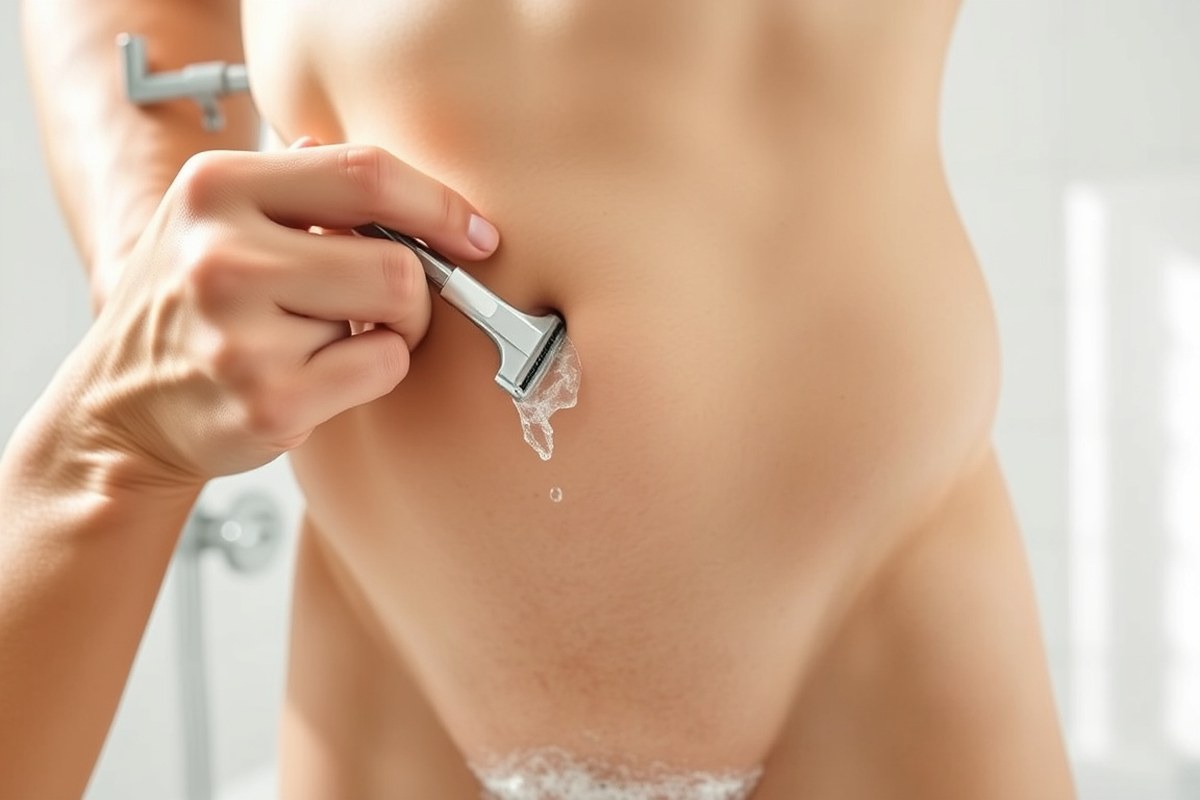
How to Get Rid of Razor Bumps on Pubic Area: 8 Proven Tips That Work
To get rid of razor bumps on pubic area, focus on soothing inflammation, gently exfoliating dead skin, and using moisturizers or anti-inflammatory creams. Proper shaving techniques and skin care before and after shaving also help prevent bumps from forming. Warm baths can relieve irritation, while over-the-counter products speed healing without breaking the bank.
This advice suits anyone dealing with uncomfortable razor bumps in sensitive regions, especially where hair tends to be coarse and thick. You’ll learn how to identify bumps versus infections, which hair removal methods reduce irritation, and develop a daily routine that promotes smooth, bump-free skin. The tips work whether you shave regularly or just want quick relief for existing bumps.
Key Takeaways
- Shaving the pubic area causes razor bumps due to ingrown hairs triggering immune responses in sensitive, curved skin regions.
- Razor bumps appear as small, raised irritation spots, distinct from folliculitis, razor burn, or STI symptoms by lack of infection signs.
- Shave after soaking skin in warm water for 5-10 minutes to open pores and reduce irritation before using a fresh, sharp razor.
- Apply warm, damp compresses for 10-15 minutes and use gentle exfoliation or safe creams to soothe and heal razor bumps.
- Natural and over-the-counter treatments with anti-inflammatory ingredients can reduce redness in 24 hours and promote faster healing.
- Choosing hair removal methods like laser reduces razor bumps but involves higher costs and multiple sessions compared to shaving.
1. What Causes Razor Bumps in the Pubic Area and Why It’s Prone

Razor bumps in the pubic region develop when shaved hair curls back into the skin or gets stuck below the surface. This triggers inflammation that leads to tiny, itchy, red bumps. Called pseudofolliculitis pubis, this condition arises because hair follicles become irritated as fresh skin grows over the trapped hairs. Although it can happen anywhere hair is shaved, the pubic area is especially vulnerable.
The pubic area is more susceptible to razor bumps for several reasons. Hair in this region tends to be coarser and more abundant than on many other parts of the body. Coarse hair curls so tightly that when cut close to the skin, the ends often grow back under the surface instead of outward. This trapped hair then triggers irritation and bumps. The skin in the pubic region is also more sensitive and delicate. After shaving or waxing, this sensitivity increases the chance of inflammation and discomfort, making razor bumps more likely to develop and feel painful.
Another factor is how frequently people remove hair from this area. Regular shaving or hair removal in the bikini zone can increase irritation because the skin has less time to heal between sessions. Using a dull razor or shaving without proper skin preparation can worsen this by causing tiny cuts or razor burn, leaving skin more vulnerable. The pubic skin’s natural folds and moisture can create conditions where bacteria easily accumulate, increasing the risk of irritation and bump formation after shaving.
To reduce the risk of razor bumps, preparing the skin before shaving is essential. This includes softening the hair and opening pores with warm water, which can soothe the skin and reduce inflammation. Using a clean, sharp razor and changing blades after 5 or 6 uses also helps prevent irritation. Applying moisturizers or soothing aftershaves designed for sensitive skin in the bikini area can calm inflammation and support healing. Although razor bumps can often heal on their own within a few days with proper care, avoiding shaving for some time allows the skin to fully recover and prevents new bumps from forming.
2. How to Identify Razor Bumps Versus Folliculitis, Razor Burn, or STIs

Razor bumps typically appear as small, irritated bumps caused by ingrown hairs after shaving. They are not contagious and usually improve within one to two weeks with proper care. Distinguishing razor bumps from folliculitis, razor burn, or sexually transmitted infections (STIs) relies on observing specific symptoms and timing. Worsening skin irritation that becomes painful, oozes, or lasts longer than two weeks requires consultation with a healthcare professional for evaluation.
Visual Differences Between Razor Bumps and Folliculitis
Razor bumps, also known as pseudofolliculitis, are caused by ingrown hairs irritating the skin. They typically present as small, raised bumps that may be red or flesh-colored and often include tiny hair loops trapped under the skin surface. These bumps usually develop a few days after shaving and can be itchy or mildly tender.
Folliculitis is an inflammation of the hair follicles often caused by bacterial or fungal infections. It looks like clusters of white-headed pimples around single hair follicles, and these pimples may fill with pus. The affected area usually feels tender or sore rather than just itchy. Folliculitis often requires treatment with topical or oral antibiotics or antifungal medication, especially if the infection worsens or spreads.
Symptoms Unique to Razor Burn
Razor burn differs from razor bumps as it is more of a surface irritation than a bump caused by ingrown hairs. Razor burn presents as red, flat patches of irritated skin appearing immediately after shaving. It causes a burning or stinging sensation, tightness, and general discomfort but does not produce bumps filled with pus or hair trapped beneath the skin. Razor burn usually clears up within a few hours to a couple of days if the area is moisturized and protected from further irritation.
Unlike razor bumps, razor burn does not cause ingrown hairs or persistent bumps. One common cause is shaving with a dull razor or shaving dry skin, which increases friction. Applying products with alcohol should be avoided, as they can worsen the stinging and dryness in the affected area.
Signs That May Indicate an STI
Some STIs can cause symptoms that look similar to razor bumps, including red bumps, sores, or ulcers in the pubic area. Unlike razor bumps, STI-related lesions may persist regardless of shaving habits and often come with additional symptoms such as unusual discharge, pain during urination, or fever. Bumps that do not improve after stopping shaving for two weeks or that show oozing, bleeding, or severe pain warrant prompt STI testing.
STI symptoms typically do not improve with over-the-counter creams aimed at soothing razor irritation. They require professional diagnosis and specific treatment. Avoid self-diagnosis when symptoms overlap because untreated infections can worsen and pose health risks.
When to Consult a Healthcare Professional
Seek medical advice if your pubic area irritation becomes painful, oozes clear fluid or pus, or if the bumps enlarge and do not begin to improve after one to two weeks without shaving. Persistent or worsening symptoms may indicate folliculitis, an infection, or an STI that needs prescription treatment.
Do not ignore the appearance of fever, severe redness, swelling, or spreading rash, as these can signal a serious infection requiring immediate care. Healthcare providers can perform tests to identify infections, recommend appropriate medications, and prevent complications such as permanent scarring.
Stop shaving and avoid irritating products immediately if your bumps are painful or start to ooze, then consult a healthcare professional without delay.
3. Tools and Techniques for Shaving to Prevent Razor Bumps in the Pubic Area
Preventing razor bumps in the pubic area involves using the right tools, preparing your skin properly, and following a careful shaving technique. Choosing a sharp razor and changing blades regularly reduces skin irritation. Gently shaving in the direction of hair growth and properly moisturizing after shaving help prevent hair from growing back into the skin and forming bumps.
Choosing the Right Razor and Blade Replacement Schedule
Select a razor designed for sensitive skin in delicate areas, preferably one with multiple blades for a closer shave without excessive pressure. Razors with a lubricating strip or flexible head can also reduce irritation by adapting to the skin’s contours. Coarser or curlier pubic hair demands a sharper blade to cut cleanly and minimize tugging.
Change your razor blade after 5 to 7 shaves or sooner if it feels dull or pulls at the hair. Using a blunt blade increases the chance of cuts and irritation, leading to razor bumps. Sharper blades cut hair cleanly in one pass, lessening the need to go over the same spot multiple times.
Preparing Skin and Hair Before Shaving
Proper skin preparation softens the hair and opens pores, making shaving easier and less irritating. The pubic area’s hair tends to be coarser, so extra care in prepping helps prevent razor bumps. Warm water softens hair and skin, while a gentle cleanser removes oils and bacteria. Follow these steps to prepare your pubic area for shaving:
- Rinse with warm water for 3 to 5 minutes to soften hair and skin.
- Apply a gentle cleanser or a shaving-specific gel designed for sensitive areas to cleanse without irritation.
- Use a pre-shave oil or gel that forms a thin protective layer, letting the razor glide smoothly (for instance, products like Billie’s V Smooth shave gel can be effective).
- Wait 1 to 2 minutes for the product to settle before starting to shave.
The Correct Shaving Technique and Aftercare
Shave in the direction of hair growth to reduce the risk of ingrown hairs that cause razor bumps. Avoid shaving against the grain, which can lift hairs and cause them to grow back into the skin. Use light, short strokes rather than harsh, long ones, and avoid pulling your skin taut, as that can lead to irritation and uneven cutting.
After shaving, rinse the area with cool water to close pores and apply a fragrance-free moisturizer or petroleum jelly to soothe the skin. Keeping the skin hydrated prevents dryness and helps reduce bump formation. Here are key steps for shaving with the correct technique and aftercare:
- Use a sharp, clean razor and shave slowly in the direction of hair growth.
- Rinse the blade with warm water after every few strokes to clear buildup.
- Do not press hard; let the razor do the work.
- After shaving, rinse with cool water and pat dry with a clean towel.
- Apply a gentle, fragrance-free moisturizer or a thin layer of petroleum jelly to the shaved area.
Common Shaving Mistakes and How to Fix Them
One major mistake is shaving too closely. Trying to get a very smooth shave by pressing hard or shaving backward increases the risk of hair curving into the skin. Shaving too often or on dry skin also causes irritation and bumps.
Another mistake is using dull blades or failing to clean the razor regularly. This clogs the blade with hair and shaving cream, making cuts uneven and increasing irritation. Using products containing alcohol or fragrances right after shaving can also dry out and irritate sensitive pubic skin.
To fix these issues, allow hair to grow slightly longer between shaves if razor bumps persist. Use a sharp blade, shave with proper lubrication, and avoid harsh aftershave products. If you notice bumps forming, switch to an electric razor set on a less-close setting or consider alternative hair removal methods that reduce ingrown hairs.
4. Effective Home Treatments for Razor Bumps: Safe Creams, Compresses, and Exfoliation
You can safely treat razor bumps on the pubic area at home using a combination of warm compresses, gentle exfoliation, and appropriate topical creams. Warm compresses work by softening the skin and encouraging ingrown hairs to surface, reducing discomfort and promoting healing. To use one, soak a clean cloth in warm water around 104°F (40°C), wring it out, and press it against the affected area for about 10 to 15 minutes, repeating this two to three times a day. When a warm compress is not available, a damp cloth with cold water can help soothe irritation briefly, though warm is generally more effective at loosening hairs.
Using topical products like benzoyl peroxide or mild hydrocortisone cream can help reduce inflammation and treat mild to moderate razor bumps. A thin layer of 1% hydrocortisone cream may lessen redness and swelling, but apply it carefully on pubic skin since this area is thinner and absorbs steroids more quickly. Use it only on small spots and for a few days to prevent skin thinning or irritation. Over-the-counter benzoyl peroxide creams, usually costing $10 to $20, unclog pores but can dry or peel the skin, so test them on a small area first to see how your skin reacts.
Exfoliation supports the removal of trapped hairs that cause razor bumps by gently loosening dead skin cells and freeing ingrown hairs. Using a soft-bristled toothbrush or a mild exfoliating sponge, lightly brush the affected area after waiting at least 24 hours post-shave to avoid further irritation. Avoid harsh scrubs or exfoliants with large granules, as the pubic area’s sensitive skin can become more inflamed or damaged. A regular exfoliation routine, one to two times per week, can speed up healing and help prevent new bumps from forming.
Applying Vaseline or other petroleum jelly products is not recommended on razor bumps because they create a barrier that traps heat and moisture, which may worsen inflammation or promote bacterial growth. Instead, choose non-comedogenic, fragrance-free moisturizers to keep the skin hydrated and reduce irritation. Here is a checklist for safe home treatment:
- Use warm compresses for 10 to 15 minutes, two to three times daily.
- Apply a thin layer of 1% hydrocortisone cream once daily for no more than three consecutive days.
- Consider benzoyl peroxide cream if no open sores or excessive irritation is present.
- Gently exfoliate with a soft brush or sponge after 24 hours post-shave, one to two times per week.
- Avoid Vaseline and products that clog pores.
- Keep the area clean and moisturized with gentle, fragrance-free lotions.
Following these methods should reduce bump size and discomfort within a few days. When symptoms persist beyond a week or worsen, consult a healthcare professional to rule out infection or other conditions. Avoid scratching or picking at razor bumps to prevent scarring or secondary infections.
5. Natural Remedies and Over-the-Counter Products That Help Razor Bumps Heal
Over-the-counter creams containing hydrocortisone can reduce inflammation and itching caused by razor bumps in the pubic area. Apply a thin layer of 1% hydrocortisone cream up to twice daily for no more than a week to avoid skin thinning. Antibiotic creams with bacitracin or neomycin may help if bumps show signs of infection, but avoid overuse to prevent resistance or irritation.
Products with salicylic acid or glycolic acid are useful for gently exfoliating dead skin and preventing ingrown hairs, which cause razor bumps. Look for lotions or pads with 1-2% salicylic acid and apply once daily after shaving. These acids help clear pores but can cause dryness, so follow with a fragrance-free moisturizer.
Natural remedies such as aloe vera gel provide soothing relief because of their anti-inflammatory effects. Use pure aloe vera gel on the affected area two to three times daily. Choose 100% aloe vera without added alcohol or fragrance to avoid irritation. Aloe soothes redness and speeds up skin healing.
Tea tree oil acts as an antimicrobial and anti-inflammatory agent but must be diluted before use in the pubic area to prevent irritation. Mix 1 part tea tree oil with 10 parts carrier oil, like coconut or jojoba oil, and apply with a cotton swab once daily. Avoid using tea tree oil undiluted or multiple times a day as it can cause burns or allergic reactions. Avoid witch hazel and apple cider vinegar on pubic razor bumps despite their common home remedy status, as dermatologists warn these can irritate sensitive skin in this area and worsen symptoms.
Patience is key, as razor bumps may take one to three weeks to fully heal. Consistent use of the right creams or remedies can speed relief and reduce discomfort. Combining exfoliation, hydrocortisone, and soothing gels is often more effective than relying on one treatment alone.
Always patch-test natural oils like diluted tea tree oil on less sensitive skin before applying to the pubic area to check for adverse reactions.
6. Comparing Hair Removal Methods and Their Impact on Razor Bumps
Choosing the right hair removal method significantly affects the likelihood of razor bumps in the pubic area. Shaving with a blade is common but can easily cause razor bumps due to hair cutting below the skin surface, leading to ingrown hairs. Electric shavers typically cut hair slightly above the skin, which may reduce razor bumps but don’t eliminate them entirely. Waxing removes hair from the root, which can prevent razor bumps caused by cutting hair too close; however, waxing can irritate sensitive skin and may cause bumps if not done carefully or too frequently. Laser hair removal reduces hair growth significantly and can reduce the chance of razor bumps over time, but it demands a higher upfront cost and multiple sessions.
| Method | How It Works | Impact on Razor Bumps | Cost Estimate | Frequency | Pros | Cons |
|---|---|---|---|---|---|---|
| Blade Shaving | Cut hair at skin surface or slightly below | High risk; often causes razor bumps and ingrown hairs | $5-$20 for razors | Every few days | Easy, inexpensive, fast | Prone to irritation and bumps |
| Electric Shaving | Trim hair slightly above skin surface | Lower risk than blade shaving but bumps still possible | $30-$150 for devices | Every few days to weekly | Less skin irritation, reusable | Does not give very close shave |
| Waxing | Pull hair out from root | Less chance of razor bumps; possible irritation if done improperly | $40-$80 per session | Every 6-8 weeks | Longer-lasting smoothness | Painful, potential skin sensitivity and bumps if not done right |
| Laser Hair Removal | Damages hair follicle to reduce growth | Greatly reduces razor bumps over time | $200-$500 per session; multiple sessions needed | Several sessions, spaced weeks apart | Long-term hair reduction, less bumps | Expensive, requires professional treatment |
Many find that switching from blade shaving to electric shaving lowers irritation but does not completely stop razor bumps from appearing. For waxing, selecting a trained professional every 6 to 8 weeks initially helps minimize skin trauma and bumps. Laser hair removal offers the most effective long-term solution, especially for people prone to frequent razor bumps, but multiple sessions and an investment of several hundred dollars are necessary to see noticeable results.
Using hair removal creams that dissolve hair instead of cutting or pulling it out can also help prevent razor bumps, although some people may have sensitivity to these products. The least likely way to get razor bumps is to reduce hair removal frequency or stop it, allowing skin and hair follicles to recover. Always choose the method you can perform or access safely and stop any hair removal if bumps worsen or become infected. Licensed professionals for waxing and laser treatments improve the chances of a safe and bump-free experience.
7. How Skin Type, Hair Texture, and Climate Affect Razor Bumps and Their Care
Razor bumps tend to be more common and severe when you have coarse, curly hair, which is typical in the pubic area. This type of hair curls back into the skin easily after shaving, causing inflammation and bumps. Fine or straight hair is less likely to cause razor bumps but does not eliminate the risk entirely. Skin type also plays a major role. Sensitive skin reacts more quickly to shaving irritation, so if your skin tends to be delicate, dry, or prone to redness, you may experience worse razor bumps. Oily skin can trap bacteria around hair follicles, increasing the chance of irritation and bumps as well.
Caring for razor bumps depends on your unique skin and hair traits. For sensitive or delicate skin, it’s best to shave less often, every three days or longer, to avoid constant irritation. Use shaving creams or gels specifically designed for sensitive areas to cushion the skin. A fragrance-free, moisturizing formula can reduce redness and dryness. Applying a gentle, alcohol-free aftershave or a soothing lotion containing aloe vera right after shaving helps calm skin. Avoid exfoliating too hard or frequently, as this aggravates sensitivity further.
Coarse, curly hair benefits from careful preparation and post-shave care. Soften the hair with warm water and use a sharp, clean razor to prevent tugging. Consider trimming hair first, if it’s very thick, to avoid excessive pulling. After shaving, use an antiseptic or anti-inflammatory product to reduce the chance of infection and inflammation. Products containing salicylic acid or glycolic acid can help gently exfoliate and free trapped hairs, but start with low concentrations to avoid stinging.
Climate and geographic conditions also influence razor bump severity. Hot and humid climates can increase sweating and moisture, encouraging bacteria growth around razor bumps. Wearing loose, breathable clothing and washing the area with a gentle cleanser after sweating helps prevent irritation. In cold or dry climates, skin can become dehydrated and reactive, so using extra moisturizing creams daily is important. You may need to adjust your shaving schedule during extreme weather to give your skin time to recover.
Skin tone sometimes correlates with razor bump risk because darker skin tones are more likely to develop ingrown hairs and hyperpigmentation from bumps. For darker skin, using products with ingredients like niacinamide or vitamin C can help reduce dark spots and skin discoloration. Always test new creams on a small patch to avoid further irritation and discoloration. Protecting the area from prolonged sun exposure after shaving also helps minimize darker marks.
Cost and effort vary depending on your approach and the products you use. Sensitive skin-friendly shaving creams or soothing lotions can range from $7 to $20 each. You may also choose to invest in a high-quality razor designed for sensitive skin around $10 to $30. Home remedies like aloe vera or witch hazel offer lower-cost options but require consistent application for several days to see improvement. Avoiding daily shaving not only protects your skin but can save time and money on products.
Good results include smoother, bump-free skin with no lasting redness or dark marks. If bumps continue or worsen despite these measures, it helps to review shaving technique, switch products, or consider alternative hair removal methods. Persistent irritation may require a consultation with a dermatologist for personalized care and prescription treatments that protect your sensitive pubic skin.
8. Step-by-Step Daily Care Routine for Healing and Preventing Razor Bumps
Razor bumps in the pubic area usually take about 2 to 6 weeks to heal as the inflammation settles. During this time, daily care focused on soothing the skin, preventing infection, and gently exfoliating is key for healing and stopping new bumps from forming. Avoid shaving until bumps fully subside to give your skin a chance to recover.
Morning Routine for Soothing and Protecting Skin
Start your day by calming irritated skin and protecting it from bacteria and friction. A gentle, non-irritating cleanser and a light, soothing moisturizer with antibacterial properties set the stage for healing throughout the day. Avoid heavy creams or anything with fragrances that can cause more irritation.
- Wash the pubic area with a mild, fragrance-free cleanser to remove sweat and oils without stripping moisture.
- Gently pat the area dry with a soft towel, avoiding vigorous rubbing that can worsen irritation.
- Apply a thin layer of an antibacterial ointment or a hydrogen peroxide solution once or twice daily to reduce bacteria and inflammation.
- Use a lightweight, fragrance-free moisturizer to keep skin hydrated and reduce itching or tightness.
- Wear loose, breathable cotton underwear to minimize friction and heat buildup throughout the day.
Skip tight clothing and harsh soaps in the morning to prevent aggravating razor bumps further.
Evening Routine to Promote Healing and Prevent Infection
The evening is ideal for a more thorough cleaning and gentle treatment, helping your skin repair overnight. Exfoliation should be mild and infrequent to prevent trapping hairs while removing dead cells that can worsen bumps.
- Clean the area with a gentle cleanser, removing any dirt or sweat from the day.
- Apply a warm compress for 5 to 10 minutes to soften the skin and reduce inflammation.
- Lightly exfoliate once or twice weekly with a chemical exfoliant like lactic acid or a very mild physical scrub, avoiding harsh abrasion that can irritate the area.
- Apply an antibiotic cream or a medicated product designed for razor bumps to combat bacteria and reduce swelling.
- Finish with a soothing, fragrance-free moisturizer to restore skin barrier function overnight.
Limit exfoliation to 1 or 2 times a week to reduce irritation while encouraging hair release.
When to Resume Shaving and How to Adjust Technique
Give your skin at least 2 to 6 weeks to heal fully before shaving again. Shaving too soon can reopen irritation and cause more bumps. When you do shave, adjust your routine to lower the risk of recurrence.
Use a clean, sharp razor and shave after softening the hairs with warm water or a shaving gel. Shave in the direction of hair growth and avoid going over the same area multiple times. Applying a soothing aftershave balm can also help calm the skin.
- Wait at least 2 to 6 weeks until razor bumps completely fade before shaving.
- Trim hair short rather than shaving with a bare blade immediately when starting again.
- Use a new, sharp razor and shave using gentle, short strokes in the direction of hair growth.
- Soften hair with warm water or a shaving cream formulated for sensitive skin before shaving.
- Rinse with cool water after shaving and apply an alcohol-free, fragrance-free soothing lotion or balm.
- Clean the razor after each use and replace it regularly to prevent bacteria buildup.
- Avoid shaving daily to reduce skin stress and allow time to heal between sessions.
Resist shaving too soon; premature shaving prolongs bumps and increases infection risk.
Step-by-Step Action Plan to Get Rid of Razor Bumps in the Pubic Area
Follow these clear steps to reduce and prevent razor bumps quickly and effectively, using safe shaving and care techniques tailored for the pubic area.
- Before You Shave: Gently exfoliate the pubic area with a mild scrub or washcloth to remove dead skin cells. This helps prevent ingrown hairs, which cause razor bumps, and you’ll notice less irritation during shaving.
- Right Before Shaving: Soften the hair and skin by taking a warm shower or applying a warm compress for 3 to 5 minutes. The hair will be easier to cut and the skin less prone to razor burn and bumps.
- Shaving Time: Use a sharp, clean razor designed for sensitive skin and shave in the direction of hair growth only. Apply a fragrance-free shaving cream or gel and avoid stretching the skin. This lowers the chance of irritation and bumps forming.
- Immediately After Shaving: Rinse the area with cool water to close pores, then pat dry with a clean towel. Apply a gentle, fragrance-free moisturizer or a product containing 1-2% hydrocortisone if itchiness begins. Look for reduced redness and fewer bumps over the next day.
- Daily Routine Post-Shaving (for 1 week): Keep the area clean and exfoliate lightly every other day with a gentle product to discourage ingrown hairs. Use an over-the-counter cream containing salicylic acid or glycolic acid if bumps persist. Improvement shows as smoother skin and less inflammation.
- If Bumps Persist After 2 Weeks: Switch to or add natural remedies such as aloe vera gel or witch hazel compresses twice daily to soothe skin and reduce swelling. Stop shaving until the skin heals fully, usually about 1 week, to prevent worsening bumps.
- Long-Term Prevention: Consider alternative hair removal methods like trimming with scissors, using an electric trimmer, or professional laser treatments if razor bumps frequently return. Monitor skin condition and switch methods if irritation continues.
Frequently Asked Questions
Can Using Moisturizer Help Speed Up the Healing of Razor Bumps on the Pubic Area?
Yes, using a gentle moisturizer can soothe irritation and speed healing by keeping skin hydrated and reducing itchiness around razor bumps. Look for fragrance-free creams with soothing ingredients like aloe or chamomile.
Is It Safe to Use an Aftershave Product Directly on Razor Bumps in the Pubic Area?
You should avoid alcohol-based aftershaves on razor bumps as they can worsen irritation. Instead, use calming, alcohol-free aftershaves or soothing balms designed for sensitive skin to avoid further inflammation.
Can Taking Warm Baths Help Relieve Razor Bumps in the Pubic Area?
Warm baths can help by opening pores and reducing swelling and irritation, providing gentle relief for razor bumps on sensitive pubic skin. Make sure to keep the water warm, not hot, to avoid drying out your skin.
How Long Does It Usually Take for Razor Bumps on the Pubic Area to Heal Completely?
Razor bumps typically heal within a week to ten days with proper care, including avoiding further shaving and applying soothing treatments. Healing time depends on the severity and how well you protect the area.
Should You Avoid Shaving Altogether While Razor Bumps Are Healing in the Pubic Area?
Yes, giving your skin a break from shaving for several days allows razor bumps to heal more quickly and prevents new irritation. Use gentle hair removal alternatives if needed.
What Role Do Anti-Inflammatory Creams Play in Treating Razor Bumps on the Pubic Area?
Anti-inflammatory creams reduce redness, swelling, and discomfort associated with razor bumps. Using creams with ingredients like hydrocortisone can ease symptoms but should be used as directed and not long-term.
The Bottom Line
Managing razor bumps in the pubic area comes down to careful shaving and consistent skin care. You can start by adjusting your shaving routine today, try soaking the skin with warm water for a few minutes before shaving to soften hair and reduce irritation. This simple step helps minimize bumps and supports smoother skin as you continue with other treatments or prevention methods.