How to Get Rid of Lines Under Eyes: A Complete Guide That Really Works
To get rid of lines under eyes, focus on a combination of good skincare, healthy habits, and targeted treatments. Using the best eye creams, adopting proper product layering, and considering professional options like Botox or fillers can all help reduce fine lines effectively. Early prevention and understanding what causes these lines also play a key role.
This advice suits anyone concerned about fine lines under their eyes, whether you’re starting to see them or want to prevent them altogether. You’ll find clear steps on prevention, natural remedies, choosing the right products, professional treatments, and common mistakes to avoid when addressing lines under your eyes.
Key Takeaways
- Protect your under-eye skin by applying broad-spectrum SPF daily since UV rays cause 90% of skin aging around the eyes.
- Use eye creams with targeted ingredients like hyaluronic acid, peptides, and caffeine to hydrate, plump, and smooth fine lines effectively.
- Incorporate a gentle retinol (0.1, 0.3%) into your nighttime routine to boost cell renewal and improve wrinkles within 8, 12 weeks.
- Layer hyaluronic acid serums under moisturizers specifically formulated for the thin, 0.5mm skin around your eyes to lock in moisture.
- Consider quick professional treatments like Botox or fillers, which deliver results lasting from months up to two years with minimal downtime.
- Natural remedies like snail mucin and Coenzyme Q10 can support skin repair but typically show slower, subtle improvements compared to clinical options.
What Causes Lines Under the Eyes and When Do They Appear?
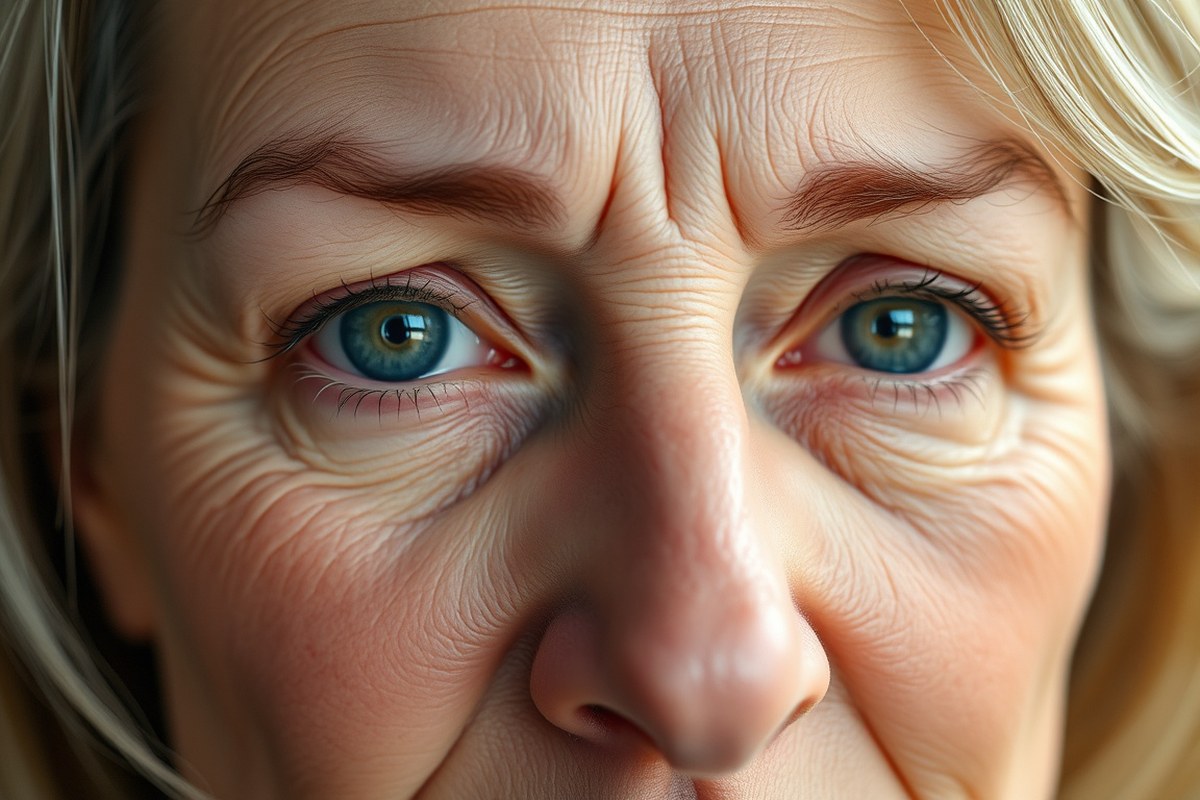
Lines under the eyes form mainly because of the natural aging process, which breaks down collagen and elastin, the proteins that keep skin firm and elastic. The skin under your eyes is thinner than elsewhere on your face, making it especially vulnerable to these changes. As collagen weakens, the skin loses support and starts to sag or crease more easily. This thinning also means the under-eye area shows fine lines sooner than other facial parts.
These lines often begin appearing in your late 20s or early 30s but age and onset can vary widely. Genetics, lifestyle choices, and how much sun exposure you get influence when and how severe these lines become. People with fair skin or those who spend a lot of time outside without protection are more likely to see under-eye wrinkles earlier due to sun damage.
Sun exposure plays a significant role because UVA rays penetrate deep into the skin and break down collagen and elastin fibers. Over time, this causes the skin under your eyes to lose its smoothness and resilience, leading to wrinkles. Using sunscreen daily and wearing sunglasses can help reduce this damage. Without protection, you may notice fine lines forming in your 20s or 30s, sooner than you expect.
Facial expressions also contribute to under-eye lines. Repetitive movements like smiling, squinting, or blinking cause “dynamic wrinkles,” which appear with movement. Over the years, these dynamic wrinkles can become static wrinkles, meaning they stay visible even when your face is relaxed. For example, frequent squinting in bright light or smiling a lot can deepen lines around the eyes. Protecting your eyes from glare with sunglasses and managing expressions can slow this process but won’t stop it entirely.
Lifestyle factors such as smoking and environmental pollution accelerate wrinkle formation by increasing oxidative stress on skin cells. Smoking reduces collagen production and narrows blood vessels, which means less oxygen and nutrients reach your skin. Pollution can create free radicals that damage skin structure further, leading to premature wrinkles. Maintaining a healthy lifestyle with a balanced diet, no smoking, and minimizing pollution exposure can delay the appearance of under-eye lines.
The under-eye skin’s thinness means it naturally shows aging signs first and can react more strongly to these factors. With less natural oil and fewer oil glands, this area is prone to dryness, which makes fine lines more visible. Using gentle moisturizers specifically designed for the delicate eye area can help maintain skin hydration and elasticity. Keeping this skin hydrated supports its barrier function and may slow line formation.
Combining all these factors leads to the delicate and complex process that causes lines under your eyes. Aging thins the skin and breaks down supportive fibers. Sun exposure speeds this breakdown while facial expressions and lifestyle choices add to the stress that causes early lines. Understanding these causes lets you take targeted steps to protect and care for your skin.
How to Prevent Lines Under Your Eyes Early and Effectively

Preventing lines under your eyes starts with consistent daily care and healthy lifestyle habits. Early use of broad-spectrum sunscreen, proper hydration, gentle cleansing, good sleep, and a nutrient-rich diet all play roles in delaying the formation of these fine lines. Incorporating simple, targeted steps can maintain skin elasticity and reduce premature aging in this delicate area.
Importance of Daily Sunscreen Application
Applying a mineral-based sunscreen with at least SPF 30 every day is one of the most effective ways to prevent under-eye lines. The skin around your eyes is thinner and more sensitive, making it vulnerable to UV damage, which breaks down collagen and speeds wrinkle formation. Use formulas specifically designed for the eye area to avoid irritation and ensure safe, thorough coverage.
Choose a broad-spectrum sunscreen that protects against both UVA and UVB rays. Physical blockers like zinc oxide or titanium dioxide tend to be gentler and less likely to cause stinging. Avoid sunscreens with fragrances or harsh chemicals, which can irritate the delicate under-eye skin and lead to dryness and increased fine lines.
- Use sunscreen even on cloudy days or indoors near windows
- Apply sunscreen 15 minutes before sun exposure
- Reapply every two hours if outdoors
- Complement sunscreen with sunglasses and wide-brim hats
- Test a small area for sensitivity before daily use
Warning: Avoid rubbing sunscreen into the under-eye area; instead, gently pat it on to prevent stretching the skin.
Benefits of Maintaining Skin Hydration
Proper hydration helps keep the under-eye skin plump, minimizing the appearance of fine lines. Moisturizing daily supports the skin barrier, reducing dryness and crepiness that reveal wrinkles. Ingredients like hyaluronic acid attract and hold moisture, which can temporarily smooth the eye area.
Hydration starts internally by drinking plenty of water, about 8 cups a day for average adults, to support skin health from the inside out. Combine this with topical hydration by using gentle eye creams or serums rich in humectants and emollients. Consistent moisturizing can slow the natural decline of collagen and elastin caused by aging and environmental factors.
Techniques for Gentle Eye Area Cleansing
Cleaning the under-eye area carefully prevents irritation and moisture loss that can accelerate line formation. Use mild, fragrance-free cleansers formulated for sensitive skin. Avoid rubbing or tugging motions; instead, gently swipe or pat with a damp cotton pad or your ring finger to minimize pressure.
Daily cleansing twice a day helps remove makeup, sunscreen, and pollutants that clog pores and stress the skin. Follow with an eye cream or serum to restore moisture immediately after cleaning.
- Use lukewarm, not hot, water to prevent dehydration
- Choose sulfate-free, hypoallergenic cleansers
- Apply cleanser with minimal friction, pat dry
- Avoid harsh exfoliants or scrubbing near the eyes
- Remove makeup gently using micellar water or cleansing oils
Role of Quality Sleep in Skin Health
Getting enough high-quality sleep supports skin repair and regeneration, which helps prevent under-eye lines from developing or worsening. Sleep deprivation disrupts collagen production and increases inflammation, which can cause puffiness and sagging. Aim for 7 to 8 hours of uninterrupted sleep per night.
Maintain a sleep routine that includes sleeping on your back to reduce skin compression and avoid pushing face wrinkles into your pillow. Keeping your bedroom cool and dark supports deeper sleep phases important to cell repair. Incorporating relaxation habits before bed can improve sleep quality, indirectly benefiting skin elasticity and tone.
Tip: improve your head slightly during sleep to reduce fluid build-up and morning puffiness under your eyes.
Dietary Nutrients Supporting Skin Elasticity
Eating a nutrient-rich diet supplies your skin with vitamins and antioxidants that protect and repair under-eye skin. Vitamins A, C, and E, omega-3 fatty acids, and antioxidants help maintain collagen levels and reduce damage from free radicals. Include a variety of colorful fruits, vegetables, nuts, and fatty fish in your meals to obtain these nutrients.
Limiting processed foods, sugar, and excessive alcohol intake reduces inflammation and skin dehydration, both contributors to early wrinkle formation. Staying well hydrated by drinking water and consuming hydrating foods like cucumbers and watermelon improve skin texture and resilience over time.
- Vitamin C-rich foods: oranges, strawberries, bell peppers
- Omega-3 sources: salmon, flaxseeds, walnuts
- Vitamin E: almonds, sunflower seeds, spinach
- Vitamin A: sweet potatoes, carrots, kale
- Antioxidants: green tea, blueberries, dark chocolate (in moderation)
Choosing and Using the Best Eye Creams for Under-Eye Lines
Choosing eye creams with the right ingredients can visibly reduce lines under the eyes by hydrating, boosting collagen, and protecting delicate skin. Using these creams correctly and consistently improve results and prevents irritation.
Top Active Ingredients Explained
Choose an eye cream containing retinol, hyaluronic acid, peptides, and vitamin C. Retinol aids in cell renewal and lessens deep wrinkles but should be applied only 2 to 3 times per week to avoid dryness. Hyaluronic acid draws moisture to the skin, hydrating and filling in fine lines. Peptides help build skin strength and encourage collagen production, which reduces wrinkles caused by facial expressions. Vitamin C protects against environmental harm as an antioxidant and brightens dark under-eye circles.
Products that combine these ingredients work best when targeted for your skin type and concerns. For example, hyaluronic acid suits all ages with fine lines and dehydration, while retinol is ideal for moderate to deep wrinkles and is recommended for users aged 30 and above.
Safe Application Tips for Sensitive Skin
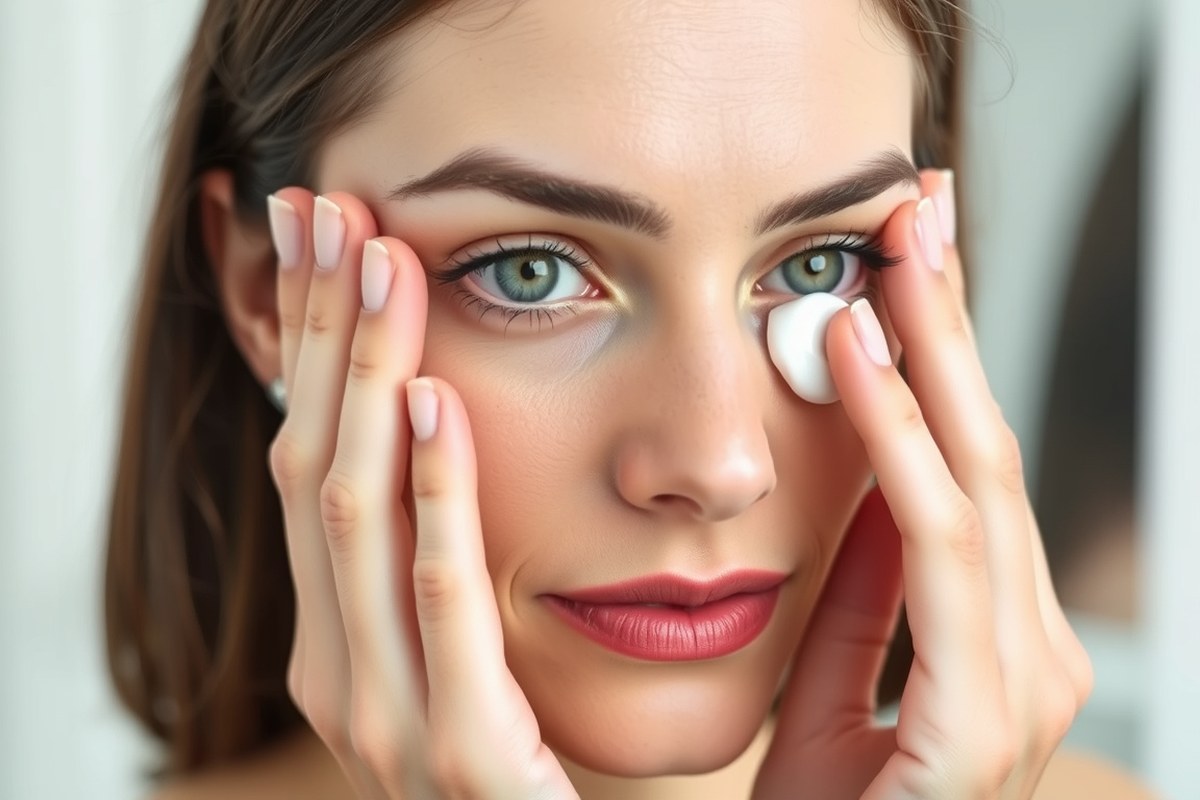
Eye skin is thin and delicate, so avoid tugging or pulling motions during application, which can worsen lines. Apply creams with your ring finger, using gentle tapping or light upward pressing. Overusing retinol or applying it too close to your eyes can cause irritation and dryness, potentially making lines worse. Limit retinol-based eye product use to evenings, 2 to 3 times weekly, to build tolerance. Follow with a hydrating ingredient like glycerin or ceramides to soothe skin and balance moisture.
Watch for signs of irritation such as redness, swelling, or increased dryness. These indicate you should reduce frequency or try a gentler product. Consistent gentle use without irritation typically shows skin plumping and smoother texture within 4 to 6 weeks.
Recommended Morning and Evening Routines
Apply eye treatments twice daily for best results: once in the morning and once before bed. Use hydrating serums in the morning to plump and refresh, paired with sunscreen to protect sensitive skin. Evening is ideal for retinol and peptides when skin repairs itself. Follow these steps for an effective routine:
- Cleanse your face with a gentle, hydrating cleanser suitable for your skin type.
- In the morning, apply a lightweight eye serum containing hyaluronic acid and vitamin C, gently pressing in with your ring finger.
- Follow with a moisturizer and broad-spectrum sunscreen to protect against UV damage.
- In the evening, remove makeup thoroughly before cleansing your face.
- Apply a retinol-based or peptide-rich eye cream 2 to 3 nights a week on damp skin for better absorption.
- On other nights, use a nourishing eye cream with hydrating ingredients like ceramides or peptides.
- Always use a small pea-sized amount to avoid product buildup and reduce risk of irritation.
Natural and DIY Remedies That Help Reduce Fine Lines
Using natural treatments and gentle care at home consistently can improve fine lines under your eyes. Staying well-hydrated is essential because it keeps your skin full and reduces wrinkles. Cooling simple items like cucumber slices or green tea bags can act as compresses that decrease puffiness and increase blood flow around the eyes, helping soften fine lines over time.
Facial exercises and massage may improve blood flow and muscle tone, but they won’t erase wrinkles completely. Gently tapping or massaging the under-eye skin for a few minutes daily can promote lymphatic drainage and ease tension, which helps skin look smoother. Avoid harsh rubbing, as the skin under the eyes is thin and delicate, making it prone to damage that actually worsens lines.
Exfoliation removes dead skin cells and encourages skin renewal, but it must be done gently to prevent irritation. Use a mild chemical exfoliant with ingredients like lactic acid once or twice a week rather than abrasive scrubs. Over-exfoliating can thin your skin further and increase sensitivity, which is counterproductive when treating fine lines.
- Apply a cold cucumber slice or cooled green tea bag over your eyes for 10 minutes daily to reduce puffiness.
- Moisturize with a gentle, hydrating cream containing antioxidants or Coenzyme Q10 every morning and night.
- Gently tap under-eye skin with your ring finger during skincare application to stimulate circulation without stretching.
- Perform light eye-area massages for 2-3 minutes daily, moving outward from the nose to temples.
- Use a mild lactic acid-based exfoliant once or twice per week in the evening, avoiding sensitive or broken skin.
Results from natural treatments usually become noticeable after about 4 to 6 weeks of regular use. They tend to be subtle and gradual compared to clinical procedures. Average daily time investment is 5 to 10 minutes for massages and cold compresses, plus a couple of minutes for morning and evening moisturizing. Costs range from a few dollars for cucumber or tea bags to $15, $30 for quality serums or creams containing CoQ10.
Taking care to hydrate and nourish your skin gently reduces fine lines but won’t completely erase deeper wrinkles. Avoid using harsh DIY methods like lemon juice or baking soda on your delicate under-eye skin, as these can cause irritation and damage. Stick to gentle care routines with proven natural ingredients and consult a dermatologist if you seek more significant changes.
When to Consider Professional Treatments for Under-Eye Lines
Professional treatments for under-eye lines become worth considering when home care and over-the-counter solutions don’t deliver the improvement you want or if your wrinkles go beyond fine lines. Cosmetic procedures like Botox, dermal fillers, chemical peels, and laser resurfacing target deeper wrinkles and loss of skin elasticity more effectively than any topical cream or natural remedy. These treatments often require a consultation with a dermatologist or plastic surgeon to assess your skin type, wrinkle severity, and overall health to customize the best approach for you.
Deciding between home remedies and professional treatments depends largely on three main factors: neckline severity, age, and skin sensitivity. Fine lines typically respond well to daily moisturizing, eye creams with ingredients like retinol or vitamin C, and lifestyle improvements, adequate sleep, hydration, and sun protection. However, if your wrinkles are pronounced, with visible folds or hollowness under the eyes appearing by your late 30s or beyond, professional care can offer faster, more noticeable results. Consider seeing a dermatologist or cosmetic surgeon if:
- Your under-eye lines are more than just surface wrinkles and show pronounced depth.
- You’ve consistently used quality eye creams and lifestyle habits for 3 to 6 months without visible improvement.
- Your under-eye skin is showing signs of sagging or hollowness that creams can’t fix.
- You experience persistent puffiness alongside wrinkles, requiring a tailored treatment.
- Your skin is sensitive or prone to irritation, making you cautious about which products or procedures to use.
Professional treatments typically cost between $300 and $1,500 per session depending on the method and your geographic location. Botox offers temporary wrinkle relaxation, usually lasting 3 to 4 months, while dermal fillers can plump hollow areas for up to a year. Laser resurfacing and chemical peels improve collagen production and skin texture, but recovery times and sensitivity vary.
Always have a skin specialist evaluate your under-eye area before committing to fillers or lasers to avoid unwanted side effects like increased puffiness or skin irritation.
Here’s a practical checklist to help you decide when to consult a professional:
- Rate your wrinkle depth: fine (surface lines), moderate (visible creases), or severe (deep folds).
- Note your age and skin changes: late 30s+ with signs of sagging usually benefit more from professional care.
- Evaluate your current skincare routine and its effectiveness over 3 to 6 months.
- Assess your skin’s sensitivity to potent ingredients or previous reactions.
- Consider your budget and willingness to undergo procedures with potential downtime.
- Set realistic goals about results and longevity of treatment effects.
Starting with home care for fine lines allows you to maintain skin health and delay invasive procedures. Persistent or worsening wrinkles, especially with structural changes, signal that professional options may provide better results tailored to your skin’s condition and your aging process.
Comparing Professional Treatments: Botox, Fillers, Peels, and Lasers
Injectable treatments like Botox and dermal fillers target under-eye lines with different approaches. Botox relaxes the muscles that cause dynamic wrinkles, smoothing fine lines for about 3 to 4 months. Fillers restore volume beneath the skin to reduce hollows and deeper wrinkles, with results lasting 6 to 12 months. Both require a licensed professional to minimize risks such as bruising, swelling, or uneven results. Costs typically range from $300 to $600 per syringe or treatment session, depending on the provider and location. The downtime is minimal, usually limited to a day or two for any mild swelling or redness to subside.
Chemical peels and laser resurfacing treatments work by removing damaged outer layers of skin and stimulating collagen production, improving texture and reducing fine lines. Peels involve applying a chemical solution that causes controlled skin peeling; downtime varies from none with mild peels to about one week with deeper peels. Laser resurfacing uses focused light energy, such as CO2 or YAG lasers, to promote skin tightening and collagen remodeling. People with moderate to deep wrinkles usually need ablative laser treatments, which may cause 7 to 10 days of redness and sensitivity but can show significant improvement after a single session. Costs for chemical peels range from $150 to $500, while laser resurfacing can cost between $1,000 and $3,000 depending on the laser type and treatment area. Here’s a comparison of injectables, peels, and laser resurfacing to help you weigh the benefits and limitations for treating under-eye lines:
| Treatment | How It Works | Typical Cost | Downtime | Duration of Results | Pros | Cons |
|---|---|---|---|---|---|---|
| Botox | Relaxes muscle contractions that cause wrinkles | $300-$600 per session | Minimal, 1-2 days mild swelling/redness | 3-4 months | Non-invasive, quick procedure, smooths dynamic lines | Temporary, requires repeat treatments, risk of bruising |
| Dermal Fillers | Restores volume to smooth hollow or deep wrinkles | $400-$700 per syringe | Minimal, 1-3 days swelling or bruising possible | 6-12 months | Effective for hollows and static wrinkles, immediate results | Temporary, possible lumpiness or bruising |
| Chemical Peels | Removes outer damaged skin layers, stimulates collagen | $150-$500 | Varies: none to one week for deeper peels | Several months | Improves texture and fine lines, minimal invasiveness | Requires careful skin protection after, risk of irritation |
| Laser Resurfacing | Uses light energy for skin tightening and collagen boost | $1,000-$3,000 | 7-10 days for ablative lasers | 1 year or longer | Highly effective for deeper wrinkles, improved skin tone | Longer downtime, risk of redness and sensitivity |
Combining treatments may provide improve overall results. For example, using fillers to restore volume and laser resurfacing to improve skin texture addresses both wrinkles and hollowness beneath the eyes. Your skin type, wrinkle depth, and lifestyle factors will influence which treatment or combination suits you best. Always consult a licensed dermatologist or cosmetic expert to discuss your goals, risks, and appropriate aftercare to protect your delicate under-eye skin during the healing process.
Correct Product Layering and Skincare Routines for Under-Eye Lines
Layering skincare products correctly around your eyes helps maximize their effectiveness while protecting the delicate skin. A gentle, consistent routine in both the morning and evening supports hydration, repairs damage, and reduces fine lines. Adjusting your routine based on season and skin sensitivity can prevent irritation and maintain healthy skin.
Step-by-Step Morning Routine
Starting your day with the right steps hydrates and shields the under-eye skin from environmental stressors like UV rays and pollution. Use light products that absorb quickly and apply them gently to avoid tugging on the fragile eye area.
- Cleanse your face using a mild, fragrance-free cleanser.
- Apply a hydrating toner if your skin feels dry, avoiding the eyelids.
- Use a small amount of antioxidant serum suited for sensitive skin to protect against free radicals.
- Gently pat a targeted eye cream under your eyes using your ring finger. Avoid rubbing.
- Apply a broad-spectrum sunscreen with at least SPF 30 around the eyes, making sure it’s formulated for sensitivity or labeled safe near eyes.
- Finish with moisturizers fitting your skin type, avoiding heavy creams that may cause puffiness.
Taking care not to pull at the skin and using sunscreens every morning guards against sun damage, which is a leading cause of premature wrinkles under the eyes. Using lightweight products in the morning prevents excess oiliness or irritation during the day.
Step-by-Step Evening Routine
Evening routines focus on repair and nourishment since skin renews itself while you sleep. Using richer and more active ingredients like retinoids or peptides requires caution but can provide visible improvements when applied properly.
- Remove makeup gently using a micellar water or oil designed for sensitive skin around the eyes.
- Cleanse your face with a gentle cleanser, removing any residual sunscreen or dirt.
- Apply an eye serum containing targeted ingredients for fine lines, such as peptides or hyaluronic acid. Use one or two small dots per eye to avoid overload.
- Pat a richer eye cream designed for nighttime use lightly under your eyes using your ring finger.
- Apply your regular night moisturizer or cream to the rest of your face, avoiding direct contact with the eye area unless it is safe for that use.
Consistency is key in the evening, especially with treatments like retinol. Start using such actives two to three times a week and increase frequency as tolerated. Applying thicker products at night allows for better absorption and nourishment.
Adjusting for Climate and Skin Sensitivity
During colder months, your under-eye skin may dry out faster, making it important to use creams with occlusive ingredients like ceramides or squalane to lock in moisture. In hot or humid weather, switch to lighter gels or fluids to avoid irritation or clogged pores. For sensitive skin, simplify your routine and avoid fragrances, alcohol, or harsh exfoliants around the eyes.
Monitor your skin’s response when introducing new products. Use a patch test and introduce one new item at a time. Scale back the number of products if you notice redness, itching, or dryness. Always apply products gently without pulling, pressing with your ring finger to minimize pressure on thin under-eye skin.
Common Mistakes and Myths About Treating Under-Eye Lines
Many people believe that aggressive scrubbing or heavy exfoliation can erase lines under the eyes quickly. Over-exfoliating this delicate skin often causes irritation, redness, and can actually worsen fine lines by breaking down the skin’s natural barrier. The skin under your eyes is thinner and more sensitive, so it needs very gentle chemical exfoliants like low-concentration lactic acid or polyhydroxy acids. Avoid physical scrubs that use harsh grains or abrasive materials.
Another common mistake is improper use of retinol. Retinol is effective for reducing fine lines and wrinkles, but it must be introduced slowly and used as directed. Applying too much too soon or using high concentrations can lead to dryness, peeling, and redness. Start with a pea-sized amount every other night, then gradually increase frequency as your skin builds tolerance. Avoid applying retinol too close to the lash line, and never combine it at the same time as strong acids or vitamin C to prevent irritation.
- Do not skip sunscreen, UV exposure accelerates under-eye wrinkles, so use a broad-spectrum SPF 30 or higher daily.
- Refrain from rubbing or tugging your under-eye skin when applying products or removing makeup.
- Look for products formulated specifically for the eye area with mild ingredients designed for sensitivity.
- Avoid layering too many active ingredients at once to minimize irritation risk.
- Use a cool eye mask to reduce puffiness without stressing the skin.
- Get adequate sleep, as lack of rest contributes to dark circles, puffiness, and fine lines.
Failing to wear sunscreen is one of the biggest reasons fine lines worsen over time. Even if you do not spend much time outdoors, UVA rays penetrate windows and clouds, slowly damaging skin under your eyes. Many people also aren’t aware when a product is causing irritation. Signs include persistent redness, burning, and flaky patches. If you notice these, cut back usage, simplify your routine, and choose gentler options. Sometimes less is more when targeting stubborn lines.
Use sunscreen every morning before applying any eye treatments to protect your skin and maximize anti-aging benefits.
Some believe they should immediately treat fine lines aggressively, but patience and gradual introduction of products avoid setbacks like irritation or dryness. Keep your eye skincare focused on consistent hydration, gentle exfoliation no more than twice a week, and retinol use adjusted to your skin’s tolerance. This approach will maintain skin health and minimize irritation, helping lines fade without causing damage.
Step-by-Step Action Plan to Reduce Lines Under Your Eyes
Start today by understanding your skin’s needs and building a simple, consistent routine that targets under-eye lines. Follow these steps in order to see visible improvement and protect against future wrinkles.
- Before You Start: Identify your skin type and current eye care habits. Knowing this helps you choose the right products and treatments that suit your under-eye skin.
- Day 1: Begin daily application of a broad-spectrum sunscreen around your eyes. Use at least SPF 30 every morning to prevent new wrinkles caused by UV damage; you’ll notice less redness and sun sensitivity.
- Week 1: Introduce an eye cream containing antioxidants and peptides into your morning and evening routine. Look for reduced dryness and fine lines over the next 2 to 3 weeks.
- Week 2: Add gentle facial massages or natural remedies like cold green tea bags for 5 minutes daily. This helps improve circulation and temporarily reduce puffiness or fine lines.
- After 4 Weeks: Assess your skin’s response to creams and home remedies. If lines remain deep or worsen, consider scheduling a consultation with a licensed dermatologist or cosmetic professional.
- Month 2: Explore professional treatments such as Botox, fillers, chemical peels, or laser therapy if your specialist recommends them. Expect gradual and noticeable smoothing of under-eye wrinkles after treatment and proper follow-up care.
- Ongoing: Maintain a consistent skincare routine with the right layering: cleanser, eye serum or treatment, moisturizer, and sunscreen. Avoid common mistakes like rubbing your eyes or skipping products.
Frequently Asked Questions
Can Lifestyle Changes Really Reduce Lines Under the Eyes?
Yes, adopting a healthy lifestyle with proper sleep, hydration, and a balanced diet helps reduce fine lines by supporting skin repair and elasticity. Avoid smoking and excessive sun exposure for better results.
Is Retinol Safe to Use Under the Eyes for Fine Lines?
Retinol can be safe if used carefully under the eyes, but it may cause irritation for sensitive skin. Start with a low concentration and apply it at night to minimize side effects.
How Long Does It Take to See Results from Eye Creams on Under-Eye Lines?
Results from eye creams typically take 4 to 8 weeks with consistent use. Regular application improves hydration and collagen production, which reduces the appearance of fine lines over time.
Can Facial Exercises Help Eliminate Lines Under the Eyes?
Facial exercises may improve muscle tone but have limited impact on reducing fine lines. Overdoing them might even stress delicate eye skin, so use caution and focus on gentle movements.
Do Dehydration and Lack of Sleep Worsen Under-Eye Lines?
Yes, dehydration and insufficient sleep make skin appear dull and improve fine lines. Proper hydration and 7 to 9 hours of restful sleep support skin health and reduce visible lines.
Are There Any Makeup Tips to Hide Fine Lines Under Eyes Effectively?
Using a lightweight, hydrating concealer with a small brush helps minimize visibility without settling into lines. Avoid thick or cakey products that highlight wrinkles further.
The Bottom Line
Getting rid of lines under your eyes takes consistent care and the right approach for your skin type and concerns. Start by incorporating a quality eye cream with proven ingredients like retinol or peptides into your nightly routine. This simple step today can gradually smooth fine lines and improve the skin’s texture over time.