
How to Get Rid of Eye Bags: 8 Effective Methods That Actually Work
To get rid of eye bags, using a combination of at-home treatments, lifestyle changes, and professional options works best. Quick solutions like cold compresses or reducing salt intake can help reduce puffiness, while medical procedures such as fillers or surgery may be needed for more persistent bags. Consistency with these methods often leads to noticeable improvement.
People in their 40s and 50s commonly seek to address under-eye bags as part of aging concerns. This article covers causes of eye bags, when to try home remedies versus medical help, effective treatments you can do yourself, cosmetic options, and how to maintain results based on your age, skin type, and gender.
Key Takeaways
- Use a cool compress for 10, 15 minutes and sleep with your head improve to reduce eye bag puffiness quickly at home.
- Apply Hydro Cool Firming Eye Gels for 10 minutes to hydrate and refresh tired under-eye skin effectively.
- Choose treatment methods based on age, skin type, and gender, since men’s thicker skin still develops under-eye bags.
- Persistent swelling over 48 hours requires a professional eye care evaluation to rule out serious issues.
- Eye bag surgery takes 45 minutes to two hours, is generally pain-free, but results last several months to 18 months.
- Maintain results with periodic treatments every 6 to 9 months, as procedures and fillers provide temporary improvement.
1. What Are Eye Bags and Why Do They Form?
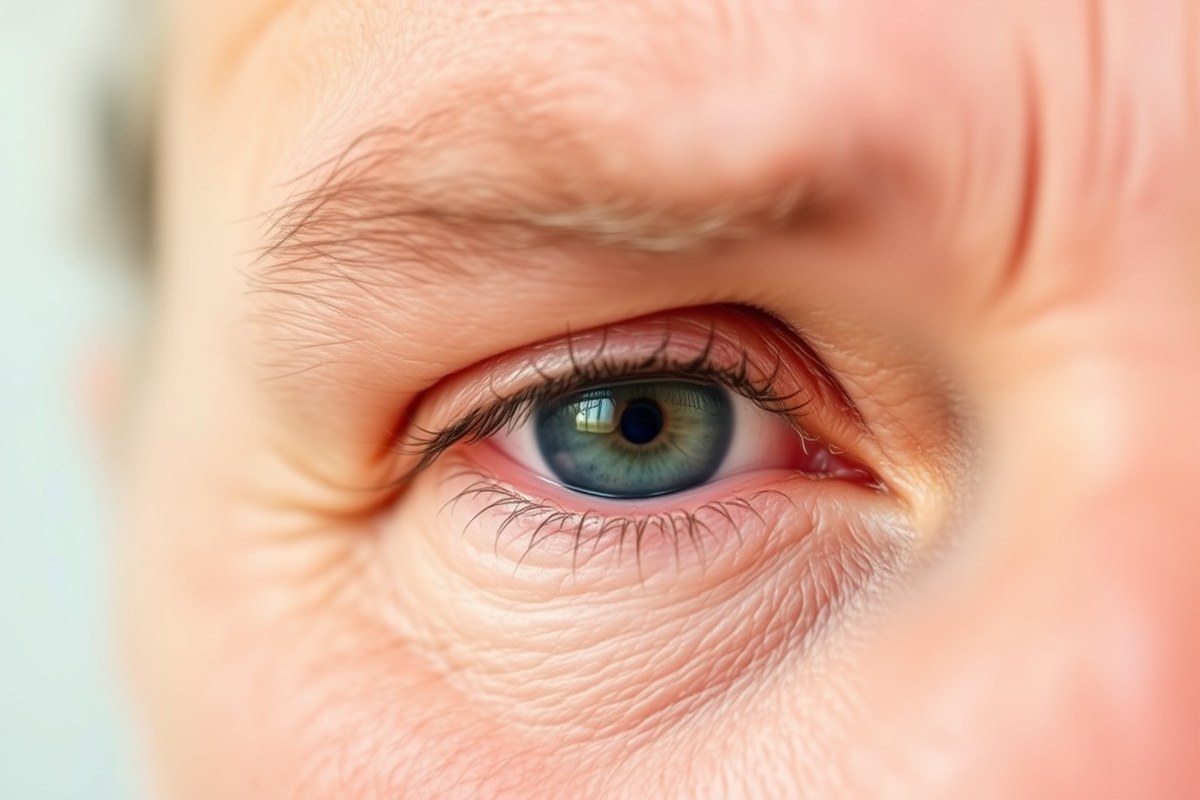
Eye bags are the visible swelling or puffiness directly beneath the lower eyelids. They form primarily due to fluid retention or the protrusion of fat in the under-eye area. This swelling is often related to aging, genetics, allergies, or lifestyle factors like consuming too much salt. As skin loses its elasticity with age, the fat that normally cushions the eyes can shift forward, creating a saggy or puffy appearance that lifestyle changes alone may not fully resolve.
Genetics play a key role in whether you develop eye bags. Some people inherit thinner skin or weaker connective tissue around their eyes, which makes puffiness or fat bulges more noticeable. Skin type affects how eye bags appear too, dry or sensitive skin can worsen puffiness and improve signs of aging, which is why keeping skin hydrated with creams designed for eye concerns helps maintain a firmer look. However, there is no clear evidence that vitamin deficiencies cause eye bags, so focusing on hydration and reducing swelling is more effective.
Eye bags are often confused with dark circles and general puffiness, yet these issues differ significantly and call for different treatments. Dark circles are darkened shadows under the eyes caused by increased pigmentation or thin skin revealing blood vessels. These appear as flat blue, purple, or brown discolorations. Puffiness is a temporary swelling that can occur from allergies, lack of sleep, or fluid buildup without skin changes. Eye bags specifically refer to the physical bulging or sagging caused by fat or fluid retention under the skin.
To determine whether you have eye bags, dark circles, or puffiness, look closely at the under-eye area. When you notice raised, swollen skin or protrusions mostly below your lower eyelids, those are eye bags. In contrast, if the area looks sunken with a dark tint but without swelling, you’re likely dealing with dark circles. Puffy eyes feel swollen and can fluctuate at different times of day or due to lifestyle factors like salt intake. Eye creams targeting each of these issues focus on distinct mechanisms: creams for eye bags aim at firming and reducing swelling, while those for dark circles emphasize brightening and improving skin tone.
Understanding these differences helps you choose the right approach. For example, creams with caffeine or ingredients that reduce fluid retention can reduce puffiness and bags. Brightening agents like vitamin C work better for dark circles caused by pigmentation. Aging-related bags often require products that boost skin strength and resilience to keep the delicate under-eye area looking youthful. Professional treatments become relevant when fat bulges or sagging are pronounced and do not respond well to at-home care or lifestyle adjustments.
2. When to Try Home Remedies Versus Seeking Professional Help
Eye bags often improve on their own with simple lifestyle changes like reducing salt intake, improving sleep, and managing allergies. These home remedies can decrease puffiness by reducing fluid retention and inflammation around the eyes. However, you should consider professional help if your puffiness persists for more than 48 hours, worsens, or is accompanied by other symptoms such as pain, sudden swelling elsewhere on your face, fatigue, or unexplained weight changes. Persistent or severe swelling could point to underlying health issues like allergies, sinus infections, or thyroid problems that require medical evaluation.
Here’s a practical way to decide your next steps: start with at-home treatments focused on hydration, salt control, and allergy management. When two to three weeks pass without improvement, or if the puffiness affects your vision or causes discomfort, schedule an appointment with a healthcare provider or dermatologist. They can assess whether medical treatment or cosmetic procedures are appropriate. For example, if allergies are the cause, antihistamines or nasal sprays might reduce swelling; if fat deposits under the eyes cause bags, dermatological procedures could offer longer-lasting results.
Many over-the-counter eye creams containing caffeine, retinol, or peptides help reduce puffiness by improving skin firmness and circulation and can be part of your daily routine, especially at night when skin absorption is better. Consistency is key, use these products daily for at least a month before judging effectiveness. However, these treatments work best when the bags are mild and related to skin laxity or fluid buildup rather than medical issues or severe fat accumulation.
Remember that allergies and sinus issues can worsen under-eye swelling because sinus congestion causes fluid buildup beneath the eyes. Managing allergy symptoms with appropriate medication, avoiding allergens, and using cold compresses can lessen this effect. Swelling that is new, severe, or painful calls for urgent care since conditions like eye infections or blood clots around the eye can lead to serious complications.
Use this mental checklist to guide your decision: Is your under-eye puffiness recent or long-standing? Does it improve with hydration, sleep, and salt reduction? Are there additional symptoms like pain, redness, or visual changes? A positive answer warrants professional evaluation. If the answer is no, maintain home care and skincare routines while monitoring the changes.
Any eye swelling lasting longer than two days or accompanied by pain or vision changes should prompt urgent medical attention to exclude serious conditions.
3. Effective At-Home Treatments to Reduce Eye Bags Quickly
You can reduce eye bags quickly at home using cold compresses, targeted skincare products, and simple hydration and sleep adjustments. These methods provide visible improvements within minutes to hours but usually offer temporary relief rather than long-term fixes. Using the right products and techniques consistently can keep under-eye puffiness under control throughout the day.
Cold Compresses and Cooling Masks
Putting something cold on your eyes causes blood vessels to tighten and lowers swelling, which helps reduce puffiness quickly. There’s no need for special tools; you can use everyday things like cold spoons kept in the fridge, slices of chilled cucumber, or a frozen veggie bag wrapped in a towel. Lay the cold item lightly over your closed eyes for around 10 to 15 minutes to see clear effects.
Commercial cooling eye masks and under-eye patches infused with hydrating ingredients offer similar benefits with added comfort and sometimes improve absorption of active compounds. Many users report that products like No7 Instant Results Eye Masks or Skyn ICELAND eye patches give an immediate refreshed and smoother look, making them ideal before applying makeup.
- Use cold compresses for 10, 15 minutes at a time as needed for puffiness
- Choose cooling eye masks with adhesive fit for targeted relief
- Keep cold compress tools clean to avoid eye irritation
- Apply compresses gently to avoid extra pressure on sensitive skin
- Avoid ice directly on skin; always use a barrier like cloth or paper towel
Repeat cold treatments twice daily if puffiness persists, especially in the morning and before any important events.
Topical Ingredients to Look For
Eye creams and serums containing caffeine are widely recommended for reducing under-eye puffiness. Caffeine acts as a vasoconstrictor, temporarily shrinking blood vessels and reducing swelling. Peptides are another key ingredient, helping to support skin firmness and elasticity around the eyes to minimize the appearance of bags.
Hyaluronic acid is essential for hydration, plumping skin to smooth fine lines and improve texture. Products combining these ingredients, like No7’s formula with .05% pure retinol, peptides, and soothing components such as shea butter, can start showing effects within days of regular use.
- Caffeine to temporarily reduce puffiness
- Peptides to strengthen under-eye skin
- Hyaluronic acid for lasting hydration
- Retinol to improve skin texture and support turnover
- Soothing agents like shea butter or bisabolol to calm sensitive skin
Apply these products gently with your ring finger, tapping lightly to avoid pulling the delicate skin. Use morning and night for best results, but watch for irritation when introducing retinol-based creams.
Sleep and Hydration Tips for Immediate Relief
Sleep quality and hydration levels directly affect the severity of under-eye bags. Elevating your head slightly while sleeping can help prevent fluid buildup around the eyes that causes puffiness. Ensure you get 7 to 9 hours of sleep to allow your body to repair and reduce under-eye swelling naturally.
Drinking plenty of water flushes excess salt from your system, which otherwise contributes to fluid retention and puffiness. Limiting salt intake can complement hydration efforts, making a visible difference within a day or two. Keep a water bottle handy and sip regularly, especially if you eat salty meals or spend time in dry environments.
- Sleep with head improve to reduce fluid accumulation
- Get 7 to 9 hours of restful sleep nightly
- Drink at least 64 ounces (about 2 liters) of water daily
- Limit salty foods to prevent water retention
- Avoid alcohol and caffeine in the evening as they dehydrate
Combining better sleep and hydration offers the quickest at-home method to minimize under-eye puffiness and keep eye bags less noticeable throughout the day.
4. How Lifestyle Changes Influence Eye Bags and Puffiness
Hydration and diet have a direct impact on the appearance of eye bags. Staying well hydrated helps prevent fluid retention around your eyes, which reduces puffiness. Aim for about 64 ounces (8 cups) of water daily, adjusting for your activity level and environment. Eating a diet low in salt is also key. Salt causes your body to retain water, especially overnight, which can worsen under-eye bags. Cutting back on sodium in processed foods and seasoning can decrease the puffiness you see in the mirror.
Sleep quality and quantity strongly affect eye bags. Try to get 7 to 9 hours of uninterrupted sleep each night. Poor sleep disrupts circulation and causes fluid to collect under the eyes. Raising your head with an extra pillow helps fluids drain and reduces swelling. Avoid sleeping on your stomach or sides, which can push fluids toward your eyes and make puffiness worse.
Certain habits influence under-eye bags. Wearing heavy or expired makeup can irritate sensitive eye skin and worsen bags. Remove all makeup before bed with a gentle cleanser. Avoid rubbing or tugging your eyes. Allergies can also add to puffiness, so managing allergy symptoms with medications or by reducing exposure to triggers may help.
Try this practical daily routine to fight eye bags: In the morning, begin with a splash of cool water on your face to constrict blood vessels. Apply a lightweight eye cream containing caffeine or peptides to stimulate circulation. Use gentle pats rather than rubbing motions. If you want quick refreshment, chilled eye patches or soaked cotton pads applied for 5 to 10 minutes can reduce puffiness before makeup. During the day, stay hydrated, avoid salty snacks, and limit caffeine and alcohol, which can dehydrate you.
At night, cleanse your face thoroughly but gently to remove impurities and makeup. Follow with a nourishing eye serum or cream that supports skin hydration and barrier repair. Using a silk pillowcase can decrease friction around the delicate eye area. Sleep with your head improve about 30 degrees to promote drainage. This routine takes 5 to 10 minutes but builds lasting improvements and prevents worsening eye bags. Costs for quality eye creams range from $15 to $60 depending on ingredients and brands, but consistent use over weeks typically produces visible benefits.
For some, lifestyle changes alone may not fully clear eye bags, especially if hereditary factors contribute. In those cases, combining good habits with topical treatments or medical options could be necessary. Otherwise, reducing salt intake, prioritizing restful sleep, staying hydrated, practicing gentle skincare, and adjusting sleeping position are simple steps that often lead to meaningful reductions in puffiness and help maintain a fresh, youthful eye appearance.
5. Medical and Cosmetic Procedures for Persistent Eye Bags
Medical and cosmetic procedures offer effective ways to reduce or eliminate persistent eye bags when home treatments fall short. Procedures like injectable fillers, blepharoplasty surgery, and laser treatments vary in cost, recovery time, risks, and how long their results last. Choosing the right option depends on your specific concerns and goals, as well as consultation with a qualified specialist.
Injectable Fillers: Overview and Results
Injectable fillers use dermal substances to gently lift the under-eye area and improve the appearance of dark circles and mild to moderate eye bags. These treatments are done in-office, typically taking about 35 minutes including numbing time, with minimal to no downtime. The effects usually last between 12 to 18 months, requiring repeat treatments to maintain results.
Fillers are a good option for those seeking a non-surgical, temporary solution. They work well for bags caused by volume loss, but do not address fat displacement or significant skin laxity. Side effects are generally mild but can include swelling, bruising, or unevenness. The cost is usually lower than surgery but needs to be balanced against the need for ongoing touch-ups.
Blepharoplasty Surgery: Techniques and Recovery
Blepharoplasty, or lower eyelid surgery, is a more invasive procedure that removes or repositions fat, tightens skin, and corrects structural issues that cause persistent eye bags. This option delivers the most complete and long-lasting results, often lasting 5 to 7 years or more, sometimes permanently.
The surgery is elective and requires consultation with a board-certified oculoplastic surgeon. Recovery can take several weeks, during which bruising and swelling are common. Risks include infection, scarring, and changes in eyelid shape or function. Its higher cost reflects the complexity and permanence of the treatment.
Laser and Other Non-Surgical Options
Laser treatments improve under-eye skin texture and circulation, reducing puffiness with minimal downtime. They stimulate collagen production to tighten skin and smooth wrinkles without cutting or injections. While effective, laser results are more subtle and require multiple sessions to achieve noticeable improvement.
Compared to fillers and surgery, lasers carry fewer risks but deliver less dramatic changes. They are often combined with other treatments for improving overall results, especially for mild to moderate eye bags largely caused by skin laxity. The table below summarizes key factors of the most common professional treatments for eye bags:
| Treatment | Cost Range | Recovery Time | Risks | Duration of Effect |
|---|---|---|---|---|
| Injectable Fillers | $600 – $1,500 per session | Minimal; 1-3 days of mild swelling | Swelling, bruising, unevenness | 12 to 18 months |
| Blepharoplasty Surgery | $3,000 – $7,000 | 2 to 4 weeks | Infection, scarring, eyelid changes | 5 to 7 years or longer |
| Laser Treatments | $500 – $2,000 per session | Few days to 1 week | Redness, mild swelling, temporary irritation | Varies; multiple sessions needed |
Selecting the right treatment involves weighing your tolerance for recovery time against desired results and budget. Surgery offers permanence but requires careful consideration, while fillers and lasers provide safer, less expensive but temporary improvements.
Always consult a board-certified specialist before starting any medical or cosmetic procedure to ensure your safety and realistic expectations.
6. Tailoring Treatment by Age, Skin Type, and Gender Differences
Age seriously changes how eye bags form and how to treat them. Younger skin has more collagen and elasticity, so puffiness under the eyes tends to be temporary and responds well to hydration and cooling treatments like chilled eye masks or cucumber slices. As you get older, collagen levels drop and skin sags more, creating permanent eye bags. Treatments that promote collagen production, such as retinol creams or peptides, can help improve firmness over time, but visible results usually take several weeks to months. For people over 40, options like dermal fillers or cosmetic surgery become more effective at correcting sagging skin and adding volume.
Skin type also guides treatment choices. Sensitive skin under your eyes requires gentle products free from fragrances or alcohol to avoid irritation that can worsen puffiness and redness. Using hypoallergenic moisturizers with ingredients like ceramides helps protect the delicate skin barrier. When your skin tends to dry out, consistent moisturizing can reduce dehydration lines that make eye bags stand out. Those with oily skin might focus more on drainage techniques like gentle lymphatic massage to minimize fluid retention.
Genetics often plays a big role in how noticeable eye bags become. Some people inherit prominent fat pads or loose skin that form permanent under-eye bulges. In these cases, topical products might offer limited results. Medical treatments like blepharoplasty, which can be done under local anesthesia in about 45 minutes to two hours, remove excess fat and tighten skin for long-term correction. Facial fillers can smooth the appearance by filling tear trough depressions but usually need repeat sessions every six to twelve months and cost anywhere from $600 to $1500 per treatment.
Men’s eye bags can look different because their skin is about 25% thicker and has more collagen, but this doesn’t prevent sagging or puffiness. Men may also have deeper tear troughs, which can cast shadows and make bags more noticeable. Treatment for men can include the same options as women but often requires stronger formulas or techniques to penetrate thicker skin. Men might prefer less visible treatments like laser therapy or fillers over surgery. Using sunscreen daily is critical for all skin types and genders, as sun damage accelerates collagen breakdown and worsens sagging.
To sum up, adapting your approach based on age, skin type, and genetics leads to better outcomes. Younger individuals with sensitive skin should prioritize hydration and gentle prevention. Older adults or those with hereditary bags benefit more from collagen-boosting ingredients and professional procedures. Men’s thicker skin means slightly different product formulations and treatment methods may be necessary. Tailoring your strategy can reduce trial and error, save money, and help you manage the specific causes behind your under-eye bags.
7. Common Mistakes When Trying to Get Rid of Eye Bags and How to Fix Them
Using harsh skincare products around your eyes is a frequent mistake that can worsen bags rather than improve them. The skin here is very delicate, so strong exfoliants, abrasive scrubs, or alcohol-based toners can cause irritation and inflammation. Choose gentle, hydrating formulas with ingredients like caffeine, which can constrict blood vessels to reduce puffiness. Apply them with a light tapping motion, rubbing or pulling stretches skin and may lead to sagging over time.
Sleeping habits significantly affect eye bags. Sleeping flat on your back or stomach can cause fluid to collect under your eyes overnight. Improve your head on a firm pillow about 4 to 6 inches high to encourage drainage and reduce morning puffiness. Avoid sleeping with your face pressed into the pillow, which increases friction and swelling.
Ignoring allergies is another common trap. Allergens trigger inflammation and fluid buildup around the eyes, making bags worse. Identifying and minimizing exposure to allergens like dust mites, pet dander, or pollen can help. Over-the-counter antihistamines or allergy eye drops may be useful, but consult a healthcare provider before use.
- Avoid harsh eye products; use caffeine-based serums with a gentle tapping motion.
- Apply a cold compress for 10, 15 minutes to reduce swelling quickly.
- Sleep with your head slightly improve on a firm pillow to aid fluid drainage.
- Watch for allergy triggers and use appropriate allergy treatments as advised.
- Refrain from sleeping with your face pressed into the pillow to prevent puffiness.
- Use lightweight makeup, avoiding heavy concealers that can cake and exaggerate bags.
- Perform a gentle under-eye massage for 1 to 2 minutes to encourage lymphatic drainage.
Makeup can worsen the appearance of eye bags if it’s overly thick or applied with heavy pressure. Use minimal makeup and blend lightly with a brush or your ring finger to avoid tugging on the skin. Some makeup products are formulated to temporarily tighten skin or contain light-reflecting particles that diminish shadows. However, these effects are temporary and should be part of a broader care routine.
8. Maintaining Results and Preventing Eye Bags from Returning
To keep eye bags from returning, adopt a consistent care routine addressing skincare, lifestyle, and any triggers like allergies. Maintaining your results takes daily effort through hydration, sun protection, gentle skin care, and managing environmental factors. Follow-up visits with your provider help catch any early signs of recurrence and adjust treatments if needed.
Daily Skincare and Hydration Habits
Start each day by applying a broad-spectrum sunscreen of at least SPF 30, specifically around the delicate eye area, as UV exposure breaks down collagen and worsens puffiness. Use a moisturizer with ingredients such as hyaluronic acid to keep the skin hydrated without clogging pores. Hydration inside the body is equally important; drink at least 8 cups (64 ounces) of water daily, as dehydration can make under-eye bags more noticeable.
Incorporate gentle “lymphatic drainage” massage around your eyes for 1 to 2 minutes every morning and evening. This encourages fluid circulation and reduces retention under the eyes. Avoid massaging too hard to prevent skin stretching. Removing makeup carefully with a mild cleanser each night prevents irritation and inflammation that can worsen puffiness.
Monitoring Allergies and Environmental Factors
Seasonal allergies often cause under-eye puffiness by triggering fluid buildup and irritation. Identify specific allergens through testing and limit exposure by using air purifiers and keeping windows closed during high pollen days. Over-the-counter antihistamines or allergy eye drops might reduce symptoms under medical advice.
Environmental triggers like cold weather or dry indoor heating can also increase puffiness. Use a humidifier when heating your home in winter to maintain moisture in the air. Protect your eyes from cold winds with sunglasses or a scarf. Adjust your skincare routine seasonally, swapping to richer creams in dry months and lighter gels when humidity rises to maintain balanced moisture levels.
Skipping allergy management can cause persistent eye bags even after expensive treatments.
Scheduling Professional Follow-Ups
After professional procedures such as fillers, laser treatments, or blepharoplasty, schedule follow-up visits according to your provider’s recommendations, usually within a month to assess results and every 6 to 12 months for maintenance. This helps identify any early signs of fluid buildup or skin changes. Adjust treatments promptly to avoid worsening eye bags.
Regular skin evaluations also help detect new concerns such as thinning skin or pigmentation changes that can impact the under-eye area. For those prone to allergies or chronic puffiness, more frequent check-ins may be necessary until symptoms stabilize. Staying in touch with your dermatologist or cosmetic specialist supports long-term outcomes and lets you adapt your routine as your skin ages.
Step-by-Step Action Plan to Reduce Eye Bags
Follow these practical steps to understand, treat, and manage eye bags effectively. Adjust based on your results and when professional care is needed.
- Before You Start: Identify your eye bags’ cause by noting recent sleep patterns, allergies, diet, and any family history. This helps target the right interventions.
- Day 1: Begin simple at-home treatments like applying cold compresses or chilled cucumber slices for 10 minutes to reduce puffiness. Improvement means less swelling or cooler skin sensation.
- Week 1: Incorporate lifestyle changes: get 7-9 hours of sleep, reduce salt intake, stay hydrated, and avoid rubbing your eyes. Consistent daily improvement shows fewer flare-ups and less fluid retention.
- After 2 Weeks: Add skin care products with caffeine or hyaluronic acid around your eyes. Check for smoother, firmer skin and less shadowing under your eyes as signs of effectiveness.
- After 1 Month: Reassess. If eye bags persist despite home care, schedule a consultation with a dermatologist or cosmetic professional to explore medical treatments like fillers or laser therapy.
- Following Professional Treatment: Follow all post-care instructions carefully, including sun protection and gentle skin care. Maintenance is successful when puffiness stays controlled and skin texture improves.
- Ongoing: Maintain healthy sleep, diet, and skincare habits. Regularly monitor changes, seeking medical advice if eye bags worsen or new symptoms appear.
Frequently Asked Questions
Do Eyebags Go Away?
Eye bags can reduce with proper care but might not disappear completely if caused by aging or genetics. Consistency in treatments and lifestyle changes improves results over time.
What Is the Main Cause of Eye Bags?
The main cause is typically fluid retention, fat deposits, or skin changes around the eyes, often linked to aging, allergies, or lack of sleep. Managing these can help reduce puffiness.
Why Do I Have Eye Bags At 13?
Eye bags at 13 usually result from genetics, allergies, or lack of sleep, not aging. Pediatric allergies and hydration habits can influence puffiness in teens.
Can Vaseline Remove Eye Bags?
Vaseline won’t remove eye bags but may moisturize and protect delicate skin around the eyes. It does not reduce puffiness or fat deposits causing eye bags.
What Creams Work Best to Reduce Eye Bags?
Creams with caffeine, retinol, or peptides can help tighten skin and reduce puffiness temporarily. Use products consistently for visible improvement.
Are Cold Compresses Effective for Eye Bags?
Cold compresses can reduce swelling quickly by constricting blood vessels. Use them for short periods to ease puffiness but won’t eliminate permanent bags.
Wrapping Up
Reducing eye bags requires consistent care and the right approach for your skin and needs. Start today by adjusting your sleep habits, aim for at least seven hours per night and keep your head improve to prevent fluid buildup. This simple step can help you see noticeable improvements and set the foundation for long-term results.





2 Comments