

How to Get Rid of Canker Sores Quickly: 8 Proven Remedies and Prevention Tips
To get rid of canker sores quickly, use gentle treatments that help dry out the ulcers and reduce pain. Natural remedies like saltwater rinses, over-the-counter gels, and avoiding irritating foods can speed healing. Since canker sores usually heal on their own within 7 to 10 days, these methods focus on comfort and prevention.
This information is for anyone dealing with painful mouth ulcers who wants fast relief and ways to prevent future outbreaks. You’ll learn causes, effective home remedies with safe usage tips, common mistakes to avoid, and when to see a doctor for more serious cases.
Key Takeaways
- Use a 20% benzocaine gel for quick pain relief from canker sores, applying it directly on the sore as needed.
- Avoid trigger foods like citrus, spicy, and acidic items that can worsen canker sores and delay healing.
- Apply honey or frankincense resin extract four times daily as safe home remedies proven in trials to reduce canker sore symptoms.
- Stop self-treatment and see a doctor if canker sores do not heal within two weeks or if they are unusually large and painful.
- Regular canker sores typically heal within 7 to 14 days, while complex sores may take up to 6 weeks and require medical care.
- Avoid toothpaste with sodium lauryl sulfate and practice gentle oral hygiene to prevent irritation that worsens canker sores.
1. How to Get Rid of Canker Sores Fast and Safely
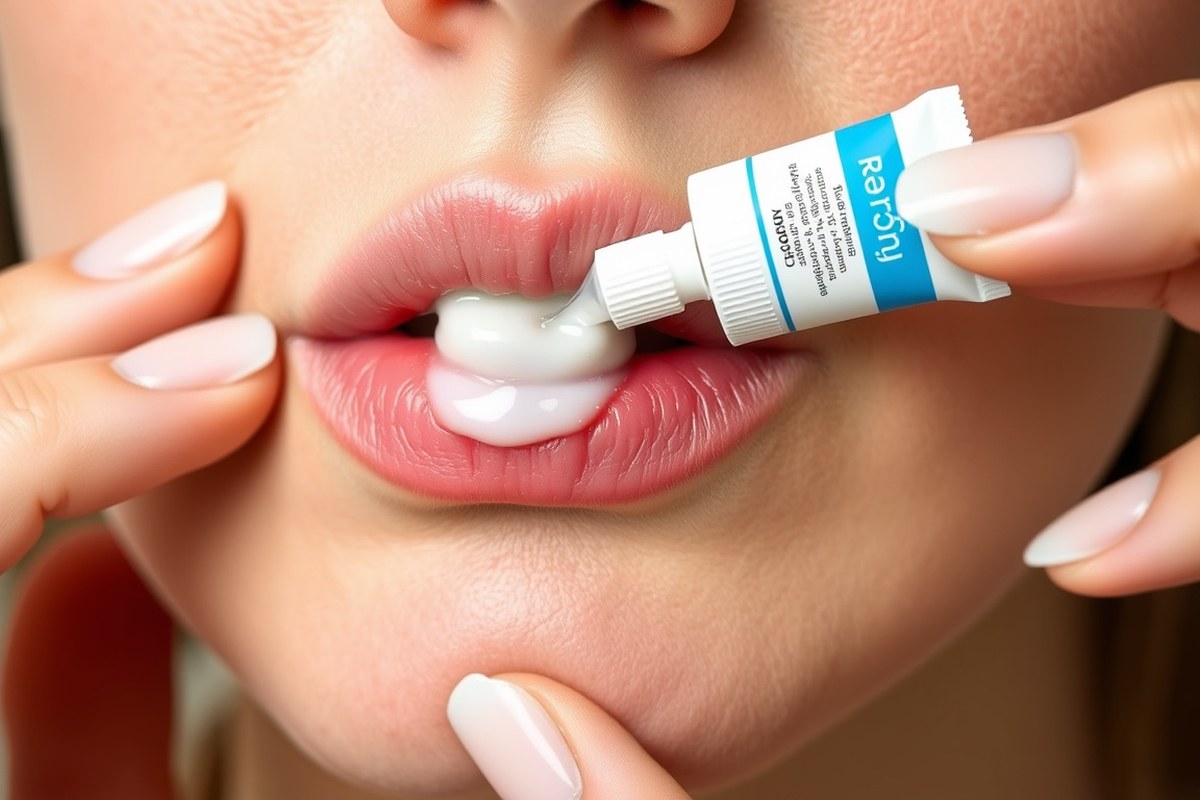
Getting rid of a canker sore fast and safely involves a routine that combines gentle care, home remedies, and over-the-counter options. While it’s unlikely any treatment will make the sore vanish within 24 hours, following a consistent daily checklist can reduce pain quickly and support healing within a week to ten days. The goal is to soothe irritation, control bacteria, and avoid actions that worsen the sore. Use this step-by-step checklist to manage your canker sore effectively:
- Rinse your mouth with a mild hydrogen peroxide solution twice daily. Dilute 3% hydrogen peroxide with equal parts water and swish gently for 30 seconds before spitting out. This reduces bacterial growth and helps speed healing without irritating the sore. Avoid swallowing the rinse.
- Apply a small dab of 20% benzocaine gel to the sore up to four times per day. Benzocaine is an OTC numbing agent that provides quick pain relief, making eating and speaking more comfortable. Use it sparingly to avoid irritation.
- Use milk of magnesia on the sore three to four times daily. Dab a small amount directly onto the sore to neutralize mouth acid and create a protective coating. This method reduces pain and promotes healing. Allow it to sit for a few minutes before swallowing or drinking.
- Take a vitamin B12 supplement of 1,000 micrograms daily if recommended by your healthcare provider. Vitamin B12 has been shown to reduce the number and severity of canker sore outbreaks in some people. Follow label directions and consult a professional to ensure it’s right for you.
- Practice gentle oral hygiene. Brush teeth with a soft-bristled toothbrush twice a day and floss carefully to avoid irritating the sore. Use a non-irritant toothpaste, ideally free of sodium lauryl sulfate (SLS), which can worsen sores.
- Avoid spicy, acidic, or rough-textured foods. Choose soft, bland foods like yogurt, oatmeal, or mashed potatoes to prevent pain and additional tissue injury while the sore heals.
- Rinse with cool water or suck on ice chips to help soothe discomfort as needed. This can be done multiple times a day for immediate relief.
These steps can be repeated safely multiple times daily, but avoid overusing treatments like hydrogen peroxide or benzocaine gel to prevent irritation. Most canker sores will heal in one to two weeks with this care. Quick pain reduction often happens within the first day or two, but complete clearance of the sore takes longer. If the sore does not improve after two weeks or becomes unusually large or painful, see a healthcare professional for further evaluation.
2. Common Causes and Types of Canker Sores
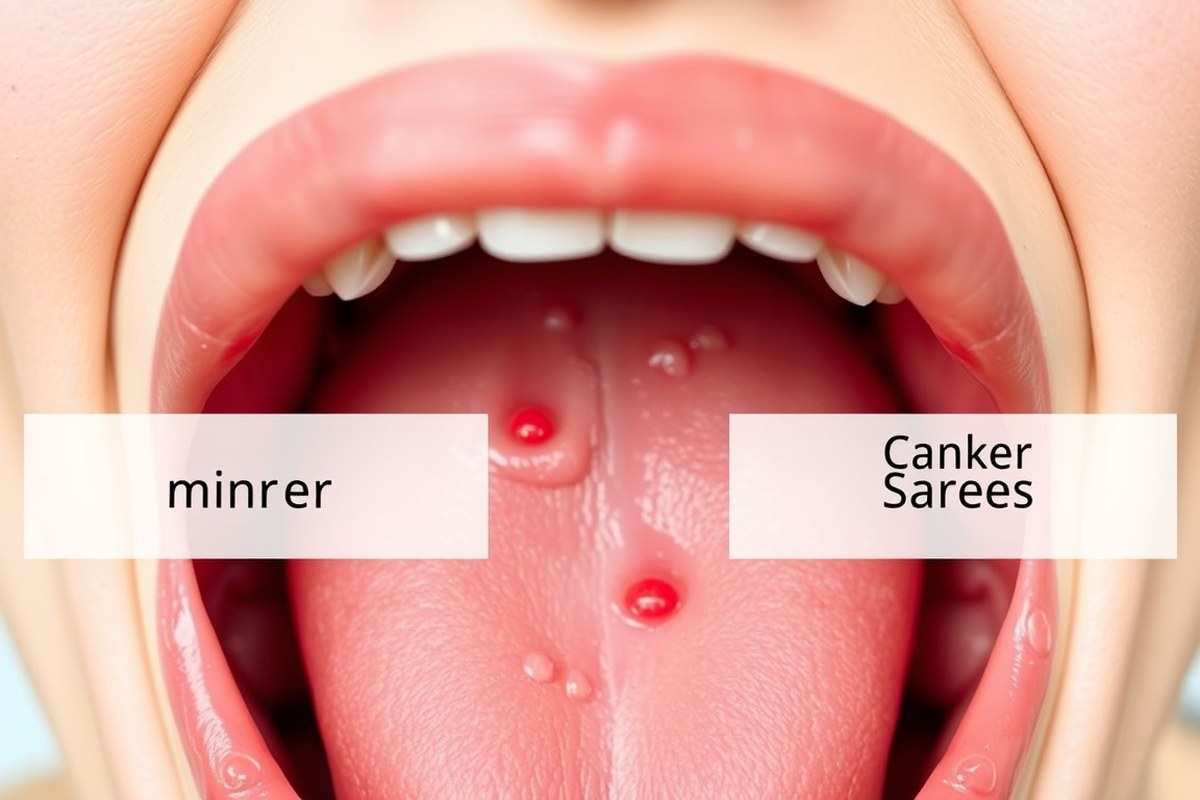
Canker sores are small, painful ulcers that appear inside the mouth, often triggered by an immune response or irritation. Unlike cold sores, they are not contagious and do not stem from a virus. Understanding what causes these sores and how to recognize different types helps you manage them effectively and know when to seek further care.
Definition and Typical Symptoms
Canker sores, also called aphthous ulcers, form on the soft tissues inside your mouth, such as the inner lips, cheeks, or under the tongue. They look like round or oval ulcers with a gray-white or yellowish floor surrounded by a red border. You’ll notice sharp pain that can make eating, drinking, or talking uncomfortable. These sores are not contagious, which sets them apart from cold sores caused by herpes simplex virus type 1, which typically form on or around the lips.
Symptoms usually start as a tingling or burning sensation before the sore appears. Pain often peaks within the first few days and gradually subsides as the sore heals. Most canker sores heal on their own within two weeks without scarring.
Primary Triggers and Risk Factors
The exact cause of canker sores is unknown but several triggers can provoke them. Nutritional deficiencies, especially in iron, vitamin B12, and folate, are linked to frequent outbreaks. A simple blood test can check for these deficiencies if you get sores more than a few times per year. Stress has been shown to increase the chance of developing new sores, nearly tripling the odds during stressful life events in some studies. Poor sleep quality also raises the risk, likely by weakening your body’s ability to manage inflammation.
Other common triggers include physical trauma, such as accidentally biting your cheek or wearing braces, and consuming acidic foods like tomatoes, citrus fruits, or pineapple. Hormonal changes, such as those occurring during menstruation, can also set off canker sores. Tracking your exposure to these factors can help you identify personal triggers and reduce future outbreaks.
Characteristics of Minor Sores
Minor canker sores are the most frequent type, making up more than 85% of cases. They usually appear as one to five small ulcers, each less than 10 mm across. These sores tend to be round or oval with a shallow depth and heal completely within 4 to 14 days without leaving scars. Minor sores are common in teenagers and young adults, who typically experience three to four episodes per year.
The pain from minor sores usually lasts 3 to 5 days, peaking early then slowly diminishing. Good oral hygiene and avoiding irritating foods can help speed healing and reduce discomfort. Minor sores usually clear up by themselves without the need for medical treatment, although over-the-counter gels can provide relief.
Features of Major Canker Sores
Major canker sores are less common but more severe. These ulcers are deeper and larger than minor ones, often exceeding 10 mm in size. You might see one to ten of them, and the pain can be intense, interfering with normal eating and speaking. Unlike minor sores, major canker sores may take a month or longer to heal and can leave scars on the mouth lining due to tissue damage.
These sores require more careful management, sometimes including prescription treatments from a healthcare provider. Healing can be slow and the risk of recurrence is higher. Because major sores can resemble other conditions, it’s important to get a professional diagnosis if your ulcers last longer than four weeks or are unusually large and painful.
Differentiating Minor from Major Forms
The best way to distinguish minor from major canker sores is by their size, number, duration, and healing pattern. Minor sores are smaller (under 10 mm), typically heal within two weeks, and don’t leave scars. They cause moderate discomfort but rarely require medical intervention. Major sores are larger, heal more slowly (sometimes over six weeks), and often scar. They also cause more significant pain and may require seeing a doctor for proper treatment.
Tracking how many sores you get, their size, and healing time can help you decide if your condition is simple or complex. If your sores worsen or don’t improve as expected, seek professional advice to rule out infections or other oral diseases.
Keep a small diary of your sores, noting size, pain level, and possible triggers, to help you and your healthcare provider understand your condition better.
3. Effective Home Remedies: Usage, Frequency, and Safety
For fast relief from canker sores, applying soothing, natural substances like coconut oil, honey, and aloe vera can reduce pain and inflammation. Adding rinses such as saltwater and baking soda helps cleanse the mouth and speed healing without harsh chemicals. Using hydrogen peroxide and milk of magnesia properly can also ease discomfort safely when applied as directed.
How to Apply Coconut Oil, Honey, and Aloe Vera
Coconut oil, honey, and aloe vera have natural antibacterial and anti-inflammatory properties that soothe canker sores and promote faster healing. Coconut oil creates a protective barrier, honey reduces pain and inflammation, and aloe vera calms irritation while shrinking sores. Applying these substances several times daily is key for best results.
- Wash your hands thoroughly before touching the sore area.
- Use a clean cotton swab or your fingertip to pick up a small amount (about the size of a pea) of coconut oil, raw honey, or pure aloe vera gel.
- Apply a thin layer gently to cover the canker sore completely.
- Allow it to sit on the sore for at least 10 minutes before eating or rinsing your mouth.
- Repeat this process 3 to 4 times per day, especially after meals and before bedtime.
- For aloe vera, ensure you use gel designed for oral use or pure plant gel to avoid added chemicals.
- Do not swallow large amounts; ingesting small traces during application is typically safe.
- If irritation increases or an allergic reaction occurs, stop use immediately and consult a healthcare provider.
These natural remedies cost between a few dollars for a jar of coconut oil or honey and under $10 for aloe vera gel. They provide gentle relief without the side effects of some medications.
Proper Use of Hydrogen Peroxide and Milk of Magnesia
Hydrogen peroxide and milk of magnesia can reduce bacteria and neutralize acids that irritate canker sores. Use hydrogen peroxide diluted in water to avoid tissue damage. Milk of magnesia acts as a protective coating and helps relieve pain by neutralizing acids around the sore.
- Mix equal parts 3 percent hydrogen peroxide and water to create a safe rinse.
- Dip a cotton swab in the diluted solution and gently dab it directly onto the canker sore.
- Avoid swallowing the solution and rinse your mouth with plain water after 1, 2 minutes.
- Apply milk of magnesia on the sore 3 to 4 times daily by dabbing a small amount with a cotton swab.
- Wait at least 30 minutes after applying milk of magnesia before eating or drinking.
- Limit hydrogen peroxide use to once or twice daily to prevent irritation.
- Discontinue use if you notice increased soreness or sensitivity.
Hydrogen peroxide is inexpensive and widely available, costing just a few dollars. Milk of magnesia usually costs under $5 and is safe for occasional use. Both should be handled carefully and not swallowed in large amounts.
Saltwater and Baking Soda Rinse Instructions and Precautions
Saltwater and baking soda rinses help clean the mouth, reduce bacteria, and soothe pain, making them effective for managing canker sores. Salt directly applied in large amounts can irritate, so use it dissolved in water as a gentle rinse. Baking soda neutralizes acids and reduces inflammation when used properly.
- Mix 1 teaspoon of salt or baking soda into 1 cup (8 ounces) of warm water.
- Stir until fully dissolved.
- Rinse your mouth with the solution for 15 to 30 seconds, making sure to concentrate on the spot where the sore is located.
- Spit the solution out and avoid swallowing it.
- Repeat this rinse 3 to 4 times per day, especially after meals.
- Do not apply dry salt or baking soda powder directly on the sore to avoid pain and irritation.
- Stop rinsing if you experience increased burning or irritation.
This remedy is cost-effective and safe for daily use. Warm water makes the rinse more comfortable and helps dissolve minerals better. Using these rinses regularly can reduce canker sore pain and help speed healing.
4. Over-the-Counter Gels and Supplements for Relief and Prevention
Over-the-counter (OTC) gels for canker sores mainly aim to relieve pain but rarely speed up healing. A 2023 analysis across 43 trials involving 3,067 people found that medicated pastes and gels generally did not outperform placebo for pain relief; only topical doxycycline showed clear evidence of faster healing. Popular OTC gels typically contain benzocaine, hydrogen peroxide, or menthol and can help numb soreness for several hours. Use these products according to package instructions, applying a thin layer directly to the sore up to 4 times daily. Costs vary but usually range from $5 to $15 per tube.
Supplements like zinc lozenges and vitamin B12 have been studied for their role in prevention and healing of canker sores. Low zinc and vitamin B12 levels are often found in people who get frequent canker sores. Zinc lozenges may support your immune system by fighting bacteria linked to sores, though studies mainly show modest benefits. Vitamin B12 shows more promise: a placebo-controlled trial with 58 adults found that 74.1% of those taking 1,000 mcg sublingually nightly were sore-free after 6 months compared to 32% on placebo. While the mechanism is unclear, daily vitamin B12 supplementation appears to reduce recurrence and severity over time. The table below compares these options in terms of relief, prevention, speed, and typical costs to help guide your choice:
| Treatment | What It Is | Effectiveness for Pain | Effectiveness for Prevention/Healing | Typical Cost | How to Use |
|---|---|---|---|---|---|
| OTC Gels (benzocaine, hydrogen peroxide, menthol) | Topical numbing agents | Moderate pain relief for a few hours | No clear evidence for faster healing | $5, $15 per tube | Apply thin layer 1, 4 times daily on sores |
| Zinc lozenges | Oral supplements that may fight bacteria | Minimal direct pain relief | May reduce sore frequency slightly | $10, $20 for a 30-day supply | Take lozenge daily as directed, avoid excess |
| Vitamin B12 (1,000 mcg sublingual) | Daily oral supplement | No immediate pain relief for active sores | Significantly lowers recurrence over months | $10, $25 per month | Take 1,000 mcg under tongue nightly |
OTC gels provide the fastest relief from the discomfort canker sores cause, but they don’t speed healing. Zinc lozenges offer modest preventative support but aren’t a quick fix for current pain. Vitamin B12 supplements take longer to show benefits but can reduce how often sores occur, especially if you have a deficiency. For recurrent canker sores, testing for and correcting low vitamin B12 or zinc can be worthwhile. Always follow dosing directions, and consider consulting a healthcare provider if sores persist or worsen.
5. Foods, Habits, and Toothpaste Ingredients That Worsen Canker Sores
Certain foods and oral care habits can worsen or trigger canker sores. Avoiding these can help reduce their frequency and severity. Acidic and spicy foods, such as citrus fruits, pineapple, cinnamon, and cheese, are common culprits. They can irritate the already sensitive tissues inside your mouth, making sores more painful and potentially prolonging healing. Also, very salty or sharp-textured foods may cause discomfort and physical irritation.
Sodium lauryl sulfate (SLS), a foaming agent present in many toothpastes, can irritate oral tissues and trigger canker sores. An early study from Norway showed that people switching from SLS toothpaste to an SLS-free alternative reduced their canker sore frequency from an average of 14.3 sores over three months to 5.1. Choosing a toothpaste without SLS can be a simple but effective step to prevent sores. Look for labels that explicitly state “SLS-free.”
Use a soft-bristled toothbrush to clean your teeth gently, avoiding additional irritation to canker sores and promoting faster healing.
Maintaining oral hygiene without irritating canker sores requires care. Brush gently with a soft brush and avoid toothpastes containing harsh ingredients like SLS. Rinse your mouth with mild, non-alcoholic mouthwashes or salt water to soothe soreness without stinging. Avoid aggressive flossing around painful areas until healing starts to reduce trauma.
- Avoid acidic foods: citrus fruits, pineapple, cinnamon, and cheese
- Steer clear of spicy, salty, or rough-textured foods during flare-ups
- Choose SLS-free toothpaste to reduce irritation and frequency
- Use a soft-bristled toothbrush for gentle cleaning
- Rinse with warm salt water or mild, alcohol-free mouthwash
- Avoid hard or crunchy snacks that may cause mouth injuries
- Address nutritional gaps with B-12, folate, iron, and zinc if advised by your healthcare provider
Some people may have triggers related to gut health or nutritional deficiencies, like low vitamin B12 or celiac disease, which require medical evaluation. Managing stress and hormonal shifts can also reduce outbreaks since immune response affects sore formation. Avoid oral hygiene products with additives that cause sensitivity episodes. By tailoring your diet and oral care habits carefully, you can minimize painful triggers and support a mouth environment that heals ulcers quickly.
6. When to See a Doctor and How to Describe Your Symptoms
You should see a doctor about a canker sore if it lasts more than two weeks, is unusually large, causes severe pain, or comes with a fever or sores in other parts of your body. These signs could indicate an infection or another serious condition that requires medical treatment. Large or multiple sores that don’t improve with home remedies also warrant professional care.
Canker sores may sometimes signal deeper health issues like celiac disease, Crohn’s disease, or ulcerative colitis, especially if you have frequent or severe outbreaks. For example, a study from Canada found that 16% of children and 26% of adults with biopsy-confirmed celiac disease reported recurring canker sores. These autoimmune and inflammatory conditions can impair nutrient absorption, which might be the link to your mouth sores. Your healthcare provider can order tests to check for these conditions and recommend appropriate treatments beyond managing the sores themselves.
When you speak with your doctor or pharmacist, clearly describing your symptoms and what you’ve tried helps them decide the best treatment. Use specific details like the size and number of sores, how long you’ve had them, whether they hurt, and if you notice patterns such as flare-ups after certain foods or stress. Mention any home remedies or over-the-counter products you’ve used and how effective they were, including any side effects. Here’s a sample script you can use when talking to a healthcare provider:
“I have a painful sore inside my mouth that has been there for [number of days]. It’s about [size, e.g., half an inch] in diameter. I’ve tried [list home remedies or products], but the sore isn’t healing and the pain is [describe severity, e.g., moderate to severe]. I also get similar sores frequently (or this is my first time). I wanted to check if this could be linked to any underlying conditions or if I need a prescription treatment.”
Professionals usually diagnose canker sores by looking at the sore and asking about your medical history. If necessary, they may perform tests to rule out infections or autoimmune diseases. In some cases, a prescription steroid paste like 0.1% triamcinolone or a mouth rinse containing dexamethasone can be prescribed for severe or chronic sores. Prompt evaluation is especially important if the sore keeps growing or if you have other unusual symptoms.
Dental or medical care for stubborn or severe canker sores may cost more than home remedies but can prevent complications and address underlying causes. Don’t delay seeking professional help based on persistence, pain level, or added symptoms. This approach ensures your canker sores get the right treatment and helps rule out more serious health issues.
7. Common Mistakes and How to Avoid Them in Self-Treatment
One common mistake when treating canker sores at home is overusing hydrogen peroxide. It can kill bacteria but may also damage healthy mouth tissue and worsen pain if applied too often or in a high concentration. Use only a diluted solution (usually about 3%) as a short rinse, no more than twice daily, and avoid directly applying it to the sore with cotton, which can irritate the area more. Rinse with water afterward to reduce residue.
Many people think applying salt directly speeds healing, but undiluted salt crystals can sting and delay recovery. Salt water rinses may help dry the sore but typically cause sharp discomfort. Instead, dissolve about 1/2 teaspoon of salt in 8 ounces of warm water and rinse gently for 15 to 30 seconds. Repeat two to three times a day to reduce pain without excessive irritation.
Overuse or incorrect use of home remedies may cause more harm than good. Some natural treatments contain ingredients that trigger allergic reactions or sensitivities, causing swelling or redness. Test any new paste, mouthwash, or gel on a small skin patch first. Limit application to the sore itself and avoid swallowing high doses of any concentrated extracts. If pain worsens or the sore enlarges, stop the treatment.
- Do not scrub or poke the sore with fingers or objects to avoid irritation or infection
- Apply topical treatments with a clean cotton swab, avoiding excess liquid to prevent swallowing
- Use a clean toothbrush and avoid toothpaste with sodium lauryl sulfate, which may worsen sores
- Limit hydrogen peroxide rinses to twice a day with a 3% diluted solution, rinsing afterward
- Dilute salt thoroughly before rinsing and do not apply salt crystals directly
- Avoid frequent or prolonged use of acidic or abrasive substances like lemon juice or baking soda pastes
- Stop any remedy causing increased burning, swelling, or unexpected side effects immediately
Repeated treatment requires balance. Continual application of drying agents or harsh rinses can slow healing by damaging new tissues. Give your mouth breaks between remedies and use gentle, soothing products like chamomile paste or milk of magnesia. Maintaining good oral hygiene with a soft-bristled toothbrush also supports recovery without added trauma. Safe and cautious use promotes faster relief and fewer side effects.
8. Proven Strategies to Prevent Future Canker Sores
Reducing the number and pain of future canker sores depends largely on adjusting daily habits related to diet, stress, and oral care. Certain nutritional gaps, high stress levels, and improper oral hygiene can increase how often you get sores and how severe they are. Taking specific steps in your lifestyle can help lower the chances of outbreaks over time.
Nutrition and Supplementation Tips
Nutritional deficiencies often contribute to frequent canker sores. Deficits in vitamins B12, folate, iron, and zinc are commonly linked to higher risk and longer healing times. Incorporating nutrient-rich foods or supplements designed to fill these gaps can reduce recurrence.
Aim to eat a balanced diet including foods high in these key nutrients. Dairy products like yogurt provide probiotics that support oral health and may decrease the likelihood of sores. You could also try herbal supplements such as echinacea, which supports tissue healing and immune response.
- Eat at least 1 cup of plain yogurt daily for probiotics and oral support
- Add leafy greens and fortified cereals high in folate and B vitamins
- Consider iron-rich foods like lean meats or legumes to prevent anemia
- Use a daily multivitamin if dietary sources are insufficient
- Try natural remedies like honey for its antibacterial and wound-healing properties
- Consult a healthcare provider before starting supplements especially if you have underlying health issues
Stress Management and Hormone Awareness
Stress and hormonal shifts are frequent triggers of recurrent canker sores, especially in teens and young adults. Stress can weaken your immune response and promote inflammation, increasing sore appearance. Hormonal changes during menstrual cycles also make some people more susceptible.
Prioritizing relaxation techniques can decrease sore outbreaks. Practices like meditation, regular exercise, adequate sleep, and deep breathing exercises help control stress. Tracking menstrual cycles and noting sore timing may reveal hormone-linked patterns, allowing proactive steps during high-risk days.
Avoid lip biting and cheek chewing when stressed or anxious to prevent additional mouth trauma that could trigger sores.
Oral Hygiene and Lifestyle Adjustments
Proper oral care prevents injuries to the soft tissues inside your mouth that lead to canker sores. Using a soft-bristled toothbrush gently and avoiding strong toothpaste ingredients that irritate your mouth reduce sore risk. Chewing slowly and avoiding talking and chewing at the same time also minimize accidental bites, a common cause of sores.
Some people notice seasonal flare-ups possibly due to dry air or allergies weakening the mucous membranes. Use a humidifier in dry seasons and stay hydrated by drinking water consistently throughout the day. Avoid smoking or harsh mouthwashes containing alcohol which can further irritate the inside of your mouth.
Step-by-Step Action Plan to Get Rid of Canker Sores
Follow these clear steps to relieve pain, speed healing, and prevent future canker sores safely at home. Track your progress to see what helps best.
- Day 1: Start a soothing oral rinse – Use a saltwater or baking soda rinse 2 to 3 times daily to reduce pain and inflammation. You’ll know it’s helping if soreness starts to ease within 24 to 48 hours.
- Day 1: Apply an over-the-counter numbing gel – Dab a small amount directly on the sore after rinsing, up to 4 times daily. Immediate pain relief shows it’s effective, allowing easier eating and talking.
- Within 3 days: Adjust your diet – Avoid spicy, acidic, or rough foods and switch to bland, soft options that won’t irritate sores. You’ll notice less discomfort when eating and faster healing.
- Days 3 to 7: Introduce vitamin supplements if needed – Try a B-complex vitamin or zinc supplement if your diet lacks these nutrients, as deficiencies can trigger sores. New sores should decrease if supplements work.
- Throughout Week 1: Monitor toothpaste and habits – Use a toothpaste without sodium lauryl sulfate and avoid biting cheeks or brushing too hard. Fewer new sores or irritation mean you’re on the right track.
- After 1 week: Evaluate sore healing – Most canker sores heal within 7 to 14 days; check if pain and size reduce. If sores persist beyond this or worsen, plan to see a healthcare provider.
- Ongoing: Prevent future sores – Maintain good oral hygiene, manage stress, avoid known triggers, and keep a food diary. Notice fewer outbreaks over time as prevention strategies take effect.
Frequently Asked Questions
Can Canker Sores Be Treated with Antibiotics?
No, canker sores are not caused by bacteria, so antibiotics won’t help; they usually heal on their own within 7 to 10 days.
How Long Do Canker Sores Typically Last Without Treatment?
Most small canker sores heal on their own in about a week to two weeks without any treatment.
Is It Safe to Use Mouthwash on Canker Sores?
Alcohol-free mouthwashes can soothe canker sores, but alcohol-based ones might irritate them and slow healing.
Does Stress Cause Canker Sores to Appear?
Stress is a common trigger for canker sores, possibly due to its effect on your immune system and inflammation levels.
Can Vitamin Deficiencies Cause Canker Sores?
Yes, low levels of vitamins like B12, folate, and zinc are associated with recurring canker sores in some people.
Are Canker Sores Contagious to Others?
No, canker sores are not contagious and cannot be passed from person to person.
The Bottom Line
Finding fast, safe ways to ease canker sores helps you get back to eating and talking without pain. Start by trying a gentle saltwater rinse today to reduce irritation and speed healing. If your sores persist beyond two weeks or cause severe discomfort, schedule a visit with your healthcare provider to explore more targeted treatments. Staying mindful of your diet and oral care habits can keep future sores from returning.





2 Comments