
How to Get Rid of Pimples Fast: 7 Proven Ways for Clear Skin
To get rid of pimples fast, start with a gentle skincare routine that includes a cleanser with salicylic acid, and avoid over-scrubbing your face. Applying a warm compress or an ice pack can reduce inflammation quickly, while using targeted over-the-counter treatments can speed up healing. These simple steps give you effective tools whether you have just a few minutes or a full day to address your skin.
This advice is for teens, young adults, and anyone dealing with persistent pimples who wants clear skin. You’ll learn what causes pimples, how to choose and use treatments safely, natural remedies that really work, essential daily habits, diet and lifestyle tips, plus when to seek professional help.
Key Takeaways
- Use a warm compress (about 95°F) to open pores, followed by an ice pack for 10 minutes to reduce inflammation quickly.
- Pimples develop from blocked pores due to excess oil, dead skin, and bacteria, common in people aged 12-24.
- Start with over-the-counter treatments containing 2% salicylic acid to reduce pimples while avoiding stronger, irritating concentrations.
- Apply cooled green tea or face masks monthly to soothe skin and help prevent pimples naturally.
- Follow a consistent daily skincare routine that includes gentle cleansing, moisturizing, and sun protection to prevent breakouts.
- Limit dairy, greasy foods, and stress, which can worsen pimples; avoid common mistakes like over-washing or harsh scrubbing.
1. How to Get Rid of Pimples Quickly and Effectively at Home

Getting rid of pimples quickly at home requires a focused approach based on how much time you have before you need an improvement. Immediate steps focus on reducing redness and swelling, while treatments within a day can promote more noticeable flattening of the pimple. Using ice effectively plays a key role in both timelines, especially for calming inflammation and redness.
For visible redness on your face shortly before leaving the house, icing for just 3 to 4 minutes can reduce blood flow to the pimple, calming the area and shrinking swelling. Following that, applying a green-tinted color corrector and concealer can make the pimple nearly invisible for several hours. Over a longer period, icing for 10 minutes or more once or twice can further reduce inflammation with noticeable improvements within 24 hours. A professional cortisone injection offers the fastest clinical relief but requires a dermatologist visit and works within 24 to 48 hours. Below is a step-by-step method to help reduce pimples quickly at home, tailored for both immediate and short-term results:
- Cleanse gently: Wash your face with a mild, non-comedogenic cleanser and lukewarm water to remove dirt and oil without irritating your skin. This prepares the skin for treatment and reduces further inflammation.
- Apply ice: Wrap an ice cube or a small ice pack in a clean towel or paper towel. Hold it firmly against the pimple for about 3 to 4 minutes. This can reduce redness and swelling by slowing blood flow to the affected area.
- Use color-correcting makeup: Apply a green color corrector directly on the pimple after icing to neutralize redness. Blend a concealer over it for natural coverage, making the pimple less noticeable for a few hours, ideal for quick fixes before events.
- Repeat icing for longer relief: If you have more time (up to 24 hours), ice the pimple again for 10 minutes. This continued treatment can flatten the pimple, with most people seeing significant improvement by the next day.
- Apply spot treatment: Use an over-the-counter topical treatment containing benzoyl peroxide or salicylic acid on the pimple after icing. These ingredients help reduce bacteria and exfoliate dead skin cells to speed healing.
- Moisturize: Follow with a lightweight, oil-free moisturizer to prevent irritation from drying out your skin. Moisturizing supports skin healing and balances oil production.
- Morning touch-up: The next day, apply ice for 5 to 10 minutes in the morning to reduce any remaining swelling. You can also repeat color correction and concealer if needed for events.
This approach works well for typical pimples. Avoid squeezing or picking as that can worsen inflammation or cause scarring. In cases of large, cystic pimples or those not improving after 48 hours of home care, a dermatologist’s cortisone injection might offer faster, more effective treatment.
2. What Causes Pimples and Acne to Develop?
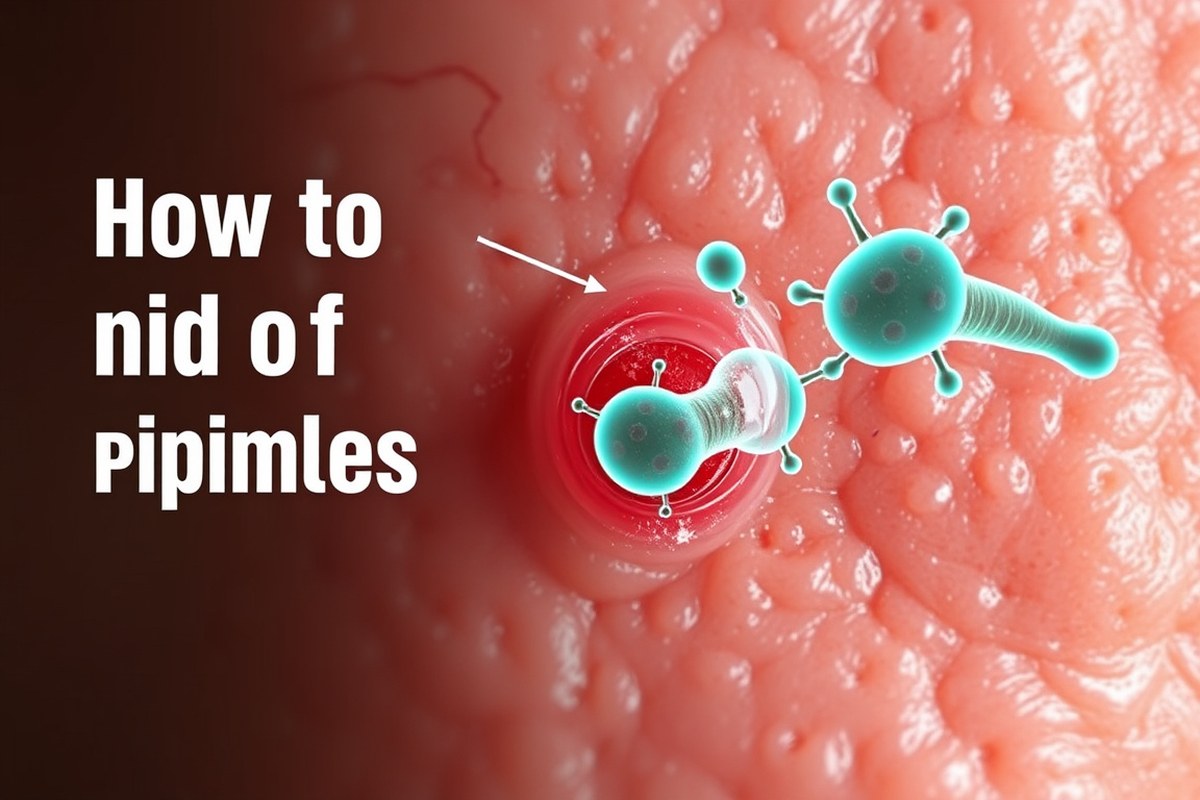
Pimples and acne develop mainly due to clogged pores filled with oil, dead skin cells, and bacteria, leading to inflammation. Hormonal shifts and stress can increase oil production, making skin prone to breakouts. Understanding these causes helps manage and prevent pimples more effectively.
Role of Excess Sebum Production
Excess sebum, or skin oil, is a primary factor in forming pimples. Sebaceous glands produce sebum to keep skin lubricated, but when they produce too much, pores clog. This excess oil mixes with dead skin cells and traps dirt, creating a sticky environment that can lead to blocked hair follicles, also known as comedones.
Hormonal changes, especially during puberty, menstruation, or stress, stimulate sebaceous glands to produce more sebum. High insulin levels can also increase sebum production, contributing to acne development. Managing oil production through gentle cleansing twice daily helps remove excess oil without over-drying, which can worsen sebum release.
Impact of Skin Bacteria Growth
The clogged pores create an ideal environment for bacteria, particularly Cutibacterium acnes (formerly Propionibacterium acnes), to thrive. This bacteria normally lives on skin but multiplies rapidly when trapped within blocked follicles. Its growth triggers inflammation, causing redness and swelling around pimples.
Bacterial activity worsens acne by breaking down sebum into irritating free fatty acids, further inflaming the skin. Using non-comedogenic skincare products and avoiding excessive touching of the face can reduce bacterial contamination. Spot treatments containing antibacterial ingredients help target pimples but won’t prevent clogged pores if underlying issues persist.
Influence of Dead Skin Cell Buildup
The skin naturally sheds dead cells, but these need to be cleared regularly through cleansing. If dead skin cells accumulate, they mix with oil and block pores, leading to pimples. This buildup is more common in oily skin types and can worsen if you skip daily cleansing or use harsh products that disrupt the skin barrier.
Exfoliating up to two times a week with gentle chemical exfoliants can help remove trapped dead skin cells without irritating the skin. Over-exfoliating or scrubbing harshly can damage skin and increase inflammation, making acne worse. Consistency with mild cleansing and exfoliation helps prevent clogged pores long-term.
Effects of Inflammatory Responses
Pimples are inflamed lesions caused by the immune system’s response to blocked pores and bacterial growth. Inflammation leads to redness, swelling, and sometimes pain or pus-filled bumps. This reaction is the body’s way of fighting infection but results in visible blemishes and sometimes scarring if severe.
Stress raises inflammation by increasing hormone levels that stimulate sebum production and immune responses in the skin. Managing stress with techniques like meditation, regular exercise, or adequate sleep may reduce flare-ups. Anti-inflammatory ingredients in skincare, such as niacinamide or aloe vera, can soothe irritated skin and calm redness.
Environmental Triggers and Irritants
External factors such as pollution, humidity, makeup, and harsh skincare products can worsen acne by clogging pores or irritating skin. Sweat and dirt trapped on the skin encourage bacterial growth and inflammation. Avoiding heavy or pore-clogging cosmetics and thoroughly removing makeup before bed are important steps.
Washing your face twice daily removes environmental dirt and excess oil, reducing breakout risk. Protective measures like wearing non-comedogenic sunscreen shield skin without clogging pores. Overexposure to sunlight or using abrasive scrubs can worsen inflammation and irritation, triggering more pimples.
Keep your skincare simple and consistent, focusing on regularly cleaning excess oil and dead skin while avoiding harsh irritants to control pimples effectively.
3. Choosing and Using Over-the-Counter Acne Treatments Safely
Over-the-counter acne treatments like benzoyl peroxide, salicylic acid, and retinoids all work well, but each suits different types of pimples and skin sensitivities. Benzoyl peroxide kills acne-causing bacteria and reduces inflammation, making it ideal for red, inflamed pimples. Salicylic acid gently exfoliates inside clogged pores, helping with blackheads and whiteheads. Retinoids, usually in lower-strength OTC formulas like adapalene, speed up skin cell turnover to prevent clogged pores and reduce pimples over time.
Start with lower concentrations to see how your skin reacts, then adjust as needed. For benzoyl peroxide, aim for 2.5% to 5% concentrations to reduce irritation risks. Salicylic acid commonly comes at 2% strengths, which works well for most. OTC retinoids often come at 0.1% or 0.3% adapalene. Use treatments once a day at first, typically in the evening, then increase to twice daily if your skin tolerates it. Spot treatments with benzoyl peroxide or salicylic acid can be applied directly on pimples after cleansing. Avoid layering multiple products containing active ingredients at once to prevent dryness and irritation.
| Ingredient | Best for | Common OTC Concentration | Usage Tips | Potential Side Effects |
|---|---|---|---|---|
| Benzoyl Peroxide | Inflamed pimples, acne bacteria | 2.5% to 10% (start 2.5%-5%) | Apply once daily, increase if tolerated; use spot treatment after cleansing | Dryness, redness, irritation, bleaching of fabrics |
| Salicylic Acid | Clogged pores, blackheads, whiteheads | 2% | Use a wash or spot treatment once daily; good for oily skin prone to acne | Dryness, mild irritation, not ideal for very sensitive skin |
| Retinoids (Adapalene) | Prevents pimples, speeds skin turnover | 0.1% or 0.3% OTC | Apply at night only; start slow and increase usage; avoid sun exposure | Dryness, peeling, redness, increased sun sensitivity |
Choose benzoyl peroxide if you notice redness and swelling around pimples since it targets bacteria and inflammation. Salicylic acid works better for skin with clogged pores and blackheads. Retinoids best fit for preventing new pimples but need more time and consistent use to see results. Watch skin’s reaction carefully as dryness and irritation are common, especially if your skin is sensitive. Start with every-other-day or once-daily applications, then gradually increase frequency if no severe reaction occurs.
For spot treatments, apply a thin layer directly on active pimples after washing your face and letting it dry. Limit the rest of your skincare routine to gentle products that won’t add irritation. Avoid combining these with other strong ingredients like alpha hydroxy acids or harsh scrubs. If your skin becomes too dry or red, reduce usage or pause treatment for a few days.
4. Natural Remedies That Actually Help Pimples
Natural remedies like tea tree oil, aloe vera, and green tea can help reduce pimples by targeting inflammation, bacteria, and excess oil, key factors that cause acne. Tea tree oil stands out for its antibacterial and anti-inflammatory properties. Studies show that applying tea tree oil products can cut down the number of acne sores. You can use it as a spot treatment by diluting a few drops in a carrier oil such as jojoba or almond oil (a typical mix is 1 part tea tree oil to 9 parts carrier oil). Dab a cotton swab on this mixture and apply it directly to the pimples once or twice a day. Avoid using pure tea tree oil without dilution to prevent skin irritation or dryness.
Aloe vera also offers natural antibacterial and anti-inflammatory benefits, which may soothe inflamed pimples and prevent new breakouts. To use, apply pure aloe vera gel from the leaf or a store-bought 100% aloe vera gel directly to the affected area twice daily. Aloe vera is gentle and suitable for most skin types, and it helps moisturize the skin while promoting healing. Expect to see reduced redness and swelling with consistent use over one to two weeks.
Green tea serves a different but effective purpose. It contains antioxidants that help reduce inflammation, fight bacteria, and regulate oil production, all important in managing pimples. Many people prepare green tea as usual, allow it to cool, then use a cotton pad to apply it topically for about 15 minutes. This simple method can calm the skin and reduce acne-causing bacteria. For daily use, green tea toner or cooled green tea bags pressed gently on the skin twice a day may offer benefits. Drinking green tea regularly might also support skin health from the inside, though the topical application targets pimples more directly.
Each of these natural treatments requires patience and consistent application. Results can vary based on skin type and severity of acne. Some people might find tea tree oil irritates sensitive skin if used too frequently or undiluted. Aloe vera’s moisturizing effect can be helpful for dry or irritated skin but might feel sticky for others. Green tea is gentle but less potent than stronger medications, making it more suitable for mild acne or as a complement to other treatments.
Using these remedies generally costs between $5 to $20 depending on the product and quantity. Tea tree oil and aloe vera gel are widely available online and in drugstores, while green tea can be bought as loose leaves or tea bags at grocery stores. Always perform a patch test before applying any natural ingredient broadly, and stop use if irritation occurs. Combining these remedies with good skincare habits and avoiding known acne triggers gives the best chance to reduce pimples safely at home.
5. Daily Skincare Routine Essentials to Prevent Pimples
Keeping pimples at bay starts with a daily skincare routine that gently cleanses, hydrates, and protects your skin. Washing your face twice daily with the right cleanser and applying non-comedogenic moisturizers and sunscreens can keep pores clear and prevent breakouts. Managing makeup carefully, especially if you have blemish-prone skin, also plays an important role in maintaining a clearer complexion.
Cleansing Techniques and Frequency
Cleansing your face twice daily with a gentle acne-specific cleanser helps eliminate surplus oil, dirt, and bacteria that contribute to pimples. Avoid using harsh exfoliants and washing too often, as this can irritate your skin and make acne worse. Use warm water to open up your pores without removing the skin’s natural oils. Morning washing removes sweat and oil that build up overnight, while washing at night clears away makeup, pollutants, and sebum collected throughout the day. Follow these steps for effective cleansing:
- Wet your face with lukewarm water.
- Apply a small amount of a mild, non-comedogenic cleanser.
- Massage your skin gently in circular motions for about 30 seconds.
- Rinse thoroughly with lukewarm water.
- Pat your face dry with a clean, soft towel.
Over-cleansing or scrubbing too hard can irritate the skin and trigger more pimples, so stick to twice daily with gentle motions.
Choosing Moisturizers and Sunscreens
Even oily or acne-prone skin needs moisturising to maintain its protective barrier and prevent dryness. Look for lightweight, oil-free, non-comedogenic moisturizers that hydrate without clogging pores. Ingredients like hyaluronic acid are beneficial as they hydrate skin without adding oil.
Wearing sunscreen is important and won’t aggravate pimples if you pick the right kind. Look for a broad-spectrum sunscreen marked “non-comedogenic” and ideally with SPF 30 or above. Brands like NIVEA Sun UV Face Specialist Clear Up SPF 50+ help absorb extra oil while shielding your skin from UVA and UVB rays, making them suitable choices for skin prone to breakouts.
Makeup Tips for Acne-Prone Skin
Makeup can hide pimples but may also worsen them if not chosen or applied correctly. Use products specifically formulated to be non-comedogenic or made for sensitive or acne-prone skin. Opt for mineral-based or water-based foundations and avoid heavy, oil-based formulas.
Apply makeup with clean tools and wash brushes regularly to prevent bacterial buildup. Keep makeup light and avoid layering several products, which can clog pores. Removing makeup thoroughly at the end of the day stops residue from trapping oils and dirt on your skin overnight, reducing pimples.
Proper Removal of Makeup and Facial Hair
Removing makeup completely before bed is critical to prevent pimples. Use a gentle makeup remover or micellar water to dissolve makeup, followed by your cleanser to clean skin fully. Avoid harsh wipes that can irritate and dry out skin, which may contribute to more breakouts.
Facial hair removal methods like waxing or tweezing should be done carefully to avoid skin irritation. If shaving, use a clean razor and shave in the direction of hair growth with a moisturizing shaving cream to minimize inflammation and ingrown hairs. These steps lower the chance of irritation-related pimples.
6. Diet, Lifestyle, and Common Mistakes That Affect Pimples
Your eating habits and lifestyle clearly affect pimples. Foods with a high glycemic index, such as white bread and sugary beverages, can cause quick increases in blood sugar that may worsen acne. Dairy might also trigger breakouts for some people. Eating more fruits, vegetables, and whole grains can reduce inflammation and promote clearer skin. Limiting intake of greasy and sugary foods supports healthier skin over time.
Stress and hormonal changes are common triggers. Hormones fluctuate during puberty, menstruation, pregnancy, and menopause, often causing pimples. Stress increases cortisol, which can lead to more breakouts. Managing stress through regular exercise, meditation, and getting at least seven hours of uninterrupted sleep nightly lowers cortisol levels and reduces stress-related pimples.
Simple hygiene habits also matter. Changing pillowcases and sheets twice a week removes oils and bacteria that may clog pores. Avoid touching your face or resting it on your phone, helmet, or tightly fitting masks, as friction and trapped sweat can worsen pimples. Using non-comedogenic skincare and hair products avoids clogging pores.
Common skincare mistakes can make pimples worse. Overwashing or scrubbing too hard irritates skin and causes more breakouts. Using heavy makeup or oily products clogs pores. Skipping moisturizer leads to dryness and compensatory oil production. Be gentle: wash your face twice daily with a mild cleanser and always apply a lightweight, non-comedogenic moisturizer.
- Limit sugary and high-glycemic foods; choose whole grains instead
- Reduce dairy intake if it triggers your acne
- Manage stress with exercise, meditation, or hobbies
- Get 7, 9 hours of sleep nightly
- Change pillowcases and sheets every 3, 4 days
- Avoid touching your face and using irritating products
- Use gentle cleansers and non-comedogenic moisturizers
Following these practical steps usually takes a few weeks to show clearer skin, as pimples take 4 to 6 weeks to go through their natural cycle. Sticking to a consistent routine prevents new pimples and helps existing ones heal. If you notice persistent or worsening acne despite these changes, consulting a healthcare provider is advised. Hormonal treatments or prescription skincare may be needed for better control.
7. When to Seek Professional Help and Available Treatments
You should see a dermatologist when your pimples are severe, persistent, or cause distress, or if at-home treatments don’t work after 6 to 8 weeks. Professional advice can offer faster, more effective treatment and help prevent scarring, especially for cystic acne or deep blemishes. Dermatologists provide personalized plans and options like prescription medications and advanced procedures not available over the counter.
Signs You Need Dermatologist Care
See a dermatologist if your acne is severe, such as large, painful cysts or nodules that do not improve with home care after several days or weeks. Persistent acne lasting more than 6 to 8 weeks despite consistent use of over-the-counter products should prompt professional consultation. Also, if you notice dark marks, scarring, or your pimples interfere with daily life or self-esteem, getting expert help is important.
Urgent cases include painful, deep cystic acne and breakouts before important events where you need fast, guaranteed results. People prone to scarring or with family history of severe acne should seek early treatment. Consulting a dermatologist can provide a clear diagnosis and safe recommendations, especially if you’re unsure about using certain treatments like apple cider vinegar or aspirin on your skin.
Common Professional Treatments Explained
Dermatologists customize acne treatment depending on how severe your acne is and your skin type. Common prescription topicals include retinoids, antibiotics, and acids like AHAs and BHAs that help speed up skin cell turnover and lower inflammation. For moderate to severe acne, doctors might recommend oral antibiotics or hormonal treatments to address the root causes.
For stubborn or cystic acne, isotretinoin (Accutane) is a powerful option. Usually prescribed for 5 to 6 months, isotretinoin shows complete remission or long-lasting improvement for most patients. Other in-office procedures include steroid injections for painful cysts, chemical peels, and light or laser therapies that reduce bacteria and promote healing. Costs vary widely; a dermatologist visit can range from $150 to $300, and treatments like isotretinoin need close medical supervision due to potential side effects.
How to Minimize Scarring Risk
Treating acne early and effectively reduces the chance of scars forming. Avoid popping or picking pimples, as this often leads to permanent marks and may require invasive procedures to remove scars later. Using dermatologist-recommended topical treatments like retinoids helps skin renew faster and fade dark spots more quickly.
People with a history of scarring should follow professional advice closely and may benefit from preventative treatments such as chemical exfoliants and laser therapy after active acne clears. Follow-up care with a dermatologist can monitor progress and adjust treatment to minimize long-term damage. Protecting your skin from sun exposure and using broad-spectrum sunscreen daily also helps prevent scars from darkening or becoming more noticeable.
Step-by-Step Action Plan to Get Rid of Pimples and Keep Skin Clear
Follow this straightforward plan to treat pimples quickly, prevent new ones, and maintain healthy skin without irritation or scarring.
- Before You Start: Gently cleanse your face twice daily with a mild, non-comedogenic cleanser. Notice reduced oil buildup and less redness after a few days.
- Day 1: Apply an over-the-counter acne treatment containing benzoyl peroxide or salicylic acid to affected areas once daily at night. Watch for fewer new pimples forming within a week.
- Week 1: Add a lightweight, non-oily moisturizer to your routine to prevent dryness and irritation. Your skin should feel balanced and less flaky.
- Week 2: Maintain a consistent skincare routine and avoid touching or picking pimples. Check for reduced inflammation and smaller blemishes.
- Ongoing: Keep a balanced diet, drink plenty of water, and manage stress through sleep and relaxation techniques. Track any changes in breakout frequency or severity.
- After 3 Weeks: Evaluate results; if pimples persist, worsen, or cause pain, schedule an appointment with a dermatologist for professional treatment options.
- Daily Long-Term: Continue daily cleansing, moisturizing, and gentle acne treatments. Avoid common mistakes like harsh scrubbing, overuse of products, and skipping sunscreen. Your skin should stay clearer with less irritation.
Frequently Asked Questions
How to Make a Pimple Go Away Fast?
To make a pimple go away fast, apply ice wrapped in a cloth on it for 3-4 minutes and use a green color corrector followed by concealer. This can reduce redness and make the pimple almost invisible within minutes.
What Naturally Kills Pimples?
Natural remedies like tea tree oil, aloe vera, and honey can help kill pimples due to their antibacterial and soothing properties. These can reduce inflammation and speed healing when used regularly with proper skincare.
Can Ice Remove a Pimple?
Ice does not remove pimples but helps reduce swelling and redness by constricting blood vessels. Applying ice for 10 minutes can calm the pimple and reduce its visibility temporarily.
Do Pimples Go Away Naturally?
Pimples often go away naturally as oils and bacteria clear from pores, but this can take several days. Proper hygiene and avoiding picking can help pimples heal without infection or scarring.
How Long Does It Take for a Pimple to Heal Completely?
Most pimples heal in about 3 to 7 days with proper care, although deeper ones may take longer. Avoid squeezing to prevent scarring and follow a gentle skincare routine.
Can Certain Hairstyles Cause Pimples?
Yes, hairstyles that trap sweat and oils near the forehead or hairline can cause pimples. Cleaning your hair regularly and avoiding heavy hair products can reduce breakouts.
Key Points to Remember
Getting rid of pimples involves a mix of consistent care, the right treatments, and good habits. Start by reviewing your current skincare routine and making sure you’re using a gentle cleanser and a suitable over-the-counter acne product. This simple step can often make a noticeable difference within a few weeks. If your pimples persist or worsen, don’t hesitate to schedule an appointment with a dermatologist for tailored advice and treatment options.


