

How to Get Rid of a Headache Fast: 8 Effective Strategies That Work
To get rid of a headache fast, start by drinking water or an electrolyte beverage, resting in a quiet, dark room, and avoiding screens. Using acupressure or gentle self-massage can also provide quick relief. Over-the-counter medications are safe when used properly, but staying hydrated, managing stress, and maintaining healthy sleep habits help prevent headaches from returning.
This advice suits anyone dealing with occasional tension headaches, migraines, or stress-related headaches. You’ll find simple ways to identify your headache type, effective home remedies, lifestyle tips, and signs that mean it’s time to see a doctor. These strategies can ease your pain safely and quickly without complicated treatments.
Key Takeaways
- Use cold or warm compresses on your forehead or neck for 10 to 20 minutes to quickly relieve headache pain at home.
- Identify your headache type, tension, migraine, or thunderclap, by duration and symptoms to tailor your treatment approach safely.
- Apply acupressure or gentle self-massage on pressure points to reduce headache discomfort without medication.
- Limit over-the-counter pain reliever use to fewer than 10 days per month to avoid rebound headaches.
- Stay hydrated, maintain balanced diet, and exercise 30 to 60 minutes three to five times weekly to prevent headaches.
- Manage stress and improve sleep quality with relaxation techniques to lower headache frequency and intensity.
1. Quick and Safe Ways to Relieve a Headache at Home
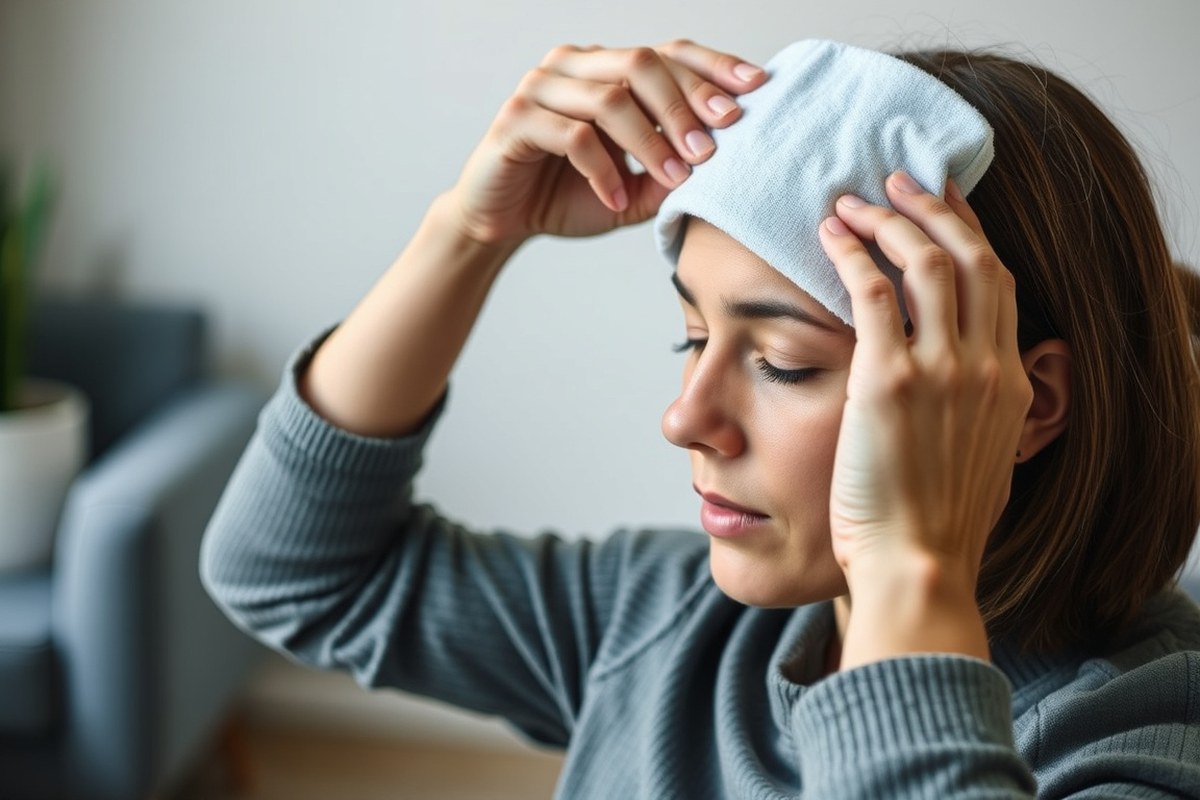
Finding quick and safe relief from a headache at home often starts with simple actions that don’t require medication or special equipment. You can reduce pain by targeting the headache’s source, whether it’s tension, sinus pressure, or mild migraine symptoms. Using cold or hot compresses helps relax muscles and reduce inflammation, while resting in a low-stimulation environment supports your body’s healing process.
To get the best results, apply a cold compress for 10 to 20 minutes on your forehead, temples, or neck. Cold helps constrict blood vessels and numb the area, which can decrease headache pain, especially if inflammation is a factor. Alternating between a cold and warm compress every 15 minutes helps further by loosening sinus pressure and relaxing tense muscles. Warm compresses improve blood flow and ease muscle tightness, which may be helpful for tension headaches.
Essential oils such as peppermint or lavender are natural tools that might reduce headache intensity. Peppermint oil, applied sparingly to your temples or forehead, can cool and soothe pain. Lavender oil offers calming effects, which may reduce headache severity if stress is involved. Make sure to dilute essential oils with a carrier oil to avoid skin irritation.
Choosing between rest and light activity depends on your headache type and how you feel. Resting in a quiet, dimly lit room generally helps reduce headache pain, especially with migraines or severe tension headaches. Gentle movement like stretching or yoga may relieve tension headaches caused by muscle tightness.
- Find a quiet, dark room. Lie down or sit comfortably to reduce sensory input, which can worsen headache pain.
- Get a cold compress ready. Grab a cold pack, wrap ice in a cloth, or use a cool damp towel. Place it on your forehead, temples, or the back of your neck for 10 to 20 minutes.
- Follow with a warm compress if needed. After 15 minutes, switch to a warm towel or heating pad on the same areas for 15 minutes to relax tense muscles.
- Inhale peppermint or lavender essential oils. Add a few drops to a tissue and breathe deeply, or gently massage diluted peppermint oil into your temples and forehead, avoiding the eyes.
- Avoid screens and bright lights. Electronics and overhead lighting can increase headache intensity; reducing exposure supports faster relief.
- Stay hydrated. Drink a glass of water, as dehydration can trigger or worsen headaches.
- Decide on rest versus light activity. When the headache feels severe or grows worse, rest in a comfortable position. For mild tension headaches, try gentle neck stretches or yoga poses to ease muscle tightness.
These steps take about 30 to 60 minutes and cost very little, often just the cost of water, ice, or a towel. Their success depends on your headache cause and severity. In cases where pain persists beyond an hour or worsens, consult a healthcare provider. Avoid applying ice directly to the skin for more than 20 minutes to prevent frostbite, and discontinue essential oils if you notice any irritation.
2. Identify Your Headache Type with a Simple Checklist

To tell whether your headache is a tension headache, migraine, sinus headache, or potentially serious, use a simple checklist based on your symptoms. Focus on pain location, intensity, triggers, duration, and any accompanying signs. Identifying the type helps choose the most effective way to get relief and know when to seek emergency care.
Common Symptoms of Tension Headaches
Tension headaches tend to cause a dull, aching pain that feels like a tight band around your forehead or the back of your head. You may feel mild to moderate pressure or tightness in your scalp and neck muscles. These headaches often last from 30 minutes up to six hours and can occur less than 15 days per month.
Stress, anxiety, poor posture, or eye strain commonly trigger tension headaches. The pain usually isn’t severe enough to disrupt daily activities but can be uncomfortable. You may also notice scalp tenderness or muscle tightness when you touch your head or neck.
Key Indicators of Migraines
Migraines cause moderate to severe throbbing or pulsing pain, typically on one side of your head. These headaches may last anywhere from 4 hours to 72 hours, and they often disrupt your ability to function normally. Nausea, vomiting, sensitivity to light, sound, or smells usually accompany migraines.
You might experience visual disturbances called aura before or during a migraine attack, such as flashing lights, zigzag lines, or blind spots. Migraines tend to worsen with physical activity or movement and often run in families. Identifying a migraine is important because the treatment differs significantly from other headache types, and ignoring symptoms may prolong your pain.
Signs of Sinus-Related Headaches
Sinus headaches cause deep, constant pain in your forehead, cheeks, or around your eyes. The pain usually intensifies when you bend forward or lie down. Other sinus symptoms like nasal congestion, facial swelling, or a runny nose often occur simultaneously.
These headaches result from inflammation or infection of the sinus cavities, so they might be accompanied by fever or thick nasal mucus. The pain around your eyes and upper cheeks can feel like pressure or fullness. Unlike migraines or tension headaches, sinus headaches center on the face and are linked to sinus issues.
Red Flags for Urgent Medical Attention
Some headache symptoms require prompt emergency care to rule out serious problems like brain injury, stroke, or infection. Seek immediate medical help if your headache comes on suddenly with severe intensity, described as the “worst headache of your life.” Look for other emergency warning signs, including neurological symptoms (such as weakness, numbness, difficulty speaking, vision changes), confusion, loss of consciousness, or a stiff neck combined with fever. Also, see a doctor if your headache lasts more than 3 days despite treatment or keeps getting worse.
- Sudden, severe headache pain
- Fever above 102°F (39°C) with headache
- Neurological symptoms: weakness, numbness, vision loss, confusion
- Headache after head trauma or blow to the head
- Persistent vomiting alongside headache
- Headache that worsens over several days
- New headache in individuals over age 50
Do not delay calling emergency services if your headache matches any red flag symptoms to avoid serious complications.
3. Using Acupressure and Self-Massage for Headache Relief
Applying pressure to the LI-4 acupressure point and performing self-massage can help relieve headache pain by reducing muscle tension and promoting relaxation. These methods focus on specific areas like the hand, temples, and neck to ease discomfort. Doing them regularly, even for just a few minutes at a time, may improve headache symptoms.
Locating the LI-4 Acupressure Point
The LI-4 acupressure spot, also known as Hegu, is found on the back side of your hand. It sits in the webbing between your thumb and index finger, about halfway in the fleshy part.
Firm pressure on this point stimulates nerve endings believed to reduce headache pain by promoting blood flow and easing tension. It’s considered safe for most people to try at home.
- Hold your left hand out with the palm facing down.
- Find the area where the bones meet at the base of your thumb and index finger.
- Use the thumb of your right hand to press firmly into the spot.
- Press firmly and steadily for 4 to 5 seconds while taking slow, deep breaths.
- Release for a moment, then repeat the pressure for a total of 1 to 2 minutes.
- Switch hands and repeat the same steps on the opposite hand.
How to Perform Self-Massage for Headaches
Self-massage targets areas that tend to tense up during headaches, such as the temples, shoulders, and the back of the head. Massaging these areas can improve circulation, ease muscle tightness, and promote relaxation to reduce headache pain.
Focus on gentle but firm circular motions and steady pressure without causing soreness. Avoid massaging over any open wounds, bruises, or inflamed skin.
- Start by placing your fingertips on your temples, the soft areas on both sides of your head above your cheekbones.
- Use small circular motions to massage your temples for about 1 to 2 minutes.
- Move your fingers to the base of your skull where your neck meets your head.
- Apply gentle pressure and massage in circular motions for another 1 to 2 minutes.
- Move your focus to your shoulders; use your thumbs to press on the muscles between your neck and the outer edge of your shoulder.
- Press firmly and massage this area for about 1 minute on each shoulder.
Timing and Frequency for Best Results
Spend about 5 to 10 minutes using these acupressure and massage techniques each time you feel a headache coming on or to reduce ongoing pain. Performing them two to three times daily may provide added relief, especially during stressful periods that trigger headaches.
Consistency is key. Regular practice over several days or weeks might help lower headache frequency and intensity. Stop if you feel pain or discomfort beyond mild pressure, and consult with a healthcare professional for persistent or severe headaches.
4. Safe Use of Over-the-Counter Medications and Avoiding Rebound Headaches
You can safely use over-the-counter (OTC) medications like ibuprofen, naproxen, and acetaminophen to relieve headaches, but it’s essential to follow dosage guidelines. Taking more than the recommended dose or using these medications too often can lead to rebound headaches, also called medication overuse headaches. This type of headache occurs when frequent use of pain relievers causes headache symptoms to return more strongly after the medication wears off.
For most adults, ibuprofen is safe at doses of 200 to 400 mg every 4 to 6 hours, with a maximum of 1200 mg daily without a prescription. Naproxen can be taken as 220 mg every 8 to 12 hours, not exceeding 660 mg per day. Acetaminophen doses typically range from 325 mg to 650 mg every 4 to 6 hours, with a maximum of 3000 to 4000 mg daily. Avoid exceeding these limits to reduce the risk of side effects.
| Medication | Common Dose | Frequency | Max Daily Dose (Non-Prescription) |
|---|---|---|---|
| Ibuprofen | 200-400 mg | Every 4-6 hours | 1200 mg |
| Naproxen | 220 mg | Every 8-12 hours | 660 mg |
| Acetaminophen | 325-650 mg | Every 4-6 hours | 3000-4000 mg |
Limit headache medication use to no more than two days a week to avoid medication overuse headaches. Consistently taking pain relievers more than twice weekly increases the chance of rebound headaches, which may worsen your symptoms over time. Using medications at the first sign of a headache can provide faster relief, but relying on them frequently is risky.
If you find yourself needing headache medicine more than twice a week, consider non-medication methods or consult your healthcare provider. Pregnant women especially should avoid many OTC medications and herbal supplements without medical advice due to potential risks. Tracking your headache frequency and medication use in a diary or app can help you and your doctor identify patterns and adjust treatment safely.
When your headache worsens despite medication or changes in medication use, this signals the need for professional evaluation. Sticking to the recommended dosages, monitoring how often you use these medications, and knowing when to avoid or seek help can prevent rebound headaches and promote safer headache management.
5. Hydration, Diet, and Lifestyle Habits to Prevent and Reduce Headaches
Drinking enough water is one of the simplest and most effective ways to prevent and reduce headaches caused by dehydration. Aim for at least 8 cups (about 64 ounces) of water daily, or more if you are active or in a hot climate. When a dehydration headache starts, drink a large glass of water immediately, about 16 to 20 ounces, to help relieve symptoms quickly. Eating water-rich foods like watermelon, celery, and cucumber throughout the day also supports hydration and can lower headache risk.
Avoiding common dietary triggers can significantly reduce headache frequency and intensity. Foods like aged cheese, chocolate, milk, and some processed meats contain compounds that may prompt headaches in sensitive individuals. Histamine-rich foods can be problematic, so cutting back on items like fermented foods or wine may help if you notice a pattern. Similarly, foods high in omega-3 fatty acids, such as salmon and nuts, support healthy blood circulation, which may prevent headaches over time.
Caffeine has a complex relationship with headaches. Moderate caffeine intake, about 100 mg, equal to one cup of coffee, can relieve headaches by narrowing blood vessels and reducing inflammation. However, consuming caffeine late in the day or in large quantities may trigger headaches or worsen withdrawal symptoms. Limiting caffeine to morning hours and not exceeding two to three cups daily helps avoid these issues. Also, reducing or avoiding alcohol is advisable because it can cause dehydration, inflammation, and blood vessel widening, all of which may contribute to headaches.
Making lifestyle changes creates a strong foundation for headache prevention. Keeping a headache journal helps identify personal triggers and patterns. Regular meals with balanced nutrients support stable blood sugar, which reduces headache risk. Supplements like magnesium have shown promise in reducing migraines when taken consistently, doses vary, but about 400 mg daily is common. Physical activity, stress management, and good sleep hygiene also play important roles in preventing headaches.
Track your headaches alongside your diet and lifestyle changes to spot trigger foods and habits unique to you, then adjust accordingly for the best prevention.
6. How Sleep, Stress Management, and Relaxation Techniques Reduce Headache Pain
Good sleep and effective stress management play key roles in reducing headache pain. Poor sleep quality, including conditions like insomnia or sleep apnea, can increase headache frequency and intensity. Managing stress through relaxation breathing and mindfulness meditation helps lower tension and diminish headache symptoms.
Improving Sleep Hygiene for Headache Relief
Getting enough restorative sleep is essential to reduce headaches, especially tension headaches and migraines. Adults usually need 7 to 9 hours of sleep per night to help prevent headaches. Interrupted or poor-quality sleep, like that caused by sleep apnea or chronic insomnia, is linked to more severe and frequent headaches.
Improving your sleep hygiene involves creating consistent habits that encourage restful sleep. This means sticking to a regular bedtime and wake time, even on weekends, and making your bedroom environment comfortable and dark. Avoid caffeine and heavy meals close to bedtime, and limit exposure to screens at least 30 minutes before you go to sleep. Addressing underlying sleep disorders with a healthcare provider is important if headaches persist despite good sleep habits.
Simple Relaxation Breathing Exercise
Slow, deep breathing reduces muscle tension and lowers stress hormones, which can relieve tension-related headaches. This type of breathing is easy to do anywhere and often provides quick relief from headache pain. Follow these steps to practice relaxation breathing:
- Sit or lie down comfortably in a quiet place with your eyes closed.
- Inhale slowly through your nose for a count of 4, feeling your abdomen expand.
- Hold the breath gently for a count of 7.
- Exhale slowly through your mouth for a count of 8, pushing out as much air as possible.
- Repeat this cycle 4 to 6 times, focusing your attention on your breath.
- Open your eyes slowly and notice any changes in headache intensity.
Practicing this breathing for 5 to 10 minutes daily can decrease headache frequency over time. Avoid forcing the breath or hyperventilating, which may cause dizziness.
Introduction to Mindfulness Meditation
Mindfulness meditation trains your brain to observe thoughts and sensations without judgment. It helps reduce stress and emotional triggers that worsen headaches. Studies show even 10 minutes of mindfulness meditation can significantly reduce headache intensity. Try this simple mindfulness meditation to ease headache pain:
- Sit quietly with your back straight in a comfortable position.
- Close your eyes and take a few deep, calming breaths.
- Focus your attention on the physical sensations of your breath entering and leaving your nostrils or abdomen.
- If your mind wanders, gently bring your focus back to your breath without frustration.
- Observe any headache sensations without trying to change them.
- Continue for 10 minutes or as long as you feel comfortable.
- Open your eyes slowly and stretch if needed.
Regular practice can improve pain tolerance and reduce headache frequency. Meditation works best when done daily, preferably in a quiet, comfortable space free of distractions.
7. When to See a Doctor: Red Flags and Long-Lasting Headaches
You should see a doctor for a headache if it lasts longer than three days, becomes more severe, or occurs alongside other worrying symptoms. Persistent headaches can signal an underlying health issue requiring professional evaluation. Besides duration, the presence of symptoms such as fever, vomiting, or a general feeling of being unwell increases the urgency to consult a healthcare provider. These signs help distinguish a common tension headache from conditions that need medical attention.
Seek emergency medical care immediately if you experience sudden, intense headache pain, especially if it starts without warning. This type of headache might indicate a more serious condition like a brain bleed or stroke. Other critical symptoms requiring urgent help include changes in vision, confusion, weakness on one side of the body, difficulty speaking, or loss of consciousness. Headaches following head trauma, such as a fall or a blow to the head, also demand immediate evaluation. To decide when to call for medical help or visit the doctor, use this decision rule:
- Headache lasting more than 3 days or getting worse
- Sudden, severe headache unlike any before
- Changes in vision, speech, or behavior
- Fever above 100.4°F (38°C) with headache
- Vomiting that does not subside
- Weakness, numbness, or difficulty moving parts of the body
- Headache after head injury or trauma
If your headache is frequent, occurring about once a week or more, it’s important to get a thorough medical check. Frequent headaches might suggest chronic migraine or another underlying cause that benefits from specialized treatment. On the other hand, an occasional mild headache usually does not require medical evaluation unless it meets the criteria above.
The cost of seeing a doctor can vary, but early diagnosis often prevents more severe health problems that may require expensive emergency care. Good results look like identifying the exact cause of the headache and starting appropriate treatment that reduces both headache frequency and intensity. Ignoring red flags or delaying care can lead to complications such as worsening neurological damage or prolonged discomfort.
8. Eye Strain, Seasonal Factors, and Common Mistakes That Worsen Headaches
Eye strain, especially from prolonged screen time or improper lighting, is a frequent cause of tension headaches. The American Optometric Association highlights headaches as a common symptom of Digital Eye Strain. This strain results from focusing on screens without breaks, using screens in dark rooms, or wearing outdated prescriptions. To reduce eye strain, limit screen use to 20 minutes followed by a 20-second break looking at something 20 feet away. Adjust ambient lighting to avoid glare, and ensure your glasses or contacts match your current prescription. Spending time outdoors also helps reduce strain by giving your eyes varied distances to focus on.
Environmental factors like seasonal changes can influence headache frequency and intensity. For example, in dry, cold seasons, headaches might increase due to dehydration and dry air, which can irritate sinuses and cause tension. Warmer or more humid months might bring headaches related to allergies or sinus pressure. Adjust your treatment accordingly: use a humidifier in dry months and stay well hydrated, aiming for at least 64 ounces of water daily. In allergy-prone seasons, over-the-counter antihistamines may reduce headaches caused by nasal congestion. Monitoring local weather and air quality reports can guide you in managing symptoms effectively.
Common errors with home headache remedies often make pain worse or delay relief. Overusing over-the-counter medications beyond recommended doses may cause rebound headaches. Using cold or warm compresses without knowing your headache type can backfire; warm compresses help muscle tension headaches, while cold packs are better for migraines. Relying solely on caffeine to relieve headaches can lead to increased pain later, especially if intake exceeds 150 milligrams daily (about two cups of coffee). Avoid bright or flickering lights during a headache to prevent aggravating symptoms, and do not skip meals, which can trigger headaches by lowering blood sugar.
Many people skip addressing nutritional gaps that affect headaches. For example, a magnesium deficiency is common among those with frequent migraines and adjusting diet or supplements can reduce attacks. Incorporating foods rich in magnesium, like spinach, nuts, and whole grains, or taking supplements under a doctor’s advice might lower headache frequency. Drinking ginger tea or taking ginger supplements has shown promise in reducing migraine pain and could be a helpful natural remedy.
Limit screen time with the 20-20-20 rule to ease eye strain: every 20 minutes, look at something 20 feet away for 20 seconds.
Step-by-Step Action Plan for Headache Relief
Follow these clear steps to relieve your headache quickly and reduce the chances of future pain. Check your progress along the way and adjust as needed.
- At headache onset: Use acupressure or gentle self-massage on your temples, base of the skull, and between your eyebrows for 5 minutes. You’ll know it worked if you feel immediate tension relief or headache intensity drops.
- Within the first hour: Take an over-the-counter pain reliever like acetaminophen or ibuprofen, following label directions carefully. Avoid exceeding recommended doses to reduce rebound headache risk. Relief should begin within 30 to 60 minutes.
- During the headache: Drink at least 16 ounces of water if you haven’t already. Improved hydration can lessen headache severity within an hour.
- Throughout the day: Identify your headache type using a simple checklist noting symptoms and triggers. This helps tailor your prevention steps.
- Daily routine: Prioritize 7 to 8 hours of regular sleep, manage stress with deep breathing or relaxation exercises, and avoid skipping meals. Improvement shows by fewer headaches or mild symptoms.
- Each week: Track your diet and hydration, limiting known triggers such as caffeine or processed foods. Adjust habits gradually; you’ll notice fewer or less intense headaches over several days.
- Ongoing: Reduce eye strain by taking breaks every 20 minutes from screens and adjusting lighting. Less eye fatigue corresponds with fewer headache episodes.
- If headaches worsen or last more than 72 hours: Consult your doctor. Seek immediate care if you experience sudden severe pain, vision changes, confusion, or weakness.
Frequently Asked Questions
What Natural Remedies Can Quickly Relieve a Headache?
Natural remedies like drinking water, applying cold compresses, and using ginger tea can help ease headache pain. Staying hydrated and avoiding triggers often provide fast relief without medication.
Can Adjusting Your Eyeglass Prescription Reduce Headache Frequency?
Yes, updating your eyeglass prescription can reduce headaches caused by eye strain. Persistent headaches near the eyes may improve after seeing an eye doctor.
How Does Caffeine Affect Headaches?
Caffeine can relieve headaches by narrowing blood vessels and easing pain, so drinking coffee or tea might help. However, avoid excessive caffeine as it might cause rebound headaches.
Is It Safe to Continue Daily Activities with a Headache?
Usually, mild headaches don’t require stopping your routine, but resting in a quiet, dark room helps if pain worsens. Avoid heavy physical activity if headache intensity increases.
Can Certain Scents or Aromatherapy Help Reduce Headache Pain?
Some scents like peppermint or lavender may soothe headache pain when inhaled, although results vary. Aromatherapy can be a complementary approach but shouldn’t replace medical care for severe headaches.
How Long Should I Try Home Remedies Before Seeing a Doctor for a Headache?
Try home remedies for up to three days unless your headache worsens or comes with symptoms like fever or vomiting. Persistent or severe headaches need medical evaluation.
Final Thoughts
Getting rid of a headache starts with understanding your symptoms and trying simple, safe methods like hydration, rest, and gentle acupressure. Today, take a moment to track your headache pattern and triggers in a journal. This can help you spot what works best for relief and when it’s time to seek professional advice.


6 Comments