

How to Get Rid of Headaches Fast: 8 Proven Ways That Work
You can get rid of headaches fast by using proven techniques such as applying pressure point massage, taking over-the-counter pain relievers, staying hydrated, and practicing relaxation methods. Consistent use of these approaches can reduce headache intensity within 30 to 60 minutes. Understanding headache types and common triggers also helps you manage symptoms more effectively.
This information is for anyone experiencing tension headaches, migraines, or frequent head pain who wants both immediate and long-term relief. You’ll learn about causes, when to seek medical help, natural remedies, lifestyle changes, and medication management to reduce headache frequency and severity.
Key Takeaways
- Use hydration, over-the-counter pain relievers, and rest to reduce headache pain within 30 to 60 minutes at home.
- Identify your headache type, tension, migraine, or cluster, to tailor effective treatment and manage symptoms accurately.
- Avoid common triggers like dehydration, stress, and low dietary fiber to decrease headache frequency and severity.
- Seek immediate medical care if new headaches start before age five, after 65, or if headaches occur daily for months.
- Try pressure point massage and physical therapy techniques, which can provide relief and reduce headache intensity.
- Incorporate lifestyle changes like increased fiber intake and regular yoga to lower the prevalence and impact of headaches.
1. Fastest Ways to Get Rid of a Headache at Home
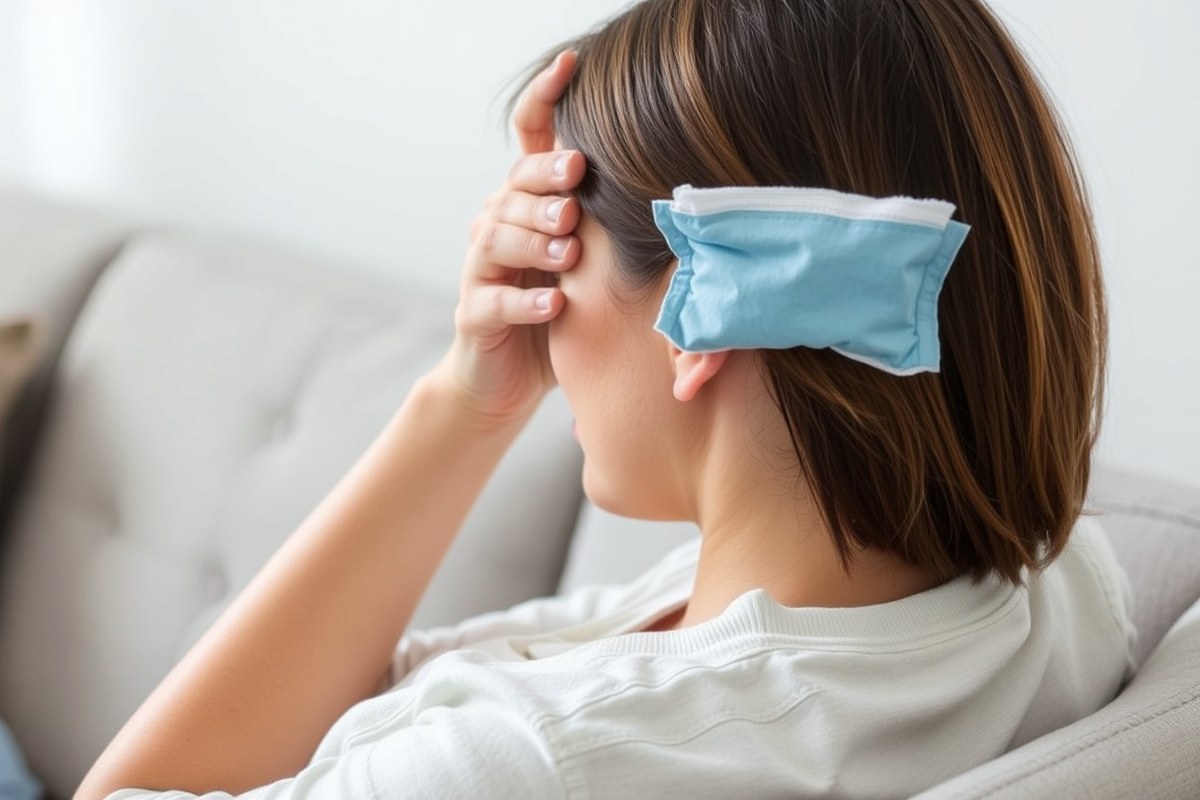
Fast headache relief at home often depends on quick actions targeting common issues like dehydration, muscle tension, and inflammation. Drinking water helps if your headache stems from dehydration, which reduces blood flow and can worsen pain. Cold compresses numb the area and lower inflammation, especially effective for migraines and tension headaches. Over-the-counter (OTC) medicines such as ibuprofen, aspirin, or acetaminophen can directly reduce pain and swelling. Pressure point massage, particularly on the hand, can distract nerves and increase circulation to ease discomfort. Use these steps to reduce headache pain efficiently:
- Immediately have a glass of water. Headaches can result from dehydration, so consuming 8 to 16 ounces of water may rehydrate your body and improve symptoms in about 30 to 60 minutes.
- Place a cold compress on your forehead or temples. A cold pack or ice wrapped in a towel should be applied for 15 to 20 minutes to help decrease swelling and dull the pain, taking care not to let the ice touch your skin directly to avoid frostbite.
- Take an over-the-counter pain reliever. Choose ibuprofen (200-400 mg every 4 to 6 hours), aspirin, or acetaminophen according to package directions. Avoid exceeding the daily dose. These meds often start to work within 30 minutes.
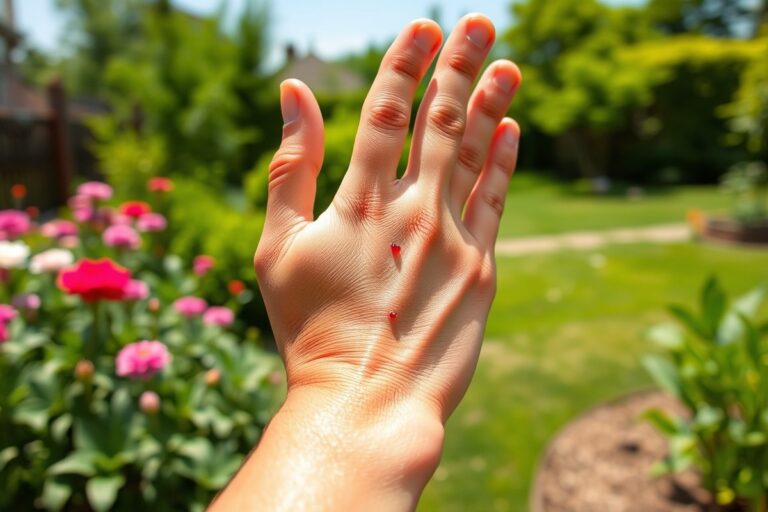
- Massage the LI4 pressure point on your hand. Press firmly between the base of your thumb and index finger on either hand for 1 to 2 minutes. This may reduce headache pain and stress by stimulating nerve pathways.
- Rest in a quiet, dark room. Reducing sensory input helps many headaches, especially migraines. Lie down for 20 to 30 minutes if possible to let the pain settle.
- Use a warm compress on your neck or upper back for tension headaches. A hot water bag or warm towel applied for 10 to 15 minutes can relax tight muscles contributing to pain.
These steps typically provide relief within an hour, though effectiveness varies by headache type and severity. Avoid overusing pain medications more than a few days a week to prevent rebound headaches. If headaches worsen or don’t improve with these measures, consult a healthcare professional for tailored treatment.
2. Understanding Common Headache Types and Their Symptoms

Recognizing the type of headache you have helps you choose the right relief method and know when to seek medical care. Tension headaches, migraines, cluster headaches, and sinus headaches each have unique symptoms, typical durations, and common triggers.
Tension Headaches: Signs and Duration
Tension headaches are the most common type. They usually cause a dull, steady pain, often described as a tight band around the forehead or back of the head. The pain intensity ranges from mild to moderate and can last from 30 minutes to several hours, sometimes even days.
These headaches often feel like pressure or a squeezing sensation. Unlike migraines, tension headaches rarely cause nausea or sensitivity to light and sound. Stress, poor posture, and muscle tension in the neck or shoulders are typical triggers.
Migraines: Key Symptoms and Triggers
Migraines are more intense and disabling than tension headaches. The pain usually affects one side of the head but can occur on both sides. It often has a throbbing or pulsing quality and is accompanied by nausea, vomiting, and sensitivity to light, sound, or smells.
Migraines can last anywhere from 4 hours to 72 hours. Triggers vary but frequently include hormonal changes, certain foods, stress, lack of sleep, and environmental factors like bright lights or strong odors. Some people experience warning signs called auras before a migraine starts, such as visual disturbances or tingling sensations.
Cluster and Sinus Headaches Explained
Cluster headaches are rare but cause severe, sharp, burning pain on one side of the head, often around the eye. They usually occur in groups or “clusters” over weeks or months, with headache attacks lasting 15 minutes to 3 hours. Cluster headaches are often accompanied by tearing, nasal congestion, and nasal discharge on the affected side.
Sinus headaches result from sinus inflammation or infection and cause deep, constant pain in the forehead, cheeks, or around the eyes. The pain typically worsens with sudden head movements or lying down. Sinus headaches come with nasal congestion, swelling, and sometimes fever.
The following table summarizes the main symptoms, typical duration, and key triggers for these common headache types. Knowing these details can help you identify your headache and seek appropriate relief or medical care.
| Headache Type | Symptoms | Typical Duration | Common Triggers |
|---|---|---|---|
| Tension Headache | Dull, steady pain; tight band sensation; mild to moderate intensity | 30 minutes to several hours/days | Stress, muscle tension, poor posture |
| Migraine | Throbbing pain; often one side; nausea, vomiting, light/sound sensitivity | 4 to 72 hours | Hormonal changes, food, stress, sleep changes, environmental factors |
| Cluster Headache | Severe, sharp pain around one eye; tearing, nasal congestion | 15 minutes to 3 hours; occurs in clusters over weeks | Unknown; possibly alcohol, smoking, or circadian rhythm |
| Sinus Headache | Deep, constant facial pain; nasal congestion, swelling, sometimes fever | Days to weeks, depending on sinus condition | Sinus infection, allergies, inflammation |
Practical tip: Track your headache symptoms and triggers in a diary; this helps you and your healthcare provider identify your headache type and tailor treatments effectively.
3. Common Causes and Triggers of Headaches You Should Know
Headaches often stem from a variety of internal and external triggers that affect the body’s chemistry and nervous system. Dehydration is a common cause that can lead to both migraines and tension headaches. Drinking 8 to 16 ounces of water may provide quick relief by restoring fluid balance and reducing brain sensitivity to pain. When dehydration persists, blood vessels can narrow, leading to inflammation that triggers headaches.
Stress plays a significant role in causing headaches and migraines. Emotional and physical stress increase muscle tension, particularly in the neck and shoulders, which often results in tension headaches. Reducing stress through relaxation techniques, regular exercise, and addressing anxiety can lower headache frequency. Caffeine impacts headaches in two main ways: moderate amounts might improve headaches for some by constricting blood vessels, but excessive intake or sudden withdrawal can cause headaches or worsen migraines. Cutting back slowly on caffeine helps avoid withdrawal headaches.
Poor sleep habits disrupt the balance of brain chemicals that regulate pain, heightening headache risks. Inconsistent or insufficient sleep can increase sensitivity to pain signals, triggering both tension and migraine headaches. Maintaining a regular sleep schedule and aiming for 7 to 9 hours nightly often reduces headache occurrences. Diet also matters since skipping meals or eating triggers like processed foods, alcohol, and high caffeine lead to blood sugar drops or inflammation that invite headaches. Increasing dietary fiber by 10 grams daily correlates with an 11% reduction in severe headaches, according to research.
Posture influences headaches by causing muscle strain and nerve compression in the neck area. Prolonged poor posture, such as leaning forward over screens, tightens muscles and restricts blood flow, contributing to tension headaches. Practicing correct posture, taking breaks from sitting, and stretching regularly can prevent headaches related to muscle tension. Meanwhile, hormonal shifts, common in women during menstrual cycles, pregnancy, or menopause, cause chemical changes that frequently trigger migraines.
Environmental factors like weather changes, bright lights, loud noises, and strong odors can also provoke headaches. These external stimuli affect brain blood vessels and nerve responses, especially in sensitive individuals. Recognizing your specific triggers through headache diaries or tracking can help you avoid or prepare for these external causes. Addressing these common causes by drinking enough water, managing stress, improving sleep, monitoring caffeine use, eating balanced meals, and maintaining good posture provides a strong foundation to reduce headache occurrences and alleviate symptoms more effectively.
4. When to Seek Medical Care: Warning Signs and Emergency Symptoms
Recognizing when a headache signals a medical emergency is important to avoid serious health risks. Seek immediate medical care for any sudden, extremely severe headache, especially if it feels unlike previous headaches. This could indicate conditions like a stroke, bleeding in the brain, or an aneurysm. Accompanying symptoms such as new weakness, numbness, confusion, difficulty speaking, or vision loss further increase urgency and require prompt evaluation.
New headaches starting in middle age, or later, warrant careful attention. Experiencing headaches for the first time after your 40s or 50s should prompt an appointment with a healthcare professional to rule out underlying causes, such as high blood pressure or neurological issues. This is important even if the headache is not severe, since late-onset headaches can be a sign of other health concerns.
Try home remedies like rest, hydration, over-the-counter pain relievers, and managing triggers for about 24 to 48 hours if the headache is mild and without concerning symptoms. When a headache persists beyond this period, worsens, or new symptoms develop, see your doctor for further evaluation. Chronic headaches disrupting daily life should also prompt a medical visit to explore specialized treatments. The following checklist helps you decide when immediate medical care is necessary:
- Sudden, severe headache that intensifies rapidly or is the worst you’ve ever had
- Headache with fever and stiff neck, which could indicate meningitis
- Any new neurological symptoms: weakness, numbness, confusion, speech difficulties, vision changes, or loss of balance
- Headache after a head injury accompanied by vomiting, loss of consciousness, or persistent confusion
- New headaches starting after age 40, especially with increasing frequency or severity
- Severe headache with sudden dizziness or difficulty walking
- Headaches that interfere significantly with daily activities despite home treatment
Following this checklist protects your health by guiding you toward professional care for potentially serious conditions. For moderate headaches without these warning signs, controlled use of home remedies for a day or two is typically safe. Emergency room evaluation may involve neurological exams, blood tests, or imaging studies to identify or rule out critical causes.
5. Using Pressure Point Massage and Physical Techniques for Relief
Massaging specific pressure points, gentle stretching, and applying cold or heat can all help reduce headache pain. These methods ease muscle tension and improve blood flow, providing relief without medication. Follow a clear routine with precise timing and pressure to get the best results.
Key Pressure Points and How to Massage Them
Pressure point massage targets tender spots associated with headache pain. Pressing these points helps relax muscles and reduce pain signals to the brain. Focus on the temples, base of the skull, and the webbing between your thumb and index finger.
- Locate the temples by placing your index and middle fingers on the sides of your forehead, just above the cheekbones.
- Apply gentle, steady pressure using circular motions for 30 seconds, then release slowly.
- Find the base of the skull by tilting your head forward; the bony ridges feel tender here.
- Press firmly with your thumbs in small circles for 30 seconds to 1 minute.
- Identify the fleshy web between your thumb and index finger on each hand.
- Pinch gently but firmly for 30 seconds, then alternate hands.
- Repeat the massage cycle 2 to 3 times, pausing if you feel discomfort.
Use moderate pressure that feels firm but not painful; pressing too hard may increase tension.
Recommended Headache-Relieving Stretches
Gentle stretching loosens tight muscles in the neck and shoulders that worsen headaches. Regular practice can prevent headaches caused by muscle strain or poor posture. Perform stretches slowly and hold each position without bouncing.
- Sit upright and tuck your chin toward your chest until you feel a stretch along the back of your neck.
- Hold for 15 seconds while breathing deeply, then slowly raise your head back to neutral.
- Turn your head gently to the left until you feel a stretch on the side of your neck.
- Hold for 15 seconds and repeat on the right side.
- Shrug your shoulders upwards toward your ears and hold for 5 seconds.
- Release and relax your shoulders down completely; repeat 5 times.
- Roll your shoulders backward slowly 5 times to improve circulation and ease tension.
Stop any stretch that causes sharp pain or dizziness; mild discomfort is normal during gentle lengthening.
Applying Cold and Heat Therapy Safely
Cold therapy reduces inflammation and numbs nerve endings, making it effective for migraines and throbbing pain. Heat therapy relaxes stiff muscles often linked to tension headaches. Both should be applied for no longer than 15 minutes at a time to prevent skin damage, with breaks of at least 2 hours between sessions.
- Choose a cold pack or wrap ice cubes in a thin cloth to avoid direct skin contact.
- Place the cold compress on your forehead, temples, or back of the neck for up to 15 minutes.
- Remove the pack and rest at least 2 hours before the next cold application if needed.
- If using heat, warm a damp towel or use a heating pad set on low.
- Apply the warm compress to the back of your neck or base of your skull for 10 to 15 minutes.
- Take a break of at least 2 hours before reheating the same area.
- Combine cold or heat therapy with gentle massage and relaxation techniques for increased relief.
Avoid applying heat or cold directly on the skin; always use a barrier like a cloth to prevent burns or frostbite.
6. Lifestyle Changes That Reduce Headache Frequency and Severity
Stress is a leading trigger of headaches, so managing it effectively can lower how often and how severely they occur. Techniques like deep breathing, progressive muscle relaxation, or guided meditation can help calm your nervous system. For example, spend 10 minutes twice a day sitting quietly and focusing on your breath, inhaling slowly through your nose and exhaling through your mouth. This practice lowers stress hormones which are linked to headache onset. When your schedule is tight, try brief mindful pauses during breaks or use apps that guide stress reduction exercises, usually free or low cost.
Good sleep hygiene is key to keeping headaches at bay. Poor or inconsistent sleep disrupts your body’s natural rhythms and increases headache risk. Aim for 7 to 9 hours of sleep per night, stick to a regular bedtime, and create a restful environment, cool, dark, and quiet. Avoid screens at least 30 minutes before bed and limit caffeine intake after noon. Writing down worries before bedtime can help clear your mind and ease falling asleep. Setting a consistent routine can reduce headache frequency by stabilizing brain activity linked to pain.
Your diet plays a complex role in headaches. Certain foods like aged cheese, processed meats, and artificial sweeteners are common triggers for some people. Keeping a food diary helps you notice patterns between what you eat and headache episodes. Conversely, eating a balanced diet rich in whole foods such as fresh fruits, vegetables, and whole grains may reduce inflammation linked to neuroinflammation that triggers headaches. Some people find adopting a plant-based diet lowers their headache frequency, partly due to increased intake of anti-inflammatory phytochemicals like beta-carotene.
Hydration is often overlooked but essential. Drinking enough water, about half your body weight in ounces daily, supports overall brain function and can prevent headaches caused by dehydration. Carry a water bottle and sip regularly throughout the day. Noticing headaches late in the afternoon may be a sign to increase fluid intake.
Regular exercise lowers stress and releases endorphins that reduce pain sensitivity. Moderate activities such as walking, cycling, or yoga for 30 minutes, five days a week, can decrease headache frequency for many. Start slow if you’re new to exercise, as sudden intense workouts may sometimes trigger headaches. Choosing activities you enjoy increases the likelihood you’ll maintain a routine.
7. Natural Remedies and Supplements Backed by Evidence
Peppermint oil is a popular natural remedy for tension headaches. Applying a small amount of diluted peppermint oil to your forehead and temples can provide a cooling sensation that helps relax muscles and ease pain. Use about 2 to 3 drops mixed with a carrier oil like coconut oil before gently massaging the area. You should feel relief within 15 to 30 minutes. Avoid applying peppermint oil near the eyes or on broken skin to prevent irritation.
Magnesium supplements may reduce the frequency and severity of migraines by preventing blood vessel spasms in the brain. A typical dose ranges from 200 to 400 milligrams daily, but consulting your healthcare provider before starting is important to avoid interactions or side effects like diarrhea. Magnesium-rich foods such as spinach, almonds, and fish can also support headache prevention.
Acupuncture involves inserting thin needles into specific points on the body to stimulate nerves and muscles. Some evidence shows that regular acupuncture sessions, about once or twice a week for several weeks, can reduce the intensity and number of migraine and tension headaches. Licensed practitioners usually provide this treatment, which generally has minimal side effects but may cause slight soreness or bruising at needle sites. Avoid acupuncture if you have a bleeding disorder or use blood thinners without medical advice.
Reflexology uses pressure and massage on specific points of the feet or hands believed to correspond to different body areas. A small study found that women with migraines who received reflexology twice a week for five weeks reported fewer, shorter, and less painful headaches. Sessions typically last 30 to 60 minutes and cost between $40 and $75, depending on location. Reflexology is generally safe but should not replace medical treatment for severe or frequent headaches.
Other supplements such as riboflavin (vitamin B2), coenzyme Q10, and melatonin may prevent migraines. For example, a daily dose of 400 mg riboflavin has been studied for migraine prevention. Melatonin, taken at doses from 3 to 6 mg before bedtime, can improve sleep quality and might reduce headache frequency. These supplements can take up to 3 months to show effects and should be taken consistently under medical supervision to avoid side effects or interactions.
Some people explore herbal supplements and dietary changes as part of headache management, but these should be approached cautiously. Always check with your healthcare provider before starting herbs or supplements, especially if you are pregnant, nursing, or taking medications. Keeping a headache journal can help identify if certain supplements help or if other lifestyle factors need adjustment.
8. Managing Medication Use and Avoiding Rebound Headaches
Safe over-the-counter medications can help relieve headaches, but using them too often may trigger rebound headaches, causing pain to return or worsen. Managing medication use carefully and keeping a detailed headache diary can prevent this problem and improve overall headache treatment.
Safe Use Guidelines for Headache Medications
Common over-the-counter pain relievers for headaches include acetaminophen (Tylenol), ibuprofen (Advil, Motrin), and naproxen (Aleve). These medications are generally safe when taken as directed on the label for occasional headaches. Avoid exceeding the recommended dose or frequency to prevent side effects like stomach irritation and liver or kidney issues.
You should not take these medications more than three days a week regularly. Taking pain medicine more frequently risks developing medication overuse headaches. If you have ongoing or frequent headaches, consult a healthcare provider before increasing your dosage or trying new medications. Some people need preventive treatments or prescription options tailored to their headaches.
Recognizing and Avoiding Rebound Headaches
Rebound headaches happen when the body reacts to frequent use of headache medications, causing headaches to return or worsen as the drug wears off. These headaches are often located in the back of the head and may make you want to take more medication, trapping you in a cycle of pain and overuse. Follow these strategies to avoid rebound headaches:
- Limit headache medication use to no more than three days per week
- Use the lowest effective dose for the shortest possible time
- Avoid combining several headache medications without medical advice
- Track headache frequency and medication use to notice patterns early
- Try non-medication strategies like rest, hydration, and relaxation techniques
- Talk to your doctor about preventive options if headaches become frequent
Taking pain medicine on four or more days a week for over three months signals a risk for rebound headaches.
Headache Diary: What to Record and How
Keeping a headache diary helps identify triggers, track medication use, and evaluate what treatments work. Write down each headache’s start time, duration, pain location, and intensity. Record what medications or remedies you try, including doses and timing, and note how effective they are.
Track lifestyle factors like sleep quality, stress levels, menstrual cycle dates (for women), what you eat, and activities before headache onset. Over weeks, patterns might emerge that help you avoid triggers and discuss your headaches more precisely with your healthcare provider. Here is a simple template for your headache diary:
- Date and time headache begins
- Headache location(s) and pain strength (scale 1 to 10)
- Possible triggers (food, stress, weather, sleep)
- Medications or remedies taken with dose and time
- Relief or worsening after treatment
- Menstrual cycle day (for women)
- Other symptoms like nausea or sensitivity to light
Step-by-Step Action Plan to Get Rid of Headaches and Prevent Them
Follow these steps to ease headache pain quickly and reduce future episodes through practical actions and lifestyle adjustments.
- At first sign of headache: Rest in a quiet, dark room and apply a cold compress to your forehead or neck for 15 minutes. Notice if the pain lessens or stays the same within this time.
- Within the first hour: Use gentle pressure point massage on your temples or base of your skull for 5 to 10 minutes to relieve tension. Check if discomfort decreases or muscle tightness eases.
- Same day: Identify and avoid possible triggers such as dehydration or skipping meals. Drink at least 8 ounces of water and eat a balanced snack. Monitor if the headache intensity drops or if new symptoms develop.
- Days 1 to 3: Take over-the-counter pain relievers only as directed, limiting use to no more than three days per week to prevent rebound headaches. Track headache frequency and medication doses used.
- Week 1: Begin lifestyle changes like regular sleep hours, stress management techniques, and reducing caffeine intake. Keep a headache diary to record changes in frequency and severity.
- After 2 weeks: Consider natural supplements such as magnesium or riboflavin after consulting a healthcare professional. Evaluate any reduction in headache episodes or their intensity over this period.
- Immediately if warning signs occur: Seek medical attention for sudden, severe headaches or associated symptoms like vision changes or weakness. Acting fast can prevent complications.
Frequently Asked Questions
What Gets Rid of a Headache Fast?
Drinking 8 to 16 ounces of water often provides quick relief because dehydration commonly triggers headaches. Resting in a quiet, dark room can also help ease the pain quickly.
What Are the Top 3 Causes of Headaches?
Dehydration, stress, and low blood sugar are common major causes. Identifying your headache triggers leads to better management and fewer headaches.
What Pressure Points Relieve Headaches?
Pressing firmly on the webbing between your thumb and index finger for 1-2 minutes can relieve headache pain. This simple technique can be effective for tension headaches.
What Are the 5 C’s of Headaches?
The 5 C’s refer to common headache characteristics: cause, character, chronology, accompanying symptoms, and context. They help doctors diagnose the headache type accurately.
Can Diet Changes Reduce Headache Frequency?
Yes, avoiding known food triggers and maintaining regular meals help reduce headaches. Personalized diet tracking can identify what worsens or relieves your headaches.
Is It Safe to Take Painkillers Frequently for Headaches?
Frequent use can cause rebound headaches and worsen pain over time. Consult a healthcare provider for proper management if you need painkillers often.
Final Thoughts
Getting rid of a headache often means combining quick relief methods with longer-term changes to prevent future pain. You can start today by tracking your headache triggers and symptoms in a simple notebook or app. This practice helps you identify patterns and make informed choices to reduce headaches over time.





One Comment