How to Get Rid of Tension Headaches: 8 Effective Ways for Fast Relief and Prevention
To get rid of tension headaches quickly, try a mix of immediate home remedies like pressure point massage and gentle neck stretches, along with lifestyle changes such as improving posture, managing stress, and staying hydrated. These combined steps can stop pain fast and help prevent future headaches. Knowing how to get rid of tension headaches can help you regain focus and comfort during your day.
This is for anyone experiencing mild to moderate head pain caused by muscle tension, whether it’s a one-time ache or a recurring problem. You’ll find clear explanations of what tension headaches are, their triggers, and effective methods for fast relief and long-term prevention. The advice includes tips suitable for all ages and situations, including pregnancy, with guidance on when to seek medical help.
Key Takeaways
- Tension headaches cause steady, pressing pain, unlike migraines, which often involve throbbing pain and sensitivity to light or sound.
- Common triggers include stress, poor posture, dehydration, lack of sleep, and screen overuse, especially with frequent work-from-home setups.
- Tension headaches can last from 30 minutes to several days; see a doctor if headaches worsen or suddenly change in pattern.
- Use home remedies like applying cold or warm compresses and gentle pressure on specific points for immediate tension headache relief.
- Regular neck and shoulder stretches reduce muscle tension and help prevent future tension headaches when done consistently.
- Improving posture, staying hydrated, eating balanced meals, exercising daily, and getting quality sleep support headache prevention.
1. What Is a Tension Headache and How Is It Different from Migraines?
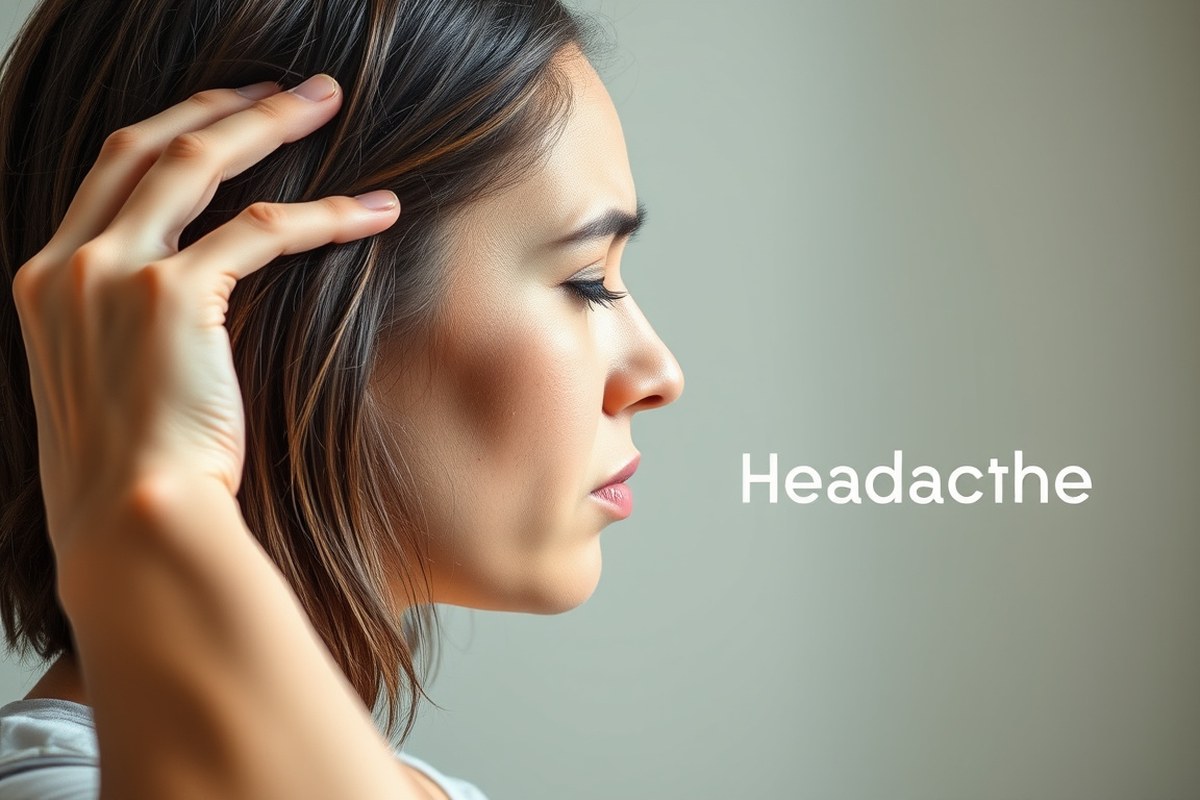
About 70% of people globally experience tension headaches, which are the most frequent kind of headache. They produce a steady, mild pain often described as pressure or squeezing on both sides of your head. You might also feel sore muscles in areas like your neck, scalp, or shoulders. These headaches tend to last for a minimum of 30 minutes, but they can continue for multiple days.
Unlike migraines, tension headaches tend to produce a steady ache rather than a throbbing or pulsating pain. Migraines often affect one side of the head and come with additional symptoms such as nausea, vomiting, and extreme sensitivity to light, sound, or smells. Migraines generally last from 4 hours up to 3 days and can start in adolescence, while tension headaches can occur at any age and affect men and women equally.
It matters to know the difference because treatment and management vary. Tension headaches often link to lifestyle factors, like stress or poor posture, which means consistent neck exercises and stress reduction can help stop them. Migraines involve more complex neurological causes and typically require different medications or medical care.
You can usually tell if your headache is a tension headache by the type and location of pain. It will feel like a tight band or pressure around your head, not a sharp or throbbing pain focused on one side. The discomfort is mild to moderate, not severe, and you won’t have the nausea or sensitivity to light or sound that come with migraines.
If you experience headaches more than 15 days a month for over three months, you may have chronic tension headaches, which can feel like a constant pressure and affect your daily life. In those cases, consulting a healthcare provider for personalized care is important to avoid complications.
Pay attention to sudden changes in your headache symptoms, such as vision problems, weakness, or very different pain from what you usually experience. These signs require prompt medical evaluation to rule out other issues. For typical tension headaches, aiming for regular stress management, neck stretches, and monitoring your headache patterns will help you identify them correctly and start relief strategies effectively.
2. Common Causes and Triggers of Tension Headaches

Tension headaches often stem from a combination of physical and emotional factors that increase muscle tension and disrupt normal body function. Stress remains one of the primary triggers, causing muscle tightening around your head, neck, and shoulders, which leads to that familiar dull, band-like pain. Emotional stress improve stress hormones and heightens muscle sensitivity, making headaches more likely to develop.
Poor posture plays a significant role in causing tension headaches. Spending several hours in front of a screen with your head bent forward or tilted can strain your neck muscles and upper back. For example, sitting at a computer with your shoulders rounded and your chin jutting toward the screen forces these muscles into continuous contraction. Over time, this muscle tension triggers headaches, especially if breaks or posture adjustments aren’t made. Proper ergonomics means setting your workstation so your monitor is at eye level, your back is supported, and your feet rest flat on the floor, reducing strain and helping prevent headaches.
Other physical causes include sleep deprivation and poor pillow support, which increase muscle sensitivity and reduce the body’s ability to recover. Poor sleep often leads to heightened levels of stress hormones, increasing the risk of tension headaches. Hydration and nutrition also affect headache frequency. Dehydration reduces blood flow and oxygen to the brain, often triggering headaches, while irregular eating patterns or nutritional deficits can lower energy and heighten stress responses that contribute to headaches.
Environmental factors like bright or flickering lights, loud noises, and certain weather changes such as shifts in temperature or humidity can also bring on tension headaches. Seasonal variations, including dry winter air or hot, humid summer conditions, can change muscle tension or hydration status, further influencing headache occurrence. Eye strain caused by excessive screen time is a key contributor, since the eye muscles must work harder to focus, causing pressure behind the eyes and a headache that builds usually later in the day.
Understanding these causes helps you tailor prevention and treatment. For example, if posture is a primary factor, adjust your workstation and take regular breaks every 30 to 60 minutes to stretch and reset your body. To counter dehydration, drink at least 64 ounces of water daily, adjusting for activity level and climate. Reducing screen brightness or using blue light filters can ease eye strain and reduce headaches related to screen use. Avoiding sleep disruption by sticking to a consistent bedtime routine without screens at least one hour before sleep can further lower your risk.
Taking short breaks every hour to stand, stretch, and reset your posture can significantly reduce muscle tension that causes tension headaches.
3. How Long Do Tension Headaches Last and When Should I Worry?
Tension headaches typically last anywhere from 30 minutes to several hours, but in some cases, they may persist for days. Episodic tension headaches occur less than 15 days a month and often result from temporary stress or muscle strain. Chronic tension headaches happen more than 15 days a month over at least three months, signaling a more persistent issue that may require ongoing treatment.
Knowing the difference between episodic and chronic types matters because chronic tension headaches often affect daily life and may need professional management. For example, if you experience tension headaches two or more times a week over six months, or if the pain interferes with your work or sleep, it’s time to consult a doctor. Chronic headaches can sometimes be linked to lifestyle factors like poor posture or stress, which can be addressed with targeted changes and therapies.
Watch for warning signs that go beyond typical tension headache symptoms. Seek medical help if headaches suddenly become severe, are accompanied by confusion, vision changes, weakness, fever, or neck stiffness. These symptoms could indicate a more serious condition that needs urgent care. Also, if over-the-counter pain relievers stop working or you find yourself relying on them frequently, a healthcare provider can help prevent medication overuse headaches and recommend other treatments like muscle strengthening or relaxation therapies.
Doctors may suggest physical therapy exercises to strengthen your neck muscles and reduce tension that triggers headaches. They might also recommend relaxation techniques to lower stress, such as guided counseling or acupuncture, both supported by studies as helpful in preventing tension headaches. Some patients benefit from preventive medications like low-dose amitriptyline, especially when headaches are frequent and disrupt daily activities.
Keeping a headache diary can help track triggers, duration, and severity, making it easier for you and your doctor to develop an effective plan. Changing lifestyle habits, improving hydration, posture, diet, sleep, and exercise, plays a significant role in reducing headache frequency. Regular practice of relaxation and physical therapies costs little and can save you from ongoing discomfort. However, do not hesitate to seek professional advice if your headaches persist or worsen despite these efforts.
4. Immediate Relief: Home Remedies and Pressure Point Techniques
To get fast relief from a tension headache, focus on resting, staying hydrated, using over-the-counter pain medication if needed, and applying massage or heat/cold therapy to ease muscle tension. These methods reduce muscle tightness, decrease inflammation, and relieve pain quickly without special equipment or prescription drugs.
Effective Home Remedies for Quick Relief
Rest is essential, as fatigue can worsen tension headaches. Drinking water helps counter dehydration, which sometimes triggers or worsens headaches. Over-the-counter medications like ibuprofen or aspirin reduce inflammation and pain. Gentle massage can loosen tight muscles in the neck and scalp, while stepping away from screens lowers eye strain.
- Find a quiet, dim room and lie down or sit comfortably to rest your head and neck.
- Drink at least 16 ounces of water slowly over 30 minutes to rehydrate.
- Take one dose of ibuprofen (200-400 mg) or aspirin (325-500 mg) with food, following package instructions.
- Massage your neck and scalp gently for 5 to 10 minutes focusing on tight spots to ease muscle tension.
- Take breaks from screen time, aiming for 20 minutes away every hour to reduce eye strain.
- Eat a small snack if you haven’t eaten recently, as low blood sugar can worsen headache symptoms.
Step-by-Step Pressure Point Massage Script
Specific pressure points can quickly ease tension headaches by relaxing tight muscles and improving blood flow. Apply gentle pressure to these points with your fingertips, using small circular motions. Use moderate firm pressure to avoid pain while stimulating muscle relaxation.
- Place your thumbs at the base of your skull on the bony ridge, just behind your ears.
- Press gently inward and upward at these points while making small circular motions for 30 seconds.
- Apply the same technique to your temples using your index and middle fingers, pressing gently for 30 seconds.
- Locate the fleshy webbing between your thumb and index finger on one hand.
- Pinch this area firmly but comfortably for 30 seconds to 1 minute.
- Repeat on the other side as needed to relieve tension.
Best Practices for Hot and Cold Therapy
Heat and cold therapy offer immediate relief for muscle-related headache pain. Warm compresses on the neck and shoulders help loosen stiff muscles, while cold compresses on the temples reduce pain and numb inflammation. Use these therapies for about 15 to 20 minutes at a time to avoid skin damage.
- For heat therapy, soak a clean towel in warm water (not hotter than 104°F) and wring out excess water.
- Place the warm towel on your neck and shoulders for 15 to 20 minutes while sitting or lying down.
- For cold therapy, wrap an ice pack or a bag of frozen peas in a thin cloth to protect your skin.
- Apply the cold pack to your temples or forehead for 15 to 20 minutes.
- Allow at least 20 minutes between heat and cold sessions to prevent skin irritation.
- Stop therapy immediately if you notice skin redness, numbness, or pain increasing.
5. Neck and Shoulder Stretches to Relieve and Prevent Tension Headaches
Simple neck and shoulder stretches such as the upper trapezius stretch and chin tucks can relieve and prevent tension headaches by reducing muscle tension and improving posture. Strengthening exercises targeting neck muscles help build stability to lower headache frequency. Aim to perform these stretches daily with neck strengthening exercises two to three times per week for effective results.
Upper Trapezius Stretch Instructions
The upper trapezius muscle runs along the top of the shoulders and neck. Stretching this muscle reduces tightness that often triggers tension headaches. Consistent stretching of the upper trapezius improves blood flow and eases muscle strain caused by poor posture or prolonged screen use. Follow these steps to stretch your upper trapezius:
- Sit or stand upright with your shoulders relaxed.
- Slowly tilt your head toward one shoulder, bringing your ear close to that shoulder without raising the shoulder itself.
- Place the hand of the same side on the opposite side of your head to gently increase the stretch.
- Hold the stretch for 20 to 30 seconds, feeling a gentle pull along the side of your neck and shoulder.
- Release slowly and return to the starting position.
- Repeat on the opposite side.
- Perform 2 to 3 sets per side daily during headache episodes or prevention routines.
Note: Avoid pulling your head too hard to prevent neck strain; the stretch should feel gentle, not painful.
How to Perform Chin Tucks Correctly
Chin tucks help strengthen weak neck muscles and improve posture, preventing tension build-up that leads to headaches. This exercise realigns the cervical spine and reduces forward head posture common with desk and phone use. To do a chin tuck:
- Sit or stand with your back straight and shoulders relaxed.
- Slowly draw your chin straight back as if making a double chin, without tilting your head up or down.
- Hold this tucked position for 5 seconds.
- Relax and return to a neutral head position.
- Repeat 10 times per set.
- Perform 2 to 3 sets daily for posture support and headache prevention.
Tip: Keep your eyes looking straight ahead and avoid jutting your chin forward to maximize the stretch’s effect.
Neck Strengthening Exercises Frequency and Tips
Strengthening your neck muscles plays an important role in reducing the frequency and intensity of tension headaches by improving upper back stability and reducing muscular strain. Balanced neck strength supports proper posture and lessens overuse of muscles that contribute to headaches. For best outcomes:
- Select gentle strengthening exercises such as resisted chin tucks, shoulder blade squeezes, and isometric holds.
- Perform neck strengthening exercises 2 to 3 times per week, allowing rest days in between for recovery.
- Do 1 to 3 sets of 10 to 15 repetitions per exercise, adjusting based on comfort and capability.
- Include neck stretches after strengthening to maintain flexibility.
- Maintain consistent practice; benefits build over weeks to months.
Warning: Discontinue any exercise that causes sharp or radiating pain, and consult a healthcare professional if pain persists.
6. Lifestyle Changes: Posture, Hydration, Nutrition, Exercise, and Sleep
Poor posture, especially during long hours working at a desk or using a computer, can strain your neck, shoulders, and upper back muscles. This strain often leads to tension headaches. Adjusting your workstation by keeping your monitor at eye level, using an ergonomic chair that supports your lower back, and sitting with feet flat on the floor can reduce muscle tension. Make it a habit to check your posture regularly and take breaks every 30 to 60 minutes to stretch or walk around. Over time, these changes prevent the muscle tightness that triggers headaches.
Hydration plays a key role in managing tension headaches because even mild dehydration can cause headaches or worsen them. Aim to drink about 64 ounces (roughly 2 liters) of water daily, adjusting for exercise or hot weather. Avoid excessive caffeine or alcohol, as both can dehydrate you and potentially trigger headaches. Balanced nutrition also influences headache frequency. Foods high in processed sugars or artificial additives may increase headache risk, while a diet rich in fruits, vegetables, whole grains, and lean proteins supports overall brain and muscle health. Keeping a food diary can help identify any dietary triggers, so you can avoid them.
Regular aerobic exercise improves blood flow, reduces stress, and releases endorphins, all of which lower tension headache frequency and intensity. Aim for at least 150 minutes of moderate exercise per week, such as brisk walking, swimming, or cycling. Incorporate muscle-strengthening and stretching exercises focused on the neck, shoulders, and back to counteract muscle tightness. Avoid high-impact or overly intense workouts during an active headache, as they may worsen symptoms.
Sleep quality greatly affects tension headaches. Both insufficient sleep and oversleeping have been linked to increased headache frequency. Prioritizing 7 to 9 hours of reliable sleep each night helps regulate stress hormones and muscle recovery. Use supportive pillows and a mattress with moderate firmness to maintain proper spinal alignment. Sleeping on your back with a pillow that supports the natural curve of your neck usually works best to reduce strain. Side sleeping with a pillow between your knees can also keep your spine aligned. Avoid sleeping on your stomach, as this often twists the neck and aggravates muscle tension.
- Adjust your workstation: monitor at eye level, ergonomic chair, feet flat on floor
- Drink at least 64 ounces of water daily, limit caffeine and alcohol
- Eat balanced meals rich in fruits, vegetables, and lean proteins
- Exercise moderately 150 minutes per week; add neck and shoulder stretches
- Maintain 7 to 9 hours of consistent sleep with proper pillow and mattress support
- Sleep on your back or side, avoid stomach sleeping
- Take short breaks every 30 to 60 minutes to stretch and reset posture
Following these lifestyle changes requires daily attention and some adjustments to existing habits. Early improvements might include fewer headaches and less neck stiffness, but benefits build over weeks or months. Watch for soreness when starting new exercises and adjust intensity accordingly. Keeping a headache diary to track lifestyle factors compared with headache episodes can show what works best for you. Consult a licensed healthcare professional if headaches persist despite these changes or if you experience new symptoms.
7. Stress Management and Special Considerations for Pregnancy and Children
Reducing stress is key to cutting down tension headaches. For pregnant women and children, safe methods and appropriate treatments make a big difference in managing pain and preventing frequent headaches.
Stress Reduction Techniques That Work
Stress triggers tension headaches by tightening muscles and raising blood pressure. Using techniques like deep breathing and meditation helps relax your body and calm your mind. To do deep breathing, sit comfortably, inhale slowly for a count of four, hold for four seconds, then exhale for four. Repeat this for 5 to 10 minutes daily or whenever tension builds. Meditation involves focusing on your breath or a calming word while letting go of distractions for about 10 minutes each day. Yoga combines gentle stretches with breath control, releasing muscle tension that causes headaches.
Adults ages 24 to 55, especially women, often juggle stressors that increase headache risk. Practicing relaxation routines consistently can reduce headache frequency and intensity over time. Tailoring these activities to fit your schedule and preferences is important. For example, short sessions work better if you have little free time.
Safe Headache Remedies During Pregnancy
Pregnant women face limits on medications since many common pain relievers can harm the baby. Acetaminophen is generally considered safe but should be used only as directed by a healthcare provider. Non-drug options include applying a warm compress to tight neck or shoulder muscles for 15 to 20 minutes, which can ease tension without side effects.
Gentle neck and shoulder stretches, such as slowly tilting the head from side to side or rolling the shoulders back, help reduce muscle stiffness. Prenatal yoga, designed specifically for pregnancy, supports relaxation and decreases stress hormone levels without risking harm. Always clear new exercises or remedies with your doctor, especially in the first trimester, to ensure safety.
Managing Tension Headaches in Children
Children and teens also experience tension headaches, often triggered by school stress, poor posture, or dehydration. Teaching them simple stress relief like focusing on deep breathing for a few minutes or taking short breaks during study time can lessen headache frequency. Keeping children hydrated by encouraging regular water intake and ensuring balanced meals supports overall headache prevention.
Physical activity adjusted for age, such as walking or light stretching, reduces tension and improves mood. Avoid giving over-the-counter pain medications without pediatrician advice, since children’s dosing and safety differ from adults. Monitoring headache patterns and triggers helps caregivers and doctors create effective treatment plans tailored to each child’s needs.
8. When to See a Doctor and Avoiding Medication Overuse Headaches
Seek medical help if your headache changes suddenly in intensity or pattern, if it worsens after basic treatments, or if you experience symptoms like vision loss, confusion, weakness, fever, or neck stiffness. These signs could indicate a more serious problem requiring prompt evaluation.
Frequent use of painkillers like aspirin, ibuprofen, or acetaminophen can cause rebound headaches. These occur when medication taken to relieve headaches triggers more headaches as it wears off. To avoid dependency, limit painkiller use to no more than two or three days per week. Daily or near-daily use increases risk and makes headaches harder to treat.
People often make common mistakes such as relying heavily on over-the-counter pain relievers, ignoring early headache symptoms, or failing to identify and avoid triggers. Preventive measures and non-medication strategies typically work best. Recognizing when to get professional help can prevent escalation to chronic headaches or underlying issues. The following table outlines key decision rules and common errors to guide you:
| Situation | Recommended Action | Common Mistakes |
|---|---|---|
| Headache worsens or changes suddenly | See a doctor immediately | Waiting or self-treating without assessment |
| Using painkillers more than 3 days per week | Reduce use to prevent rebound headaches | Frequent use causing dependency and rebound headaches |
| Persistent headaches despite remedies | Consult healthcare provider for possible underlying condition | Ignoring symptoms or self-medicating long-term |
| Early signal of tension headache | Try non-medication strategies like stretching and relaxation | Skipping preventive steps and relying only on medication |
Avoid taking over-the-counter painkillers more than two to three days weekly to prevent headaches from medication overuse.
Dependence on painkillers can make headaches more frequent and severe, complicating treatment. Early tension headaches respond well to lifestyle changes, stress management, and physical routines, reducing the need for medication. Talk with a healthcare provider if your headache pattern shifts or worsens despite these measures.
Your Step-by-Step Action Plan to Stop and Prevent Tension Headaches
Follow these practical steps to relieve tension headaches quickly and reduce their frequency over time.
- Right now: Use home remedies like applying a cold or warm compress to your head or neck, and try gentle pressure point massage on your temples and the base of your skull. You’ll feel noticeable relief within 15 to 30 minutes if these techniques work.
- Today: Perform simple neck and shoulder stretches at least twice, such as slow neck rolls and shoulder shrugs. Relief and improved range of motion mean you’re targeting muscle tension effectively.
- This week: Improve your posture by adjusting your workstation and sitting with your back straight. Track headache frequency; fewer episodes suggest this change helps.
- Within three days: Drink at least 64 ounces of water daily and maintain balanced meals with moderate caffeine. Better hydration and nutrition should decrease headache intensity or duration.
- Starting now and ongoing: Practice daily stress management like deep breathing or brief mindfulness sessions. Reduced headache occurrences after about a week shows stress is a significant trigger.
- For the next week: Aim for seven to eight hours of quality sleep nightly and add gentle exercise like walking or yoga. Steady improvements in how often headaches appear indicate recovery from tension buildup.
- If headaches persist beyond two weeks or become severe: Schedule a visit with your healthcare provider to rule out other causes and discuss safe treatment options. Early medical advice helps prevent complications such as medication overuse headaches.
Frequently Asked Questions
What Pressure Points Get Rid of Tension Headaches?
Applying gentle pressure to areas like the webbing between your thumb and index finger or the base of your skull can relieve tension headaches. These points help relax muscle tightness, reducing pain and stress in the head and neck area.
Will Tension Headaches Ever Go Away?
Tension headaches can go away, especially with proper stress management and consistent neck exercises. However, without addressing triggers, they may recur or become chronic, so ongoing care is essential.
What Is the Best Sleeping Position for Tension Headaches?
Sleeping on your back with a supportive pillow is often best for tension headaches. This position maintains proper neck alignment, reducing strain and preventing headaches caused by poor posture during sleep.
What to Drink to Relieve Tension Headaches?
Drinking water can help relieve tension headaches by preventing dehydration, a known trigger. Herbal teas like chamomile may also soothe muscle tension and promote relaxation.
Can Tension Headaches Cause Dizziness or Nausea?
Tension headaches rarely cause dizziness or nausea; these symptoms might indicate other headache types or health issues. Consult a healthcare provider if you experience these with your headaches.
Does Caffeine Help or Worsen Tension Headaches?
Moderate caffeine intake can relieve tension headaches by narrowing blood vessels, but too much may trigger them. Balance intake carefully to avoid increased headache frequency.
Wrapping Up
Relieving tension headaches often starts with small, consistent steps like practicing gentle neck stretches or adjusting your workspace for better posture. Today, try setting a reminder to pause and stretch your shoulders for five minutes each hour to help ease muscle tightness. Taking this simple action can reduce headache frequency and improve how you feel throughout the day.