
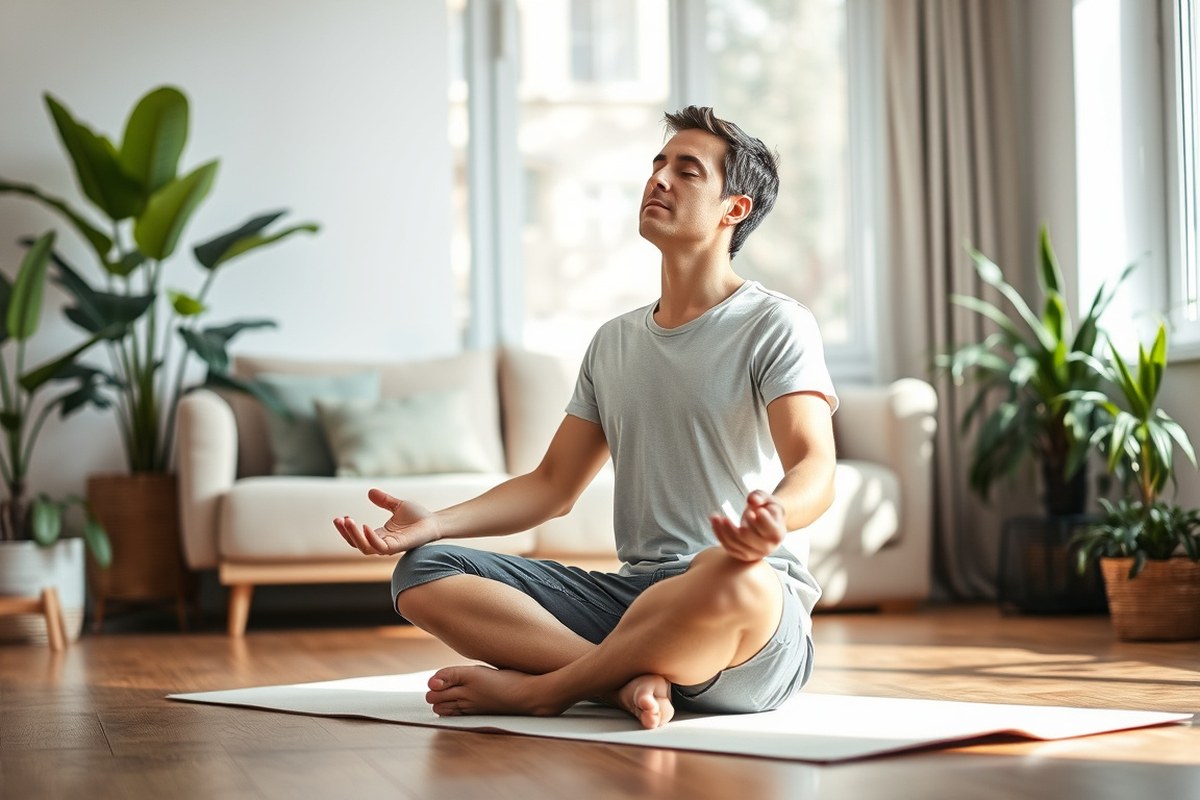
How to Get Rid of Anxiety: Effective Strategies for Immediate and Long-Term Relief
To get rid of anxiety, use a mix of immediate relief techniques like controlled breathing and grounding, along with long-term solutions such as lifestyle changes and mindset shifts. Recognizing your anxiety symptoms early and understanding what triggers them can help you manage your response effectively. Combining these strategies often brings the best results for lasting relief.
This is for anyone looking to understand how to get rid of anxiety without needing extra resources. You’ll learn how to spot anxiety symptoms, find quick ways to ease attacks, make changes that reduce anxiety over time, and know when it’s important to seek professional help. You’ll also discover how to support others struggling with anxiety and avoid common mistakes in managing it.
Key Takeaways
- Learn to recognize anxiety symptoms like rapid heartbeat, restlessness, and lingering physical tension that can last 20 minutes to an hour or more.
- Avoid common triggers such as excessive stress and isolation by identifying personal causes that worsen your anxiety.
- Use immediate relief strategies like deep breathing and grounding exercises to calm your nervous system during an anxiety spike.
- Incorporate lifestyle changes such as brisk walking 20 to 30 minutes most days and maintaining a cool, screen-free wind-down before bed.
- Practice mindset shifts and cognitive techniques to manage anxious thoughts and build lasting resilience against anxiety.
- Seek professional help when anxiety interferes with daily life; effective treatments include therapy and, when appropriate, medication that may take weeks to show full benefits.
What Is Anxiety and How to Recognize Its Symptoms
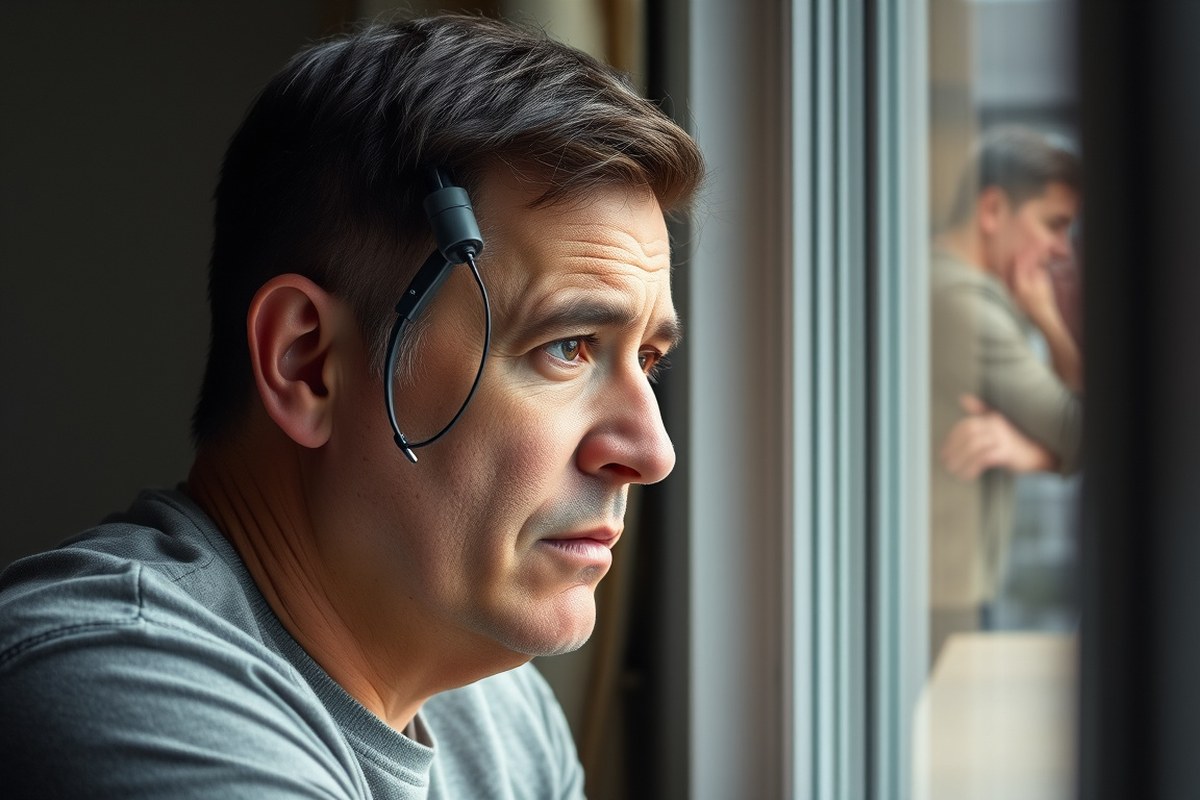
Anxiety is a normal response to stress, but it becomes a problem when feelings of worry, fear, or dread last longer than expected or interfere with daily activities. Generalized anxiety disorder (GAD), one of the common types of anxiety, causes persistent and excessive worry that won’t go away. Panic attacks are sudden, intense surges of fear or discomfort that typically reach their peak within five to ten minutes. These attacks may feel overwhelming and different from general anxiety because of their abruptness and severity.
Recognizing symptoms helps you understand what you are experiencing. Anxiety and panic attacks share symptoms such as a racing heart, shortness of breath, chest pain, trembling, sweating, and gastrointestinal issues. You might also notice feelings like dread, irritability, or having trouble concentrating. Panic attacks usually involve four or more intense symptoms that come on suddenly, including dizziness, chills, or numbness. Anxiety often presents as a longer-lasting feeling of tension or unease rather than a quick spike.
Knowing the difference between anxiety and panic attacks can guide how you respond. Anxiety is often ongoing and less intense than a panic attack. A panic attack eruption typically lasts from 5 to 20 minutes, with the most intense symptoms peaking around 5 to 10 minutes, but anxiety can linger for hours or days. After a panic attack, you might feel drained or shaky for some time while your body returns to normal. Anxiety symptoms may persist at a moderate level and worsen without managing stress or triggers. Use this quick checklist to identify anxiety or panic attack symptoms:
- Do you feel persistent worry, restlessness, or tension for more than six months? This often signals generalized anxiety.
- Are your symptoms sudden and intensely frightening, such as heart pounding, sweating, or a feeling of losing control? This points to a panic attack.
- Have you noticed physical symptoms like shaking, dizziness, chest discomfort, or gastrointestinal upset during these episodes?
- Do symptoms peak quickly, within 5 to 10 minutes, then slowly calm down? This matches the typical pattern of a panic attack.
- Are feelings of anxiety present most days and affect your concentration, sleep, or daily routine? This suggests an ongoing anxiety disorder.
Distinguishing anxiety from other physical conditions matters because untreated anxiety can worsen and lead to complications like depression or impair your quality of life. Understanding symptoms helps you address the problem promptly, whether through self-help strategies or seeking professional support. Anxiety disorders affect up to 18% of the U.S. Population, making it a common mental health challenge. Identifying the symptoms early can make managing anxiety more effective and less overwhelming.
Common Causes and Triggers That Start or Worsen Anxiety
Anxiety symptoms often start or get worse because of specific triggers or underlying factors. Low blood sugar from skipping meals can mimic or increase feelings of anxiety, so maintaining regular eating habits helps keep your symptoms in check. Lack of sleep is another common cause; poor rest can make anxiety symptoms more intense and disrupt your ability to fall or stay asleep. Certain substances, including alcohol, caffeine, and some medications, can also trigger or worsen anxiety. It’s important to know what your personal triggers are and work to manage or avoid them when possible.
Environmental and situational factors play a big role in anxiety. Stressful events like social uncertainty, natural disasters, or health crises may increase your anxiety temporarily. Internal factors such as insecurities, worries about failure, or past traumas can cause anxiety to become persistent. Situational anxiety varies, what might trigger anxiety for one person could be different for another, and the same person can experience changes by season or life stage. For example, childbearing women might face anxiety symptoms similar to others but have different treatment options during pregnancy or breastfeeding. Keeping track of what triggers your anxiety is one of the most effective steps you can take. Here’s a list of common anxiety triggers to be mindful of:
- Skipping meals or irregular eating patterns
- Poor quality or insufficient sleep
- Use of alcohol, caffeine, or certain medications
- Exposure to stressful environments or crises
- Negative thought patterns tied to personal insecurities or past trauma
- Avoiding anxiety-provoking situations instead of gradually facing them
- Sudden changes or stopping prescription medication without guidance
Managing anxiety means focusing on what you can control, like improving sleep or nutrition, rather than trying to avoid every trigger.Avoiding all anxiety triggers is often unrealistic, and doing so can sometimes increase anxiety over time. For instance, consistently steering clear of social situations might initially reduce stress but eventually make social anxiety worse. Techniques like gradual exposure to manageable anxiety triggers can build confidence and reduce symptoms over time. Your primary care provider can help determine if medical conditions, prescription drugs, or other factors contribute to your anxiety symptoms. If your anxiety remains persistent or causes physical problems such as chest tightness or breathing trouble, getting professional evaluation is necessary.
Immediate Anxiety Relief: Breathing and Grounding Techniques
When anxiety feels overwhelming, quick, targeted actions like controlled breathing and grounding can reduce your symptoms immediately. These strategies help you regain control by calming your nervous system and connecting you to the present moment. You can do them anywhere, anytime you notice anxiety creeping up.
Simple Deep Breathing Techniques
Deep breathing slows your heart rate and signals your body to relax. This interrupts the rapid, shallow breathing common during anxiety attacks and can help you feel more centered within minutes. The focus on breath also distracts your mind from negative thoughts. Try this basic breathing exercise, which takes less than a minute and works well even in public:
- Sit or stand comfortably with your back straight.
- Close your eyes if you feel safe doing so.
- Breathe in softly through your nose, counting to four seconds as you do.
- Hold your breath gently for 4 seconds.
- Exhale slowly through your mouth for 4 seconds.
- Pause for 4 seconds before your next breath.
- Repeat this cycle 4 to 6 times.
You may notice your muscles start to loosen and your heartbeat slowing. Avoid forcing the breath; keep it gentle and steady. Short sessions like this can be repeated every few minutes as needed. Over time, practicing deep breathing regularly strengthens your body’s relaxation response.
Using the 3-3-3 Grounding Rule
Grounding helps you escape racing thoughts by focusing your attention on your immediate surroundings. The 3-3-3 rule is easy to remember and requires no equipment. It’s especially useful if you feel your mind spiraling into worst-case scenarios. Here’s how to practice the 3-3-3 grounding rule:
- Name 3 things you see around you, objects, colors, shapes.
- Touch 3 different textures near you, your chair, your shirt, something smooth or rough.
- Listen for 3 sounds, birds outside, a clock ticking, distant traffic.
Performing these steps brings your awareness back to the present, reducing feelings of panic. You can adapt this to your environment; for example, if you’re outdoors, you might include the feeling of grass or the scent of fresh air. This technique typically takes less than a minute but can quickly cut through a rising anxiety wave.
Guided Relaxation Exercise for Anxiety
Guided relaxation uses focused attention combined with tension-release to help your body calm down. It often begins with breathing and moves to progressive muscle relaxation or visualization exercises. This form of relaxation takes a bit longer but can reduce anxiety in 5 to 10 minutes. Try this progressive muscle relaxation script your own or quietly read to yourself:
- Sit or lie down comfortably and close your eyes.
- Take a slow, deep breath in through your nose, hold for a moment, then exhale through your mouth.
- Tense your feet muscles firmly for 5 seconds, then release the tension completely.
- Move upward, tensing your calves for 5 seconds, then relax.
- Continue this pattern up your body: thighs, stomach, hands, arms, shoulders, neck, and face.
- Focus on the feeling of relaxation replacing tension at each step.
- After the final step, take 2 more deep breaths, noticing calm spreading through your body.
This exercise helps interrupt anxiety’s physical symptoms like muscle tightness and shallow breathing. You can do it anytime you feel overwhelmed, ideally in a quiet space but also discreetly at work or home. Being consistent with relaxation practice can lead to better anxiety control over time.
Lifestyle Changes That Naturally Reduce Anxiety over Time
Making lifestyle changes can steadily reduce anxiety by addressing its physical and mental triggers. Regular exercise is one of the most effective strategies, as it helps lower stress hormones like cortisol while boosting mood-improving chemicals. Activities such as walking, yoga, or any preferred form of movement done consistently for 20 to 30 minutes most days can ease anxiety symptoms over time. Spending time outdoors, especially in natural settings like parks or woods, further improve this benefit by promoting relaxation and reducing perceived stress.
Diet also plays a role. Supplements including magnesium, omega-3 fatty acids, vitamin D, and B vitamins may support the nervous system and reduce mild anxiety, especially if your diet lacks these nutrients. Magnesium, for example, helps regulate nervous system activity, and doses between 50 and 300 mg daily have been linked to anxiety relief in some studies. However, supplements should complement, not replace, other anxiety treatments and lifestyle adjustments.
Sleep quality is important since poor sleep can worsen anxiety. Prioritizing 7 to 9 hours per night helps restore nervous system balance. Establish a calming bedtime routine, keep a consistent sleep schedule, avoid excess caffeine late in the day, and create a comfortable sleep environment to improve rest. Addressing sleep disorders in consultation with a healthcare provider can also ease anxiety symptoms faster.
Some natural remedies and complementary therapies, including meditation, herbal supplements, and mindfulness, may help reduce anxiety, but evidence varies, and they should be approached cautiously. Always check for possible interactions and speak with a healthcare professional before starting any new treatment. The following table compares key lifestyle changes by their typical effects on anxiety, ease of implementation, recommended frequency, and cost considerations:
| Lifestyle Change | Effect on Anxiety | Recommended Frequency | Cost / Effort |
|---|---|---|---|
| Regular Exercise (e.g., walking, yoga) | Reduces stress hormones; improves mood | 20-30 minutes daily or most days | Low to moderate; free to minimal |
| Time Outdoors in Nature | Lowers cortisol and perceived stress | 10-30 minutes daily | Free |
| Dietary Supplements (magnesium, omega-3) | Supports nervous system regulation | Daily, dosage varies | Moderate; $10-$30/month |
| Sleep Improvements | Restores nervous system balance | 7-9 hours nightly | Low; may require investment in routine |
| Natural Remedies (meditation, herbs) | Varied; may reduce mild anxiety | Daily practice encouraged | Low to moderate |
For managing anxiety naturally, consistency is key. Gradually increase time spent in anxiety-provoking situations while applying these lifestyle changes to build resilience. Tailor your approach based on what fits your routine and preferences. Consult a healthcare provider before combining supplements or trying new remedies, especially if you take medication or have other health conditions.
Cognitive Techniques and Mindset Shifts for Lasting Anxiety Management
Managing anxiety involves changing how you respond to anxious thoughts and building mental habits that promote calm over time. Techniques like stopping racing thoughts quickly, adopting resilient mindset shifts, and practicing mindfulness can help reduce anxiety’s hold more effectively than medication for many people. These strategies retrain your brain to react less to triggers and improve your ability to cope with stress in daily life.
Stopping Racing Thoughts Quickly
Anxious thoughts often spiral and fuel more worry. Interrupting this cycle as soon as it starts stops anxiety from escalating. One effective method is to acknowledge your anxiety without fighting it, which can make the feelings less intense. Try this step-by-step approach to calm racing thoughts:
- Pause and take a deep breath to center your attention.
- Acknowledge your anxiety by saying to yourself, “It’s OK that I’m feeling anxious.” Recognizing the feeling without judgment helps reduce fear of the sensation.
- Redirect your attention to your senses, notice five things you can see, four you can touch, three you can hear, two you can smell, and one you can taste. This grounding technique slows down runaway thoughts.
- Replace catastrophic or fearful thoughts with balanced statements like, “This feeling will pass,” or “I’ve handled anxiety before.”
- Visualize a calm, safe place or repeat a peaceful image as you breathe deeply to reduce tension.
- Use a stress-relief object such as a stress ball or fidget toy to occupy your hands and mind.
- Talk to someone you trust if the anxiety remains intense, helping to process and reduce overwhelming thoughts.
Trying to force anxious thoughts away often backfires. Accepting your anxiety instead of fighting it usually helps it fade faster.
Building Mindset Resilience
Long-term anxiety reduction comes from changing your mindset about anxiety and stress. Resilience means learning new ways to respond to triggering situations rather than avoiding or fearing them.
One key mindset shift is embracing anxiety as a temporary response that does not control you. Allowing yourself to feel anxious without resistance trains your brain to react less intensely over time. This idea connects to cognitive behavioral therapy (CBT), which is among the most effective treatments for anxiety disorders and relapse prevention. Some steps to build mindset resilience include:
- Identify anxious thoughts and write them down to gain perspective.
- Challenge these thoughts by asking, “Is this thought 100% true?” or “What evidence supports or contradicts it?”
- Practice exposure by intentionally staying in anxiety-provoking situations for brief periods while reminding yourself, “It’s safe for me to feel anxious.”
- Reinforce positive beliefs by listing things you handled well despite anxiety.
- Set realistic goals to face fears gradually, rewarding yourself for each step forward.
Mindset shifts take patience and consistency. Small daily efforts build immunity against future anxiety spikes and decrease the frequency and intensity of anxious episodes.
Practical Mindfulness Exercises
Mindfulness keeps your focus on the present moment, helping you step away from anxious thoughts about past or future events. It also improves emotional regulation by grounding attention in what’s happening right now. Simple mindfulness exercises are easy to practice anytime you feel anxiety rising or want to build calm as a daily habit. Here’s a straightforward routine for mindfulness to manage anxiety:
- Find a quiet place and sit comfortably.
- Close your eyes and focus on your breath, noting the sensation of air entering and leaving your nose or chest.
- Notice your thoughts or feelings without trying to change them. Let them pass like clouds in the sky.
- Bring your attention back to your breath anytime your mind wanders, without judgment.
- Expand your awareness to your body, observing areas of tension and consciously relaxing them.
- Practice this exercise for five to ten minutes daily or during anxiety spikes.
Over time, mindfulness builds your ability to stay present during stressful moments. It reduces the grip of anxious thoughts and interrupts their automatic escalation. You can also use visualization within mindfulness, picturing a peaceful scene to deepen relaxation.
When to Seek Professional Help and What Treatment Options Exist
It’s time to seek professional help for anxiety when your symptoms start to interfere with daily activities, such as work, school, or social interactions, or when you find it hard to enjoy life. Persistent anxiety that disrupts your relationships, focus, or overall well-being indicates the need for evaluation by a healthcare provider. Watch for signs like intense, uncontrollable worry, panic attacks, or physical symptoms like a racing heart that don’t improve with self-care techniques.
Self-medicating with alcohol or benzodiazepines poses significant risks. Alcohol can initially seem to reduce anxiety but often worsens symptoms over time and can lead to dependence. Benzodiazepines are sedatives that relax the body by affecting the nervous system, and although widely prescribed (used by 55% to 94% of anxiety patients in the US), they carry risks of addiction, tolerance, and withdrawal symptoms. These medications are intended for short-term use, typically to manage symptoms until other treatments like therapy take effect.
When a doctor prescribes medication, expect antidepressants or benzodiazepines to require time before you notice improvement. Most antidepressants may take 4 to 6 weeks to start relieving anxiety symptoms, while benzodiazepines work faster but are not suitable for long-term treatment. The exact duration depends on your diagnosis and symptom severity, and your provider will tailor treatment accordingly, monitoring for side effects and progress.
Warning signs that need urgent professional help include thoughts of self-harm, inability to manage daily tasks, severe panic attacks, or withdrawal from friends and family. In such cases, contacting a mental health professional or emergency services is critical. Many regions have 24/7 crisis hotlines and emergency rooms equipped to handle psychiatric emergencies safely.
Here’s a simple decision checklist to help determine when to seek professional help: Is anxiety making it hard to work, study, or socialize? Are relaxation strategies and lifestyle changes not enough? Do you experience panic attacks or overwhelming physical symptoms? When the answer is yes, consult a doctor or mental health professional. They can diagnose any underlying anxiety disorders and recommend appropriate treatment options such as cognitive-behavioral therapy (CBT), medication, or a combination of both.
Therapy may include individual counseling with licensed therapists or online platforms connecting you to accredited professionals. Cognitive-behavioral therapy is evidence-based and helps change unhelpful thought patterns that fuel anxiety. Medications, prescribed by doctors, serve as temporary support or long-term solutions depending on diagnosis and response.
While managing anxiety at home helps reduce symptoms, professional care offers a structured path toward recovery. Investing in professional support might involve costs ranging from $100 to $250 per therapy session or monthly medication expenses depending on insurance coverage and location. Some online services provide lower-cost options and flexible scheduling.
Knowing when to act and what treatments are available can protect your mental health and prevent escalation. Mental health professionals can design a treatment plan that fits your needs and guides you through challenges linked to anxiety. Never hesitate to reach out when anxiety disrupts your life or feels overwhelming.
How to Support Someone with Anxiety Effectively and Compassionately
Helping someone with anxiety starts by communicating with kindness and openness. Try asking gentle questions such as, “Would you mind telling me what brought this on?” This encourages them to share their feelings without pressure. Pay close attention and acknowledge their feelings by saying, “It makes sense that you’re feeling this way,” to help lessen their feelings of loneliness and fear. Avoid rushing to fix their anxiety or downplaying their emotions, since that can make them feel ignored and misunderstood.
Balancing support with boundaries means being available without becoming overwhelmed or enabling avoidance of anxiety triggers. You might offer to join them for a calming walk outdoors or practice breathing exercises together. However, it’s important to encourage them to face their anxiety gradually instead of providing constant reassurance that lets fear control decisions. Setting limits on your availability also protects your own well-being and preserves a healthy relationship.
Common mistakes include trying to fix anxiety quickly, telling the person to “just relax,” or pushing for explanations during a panic episode. These can increase frustration or shame. Instead, focus on steady presence and nonjudgmental support. Encourage professional help if anxiety symptoms disrupt daily life or worsen, as early treatment aids recovery and minimizes long-term impacts.
- Ask open-ended questions about their feelings and triggers
- Validate emotions without judging or minimizing
- Offer specific help, like joining a walk or practicing grounding techniques
- Encourage professional treatment when needed
- Set clear limits on your support to protect your own mental health
- Avoid trying to fix or dismiss their anxiety
- Respect their pace in facing anxiety-provoking situations
For different relationships, adjust how you communicate. With close family, frequent check-ins and involvement in calming activities may be welcomed. Friends might benefit more from patient listening and occasional invitations to social events without pressure. In all cases, keep the focus on empathy and respect. Remain aware that persistent, worsening anxiety always warrants medical advice and professional support.
Avoiding Common Mistakes and Tailoring Anxiety Management to Your Situation
Managing anxiety effectively depends on avoiding common mistakes and choosing the right strategies for your specific type of anxiety. Adjusting your approach when symptoms intensify helps prevent setbacks. Tailoring methods to situations like panic attacks, social events, or bedtime can improve how well you control anxiety.
Mistakes That Increase Anxiety
One frequent error is trying to suppress anxiety completely, which can backfire and intensify symptoms. Ignoring worsening signs or pushing through anxiety without adjustments often prolongs distress. Relying solely on avoidance behaviors may reduce short-term discomfort but makes anxiety worse over time by reinforcing fears.
Other common pitfalls include inconsistent practice of coping strategies and expecting immediate results. Anxiety often requires regular, patient effort for improvement. Overusing stimulants like caffeine or skipping sleep also undermines progress.
- Suppressing fears instead of acknowledging them
- Ignoring symptom escalation
- Avoiding anxiety-provoking but manageable situations
- Inconsistent use of coping techniques
- Expecting quick fixes
- Excessive caffeine or poor sleep habits
When to Adjust Your Approach
If anxiety worsens despite self-help, re-evaluating your strategies is essential. Persistent or escalating symptoms may mean your current methods are insufficient or you face a more severe anxiety type. Tracking your symptoms daily can help identify patterns and triggers that need targeted response.
Consider shifting from self-management to professional support if anxiety disrupts daily functioning for more than two weeks or leads to panic attacks. Medication or psychotherapy options exist, especially for generalized anxiety disorder, panic disorder, or social anxiety disorder. Early intervention can reduce the long-term burden of illness.
Don’t hesitate to seek professional help if anxiety significantly disrupts your daily life or worsens despite your best efforts.
Tailored Techniques for Different Anxiety Types
Customizing anxiety management boosts effectiveness. For acute panic, focus on grounding and controlled breathing immediately to interrupt the attack. With generalized anxiety disorder (GAD), establish daily routines incorporating relaxation, mindfulness, and cognitive reframing.
Social anxiety benefits from gradual exposure to social situations combined with skills practice like role-playing conversations or assertiveness training. Nighttime anxiety calls for a calming pre-sleep routine free of screens and stimulants, and possibly journaling to offload worries.
- Acute Panic: Box breathing (4 seconds inhale, 4 hold, 4 exhale, 4 hold) during attacks
- Generalized Anxiety: Daily mindfulness practice and thought challenging
- Social Anxiety: Gradual exposure and social skills rehearsal
- Nighttime Anxiety: Strict sleep hygiene and relaxation exercises
Choosing the right technique depends on your main anxiety type and situation. Consistency matters more than intensity in practice. For example, brief daily mindfulness beats occasional long sessions. Adjust your plan based on what triggers you most and what gives relief.
Step-by-Step Action Plan to Manage Anxiety
Follow this plan to quickly reduce anxiety symptoms, build long-term coping strategies, and know when to get professional help.
- Immediately: Use deep breathing or grounding techniques, like the 4-7-8 breath or 5-4-3-2-1 sensory exercise, to calm acute anxiety. You’ll know it worked when your heart rate slows and your thoughts feel less frantic.
- Within the first day: Identify your main anxiety triggers by writing down moments or thoughts that worsen your symptoms. Recognizing these helps you anticipate and avoid or prepare for anxiety-provoking situations.
- Starting this week: Implement a daily routine focused on regular sleep, balanced meals, and moderate exercise. Notice improvement when you feel more stable mood-wise and experience fewer sudden anxiety spikes.
- After a few days of practice: Try simple cognitive techniques like reframing negative thoughts or labeling fears realistically. Check progress if you experience fewer automatic worries and less intense anxious thinking.
- Within two weeks: Begin tracking your anxiety patterns and responses to lifestyle changes and techniques in a journal. Confirm effectiveness when you see a trend of decreasing anxiety severity or frequency.
- After two weeks: If anxiety still disrupts daily life despite these steps, seek professional help from a licensed mental health provider. You can expect guidance tailored to your situation, including therapy or medication options.
- Ongoing: Practice compassionate communication and boundaries if supporting someone with anxiety. You’ll know you’re helping when the person feels heard without pressure and gradually shows better coping.
- Continuously: Avoid common mistakes like overreliance on avoidance or self-criticism. Adjust your approach based on what reduces your symptoms best, recognizing anxiety management is a personal process.
Frequently Asked Questions
What Is the 3-3-3 Rule for Anxiety?
The 3-3-3 rule helps ground you by naming 3 things you see, 3 things you hear, and moving 3 parts of your body. This technique shifts your focus away from anxious thoughts and calms your nervous system in the moment.
How to Reduce Anxiety Immediately?
Try deep, slow breathing by inhaling through your nose for 4 seconds and exhaling slowly. This relaxes muscles and interrupts the cycle of anxious thoughts right away.
What Is Debilitating Anxiety?
Debilitating anxiety severely limits daily activities, causing intense fear or worry that affects work, relationships, and self-care. It often requires professional treatment to manage.
How to Stop Anxious Thoughts in 30 Seconds?
Quickly focus on your senses using grounding techniques like the 3-3-3 rule or holding a fidget to distract your mind. This breaks the overload of anxious thinking fast.
Can Anxiety Go Away on Its Own?
Yes, anxiety symptoms can lessen if you allow yourself to feel anxious without avoidance, which retrains your brain to be less reactive.
Does Exercise Help with Anxiety?
Regular physical activity reduces anxiety by releasing tension and calming the nervous system naturally.
Final Thoughts
Getting rid of anxiety involves understanding your symptoms and applying both immediate relief techniques and long-term lifestyle changes. Start today by practicing a simple breathing exercise, like the 4-7-8 method, to calm your nervous system in moments of stress. This small step can help you regain control and build confidence in managing anxiety over time.




5 Comments