How Much Does Cook’s Pest Control Cost? A Complete Guide to Pricing and Plans
How much does Cook’s Pest Control cost? For a typical home around 1,600 to 2,000 square feet, a one-time treatment in Huntsville can run about $153, while recurring services might cost roughly $35 per week. Prices generally rise by no more than 10 to 15 percent for larger houses, making Cook’s pricing reasonably predictable for most homeowners.
This overview helps you understand what influences those costs, including service types, contract terms, and treatment frequency. You also get a clear sense of what Cook’s four-step process includes, how their prices compare locally, and how to decide between a one-time treatment or ongoing service plans. This clarity lets you tailor pest control to your home’s needs and budget efficiently.
Key Takeaways
- Cook’s Pest Control pricing in Huntsville averages $153 for a one-time treatment and about $35 weekly for recurring services.
- House size increases pest control cost by around 10 to 15%, based on a 1,600 to 2,000 square foot home baseline.
- General pest plans cover over 50 pests, include free retreatments, and typically require a 15-month contract with quarterly visits.
- Cook’s offers a 110% satisfaction guarantee with free re-service for customers enrolled in annual pest control plans.
- Quarterly treatments around $129 each are common because pest control products last up to 90 days.
- Appointments are usually available within 24 hours by calling or texting Cook’s local number for speedy scheduling.
Average Cook’s Pest Control Pricing Explained
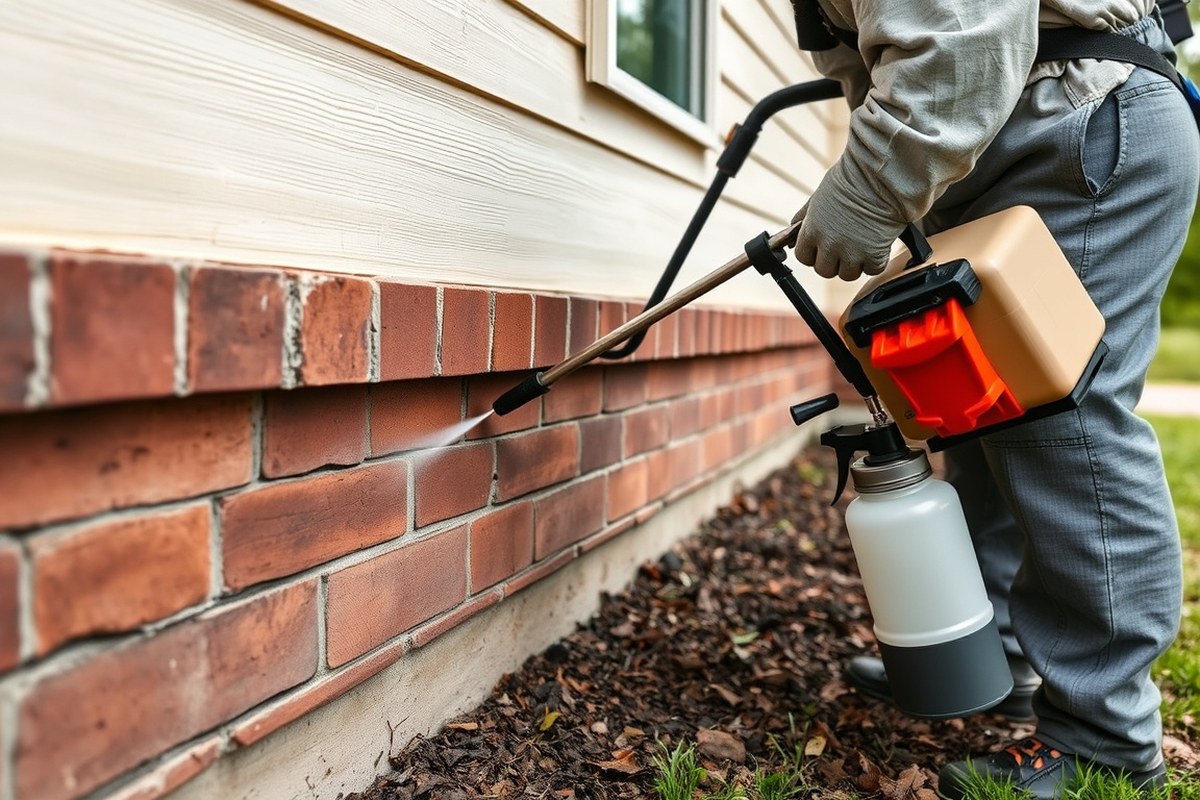
Cook’s Pest Control pricing varies depending on whether you select a one-time treatment or a recurring service plan. On average, a single treatment will cost between $143 and $297, while recurring plans such as monthly or quarterly treatments generally offer lower costs per visit. Understanding these options helps you match the service to your pest control needs and budget.
One-Time Treatment Costs
A one-time pest control treatment through Cook’s generally ranges from $143 to $297 for an average-sized home around 1,600 to 2,000 square feet. This option suits homeowners dealing with a sudden pest issue or wanting a single inspection and treatment without ongoing commitments. The price depends on the pest type, treatment complexity, and property size. Single treatments usually cover common pests like ants, roaches, or spiders but may cost more if termites or rodents are involved.
Choosing a one-time treatment involves an initial visit cost roughly between $150 and $300. Follow-up visits, if needed, are typically less expensive but may not be included unless you enroll in a recurring plan. One-time treatments often lack the preventative benefits that come with regular service plans, so pests might return over time if not managed continuously.
Quarterly and Monthly Service Plans
Recurring pest control plans reduce the chance of infestations by providing regular treatments and inspections. For quarterly service, expect to pay roughly $95 to $285 per treatment, often falling near $129 on average. This strikes a balance between cost and ongoing pest prevention, making it a solid choice for homeowners wanting periodic attention to keep pests away year-round.
Monthly plans cost more per year but typically charge between $45 and $72 per month. Monthly services provide the most frequent treatments, ideal for homes in high-risk areas for pests or with recurring infestations. These plans usually include free retreatments between visits and a satisfaction guarantee, adding value and peace of mind.
A recurring plan’s per-visit cost is lower than a one-time service because Cook’s schedules treatments throughout the year, which helps spread out labor and materials costs. These plans also often require a contract, commonly for 15 months, reinforcing consistent service for sustained pest control results.
Sample Annual Cost Calculation for Average Home
For an average home about 1,800 square feet, a quarterly plan at $129 per visit totals around $516 annually. This plan provides four treatments yearly with regular inspections and free retreatments if pests return between visits. The cost balances affordability with effective home protection against over 50 common pests.
Choosing a monthly plan at $60 per month translates to $720 annually. This option suits homes needing closer monitoring or those with frequent pest problems, offering more frequent treatments and rapid response. The yearly contract often comes with a satisfaction guarantee including re-services between visits.
One-time treatments can be a temporary fix, with prices from $143 to $297 per visit. Persistent pest issues require multiple visits, which add up quickly and could exceed the cost of an ongoing plan. Seasonal pest activity or limited problems may justify a one-time treatment, but for ongoing prevention, quarterly or monthly plans provide better value and sustained results.
Key Factors That Affect Cook’s Pest Control Pricing
Property Size and Layout
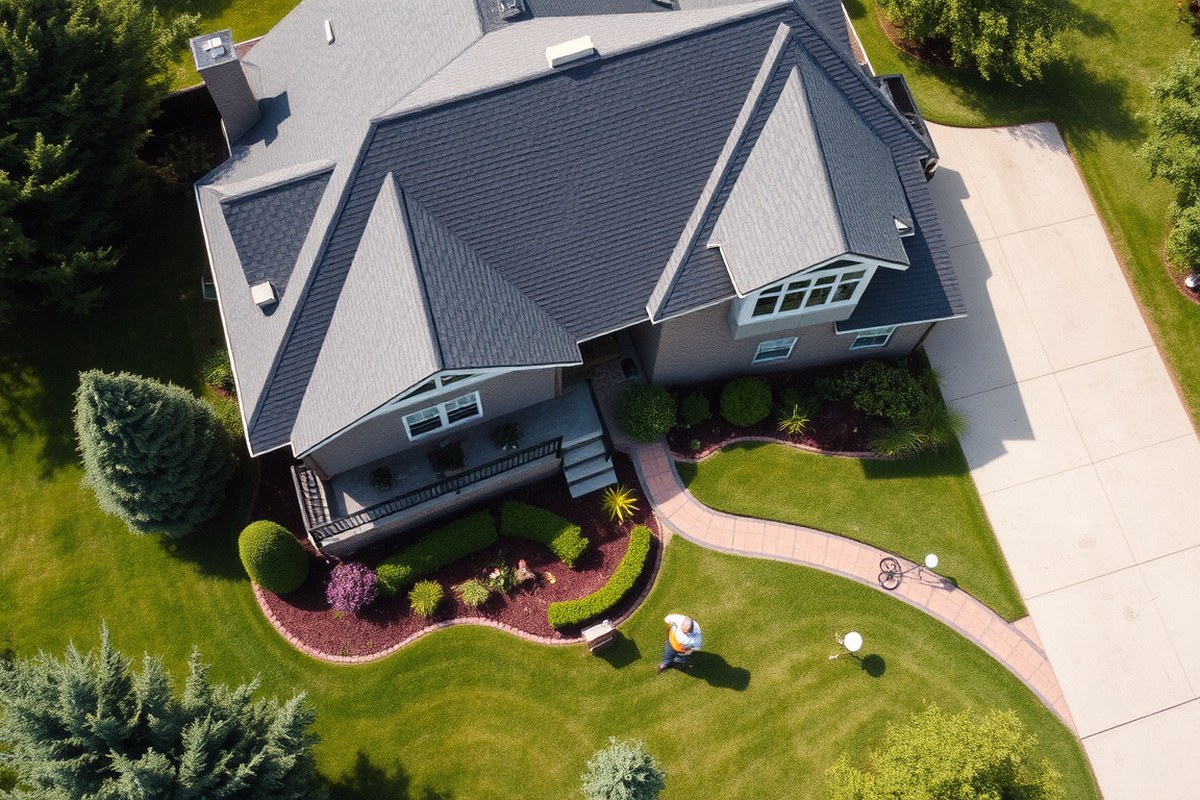
Cook’s Pest Control pricing varies significantly with the size of your property because larger areas require more time, materials, and labor to treat effectively. For instance, a small apartment might only need a basic interior treatment costing under $100, while a large single-family home could run into several hundred dollars per visit. The layout affects pricing as well; properties with complex landscaping, multiple buildings, or garages often require additional targeted applications and inspection time.
Inspecting the property is the first step Cook’s technicians take to estimate costs. They measure the square footage, identify entry points, and note areas prone to infestation like crawl spaces or attics. This evaluation determines the treatment area size for perimeter spraying and interior application. More square footage means more pesticide and longer labor hours, which leads to higher prices. Larger yards or commercial spaces typically receive quotes adjusted to cover outdoor and structural challenges.
Type of Pest and Severity
Prices differ based on what pests you want to control because each pest requires specialized treatments and strategies. Common household pests like ants, spiders, and roaches usually fall under general pest control plans, which are priced the lowest. Cook’s offers targeted services for tougher issues like termites, bed bugs, and beehives which cost more due to the complexity and risk associated with those pests. For example, termite treatment can cost from a few hundred up to two thousand dollars depending on the infestation’s scale.
Severity of infestation also drives pricing because heavy infestations need multiple treatments and follow-ups to fully eradicate the problem. Minor cases might require one or two visits, while severe invasions demand ongoing monitoring, higher concentrations of pesticides, and possibly structural repairs after treatment. For beehive or wasp removal, costs might range from $90 to $800, influenced by hive size and location hazards.
Start pest control early to avoid severe infestations which can double or triple treatment costs and prolong property damage risk.
Service Frequency and Coverage Area
Cook’s prices depend on how often you want service and how much coverage you need each time. One-time treatments cost less upfront but may not fully protect your home long term. Recurring plans spread cost over months, providing regular inspections and treatments that keep pests away more effectively. These plans typically reduce the need for emergency visits and expensive remediation later on.
Coverage area in these plans is another factor. A general pest control plan usually covers interior rooms and exterior foundation perimeters but excludes mosquito or termite control, which are separate. Expanding coverage to include your yard, garage, or multiple structures will raise your monthly or yearly fee. Prices rise with service scope and frequency because each visit involves labor, materials, and transportation expenses.
What’s Included in Cook’s General Pest Control Services?
Cook’s Pest Control general pest control service typically covers common household pests with routine perimeter treatments around your home. Additional services like mosquito, termite, bed bug, or rodent control require separate appointments and pricing. You will receive a detailed estimate that includes what’s covered and what extra treatments you might need.
Pests Covered Under General Plans
The general pest control plan mainly targets insects that pose everyday nuisance and health risks inside and around the home. This usually includes ants, spiders, roaches, silverfish, and occasional invaders like crickets or earwigs. The treatment focuses on applying substances to your home’s exterior perimeter to prevent pests from entering and limited indoor treatments if necessary. This plan often involves quarterly visits that maintain these barriers through regular inspections and treatment applications.
Understanding the scope helps prevent surprises about which pests are covered. For example, scorpions or carpenter ants might be included in some areas but not others, depending on local pest pressure. Also, lawn pests such as ticks or fleas generally do not fall under the standard program and require special handling.
Specialized Pest Treatments and Pricing
Services for bed bugs, rodents, or other specific and persistent pests are treated separately due to their complexity, treatment duration, and materials involved. Bed bug eradication often demands multiple treatments over weeks, possibly requiring heat treatments or chemical applications inside the home. This drives the cost higher than general pest service, sometimes by hundreds of dollars or more, depending on the infestation level.
Rodent control may require traps, sealing of entry points, and follow-up visits. Unlike pesticide applications, rodent treatment often includes physical removal strategies and repairs to pest entry areas. Pricing for rodents varies widely because of different house layouts, infestation size, and severity. Customers should expect a separate quote for these services, reflecting labor intensity and materials.
Mosquito and Termite Treatment Options
Mosquito control is offered as an a la carte service separate from the general pest plan. The process typically includes scheduled treatments around the yard during mosquito season, aiming to reduce breeding grounds and adult populations. The cost commonly depends on yard size, frequency of treatments, and severity of the mosquito problem.
Termite control also requires distinct treatment contracts because of the technical inspections and specialized materials required. These treatments are important for preventing or eliminating termite colonies that threaten wooden structures. Termite services may include baiting stations or liquid termiticides and can involve higher upfront costs with longer-term warranties. Cook’s Pest Control provides estimates after inspection, clarifying what’s included and suggesting the best preventive or corrective approach.
Contract Terms, Satisfaction Guarantee, and Service Frequency
Cook’s Pest Control generally offers flexibility without requiring long-term contracts except for their annual plans, which have a 15-month commitment. They back their services with a 110% satisfaction guarantee, which means if you are not satisfied, they do more than just a re-treatment. Technicians usually visit every quarter, but visit frequency can depend on the plan you choose. You can change or cancel your plan, though options vary between plans.
Contract Length and Cancellation Policies
Cook’s Pest Control does not require long-term contracts for most of their monthly pest control plans, allowing customers to cancel or change their plan at any time without penalty. This option suits homeowners who prefer not to commit for a full year or want the flexibility to adjust service levels seasonally. However, the annual plans aimed at complete pest protection include a 15-month contract, which extends slightly beyond a year. This contract length balances steady service with a commitment from both sides to achieve effective pest management.
Cancelling the annual contract before the 15-month period ends may involve fees or penalties depending on the specific terms communicated at sign-up. Always review the cancellation clause carefully before committing. For no-contract plans, cancellation is straightforward: you notify Cook’s by phone or online, and service stops at the end of the billing cycle. Being mindful of billing dates helps avoid unwanted charges beyond your active service period.
Understanding the Satisfaction Guarantee
Cook’s Pest Control offers a 110% satisfaction guarantee, which means if their pest control treatment doesn’t meet your expectations, they will not only retreat the problem area but also reimburse you 10% more than the charge for the initial treatment. This guarantee aims to give you confidence in the effectiveness of their service and provides an additional layer of financial protection against ineffective pest control.
To use this guarantee, you must report unsatisfactory results within the timeline specified in your service agreement, usually within a few days or weeks after treatment. The company will then schedule a technician visit to address the issue promptly. This guarantee holds Cook’s accountable for treatment outcomes and provides clear recourse if pests persist. Keep documentation of all treatments and communications to support any claim you make.
Typical Service Visit Frequencies
Most Cook’s Pest Control plans involve quarterly visits, meaning a technician will come around once every three months to inspect and treat your property. This interval is common in pest control as it balances proactive prevention with maintaining ongoing control of pest populations. During each visit, the technician will apply treatments, check for new pest activity, and address any customer concerns.
Some plans or problem situations may require more frequent visits, especially if you face recurring pest issues like termites, ants, or cockroaches. In those cases, technicians might recommend adjusting visit frequency to bi-monthly or monthly until the problem is under control. Customers can discuss these adjustments directly with their technician or service representative based on observed pest threats.
Changing or Canceling Your Plan
You can switch between different Cook’s Pest Control plans or cancel service entirely, but the ease of doing so depends on your current contract type. For monthly plans without long-term contracts, changing or stopping service is as simple as contacting customer service by phone or through their website. They will guide you through the options and timing so your new plan or cancellation takes effect cleanly without overlapping charges.
For annual plans with the 15-month contract, changing plans may require you to complete the contract term or pay an early termination fee. Cancelling before the contract ends might involve additional steps and costs, so carefully weigh your pest control needs before agreeing to such a plan. In any case, clear communication with Cook’s Customer Care is essential for smooth transitions or cancellations.
How Cook’s Pest Control Prices Compare to Local Competitors
Cook’s Pest Control generally offers pricing that aligns closely with other major local providers like Terminix and Orkin. Their rates fall within a similar range for routine and specialized pest treatments, though specific costs differ depending on the type of service and contract terms.
General Pest Control Price Comparison
For basic general pest control, Cook’s typically charges around $40 to $60 per monthly visit. Terminix and Orkin carry similar pricing, with monthly plans ranging from $45 to $70 depending on your location and home size. Cook’s competitive pricing stems from its regional focus in the Southeast, which helps keep costs moderate. Pricing variations reflect the pest pressure in different states such as Florida or Georgia where infestations can be more frequent. To get the best value, compare the included services in each monthly plan since some companies bundle spider, ant, and rodent control differently. Here is a pricing comparison table for typical general pest control service on a quarterly or monthly basis:
| Company | Monthly Plan Cost | Quarterly Plan Cost | Service Area |
|---|---|---|---|
| Cook’s Pest Control | $40 – $60 | $120 – $150 | Southeastern US |
| Terminix | $45 – $70 | $130 – $175 | Nationwide |
| Orkin | $50 – $65 | $140 – $160 | Nationwide |
Costs can increase if you have a larger home or require more frequent visits. Both Terminix and Orkin have a wider national footprint, which can slightly bump their costs due to overhead in different regions. Cook’s pricing tends to focus on competitive affordability in its core service states.
Specialized Treatments Price Differences
Specialized pest treatments like termite control, bed bug elimination, or mosquito service usually cost more and vary significantly by provider and infestation severity. Cook’s termite treatments often run from $500 to over $1,200 depending on the method, which aligns with Terminix’s termite pricing that also ranges widely based on infestation size and treatment type.
Bed bug eradication tends to be expensive across all companies, commonly starting around $700 for initial treatment and multiple follow-ups. Cook’s and competitors like Orkin provide customized quotes based on inspection results. Mosquito control services at Cook’s might cost roughly $50 to $75 monthly during peak seasons, which is slightly less than some Terminix programs running closer to $75 or more.
Specialized treatments require on-site inspection for accurate pricing. The range exists due to variations in infestation level, home size, and treatment regiment. Make sure the quote includes follow-up visits or warranty coverage, as lack of follow-up can lead to recurring problems and added cost.
Contract and Service Options Compared
Cook’s Pest Control offers flexible contract terms including one-time treatments and ongoing services. This flexibility matches competitors like Terminix and Orkin who provide month-to-month or yearly contracts. Monthly contracts with Cook’s average $40 to $60 per visit, while one-time treatments usually cost 20-40% more because they are not part of a recurring plan.
Terminix is generally recommended for those looking for complete packages with extensive service guarantees, which may come at a higher price but include quicker response times and extensive pest coverage. Cook’s satisfaction guarantee is competitive and standard for the industry, usually including re-treatment if pests return within a specific window. Orkin offers a strong guarantee as well but often encourages longer contract commitments.
Contract choice impacts cumulative cost. For example, an ongoing $50 monthly plan totals $600 annually, plus any added treatment fees. Choosing no-contract, one-time service with Cook’s might mean paying $150 to $200 for a single visit without routine protection. Consider your pest risk and budget when selecting a contract length or service frequency.
Practical tip: Always ask for a detailed estimate including service frequency, treatment types, and any guarantees before committing to a contract to avoid surprises in cost or pest coverage.
Scheduling, Inspections, and Speed of Service Appointments
You can request a free inspection from Cook’s Pest Control by filling out an online form, and a representative will contact you within one business day to arrange an appointment. The timing of your service appointment can vary, but faster scheduling options might influence the cost depending on availability and demand. Understanding how to schedule and when to expect a visit helps you plan and avoid unexpected fees.
Free Inspection Process
Cook’s Pest Control offers free home inspections to assess whether pests are present and to determine their type and severity. You start by completing a form on their website with your contact details and address. A representative contacts you within one business day to schedule the inspection, usually within a few days. This inspection typically includes a thorough check of common entry points, potential nesting sites, and visible pest activity. The purpose is to give Cook’s enough information to recommend the right treatment without charging for this initial step.
These inspections are genuinely free and do not obligate you to purchase a service. Cook’s uses the inspection results to prepare an accurate estimate tailored to your situation. Keep in mind that the inspection itself might take around 30 minutes to an hour, but the actual duration depends on the property’s size and complexity of the pest problem. It’s wise to be available during the scheduled time so the inspector can access all necessary areas promptly.
Scheduling Options and Typical Wait Times
After you complete the inspection form, Cook’s Pest Control aims to contact you quickly, usually within one business day. Scheduling an appointment generally depends on local service availability and how busy the company is at the time. In many areas, you might get a time slot within 2 to 5 business days, but this can stretch longer if you require service during peak pest seasons or for extensive treatments.
You can usually choose between standard business hours or ask about early morning or late afternoon slots, though these preferences might not always be available. Some locations might offer weekend appointments for an extra charge or limited availability. It helps to be flexible with your timing to secure an earlier visit without additional fees. Confirming your appointment promptly when Cook’s contacts you is key to getting the timeframe you want.
If your pest issue is urgent, such as an infestation causing ongoing damage or health concerns, mention this when scheduling. Cook’s may prioritize your service, but faster appointments often come at a higher rate due to after-hours or emergency fees. Planning ahead for routine pest control helps you avoid these situations and extra costs.
Impact of Scheduling Flexibility on Pricing
Cook’s Pest Control pricing can vary depending on your requested service time and urgency. Selecting an appointment during regular business hours tends to be standard cost, while requesting specific times, like early mornings or weekends, might increase the price. Services scheduled on short notice or outside normal working hours often carry a premium to cover additional labor expenses.
Delaying your appointment for a few days to accept the next available window during regular hours usually lowers the overall cost. However, putting off treatment can allow pest problems to worsen, which could increase the treatment complexity and therefore the price later on. It’s a tradeoff between paying a little more for a quicker response or accepting standard timing to save money upfront.
For ongoing pest control contracts, appointment flexibility could also affect the total cost. Choosing fixed times regularly might make scheduling easier for Cook’s and reduce the chance of appointment changes or emergency services. On the other hand, demanding specific times repeatedly could limit their ability to offer discounts or package deals. It’s best to discuss scheduling preferences and any potential fees with your Cook’s representative during the initial consultation to set clear expectations.
Safety Measures and Effectiveness of Cook’s Pest Control Treatments
Cook’s Pest Control treatments are designed with family safety and pest removal effectiveness in mind. Their protocols minimize risks to children and pets while using methods that efficiently target pests common in Huntsville’s climate. Watching for clear signs of pest activity and product residue helps you know if follow-up visits are necessary.
Safety Protocols for Families and Pets
Cook’s ensures safety for kids and pets by using treatments with controlled exposure levels and products registered for residential use. Technicians often advise removing pets and children from treated areas for a specified time, typically a few hours, to allow spray residues to dry fully. This step cuts chances of accidental contact, which matters especially with curious toddlers or roaming pets.
Before treatment, you should communicate any special concerns to the technician, such as pets with sensitive skin or families with infants. They will adjust the product choices or application methods accordingly. After the service, ventilate your home well and follow any label directions about when it’s safe to re-enter the space. This approach combines product safety with sensible precautions to protect household members.
Treatment Methods Use by Cook’s
Cook’s uses a mix of advanced chemical formulations and targeted application strategies. These include perimeter treatments around a home’s foundation and inside cracks where pests nest. Their choice of product depends on the pest type and severity, adapting to the seasonal shifts in Huntsville that affect pest activity. This flexibility supports both effectiveness and cost-efficiency.
They incorporate technology for inspecting and monitoring pest presence before and after treatments. This might include moisture sensors or visual inspections to tailor where and how much product to apply. Using only the necessary treatment area helps avoid overuse, which can raise costs and reduce safety margins. The key is applying the right product in the right place at the right time.
Signs You Might Need Follow-Up Visits
Knowing whether pest control is working involves checking treated areas for new pest activity regularly. You should look for live insects, droppings, or damage signs within 3 to 7 days after treatment. Persistent sightings after this period usually indicate the need for follow-up visits.
Follow-ups can also be necessary if your home faced a heavy infestation or if external conditions, like continuous rain, reduce treatment effectiveness. Cook’s typically schedules follow-ups based on the initial service findings and the treatment plan you select. Communicate any concerns early to avoid worsening infestations or repeated exposure to chemicals.
Choosing the Right Cook’s Plan: One-Time Treatment vs. Recurring Service
You can choose a one-time treatment to address a specific, contained pest problem or opt for a recurring service plan if you want ongoing protection against multiple pests. Deciding between these depends on the type and severity of the infestation, your location, and your tolerance for repeat visits. A clear decision rule is to evaluate pest activity and risk after the initial treatment and then decide if quarterly follow-up is necessary based on visible results and potential for reinfestation.
What Happens at Your First Treatment
The initial treatment from Cook’s Pest Control involves a technician thoroughly treating cracks, crevices, and voids in your home. These areas are the common hiding and entry points for pests, so targeting them directly helps eliminate the problem at its source. The technician will apply treatments on interior surfaces to catch active pests and prevent their return. You should expect this visit to last about an hour, depending on your home size and pest complexity.
This initial visit is usually priced around $159, though prices can vary by location and home size. During this visit, the technician will also assess conditions that might lead to recurring pest issues, which helps determine if you might need follow-up visits. Think of this treatment as the first strike. When pests come back, additional plans might be needed to keep them from returning.
Combining Treatments for Multiple Pest Types
Cook’s typically can treat multiple pests under one general pest control plan, which often does not drastically increase the cost. Most treatments target common pests such as ants, spiders, roaches, and spiders using similar application methods and products. Your technician will adjust the treatment approach based on the pests identified during inspection, but you usually won’t pay separately for each pest type.
Treating specialized pests like termites or bed bugs will likely require separate service plans or treatments, and these come with additional costs. For example, termite treatment involves more intensive measures and monitoring, so those are priced differently. For general pests, the initial visit cost covers all typical indoor pests targeted at once, making it convenient and straightforward.
When to Choose One-Time vs Recurring Service
One-time treatments work best when you have a clear, isolated pest problem that can be eliminated quickly without ongoing reinfestation risks. For example, spotting a hive of wasps outdoors or a one-time ant trail inside means a single treatment can solve the problem for about $159 upfront. After treatment, monitor pest activity for 1 to 2 weeks. Absence of pest return usually means further visits are unnecessary.
Recurring service plans make sense if your home is in an area prone to seasonal or persistent infestations. The quarterly follow-up treatments cost roughly $111 each after the initial visit, typically arranged every three months. This ongoing service helps prevent new colonies or infestations from establishing. Frequent pest signs, such as ants in different rooms or mice activity year-round, indicate that a recurring plan provides continuous protection.
Here’s a decision rule to use: Start with the initial visit at $159. Pest activity that persists or new pests appearing within a month signals the need to add quarterly treatments at $111 each. Consider the total cost over a year, as four quarterly visits would add about $444 on top of the initial cost. When ongoing pest risk is low and no return occurs after the first treatment, a one-time service keeps costs down.
Monitor pest signs closely after the first treatment; noticing new activity within a few weeks means scheduling recurring treatments rather than waiting until the problem returns full-scale.
Step-by-Step Action Plan for Understanding Cook’s Pest Control Costs
Start by gathering detailed pricing and service info from Cook’s Pest Control so you can compare plans and choose what fits your pest problem and budget best.
- Before you start: Write down your pest issues and service needs, noting whether you need a one-time treatment or a recurring plan. Knowing this upfront saves time and helps target the right package during your inquiry.
- Day 1: Contact Cook’s Pest Control for a detailed quote, including the base price, any add-ons for specific pests, contract length options, and cancellation terms. Check if their satisfaction guarantee covers your concerns fully.
- Day 2: Get clarity on what each plan includes, like inspection frequency, treatment types, and coverage areas, to compare with competitors’ offerings. This helps spot any hidden fees or service gaps that affect price.
- Within the week: Evaluate safety protocols and treatment effectiveness based on your pest problem and household needs, especially if you have children or pets. This ensures the treatments you pay for align with your safety standards.
- Week 2: Schedule an inspection or service appointment to confirm the pricing and plan details in person. Observe appointment promptness and professionalism; quick, clear service often indicates reliable ongoing support.
- After first service: Monitor pest activity and treatment results to assess if the chosen plan is effective. Immediate reduction signals good value, while persistent issues could mean you need a more complete or frequent service.
- After 1 month: Review your contract commitments and satisfaction guarantee policies for options to adjust or cancel if the service is unsatisfactory. Understanding these terms protects your money and lets you switch plans if needed.
- Ongoing: Compare your monthly or annual costs against local competitors periodically to ensure Cook’s pricing remains competitive and aligned with the service quality you expect.
Frequently Asked Questions
How Much Does Cook’s Pest Control Cost?
Cook’s Pest Control costs vary by home size and treatment type, typically around $129 per quarterly visit or roughly $35 weekly. Larger homes may pay 10-15% more. An exact quote depends on your pest issue and service plan.
How Much Does Pest Control Usually Cost per Month?
Pest control usually runs between $30 and $70 per month with recurring plans, depending on property size and pest severity. One-time treatments might cost more upfront but require no ongoing fees.
Is $70 a Month Good for Pest Control?
Paying $70 per month for pest control is reasonable if it covers quarterly visits and free retreatments, as Cook’s offers. Cheaper plans might miss pests or require extra services, so check what’s included.
How Much Will It Cost for Pest Control?
The cost will depend on your pest problem, home size, and treatment frequency. For example, Cook’s charges about $129 per quarterly visit plus free retreatments, which adds up annually. Mosquito and termite services cost extra.
Is a Monthly Pest Control Plan Worth It?
A monthly plan can be worth it if you face ongoing pest issues since regular treatments prevent infestations better. However, quarterly plans often balance cost and coverage well, especially with free retreatments included.
Do Pest Control Companies Charge Extra for Heavily Infested Homes?
Yes, homes with severe infestations often cost more to treat. Cook’s Pest Control adjusts pricing based on pest severity, so expect higher fees if pests require intensive or repeated treatments.
Final Thoughts
Cook’s Pest Control pricing usually balances cost with service quality and safety, so choosing your plan depends on how severe the pest issue is and how often you want treatment. You can call Cook’s for a free inspection to get an exact quote based on your property size and pest type, which helps avoid paying for unneeded services. For ongoing issues, a recurring service contract might save money over multiple visits, while a one-time treatment could work if the problem is minor and quickly resolved. Scheduling a prompt inspection lets you compare Cook’s prices against local competitors more accurately and judge their responsiveness firsthand.