

How to Get Rid of Swollen Eyes: 8 Effective Home Remedies and Tips
To get rid of swollen eyes quickly, use cold compresses, stay hydrated, and avoid rubbing your eyes. Applying natural remedies like cool cucumber slices or tea bags can reduce puffiness, while ensuring you get enough sleep helps prevent swelling. These simple steps address common causes like tiredness, allergies, or crying.
This advice is for anyone dealing with swollen or puffy eyes who wants effective home treatments and clear information on causes. You’ll learn how to choose between cold and warm compresses, discover safe over-the-counter options, and know when to see a doctor. Avoid common mistakes and adopt daily habits that reduce eye swelling for healthier-looking eyes.
Key Takeaways
- Use a clean, cool compress or chilled cucumber slices on your eyes for 10 to 15 minutes to quickly reduce swelling.
- Swollen eyes often result from allergies, lack of sleep, or eye irritation, identify by recent exposure or lifestyle habits.
- Apply cold compresses for puffiness and allergies; use warm compresses for blocked glands or crusty eyelids.
- Natural remedies like cooled tea bags or cucumber slices help relieve swelling within 15 minutes without harsh chemicals.
- Get 7 to 9 hours of sleep and avoid allergens to prevent and reduce swollen eyes daily.
- Follow product instructions carefully and avoid freezing compresses directly on skin to prevent frostbite.
1. How to Quickly Reduce Swollen Eyes at Home

Using a cold compress is the quickest and safest home method to ease swollen or puffy eyes. The cold causes blood vessels to constrict and reduces inflammation, which lowers swelling and redness. Never apply ice cubes, frozen peas, or any frozen item directly on the skin; always wrap them in a thin towel or cloth to prevent frostbite. Use the compress for 15 to 20 minutes, then take a break of at least 40 minutes before repeating. A warm compress works better for swelling caused by infections like styes, as it boosts blood circulation and supports healing.
- Pick the right compress: To treat most cases of puffy eyes, apply a cold compress such as a chilled spoon, a small bag of frozen peas, or ice cubes wrapped in fabric. If the swelling is due to an infection, use a warm compress like a clean washcloth soaked in warm water instead.
- Prepare the compress: If you’re using ice cubes or frozen peas, wrap them gently in a thin cloth or paper towel. Avoid thick towels that reduce cold penetration. For a warm compress, soak a clean cloth in warm (not hot) water, wring it out so it’s damp but not dripping.
- Apply the compress: Close your eyes and gently place the compress over the swollen area. Do not press hard. Keep it on for 15 to 20 minutes if cold, or 5 to 10 minutes if warm. Use a timer to avoid leaving it on too long.
- Rest between sessions: Remove the compress and wait at least 40 minutes before reapplying. You can repeat cold compresses every hour for up to 48 hours after swelling starts. Warm compresses can be applied 2 to 4 times daily if treating a stye or infection.
- Monitor your skin: Check the area regularly for signs of frostbite (such as pain, numbness, or white patches) when using a cold compress. Discontinue use if you notice irritation or worsening symptoms.
- Stay hydrated and avoid irritants: Drink water to reduce fluid retention that can worsen puffiness. Avoid rubbing your eyes or exposure to allergens while the swelling is present.
- Know when to stop home treatment: If swelling persists more than a couple of days, worsens, or is accompanied by pain, discharge, or vision changes, seek medical advice promptly instead of continuing home remedies.
2. What Causes Swollen or Puffy Eyes and How to Identify Them
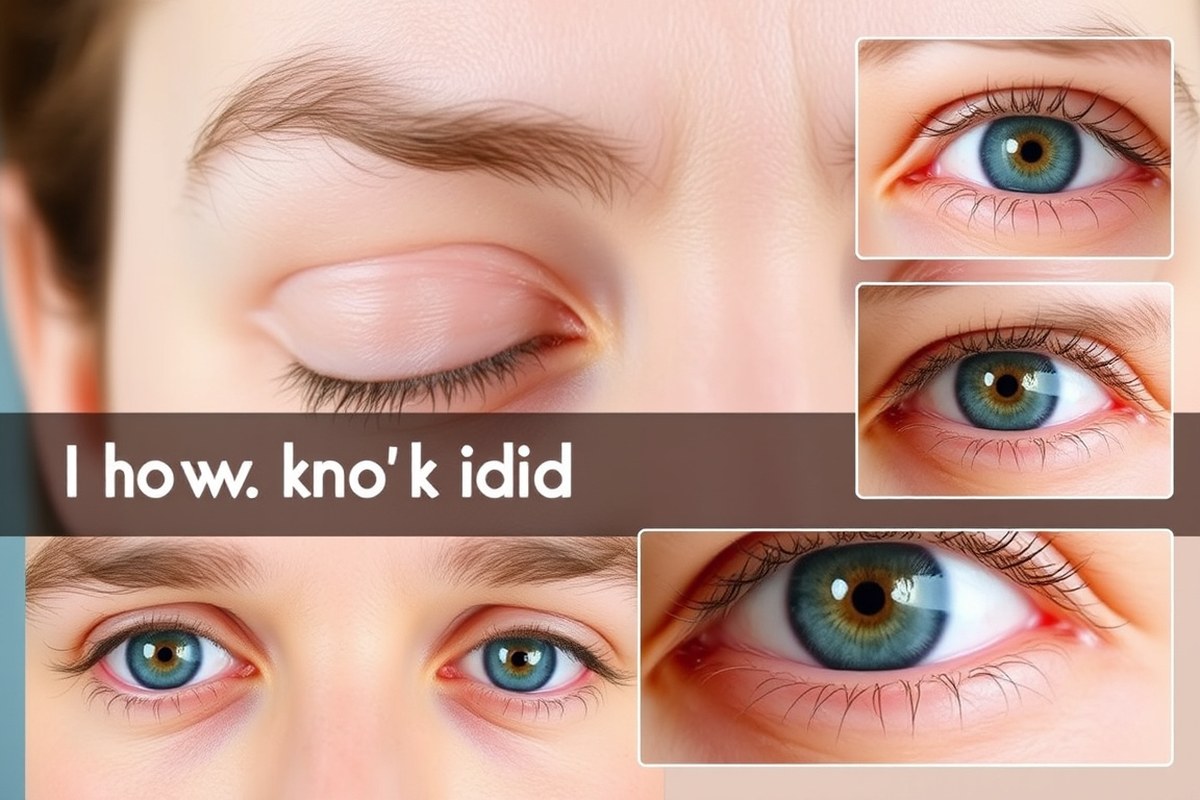
Swollen or puffy eyes can result from various causes, including allergies, infections, fluid retention, or more serious health problems. Identifying the cause depends on observing accompanying symptoms such as redness, pain, itching, or how long the swelling lasts. Eye bags or dark circles differ from swollen eyes, as they mainly involve skin changes rather than active swelling.
Allergic Reactions and Their Symptoms
Allergic reactions are one of the most common causes of swollen eyes. When exposed to allergens like pollen, pet dander, or dust mites, the eyes often become itchy, red, watery, and swollen. The swelling usually affects both eyes and persists until the allergen is removed or treated. You might notice additional symptoms like sneezing or a runny nose.
Since allergy-related swelling often involves itching and redness without significant pain, these signs help distinguish it from infections. Avoid rubbing your eyes to prevent worsening the puffiness. Over-the-counter antihistamine eye drops or oral medications may relieve symptoms, but swelling will only fully go down after allergen exposure stops.
Signs of Eye Infections to Watch For
Eye infections cause swelling that can be painful and may affect one or both eyes. Common infections include conjunctivitis (pink eye), blepharitis (eyelid inflammation), and keratitis (corneal infection). These infections often cause redness, discharge, crusting, or a sensation of something in the eye. Swelling might extend beyond the eyelids to the surrounding areas.
Unlike allergy swelling, infections may produce a yellow or green discharge and can make the eye sensitive to light. Worsening pain, blurred vision, or fever alongside swelling may indicate a bacterial infection needing prompt medical treatment. Your doctor may prescribe antibiotic ointments or steroid drops depending on the cause.
Understanding Fluid Retention Around Eyes
Puffy eyes due to fluid retention are very common, especially in the morning. Fluid accumulates in the delicate tissues around the eyes during sleep because these areas have loose skin and a rich blood supply. This swelling usually improves over a few hours after waking. Causes include lack of sleep, excess salt intake, crying, or hormonal changes such as hypothyroidism.
Fluid retention swelling tends to be mild, with no redness or pain. Lifestyle changes like reducing salt in your diet, getting enough rest, and gently applying cold compresses can reduce puffiness. Eye bags and dark circles are often related but involve skin pigmentation or loss of elasticity rather than acute swelling.
When Swelling Indicates a Serious Condition
Swelling around the eyes accompanied by severe pain, rapid progression, or vision changes may suggest serious conditions like orbital cellulitis, an infection of the tissues around the eye socket. This requires urgent medical care to prevent complications. Also, persistent swelling can signal systemic issues such as heart, liver, or kidney problems causing generalized water retention.
Swelling that does not improve with home care, involves other symptoms like fever or headache, or affects only one eye with increasing redness and tenderness should prompt seeking medical attention. Early diagnosis and treatment are critical to avoid permanent damage or complications.
Avoid self-medicating for eye infections and consult a healthcare provider if swelling worsens or is accompanied by pain and vision changes.
3. Choosing Cold vs. Warm Compresses for Different Eye Swelling Causes
Deciding between a cold or warm compress for swollen eyes depends on what caused the swelling. Cold compresses reduce inflammation and numb pain, making them ideal for general swelling or allergy symptoms. Warm compresses help loosen blocked glands and promote healing, which suits conditions like styes or eye infections. Using the wrong type can delay recovery or cause discomfort, so it’s important to follow a clear decision process before applying treatment.
When Cold Compresses Are Recommended
Cold compresses are best for quickly reducing swelling, redness, and discomfort caused by injuries, allergies, or general puffiness. Inflammation shrinks when exposed to cold, which also numbs the area to reduce pain. If your swollen eyes are from rubbing due to allergies, a cold compress can help limit further irritation.
Use cold treatments within the first two days after swelling starts. This method also suits eye strain or fatigue, offering relief and temporary reduction in puffiness.
When Warm Compresses Help More
Warm compresses work well when swelling results from blocked oil glands, styes, or infections such as blepharitis. Heat helps open up clogged glands, promotes circulation, and softens crusts that may form around the eyelids. Rather than easing swelling directly, warm compresses address the root cause of certain types of eye swelling.
Apply a warm compress after the initial 48 hours of swelling or if you’re dealing with sticky eyelids or lumps on the eyelid. Warm treatments encourage drainage and speed healing, which cold compresses can’t do for these conditions.
How to Safely Apply Both Compress Types
Proper application is key to effectiveness and safety for both cold and warm compresses. Follow these steps to prepare and apply each type correctly:
- For a cold compress, wrap ice, a gel pack, or a cooled, damp washcloth in a clean towel to avoid direct skin contact, which can cause frostbite.
- For a warm compress, soak a clean cloth in warm water (about 104°F to 113°F), then wring out excess water so it’s damp but not dripping.
- Close your eyes and gently place the compress over the swollen eyelids, ensuring full coverage.
- Keep a cold compress on the eye for 10 to 20 minutes, up to twice daily; leave a warm compress on for about 10 minutes, repeating 3 to 4 times a day if needed.
- Reheat warm compresses as necessary by soaking in fresh warm water to maintain consistent temperature.
- Always use a clean compress each time to prevent infection; wash cloths with hot water and soap after each use.
- Stop treatment and consult a healthcare professional if your swelling worsens, becomes painful, or does not improve within a few days.
4. Comparing Popular Natural Remedies for Swollen Eyes
Natural remedies for swollen eyes like cucumber slices, tea bags, rose water, and potato slices all work by reducing inflammation and cooling the skin. The time they take to show effects varies, but most provide noticeable relief within 10 to 30 minutes. Using these approaches properly can help ease puffiness safely and without cost beyond simple kitchen or pantry items.
| Remedy | How to Use | Timing | Mechanism | Pros | Cons |
|---|---|---|---|---|---|
| Cucumber Slices | Slice a refrigerated cucumber into two thick pieces and lay them over your closed eyes for about 10 to 15 minutes. | 15 minutes to start seeing effects. | Contains natural acids reducing inflammation and water retention. | Easy, inexpensive, soothing effect; hydrating. | Needs refrigeration; may cause irritation in sensitive skin. |
| Tea Bags (Green or Chamomile) | Brew two tea bags in hot water for several minutes, then cool them in the refrigerator for 20 to 30 minutes. Place the chilled tea bags on your closed eyes for 10 to 15 minutes. | About 30 minutes total including cooling time; soothing effects appear quickly after application. | Contains antioxidants and anti-inflammatory compounds that reduce redness and swelling. | Readily available, contains antioxidants, multiple tea types can be used. | Requires preparation time; must cool before use to avoid burns. |
| Rose Water | Apply rose water gently to under-eye area using a cotton ball or pad. | Effects usually noted after several minutes. | May reduce puffiness through anti-inflammatory and antioxidant effects. | Natural scent, easy to apply, also hydrates skin. | Effectiveness less immediate; risk of allergic reaction exists. |
| Potato Slices | Place thin slices from a peeled, chilled potato over closed eyes for 10, 15 minutes. | 10 to 15 minutes for cooling and reducing puffiness. | Contains anti-inflammatory enzymes; cool temperature helps reduce swelling. | Inexpensive, easy to prepare, may brighten skin tone. | Less popular, potential for odor; may irritate sensitive skin. |
The effectiveness of these natural remedies depends on consistent and proper use. For example, tea bags must be steeped and chilled properly to avoid irritation and achieve maximum anti-inflammatory benefits. Cucumber slices are often preferred for their added hydration, while rose water suits those seeking gentle skin care with a soothing scent. Testing a small area before full application can prevent reactions on sensitive skin. Most remedies provide initial swelling reduction within 10 to 30 minutes, which helps reduce discomfort quickly.
5. Daily Habits to Prevent and Reduce Swollen Eyes
Getting enough sleep is essential to prevent and reduce swollen eyes. Aim for 7 to 9 hours of quality sleep each night. Lack of sleep causes blood vessels to dilate and fluid to accumulate around your eyes, making them appear puffy. Establish a consistent bedtime and keep your sleeping environment cool and dark to help improve your sleep hygiene.
Reducing salt intake can significantly lower eye swelling. Excess sodium causes your body to retain water, which leads to puffiness around the eyes. Limit your daily salt consumption to less than 2,300 milligrams, focusing on cutting back processed and fast foods. If you notice swollen eyes after salty meals, try eating fresh fruits and vegetables instead and drink plenty of water to flush excess sodium.
Hydration plays a key role in preventing puffiness. Dehydration prompts your body to hold onto water, worsening swelling under the eyes. Drink about 8 to 10 glasses (64 to 80 ounces) of water daily, adjusting for activity level and climate. Reduce caffeine and alcohol, as both are dehydrating and can contribute to puffy eyes.
- Get 7 to 9 hours of sleep nightly for vascular rest and fluid balance
- Limit sodium to under 2,300 mg daily to reduce water retention
- Drink 8 to 10 glasses of water every day, reducing caffeine and alcohol
- Quit smoking to improve circulation and decrease inflammation in the eye area
- Wash your face gently to prevent irritation and avoid rubbing your eyes
Quitting smoking also helps ease swollen eyes by improving blood flow and reducing inflammation in delicate skin tissues. You may notice reduced puffiness in weeks to months after quitting, depending on how long you smoked. Smoking compromises skin health, so stopping smoke exposure supports healing and prevents further swelling.
Regularly washing your face with gentle, fragrance-free cleanser helps remove irritants and reduces eye puffiness caused by rubbing or allergies.
Maintaining good eye hygiene prevents irritation that can worsen swelling. Avoid touching your eyes frequently and use clean towels and pillowcases. Improve your head slightly when sleeping to discourage fluid pooling beneath your eyes overnight. These simple daily habits support long-term reduction of puffy eyes.
6. Safe Use of Over-the-Counter Remedies for Swollen Eyes
You can use several over-the-counter (OTC) remedies to reduce swollen eyes, especially when allergies or irritants cause the puffiness. Antihistamine eye drops, like those containing ketotifen or olopatadine, directly relieve itching and redness by blocking the allergy response in your eyes. Oral antihistamines such as cetirizine, loratadine, levocetirizine, or diphenhydramine can also help reduce swelling when allergies cause your eyes to swell. These medications typically start working within a few hours, with relief lasting up to 24 hours, depending on the product.
Eye creams and serums designed to reduce puffiness often use ingredients like caffeine or cooling agents to constrict blood vessels and reduce swelling. They can provide temporary relief but do not treat the underlying cause if allergies or infections are involved. Prices vary widely, with many OTC options costing between $10 and $30 per bottle or tube.
Using these products safely matters because overuse or misuse can cause problems. Eye drops with preservatives should not be used more than four times a day to avoid irritation or dry eyes. Avoid using steroid-containing eye drops or creams unless prescribed by a doctor, as these can have harmful side effects like increased eye pressure or infection risk. Also, avoid sharing eye drops or using expired products. Test any new creams on a small skin area first to check for sensitivity or allergic reactions.
Allergies cause eye swelling by triggering inflammation. When allergens enter your eyes, your immune system releases histamine, which causes blood vessels to expand and fluid to accumulate in the tissue under your eyes. Antihistamines block this effect, reducing swelling and redness. You can follow this script to use OTC antihistamine eye drops safely: First, wash your hands thoroughly. Tilt your head back and gently pull down your lower eyelid to create a small pocket. Instill one drop into each eye without touching the dropper to your eye surface. Close your eyes for one to two minutes, then blot away excess liquid with a clean tissue. Do this up to four times per day as directed on the label.
In cases where swelling is linked to an infection, OTC antihistamines and creams may not be effective, and you might need antibiotics prescribed by a healthcare provider. Avoid rubbing your eyes and remove any makeup or contact lenses before applying drops or creams to prevent further irritation. If swelling lasts more than a few days despite treatment or worsens, seek medical advice promptly.
7. When to See a Doctor for Swollen Eyes and Warning Signs to Watch For
You should see a doctor for swollen eyes when the swelling is severe, lasts more than 24 to 48 hours, or comes with symptoms that could indicate infection or other serious eye problems. Prompt medical attention can prevent complications and ensure the swelling is treated properly. Ignoring warning signs may lead to more discomfort or damage to your vision.
Serious Symptoms Needing Immediate Care
Swelling accompanied by certain symptoms suggests the problem extends beyond the surface and requires urgent medical help. These symptoms include intense eye pain, spreading redness or swelling beyond the eyelid, fever, and any sudden changes in vision. Such signs might point to infections like orbital cellulitis or other serious conditions needing immediate treatment. Watch carefully for these warning signs alongside swollen eyes:
- Severe pain or tenderness in or around the eye
- Redness or swelling spreading to the forehead, cheek, or nose
- High fever or chills
- Difficulty moving the eye or blurry, double, or decreased vision
- Discharge of pus or blood from the eye
- Sudden onset of sensitivity to light
- Swelling that rapidly worsens despite home treatment
If you notice any of these symptoms, visit an emergency room or urgent care center promptly. Early diagnosis and treatment reduce the risk of permanent damage or complications.
Common Medical Causes of Long-Term Swelling
Persistent eyelid swelling is often linked to underlying medical issues requiring professional evaluation. Conditions like blepharitis (chronic eyelid inflammation), styes that do not improve, chalazion (blocked oil gland), and certain allergic reactions can cause ongoing swelling. Some systemic diseases such as thyroid eye disease or infections like conjunctivitis also contribute to lasting eyelid puffiness.
Understanding the cause helps determine the right treatment, which may include prescription eye drops, antibiotics, or in rare cases, minor procedures. Left untreated, some conditions can worsen or cause scarring and vision problems.
How to Discuss Symptoms with Your Doctor
Prepare for your appointment by noting exact symptoms and their progression. Mention when the swelling started, if it affects one or both eyes, and any related signs you experienced. Including details about exposures, allergies, or recent injuries can help pinpoint causes. Here is a simple script you can use to explain your condition clearly:
“My eyelid has been swollen for [number] days. It started on [date] and has [improved/worsened/stayed the same]. I also noticed [list symptoms like pain, discharge, vision changes]. I have/have not tried any treatments such as cold compresses or eye drops. I am concerned because [explain any severe or worsening symptoms].”
Your doctor will likely examine your eyes with a magnifying device called a slit lamp and may ask about your general health and medication use. Be honest about all symptoms and follow through with recommended tests or referrals. Early diagnosis leads to better outcomes and less discomfort.
8. Mistakes to Avoid When Treating Swollen Eyes at Home
Rubbing your eyes when they are swollen can make the swelling worse. This action increases blood flow and releases chemicals that trigger more inflammation, leading to heightened puffiness and irritation. To break the habit, try gently pressing a cold compress on your eyes instead or distracting yourself by washing your face or applying moisturizer around the eye area. Keeping your hands busy or clean helps prevent unconscious rubbing, especially if allergies or dryness make your eyes itchy.
Overusing creams or applying them too frequently around the eyes also risks worsening swelling or causing skin irritation. Many eye creams and ointments contain active ingredients like retinol or corticosteroids that can thin delicate skin or cause allergic reactions if used too much. Follow product instructions carefully and limit applications to once or twice daily unless a healthcare provider advises otherwise. Avoid home remedies involving harsh substances like lemon juice or undiluted essential oils that can burn or damage skin and worsen swelling.
Another common mistake is leaving cold or warm compresses on swollen eyes for too long. Compresses should usually be applied for 10 to 15 minutes, then removed for at least 10 minutes before repeating. Leaving a compress on for over 30 minutes can cause redness, dryness, or even skin breakdown, especially if the compress is too cold or too hot. Monitor your skin’s reaction and use a clean cloth each time to avoid infections. For children and elderly persons, use gentler, shorter compresses and avoid strong temperature extremes due to increased skin sensitivity.
Treatment can differ depending on age. Older adults often have thinner skin and additional health conditions that affect swelling, so they should use milder remedies and consult professionals before starting new treatments. Children’s eyes are more sensitive, so gentle methods such as brief cold compresses and avoiding creams with active chemicals work better. In each case, patience and careful observation help in adjusting your approach. Always stop using any product or remedy if you notice redness, itching, or worsening swelling.
Never rub swollen eyes; instead, apply a cold compress for 10 to 15 minutes to soothe irritation and reduce puffiness safely.
Step-by-Step Action Plan to Reduce and Prevent Swollen Eyes
Follow this plan to quickly relieve your swollen eyes, understand the causes, and prevent future puffiness safely at home.
- Immediately: Apply a cold compress or chilled spoons to your closed eyes for 10 to 15 minutes. This reduces swelling fast. You’ll notice less puffiness and improved comfort right after.
- Within a few hours: Identify possible causes such as allergies, lack of sleep, or salty food intake. Adjust these factors accordingly. You will see fewer episodes of swelling over the next days if the cause is addressed.
- Same day: Use a warm compress if your swollen eyes are due to blocked glands or infection, holding it on your eyelids for 5 to 10 minutes. Improvement in eyelid softness and reduced redness indicates it’s working.
- Next day: Try natural remedies like cucumber slices or cold brewed tea bags on your eyes for 10 minutes. Choose the remedy that feels soothing and reduces puffiness noticeably.
- Start daily: Adopt habits like staying hydrated, getting 7 to 8 hours of sleep, and reducing salt to prevent swelling. Monitor your eyes each morning; less puffiness shows progress.
- Within a week: Use over-the-counter eye drops or anti-allergy products as directed for persistent puffiness linked to allergies. Reduced irritation or redness confirms they help.
- Immediately if needed: Seek medical care if swelling is severe, painful, lasts more than a week, or comes with vision changes or fever. Prompt treatment avoids complications.
- Ongoing: Avoid rubbing your eyes and overusing home remedies to prevent irritation. If swelling returns less frequently and is milder, you’re on the right track.
Frequently Asked Questions
Can Dehydration Cause Swollen Eyes?
Yes, dehydration can lead to swollen eyes because your body retains water, causing puffiness. Drinking enough fluids helps reduce swelling and supports overall eye health.
Are There Specific Foods That Worsen Swollen Eyes?
Yes, high-salt foods can worsen eye swelling by causing water retention. Reducing salt intake can help control puffiness and improve comfort.
Can Makeup Cause Swollen Eyes?
Yes, certain makeup products can irritate your eyes or cause allergies leading to swelling. Use hypoallergenic products and remove makeup gently before sleep.
Is Swelling Around the Eyes Linked to Thyroid Problems?
Yes, conditions like Graves’ disease may cause eye swelling. Managing thyroid disorders under medical supervision can help reduce eye puffiness.
How Does Aging Affect Eye Swelling?
Aging can weaken skin and tissues around your eyes, leading to more noticeable puffiness. Moisturizing and gentle care can help manage this effect.
Can Stress Contribute to Swollen Eyes?
Yes, stress can contribute to swollen eyes by triggering inflammation and poor sleep. Managing stress improves both eye swelling and overall wellness.
Wrapping Up
Swollen eyes can often be managed effectively with simple home remedies and lifestyle adjustments. Applying a cold compress shortly after noticing puffiness can provide quick relief for many common causes. Try placing a clean, cool cloth over your eyes for 10 to 15 minutes today to reduce swelling and see how your eyes respond.


One Comment