
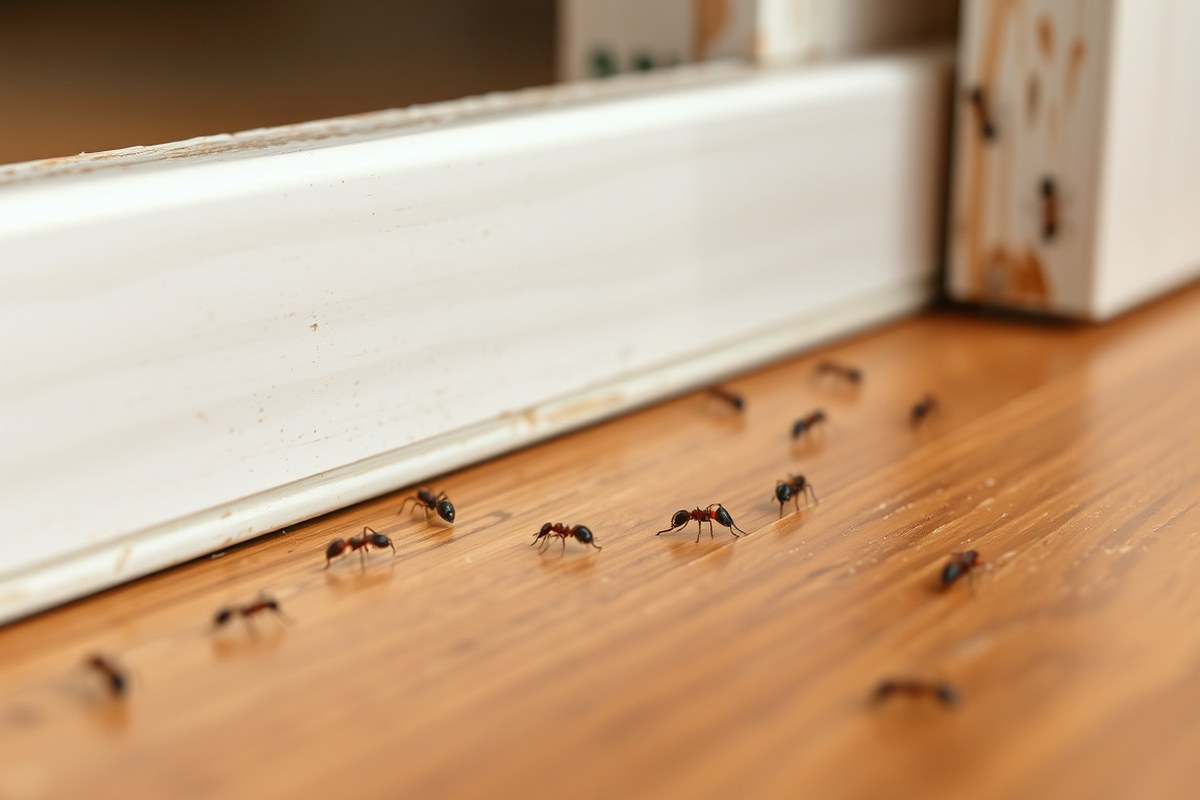
Can Pest Control Get Rid of Ants? What Actually Works and How Fast
Professional pest control can get rid of ants effectively, often eliminating entire colonies by targeting nests and using proven treatments like baits and sprays. You can expect faster, more thorough results compared to many DIY methods, especially against persistent ant species. This article is for homeowners, renters, and DIY enthusiasts who want to understand whether pest control removes ants permanently or just temporarily, and how professionals approach the problem from identification to prevention.
You’ll learn how pest control experts locate nests and entry points, what treatment methods they use, and how long it typically takes to clear an infestation. The discussion also covers cost considerations, preparing your home, and why some ant species require different strategies. Knowing this will help you decide when professional help is worth the investment versus managing ants yourself with proven products like Terro bait stations.
Key Takeaways
- Professional pest control can eliminate ants effectively but often requires follow-up treatments for permanent results due to nest relocation or new infestations.
- Experts locate ant nests and entry points by tracking worker ants and inspecting cracks, crevices, and moist areas where colonies typically reside.
- Ant control uses baits with low boric acid concentration, targeted sprays, and treatments tailored to the ant species for optimal results.
- Complete ant elimination usually takes from several days to a few weeks, depending on infestation size, ant species, and treatment method.
- Professional pest control provides value through thorough inspections, customized plans, and safer, more effective products compared to most DIY options.
- Preparing for treatment involves cleaning food residues, sealing cracks, removing standing water, and temporarily relocating pets and children for safety.
Can Pest Control Eliminate Ants Permanently or Just Temporarily?
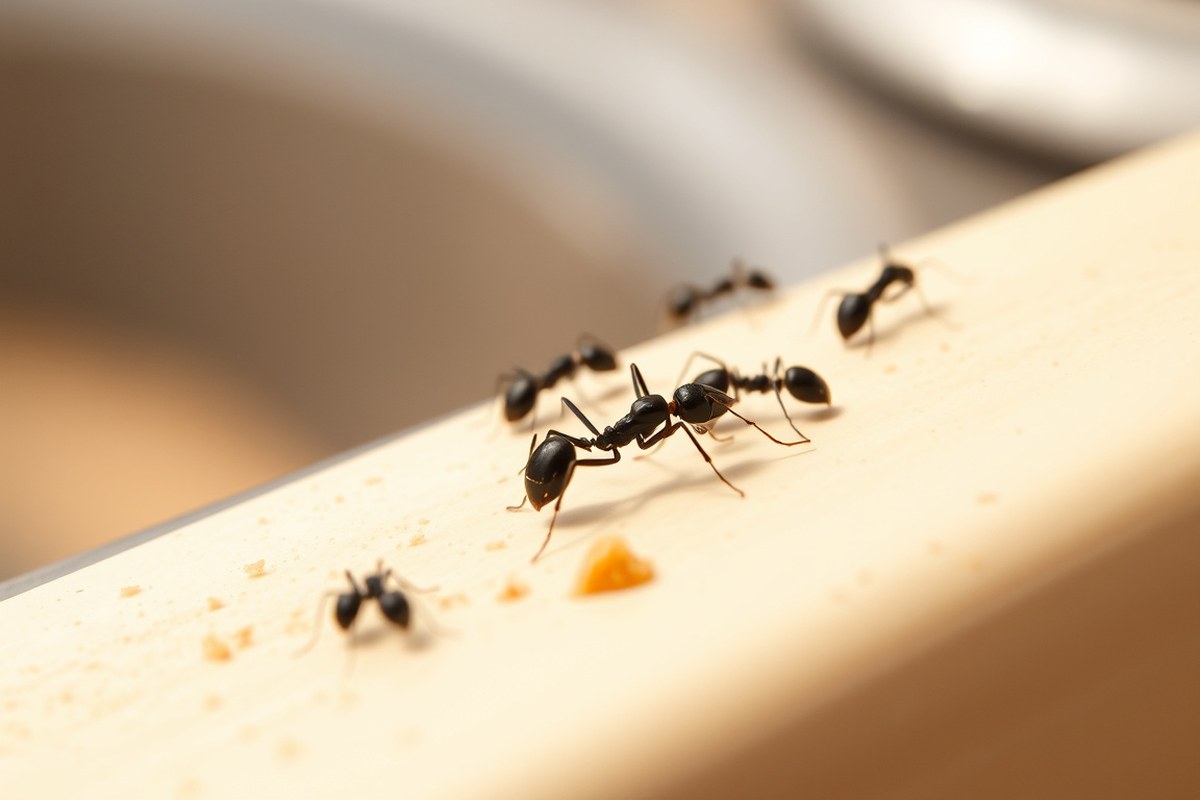
Professional pest control can eliminate ants beyond just a temporary fix by targeting the entire colony rather than only the visible worker ants. Successful treatments use specialized baits or non-repellent sprays that ants carry back to their nests, reaching the queen and other members needed to sustain the colony. This approach is why professional services focus on colony control instead of merely killing ants spotted crawling in your home.
Directly killing the ants you see with sprays or wipes only addresses part of the problem since most ants remain hidden in nests you might not find. Professional pest control technicians employ methods designed to disrupt the colony’s life cycle over time, often requiring several weeks to fully eradicate the queen and immature ants. These treatments depend on the ant species and infestation size and may involve a mixture of baits, sprays, and dusts.
Getting rid of ants overnight is unlikely even with professional intervention. Ant colonies take time to break down because the queen produces offspring steadily, and worker ants keep foraging. Professionals warn that immediate disappearance of ants mostly means they’ve simply moved temporarily, so follow-up treatments and prevention steps are necessary to ensure long-term control. Patience and compliance with the technician’s instructions are essential for maximum effectiveness.
Permanent elimination depends on continued prevention after the initial treatment. Pest control treatments reduce colony numbers drastically but do not prevent new ant colonies from invading if conditions remain favorable, like accessible food, moisture, and entry points into your home. A professional may recommend sealing cracks, fixing leaks, and removing attractants to stop ants from returning.
Costs vary with infestation severity and treatment type but expect multiple visits for large colonies or hard-to-treat ant species. Non-repellent products like Taurus SC or Navigator SC are common choices for professionals because they don’t alert ants and spread the toxic bait more effectively. While DIY methods such as boric acid can be somewhat effective, pest control experts stress that severe infestations call for professional expertise to address all hidden nests and ensure the colony is destroyed.
How Do Professionals Identify and Locate Ant Nests and Entry Points?
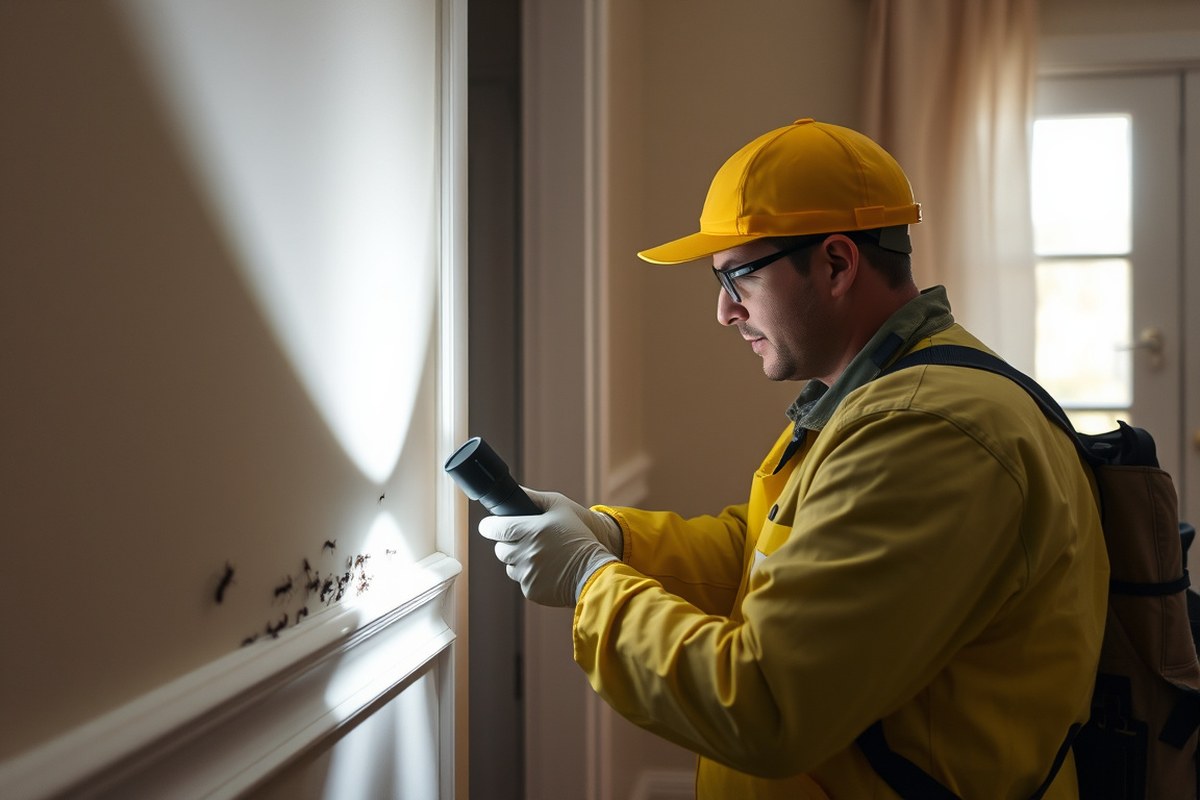
Exterminators begin by conducting a careful inspection to identify the ant species and find nests or trails. This process targets their treatment effectively, focusing on entry points and hidden nests that may be difficult to access. Locating the main nest and common entry spots is essential to control ants inside a home and prevent reinfestation.
Visual Inspection and Ant Trail Tracking
A thorough visual inspection is the first step. Professionals look for ant trails, which typically appear as thin lines of ants moving between food sources and nesting sites. You can follow these trails to discover entry points or the nest location. Paying close attention to areas with food crumbs, pet dishes, or damp locations can reveal where ants are coming from and going to.
Exterminators also check outdoors, around the foundation, gardens, and patios, because most ant species live outside and only enter homes to forage. Tracing these trails through cracks or gaps in walls helps pinpoint precise entry points. Trails often lead back to nests hidden in soil, under mulch, or inside wall voids. Effective treatment depends on accurately following these paths rather than guessing.
Common Ant Entry Points Around the Home
Entry points vary but usually include cracks in foundations, gaps around utility pipes, door thresholds, window frames, and vents. Exterminators inspect these spots for small ant clusters or signs of movement. Soil or plant contact near walls can also serve as access, so they examine siding and nearby vegetation where ants might nest close to the house.
Areas with moisture such as under sinks, around water heaters, or near leaking pipes are common indoor entry points since ants seek water and dampness. Professionals may treat these zones first and use non-repellent residual insecticides around the perimeter to kill ants trying to enter. Sealing or repairing these gaps is part of long-term control to reduce new invasions.
Identifying Ant Species for Proper Treatment
Knowing the ant species shapes the treatment plan because different ants require specific methods. For example, carpenter ants nest in wood and need targeted wood treatments, while Pharaoh ants often nest indoors and require special baiting strategies. Professionals identify species by examining physical features under magnification or collecting samples for lab analysis.
Homeowners can look for size, color, and behavior clues to report to the technician but should avoid guessing. Identifying species like the little black ant, odorous house ant, or carpenter ant helps focus control tactics. The University of California’s Integrated Pest Management guides and similar resources offer detailed keys to recognize common species in an area.
Recognizing Signs of Hidden Nests
Hidden nests appear when ants show up in large numbers in unusual places or trails lead nowhere obvious. Damp wood that sounds hollow when tapped or has sawdust may indicate carpenter ant nesting inside walls or structural wood. Small mounds of soil, piles of leaves, or disturbed mulch outdoors can hide ant nests near the foundation. Detecting these spots often requires probing or moisture meters.
Severe infestations sometimes cause structural damage or persistent indoor presence despite cleaning. Exterminators use tools like borescopes to inspect wall voids without demolition or thermal cameras to detect nests by heat signatures. Addressing these nests effectively demands precise location and choosing treatments that reach into concealed cavities to eliminate entire colonies rather than only surface ants.
Tracing ant trails carefully and noting where they disappear or concentrate gives key clues to nest sites that are otherwise hidden.
Professional Ant Control Methods: Baits, Sprays, and Targeted Treatments
Professional ant control relies mainly on a combination of specialized baiting techniques, non-repellent insecticide sprays, and residual treatments. These target the entire ant colony, including hidden queens, which is why they tend to be more effective than spraying on sight alone. Different methods suit different infestation sizes and ant species, and careful product choice matters for both effectiveness and safety.
Ant Bait Stations and How They Work
Ant bait stations use slow-acting poison mixed with attractive food ingredients, like sugar or protein, to lure worker ants. These ants carry the bait back to the colony, where it spreads and kills the queen and other members. Professionals often use gel or liquid baits containing borax or other insecticides specifically formulated for ants like black ants.
This method requires patience since the poison works gradually, sometimes taking days to weeks to eliminate the colony. Baiting succeeds when ants actively feed on it and when other food sources do not compete. Placing bait near trails or entry points increases success. Bait stations reduce exposure risks for pets and children compared to sprays.
Residual and Non-Repellent Insecticide Sprays
Residual sprays leave a lasting insecticidal film on surfaces ants walk across, killing them on contact and over time. Non-repellent insecticides are preferred professionally because ants don’t detect the chemical and continue their usual activity, spreading the poison further into the colony. This contrasts with repellent sprays, which ants avoid and can worsen infestations.
Professionals apply residual sprays around house perimeters, baseboards, and possible entry points. Products may contain ingredients like bifenthrin or deltamethrin. Such sprays help control larger infestations and difficult species like carpenter ants by attacking nests hidden in walls or wood. Still, spray alone rarely eliminates the queen unless combined with baiting and dusts.
Dusts and Other Specialized Treatments
Dust insecticides are dust-form powders applied in wall voids, cracks, or dry soil where sprays cannot reach. They cling to ant bodies as they pass, transferring poison to the colony. Dusts that contain active ingredients like silica gel or boric acid work well for treating nests inside walls or voids without moisture issues.
Applying dust requires caution; excessive dusting can deter ants from passing and reduce effectiveness. Professionals often use dusts in combination with baits and sprays when they locate nests inaccessible to other treatments. Dusts pose minimal immediate risk to humans and pets if applied in hidden spots.
Natural vs Chemical Control Methods
Natural control methods rely on repellents like essential oils (peppermint, lemongrass, thyme) or food hygiene to deter ants. Some products using these oils offer short-term relief and may prevent ants from returning but usually won’t eliminate an established infestation. Natural methods tend to require repeated applications and do not kill queens.
Chemical treatments, including baits, residual sprays, and dusts, are more likely to remove entire colonies when applied correctly. Certain low-toxicity options like borax-based baits provide a middle ground, effective against ants but with less risk for children and pets when used as directed. Choosing the right approach depends on infestation size, ant species, vulnerability of people and pets, and treatment location.
Common Pitfalls with Spraying Visible Ants
Spraying only the ants you see can seem like quick relief, but it rarely solves the problem. Visible ants are usually scouts or workers, and killing them doesn’t affect the queen or the nest’s survival. Sprays that repel ants might push them deeper into inaccessible areas, making control harder.
Repeatedly spraying visible ants wastes product, can harm pets or children, and delays effective control steps like bait placement and nest treatment. Professionals avoid these pitfalls by combining sprays with baits and dusts, targeting the infestation holistically rather than reacting to surface activity alone.
How Long Does Pest Control Take to Get Rid of Ants Completely?
Pest control treatment for ants usually takes from a few days up to two weeks to eliminate the colony entirely. This timeline allows the ant bait to be carried back to the nest by worker ants and shared with the queen and other colony members. Follow-up visits are essential to monitor progress and prevent reinfestation, especially in ant-prone areas where regular treatments may be necessary.
Typical Treatment Timeline Breakdown
The initial phase begins with a thorough inspection to locate ant trails, nests, and entry points, which informs the placement of baits and targeted treatments. After bait stations are set, worker ants consume the bait and transport it into the colony. This process can take several days since the bait needs to reach the queen to disrupt reproduction and kill larvae. Depending on the species, such as carpenter ants that forage at night and may have multiple nests, elimination could take up to two weeks or longer.
During baiting, ants may still be visible as they continue foraging, so it’s important to avoid using household insecticides aggressively, as that can deter them from taking the bait. Professional exterminators recommend patience in this phase since early disappearance of ants in the treated area often results from recent death but doesn’t confirm colony elimination immediately. If nests are hidden in wall voids or underground, treatment timelines can extend unless complementary actions like localized sprays or nest injections are part of the plan.
Follow-Up Visits and Monitoring
After the initial treatment, pest control usually schedules follow-up visits within one to two weeks to check bait consumption and ant activity. These visits help professionals determine if the bait is still effective or if stations need refilling or relocation. Skilled technicians also inspect for new entry points or secondary colonies that might have been missed initially.
Continued monitoring prevents reestablishment of the colony and can provide guidance on additional sanitation or exclusion practices to reduce attractants like food and water sources. In high-frequency ant areas, ongoing quarterly or biannual treatments may be advised to manage populations before they build up again. These treatments often include bait replacement and spot treatments around the building perimeter.
Seasonal Impacts on Treatment Success
Seasonal factors influence how quickly pest control treatments work. Warmer months encourage higher ant activity and reproduction, which can speed up bait uptake but also mean larger colonies that take longer to eliminate. In cooler seasons, ants are less active, so treatments may progress slower, requiring extended monitoring.
Rain or high humidity can affect bait durability outdoors, making indoor placement or protected stations necessary to maintain effectiveness. Professional pest controllers adapt to these seasonal variations by adjusting treatment plans, equipment, and timing to maximize colony elimination and reduce the chance of return. Understanding these variables helps you set realistic expectations for how long pest control may take depending on when you start treatment.
Cost and Value: Is Professional Pest Control Worth It Compared to DIY?
Expect to pay between $100 and $500 for professional ant extermination, with the price depending heavily on how bad the infestation is and the size of your home. DIY methods cost less but come with limits that make them better suited for smaller or early-stage problems. Choosing between professional and DIY pest control depends on the extent of the infestation, how much time you can invest, and whether ants are present indoors, outdoors, or both.
Average Costs for Professional Ant Control
Professional exterminators generally charge from $100 to $500 for ant control services. Smaller homes with minor ant issues lean toward the lower end, while larger properties or severe infestations push costs higher. Services often include inspecting your property, locating nests, applying baits or sprays, and follow-up visits to monitor results.
Homes with multiple entry points or ant colonies both inside and outside generally incur higher costs. Also, the ant species can influence cost since tougher species may require more intensive treatment plans.
Many pest control businesses offer a guarantee period, usually 30 to 90 days, during which they will return for free if ants come back. This warranty helps justify the higher upfront cost but may not cover extensive reinfestation due to external factors beyond treatment.
DIY vs Professional Treatment Advantages
DIY ant control can cost as little as a few dollars for materials like baits, sprays, or natural repellents such as cayenne pepper or cinnamon. For minor or localized ant activity, these options might work well if you strictly follow application instructions and reapply as needed. They allow immediate action at any time without scheduling visits or waiting for treatments.
Professionals bring expertise, specialized products, and access to treatments not available to consumers. They can pinpoint entry routes, nest locations, and ant species accurately, which improves the odds of long-term elimination. Professionals also treat both indoor and outdoor areas in a coordinated way, which is often necessary since outdoor colonies lead to indoor problems.
DIY methods fall short when ants have established large colonies or have multiple nest sites. Using common sprays may kill visible ants but leave the nest intact, resulting in quick reappearance. Professional treatment addresses the colony directly and targets both worker ants and queens.
Indoor and Outdoor Treatment Considerations
Ants often enter homes searching for food after nesting outdoors, so controlling ants outside is critical to prevent indoor infestations. Professionals typically treat perimeter zones, landscaping, and areas close to foundation cracks where ants cluster. This approach reduces the number that get inside and disrupts colonies before they spread.
DIY outdoor control works best if you can locate and destroy ant hills quickly, but getting to every nest is a challenge. Professionals use bait stations and soil treatments that reach underground nests more effectively. Inside the home, baits attract worker ants who carry poison back to the colony, a process hard to replicate with over-the-counter products.
Consider your property’s layout and ant problem. Ants appearing only indoors near food sources with a small infestation may respond to targeted DIY baiting. Larger or recurring infestations with visible outdoor nests generally require professional treatment that covers both zones.
Don’t ignore outdoor ant activity near your home; untreated outdoor nests often lead to repeated indoor infestations.
Preparing Your Home and Family for Professional Ant Extermination
Preparing your home thoroughly before professional ant extermination improves treatment success and helps protect children and pets from exposure to pesticides. Taking simple, clear steps in cleaning, securing people and animals, and organizing the treatment areas lets the pest control experts focus on eliminating ants safely and effectively.
Cleaning and Removing Food Sources
Eliminating accessible food sources deprives ants of their motivation to enter and stay in your home. Clean all kitchen and dining surfaces thoroughly by wiping down countertops, tables, and stovetops to remove crumbs and sticky residues that may attract ants. Wash dishes promptly rather than letting them sit overnight, and store food in airtight containers to reduce the scent ants follow.
Take special care with pet food by feeding pets at specific times and keeping bowls cleaned and empty between meals, especially overnight. Outdoor pet food should also be removed and cleaned regularly to avoid drawing ants toward the house. In outdoor areas, remove standing water and debris like fallen fruit or leaves that can harbor or attract ants. These cleaning steps reduce the ant population’s food sources, allowing treatments to work more effectively.
Securing Pets and Children
Many professional pest control methods use baits or pesticides with chemicals that can harm pets or children if ingested or contacted directly. Communicate openly with your pest control provider about your household’s specific needs, so they can choose treatment options that minimize risks. You should remove small pets and young children from the home during and for several hours after treatment, according to the pesticide label instructions.
Secure fish tanks by covering or temporarily relocating them, and cover or remove pet toys, beds, and food bowls in treatment areas. Also, keep children and pets out of treated rooms until the surfaces have dried and any airborne particles have settled. Ensuring these safety measures reduces accidental exposure and lets the treatment work without interruption from cleaning or disturbance.
Clearing Treatment Areas and Access Points
Exterminators need clear access to potential ant entry points and nesting sites so they can apply treatments directly where ants live and travel. Remove clutter near baseboards, cupboards, behind appliances, and around doorways or window sills. These objects not only block access but can hide ant trails or nests. Clear floor areas and countertops in kitchens and dining rooms to make inspections and applications more precise.
Also, open cabinet doors and drawers along the ants’ known paths if your provider requests it. This allows them to place bait stations or sprays exactly where needed. On the exterior, trim vegetation and clean gutters or vents near your home’s foundation to reduce ant shelter and nesting opportunities. Preparing these spaces ensures the pest control professional can accurately treat the problem areas and improve results.
Common Homeowner Mistakes to Avoid
A frequent mistake is neglecting to remove all food and crumbs before treatment, which reduces the treatment’s effectiveness. Ants will not be attracted to the bait if plenty of other food is available, so skipping cleaning extends the infestation. Another error is failing to follow post-treatment guidelines, such as reintroducing pets or children too soon or washing treated surfaces prematurely, both of which can undo the treatment.
Some homeowners try to apply DIY pesticides during or immediately after professional treatment, not realizing this can interfere with or dilute the experts’ efforts. Mixing products without professional guidance often wastes money and prolongs the ant problem. Lastly, not securing pet food and water sources outdoors keeps inviting ants inside, undermining the long-term control your extermination provides.
Preventing Ants from Returning After Pest Control Treatment
After a professional pest control treatment, taking specific steps to prevent ants from returning is essential. These steps include sealing entry points, maintaining strict cleanliness around your home, and managing outdoor environments where ants thrive. These practices limit ants’ access to food and shelter, increasing the effectiveness of the treatment and reducing reinfestations over time.
Sealing Common Entry Points
Ants enter through tiny cracks and gaps in your home’s structure. A professional exterminator will identify and treat these areas during the first visit, but sealing them afterward is your responsibility. Use silicone or latex caulk to seal cracks around windows, doors, plumbing pipes, and foundation seams. Pay special attention to areas where utility lines enter your home because ants often use these corridors to get inside.
Sealing openings is best done after the treatment dries but before ants can return. Sealing too soon may trap ants inside walls, but waiting too long risks fresh entry. Treating these gaps helps block ants from access points that sprays or baits alone cannot cover. Expect minor cracks to range from a fraction of an inch to 1/8 inch. You may need a putty knife or foam backer to fill larger gaps before sealing.
Maintaining Cleanliness and Food Storage
Ants are drawn to food residues and crumbs, so keeping your home’s interior spotless helps starve and discourage them. Clean kitchen counters, floors, and appliances daily to remove spills and crumbs. Store food in airtight plastic or glass containers rather than cardboard or paper packaging, which ants can easily penetrate. Regularly take out garbage and clean bins with soap and water to prevent food odors that attract ants.
Sanitation is more effective when combined with pest control because baits rely on ants looking for nearby food sources. Leaving food out or failing to address spills allows ants to avoid baits in favor of more accessible meals. Some homeowners use food-grade diatomaceous earth around entry points and baseboards as an additional barrier; it damages ants’ exoskeletons and helps reduce numbers without chemicals. Avoid spreading it where pets or children can inhale it.
Managing Outdoor Ant Habitats
Outdoor environments often provide nests and food sources for ants. Professionals recommend trimming vegetation so branches and shrubs do not touch the house, which prevents ants from bypassing exterior barriers. Remove leaf litter, mulch piles, and debris near your foundation to reduce humidity and shelter where ants can nest. Fix leaks, clogged gutters, or standing water around your property to eliminate moisture that attracts ants.
In some regions, invasive ants like crazy ants build colonies outdoors and can invade homes when disturbed. Regular landscape maintenance is essential to keep outdoor ant populations low. You might consider applying perimeter treatments once or twice a year, particularly in late spring and early summer when ant activity peaks. Outdoor barriers reduce reinfestation risks by killing ants before they reach your home’s foundation.
Regular Monitoring and When to Re-Treat
Even after treatment, expect to monitor your home for signs of ant activity regularly. Check common entry points every few weeks and inspect kitchens, bathrooms, and outdoor perimeters. Catching reinfestations early reduces treatment complexity and cost. Most professional services include follow-up visits within 30 to 60 days to assess and address any remaining or returning ants.
Ants that reappear within this period require contacting your pest control provider to discuss re-treatment options. Persistent ant issues sometimes require multiple visits due to nest size, species behavior, or environmental conditions. Long-term prevention relies on your routine maintenance combined with professional monitoring, ensuring ants do not re-establish themselves inside your home.
Why Some Ant Species Are Harder to Control and How Treatments Differ
Some ant species are harder to control because of their size, nesting habits, and colony structure. Pest control adjusts treatments by identifying the species, which determines the bait, spray, or physical removal methods used. Understanding ant life cycles also helps target treatments to disrupt colony growth effectively.
Common Ant Species in Homes
The ants frequently encountered inside homes across the U.S. Include species such as Argentine, Carpenter, Crazy, Fire, Ghost, Leafcutter, Odorous House, Pavement, and Pharaoh ants. These ants typically measure between 1/16 inch and 1/8 inch, except for carpenter ants, which are noticeably bigger. Ants invade residences primarily to locate food, which varies by species and season, including sweets, proteins, or greasy substances.
Identifying the ant species matters because some ants, like pharaoh ants, form multiple colonies and are more challenging to eliminate, while Argentine ants often travel in large supercolonies that require more complete treatments. Basic “sugar ants” that seek sweet foods might respond well to simple baits, but species-specific habits also affect bait choice.
Challenges Presented by Carpenter and Fire Ants
Carpenter ants pose a unique challenge because they nest inside wood, often hidden within walls or structural beams. They don’t eat wood like termites but excavate it, causing damage. Their size and nesting locations require targeted treatments that go beyond surface sprays, typically involving locating and treating internal galleries or removing infested wood.
Fire ants are aggressive and form large mounded nests outdoors, sometimes moving nests inside. Their painful stings can pose a health risk, so treatment often involves applying a combination of baits and mound drenches that target worker ants and queen. This approach usually needs follow-up visits to monitor and ensure the colony is eliminated.
Attempting to treat carpenter or fire ants with general surface sprays alone often fails because the queen and deeper nests remain untouched.
Adjusting Treatment Based on Species and Colony Size
Pest control professionals start by identifying the ant to choose the correct treatment plan. For example, small sugar ants might be controlled with sugar-based baits placed near trails, while carpenter ants require bait stations combined with localized liquid treatments inside walls. Fire ants may need outdoor mound treatments plus baiting over several weeks.
The size of the colony affects how long and how often treatments occur. Larger colonies with multiple nests may take several visits spaced over 2 to 4 weeks to fully eradicate. Professionals often recommend follow-up inspections because ant colonies can survive initial treatments if some brood or queens remain protected.
Successful control depends on timing treatments to interrupt the ant life cycle. Eggs and larvae are vulnerable to slow-acting baits carried back to the nest. Sprays mainly kill foraging workers on contact but don’t affect the queen directly. Combining baiting and targeted spraying ensures both immediate reduction and long-term colony collapse.
Step-by-Step Action Plan for Controlling Ants with Pest Control
Professional pest control can often eliminate ants more effectively than DIY methods, but success depends on identifying nests, using appropriate treatments, and preventing re-infestation. Follow these steps to decide and act on controlling ants in your home.
- Before You Start: Inspect your home to spot ant trails, entry points, and possible nests, especially near foundations and kitchens. This helps professionals target treatments precisely and saves you money by avoiding trial-and-error.
- Day 1, Hire a Licensed Pest Control Service: Choose a company experienced in ant extermination and ask which methods they use, such as baits or targeted sprays. Confirm they identify ant species, since treatment varies by species, and get a cost estimate with expected treatment duration.
- Day 2, 3, Prepare Your Home: Clean food spills, remove pet food, and seal easy food sources before the treatment. Clear clutter near walls and entry points so technicians can treat affected areas effectively.
- Within First Week, Treatment Application: Have professionals apply baits and/or sprays focused on nests and trails inside and outside your home. Baits interrupt the colony’s food cycle, while sprays give immediate reduction. Effective treatments depend on thorough coverage and correct product use.
- Weeks 2, 4, Monitor Ant Activity: Watch for reduced ant sightings after treatment. If ants persist or return, inform your pest control provider for follow-up inspections and possible retreatment, especially for tougher species like carpenter ants.
- After Treatment, Prevent Re-Infestation: Keep your home clean and dry, seal cracks, and fix moisture problems to block entry points. Regularly reapply gel baits or proscribed barriers every few months if ants are common in your area.
- Ongoing, Evaluate Cost vs. Benefit: Consider if professional services reduce more ants in less time compared to DIY options. Professionals often cost more upfront but may save time and repeated effort by addressing nests directly, which DIY treatments often miss.
Frequently Asked Questions
Is It Worth Getting Pest Control for Ants?
Pest control is often worth it if you have a large or recurring ant infestation because professionals can target the colony and queen, which DIY methods may miss. For small infestations, a combination of baits and prevention might be enough without hiring an exterminator.
How Much Do Exterminators Cost to Get Rid of Ants?
The cost varies widely from about $150 to $300 for initial treatment depending on infestation size, ant species, and service area. Ongoing maintenance plans or difficult-to-treat infestations can increase the price. Local market and treatment type affect final cost.
How Long Does It Take for Pest Control to Get Rid of Ants?
Pest control treatments usually take between a few days to two weeks to completely eliminate ants, depending on the colony size and product used. Baits can require time to reach the queen and disrupt the colony.
How Do Exterminators Get Rid of Ants Inside?
Exterminators use a mix of baits, sprays, and residual treatments inside the home to kill ants and prevent return. They often locate nests and entry points to apply targeted treatments that reach the colony rather than only visible ants.
Can Pest Control Prevent Ants from Coming Back?
Professional pest control helps prevent ants by sealing entry points and applying treatments that disrupt colonies beyond just killing workers. Ongoing prevention steps like removing food sources and moisture are also necessary to keep ants away long term.
Are Homemade Remedies Effective Against Ants?
Some homemade remedies like vinegar or diatomaceous earth deter ants temporarily but usually don’t eliminate whole colonies. They work best combined with professional methods or commercial baits for sustained control.
Key Points to Remember
Pest control can substantially reduce ant problems and may eliminate them permanently if all nests and entry points are properly treated and followed up with preventive measures. Start by inspecting common ant trails and entry points around your home today; use a flashlight to check under sinks, near windows, and along baseboards to pinpoint where ants enter. Taking this step helps professionals or yourself target treatments more effectively, improving the chances of long-term control. Consistent monitoring after treatment remains important, especially for species known to be persistent or nest underground.




4 Comments