What Is a Pest Control Technician? A Complete Guide for Beginners
A pest control technician identifies, treats, and prevents pest infestations in homes, businesses, and other properties. They use chemicals, traps, and technology to manage various pests safely and effectively. Understanding the daily duties, necessary training, skills, and work conditions is essential if you want to pursue this career.
This overview is tailored for job seekers, students, and anyone exploring what is a pest control technician. You’ll learn about licensing requirements, salary ranges, tools and chemicals involved, common challenges, and the steps to start and advance in this field. Being informed helps you make practical career decisions based on real industry standards.
Key Takeaways
- Pest control technicians perform daily inspections, chemical applications, and customer consultations to manage pest issues effectively and safely.
- Entry into pest control requires completion of safety training, a Commercial Pest Control Applicators License, and often a Level 2 pest management certification.
- The job demands physical stamina for tasks like lifting, bending, and working outdoors in various weather conditions.
- Technicians use sprayers, baiting equipment, and electronic devices alongside chemicals regulated by safety standards to control pests.
- Average annual wages hover around $38,000 to $47,000, with opportunities for higher pay based on location, experience, and company.
- Employment growth of 6 to 10 percent is expected through 2030, driven by rising demand for pest control services nationwide.
What Does a Pest Control Technician Do Daily?
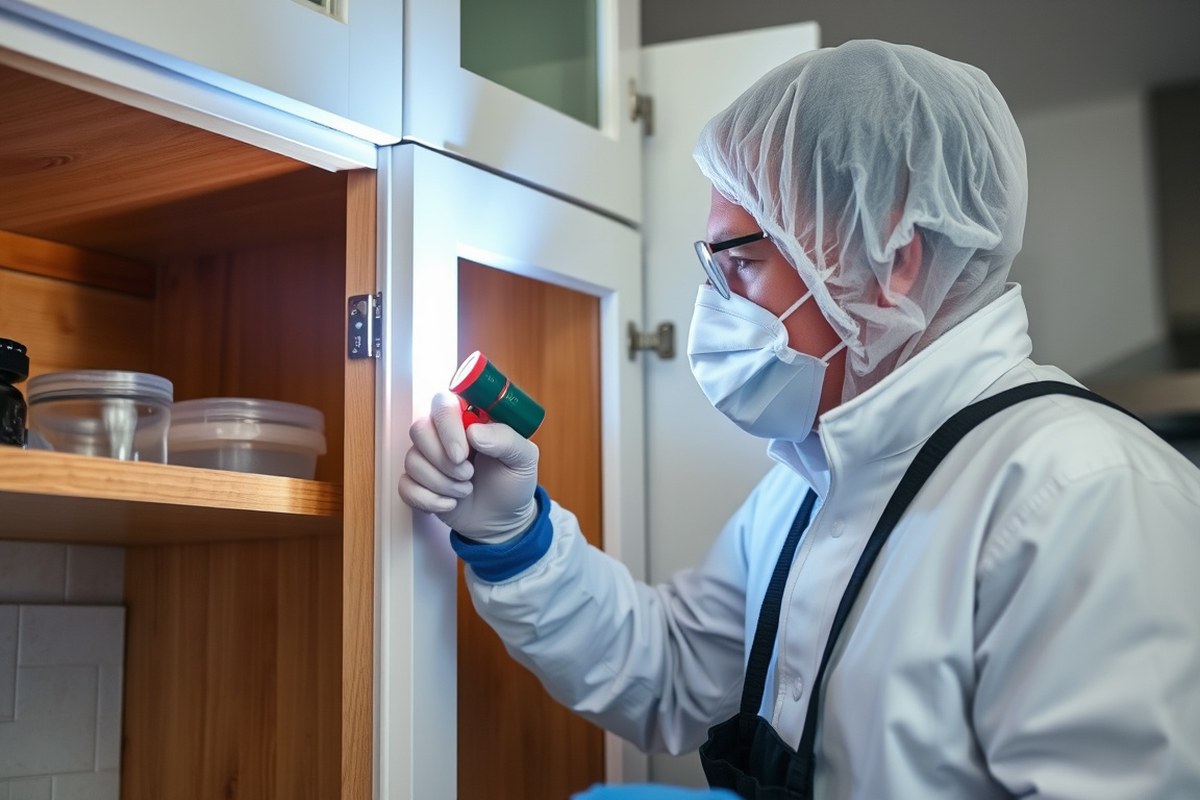
A pest control technician’s daily work centers on inspecting properties, applying treatments to eliminate pests, and communicating clearly with customers to ensure their satisfaction and safety. This role focuses on managing pests like rodents, insects, and occasional wildlife that pose risks to health or property damage. A typical day involves moving through these tasks carefully, balancing technical skills with customer interaction.
Routine Inspections and Assessments
Each day usually begins with a review of scheduled service calls and any notes from previous visits. You start by inspecting the property inside and outside to identify evidence of pests such as droppings, nests, or damage. Detailed inspections determine the kind of pest present and the severity of the issue. This step is essential to choose the correct treatment method and dosages, preventing overuse of chemicals or missed infestations.
During the inspection, look for signs specific to common pests encountered daily, including ants, cockroaches, termites, mice, rats, and spiders. Pay attention to entry points like cracks, gaps around windows, or openings near plumbing. These routine assessments help in catching infestations early and making targeted recommendations for exclusion or sanitation improvements, which customers often appreciate for reducing future problems.
Treatment Application and Pest Removal
Once the inspection is complete, you apply treatments based on the identified pest and location. Treatments may involve setting traps for rodents, applying insecticides to cracks and crevices, or using baits strategically. It’s important to follow safety protocols carefully during application to protect yourself, the customer, and the environment. For example, you avoid spraying in areas with food exposure or use bait stations where children and pets cannot reach them.
The choice between chemical and natural methods varies by customer preference and pest type. Some clients may request integrated pest management that minimizes chemicals, relying on physical traps and exclusion techniques. A typical challenge is ensuring pests do not develop resistance, so rotating products and treatment methods based on inspection results matters. Follow-up visits often review treatment effectiveness and adjust tactics if needed.
Customer Communication and Reporting
Interacting well with customers is a large part of your daily work. Before starting treatment, explain what you found during the inspection, what actions you’ll take, and how to prepare the area to maximize treatment success. Clear communication builds trust and helps the customer feel involved in the solution. For example, you may ask them to clean specific rooms or remove pets from treated zones.
After the service, you provide detailed reports documenting the pest issue, treatments applied, and any recommended follow-up actions or prevention tips. This documentation supports ongoing pest prevention and can be important for commercial clients tracking compliance or health regulations. Effective communication covers questions the customer may have about safety, expected outcomes, or warranty on services, making the technician a reliable resource beyond the immediate treatment.
A sample day starts with morning dispatch, reviewing three homes with ant and rodent complaints. At the first home, you inspect the kitchen and basement, identify mouse droppings, explain bait station use to the homeowner, and place them strategically. At the second, you treat ant trails outside and advise trimming bushes away from the house foundation. The third involves a follow-up for termite bait stations, showing the customer how to monitor the device’s condition. You finish by logging all findings and notifying the dispatcher of any urgent cases needing specialist intervention.
Training, Education, and Licensing Requirements
To work legally as a pest control technician, you need at least a high school diploma, complete state-specific training, and obtain the required licenses or certifications. These steps ensure you handle pesticides safely, follow regulations, and effectively control pests.
Understanding Education vs. Certification
A high school diploma or equivalent is the typical minimum education to enter the field, with most employers requiring no college degree. Education provides basic knowledge, but certification and licensing demonstrate you understand pesticide safety and pest control techniques formally. Certification focuses on proving your competence through exams and training, while education may be more general.
Certification matters because pesticide applicators must meet federal and state safety standards. Without it, you cannot legally apply certain chemicals. Some technicians gain additional training through courses offered by community colleges or pest control companies, but those are supplements rather than substitutes for certification.
Licensing and Certification Explained
State licensing is mandatory and regulates who can apply pesticides commercially. The license process usually includes passing an exam on pesticide laws, safety, and pest biology, along with submitting an application and fees. Certification often refers to passing a federal or state pesticide applicator exam, especially when working with restricted-use pesticides. Both license and certification ensure technicians apply chemicals responsibly and keep the public and environment safe.
Licenses differ by the type of pest control work permitted, such as general pest control, termite control, or fumigation. You may need one or more licenses depending on your job duties. Employers typically assist new technicians by paying for required classes and exams. Keeping your license and certification current requires completing continuing education courses regularly.
Regional Variations in Requirements
Requirements vary widely by state. Some states have mandatory pesticide applicator licensing with detailed exams and practical experience, while others may have less stringent rules. Some regions require apprenticeship or supervised training before fully licensure. States in the southern US might have extra certifications due to climate-related pest challenges. Always check your state’s Department of Agriculture or Environment agency for exact steps.
Outside the US, licensing criteria differ even more. Canada, for instance, requires provincial certification and specific pesticide safety courses. Each country sets rules based on its laws and environmental concerns. Understanding local regulations avoids fines, legal troubles, and unsafe work practices.
Typical Training Duration and Formats
Training usually lasts several weeks, often no more than eight. This includes classroom instruction on pest biology, pesticide safety, and application techniques, along with hands-on practice. Some programs combine on-the-job training sponsored by a pest control company with formal coursework. Take advantage of employer-paid training if available, as this reduces personal costs and ensures you meet licensing standards.
After training, you will prepare for your licensing exam, which requires a solid grasp of pesticide labels, state regulations, and safety procedures. The entire process, from starting training to becoming fully licensed, generally takes 2 to 6 months depending on your schedule and state requirements. Some states require renewal exams or continuing education every 1 to 3 years.
Always read the pesticide label carefully and never apply chemicals until you are licensed and fully trained to ensure safety and compliance.
Essential Skills and Physical Demands of the Job
Successful pest control technicians must have strong observational skills and attention to detail because spotting subtle signs of pest activity can prevent a small problem from becoming an infestation. You also need good communication skills to explain treatment plans clearly to customers and report findings to supervisors or regulatory bodies. Basic mechanical aptitude helps when handling and maintaining equipment like sprayers or bait stations efficiently and safely.
The physical demands include bending, crawling, kneeling, and climbing ladders frequently while inspecting and treating homes or commercial buildings. These tasks require a reasonable level of fitness to avoid fatigue and injury during daily fieldwork. You may have to carry up to 50 pounds of equipment or supplies, so stamina and strength matter, especially when working multiple service calls per day.
Handling pesticides safely requires strict adherence to safety protocols to protect yourself and others. Wearing properly fitted respirators, protective gloves, and clothing reduces exposure to harmful chemicals. Always follow label instructions on mixing and applying pesticides; these labels specify proper dilution rates, application methods, and disposal procedures. Avoid mixing different chemicals unless explicitly allowed, as that can cause dangerous reactions. Keep outdoor pesticides stored outside in locked, well-ventilated areas to prevent accidental contamination indoors.
For effective chemical use, apply pesticides only in targeted areas and in the recommended amounts to avoid over-application, which wastes product and increases environmental risks. Calibrate spray equipment regularly to ensure the right dosage. Wash hands and face thoroughly after handling chemicals, and never eat or drink during application to prevent ingestion. If accidental exposure occurs, follow first aid instructions on the product label and seek medical care when necessary.
Some employers require certifications such as the Advanced Technician in Pest Management from the British Pest Control Association or state licenses, which include training on chemical safety and environmental regulations. These credentials prove your knowledge of best practices and often improve job prospects. Staying current with ongoing training on new products, regulations, and safety techniques helps you stay compliant and effective in your role.
Common Tools, Chemicals, and Technology Used
Pest control technicians rely on specific tools and chemicals to identify, manage, and eliminate pests effectively. Common equipment includes hand sprayers and backpack sprayers designed to apply liquids, dusts, or baits precisely to target areas without overapplication. These devices vary in size and capacity, allowing technicians to tailor treatments for small residential spaces or larger commercial properties. Proper calibration of these sprayers is essential to ensure the correct dosage of pesticide, which affects both the safety and effectiveness of the treatment.
Chemical agents used are often selected based on the pest type and location, ranging from insecticides and rodenticides to growth regulators and repellents. Technicians must handle these chemicals according to federal and state regulations, which typically require wearing personal protective equipment like gloves, respirators, and coveralls. Failing to follow safety protocols can lead to contamination or health risks for both the technician and clients.
Beyond traditional tools and chemicals, technicians use inspection tools such as flashlights, moisture meters, and magnifying lenses to detect pest presence and damage. For instance, moisture meters help locate damp areas where termites or wood-boring insects thrive. These devices ensure thorough inspections, allowing for targeted treatment plans that minimize unnecessary chemical use.
Technology plays an increasing role in pest management, with software applications tailored for scheduling, record-keeping, and compliance documentation. Programs like PestPac or Fieldwork enable technicians to track customer histories, treatment plans, and chemical usage digitally, improving accuracy and regulatory compliance. Mobile apps often include GPS mapping to document treatment sites and capture before-and-after photos, which assist in client communication and follow-up inspections.
Effective pest control depends on combining the right tools, chemicals, and software. For example, using a vaporizer or foam applicator can reach pest nests hidden in cracks and crevices where sprayers can’t reach. Selection of these tools depends on the infestation type, treatment environment, and pest behavior. Knowing how to operate each tool safely and efficiently saves time and reduces chemical waste.
Costs vary widely; a basic sprayer might cost $50 to $150, while backpack sprayers can range from $200 to $500 or more. Software subscriptions might run $50 to $100 monthly depending on features. Technicians should start with essential tools and add specialized equipment as needed based on the jobs they encounter most often. Keeping tools well-maintained and software data up-to-date improves service quality and client satisfaction.
Salary, Job Outlook, and Advancement Opportunities
The salary for pest control technicians typically ranges from modest entry-level pay to considerably higher earnings with experience and specialization, reflecting the steady demand for these roles and the variety of advancement pathways. The job outlook remains strong due to ongoing industry growth and a steady need for pest management services.
Salary Expectations Across Experience Levels
Entry-level pest control technicians usually earn an hourly wage starting around $13 to $16. This reflects their limited experience and the need to complete initial training and licensing, which most employers require but often do not expect before hiring. Within a few years, technicians with demonstrated skills and proper certification can expect pay to increase closer to $20 or more per hour. At more advanced levels, especially for those who take on supervisory roles or specialize in complex pest management or chemical application, salaries may exceed $50,000 annually. Geographic location and company size also influence pay, with urban areas and larger firms typically offering higher wages. This salary progression attracts many individuals seeking a steady income that grows with experience and responsibility, making the profession feasible for career builders who commit to additional training or certifications.
Industry Growth and Job Market Trends
The pest control industry has shown consistent annual growth for over 50 years, and this trend is expected to continue. The sector benefits from being largely recession-proof because pest issues persist regardless of economic conditions, and property owners maintain steady demand for treatment and prevention services. Estimates project the market to surpass $22 billion by 2026, driven by increasing urbanization, stricter health regulations, and public awareness of pest-related health risks.
This positive outlook means job openings for pest control technicians remain plentiful. High demand also means companies often prefer internal promotions and ongoing employee development. Job growth prospects are favorable, especially for those who gain proven expertise and licenses that exceed minimal state requirements.
Specializations in Pest Control
Pest control technicians can specialize in areas like termite control, rodent management, or treating flying insects such as mosquitoes. Specializations require additional training and certifications, often provided by industry associations like the National Pest Technicians Association. This not only broadens your skillset but can justify higher pay and more consistent work. Some technicians focus on commercial properties, while others work primarily in residential settings, each with different pest challenges.
Choosing a specialization depends mainly on your interests, local pest issues, and employer offerings. For example, a technician working in a coastal region might focus on termite control due to higher termite activity, while urban roles might emphasize rodent and cockroach management. Many technicians gain broader experience before narrowing their focus.
Specializing often requires completing targeted courses or safety training; always check if your employer or local regulators require specific certifications to work in that area.
Paths for Career Advancement
Advancement starts with gaining experience and completing required certifications. Many companies promote from within, offering roles such as senior technician, field supervisor, or manager after a few years of solid performance. Further education can include business training for those interested in sales or branch management. Other paths lead to becoming a pest control consultant, trainer, or specialist in environmental services like integrated pest management.
Deciding the best next step depends on your skills and goals. A basic decision flowchart looks like this: gain experience and certifications; if you prefer hands-on pest control, advance to senior or specialist roles; if you show leadership abilities, pursue supervisory or management track; if interested in broader industry roles, consider additional education or licensing for consulting or training.
Some choose to start their own pest control business, which requires knowledge beyond pest management, such as marketing and regulatory compliance. Employers who invest in their employees’ growth usually provide support for these opportunities, including tuition reimbursement or in-house training.
How Work Environment and Location Affect Pest Control Jobs
Your work environment as a pest control technician changes a lot depending on the location, season, and types of pests you deal with. Urban areas usually present more rodent and cockroach problems, requiring frequent visits to apartments and commercial kitchens. Rural areas might involve treating farms or large properties for insects like termites or ticks, which requires working outdoors more often. This difference affects the tools you carry and the methods you use daily.
Season matters because pest activity shifts with temperature and weather patterns. Spring and summer bring more insects like mosquitoes, ants, and wasps, which means busier schedules focused on nest removal and insect control. Winter often slows down insect problems but increases rodent issues as they seek indoor shelter. Your work schedule tightens during peak seasons, and you may have to handle emergency calls quickly to prevent infestations from spreading.
Employers also shape what your day looks like. Some technicians work for large pest control companies that dispatch jobs and provide detailed plans, while others run independent operations, requiring you to manage your appointments and customer communication. Strong organizational skills are important for solo technicians to maintain efficiency and keep records. In either case, you often work with minimal supervision, which demands discipline and clear reporting back to managers or clients.
Scheduling typically follows regular business hours, but you may need to work evenings or weekends if customers require treatments outside normal office times, especially in hospitality or food service industries. Travel distance between sites can add to your day, sometimes making workdays longer. Planning routes efficiently saves fuel and time, which you can budget by grouping jobs geographically and confirming appointments ahead of time.
In hotter climates, you must prepare for working in high temperatures and carry enough water to avoid heat exhaustion. Protective clothing and knowledge of local pest species help you perform treatments correctly and safely. For example, ant species differ significantly between southern and northern states, requiring products matched to their biology. Using incorrect formulas wastes material and reduces your success rate.
When managing seasonal pest surges, proactive communication with clients encourages early treatment to avoid heavy infestations. Explain scheduling options that include follow-up visits every few weeks during active months. This approach stabilizes your workload and improves control outcomes by catching pest growth early. Missing these windows can lead to more extensive infestations, which take longer and cost more to handle.
Good pest control technicians keep detailed notes on each property, marking pest types, treatment history, and special conditions that affect future visits. This practice helps you adjust strategies based on location-specific challenges and demonstrates professionalism to customers. Lack of record-keeping can cause repeated mistakes and dissatisfied clients.
Technicians should also be ready for emergency work during infestations that need immediate attention beyond scheduled visits. While most of your job will be routine service calls, emergencies can disrupt your day but pay extra. Prioritizing safety, you should follow chemical label instructions strictly, especially when working indoors or around pets and children. Understanding local regulations that vary by state also ensures compliance and prevents fines or license issues.
Common Challenges, Mistakes, and How to Avoid Them
Common challenges for pest control technicians include correctly identifying pests, handling chemicals safely, and ensuring treatments reach all affected areas. Misidentifying a pest can lead to ineffective treatment, which wastes time and resources and may allow the problem to worsen. Learning to recognize signs and behaviors of common pests is essential, as is consulting experienced colleagues or reliable references when unsure. Proper use of protective gear, like gloves and respirators, reduces exposure to hazardous chemicals, which carry risks such as skin irritation or respiratory problems.
New technicians often make mistakes that reduce their effectiveness or create safety concerns. Applying treatments unevenly or in excessive amounts can harm the environment or damage property. Skipping thorough inspection and sanitation steps increases the chance pests return quickly. Poor record-keeping about products used and locations treated makes follow-up inspections less precise. Avoid these by following label instructions for every chemical, thoroughly inspecting before application, and noting all treatment details in company logs or software tools.
- Rushing through inspections: Take the time to check all areas thoroughly, including hidden spots like cracks and behind appliances.
- Ignoring weather conditions: Avoid applying pesticides when rain is expected within 24 hours to prevent runoff and reduced effectiveness.
- Incorrect mixing ratios: Always measure chemicals accurately using the manufacturer’s guidelines to avoid under- or over-treatment.
- Failing to communicate with clients: Clearly explain the treatment process and any precautions the customer must take to ensure safety and cooperation.
- Neglecting equipment maintenance: Regularly clean and calibrate sprayers and bait stations to maintain consistent application rates.
Determining if treatments work involves tracking pest activity before and after service. You should see a noticeable reduction in pest signs within a week or two, depending on the pest and method used. Follow-up visits reveal if reinfestation occurs or if additional measures are needed. Using monitoring devices like sticky traps or bait stations can give quantifiable data. When results lag, reassess identification, treatment methods, and environmental factors such as sanitation. Reapplication or adjustments may cost more time and money, so accurate initial work saves resources long-term.
Step-by-Step Guide to Becoming a Pest Control Technician
Becoming a pest control technician starts with meeting basic eligibility requirements, completing industry-specific training, obtaining necessary licenses, gaining hands-on experience, and securing your first job. This roadmap guides you through each step practically and clearly to start your career efficiently and compliantly.
Research and Meet Basic Requirements
Begin by verifying the minimum qualifications in your area, since licensing and age limits vary by state. You generally need a high school diploma or GED, as many employers require this foundation. Confirm your state’s pesticide applicator license rules to understand the specific prerequisites, such as minimum age and background checks.
Some states may also require you to have a clean driving record because technicians often drive company vehicles to job sites. Research industry expectations, such as physical fitness and manual dexterity, needed to handle equipment safely and work in tight spaces or outdoors for extended periods.
Deciding early on whether you want to specialize, residential, commercial, or agricultural pest control, can shape your training path and licensing focus. You can adjust this decision later, but knowing your initial goal helps save time and money.
Complete Necessary Training and Certification
Enroll in training programs approved by your state department of agriculture or equivalent authority. Many vocational schools and pest control companies offer courses covering pest biology, chemical handling, safety protocols, and customer service. Training usually includes classroom instruction and hands-on practice.
For example, in Washington state, you’ll receive extensive tutoring to prepare for the licensing exam and ongoing education on new tools and low-toxicity products. New Jersey requires commercial applicators to finish a Basic Pesticide Training Course along with 40 hours of on-the-job training before certification.
This initial training ensures you learn how to apply pesticides safely, protect the environment, and comply with laws. Failure to complete these steps correctly can delay your certification and affect job prospects.
Obtain Licenses and Pass Exams
State regulations mandate passing one or more licensing exams before you can work unsupervised. These exams test your knowledge of pesticide laws, safety measures, pest identification, and application techniques. Scheduling your exam may require proof of completed training hours.
Apply for your pesticide applicator license through your state’s agriculture department. The fees range from $50 to $150 depending on the state and type of license, and renewal often requires continuing education credits to keep your knowledge current.
Maintaining your license demands staying up-to-date with industry changes, including new regulations, emerging pests, and safer products. Neglecting renewals can lead to fines or job loss.
Gain On-the-Job Experience
Most pest control companies provide thorough on-the-job training once you start. This hands-on experience covers equipment use, real pest identification, customer interactions, and safety in practice. Expect your first several months to be supervised closely by experienced technicians.
This training helps you apply classroom knowledge in real situations, improving your skills and confidence progressively. Some states require documented on-the-job hours before or after licensing, so keep accurate records.
Common challenges here include correctly selecting treatment methods for different pests and managing customer expectations. Good supervisors provide feedback to help you avoid costly mistakes.
- Learn to calibrate sprayers and bait stations
- Practice inspection routines for homes or commercial buildings
- Understand common pest habits and habitats
- Communicate treatment plans clearly to clients
- Follow safety and environmental protocols strictly
Prioritize safety always; misuse of chemicals or failure to follow instructions during on-the-job training can cause serious harm or legal trouble.
Find Your First Position
Look for entry-level positions with pest control companies that offer structured training programs. Job boards, company websites, or local vocational schools can provide listings. Some employers might ask for proof of licensure, completed training, or even prior experience.
Consider whether you want to work in residential services, commercial properties, or specialized pest areas, as this influences your employer options and work environment. Starting with a reputable company also means better supervision and higher safety standards.
Prepare a resume highlighting relevant training, certifications, and any related experience, such as customer service or property maintenance. During interviews, emphasize your willingness to learn and follow safety guidelines closely.
Step-by-Step Action Plan to Understand and Start as a Pest Control Technician
This plan helps you quickly grasp the role of a pest control technician, the qualifications needed, the work environment, and the job outlook. Follow these steps to make informed decisions and take concrete action toward entering this career.
- Day 1: Research Daily Duties and Tools Review detailed job descriptions from reputable sources such as state licensing boards or industry associations. Understand the typical tasks, tools, and chemicals involved. Confirm this by comparing at least three credible sources to ensure you have a complete picture of daily responsibilities and safety precautions.
- Week 1: Verify Training and Licensing Requirements in Your State Contact your state’s pesticide regulatory agency or visit their website to identify specific education and licensing steps. Gather information on approved courses, exams, and continuing education. Check if preregistration or employer sponsorship is needed, then confirm the exact requirements by listing deadlines or fees you’ll face.
- Week 2: Assess Your Skills and Physical Readiness Evaluate whether you have or can build essential skills such as problem-solving, attention to detail, and physical stamina, including lifting and working in various weather conditions. Start a simple fitness routine if needed. Confirm readiness by completing physical tasks like lifting 50 pounds or spending two hours outdoors safely wearing protective gear.
- Weeks 3, 4: Identify Training Programs and Apply Choose from local technical colleges or online certification courses focusing on pest control technology. Apply based on your timeline and budget. Know you succeeded when officially enrolled and receiving course materials or login credentials.
- Month 2: Prepare for Licensing Exams Use study guides from state regulators and practice questions focused on pesticide regulations, safe handling, and pest biology. Schedule your exam date after two to three weeks of focused study. You will know you’re ready when you consistently score above 80% on practice tests.
- Month 3: Gain Practical Experience Seek entry-level or apprenticeship positions with pest control companies. Your goal is hands-on training with supervision. Confirm progress by completing assigned tasks safely and receiving positive feedback from your trainer or employer.
- Month 4 and Beyond: Explore Career Advancement and Job Outlook Research potential salary ranges in your area using job boards and government labor statistics. Investigate opportunities for specialization such as termite control or commercial pest management. Track offers or job postings to understand progression and demand in your region.
- Ongoing: Avoid Common Mistakes and Stay Updated Maintain accurate records, follow safety guidelines strictly, and keep up with new laws and technologies by joining professional associations or subscribing to industry newsletters. Confirm you are avoiding mistakes by periodically reviewing your work with supervisors and completing continuing education credits as required.
Frequently Asked Questions
How Much Money Do Pest Control Technicians Make?
Pest control technicians earn an average of about $47,642 annually in the U.S., with hourly wages typically around $18.24. Pay varies widely by location, experience, and company, with some starting around $39,000 and top earners reaching above $85,000.
Is It Hard to Become a Pest Control Technician?
Becoming a pest control technician requires specific training and often licensing, but many companies offer paid training programs. The complexity depends on local regulations and the pest types handled, so persistence and willingness to learn are key.
What Are the Duties of a Pest Control Technician?
A pest control technician inspects properties, identifies pest issues, and applies treatments safely. They also communicate with customers about prevention and monitor for recurring problems. Their work involves both chemical use and physical methods.
Do You Need a Degree to Be a Pest Control Technician?
A college degree is generally not required, but you must complete specialized training and obtain state certification or licensing to handle pesticides legally. Most start through on-the-job training offered by employers.
How Long Does Pest Control Technician Training Usually Take?
Training programs vary but often include several weeks of classroom instruction plus on-the-job practice, totaling around 6 to 12 weeks. Additional licensing or certification testing may extend this period.
Are Pest Control Jobs Available Year-Round?
Pest control jobs tend to be available year-round but can be seasonal in some regions because pest activity fluctuates with weather. Demand usually increases in warmer months when infestations are more common.
Key Points to Remember
A pest control technician plays a critical role in identifying, managing, and preventing pest problems using specialized knowledge, skills, and equipment. You can start preparing for this career by researching state-specific licensing requirements and enrolling in a recognized training program, as most states require certification before you handle pesticides. Taking this step early helps you understand the scope of work and safety standards, reducing risks and improving your chances for job advancement. Contact your local cooperative extension office or a pest control training school today to get detailed information on required courses and licensing exams.