Are Sticky Floors a Sign of Pest Infestation? A Complete Guide to Causes and Solutions
Sticky floors can be a sign of pest infestation, but they are not always caused by pests. Various factors like spilled liquids, cleaning product residues, or environmental conditions can also leave floors sticky. For homeowners, renters, and property managers, understanding when sticky floors relate to pests is essential to prevent damage and health risks.
This guide explains which pests can cause sticky floors, how to tell pest-related stickiness apart from other causes, and what signs to inspect. It also covers effective cleaning methods, seasonal and flooring type influences, health concerns, and when to seek professional pest control help. You will learn how to identify and address sticky floors linked to pests to keep your property safe and clean.
Key Takeaways
- Sticky floors can indicate pest infestation but are not a common sign on their own without other evidence.
- Honeydew from aphids, scale insects, and ants often causes sticky residues linked to pest activity.
- Differentiate sticky floors caused by pests by checking for sugary substances versus spills or cleaning product buildup.
- Inspect for additional signs like insect sightings, honeydew on plants, or trails of ants near sticky spots.
- Seasonal pest activity and flooring materials affect how sticky residues form and persist in your home.
- Use gentle cleaning agents and avoid harsh chemicals to remove pest-related sticky residues without damaging floors.
Are Sticky Floors a Common Sign of Pest Infestation?

Sticky floors are not always a clear sign of pest infestation, though they can sometimes indicate the presence of certain pests. When you first notice sticky residue on your floors, consider both pest-related and non-pest causes before concluding that pests are the source. Sticky floors can result from spilled sugary drinks, food residues, cleaning products that leave a tacky film, or even moisture combined with dirt. Identifying what caused the stickiness depends on observing other signs alongside the residue.
Pest infestations that lead to sticky floors often involve insects like ants or cockroaches that leave behind trails of sugary or oily substances. These pests search for food and sometimes excrete or drag residues that make floors feel sticky. However, this is less common than other signs such as droppings or damage. You should check if the sticky area is near food storage, crumbs, or garbage, which attract pests. Sticky areas found along baseboards, corners, or near entry points may indicate pest activity.
Start by cleaning the sticky spot thoroughly using a cleaner appropriate for your floor type. Use warm water and a mild detergent or a specialized floor cleaner, then dry the floor fully. After cleaning, observe if the stickiness returns within a day or two. Returning stickiness suggests an ongoing residue from pests or continuous spillage from another source. When no residue returns, it was likely a non-pest cause. This trial method costs only your cleaning products and a little time but provides direct information.
Different situations change how you should interpret sticky floors. In kitchens, stickiness accompanied by a sweet or oily smell could point toward pests like ants or cockroaches. In living areas without food sources, sticky floors often come from accidental spills or pet-related residues. Vinyl and laminate floors might accumulate sticky layers more easily due to their less porous surfaces, while hardwood might trap residues deeper, requiring specific cleaners.
Recognizing pest-related sticky floors involves more than feeling the stickiness itself. Look for patterns such as repeated stickiness developing near suspected entry points or food areas. You should also consider the frequency of cleaning and the activities in the space. For example, a home with young children might have more accidental spills, while a property with poor sanitation could be at higher risk for pest-related stickiness.
Which Pests Can Cause Sticky Floors and How?
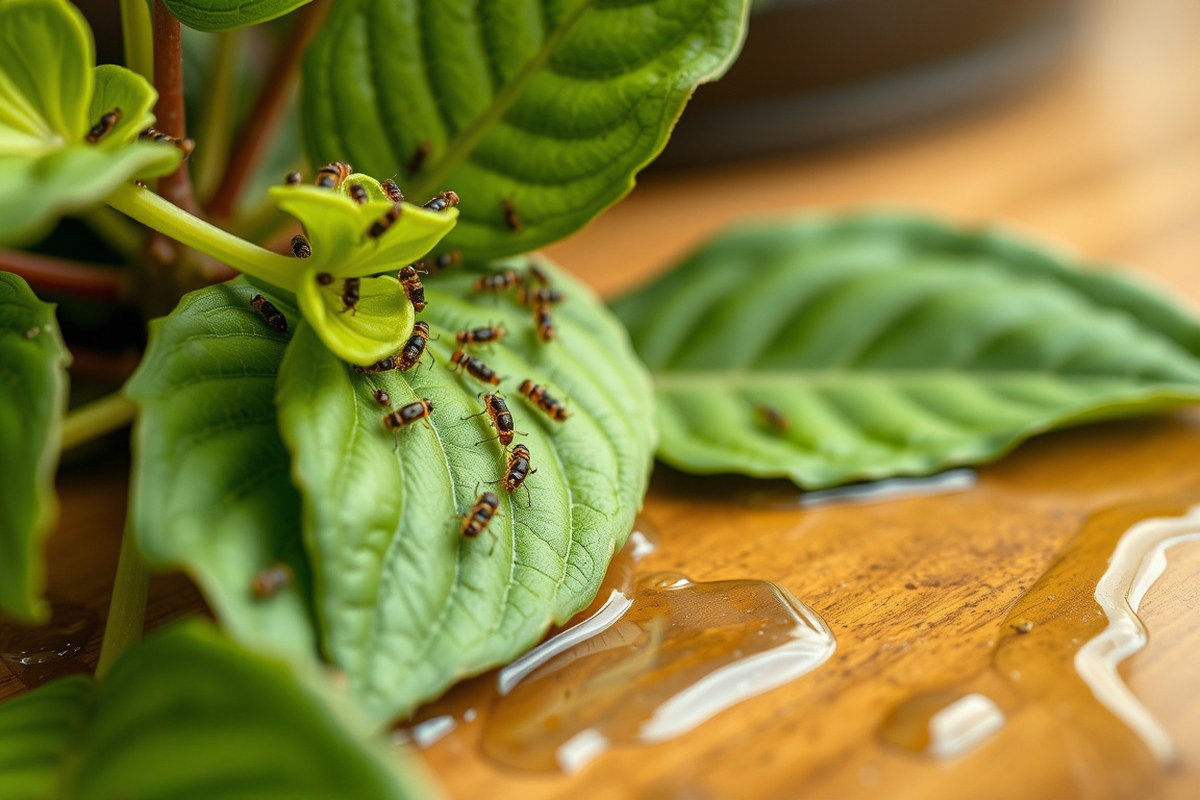
Sticky floors can result from a few types of pests that excrete or leave behind sugary or oily substances. Sap-sucking insects like aphids and scale insects release a sugary liquid called honeydew, while cockroaches produce oily secretions that feel sticky. Some ants also leave behind sticky trails to guide others to food sources.
Honeydew-Producing Insects and Sticky Residue
Aphids and scale insects feed on plant sap and excrete honeydew, a clear, sticky, sugar-rich liquid. This honeydew often drips onto surfaces below infested plants, including floors if you have indoor plants or if these pests make their way indoors. Honeydew creates a shiny, sticky layer on floors and can attract mold and other insects.
The presence of honeydew indoors typically shows up as sticky, sometimes slightly sweet residue on floors or furniture near affected plants. To prevent this, inspect indoor plants regularly for pests, remove heavily infested leaves, or treat with insecticidal soap. Cleaning honeydew requires a degreasing cleaner since water alone won’t remove the sticky sugar residue.
Cockroach Residues and Their Effects
Cockroaches secrete oily substances from glands on their bodies to help them glide through tight spaces or to mark territory. These secretions leave a slimy, sticky residue on floors, walls, and surfaces where cockroaches crawl frequently. The residue can accumulate over time, making floors feel tacky or sticky.
The secretions also mix with dirt and other debris, creating an unpleasant buildup that is more challenging to clean. Cockroach residue can carry bacteria and allergens, so thorough cleaning with disinfectants is important.
- Common cockroach species that cause sticky residues include German and American cockroaches
- Residue accumulates fastest in dark, moist locations like kitchens and basements
- Sticky floors near garbage areas or under sinks are a warning sign of cockroach activity
- Cleaning requires detergent, disinfectant, and sometimes repeated washing to remove stains
- Persistent residue can indicate a heavy infestation needing professional treatment
Addressing cockroach stickiness starts with reducing their food and water sources, sealing entry points, and using baits or traps.
Sticky Trails from Ants and Other Insects
Some ant species produce sticky secretions or leave behind sugar-rich trails while foraging, especially sugar ants or odorous ants. These secretions help other ants follow food paths and sometimes leave floors feeling sticky where they walk. These sticky spots are usually patchy and near food sources or entry points.
In addition to ants, a few other insects like whiteflies can also produce honeydew indoors, but ants are more common culprits for sticky floor patches as they tend to move inside homes more frequently. Cleaning sticky trails involves wiping surfaces regularly with detergent-based cleaners to remove the sugar and oil residues ants leave behind.
Other Less Common Sticky-Residue Pests
Beyond aphids, scale insects, cockroaches, and ants, other pests like mealybugs and whiteflies can also release honeydew causing sticky surfaces. These pests are less common indoors but more prevalent on houseplants or near windowsills. The sticky residue from these pests can attract sooty mold, making floors or nearby areas sticky and discolored.
To manage less common sticky-residue pests, isolate infested plants, prune affected areas, and use targeted insecticidal treatments safe for indoor use. Regular cleaning and monitoring help prevent sticky buildup from becoming a persistent problem.
Regularly check and clean areas under houseplants and near food storage to catch sticky residues early before they become difficult to remove.
How to Differentiate Sticky Floors Caused by Pests Versus Other Sources
Sticky floors can result from various causes, including pest residue, spills, leaks, or cleaning products. To tell whether pests are the cause, use a simple checklist focusing on location, texture, smell, and timing of the stickiness. Pest-related sticky spots often appear near baseboards, corners, or under appliances. These tend to have a tacky or greasy feel and may carry a musty or sweet odor from insect secretions. Sticky floors from spills or leaks are usually more localized to food prep areas or water damage spots and often coincide with visible stains or smells related to the spilled substance, such as sugary syrup or detergent residues.
Start by observing where the stickiness occurs and the context. Check if it’s near typical pest harborage zones or food sources. Smell the residue gently; pest secretions sometimes emit a distinct smell, while cleaning residues might smell like chemicals or soap. Touch the sticky area to note if it’s oily or grainy, which can hint at pest activity versus a sugary or slimy feel commonly caused by syrup or soda spills. Track the timing as well, sticky spots that reappear despite cleaning could point to ongoing pest presence.
| Characteristic | Pest-Related Sticky Floors | Spills or Leaks | Cleaning Product Residue |
|---|---|---|---|
| Typical Location | Corners, baseboards, near appliances | Food prep areas, near sinks or fridge leaks | Throughout areas recently cleaned |
| Texture | Tacky, sometimes greasy or grainy | Sugary, sticky, sometimes sticky and wet | Often slippery or slightly sticky, sometimes residue film |
| Odor | Musty, sweet, or fermented smell | Depends on spill (soda, juice, water mildew) | Chemical or soap-like |
| Pattern | Recurring despite cleaning, spots small or scattered | Localized, matches spill or leak area | Patchy, often where over-applied |
| Response to Cleaning | Hard to remove with standard cleaning | Removes with targeted cleaning & drying | Usually removes easily with rinsing |
Use the checklist below to help pinpoint the cause of sticky floors:
- Note the location and extent of sticky areas.
- Smell the sticky spots for any unusual or chemical odors.
- Feel the texture carefully to characterize the residue.
- Consider recent activities: any spills, leaks, or cleaning done.
- Try spot cleaning with warm water and mild detergent; persistent stickiness suggests pest-related residue.
- Inspect surrounding areas for signs of pests like droppings or shed skins.
Costs involved are mostly time and cleaning supplies unless professional pest control becomes necessary. Typical cleaning products to test include mild detergent and warm water, which safely remove most food or cleaning residues but may not succeed against pest secretions. Failure to identify the source correctly can lead to repeated cleanings or worsening pest problems if pest residues go untreated.
Signs of Pest Infestation Related to Sticky Floors You Should Inspect
Sticky floors can indicate pest activity, but finding them alone doesn’t confirm an infestation. To assess the situation, look for additional signs such as droppings, shed skins, damage to wood or fabric, unusual odors, or actual pests in the area. Careful inspection helps identify the pest type and the severity of the problem.
Checking for Droppings and Shed Skins
Droppings and shed skins are common and reliable indicators of pest presence. Rodents, cockroaches, and insects leave behind these traces, often near food sources, dark corners, or along walls. These signs confirm activity even when pests are not visible. Follow these steps to inspect for droppings and shed skins carefully:
- Choose well-lit or use a flashlight to examine corners, behind appliances, and along baseboards.
- Look for small dark pellets (rodent droppings), light brown or black crumbs (cockroach droppings), or translucent shed insect skins.
- Check under sinks, inside cabinets, and in storage areas where clutter offers hiding places.
- Note the quantity and freshness; fresh droppings look moist, while older ones dry and crumble.
- Record locations with droppings for targeted cleaning or pest control treatment.
Finding these signs alongside sticky floors strengthens the likelihood of a pest problem. Missing them doesn’t completely rule out pests, but it warrants broader inspection.
Looking for Structural or Material Damage
Some pests cause damage that results in sticky residues on floors, such as sap-like secretions from carpenter ants or honeydew from aphids attracting ants. Inspecting for this damage can help uncover hidden infestations. Carry out this damage inspection carefully by:
- Scanning wooden floor edges, trim, and nearby furniture for scratches, tunnels, or soft spots.
- Checking drywall or plaster surfaces for small holes, crumbles, or powdery debris (frass) indicating insect activity.
- Examining fabric or carpet edges near sticky areas for discoloration, holes, or collecting sticky residues.
- Using a moisture meter, if available, to detect damp wood or materials that can attract pests producing sticky secretions.
Damage found alongside sticky floors points to ongoing infestation or past pest presence. It may also guide you to which pest caused it, helping decide control methods.
Smell and Sightings: Odors and Live Pests
Distinct odors and seeing actual pests are strong confirmation of infestation. Sticky floors may come with musty, sweet, or oily smells from pests. Spotting live or dead pests solidifies the pest connection. Inspect by:
- Sniff the area for unusual smells, such as a sweet, fermented scent that certain pests produce.
- Observe floors closely during morning or evening when pests are most active.
- Use a flashlight to peek under furniture and behind appliances for live insects or rodent movement.
- Consider setting sticky traps near sticky spots to catch visible pests over a few days.
Detecting strong odors or live pests near sticky floors provides direct evidence of infestation, signaling prompt action.
When to Look for Pet-Related Causes
Pets sometimes cause sticky floors by dripping saliva, food residue, or tracking in sticky substances. Checking for pet-related sources helps avoid mistaking these for pests. Steps to examine pet involvement include:
- Identify any pets regularly occupying the sticky floor area.
- Check for pet food or water spills, which can leave sticky residues attractive to pests.
- Look for pet saliva marks around chew toys or areas pets lick frequently.
- Wipe the sticky area with a damp cloth to see if residue clears easily, which may suggest pet origins rather than pest secretions.
Confirming pet-related sources saves unnecessary pest treatments. Still, sticky floors with additional pest signs might mean both pets and pests contribute to the issue.
How Seasonality and Flooring Type Affect Sticky Floor Issues
Sticky floors can become more common during warm and humid seasons, as pests that produce sticky residues tend to be more active in these conditions. Moisture in the air encourages the growth of bacteria and mold, which combine with pest secretions to create tacky layers on floor surfaces. During hotter months, insects like ants and cockroaches often leave behind sugary or oily substances that contribute to stickiness. Cooler, drier weather usually slows pest activity and reduces sticky residue buildup, but indoor humidity and spills can still cause problems year-round.
The type of flooring you have significantly affects how noticeable and persistent sticky residues become. Smooth, non-porous surfaces like ceramic tile or sealed laminate tend to show sticky patches more clearly, but they are also easier to clean. These floors do not absorb spills or pest residues, so simple wiping with a suitable cleaner often removes the stickiness. In contrast, porous materials such as unfinished wood or some vinyl floors can absorb liquids, making sticky residues harder to eliminate. Over time, absorbed residues may cause staining or lingering odors, increasing the need for deeper cleaning or refinishing.
Environmental factors including temperature fluctuations, indoor humidity levels, and ventilation influence the buildup and persistence of sticky floor residues. High humidity accelerates the breakdown of organic matter from pests, resulting in more visible sticky trails. Poor airflow allows residues to dry slowly, increasing the chance pests will continue depositing waste in the same areas. Keeping indoor humidity below 50% using dehumidifiers or air conditioning reduces residue formation. Regularly opening windows or using exhaust fans can also limit moisture buildup and help prevent sticky floors related to pest activity.
Addressing seasonality and flooring type together helps target cleaning and prevention efforts more effectively. During peak pest seasons, increase the frequency of floor cleaning using mild detergent solutions that suit your floor material to avoid damage. For example, use wood-appropriate cleaners on hardwood floors and non-abrasive sprays on tile. Inspect corners and baseboards where residues accumulate most, especially after rainy or hot periods. If sticky spots resist cleaning, consider consulting a pest control professional to identify ongoing infestations that contribute to residue persistence.
Maintain routine cleaning and control indoor humidity to prevent sticky residues from pests, especially during warm, humid seasons.
Effective Cleaning Methods for Pest-Related Sticky Residues
Removing sticky residues caused by pests requires a careful approach that protects your floor’s surface while eliminating the sticky buildup. These residues often come from insect secretions like honeydew, which can attract more pests and promote mold growth if left untreated. Using the right cleaning methods prevents damage to your floors and avoids spreading the sticky substances to a wider area.
Begin by testing a small, hidden spot on your floor with any cleaning product to ensure it won’t cause discoloration or damage. For hard surfaces such as tile, laminate, or sealed hardwood, start with a warm water solution mixed with mild dish soap. This combination effectively breaks down sticky residues without harsh chemicals that might dull or strip the finish.
Avoid scrubbing aggressively with abrasive tools, which can scratch or wear off protective coatings. Instead, use a soft sponge or microfiber cloth to gently lift sticky spots. After loosening the residue, wipe the floor with a clean damp cloth to remove any soap traces, then dry the area thoroughly. This step prevents slippery conditions and residue buildup that might attract more pests.
Carpets and rugs require different treatment since soaking with water can promote mildew. Blot sticky areas using a damp cloth with a few drops of enzyme-based cleaner designed for pet stains. Enzymatic cleaners break down organic residues without harsh chemicals. After treating, let the carpet air-dry completely to stop moisture-related damage.
Some floors, particularly unfinished wood or natural stone, need even gentler care since water and standard cleaners can stain or warp them. Use a specifically formulated wood floor cleaner or stone-safe product recommended by the manufacturer. Applying cleaning products directly and sparingly helps avoid saturation and residue concentration.
- Start cleaning at the sticky residue’s edge to prevent spreading it further.
- Use a two-bucket system: one with clean water and one with soapy water to rinse your cloth frequently.
- Wear gloves to protect your skin from pest secretions or cleaning chemicals.
- Ventilate the room well during and after cleaning to speed up drying.
- Regularly clean floors even in pest-prone areas to prevent buildup.
- Dispose of cloths and mop heads that are heavily soiled or contaminated.
- Use a wet/dry vacuum for sticky residues on hard, sealed surfaces for efficient removal.
Sticky pest residues should be removed promptly because they can glue dirt and microbes onto your floor. A clean, residue-free floor discourages pest return and reduces health risks. If you notice the sticky residue spreading or returning despite cleaning, it may indicate an ongoing infestation and you should consider contacting a pest control professional for assessment and treatment.
Health Risks and When to Call Pest Control Professionals
Sticky floors caused by pests can pose health and safety risks because the residues often contain harmful pathogens, allergens, or bacteria. You should call pest control professionals when the sticky areas are widespread, persistent, or accompanied by other signs of infestation such as droppings or foul odors. Knowing what to communicate during inspection requests can help ensure effective treatment and resolution.
Health Concerns from Pest Residue Exposure
Sticky residues left by pests may contain bacteria, molds, or viruses that lead to allergic reactions or respiratory issues. For example, cockroach secretions are known to trigger asthma attacks and increase the risk of other respiratory illnesses. Rodent urine and droppings can carry dangerous pathogens such as hantavirus, posing serious health threats. Contact with these residues can contaminate food preparation areas, increasing the chance of foodborne illnesses. Avoid walking barefoot or letting children play on sticky surfaces, as skin contact can allow harmful substances to enter the body. The lingering residue can also attract more pests, worsening the problem.
Proper cleaning will remove much of the residue, but addressing the root pest issue is necessary to eliminate the risk. Pest infestations create unsanitary conditions and should not be ignored to prevent health hazards for you and anyone living in the space.
Signs That Warrant Professional Help
You should seek professional pest control services if sticky floors are accompanied by additional visible pests, eggs, droppings, or an unpleasant odor. Persistent stickiness that returns after cleaning is another red flag. Extensive sticky areas covering multiple rooms or flooring types suggest a larger infestation requiring expert intervention. Notice any damage to floor materials or structural elements near sticky spots, as this signals pest activity beyond surface residue.
When sticky floors coincide with symptoms such as unexplained coughing, sneezing, or allergic reactions among occupants, immediate professional assistance is advised. Also, if your cleaning attempts fail to eliminate the residue within a few days or weeks, pest control professionals can perform thorough inspections using tools such as UV lights, traps, and moisture meters to locate infestation sources. They can then apply targeted treatments safely and effectively, ensuring the pests are eradicated and future recurrence is minimized.
Script for Reporting Sticky Floors to Professionals
Use this template when contacting your pest control provider or landlord to clearly explain the issue: “I have noticed sticky residues on my floors in [specific rooms or areas]. These sticky spots have persisted for [duration] despite regular cleaning. I also observed [mention any additional signs like insects, droppings, odors]. Some family members have started experiencing [list any health symptoms]. Could you please arrange for a professional inspection and treatment as soon as possible? I am concerned about potential health risks and the safety of living here.”
This script helps convey the urgency, location, persistence, and health concerns, which assist professionals in prioritizing their response. When dealing with a landlord, request a timeline on inspection and remediation actions to ensure accountability. Ask what pest control methods they plan to use and whether the treatment requires you to leave the premises temporarily. Understanding these details ahead of time allows you to prepare and supports safer, more effective pest management.
Preventive Measures and Monitoring for Pest-Related Sticky Floors
Taking preventive actions significantly lowers the chance of sticky floors caused by pests. The first step is to eliminate attractants such as spilled food, sugary liquids, and standing water. Keeping floors clean and dry discourages pests from frequenting your home and leaving behind sticky residues. Sealing entry points like cracks around doors and baseboards further reduces pest access.
After cleaning sticky floors, ongoing monitoring helps catch re-infestations early. Place sticky traps in areas prone to pests, such as kitchen corners, under sinks, and along walls. Check these traps every few days to detect new pest activity quickly. Perform simple DIY tests by applying a light layer of vegetable oil on suspected sticky spots; if pests are involved, you may find small droppings or body residues gathering inside the oil. Consistent inspection and quick action prevent long-term sticky floor problems. Consider the following preventive and monitoring measures:
- Clean floors daily and promptly wipe up spills, especially sugary or greasy substances.
- Use door sweeps and weather stripping on exterior doors to block pest entry.
- Store food in airtight containers and limit food exposure during and after meals.
- Place non-toxic sticky traps near suspected infestation zones for early detection.
- Inspect baseboards and corners weekly for subtle sticky residues or insect remnants.
- Keep drains clean and dry since some pests thrive in moist environments.
- Use screen covers on vents and windows to reduce flying insect intrusion.
After cleaning sticky floors, drying the area thoroughly is important, as moisture encourages pests to return and leave new sticky deposits.
Costs for these measures vary. Basic cleaning supplies and weather stripping typically cost under $50. Sticky traps range from $5 to $20 depending on quantity and type. Time investment involves daily cleaning and routine inspection, usually a few minutes each day.
Good results include no new sticky patches forming after cleaning and traps capturing fewer insects over time. Poor results often stem from incomplete cleaning, missed entry points, or stagnant moisture that attracts pests back. Adjusting routines or consulting pest professionals may be necessary if sticky residues persist despite these efforts.
Step-by-Step Action Plan for Sticky Floors and Pest Infestation
Follow these steps to determine if sticky floors indicate pest infestation and to address the issue promptly and effectively.
- Day 1: Inspect the Sticky Area, Check the floor carefully for visible signs of pests such as droppings, shed skins, or insect bodies near the sticky spots. Confirm you’ve identified pests by finding these signs along with the sticky residue.
- Day 1: Compare with Non-Pest Causes, Consider other sources like spilled food, syrup, or cleaning product residues. Clean a small test area with soap and water; if stickiness remains afterward, pests are more likely the cause.
- Day 2: Identify Pest Type, Note which pests are present or likely causing stickiness: ants secrete honeydew, cockroaches leave secretions, or aphids may be brought in on plants. Accurate ID helps target control methods.
- Day 3: Clean Thoroughly, Use a cleaner suitable for your floor type combined with a degreaser if needed. Test effectiveness by observing if sticky residue is fully removed and does not return within 24 hours.
- Week 1: Monitor and Document, Watch the cleaned area daily for any return of stickiness or pest signs. Keeping a log helps track if cleaning or pest control is working.
- Week 2: Implement Preventive Steps, Seal cracks, reduce moisture, and remove food crumbs. Check if sticky spots decline and pests become less visible.
- Week 3: Call a Pest Control Professional, If stickiness and pest signs persist despite cleaning and prevention, schedule a licensed professional to inspect and treat. Success is a sticky-free floor and absence of pest evidence after treatment.
Frequently Asked Questions
Can Sticky Floors Be an Early Indicator of a Pest Problem?
Yes, sticky floors can indicate a pest infestation, especially if caused by insect secretions. Check for other pest signs like droppings or damage to confirm.
Do Sticky Floors Always Mean There Are Pests Present Somewhere?
Not always; sticky floors might result from spills or residue. Consider recent cleaning or spills before assuming pests.
Can Pest Control Treatments Leave Sticky Floors as a Side Effect?
Some pest control products can leave residues that feel sticky. Rinse floors thoroughly after treatment to avoid this.
Are Only Flying Insects Responsible for Sticky Floor Residues?
No, crawling insects like cockroaches also leave sticky secretions. Look for other signs like egg cases or shed skins.
Do Sticky Floors Attract More Pests or Just Signal Existing Ones?
Sticky floors can attract more pests by providing food sources. Cleaning can reduce pest attraction and prevent infestations.
Can Pets Contribute to Sticky Floors Mistaken for Pest-Related Issues?
Yes, pets can leave sticky residues from saliva or food. Check pet areas before blaming pests for sticky flooring.
Before You Go
Sticky floors can indeed signal a pest infestation, especially when accompanied by other signs like droppings or a sweet odor. Checking areas prone to ants or cockroaches today can help you catch early signs and avoid bigger problems. Taking a close look now gives you a clear path to either cleaning up residues or deciding if professional pest control is needed.