
How to Get Rid of Forehead Wrinkles: 8 Proven Methods That Work
Getting rid of forehead wrinkles requires a combination of prevention, daily care, and effective treatments tailored to your skin’s needs. How to get rid of forehead wrinkles depends on their depth and your skin type, but there are proven methods that can smooth lines, reduce their appearance, and slow new wrinkles from forming. No approach offers a permanent fix, but consistent effort can make a visible difference.
These tips are designed for adults noticing early signs or those dealing with deeper forehead wrinkles wanting to restore a smoother look. You’ll learn what causes wrinkles, the best skincare routines, professional treatment options, lifestyle changes, and how to avoid common mistakes that can slow your progress. Each method is explained with practical advice to help you choose what works best for your skin.
Key Takeaways
- Start preventing forehead wrinkles by 20 with consistent sun protection and hydration to counteract dehydration and repeated facial expressions.
- Use daily skincare containing retinoids, antioxidants, and soothing ingredients like aloe vera gel to support skin rejuvenation and wrinkle prevention.
- Topical treatments with proven results include retinoids and specialized creams, which can reduce wrinkles by up to 43% after 4 weeks of use.
- Professional options like Botox injections and chemical peels (TCA or Jessner) reduce wrinkles safely with minimal downtime, costing $150 to $650 per session.
- Stay hydrated and adopt lifestyle habits that protect skin from sun damage and repeated muscle contractions to complement wrinkle treatments.
- Consider innovative devices like microcurrent or acupuncture for muscle toning, requiring multiple sessions for gradual wrinkle reduction.
1. What Causes Forehead Wrinkles and When to Start Prevention

Forehead wrinkles develop mainly due to repeated muscle movements in the area, such as raising your eyebrows or making dramatic facial expressions. These muscle contractions cause lines to form on the skin surface over time. The frontalis muscle, which controls these expressions, is the main driver of forehead lines. Besides muscle movement, biological aging reduces collagen and elastin production, the proteins that maintain skin firmness and elasticity. This loss causes skin to thin and wrinkle more easily as you get older.
Lifestyle factors significantly influence how and when forehead wrinkles appear. Ultraviolet (UV) light from sun exposure accelerates collagen and elastin breakdown, increasing wrinkle formation. Smoking and excessive alcohol consumption also damage skin cells and speed up aging. Not drinking enough water leads to dehydration, making lines more visible. Genetics play a role, so some people may notice wrinkles earlier or later depending on their inherited skin characteristics.
Forehead wrinkles can start showing as early as your 20s, especially if you have frequent sun exposure, repeat facial movements, or poor skin hydration. Dehydration combined with repeated facial expressions and UV damage causes early lines to surface. Preventive care is ideal to begin in your 20s or soon after puberty, focusing on protecting the skin barrier and minimizing UV exposure. Wearing sunscreen daily and sunglasses outdoors helps prevent squinting and frowning, the expressions that contribute to “11” lines between the eyebrows.
Addressing forehead wrinkles early means taking action on multiple fronts. You can reduce their development by limiting harsh sun exposure during peak hours, staying hydrated with at least eight 8-ounce glasses of water daily, and avoiding smoking or heavy drinking. Applying sun protection with a broad-spectrum SPF 30 or higher every day prevents further collagen damage. Protecting your eyes with sunglasses prevents squinting, which reduces muscle movement that causes early wrinkles.
A consistent skincare routine and lifestyle adjustments can slow wrinkle formation even before visible lines develop. People with dry or sensitive skin might need richer moisturizers to prevent dehydration, while those with oily or acne-prone skin should choose non-comedogenic products. Prevention often costs less than treatments for established wrinkles and can keep forehead lines minimal well into your 30s and beyond. Not taking preventive steps early means deeper wrinkles may form that require professional treatments later.
2. Daily Skincare Routines and Key Ingredients to Prevent Wrinkles
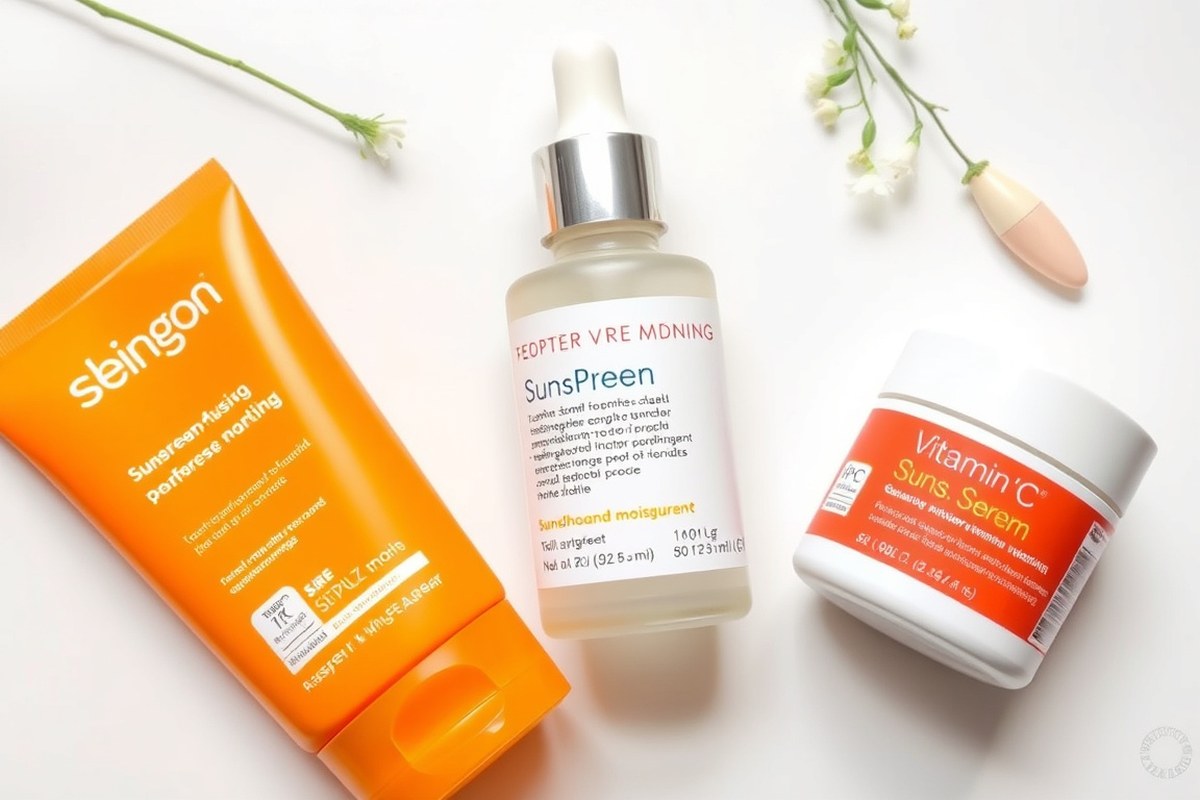
Daily skincare routines focused on key ingredients like retinol, vitamin C, peptides, and hyaluronic acid help prevent and reduce forehead wrinkles effectively. Using a broad-spectrum sunscreen with a high SPF every day supports these efforts by protecting the skin from UV damage, which accelerates wrinkle formation.
Cleansing Techniques for Sensitive Forehead Skin
Choose a gentle cleanser that does not strip your skin’s natural oils, especially if your forehead skin is sensitive or prone to dryness. Use lukewarm water instead of hot water to avoid irritation and dryness that can make wrinkles more noticeable.
Cleanse your face twice daily, morning and night, to remove dirt, oil, and environmental pollutants. Avoid harsh scrubbing or abrasive products as they can damage the skin’s barrier and worsen fine lines.
Topical Ingredients That Promote Skin Elasticity
Retinol is one of the most effective anti-aging ingredients for forehead wrinkles because it promotes collagen production and accelerates skin cell turnover. Start with a low concentration (around 0.25% to 0.5%) and apply it every other night to allow your skin to adjust, then increase frequency as tolerated.
Vitamin C is a powerful antioxidant that protects against free radical damage and supports collagen synthesis. Use a 10-20% vitamin C serum in your morning routine before applying sunscreen to boost wrinkle protection.
- Retinol: start low concentration, apply nightly or every other night
- Vitamin C: 10-20% serum in the morning
- Peptides: apply daily for collagen support
- Hyaluronic acid: use twice daily for hydration and plumping
- Alpha and Beta Hydroxy Acids (AHAs/BHAs): exfoliate weekly to improve texture
Incorporating peptides helps strengthen the skin structure while hyaluronic acid attracts moisture to keep skin plump, reducing the appearance of wrinkles.
Moisturizing Strategies to Maintain Hydration
Apply a moisturizer suited for your skin type to maintain the skin’s hydration levels, especially on your forehead. Dry skin accentuates wrinkles, so selecting products with hyaluronic acid or glycerin can improve skin moisture retention.
For daytime use, choose a lightweight moisturizer with added antioxidants or peptides. At night, opt for richer creams that support skin repair and barrier function. Consistency is key; moisturize twice daily after cleansing and before applying any active treatments.
Sunscreen Types Best Suited for Aging Skin
Using a broad-spectrum sunscreen with an SPF of 30 or higher daily, rain or shine, is essential for preventing forehead wrinkles. UV rays break down collagen and elastin fibers in your skin leading to premature aging.
Select sunscreens that contain physical blockers like zinc oxide or titanium dioxide, which are less irritating and provide immediate protection. Many formulas also include moisturizing ingredients that help keep aging skin hydrated.
Apply sunscreen 15 minutes before going outside and reapply every two hours or after sweating or swimming.
Wearing a wide-brimmed hat and avoiding sun exposure during peak hours (10 AM to 4 PM) further reduces UV damage to your forehead.
Exfoliation Methods to Stimulate Cell Renewal
Regular exfoliation removes dead skin cells, allowing active ingredients like retinol and vitamin C to penetrate better and stimulate collagen production. Opt for gentle chemical exfoliants such as AHAs (glycolic acid) or BHAs (salicylic acid) rather than physical scrubs, which can cause microtears on delicate forehead skin.
Limit exfoliation to once or twice a week to avoid over-exfoliation, which can lead to redness and sensitivity. After exfoliating, always moisturize and apply sunscreen to protect your newly exposed skin layer.
3. How to Get Rid of Forehead Wrinkles with Topical Treatments
Topical treatments can effectively reduce forehead wrinkles, especially fine lines, by improving skin texture, hydration, and collagen production. These treatments typically take 4 to 12 weeks to show visible improvements, with finer lines responding faster than deep wrinkles. Consistent use of ingredients like retinol, vitamin C, peptides, and hyaluronic acid offers the best results when combined with daily sun protection.
Retinol: Usage Tips and Frequency
Retinol, a vitamin A derivative, stimulates collagen production and promotes skin cell turnover, making it a powerful option for reducing both fine lines and deeper forehead wrinkles. It works best applied at night because sunlight can reduce its effectiveness and increase skin sensitivity. For deeper wrinkles, retinol is often part of a more aggressive treatment routine, while mild retinol formulations can smooth fine lines.
Start with a low concentration to avoid irritation, applying retinol 2 to 3 times a week, then gradually increase frequency as your skin builds tolerance. Using it every night is common once your skin is accustomed, but always follow with moisturizer to minimize dryness. Avoid combining retinol with other strong actives on the same day to reduce irritation risk.
Visible results usually appear within 6 to 12 weeks. Early signs include improved skin texture and reduced fine lines. Deep wrinkles may require longer consistent use or additional professional treatments.
Vitamin C and Antioxidants for Brightening and Firming
Topical vitamin C is an antioxidant that protects skin from free radical damage that breaks down collagen and elastin, key components for smooth skin. It brightens skin tone and firms skin, helping reduce the appearance of fine lines and uneven texture on the forehead. Products with vitamin C at concentrations around 10 to 20 percent are effective without causing irritation for most skin types.
Antioxidants work best when used in the morning underneath sunscreen to protect skin from environmental damage. Vitamin C serums can be applied daily, though it’s wise to test for sensitivity first. Using vitamin C alongside hyaluronic acid hydrates and smooths the skin for a plumper appearance, which further diminishes wrinkles.
Regular use for 4 to 8 weeks typically shows improvements in skin brightness and a softer appearance of fine forehead lines. Choose serums labeled stable and formulated for quick absorption to get the best benefits without greasiness.
Hyaluronic Acid and Peptides for Hydration and Support
Hyaluronic acid is a hydrating molecule that attracts and retains moisture, filling in fine lines temporarily and improving overall skin elasticity. Peptides like Matrixyl and Argireline signal your skin to boost collagen production, offering more sustained wrinkle reduction. These ingredients are gentle enough for daily use and can support skin repair alongside active treatments.
Applying hyaluronic acid serums after cleansing and before moisturizer keeps your skin plump and smooth. Peptides can be found in creams and serums designed for wrinkle reduction, improving firmness over time. While hyaluronic acid helps mainly with fine lines by hydrating, peptides are better for stimulating collagen to address wrinkles that are more noticeable.
Results can be seen within 2 to 6 weeks for better skin hydration and slight softening of fine lines. Consistent use improves your skin barrier and can postpone the deepening of wrinkles. Follow these steps to use topical treatments for forehead wrinkles effectively:
- Cleanse your face gently every morning and night to remove dirt and oils.
- Apply a vitamin C serum in the morning, allowing it to absorb fully for about 5 minutes.
- Use a hyaluronic acid serum on damp skin for better hydration.
- At night, start with a pea-sized amount of retinol on clean, dry skin 2 to 3 times a week, increasing frequency over several weeks.
- Apply peptide creams in the evening after retinol, if used, or on alternating nights.
- Finish with a moisturizer to protect the skin barrier and reduce irritation risks.
- Always wear broad-spectrum sunscreen every daytime to prevent UV damage and prolong results.
- Maintain consistent use for at least 6 to 12 weeks to see noticeable improvements, adjusting based on skin sensitivity and wrinkle depth.
4. Comparing Professional Treatments for Forehead Wrinkles
Professional treatments for forehead wrinkles vary significantly in approach, cost, downtime, and expected results. Choosing the right option depends on your wrinkle depth, skin sensitivity, budget, and tolerance for recovery time. Below is a comparison of Botox injections, chemical peels, laser resurfacing, and microneedling to help clarify these differences.
| Treatment | Cost Range | Typical Downtime | Risks and Side Effects | Expected Results and Duration |
|---|---|---|---|---|
| Botox Injections | $300 – $600 per session | Minimal; possible mild swelling or bruising | Temporary muscle weakness, headaches, drooping eyelids if injected improperly | Smooths dynamic wrinkles by relaxing muscles; lasts 3-6 months |
| Chemical Peels (TCA, Jessner) | $150 – $650 per treatment | Several days to 1 week (redness, peeling) | Redness, irritation, risk of hyperpigmentation if aftercare not followed | Improves skin texture and mild to moderate wrinkles; effects cumulative with repeated treatments |
| Laser Resurfacing (Ablative and Non-Ablative) | $1,000 – $3,000+ | 1-2 weeks with ablative lasers; minimal with non-ablative | Swelling, redness, risk of infection, scarring, pigment changes | Stimulates collagen, reduces deep wrinkles; results can last 1+ years but may require multiple sessions |
| Microneedling | $200 – $700 per session | 1-3 days (redness and mild swelling) | Temporary irritation, rare risk of infection if not performed hygienically | Rebuilds collagen, softens moderate wrinkles; best with multiple sessions spaced weeks apart |
Each treatment works differently. Botox targets the muscle activity causing dynamic wrinkles, making it effective for moderate lines that appear with facial movements. It typically requires repeat sessions every few months to maintain results. Chemical peels and microneedling primarily improve skin texture and stimulate collagen production. They soften wrinkles but don’t prevent muscle movement, so they are better for mild to moderate wrinkles and need ongoing treatments for continued effects.
Laser resurfacing offers more dramatic collagen stimulation, which suits deeper, static wrinkles. Recovery is longer and more involved than other treatments, and the risk of side effects is higher. Consulting with a licensed dermatologist can help determine your skin’s suitability for lasers or peels. For example, darker skin tones may require specific peel types and laser settings to avoid pigmentation issues.
Prioritize treatments based on wrinkle depth, downtime you can tolerate, and your budget. Botox sessions tend to be faster and involve minimal downtime but require consistent repeats. Chemical peels offer a cost-effective option with moderate downtime. Laser resurfacing provides more substantial improvement but with higher costs and longer recovery. Microneedling serves well as a less invasive collagen booster suitable for combining with other treatments. A licensed professional can tailor a plan to your skin’s needs and monitor for risks during treatment.
5. Using Lifestyle and Hydration to Support Wrinkle Reduction
Keeping your forehead wrinkles under control relies heavily on lifestyle habits like hydration, sleep, stress management, and avoiding smoking. These factors affect your skin’s elasticity and collagen, which play major roles in wrinkle formation and how well treatments work. Simple daily routines and mindful facial habits can support smoother skin and improve the results of any wrinkle reduction efforts.
Optimal Daily Water Intake for Skin Health
Drinking plenty of water helps maintain skin elasticity, which can delay the appearance of forehead wrinkles. Aim for at least 8 to 10 glasses of water daily to keep your skin hydrated from the inside out. While water alone won’t erase wrinkles, dehydration makes skin dry and less resilient, making wrinkles more visible and healing slower.
Besides drinking water, using a moisturizer consistently helps seal hydration into the skin, reducing the depth of fine lines. Your skin benefits most when hydration supports topical treatments or professional procedures aimed at wrinkle reduction. Avoiding excessive caffeine or alcohol also preserves your skin’s moisture balance, since these can dehydrate the body.
Impact of Sleep Cycles on Skin Regeneration
Quality sleep allows skin cells to regenerate and repair damage caused by environmental and facial stresses throughout the day. Poor sleep habits raise stress hormones and slow down skin recovery, which can accelerate the formation of fine forehead wrinkles. A consistent schedule of around 7 to 9 hours per night supports better collagen repair and skin firmness.
Sleep positions also matter. Sleeping on your stomach or side presses your face into the pillow, creating temporary folds that can deepen into wrinkles over time. Back sleeping reduces these pressure lines on your forehead. Using a silk pillowcase may also reduce friction, helping preserve smoother skin.
Stress Reduction Practices Beneficial for Skin
Chronic stress improve cortisol, a hormone that breaks down collagen and interferes with your skin’s ability to repair itself. Managing stress improves your overall skin condition and improve the effectiveness of wrinkle treatments. Techniques like deep breathing, meditation, or gentle yoga for 10 to 20 minutes daily can help lower stress levels.
Stress often disrupts sleep and diet, indirectly decreasing skin health. Regular relaxation exercises improve sleep quality and encourage healthier habits, which together support skin elasticity and reduce wrinkle formation. Taking breaks for mindfulness or hobbies can make a meaningful difference in how your skin ages.
Effects of Smoking on Collagen Breakdown
Smoking accelerates collagen breakdown, making forehead wrinkles form earlier and more deeply. The chemicals in cigarette smoke reduce vitamin A levels in your skin, impair blood flow, and increase inflammation, all limiting your skin’s ability to maintain elasticity and repair itself. Avoiding smoking is one of the most impactful lifestyle changes to protect your skin.
Former smokers may notice some improvement after quitting, but collagen loss can take months or years to recover. Pair stopping smoking with skin-boosting treatments that stimulate collagen production, such as laser therapy or injectable neurotoxins, to maximize wrinkle reduction. Avoid exposure to secondhand smoke as well since it can cause similar damage.
Facial Movements That Contribute to Wrinkles
Repeated facial expressions like raising your eyebrows or frowning cause dynamic wrinkles by folding the skin on your forehead over time. These lines become permanent as skin loses elasticity. Avoid excessive or exaggerated facial movements where possible, and try conscious relaxation of your forehead muscles during the day.
Products like wrinkle patches or facial tape gently hold skin in place overnight to prevent movement and allow fine lines to soften. These devices are affordable ($10, $30 per pack) but work best combined with other wrinkle treatments. Facial exercises commonly touted to reduce wrinkles may actually cause more muscle movement and worsen lines, so use caution.
Avoid frequent squinting or frowning to minimize dynamic forehead wrinkles and support the effects of topical treatments or injectables.
6. Innovative Devices and Products to improve Wrinkle Treatment
Silicone patches have gained popularity as an at-home option to reduce forehead wrinkles overnight. These patches work by forming a soft barrier over your skin that limits movement while you sleep. Limiting movement prevents repetitive creasing, which can cause lines to deepen over time. Applying a silicone patch directly onto clean, dry forehead skin each night for several hours is recommended. Consistent use over weeks or months tends to produce the best results. Many users find patches priced between $10 and $30 for a pack of 10 to 15 strips. Results often appear as softened, less noticeable lines rather than complete erasure. Be sure to clean the patches as directed to avoid irritation or breakouts. Those with very sensitive or acne-prone skin should test a patch overnight first to ensure no adverse reaction occurs.
LED light therapy devices offer another non-invasive approach to treating forehead wrinkles at home. Red LED light, typically in the wavelength range of 630 to 700 nanometers, stimulates collagen and elastin production in the skin. Increased collagen can help improve firmness and reduce the appearance of fine lines. Sessions last about 10 to 20 minutes and are usually done several times a week. Devices range from handheld wands to full facial masks, with prices generally between $100 and $300. It’s important to follow manufacturer instructions carefully, including wearing any provided eye protection. Consistency is key; visible wrinkle improvement might take 4 to 12 weeks of regular use.
Some facial devices combine microcurrent or gentle electrical stimulation with LED light to boost circulation and muscle tone. These dual-action tools can improve skin smoothness and firmness, complementing wrinkle reduction efforts. Microcurrent facial devices typically require 5 to 10-minute treatments, two to three times weekly. However, results vary more widely than with other methods, and many users need months of ongoing use to see subtle changes. Avoid microcurrent or electrical devices if you have a pacemaker or certain skin conditions.
Silicone patches work best for those with mild to moderate forehead lines who want an easy, overnight solution without active ingredients. They are less helpful for deep or well-established wrinkles. LED devices and microcurrent tools suit people committed to a weekly routine and who want to stimulate collagen naturally without injections. These devices require an upfront investment but eliminate the need for frequent dermatologist visits. Combining LED therapy with a good topical anti-aging routine can maximize improvements.
Watch out for unrealistic expectations. Neither silicone patches nor LED light therapy completely erase wrinkles instantly. Instead, they soften, reduce depth, and improve skin texture gradually. Overuse or improper cleaning of patches can cause irritation, while poor device use may make no difference or worsen skin conditions. Stick to recommended treatment times and maintain patience for the best results. Consulting a dermatologist for tailored advice can help you choose which at-home device aligns best with your skin type and wrinkle severity.
7. Adapting Wrinkle Treatments by Skin Type and Seasonal Changes
Adjusting your treatment for forehead wrinkles based on your skin type and the seasons improves results and reduces irritation. Sensitive skin tends to react strongly to potent ingredients and aggressive professional treatments, so using gentler formulations with calming agents like niacinamide or ceramides helps minimize redness and discomfort. Oily skin often benefits from oil-free, non-comedogenic wrinkle treatments that won’t clog pores, such as lightweight serums with antioxidants, while aged skin needs richer moisturizers with peptides and hyaluronic acid to support collagen and retain elasticity.
Seasonal changes also affect your skincare routine. Winter dryness calls for heavier moisturizers to lock in hydration; look for creams containing glycerin or squalane to soothe and prevent fine lines worsening due to flaking or tightness. During summer, your focus should shift toward broad-spectrum sunscreens rated SPF 30 or higher to prevent sun damage and the deepening of forehead wrinkles caused by UV rays. Wearing protective clothing and hats while avoiding peak sun hours further reduces the risk.
Applying wrinkle treatments correctly according to your skin’s condition and environment helps avoid rash or breakouts and maximizes their effectiveness. Professional treatments like chemical peels or laser therapy require more caution for sensitive skin, often needing lower strength or more recovery time. Oily skin can handle these more frequently but should be monitored for post-treatment oiliness or acne. Older skin, prone to slower healing, benefits from spaced-out treatments with supportive care including regular moisturizing and sunscreen use.
- For sensitive skin, choose fragrance-free, hypoallergenic wrinkle creams and wait 48 hours before increasing use.
- Use oil-free or gel-based anti-aging serums if you have oily skin to avoid clogging pores.
- Switch to richer moisturizers during winter to combat dryness and prevent accentuated wrinkles.
- Apply sunscreen every morning and reapply every two hours during summer when outdoors.
- Avoid harsh exfoliation or high-concentration acids if your skin is dry or aged; opt for gentle options instead.
- Consult a dermatologist for customizing professional treatments based on your skin’s sensitivity or age.
- Introduce new products gradually, especially during seasonal transitions, to monitor skin reactions.
These adjustments can cost anywhere from $20 a month for targeted skincare products to several hundred dollars per session for professional treatments, depending on the procedure chosen. Good results look like smoother skin texture, fewer visible lines, and no prolonged redness or irritation. Problems arise if treatments are too aggressive for your skin type or season, signs include excessive dryness, breakouts, or worsening wrinkles from inflammation. Sticking to your skin’s needs and environment supports ongoing improvement in forehead wrinkles without unnecessary damage.
8. Common Forehead Wrinkle Treatment Mistakes and How to Avoid Them
Many people make common mistakes when treating forehead wrinkles that can slow progress or cause irritation. Over-exfoliating breaks down the skin barrier, making wrinkles worse instead of better. Limit exfoliation to 1-2 times per week, using gentle products formulated for sensitive skin around the forehead. Skipping sunscreen is another frequent error. Broad-spectrum sunscreen with at least SPF 30 must be applied every morning to protect from UV rays that accelerate wrinkle formation. Without it, treatments will have limited long-term effect.
Using retinol incorrectly is a key issue since it can cause skin sensitivity and dryness. Start retinol with a low concentration, applying it every other night at first, then gradually increase frequency. Always follow retinol with a hydrating moisturizer, and never forget daily sunscreen. Pregnant or breastfeeding women should avoid retinol altogether due to safety concerns. Post-treatment care is also important, especially after professional procedures like Botox or PDO thread lifts. Avoid rubbing the area, skip harsh products, and keep skin hydrated with fragrance-free moisturizers.
- Apply sunscreen every morning regardless of weather
- Moisturize regularly, especially after retinol use
- Limit exfoliation to gentle products 1-2 times weekly
- Start retinol slowly; increase only if no irritation occurs
- Avoid retinol during pregnancy and breastfeeding
- Follow post-treatment instructions precisely from your provider
- Men can follow the same routine but may need different product textures
Men can treat forehead wrinkles similarly to women, though their skin tends to be thicker and oilier. This means men might opt for a lighter moisturizer or a gel-based retinol product. Both genders require the same strict sunscreen use to prevent UV damage. After treatments like Botox, both men and women must avoid strenuous activities for at least 24 hours and not massage the injection sites to ensure optimal results.
Always follow your provider’s post-treatment care instructions closely to avoid complications and get the best wrinkle-smoothing results.
Ignoring these common mistakes often leads to slower improvement or skin irritation. Proper product use, sun protection, and thoughtful aftercare will help minimize forehead wrinkles while supporting skin health. Budgeting between $200 and $600 per Botox session can provide results lasting three to four months, but ongoing maintenance and care at home make those results last longer. Remember that the goal is smoother skin, not irritation or damage from harsh treatments or misuse.
Your Step-by-Step Action Plan to Reduce Forehead Wrinkles
Follow these clear steps to start preventing and reducing forehead wrinkles with at-home care and professional options. Track visible results and adjust routines as you go.
- Before you start: Assess your skin type and current forehead wrinkle depth using a mirror in natural light. This helps tailor your routine and track improvements.
- Day 1: Begin a daily skincare routine including a gentle cleanser, broad-spectrum sunscreen with at least SPF 30, and a moisturizer containing retinol or peptides. Expect skin to feel smoother within 1 to 2 weeks.
- Week 2: Add an antioxidant serum, like vitamin C, in the morning to protect skin from damage. Look for reduced redness and more even skin tone over 3 to 4 weeks.
- After 4 weeks: Evaluate topical treatment effects. When wrinkles show slight softening, continue. When not, introducing professional options such as chemical peels or microdermabrasion based on your skin type is advisable.
- Month 2: Hydrate consistently by drinking at least 64 ounces of water daily and using a hydrating mask weekly. Notice improved skin plumpness and fewer fine lines within 3 weeks.
- Month 3: Consult a licensed dermatologist about injectable treatments like neuromodulators or fillers. Visible smoothing usually appears within 3 to 7 days for injectables.
- Ongoing seasonal adjustment: Switch to richer moisturizers in winter and lighter formulas in summer while maintaining sunscreen use year-round. Your skin should stay balanced and wrinkle-prone areas minimized.
- Monthly review: Avoid common mistakes such as over-exfoliating or skipping sunscreen. Track your wrinkle appearance monthly with photos to adjust your routine effectively.
Frequently Asked Questions
Can Forehead Wrinkles Disappear Without Treatment?
Forehead wrinkles rarely disappear on their own. Aging and sun exposure cause skin to lose elasticity, so treatments or prevention methods are needed to reduce them effectively.
Do Facial Exercises Help Eliminate Forehead Wrinkles?
Facial exercises do not effectively reduce forehead wrinkles. Dermatologists generally agree muscle movement can worsen lines rather than smooth them out.
Is Botox a Permanent Solution for Forehead Wrinkles?
Botox is not permanent; it typically lasts 3 to 6 months. Regular treatments are needed to maintain wrinkle reduction.
Can Dehydration Cause Forehead Wrinkles to Appear Deeper?
Yes, dehydration can make wrinkles look more pronounced. Staying hydrated keeps skin plump and smooth, helping to minimize wrinkle depth.
Are Forehead Wrinkles Hereditary or Caused by Lifestyle?
Both genetics and lifestyle influence forehead wrinkles. Sun exposure, smoking, and facial expressions mainly contribute to their formation.
Can Sunscreen Prevent the Formation of Forehead Wrinkles?
Sunscreen helps prevent new forehead wrinkles by protecting skin from UV damage. Daily use is essential to reduce wrinkle formation.
Wrapping Up
Reducing forehead wrinkles starts with consistent care tailored to your skin’s needs and lifestyle. Begin today by adding a broad-spectrum sunscreen to your morning routine, protecting your skin from further damage and helping prevent new wrinkles from forming. This simple step supports all your other efforts to keep your skin smoother and healthier over time.