How Many Pest Control Companies in the Us: Complete Breakdown and Industry Insights
There are approximately 12,000 pest control companies operating in the US, ranging from small local businesses to large national franchises. These companies vary widely by size, service types, and regional presence, reflecting diverse customer needs and regulatory environments across states. Understanding how many pest control companies in the US exist helps you grasp the market’s scale and competitive landscape.
This overview benefits customers seeking pest control services, entrepreneurs exploring market entry, and analysts tracking industry trends. You will find insights on company types, geographical distribution, licensing rules, market growth, common pests treated, and emerging technologies affecting the industry. Also, you’ll gain guidance on selecting the right pest control company for your specific needs.
Key Takeaways
- The US hosts over 10,000 pest control companies, ranging from small local operators to large national franchises.
- Most pest control companies specialize in residential or commercial services, with some focusing on termite control or wildlife removal.
- Company density is highest in populous states like California, Texas, and Florida due to greater pest management demand.
- Licensing requirements vary by state, typically involving certification, training, and adherence to environmental regulations for safe pesticide use.
- The pest control market shows steady growth driven by urbanization, climate change effects, and rising awareness of pest-related health risks.
- Common treatments include termite control, rodent removal, and insect extermination, with integrated pest management gaining popularity.
Current Number of Pest Control Companies Operating in the US
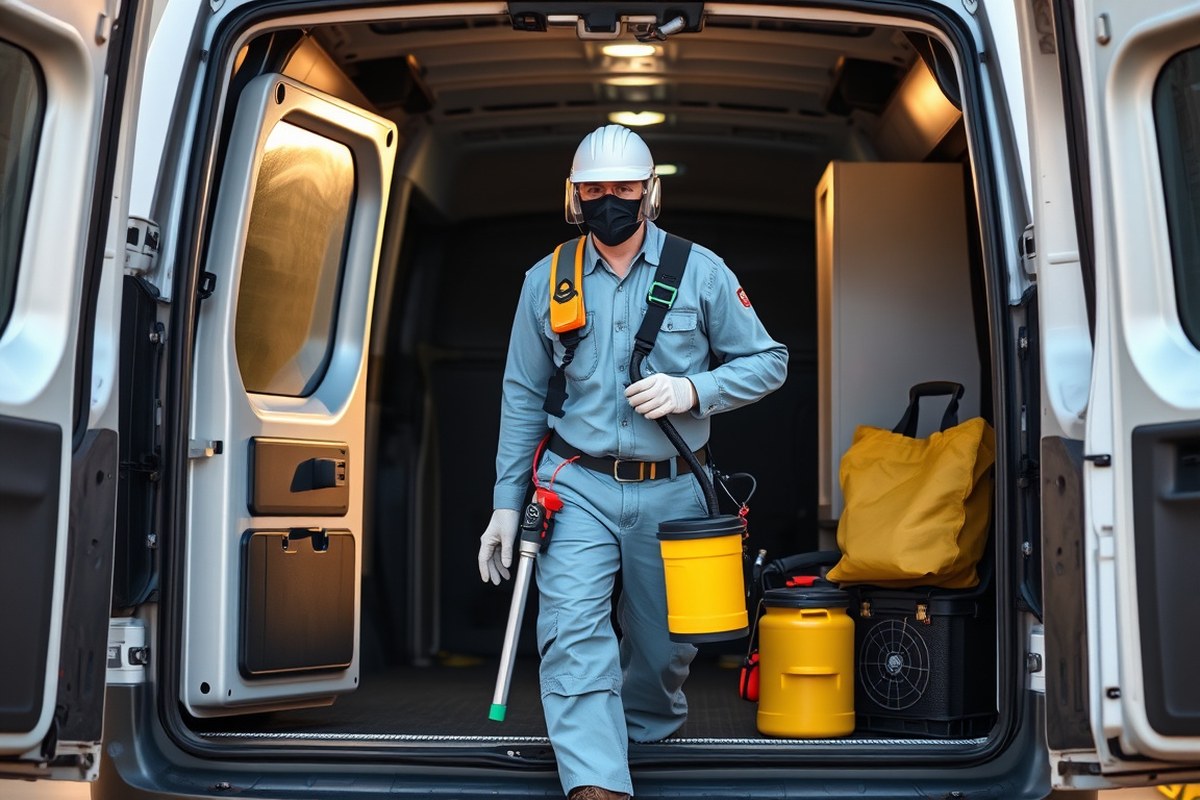
The estimated number of pest control companies currently operating in the United States is roughly 13,000 to 15,000. This estimate combines industry data and business listings from market research reports. Knowing this figure matters because it shapes the competitive landscape and helps business owners gauge market saturation when entering the pest control sector.
To arrive at this estimate, one starts with data from industry sources, including the U.S. Census Bureau’s business patterns and trade association reports. These sources typically report the number of businesses classified under NAICS code 561710, which covers pest control services. According to recent industry outlooks, there are about 13,000 small to medium-sized pest control businesses nationwide.
Considering the presence of larger franchises, regional operations, and new startups not yet captured in formal reports, adding around 10-15% accounts for these additional operators. For example, if a report lists 13,000 companies, adding 15% equals 1,950 more, resulting in 14,950 total estimations. This simple calculation uses: 13,000 × 1.15 = 14,950.
This worked calculation proves useful because some companies operate seasonally or under different names, and smaller operators might be unregistered or informal. The range between 13,000 and 15,000 reflects this variability.
Tracking the number regularly also helps understand industry growth or contraction linked to economic conditions and pest activity patterns. Businesses looking to enter the market can assess opportunities or challenges based on how many competitors exist. Consumers might also appreciate this figure when searching for local providers, as it suggests a broad availability of services across the country.
Estimating these numbers demands combining multiple data points, including state-level licensing agency reports, which vary by jurisdiction. Some states require pest control companies to register or list themselves publicly, while others have less stringent rules, affecting the accuracy of national totals. Therefore, the estimate cannot be precise but gives a solid approximation.
The cost to gather such data would generally involve purchasing industry reports or accessing government databases, which may range from free public data to paid subscription services costing hundreds of dollars. However, the general range of 13,000-15,000 companies is sufficient for practical business analysis.
Results with these estimates typically guide strategic planning, marketing approaches, or investment decisions. Problems arise if you rely on outdated data or single data sources, which may miss new entrants or companies that closed. Regular cross-referencing and validation with multiple sources reduce this risk.
Breakdown of Pest Control Company Types and Sizes

Pest control companies in the US vary widely by service type and size, shaping the options available to customers and professionals alike. Service categories typically include residential, commercial, and specialty pest control. Residential companies focus on homes and small properties, offering treatments for common household pests such as ants, rodents, and termites. Commercial firms handle larger spaces like offices, warehouses, and restaurants, often using specialized methods that comply with industry and safety standards. Specialty companies focus on specific pest types or services, such as termite control, bed bug treatment, or wildlife removal. Understanding these categories helps customers select the right provider for their specific needs and informs entrepreneurs about potential market niches.
Company sizes range from solo operators to large franchises. Solo operators often run small, local businesses with limited equipment and a personalized approach. These businesses might serve neighborhoods or towns but might not handle large commercial jobs. Mid-sized firms usually have teams of technicians and broader service areas, balancing residential and commercial contracts. Large pest control franchises operate nationwide, offering a wide range of pest management services with standardized protocols and significant resources. Franchise companies benefit from brand recognition, training programs, and marketing support, but they involve higher startup costs and franchise fees. The following table compares pest control company sizes and associated service types, illustrating the common structure in the industry:
| Company Size | Typical Service Focus | Scope | Common Customers |
|---|---|---|---|
| Solo Operator | General residential, small specialty (e.g., rodents, ants) | Local neighborhoods or towns | Homeowners, small rental properties |
| Small to Mid-Sized Business | Residential and light commercial | Multiple towns or small cities | Homeowners, small businesses, property managers |
| Large Regional Franchise | Residential, commercial, specialty pest control | States or multi-state regions | Residential clients, commercial accounts, chain properties |
| National Franchise | Full service: residential, commercial, specialty (termites, wildlife) | Nationwide | Wide-ranging client base including corporate, retail, multifamily housing |
Choosing the appropriate company size and service type affects the cost, quality, and speed of pest control efforts. Small or solo operators might offer lower prices and flexible appointments but may lack specialized equipment or coverage. Larger franchises can handle big or specialized jobs efficiently but often charge premium rates. Starting a pest control business usually means deciding whether to go independent or invest in a franchise, with each option requiring different capital and operational strategies. Customers should match their pest problem and property type with a company equipped for their needs.
When hiring, verify that the company’s expertise matches your pest issue and property size; a mismatch may lead to ineffective treatment and wasted money.
Geographical Distribution and Regional Differences in Company Numbers
Pest control companies vary widely across the United States, influenced by climate, population density, and regional pest challenges. States with warmer climates and higher populations tend to host more companies due to greater demand. Urban areas generally support more businesses with diverse services, while rural regions feature fewer but often more specialized providers. Understanding geographic distribution helps identify where opportunities exist for new businesses and how regional demands shape company viability. The following table offers a simplified state-by-state overview illustrating how pest control companies are spread, grouping states by region and showing estimated company densities influenced by population and climate:
| Region | States Included | Typical Climate | Company Density Factors |
|---|---|---|---|
| South | Florida, Texas, Georgia | Warm, humid | High demand due to year-round pest activity and large urban centers |
| Northeast | New York, Pennsylvania, Massachusetts | Temperate with cold winters | Urban demand high; seasonal pest spikes in spring/summer |
| Midwest | Illinois, Ohio, Michigan | Temperate; variable weather | Moderate company presence; mixed urban and agricultural demand |
| West | California, Washington, Oregon | Varies: from coastal wet to dry inland | High urban density, pest demands vary by region |
| Mountain | Colorado, Utah, Wyoming | Dry, high elevation | Lower company density due to sparse population and fewer pests |
Urban areas benefit from higher customer volumes, allowing companies to diversify into specialized services such as termite control, bed bug remediation, and commercial pest management. Operating costs are higher in cities, but strong demand often offsets these expenses. In rural areas, companies may focus more on agricultural pests and wildlife control, offering fewer but essential services. These businesses often rely on personal relationships and repeat customers since population density is lower.
Regional demand directly affects how many companies can sustain business. For example, states with year-round warm weather and abundant pests allow for continuous operations, increasing company numbers. Conversely, colder northern states with shorter pest seasons may see fluctuations in company viability, requiring firms to adapt by offering bundled services or seasonal pest control packages.
Entrepreneurs targeting regional opportunities should analyze climate, local pest challenges, and population trends. Investing in urban locations might require higher upfront costs but can yield greater long-term revenue through diversified services. Rural operators may find niche markets with less competition but smaller customer bases. Tailoring services to regional pest activity and local regulations is essential for maintaining competitiveness and profitability.
Licensing Requirements and Regulatory Environment Across States
Pest control companies in the US must meet various licensing and certification standards that differ by state. These regulations determine how companies operate and influence the number of businesses entering the market. Understanding these rules helps explain why some states have more pest control companies than others and what you need to start a pest control business legally.
Common Licensing Requirements
Most states require pest control technicians to be licensed or certified before applying pesticides professionally. This usually involves passing exams on safe application, pest biology, and environmental laws. Companies often need a business license and sometimes a separate pesticide applicator license for each employee who applies treatments. Insurance and background checks are also commonly mandated. Here is a general checklist for licensing essentials you’ll encounter:
- Completion of a state-approved training program
- Passing written or practical certification exams
- Submission of business licenses and permits
- Proof of liability insurance and workers’ compensation
- Registration with state pesticide regulatory agencies
- Continuing education to maintain certifications annually or biennially
- Compliance with federal EPA pesticide handling rules
Meeting these requirements ensures company operators and technicians understand pest control methods and safety protocols. Costs vary, with licensing fees ranging from $50 to several hundred dollars, plus expenses for training courses and exams.
State Differences in Regulations
States control licensing through their agriculture or environmental departments, resulting in wide variations. Some states require detailed examinations and multiple certifications depending on pest types, while others have simplified licensure. For example, California has strict regulations with several license categories, whereas smaller states may have fewer requirements.
Some states limit the number of pesticide applicators a company can have per license, affecting how companies scale up operations. Renewal cycles can vary from annually to every three years, with different continuing education rules. Regions with stricter environmental laws may ban or restrict certain pesticides, influencing service offerings.
The regulatory environment also includes record-keeping, reporting use of restricted substances, and compliance inspections. A company considering expansion into new states must navigate these differences to avoid fines or losing licenses.
Impact on Company Counts
Stringent licensing and regulatory hurdles can slow new entrants, resulting in fewer pest control companies in some states. High costs for training, exams, insurance, and paperwork discourage smaller startups. Conversely, states with clearer, less costly processes tend to attract more businesses.
Market entry can be delayed by months or longer due to waiting lists for exams or complex paperwork submissions. Some firms choose to operate only in states with more favorable regulations. This dynamic explains regional disparities in the number and size of pest control businesses.
Good regulatory compliance correlates with higher quality services but also higher operational expenses, which might limit some firms. Companies must weigh the cost versus benefit of expansion carefully when regulations differ state by state.
Market Size, Growth Trends, and Industry Composition
The US pest control market generated approximately $16 billion in revenue as of the latest industry data, with roughly 12,000 companies operating nationwide. Most companies are small to medium-sized independent businesses, but a handful of major national franchises make up a significant portion of the market share. These franchises often bring standardized service protocols and stronger brand recognition, appealing to large commercial accounts and widespread residential clientèle.
Revenue estimation comes from aggregating publicly available industry reports and extrapolating average service prices with market penetration rates. For example, if 12,000 companies collectively earned $16 billion, each averages around $1.3 million annually. However, this figure varies widely since franchise giants can earn tens of millions each year, while smaller independents might earn under $500,000. The value of market size helps entrepreneurs or analysts forecast investment potential and competitive intensity.
Growth trends show the pest control industry expanding steadily over the past decade, with the number of companies rising about 2% annually. This reflects increasing demand driven by urban sprawl, stricter sanitation and health regulations, and rising awareness of pest-related health risks. Smaller businesses can grow by specializing in eco-friendly or niche pest services, while larger franchises often expand through acquisitions and broad service portfolios.
A comparison chart of major franchises like Terminix, Orkin, and Rentokil versus independents reveals these national players account for nearly 50% of the total revenue. Independents dominate in number but have about half the market share. This split influences competitive dynamics; national brands focus on marketing and technology investment, while independents compete on local knowledge and customized service.
Tracking company growth trends visually, you would see a gradual upward slope in the total number of active companies paired with a slightly steeper increase in revenue, signaling rising average earnings per company. Market research firms often use census data, tax filings, and industry surveys to create these graphs. An investor or entrepreneur can use these trends to time market entry or evaluate acquisition targets.
Review franchise disclosure documents carefully to understand initial fees and ongoing royalties before choosing between a franchise and an independent startup.
Common Pests Treated and Service Types Offered by Companies
Pest control companies in the US typically address a wide range of common pests affecting homes and businesses. They offer various treatment options, including conventional and eco-friendly solutions, to accommodate different customer preferences and environmental considerations.
Top Pest Types Encountered
Most pest control companies regularly deal with typical pests that pose health, safety, and property risks. Rodents such as rats and mice are common, as are insects like ants, cockroaches, and termites. Bed bugs and mosquitoes are also frequent targets due to their role in spreading diseases or causing discomfort.
Other pests often treated include spiders, fleas, wasps, and wildlife intrusions like raccoons or squirrels. The variety stems from regional climate differences and property types, as urban, suburban, and rural areas attract distinct pest populations.
- Rodents: rats, mice
- Insects: ants, cockroaches, termites
- Bed bugs and fleas
- Mosquitoes and wasps
- Spiders
- Wildlife pests: raccoons, squirrels
Standard Treatment Services
Companies usually provide services ranging from inspection to extermination and ongoing prevention. Treatments commonly include chemical sprays, baits, traps, and fumigation, depending on the target pest. Termite control often involves specialized drilling and bait stations as termites live hidden within wood structures.
The frequency and method depend on infestation severity, property type, and pest biology. For example, bed bug eradication might require repeated heat treatments or insecticide applications, while rodent control focuses on sealing entry points and trapping. Many companies offer maintenance plans with quarterly or biannual visits to monitor pests and apply preventative measures, which help reduce long-term damage and recurring infestations.
Environmentally Friendly Options
Eco-friendly pest control options have grown increasingly popular, with an estimated 30% to 40% of companies now incorporating green services. These use plant-based or low-toxicity products and focus on Integrated Pest Management (IPM) strategies to minimize chemical use and environmental impact.
IPM involves identifying the pest, monitoring populations, and applying targeted controls only when necessary. This approach includes mechanical controls like exclusion techniques, habitat modification, and biological controls such as introducing natural predators.
- Use of botanical or organic pesticides
- Mechanical exclusion methods like sealing entry points
- Biological control agents (e.g., beneficial insects)
- Use of traps with minimal environmental harm
- Monitoring and prevention-focused maintenance plans
Green pest control usually costs more than traditional treatments, potentially 10% to 25% higher depending on the service scope and materials used. However, for customers concerned about chemical exposure or environmental effects, these options provide effective pest reduction with less ecological footprint.
Challenges and Technological Innovations Affecting Company Numbers
Pest control companies face several challenges that affect how many can successfully operate. Seasonal demand drives much of the industry’s business, typically peaking in spring and summer when pest activity rises. This fluctuation can strain companies during slower months, making cash flow management essential. Without proper planning or diversification of services, smaller companies might struggle to stay afloat year-round.
Regulatory compliance also impacts company viability. Each state enforces specific licensing, pesticide use, and safety standards that companies must meet. Costs and administrative efforts to maintain compliance can discourage new entrants and push some existing firms out, especially those with limited resources. Staying current with regulations minimizes legal risks but requires ongoing investment in training and administration.
Technological innovations are reshaping pest control operations and market dynamics. Digital tools such as scheduling software, customer relationship management (CRM) systems, and remote monitoring devices improve efficiency and customer service. Advances like smart traps and environmentally friendly treatment options allow companies to target pests more effectively while meeting increasing consumer demand for sustainable solutions. These technologies can lower costs and help differentiate services, influencing the ability to compete and survive.
- Seasonal demand peaks in warmer months and slows in winter, stressing cash flow.
- Compliance with state regulations requires training, certification, and careful record-keeping.
- New pest control technologies improve treatment precision and reduce chemical use.
- Customer management software helps schedule appointments and track service histories efficiently.
- Economic pressures and market competition can force smaller firms to exit or consolidate.
- Offering diversified services, such as termite control or wildlife removal, stabilizes income.
- Environmental regulations push companies to adopt safer, more sustainable methods.
Effective management of seasonal swings involves building financial reserves during busy periods and exploring complementary services year-round. Companies might add rodent control, inspections, or moisture barrier installation to maintain steady revenue. Investing in training for new technologies and regulatory updates helps maintain compliance and service quality. Some businesses also use marketing strategies targeted at seasonal peaks to maximize client acquisition when demand is highest.
Technological adoption requires upfront costs for equipment, software licenses, and staff training, but the long-term savings in labor and treatment precision often justify these investments. Without embracing these changes, companies risk falling behind competitors who can offer faster, safer, and more environmentally conscious pest control. Entrepreneurs entering the market should consider these factors carefully to plan for ongoing costs and operational changes that affect survival and growth.
How to Choose the Right Pest Control Company for Your Needs
Choosing the right pest control company starts with confirming their legitimacy and matching their services to what you need. Check licenses, certifications, and reviews carefully to ensure the provider is reputable. Then select a company whose size and expertise fit the pest problem and your location.
Verifying Licenses and Certifications
The first step is to verify that the pest control company holds a current license from the relevant state or local regulatory body. Licensing demonstrates they meet legal requirements and receive ongoing training. You can usually check licenses on state agriculture department websites or ask the company to provide their license number.
Beyond licensing, certifications from professional associations signal a commitment to quality. Look for memberships in groups like the National Pest Management Association (NPMA) or state pest control associations. These certifications often require continuing education and adherence to ethical standards.
- Ask for the company’s license number and verify it online or with authorities.
- Check for certifications or memberships in recognized industry organizations.
- Request proof of insurance, including liability and workers’ compensation.
- Confirm the company’s technicians are trained and certified for specific pest treatments.
- Review credentials before signing any contracts or agreements.
Always confirm the company’s license status yourself rather than relying solely on what they present.
Evaluating Company Reputation
Examining customer reviews on platforms like Google, Yelp, or the Better Business Bureau helps reveal a company’s reliability and service quality. Look for patterns in feedback rather than isolated comments. Pay special attention to how the company responds to complaints.
Online ratings matter, but also ask neighbors or local community groups for recommendations. Reputation in your specific area often reflects how well a company understands regional pest issues and regulations.
Beware of companies with many negative reviews about poor communication, unexpected charges, or ineffective treatments. Honest companies openly share their pricing and service limitations upfront.
Matching Services to Your Needs
Select a pest control company that specializes in the type of pest you need treated, whether termites, rodents, bed bugs, or general pests. Larger companies might offer a wide range of services and advanced technology, but smaller local businesses can provide personalized care and quicker response times.
Consider the company’s service area. Local providers understand the specific pests common in your region and relevant state rules. Also, check if they offer flexible service plans and guarantees for their work, which add value and security. Use a decision tree approach:
- Identify your pest problem precisely.
- Find companies licensed to handle those pests in your state.
- Filter by certifications and positive local reviews.
- Choose based on company size and service offerings matching your preferences and budget.
This approach helps ensure you get effective treatment that fits your situation without overpaying for unnecessary services.
Quick-Start Action Plan for Understanding and Entering the US Pest Control Market
Use this plan to learn how many pest control companies operate in the US, grasp industry details, and decide your next move in hiring or starting a service.
- Day 1: Gather Industry Data, Access recent industry reports or databases to confirm the current number of pest control companies and their sizes. Success means you have a clear count and breakdown by company type.
- Day 2-3: Analyze Regional Distribution, Map company locations by state and region to understand geographical differences. Verify this by noting which areas show the highest and lowest company concentrations.
- Day 4: Review Licensing and Regulations, Check state-specific licensing requirements and regulations from official regulatory websites. You’ll know you’re ready when you list key compliance rules for your state.
- Week 1: Identify Market Trends and Growth, Summarize recent market growth data, common pests treated, and service types offered by companies. Confirm understanding by linking trends with how companies adjust their services.
- Week 2: Evaluate Challenges and Innovations, Research technological advances and common challenges affecting pest control businesses. Measure success by identifying at least two innovations influencing company numbers or services.
- Week 3: Define Your Purpose, Decide whether you want to hire, start, or analyze the pest control market. Clarify this by listing your main goals and matching them with insights gained.
- Week 4: Choose or Plan Your Next Step, If hiring, use criteria from your research to select a reputable company. If starting a business, draft a preliminary business plan addressing licensing, service offerings, and target markets. Completion means you have actionable next steps tailored to your goal.
Frequently Asked Questions
How Many Pest Control Companies Operate in the US?
There are over 20,000 pest control companies in the US, varying widely in size and services. Most are small businesses with fewer than 50 employees.
What States Have the Most Pest Control Companies?
States like California, Texas, and Florida have the highest number due to population and climate factors that encourage pest issues.
How Often Do Pest Control Companies Open or Close Annually?
The industry sees steady turnover with roughly 5-10% of companies opening or closing each year, influenced by market demand and competition.
Do Pest Control Companies Specialize by Pest Type?
Many companies specialize in common pests like termites, rodents, or bed bugs to meet specific local demands. Specialization can improve treatment effectiveness.
Are Pest Control Companies Regulated at the Federal or State Level?
Pest control companies are primarily regulated at the state level, with licensing requirements and use of pesticides governed by state agencies.
How Do Technological Advances Affect Pest Control Company Growth?
Innovations like remote monitoring and eco-friendly treatments help companies attract customers and expand services, but adoption rates vary across firms.
The Bottom Line
The United States hosts roughly 15,000 pest control companies, varying widely in size and specialization across regions. To ensure you select a trustworthy provider, check their state licensing and look for reviews reflecting their experience with common local pests. Start by searching for licensed companies in your area to compare services and certifications before making a decision. This step helps connect you with a reputable business equipped to address your specific pest concerns safely and effectively.