

How to Get Rid of Dust Mites: A Complete Guide to Effective Control
To get rid of dust mites effectively, focus on reducing humidity, washing bedding at high temperatures, using allergen-proof covers, and vacuuming regularly with a HEPA filter. Controlling dust mite food sources and maintaining clean indoor air will also help lower allergens. These steps provide a solid foundation for managing dust mites at home.
This information is designed for homeowners, allergy sufferers, parents of young children, and those concerned about indoor air quality. You’ll find detailed advice on recognizing dust mite allergies, cleaning methods, safe treatments for non-washable items, and strategies to maintain a dust mite, free environment year-round.
Key Takeaways
- Wash all bedding weekly in water heated to at least 130°F to effectively kill dust mites and reduce allergens.
- Maintain indoor humidity below 50% with a dehumidifier to prevent dust mite growth and reproduction.
- Freeze non-washable items in sealed plastic bags for 24 hours to eliminate dust mites safely without washing.
- Wear a mask or have someone else vacuum, as vacuuming stirs up dust mite allergens for up to 20 minutes.
- Use dust-mite-proof covers on mattresses and pillows to create a barrier that reduces allergen exposure over time.
- Replace pillows every 1 to 2 years and wash bedding frequently to limit dust mite infestation buildup long-term.
How to Get Rid of Dust Mites Effectively at Home

Reducing dust mites effectively at home relies on consistent, targeted cleaning and maintaining the right indoor environment. Dust mites thrive in warmth and humidity, so controlling these factors alongside frequent cleaning is important. You won’t be able to eliminate dust mites entirely, but following a detailed routine can cut their numbers substantially and ease allergy symptoms.
Focus on areas like bedding, upholstered furniture, and carpets where dust mites are known to gather. Washing textiles regularly in hot water and drying them in heat is one of the most reliable ways to kill dust mites. For items that can’t be washed, freezing or dry cleaning are practical alternatives. Keeping indoor humidity under 50% helps starve dust mites of the moisture they need to survive. Avoid chemical sprays for dust mite control unless they are specifically labelled safe and effective, as many home remedies lack reliable evidence. Most homeowners can reduce dust mites with thorough and regular cleaning without professional help. Here is a recommended weekly checklist to control dust mites at home:
- Wash all your bedding items like sheets, pillowcases, and blankets regularly in hot water heated to at least 130°F (54°C). This heat level effectively destroys dust mites and gets rid of their allergens. Make washing these items in hot water a weekly habit.
- Dry washed items on a high-heat setting for at least 30 minutes. The dryer heat finishes killing any remaining mites on fabrics.
- Vacuum upholstered furniture and carpets thoroughly at least once a week. Use a vacuum with a HEPA filter to trap mites and their waste rather than redistributing them into the air.
- For non-washable items like comforters, place them in a sealed plastic bag and freeze for 24 hours. This kills dust mites effectively without washing or dry cleaning.
- Maintain indoor humidity levels below 50% using dehumidifiers or air conditioning. Use a hygrometer to monitor humidity regularly.
- Remove clutter and dust regularly with a damp cloth to prevent mite food sources from building up. Dry dusting can spread allergens into the air.
- Consider encasing mattresses and pillows in allergen-proof covers. These covers reduce exposure by preventing mites from colonizing these items.
Following these steps weekly cuts dust mite populations by removing both mites and their allergens. Always check care labels on bedding to avoid damage during hot washing. In environments with very high humidity or persistent allergies, combining cleaning with humidity control and allergen-proof covers provides the best results. Avoid relying solely on sprays or homemade remedies as they often provide limited relief. Consistency and attention to key dust mite habitats deliver the safest and most thorough mite management.
Recognizing Dust Mite Allergies and Infestation Signs

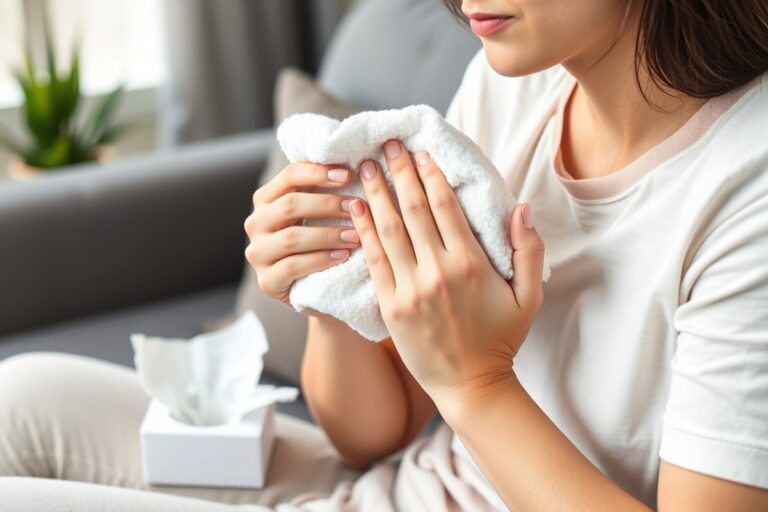
Dust mites commonly cause allergy signs such as sneezing, nasal congestion or runny nose, itchy or watery eyes, and irritation in the nose or throat. These symptoms may come with postnasal drip, coughing, chest discomfort or tightness, trouble breathing, and wheezing. Because the immune system reacts to dust mite droppings and dead bodies rather than direct contact, sensitive individuals often face year-round issues resembling asthma or allergic rhinitis.
You might suspect dust mites as the cause if these symptoms occur mainly when you are indoors or worsen at home. Dust mite allergies often contribute to 50 to 80 percent of asthma cases and can also affect conditions like eczema and hay fever. A healthcare professional can help diagnose dust mite allergies by reviewing your symptoms and evaluating your home environment during a consultation.
Dust mites thrive in warm, humid environments and hide in common household items where dead skin cells accumulate, their primary food source. Knowing where dust mites are most likely to live helps you focus your efforts to reduce exposure and relieve allergy symptoms effectively.
- Bedding (mattresses, pillows, blankets) often contain tens of thousands of dust mites
- Upholstered furniture, including couches and chairs
- Carpets and rugs, especially in bedrooms and living rooms
- Stuffed toys and fabric curtains that trap dust
- Clothing storage areas like closets where dust settles
- Heating, ventilation, and air conditioning (HVAC) filters and vents
Consistently detecting and reducing dust mites in these hotspots can significantly improve indoor air quality and ease your allergy symptoms. Look for visible dust accumulation and increased allergy flare-ups occurring mainly in these areas. Monitoring humidity levels below 50 percent can discourage dust mite growth.
Use a magnifying glass or microscopic camera to check mattress seams and upholstery for dust buildup, a sign of dust mite presence.
Washing and Drying: Best Temperatures and Frequencies to Kill Dust Mites
To effectively kill dust mites in bedding and washable items, wash everything in hot water at least 130°F (54°C) once a week. Dry these items on a high heat setting for at least 15 minutes to ensure any remaining mites die. Simply washing or drying at lower temperatures will not reliably kill dust mites.
Why 130°F Water Is Essential
Water temperature of at least 130°F (54°C) is necessary to kill dust mites effectively. These microscopic pests thrive in warm environments but cannot survive high heat. Washing bedding or pillows at lower temperatures leaves many mites alive, continuing to trigger allergies. Hot water penetrates fabric better and eliminates both mites and their allergen particles, like dust mite waste.
Many washing machines have a “hot” cycle that reaches or exceeds this threshold. Using this cycle weekly significantly reduces dust mite populations in your bedding. It’s important to measure water temperature or consult your machine’s manual so you don’t rely on warm or cold settings alone.
Drying Times and Heat Settings That Work
Drying bedding on a high heat setting after washing kills any remaining dust mites and removes the moisture they need to survive. Keep dryer temperature above 130°F (54°C) and dry items for no less than 15 minutes. Using the highest heat setting on your dryer ensures the proper temperature is reached to eradicate mites.
Drying alone only works if the heat is sufficient. Items that can’t endure high wash temperatures (like some pillows or delicate fabrics) should be dried thoroughly using this method. Avoid air-drying or low-heat drying, as neither kills mites.
Washing Frequency for Various Bedding Items
Washing frequency matters to keep dust mite levels down. Bedding that directly contacts skin, such as sheets, pillowcases, and blankets, should be washed weekly in hot water. This reduces mite populations and removes allergens accumulating from sweat and skin cells.
Pillows, which provide a favorable environment for mite growth, also require weekly washing or regular use of allergen-proof covers combined with washing. For washable pillows, use hot water and high heat drying just like bedding. Mattress covers should be washed or replaced regularly, with encasements cleaned monthly. Follow these steps for effective dust mite control through washing and drying:
- Sort bedding and washable items into loads by fabric type and washing instructions.
- Set your washer to the hottest water setting available, aiming for at least 130°F (54°C).
- Add detergent and wash bedding, pillowcases, blankets, and washable pillows thoroughly.
- Immediately transfer items to the dryer after washing.
- Use the highest heat setting on your dryer and dry items for at least 15 minutes.
- Remove items promptly to prevent moisture buildup and store clean bedding in a dry environment.
- Repeat this washing and drying routine every week for optimal dust mite control.
Safe Alternatives for Non-Washable Items: Freezing and Beyond
Freezing is an effective method to kill dust mites on non-washable items such as stuffed toys and pillows. Dust mites cannot survive low temperatures, so placing these items in a freezer set below -15°C (5°F) for at least 24 hours will eliminate most of the mites. For small objects, sealing them inside a plastic bag before freezing can prevent moisture buildup. However, freezing won’t remove allergens left by mites, so further cleaning or encasings may be necessary.
Mattresses and larger items that cannot be frozen require other approaches to control dust mites. Using allergen-proof encasings on mattresses, pillows, box springs, and duvets creates a protective barrier that prevents mites from reaching skin flakes, their main food source. These encasings cost between $30 to over $100 depending on quality and size but can significantly reduce exposure to dust mite allergens. Regularly vacuuming and maintaining low indoor humidity complements these covers to reduce mite populations. Here is a comparison table showing common non-washable item control methods for dust mites, including freezing, encasings, and vacuuming:
| Method | Items Suitable | How It Works | Duration/ Frequency | Cost Range | Effectiveness |
|---|---|---|---|---|---|
| Freezing | Stuffed toys, small pillows | Kills mites by freezing at < -15°C (5°F) | At least 24 hours per treatment | Minimal (home freezer) | High for killing mites, no allergen removal |
| Allergen-Proof Encasings | Mattresses, pillows, box springs | Blocks dust mites from food and skin contact | Continuous use, replaced every 2, 3 years | $30, $100+ | Very effective as a barrier |
| Vacuuming with HEPA | Mattresses, upholstered furniture | Removes mites and debris mechanically | Weekly or biweekly | $100, $500 for HEPA vacuums | Moderate, does not kill mites |
| Freezer Bag Method | Soft toys, small fabrics | Sealed bags prevent moisture, freeze kills mites | Over 24 hours per session | Minimal | Effective combined with freezing |
Freezing works best for small non-washable items, but it is impractical for mattresses or large bedding. Encasings act as the most consistent dust mite control for mattresses. Look for tightly woven, allergen-proof covers that block mites from entering or leaving the mattress and pillows. They should cover all seams and be zippered. Combining mattress encasings with freezing smaller items and regular vacuuming helps maintain a low dust mite environment.
Vacuuming with a HEPA-filter vacuum removes mites and allergens mechanically but does not kill mites. Using this method regularly will reduce dust mite residues alongside freezing and encasing strategies. Overall, proper layering of these methods suits different household needs depending on item size, cost limitations, and allergy severity.
Controlling Humidity to Prevent Dust Mite Growth Indoors
Keeping indoor humidity levels below 50% is key to preventing dust mites from thriving. Measuring and controlling humidity is straightforward with the right tools and habits. You can use a dehumidifier and air conditioner strategically to keep your home less hospitable to dust mites.
Ideal Humidity Levels for Dust Mites
Dust mites multiply rapidly in warm, humid environments. They prefer temperatures between 71°F and 89°F and relative humidity near 75%. Maintaining your indoor humidity between 30% and 50% slows their growth and reproduction significantly. The CDC recommends staying within this range to reduce dust mite allergens and asthma triggers.
Lower humidity reduces the moisture dust mites rely on for survival. While they can survive short periods in drier air, keeping humidity under 50% consistently will limit their population and reduce allergy risks. Cooler indoor temperatures during summer also help, as dust mites favor warmth and moisture together.
Tools to Measure and Control Humidity
Accurate humidity measurement requires a reliable hygrometer. These devices are affordable, costing around $10, $30, and provide a clear digital readout of relative humidity. Place them in bedrooms and damp areas to monitor conditions regularly.
To control humidity effectively, dehumidifiers and air conditioners are your best options. Dehumidifiers remove moisture from the air and are essential in damp locations like basements. Air conditioners reduce indoor humidity during warm seasons by cooling the air and extracting moisture. Here is a step-by-step guide to selecting and using these devices to keep humidity low and control dust mites:
- Measure Current Humidity: Use a hygrometer to check indoor humidity, especially in sleeping areas and basements.
- Choose the Right Dehumidifier: Match capacity to room size; small units handle up to 300 sq. Ft., while larger ones serve bigger spaces.
- Position Devices Properly: Place dehumidifiers in damp rooms for continuous operation; avoid direct sunlight or obstruction.
- Set Humidity Target: Adjust dehumidifier or AC settings to maintain 30-50% relative humidity consistently.
- Run Regularly During Humid Seasons: Use air conditioning and dehumidifiers especially in summer months or rainy seasons to keep moisture down.
- Empty Water Reservoirs: Empty and clean dehumidifier tanks regularly to maintain efficiency and prevent mold.
- Monitor & Adjust: Track humidity daily with your hygrometer to ensure levels stay within the ideal range.
Keep in mind that running a dehumidifier continuously in very humid homes can increase electricity costs but is necessary to control dust mites.
Daily Habits to Maintain Proper Humidity
Controlling humidity goes beyond devices. Ventilate rooms by opening windows when weather allows, especially after cooking or showering. Use exhaust fans in bathrooms and kitchens to remove excess moisture quickly.
Check for and fix leaks in plumbing or roofs that add unwanted moisture. Placing moisture absorbers like silica gel packs or desiccant products in closets and drawers can help in specific trouble spots. Avoid drying clothes indoors as this raises humidity.
Regularly vacuum and dust at least once a week in bedrooms, where dust mite exposure is highest. Keeping bedding dry and washing it weekly supports your humidity control efforts, creating a less friendly environment for dust mites.
Vacuuming, Air Purifiers, and Chemical Sprays: What Works Best?
Vacuum cleaners with HEPA filters can reduce dust mite allergens by trapping fine particles such as dust mite feces, body fragments, and other allergens. These vacuums limit allergen redistribution, unlike standard vacuums that may blow particles back into the air. Regular vacuuming of carpets, rugs, and upholstered furniture with a HEPA-filtered vacuum helps capture and remove allergen buildup from surfaces. However, vacuuming alone won’t remove live dust mites because they cling tightly to fibrous materials.
Air purifiers equipped with HEPA filters offer another layer of protection by capturing airborne dust mite allergens. These devices continuously filter indoor air to remove fine allergen particles released from dust mite waste and skin flakes. Proper sizing of the air purifier for the room is important to effectively reduce allergen concentrations. While air purifiers do not capture live dust mites, they help prevent allergens from lingering in the air where they can trigger symptoms.
Using chemical sprays like Lysol, essential oils, or vinegar to kill dust mites is not consistently effective or recommended. Some dust mite eliminator sprays may reduce mite populations temporarily, but many lack strong scientific support. Essential oils and vinegar might repel or kill some mites on the surface but often require frequent reapplication and can irritate sensitive individuals. Most sprays do not remove the allergen particles left behind after mites die, so they should be used cautiously and not as a primary control method.
| Method | Effectiveness Against Dust Mites | Effectiveness Against Allergens | Cost Range | Best Use Cases |
|---|---|---|---|---|
| Vacuum Cleaner with HEPA Filter | Does not kill live mites; removes some physical mites/debris | High; traps fine allergen particles, reduces redistribution | $150 – $500 | Regular cleaning of carpets, rugs, upholstery to reduce allergens |
| Air Purifier with HEPA Filter | Does not capture live mites | High; removes airborne dust mite allergens effectively | $100 – $600 | Continuous air filtration in bedrooms or living areas to lower allergen levels |
| Dust Mite Sprays (Lysol, Essential Oils, Vinegar) | Variable; may kill some mites temporarily | Low; does not remove allergens left after mites die | $5 – $25 per bottle | Targeted spot treatment with caution; not a primary control method |
To maximize dust mite and allergen reduction, vacuum at least once or twice a week using a vacuum cleaner equipped with a HEPA filter, paying special attention to high-traffic and fabric-heavy areas. Follow vacuuming with wet mopping to reduce disturbed allergen particles. Use an air purifier sized appropriately for the room to continuously clean the air, especially in bedrooms and common areas. Reserve chemical sprays for occasional spot treatment if necessary, and test carefully for any adverse reactions or odors.
Long-Term Dust Mite Prevention: Covers, Cleaning, and Replacement Timelines
Using mattress and pillow covers designed to block allergens plays a important role in controlling dust mites. These covers use tightly woven fabrics that stop mites from infesting or escaping mattresses, pillows, and box springs. Fully zippered encasements offer a complete seal. You can buy these covers at home stores or online, typically costing between $30 and $100 depending on size and quality.
Replacing pillows every 1 to 2 years and mattresses every 7 to 10 years also helps reduce dust mite buildup. Older bedding tends to trap more allergens and dust mites despite cleaning. Newer mattresses and pillows generally come with protective covers or materials that resist dust mite colonization better. If your allergy symptoms persist despite cleaning, consider replacing these items sooner.
Consistent cleaning focused on dust mite-prone areas like bedding and upholstery helps keep mites at bay. Wash all bedding including sheets, pillowcases, and blankets once a week in water heated to 130°F or more. Vacuum mattresses and upholstered furniture monthly with a vacuum equipped with a HEPA filter to remove mite allergens. Setting reminders on your calendar aids in staying consistent with these tasks.
- Encase mattresses, pillows, and box springs in zippered, allergen-proof covers designed to block mites.
- Wash all bedding weekly in hot water (130°F or above) to kill dust mites and remove allergens.
- Vacuum mattresses and upholstery monthly using a HEPA-filter vacuum cleaner.
- Replace pillows every 1 to 2 years and mattresses every 7 to 10 years to reduce allergen buildup.
- Keep humidity below 50% to restrict dust mite survival and replication.
Choosing effective covers means selecting ones specifically marketed as dust mite-proof, which usually have pore sizes less than 10 microns to block mites and their waste particles. Some come with additional features like waterproofing or breathability, so consider your comfort needs alongside allergen control. Even the best covers need to be washed regularly according to manufacturer instructions to maintain their effectiveness.
Seasonal Adjustments and When to Seek Medical Help for Dust Mite Allergies
Dust mite allergies often worsen during colder months because homes stay closed up and humidity rises indoors. Common cleaning mistakes can undermine your efforts to control dust mites. Persistent or severe allergy symptoms should prompt consultation with a healthcare professional for diagnosis and treatment options.
Seasonal Variations in Dust Mite Allergies
Dust mite populations tend to increase in winter due to higher indoor humidity and less ventilation. Closed windows and heaters raise moisture levels inside, creating an ideal environment for dust mites to thrive. These conditions often lead to intensified allergy symptoms, such as frequent sneezing and coughing, that can be mistaken for a cold or flu.
To adjust seasonally, use a dehumidifier to keep indoor relative humidity below 50%. This level limits dust mite growth effectively. Also, keep heating systems clean and use air purifiers with HEPA filters to reduce airborne allergens. Regularly washing bedding in hot water (at least 130°F) and tumble drying on high heat during winter also kills dust mites and helps control their numbers.
Common Dust Mite Control Mistakes
Many people think vacuuming or dusting occasionally is enough, but dust mites are persistent and live in deep fabric layers and bedding. Using a vacuum without a HEPA filter or cleaning linens at low temperatures allows mites to survive and multiply. Another frequent mistake is neglecting to iron bedding after washing, which can keep mites alive in damp fabric. Some additional common errors include:
- Using only dry dusting methods that stir up allergens without capturing them
- Failing to wash pillowcases and mattress covers at least every two weeks
- Ignoring non-washable items like stuffed toys, which require freezing or sealing in plastic bags
- Not controlling indoor humidity, especially in basements and bedrooms
- Skipping deep cleaning of carpets and upholstery once a month
Correcting these mistakes improve dust mite control significantly. Consistency and thoroughness are key to reducing allergen levels and improving your environment.
Wear a mask during cleaning to avoid inhaling airborne dust mite particles stirred up during the process.
Medical Options for Persistent Allergy Symptoms
Temporary relief from dust mite allergy symptoms can be achieved with over-the-counter antihistamines or decongestants. However, persistent or severe symptoms like chronic coughing, facial pressure, or difficulty breathing may require professional evaluation and treatment. A doctor will likely perform an allergy test to confirm dust mite sensitivity and recommend appropriate interventions.
For ongoing issues, doctors may suggest immunotherapy (allergy shots) to desensitize your immune system gradually. This treatment often requires multiple sessions over several years but can reduce symptom severity long term. Other therapies include prescription nasal sprays or corticosteroids to control inflammation.
Seeking medical help is important if symptoms interfere with daily life or do not improve with home measures. Early treatment can prevent worsening and reduce the risk of complications such as asthma.
Step-by-Step Action Plan to Get Rid of Dust Mites
Follow these clear steps to identify, eliminate, and prevent dust mites in your home for better allergy relief and cleaner air.
- Day 1: Identify Allergies and Infestation, Note any allergy symptoms like sneezing, itching, or congestion and check bedding, carpets, and upholstery for dust build-up. Confirm reduced symptoms or visible dust after initial cleaning.
- Day 2: Wash Bedding and Soft Items, Wash all bedding, pillowcases, and washable curtains in hot water at 130°F (54°C) or higher. The absence of dust mites after washing can be seen by improved allergy symptoms and cleaner fabric.
- Day 3: Treat Non-Washable Items, Place non-washable items like stuffed toys in a sealed plastic bag and freeze for 24 hours or use steam cleaning. Check that odors and dust reduce, indicating mite elimination.
- Week 1: Control Indoor Humidity, Use a dehumidifier or air conditioner to keep indoor humidity below 50%. Use a hygrometer to track humidity levels and ensure conditions do not favor dust mites.
- Week 2: Vacuum and Use Air Purifiers, Vacuum carpets and upholstered furniture with a HEPA-filter vacuum at least twice a week. Run air purifiers with HEPA filters in bedrooms and living areas. Reduced dust and allergy symptoms will show effectiveness.
- Month 1: Use Allergen-Proof Covers, Encase mattresses, pillows, and box springs in dust-mite-proof covers. Monitor for fewer allergy flare-ups and visibly cleaner sleeping areas.
- Ongoing: Maintain Cleaning Routine, Continue washing bedding weekly, vacuuming regularly, and controlling humidity. Replace pillows every 1, 2 years and mattresses every 5, 7 years based on condition. Keep allergy symptoms minimal to confirm success.
- Seasonal: Adjust and Seek Help, Increase cleaning frequency during high allergy seasons and consult a healthcare provider if symptoms persist or worsen despite home controls.
Frequently Asked Questions
How Can I Tell If I Have Dust Mites?
Symptoms like sneezing, itchy eyes, and nasal congestion often indicate dust mite allergies. Look for increased reactions in bedrooms or on upholstered furniture.
What Kills Dust Mites Instantly in the House?
Water heated to at least 130°F kills dust mites on contact, making hot washing or dryer heat the most effective immediate methods.
Do Lysol Sprays Kill Dust Mites?
Lysol sprays do not kill dust mites effectively; they mainly target bacteria and viruses, not allergens like dust mites.
What Smell Do Dust Mites Hate?
Dust mites dislike the scent of essential oils such as eucalyptus and tea tree, which can help repel them when used in cleaning.
Can I Prevent Dust Mites by Freezing Clothes?
Yes, freezing items in a sealed plastic bag for 24 hours kills dust mites in things that can’t be washed.
How Often Should I Vacuum to Control Dust Mites?
Vacuum at least once a week using a HEPA filter vacuum to reduce dust mite allergens indoors.
Final Thoughts
Getting rid of dust mites requires consistent effort focused on reducing moisture, regular cleaning, and managing your home’s environment. Start by washing your bedding at least once a week in hot water above 130°F to eliminate mites effectively. Taking this step today can significantly lower allergen levels and improve your indoor air quality over time.



3 Comments