How to Get Rid of Mice Humanely: A Complete Guide with Effective, Ethical Methods
Getting rid of mice humanely means using methods that capture or deter them without harm. You can achieve this by setting up humane traps, using natural repellents, and mouse-proofing your home to prevent reinfestation. This approach avoids poison and lethal tactics, focusing on ethical removal and long-term results.
Homeowners, renters, and tenants seeking non-lethal ways to handle mice will find effective strategies here. The information covers how to monitor traps, release mice safely, clean after removal, and decide when to call professionals. It also addresses humane handling of baby mice and nests, ensuring you solve the problem responsibly and ethically.
Key Takeaways
- Use multiple humane traps spaced 6 to 10 feet apart along common mouse paths to shorten the trapping period and increase success.
- Check humane mouse traps at least once every 24 hours, ideally twice, to minimize stress on captured mice.
- Let captured mice go in a location no closer than 10 miles from your residence, or seek advice from a veterinarian to avoid the animals coming back and to protect their well-being.
- Thoroughly spray mouse droppings, nests, and urine with disinfectant until soaked, then let sit for the recommended time before cleaning.
- Seal entry points and mouse food sources to mouse-proof your home and prevent reinfestation after removal.
- Use natural repellents like peppermint oil and consider pets such as cats as non-lethal deterrents to keep mice away humanely.
Is It Possible to Get Rid of Mice Without Killing Them?
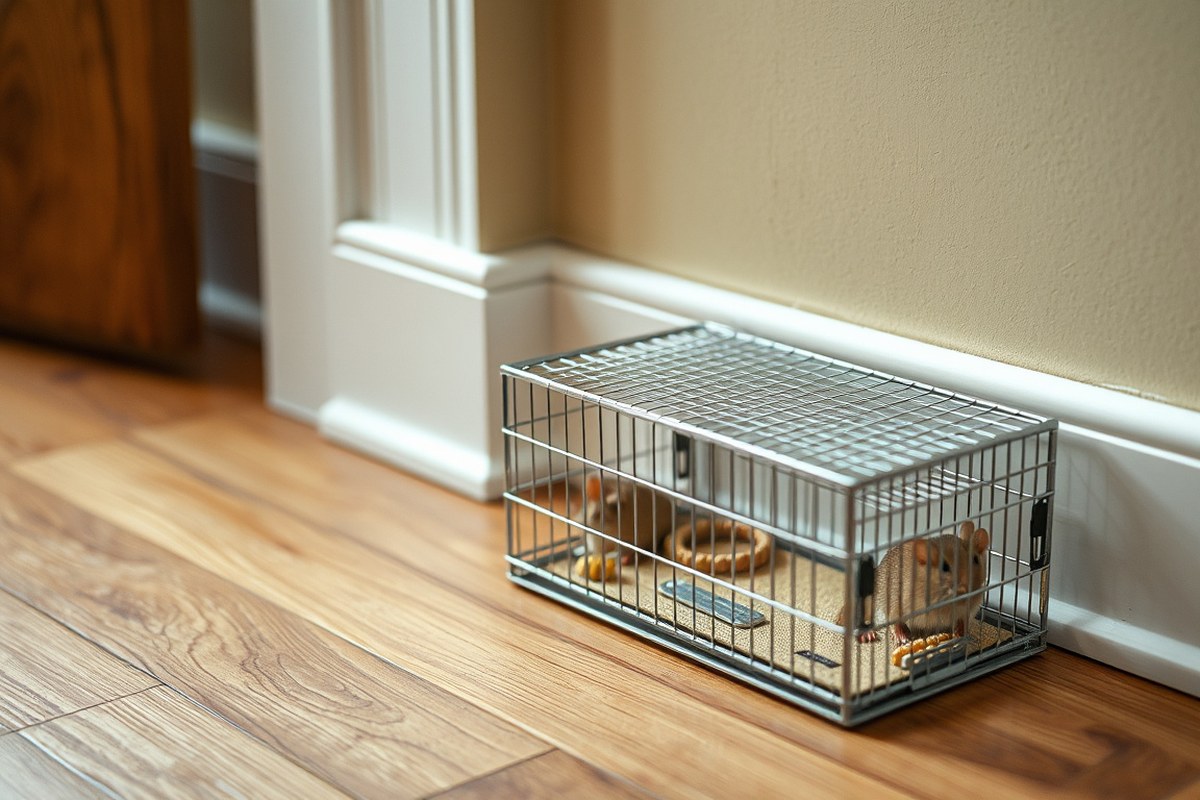
Yes, you can get rid of mice without killing them by using humane methods that prioritize the animal’s welfare and your safety. The preferred approach combines prevention, trapping without harm, and releasing the mice away from your home. This type of control not only respects animal life but also reduces the likelihood of reinfestation.
Inhumane methods typically include poisons and glue traps. Poisons such as brodifacoum, warfarin, and bromethalin cause prolonged suffering, leading to internal bleeding or neurological damage that can take days. Glue traps are equally cruel; the mouse becomes stuck and struggles for hours, often dying from dehydration, starvation, or stress before you can intervene. According to the University of California Integrated Pest Management (UC IPM), mice caught on glue boards rarely die quickly and must be euthanized to prevent suffering, a process requiring professional care and not recommended for most homeowners.
Humane mouse removal focuses on non-lethal snap traps and multiple-catch treadle door traps. These traps are designed to catch mice alive without injury, allowing you to release them safely outside your home. The key steps include placing traps along walls and in areas where mice travel, using food bait similar to their diet, such as peanut butter or grains, and checking traps frequently to minimize stress for the captured animals. You should release the mice at least a mile away, in wooded or brushy areas that provide food and shelter.
While humane traps can cost more upfront, typically between $10 and $30 each depending on the type, the long-term benefit is a reduced mouse population without unnecessary suffering or the risks posed by toxic chemicals. Poison and glue traps can offer quick kills but often fail to prevent mice from returning because they do not address entry points or attractants within your home. Humane removal methods work best when combined with thorough mouse-proofing to seal cracks, remove food sources, and maintain cleanliness.
Expect good results if you commit to regular trap setting and monitoring, plus follow-up prevention steps. One downside is that humane traps require more frequent checking and effort and may not yield instant eradication. Mice can also learn to avoid traps if bait isn’t appealing or placed properly, so adapting your strategy may be necessary. Overall, humane removal methods are feasible and preferred because they avoid unnecessary cruelty, keep your living space safe, and contribute to lasting control.
How to Set Up and Monitor Humane Mouse Traps Effectively
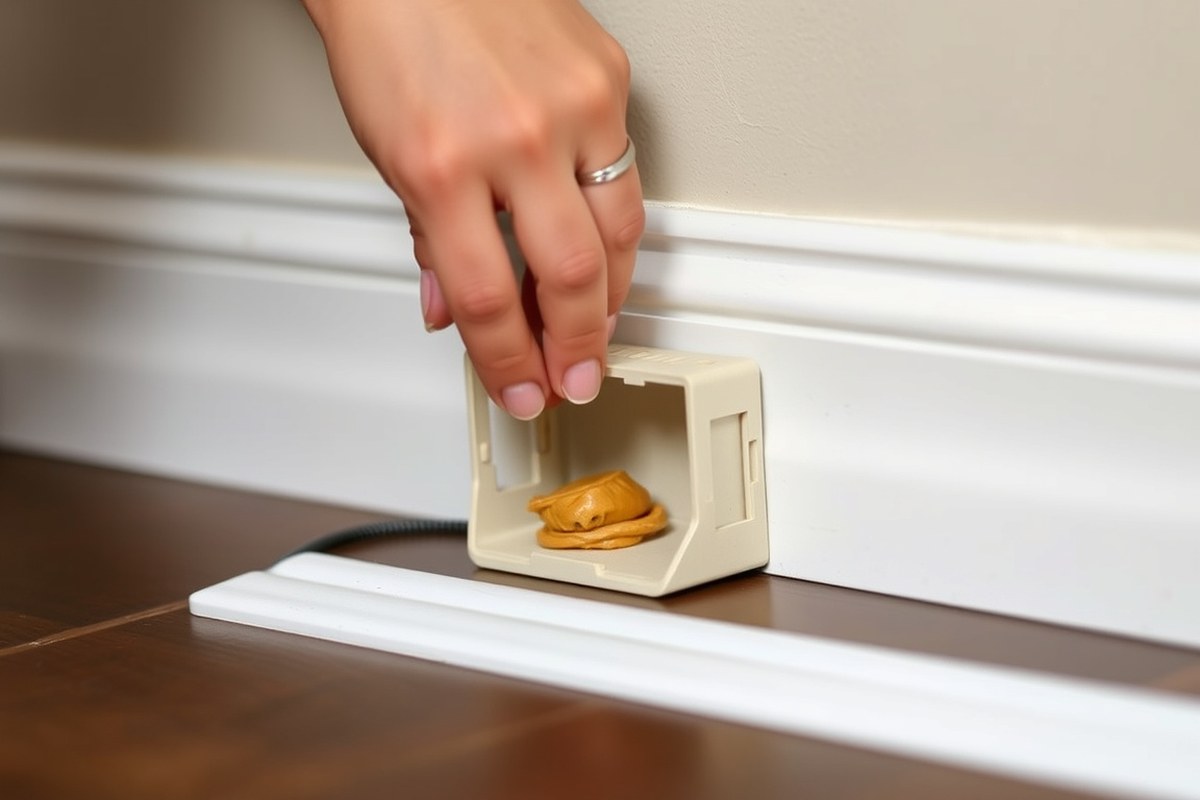
Using humane traps effectively means selecting the right type, baiting and placing them strategically, and checking them frequently to reduce stress on the mice. Proper setup minimizes harm and increases your chances of a successful capture so you can release the animals safely.
Types of Humane Traps
Live-catch traps are designed to capture mice without injuring them. Popular models include cylindrical or box-shaped traps with a spring-loaded door that closes once the mouse enters. Traps with wide trigger plates are more successful because mice can trigger them more easily, according to UC IPM recommendations. Some DIY options, like baiting the bottom of a wastebasket with oatmeal and peanut butter, can also work in a pinch but may be less reliable.
It’s best to use commercially available humane traps made from sturdy plastic or wood. Cheap or flimsy models risk injuring mice or allowing escape. For multiple captures, consider traps that reset automatically or pairs of traps set one to two inches apart to boost success rates.
Best Bait Options
Choose bait based on what mice are already eating in your home for the best results, as UC IPM suggests. Peanut butter is a top choice because of its strong scent and sticky texture, which encourages the mouse to stay longer. Other options include seeds, bits of fruit, or oatmeal. Avoid using too much bait: large amounts can let a mouse grab some without triggering the trap.
A small dab of peanut butter or a few sunflower seeds placed inside the bait compartment near the entrance entices mice inside. Change bait if you don’t catch any mice in a few days, since aged or spoiled bait becomes less attractive.
Trap Placement Tips
Place traps where mice travel and feed. Typical spots are along walls, behind appliances, in dark corners, and near suspected entry points. Mice tend to move within 10 to 30 feet of their nests, so focus on likely pathways. Set traps perpendicular to the wall with the baited entrance facing the wall to align with their movement.
Check for droppings, gnaw marks, and runways to identify active routes. Keep traps away from pets and children and avoid placing them near food preparation surfaces. If you have an attic or basement infestation, consider setting traps there but prepare to check them more often.
Trap Checking Frequency
Check humane traps at least twice a day, early morning and late afternoon, to minimize the time mice spend trapped. Frequent checks reduce stress and risk of harm to the animals. Leaving a mouse in a trap longer than 24 hours is not recommended for humane reasons.
Each time you check, wear gloves to avoid transmitting your scent or germs. Move caught mice carefully in a covered container for release. Reset traps immediately with fresh bait to continue capture efforts efficiently.
Avoiding Common Mistakes
Common errors include using too much or stale bait, placing traps in low-activity areas, and checking traps infrequently. Overbaiting allows mice to steal the bait without triggering the trap. Setting traps randomly reduces catch rates. Ignoring traps for more than 24 hours increases animal stress and reduces effectiveness.
Always set traps with trigger plates lightly sprung so they activate easily. Seal obvious entry points after you start catching mice, leaving lesser ones open until capture ends to avoid trapping mice inside walls. This prevents trapping mice behind freshly closed holes.
Check traps twice daily to lower stress on captured mice and increase humane treatment success.
Follow these steps to set up and monitor humane mouse traps effectively:
- Choose a sturdy live-catch trap with a wide trigger plate for high sensitivity.
- Inspect areas of mouse activity such as along walls and near food sources.
- Apply a small amount of peanut butter or local favorite bait inside the trap.
- Place the trap perpendicular to the wall, bait side facing the wall, in a likely travel path.
- Set the trap trigger lightly so it will spring easily when a mouse steps on it.
- Check the traps twice a day, morning and evening, removing any caught mice promptly.
- Transport captured mice in a covered container for release away from your home.
- Reset traps with fresh bait and continue until no more mice are caught, then seal entry points.
Safe and Ethical Guidelines for Releasing Captured Mice
To release mice you have captured humanely, choose a safe location at least one mile from your home, ideally in a sheltered natural area with dense vegetation. Avoid places where mice cannot easily find food or water, and follow gentle steps to minimize their stress. Always check local laws first, as some areas, like California, restrict relocating wildlife without permits.
Ideal Release Locations
Choose a release spot with dense vegetation such as bushes, hedges, or under sheds where mice can quickly find shelter and hide from predators. Gardens or wooded areas on your property edge or further away work well. Avoid open spaces where mice are exposed to predators or harsh weather. Ensure there is a reliable food and water source nearby to help them survive.
Avoid heavily trafficked areas or places close to other homes to prevent mice from becoming a nuisance or causing reinfestations. Consider local parks or natural reserves if permitted. The goal is to place the mice where they can blend into the environment and find shelter within minutes after release.
Minimum Release Distance Guidelines
Release mice at least one mile from your home to reduce the risk of them returning and to limit impacts on your property. Some experts recommend distances up to 10 miles to discourage homing behavior, but this can increase the mouse’s risk of not finding food or shelter. In contrast, releasing too close can lead to reinfestation and may be illegal in some states like California.
Since rules vary by state, always check your local Department of Fish and Wildlife regulations before moving mice offsite. For example, in California, relocating mice without a permit is illegal. Local animal control can provide guidance on legal release distances and locations.
How to Release Without Stressing Mice
Follow these gentle steps to reduce the mice’s stress during release. Avoid opening traps in direct sunlight or noisy areas. Handle traps calmly and release mice quickly to limit their exposure to harmful conditions. Speaking calmly during release can help maintain low-stress conditions, although the main focus should be on minimizing the time in the trap and providing immediate shelter. Use the following scripted approach during release:
“I’m going to open the trap now and let you go. Please stay safe and find shelter quickly.”
Keep these words short and calm, then gently open the trap door while placing the trap on the ground facing dense cover.
- Carry the trap to your chosen release area, keeping it steady.
- Place the trap on the ground near dense vegetation or a shed.
- Open the trap door carefully, making sure it faces away from you and toward shelter.
- Step back quickly to give the mouse space to exit without feeling cornered.
- Wait quietly for the mouse to run into cover, avoiding sudden movements or loud noises.
- Close and clean the trap according to manufacturer instructions before reuse.
Risks to Local Wildlife and Environment
Releasing mice into unfamiliar areas can harm their survival chances because they may not find suitable food or shelter. Introducing mice to new environments also risks spreading parasites or diseases. Non-native groups of mice can compete with local wildlife species for resources, potentially disrupting habitats.
Releasing mice near homes or urban areas risks reinfestation and may anger neighbors or violate local laws. Environmental harm includes attracting predators that may alter local animal populations. Check local guidelines or consult with wildlife professionals if unsure about the impact of releasing mice in your area.
Mouse-Proofing Your Home to Prevent Reinvasion
Mice enter homes through very small openings, sometimes as tiny as 6 millimeters wide. Common entry points include gaps around utility lines, poorly sealed window casings, air vents, weep vents between bricks, and cracks in building materials. Identifying and sealing these entry points is essential to prevent reinfestation. Use steel wool to pack tight spaces where mice might sneak in, then seal over the steel wool with caulk or metal flashing to keep them out permanently.
Food sources strongly attract mice and support their survival indoors. Store all grains, pet food, and dry goods in metal or heavy plastic rodent-proof containers with tight lids. Remove any spilled food promptly and clean kitchen surfaces regularly. Keep pet food bowls empty overnight and secure garbage cans with lids. Compost bins and woodpiles should be located at least 100 feet away from the house to reduce outdoor attraction.
Decluttering your living space reduces hiding spots and nesting areas. Clear storage areas, basements, and attics of unnecessary materials. Arrange items off the floor and away from walls so that mice cannot easily nest or move undetected. Regularly vacuum and discard clutter that could provide shelter.
- Inspect your home exterior, focusing on gaps as small as 1/4 inch near pipes and vents
- Pack entry points with steel wool before sealing with caulk or metal plates
- Store dry foods in rodent-proof containers made of metal or thick plastic
- Remove or secure pet food daily, especially overnight
- Keep garbage cans tightly sealed with lids
- Place compost and woodpiles at least 100 feet from your home
- Organize and declutter storage areas to eliminate nesting spots
These exclusion techniques not only stop new mice from entering but also reduce existing populations by cutting off food and shelter. Temporary barriers like steel wool are inexpensive and effective while you prepare permanent seals. Signs that mouse-proofing is working include fewer droppings, less gnawing damage, and reduced scampering sounds. Persistent mice or hard-to-reach gaps may require professional assistance, especially in attics or crawl spaces.
Using Natural Repellents and Pets as Humane Deterrents
Natural repellents like essential oils and hot pepper sprays can gently encourage mice to leave without harm. Essential oils such as lavender, mint, thyme, and rosemary are especially recommended. These scents are strong and unpleasant to mice but safe for indoor use when properly diluted. To use, soak cotton balls in 10 to 15 drops of any of these oils, then place them near entry points, behind appliances, or inside cabinets. Replace the cotton balls every 3 to 4 days to maintain their effectiveness.
Hot pepper sprays create a spicy barrier that mice avoid due to their sensitive noses. You can make a simple deterrent spray by mixing 1 tablespoon of chili powder or cayenne pepper with 2 cups of water and a small amount of dish soap. Spray this solution lightly around suspected mouse paths or entryways every few days. Avoid spraying near your pets’ resting areas, as the smell and residue may irritate them.
Pets like cats and dogs are natural deterrents as their presence and scent discourage mice from settling. Cats especially can detect and chase mice, although their effectiveness varies by individual and environment. Pets do not eliminate mice instantly but often deter repeated visits. Allow your cat or dog supervised access to common mouse spots. Recognize that pets may not catch every mouse but their focused attention on signs like scratching or noises can alert you to a problem early.
Different situations call for varied approaches. In large homes, natural repellents can be spread widely but may need frequent replacement. In rental units or small apartments, few drops of essential oil behind appliances and near walls may suffice. Pets offer ongoing deterrence but will be most helpful in homes where they can safely roam. For families with allergies or chemically sensitive individuals, natural essential oils are a safer alternative to synthetic sprays or poisons.
| Repellent Type | How to Use | Frequency | Suitability |
|---|---|---|---|
| Essential Oils (Lavender, Mint, Thyme, Rosemary) | Soak cotton balls with 10-15 drops, place near mouse areas | Replace every 3-4 days | Indoor spaces; safe with children and most pets if out of reach |
| Hot Pepper Spray (Chili or Cayenne) | Mix 1 tbsp pepper + 2 cups water + soap; spray around entries | Reapply every few days | Effective around doors, baseboards; avoid pet rest areas |
| Cats | Allow supervised access to mouse-prone areas | Ongoing presence | Homes with indoor cats; natural rodent alert and deterrent |
| Dogs | Let them explore common areas for mice signs | Ongoing presence | Homes with indoor/outdoor dogs; some breeds more alert |
Natural repellents often need time to work and their effect decreases as mice get used to the smell. Keep rotating scents and supplement with pets if possible for better results. Cats and dogs won’t fully solve infestations but contribute to a deterrent environment when combined with prevention and trapping. Always monitor your pets around mouse areas and avoid using any sprays that might cause discomfort.
Use essential oils in well-ventilated spaces and never apply undiluted oils directly on surfaces where pets or children play.
Safe Cleaning and Disinfecting After Mouse Removal
Mouse droppings are distinct from other pest droppings and can help you pinpoint areas needing thorough cleaning. Typical mouse droppings measure about 6 mm long, are slender and slightly pointed on the ends. Rat droppings are larger, about 12 mm, and often blunt. You might find these droppings in corners, along baseboards, inside cabinets, or near food sources, especially in storage areas like garages and basements. Identifying them accurately matters because mouse urine and droppings can carry harmful pathogens that affect humans and pets, causing respiratory and neurological illnesses.
Cleaning and disinfecting contaminated areas must be done carefully to avoid stirring up dust that can spread these pathogens into the air. Children and pets are more vulnerable, so keep them away from affected spaces until cleaning is finished. Use gloves and face masks as protection, and avoid sweeping or vacuuming dry droppings. Follow these detailed steps to clean and disinfect mouse-contaminated areas safely:
- Ventilate the area by opening windows and doors for at least 30 minutes before starting. This reduces airborne particles.
- Prepare a disinfectant solution using one part bleach to ten parts water or a commercial disinfectant labeled safe for use against rodent-borne pathogens.
- Wear disposable gloves and a mask covering nose and mouth to avoid direct contact and inhaling dust.
- Spray the affected area thoroughly with your disinfectant solution to wet droppings, urine stains, and nesting materials, avoid dry sweeping to limit dust.
- Let the disinfectant sit for at least five minutes to ensure germs are killed.
- Use paper towels to wipe away droppings and debris carefully, then discard the towels in a sealed plastic bag.
- Wash the cleaned surfaces with warm detergent and water to remove residue.
- Dispose of gloves and masks safely, then wash hands thoroughly with soap and warm water for at least 20 seconds.
This process typically takes about 30 to 60 minutes depending on the size of the area and the severity of contamination. Cleaning supplies may cost between $10 and $30 if not already owned. Proper cleaning shows no visible droppings, no lingering odors, and surfaces no longer stain. Risks include breathing in dust or direct contact with waste, so strictly following steps and using protective gear reduces the risk. Areas where children or pets frequent require extra caution; block access until clean and dry. Keeping cleaning products and traps out of their reach protects them from accidental exposure.
Understanding When to Use Humane Methods and When to Call Professionals
Recognizing when to rely on humane catch-and-release methods and when professional help is necessary depends largely on the severity and persistence of the mouse presence in your home. An important indicator of a manageable situation is catching and releasing a small number of mice without seeing new activity within five days. This informal “5-day mouse rule” suggests that no fresh signs, such as droppings, gnaw marks, or noises, appear within five days of using humane traps placed at intervals no wider than 10 feet, your efforts are likely effective. This timeline aligns with house mice behavior, as they rarely travel more than 30 feet from their nest, so well-placed traps should intercept intruders promptly.
Mice reproduce rapidly, with one pair capable of producing dozens of offspring within a matter of weeks. This high reproduction rate means a small problem can quickly become a severe infestation if left unchecked. When humane methods fail to contain or reduce mouse signs within those five days, or when you notice dozens of mice or signs of widespread activity, it’s time to escalate to professional help.
Severe infestations pose greater health risks due to possible disease transmission, including Weil’s disease carried by some rodents, according to local health advisories. At that point, professionals such as licensed pest control services or critter control companies can deploy a combination of trapping, exclusion, and sanitation strategies that go beyond what is practical or safe for homeowners. These experts can seal entry points too small for most people to notice, set up multiple control methods simultaneously, and ensure thorough cleanup to remove nesting materials and contaminated areas.
Cost and effort also matter. Humane trapping requires frequent checking and releasing, sometimes multiple times a day, to avoid prolonged animal stress and comply with ethical guidelines. You’ll need enough traps spaced close together to keep the trapping period short and decisive. When this level of commitment feels overwhelming, or when multiple captures are necessary over several days without improvement, professional intervention will be more efficient and may ultimately be less expensive when accounting for lost time and repeated supply costs.
In some cases, simple humane strategies work well for occasional visitors or very early infestations. In others, defined by heavy trailing, significant damage, or persistent activity past one week despite your efforts, professional pest control is recommended to protect your household’s health and safety. Local council pest control offices can provide guidance or referrals to certified services if you’re unsure about the severity of your situation or need advice tailored to your region.
Handling Baby Mice and Nests Humanely During Removal
Dealing with baby mice and nests humanely means identifying them carefully, avoiding harm during removal, and relocating them responsibly. You can protect these vulnerable animals while still clearing your home by understanding their signs and using gentle methods.
Signs of Baby Mice and Nests
Baby mice are tiny, often hairless or with thin fur, and usually stay hidden in nests close to food sources. Nests are typically made from shredded paper, fabric, or plant material and are found in quiet, sheltered areas like inside walls, under furniture, or in storage boxes. You can spot signs such as small droppings (about 1/8 inch long), faint urine smells, or scurrying noises at night. Check these common nest locations frequently to catch problems early:
- Behind kitchen appliances
- Inside cupboards and drawers
- Basements, attics, or crawl spaces
- Closets with stored items or cardboard boxes
- Under insulation or inside wall cavities
Safe Removal Techniques
Wet droppings, nests, and urine with a disinfectant spray and let soak for at least 5 minutes before removal to reduce irritation risk and disease spread. Wear disposable gloves and a mask during cleanup to protect yourself and prevent accidental harm to the mice.
For nests with baby mice, avoid sudden disturbance that could cause abandonment by the mother. Place a shallow plastic bin roughly 11 inches deep near the nest, lined with shredded paper and a small amount of food like peanut butter (not cheese). This encourages the mother and babies to move into a safe container for relocation without stress or injury. Here are tips for handling baby mice and nests humanely:
- Use soft bedding material to avoid injury
- Move nests gently to prevent separating babies from the mother
- Relocate during cooler parts of the day to reduce heat stress
- Wear gloves to avoid transferring human scent which might cause abandonment
- Monitor the container closely to spot any signs of distress or escape attempts
Do not try to handle baby mice without the mother nearby, as abandonment can be fatal.
Relocation Considerations
Choose a release location far enough from your home to prevent the mice from returning, ideally at least a quarter-mile away. The site should provide natural shelter, food sources, and water, such as a wooded area with dense brush or a wild field edge.
Relocating baby mice and nests requires careful timing. Move them quickly but calmly, ideally within a day of capture, to minimize stress and increase chances of survival. Avoid extremely hot or cold days, as young mice are sensitive to temperature extremes. Remember these points when relocating:
- Check local laws on releasing wildlife
- Prepare the area by placing the container under some cover
- Open the container gently and step back to allow mice to exit naturally
- Clean the container thoroughly before any future use to avoid disease
Step-by-Step Action Plan to Humanely Get Rid of Mice
Follow these practical steps to remove mice from your home without harm, prevent their return, and keep your living space clean and safe.
- Before you start: Inspect your home and set up humane mouse traps along known paths or near droppings. Check traps twice daily to ensure quick capture.
- Day 2, 3: Release captured mice at least one mile away from your home, in a wooded or grassy area. Confirm no new captures in the same traps after release.
- Week 1: Seal all entry points at least ¼ inch wide using steel wool and caulk or metal mesh. You’ll know it worked if you stop seeing fresh droppings or hearing scratching sounds.
- Week 1: Place natural repellents like peppermint oil-soaked cotton balls near entry points and use pets like cats to deter mice. A decrease in sightings or trap captures shows effectiveness.
- After 2 weeks: Clean and disinfect areas where mice were active using gloves and appropriate disinfectants. Reduced mouse signs confirm success.
- Week 2, 3: Monitor for any new activity and reset traps if needed. Persistent captures suggest reviewing and reinforcing prevention steps.
- As needed: If you find baby mice or nests, avoid direct contact; contact a licensed wildlife professional for humane removal guidance.
- Ongoing: Maintain cleanliness, store food in sealed containers, and inspect your home regularly for new openings to keep mice out long term.
Frequently Asked Questions
Is There a Way to Get Rid of Mice Without Killing Them?
Yes, you can use humane traps to catch and release mice outside. Combining traps with home sealing and natural repellents improves success.
How Do the Amish Get Rid of Mice?
The Amish commonly use live traps and sealing techniques without poisons. Their approach focuses on exclusion and humane capture to avoid toxins.
What Is the 5 Day Mouse Rule?
The 5 day mouse rule suggests monitoring traps over five days to catch multiple mice. This helps identify the infestation size and trap effectiveness before release.
What Do Mice Hate the Most?
Mice dislike strong smells like peppermint oil and ammonia. Using such scents as repellents can deter mice humanely from areas you want to protect.
Can I Keep Mice Away Using Ultrasonic Devices?
Ultrasonic devices may temporarily repel mice, but their effectiveness varies and isn’t reliable long-term. Combining with trapping and sealing is better.
How Long Should I Quarantine Released Mice from My Property?
Released mice should be moved at least a mile away to prevent return. Immediate relocation far from homes encourages survival and reduces reentry risk.
Before You Go
You can remove mice from your home without harming them by using humane traps and following ethical release practices. Start today by inspecting your living spaces for entry points and seal any cracks or gaps you find to keep mice from coming back. Taking this first step creates a barrier that protects your home and supports ongoing humane removal efforts.