

How to Get Rid of Clogged Ears: 8 Proven Methods That Work
To get rid of clogged ears, start with gentle home remedies like swallowing, yawning, or gently popping your ears to relieve pressure. Over-the-counter options such as nasal sprays or decongestants can help, but use them carefully and follow guidelines. Persistent or painful blockage may require a healthcare professional’s evaluation to ensure there’s no infection or serious issue.
This information is for anyone struggling with occasional or ongoing ear clogging from causes like allergies, sinus infections, earwax buildup, or pressure changes. You’ll learn safe methods to clear your ears, how to identify the cause, avoid common mistakes, and when medical treatment is necessary. These proven approaches will help you find fast relief and prevent clogged ears during flights, colds, or allergy season.
Key Takeaways
- Use gentle methods like warm compresses and oil drops held on the ear for 5 to 10 minutes to relieve clogged ears safely.
- Take oral decongestants 2 to 3 hours before flying and nasal sprays about 1 hour before arrival to prevent ear pressure.
- Chewing gum or sucking candy starting 30 minutes before takeoff or landing helps equalize ear pressure during flights.
- Limit use of nasal sprays like Afrin to 3 days and try ear-popping techniques multiple times daily for Eustachian tube dysfunction relief.
- For earwax buildup causing blockage, try applying oil drops three to four times daily over three to five days as a home remedy.
- Seek medical advice if ear blockage lasts beyond 24 to 48 hours after flying or wax symptoms persist more than 5 days.
1. Why Do My Ears Feel Clogged? Common Causes Explained
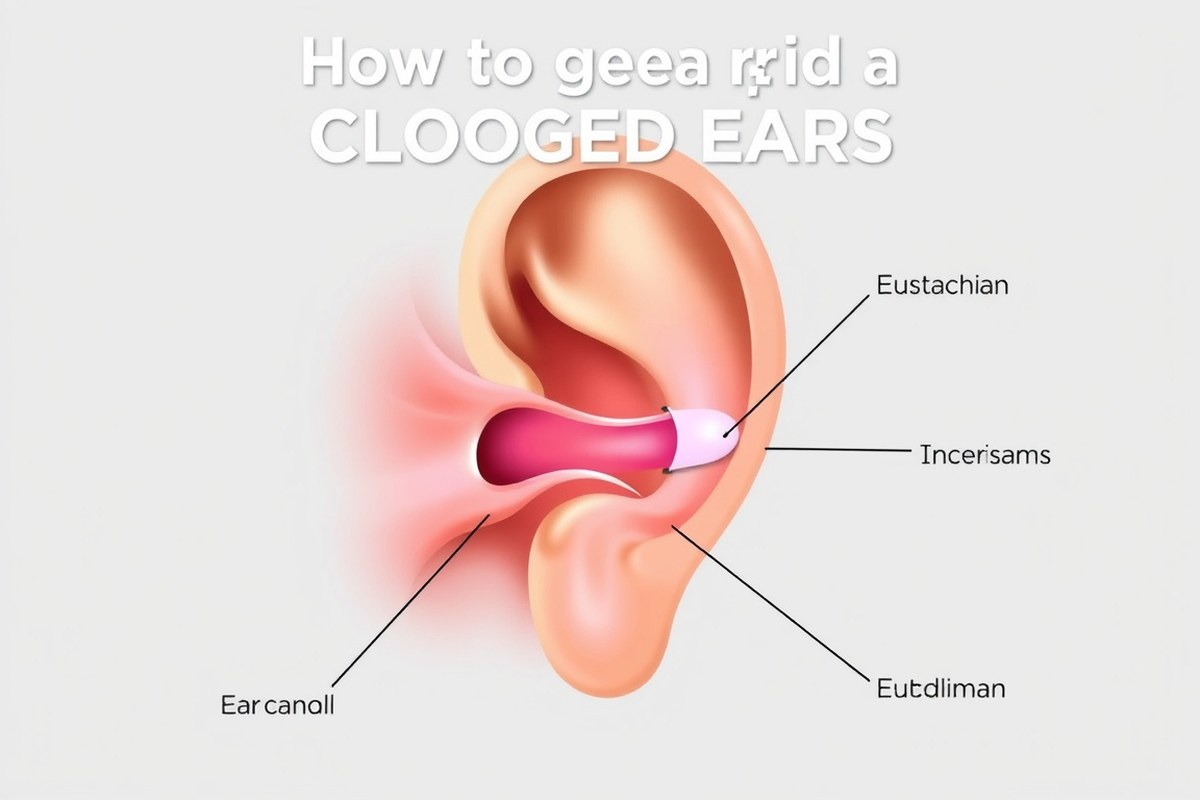
Your ears might feel blocked for a variety of reasons, mainly connected to how well the Eustachian tubes work. These tubes link the middle ear with the back of the throat, helping keep pressure balanced and fluid drained. Problems arise if they fail to open or close correctly due to allergies, colds, sinus infections, or structural issues, resulting in pressure buildup and a sensation of clogged ears.
Excess earwax is another common cause. The wax can build up and block your ear canal, trapping sounds and moisture inside. This blockage can create a sensation of fullness and muffled hearing. While earwax is protective in normal amounts, too much can cause discomfort and clogging.
Allergies and sinus infections often lead to congestion in the nasal passages and sinuses, which can spread to the Eustachian tubes. The swelling and mucus reduce the tubes’ ability to equalize pressure and drain fluid, causing a clogged feeling in your ears. This is why you may notice ear congestion during allergy season or a cold. Upper respiratory infections contribute similarly by increasing mucus production and inflammation.
Pressure changes, such as during airplane flights or rapid elevation changes, affect your ears by altering the pressure between the ear canal and the middle ear. If your Eustachian tubes cannot adjust quickly enough, you get pressure buildup that feels like clogging. Simple actions like swallowing, yawning, or chewing gum can help open the tubes and relieve this sensation.
Water trapped in the ear canal after swimming or bathing can also cause a clogged feeling. Moisture creates a barrier that muffles sound and may lead to infection if it remains trapped too long.
Infections directly in the middle ear or ear canal cause inflammation and fluid accumulation, leading to ear fullness and pain. These infections often happen after colds or sinus infections and require medical treatment to resolve.
Understanding what causes your ear congestion matters because the treatment differs. Mild pressure from altitude or temporary allergies may clear up with simple techniques like swallowing or nasal sprays used for a few days. Persistent clogging, especially with pain or hearing changes, may signal an infection or serious Eustachian tube dysfunction, needing professional evaluation. Avoid inserting objects into your ears as this can worsen wax impaction or cause injury.
2. Safe Home Remedies to Open Blocked Ears Quickly

Opening blocked ears safely at home involves gentle techniques that help equalize pressure, soften earwax, or relieve congestion. Simple actions like yawning, swallowing, or using specific breathing maneuvers can activate the Eustachian tubes, restoring balance in your ears. Warm compresses and certain ear oil drops can ease discomfort and promote drainage when done carefully.
Maneuvers to Equalize Ear Pressure
The ears commonly feel clogged due to pressure differences between the middle ear and the outside environment. The Eustachian tubes must open to balance this pressure. Techniques such as the Valsalva and Toynbee maneuvers are controlled ways to open these tubes safely. Yawning, swallowing, or chewing gum also encourage pressure equalization by increasing swallowing motions. Using the Valsalva maneuver helps force air into the Eustachian tubes gently. Follow these steps:
- Take a deep breath.
- Pinch your nostrils closed with your fingers.
- Close your mouth tightly.
- Exhale slowly and gently as if you are blowing your nose but keep your nostrils and mouth closed.
- Hold this pressure for about 5 seconds, then release.
- Repeat up to three times if needed, waiting 30 seconds between attempts.
The Toynbee maneuver works by swallowing with your nose pinched shut, which pulls the Eustachian tubes open. Perform it as follows:
- Pinch your nostrils closed.
- Swallow saliva or take a sip of water and swallow while keeping your nostrils pinched.
- Release your nostrils and breathe normally.
- Repeat several times until you notice relief.
Do not force excessive air pressure during these maneuvers, as it can damage your eardrum, gentle effort is key.
Using Warm Compresses Safely
A warm compress applied over the affected ear can reduce discomfort caused by congestion or inflammation. The warmth helps loosen mucus and promotes drainage from the middle ear, providing relief from pressure and pain. To use a warm compress safely:
- Soak a clean towel or cloth in warm water (around 100°F or 38°C).
- Wring out excess water so the cloth is damp but not dripping.
- Place the warm compress gently on the affected ear.
- Hold the compress in place for 10 to 15 minutes.
- Repeat up to three times a day as needed.
Avoid using very hot water, as it may burn your skin. Monitor the temperature before applying.
Applying Ear Oil Drops Properly
Ear oil drops such as olive oil or commercial wax softeners can help if earwax buildup causes your ears to feel clogged. Softening the earwax makes it easier to remove naturally or with gentle lavage after softening. Here is how to apply olive oil drops safely:
- Warm the olive oil slightly by placing the bottle in warm water for a few minutes (test the temperature on your wrist, it should feel warm, not hot).
- Rest lying on the side with the affected ear positioned upward.
- Use a clean dropper to place 3 to 5 drops of warm olive oil into the ear canal.
- Stay lying down for 5 to 10 minutes to allow the oil to penetrate.
- Sit up and wipe away any excess oil gently from the outer ear with a soft cloth.
- Repeat this process once or twice daily for up to 3 days.
Do not use oil drops if you suspect a perforated eardrum or if you experience pain, discharge, or ongoing hearing loss.
Precautions with Home Techniques
Using home remedies for clogged ears usually helps but comes with some risks. Avoid inserting cotton swabs or any objects into the ear canal, which can worsen blockage or cause injury. Avoid forceful or repeated Valsalva maneuvers to prevent damage to your eardrum.
If your symptoms last beyond a few days, worsen, or include severe pain, dizziness, fever, or fluid discharge, see a healthcare provider promptly. Persistent ear blockage can indicate infections, fluid buildup, or other medical conditions needing professional care.
Stop any home treatment if you experience sharp pain, dizziness, or fluid leaking from your ear, and consult a doctor immediately.
Activities That Help Ear Drainage
Simple daily activities can encourage your ears to drain and relieve clogged sensations. Chewing gum or sucking on hard candy promotes swallowing, which helps open the Eustachian tubes naturally. Gentle jaw movements, like opening and closing your mouth slowly, also encourage tube function.
Yawning is another natural way to open these tubes. During plane takeoff and landing, yawning or swallowing frequently helps equalize ear pressure safely and prevent discomfort from rapid pressure changes.
3. How to Choose and Use Over-the-Counter Remedies Safely
Over-the-counter (OTC) medications can ease clogged ears when caused by allergies, congestion, or mild inflammation. Antihistamines and decongestants reduce nasal and Eustachian tube swelling, allowing pressure to equalize. For example, oral antihistamines like loratadine or cetirizine help if allergies block your ears. Nasal sprays containing oxymetazoline (such as Afrin) can quickly relieve congestion but must be used for no more than three days to avoid rebound swelling.
It’s important to follow directions carefully. Use nasal sprays twice a day or less and avoid combining multiple decongestant forms without consulting a healthcare professional. Overusing decongestants may worsen ear blockage or cause side effects such as increased blood pressure.
Some common mistakes include using ear drops without knowing if wax buildup is the cause or repeatedly irrigating your ears, which can irritate the ear canal. Never insert objects into your ear to clear blockage. Staying within recommended dosages and timing limits ensures safe use and reduces the risk of complications. The table below outlines common OTC remedies, how to use them, and precautions to consider:
| Medication | Purpose | Usage Guidelines | Contraindications & Risks |
|---|---|---|---|
| Oral antihistamines (e.g., loratadine, cetirizine) | Reduce allergy symptoms causing ear congestion | Take once daily as directed; may take a few hours to work | May cause drowsiness; consult if pregnant or on other sedatives |
| Nasal decongestant sprays (e.g., oxymetazoline) | Relieve nasal and Eustachian tube swelling | Use twice daily max for up to 3 days only | Do not use longer than 3 days, risk of rebound congestion |
| Earwax softening drops (e.g., carbamide peroxide) | Soften earwax buildup that may block ears | Use as labeled; typically a few drops daily for up to 4 days | Do not use if you suspect an ear infection or eardrum damage |
| Pain relievers (e.g., ibuprofen, acetaminophen) | Relieve discomfort from pressure or inflammation | Use as needed following dosage instructions | Avoid exceeding daily dose; check drug interactions |
Try OTC remedies for up to 48 hours, particularly following exposure to known triggers such as flying or a cold. If ear blockage does not improve or worsens within this period, seek professional evaluation to rule out infections or persistent Eustachian tube dysfunction. Persistent symptoms or hearing changes require medical attention rather than continued self-treatment.
Always read labels carefully and do not combine multiple nasal or oral decongestants unless directed. Using allergy medicines without confirmed allergies or overusing sprays can cause side effects rather than relief. Regularly clearing ears on your own should be avoided, especially soaking or inserting items, which increases infection risk. Consulting a healthcare provider helps ensure that the right treatment matches the cause of your clogged ears. Professional care prevents complications and can involve safe ear cleaning or prescription medications if needed.
4. How to Identify the Cause: Wax, Infection, or Eustachian Tube Dysfunction?
You can tell whether your clogged ear is due to earwax, infection, or Eustachian tube dysfunction by paying close attention to specific symptoms and their patterns. Earwax blockage usually causes gradual muffled hearing and fullness without pain. Infections will often bring pain, fever, or drainage. Eustachian tube dysfunction shows as persistent pressure or popping issues, especially during pressure changes like flying or diving.
Signs of Earwax Blockage
Earwax can build up over time, leading to a feeling of fullness or muffled hearing in one or both ears. This blockage doesn’t usually cause pain or fever, though you might feel a mild discomfort or itching. Hearing loss from wax tends to develop slowly and is often accompanied by a sensation that sounds are “dull” or “far away.” Check for these signs to identify earwax blockage:
- Gradual decrease in hearing clarity or volume
- Feeling of fullness or pressure deep in the ear canal
- No fever or significant pain
- Mild itching inside the ear
- Possible ringing (tinnitus) but no fluid discharge
If these symptoms match your experience and you don’t have other concerning signs, the clog likely comes from earwax. Using safe home remedies like softening drops or gentle irrigation may help, but avoid inserting objects into the ear canal.
Symptoms of Ear Infections
Ear infections cause more acute symptoms and can affect the outer ear, middle ear, or both. They often follow a cold or other upper respiratory infection. Besides clogged feeling, infections usually provoke pain, swelling, and sometimes discharge. Fever may also be present. Infections demand prompt attention because untreated cases can worsen or lead to complications. Look for these infection symptoms that warrant medical attention:
- Sharp or throbbing ear pain lasting more than a day
- Fever above 100.4°F (38°C)
- Fluid or pus draining from the ear
- Sudden hearing loss or dizziness
- Redness and swelling around the ear canal or ear
- Persistent clogged sensation unrelieved by swallowing or yawning
These signs usually indicate either outer ear infection (swimmer’s ear) or a middle ear infection. Early treatment with a healthcare provider can reduce risks and speed recovery.
Indicators of Eustachian Tube Dysfunction
The Eustachian tubes, which link the middle ear to the throat, equalize ear pressure. When these tubes malfunction and do not open correctly, fluid can become trapped or pressure can differ, causing a blocked ear feeling. This typically occurs after flying, diving, or during a cold. Unlike infections, this condition generally doesn’t produce pain but results in muffled hearing and pressure that yawning or swallowing often fails to relieve fully. Check for these signs of Eustachian tube dysfunction:
- Persistent ear fullness or pressure lasting days
- Muffled hearing or subtle hearing loss without pain
- Difficulty equalizing ear pressure during altitude changes
- Popping or clicking sounds when swallowing or yawning
- History of recent upper respiratory infection or allergies
- No fever or ear discharge
If fluid accumulates in the middle ear due to poor ventilation, bacterial infections can develop. Prompt treatment to clear the Eustachian tube blockage may prevent this complication. Sudden hearing loss or worsening symptoms should trigger urgent medical evaluation.
5. When to See a Doctor and What to Expect from Medical Treatment
Seek medical attention if your clogged ears come with sudden hearing loss, severe pain, or if home methods do not ease the blockage within a few days. Persistent symptoms, changes in ear appearance, or fever should also prompt a doctor’s visit. Early evaluation prevents complications and guides effective treatment options tailored to your specific condition.
Red Flags Indicating Urgent Care
Immediate medical care is necessary if you notice sudden or significant hearing loss, especially in one ear, as this could signal serious issues like ear infection or nerve damage. Intense, sharp ear pain or discharge that is yellow, green, or bloody requires prompt assessment to rule out infections or injury. Other urgent symptoms include dizziness or loss of balance and swelling around the ear or face. Use this checklist to decide when to get emergency care:
- Sudden hearing loss or a noticeable drop in hearing
- Severe ear pain lasting more than a few hours
- Ear discharge that is pus-like, bloody, or foul-smelling
- Dizziness, vertigo, or loss of balance
- Swelling or redness around the ear or jaw
- High fever above 101°F (38.3°C) with ear symptoms
- Head trauma involving the ear or head
Do not wait more than 24 to 48 hours with these symptoms before seeing a healthcare provider.
Diagnostic Procedures for Clogged Ears
Doctors use several tools to determine the cause of clogged ears. The first step usually involves a thorough physical exam using an otoscope to inspect the ear canal and eardrum for signs of wax buildup, infection, or fluid. Hearing tests called audiometry may be recommended to assess the degree and type of hearing loss.
In some cases, imaging such as a CT scan helps check for structural problems or infections spreading to surrounding areas. Nasal and throat examinations may be part of the diagnosis if eustachian tube dysfunction or sinus issues are suspected. These tests help your doctor decide the best course of treatment.
Medical Interventions After Home Remedies
When self-care steps like ear drops, warm compresses, or nasal sprays fail to clear clogged ears within about 3 to 5 days, professional treatments come into play. Ear irrigation, where warm saline or water is carefully flushed into the ear canal, is commonly performed by primary care doctors to remove impacted wax. This procedure can cost between $50 and $150 depending on the provider and location.
Other interventions include prescription medications to treat infections or inflammation, and in cases of eustachian tube dysfunction, nasal steroid sprays or balloon dilation might be recommended. Surgical options are rare but considered for chronic problems that don’t respond to less invasive care.
Possible Medications and Their Effects
Medications prescribed for clogged ears range from antibiotics if infection is present, to oral or nasal corticosteroids that reduce inflammation. Pain relievers like acetaminophen or ibuprofen may be recommended for discomfort. Ear drops to soften wax or treat infection also might be part of your treatment plan.
Be aware that antibiotics should be used only when there is a confirmed bacterial infection, as unnecessary use can increase side effects and resistance. Steroid sprays may cause mild nasal irritation but help restore normal eustachian tube function within 1 to 2 weeks in many cases.
Follow-Up Care and Prevention Tips
Follow-up visits are important to confirm your ear problem has resolved and to prevent recur rences. If your earwax was removed or medication started, your doctor may re-examine you in 1 to 2 weeks. Avoid inserting objects like cotton swabs or hairpins into the ear canal, as this can cause damage or push wax deeper.
Staying hydrated, using a humidifier during dry seasons, and managing allergies can reduce the risk of clogged ears. During air travel, yawning or swallowing often helps equalize ear pressure and prevent blockage.
6. How Sinus Congestion and Allergies Cause Ear Pressure and Blockage
Inflammation of the Eustachian tubes from allergies or sinus infections can lead to clogged ears. These tubes connect the middle ear with the throat and nose, and when swollen from congestion or allergic reactions, they cannot adjust ear air pressure properly. This causes pressure buildup inside the ear and the sensation of blockage. Fluid buildup in the middle ear may add to the feeling of fullness and discomfort.
To relieve ear pressure caused by sinus congestion or allergies, over-the-counter nasal decongestants are effective. Nasal sprays, like oxymetazoline, work by shrinking swollen blood vessels in the nasal passages and Eustachian tubes, usually within minutes. Use them for no more than three consecutive days to avoid rebound congestion. Oral antihistamines such as cetirizine or loratadine can reduce allergic inflammation, helping open up the Eustachian tubes over several days. Saline nasal sprays are gentle options to keep nasal passages moist and help drain mucus safely. Combining a nasal spray with an antihistamine is often helpful if both congestion and allergy symptoms are present.
Steam inhalation is a simple, drug-free method to ease sinus and ear pressure. Breathing in warm steam for 10 to 15 minutes several times a day loosens mucus and reduces swelling around the Eustachian tubes. Applying a warm, moist washcloth over your nose and cheeks can provide similar relief by promoting sinus drainage and soothing inflamed tissues.
Prevention strategies reduce the likelihood of allergy-related ear clogging. Avoiding known allergens, such as pollen or pet dander, lowers nasal inflammation. Using a high-efficiency particulate air (HEPA) filter in your home can reduce airborne irritants. During allergy season, starting an oral antihistamine before symptoms begin may prevent Eustachian tube swelling. Staying hydrated and using saline nasal rinses daily helps keep nasal passages clear and reduces congestion-related ear pressure. Maintaining good humidity levels indoors, around 40 to 50 percent, also prevents mucous membranes from drying out and becoming irritated.
Be cautious about relying solely on decongestant nasal sprays for long periods, as overuse can worsen congestion and ear symptoms. Persistent or severe ear pressure, pain, or hearing loss lasting more than a few days despite home treatment should prompt a visit to a healthcare provider to rule out infection or other complications. Managing the underlying sinus or allergy issues typically improves ear pressure and prevents frequent ear blockage caused by these conditions.
7. Common Mistakes and Dangers When Trying to Unclog Ears Yourself
Trying to unclog your ears incorrectly can cause more harm than good. Applying too much force when attempting to pop your ears may lead to pain, damage to the eardrum, or increased congestion. Gentle techniques such as yawning or swallowing often help equalize pressure without risk. Repeated or forceful efforts to pop ears should be avoided as they can worsen discomfort or cause injury.
A common mistake is using cotton swabs or other objects to remove earwax or clear the ear canal. This can push wax deeper, increasing blockage or even injuring the delicate skin inside the ear. Instead, gently cleaning only the outer ear with a washcloth is safer. Overuse of nasal sprays is another risk; using these sprays more than recommended can cause rebound congestion, making ear blockage worse rather than better. When relying on nasal sprays, follow label instructions carefully and limit use to a few days.
- Avoid inserting objects like cotton swabs into the ear canal
- Use gentle pressure-equalizing methods such as swallowing or yawning
- Do not forcefully try to pop your ears repeatedly
- Limit nasal spray use to the recommended duration, usually no more than 3 days
- Try oral decongestants 2 to 3 hours before pressure changes, if needed
- Use nasal sprays about 1 hour before anticipated altitude changes
- Seek medical advice if symptoms persist or worsen
When attempting to relieve clogged ears caused by pressure changes, try the Valsalva maneuver gently: pinch your nostrils closed, close your mouth, and blow softly through your nose. Avoid blowing hard, which can injure your ears. Over-the-counter wax softening drops may help with blockage from wax buildup, but use these products exactly as instructed. In case you notice pain, discharge, or persistent muffled hearing, stop home treatments and consult a healthcare professional to prevent complications such as infections or damage to the ear.
8. Tips to Prevent Clogged Ears During Flights, Colds, and Seasonal Allergies
Preventing clogged ears during flights, colds, and allergy seasons helps reduce discomfort and potential complications. During flights or altitude changes, your Eustachian tubes struggle to balance ear pressure. Chewing gum or sucking hard candy stimulates swallowing, which opens these tubes and equalizes pressure. Starting this before takeoff and continuing until the plane reaches cruising altitude usually prevents blockage. If ears still feel clogged after landing, try gently swallowing or yawning every few minutes to encourage pressure to balance.
Colds and allergies cause inflammation and mucus buildup in the nasal passages and Eustachian tubes, increasing the risk of ear congestion. Keeping nasal passages clear is key. Using saline nasal sprays multiple times a day can ease congestion without side effects. Over-the-counter decongestants may help but limit use to no more than three consecutive days to avoid rebound issues. Avoid allergens and allergens’ triggers when possible, especially during seasonal peaks.
Some people notice worsened ear clogging in environments with dry air or sudden temperature changes, which dry out mucous membranes and thicken mucus. Using a humidifier at home during cold or allergy seasons can keep nasal passages moist and improve Eustachian tube function. Staying well hydrated also keeps mucus thinner and easier to drain.
- Before a flight, chew gum or suck on candy starting at boarding time until cruising altitude
- Use saline nasal spray daily during colds or allergy season to reduce nasal swelling
- Limit over-the-counter decongestants to three days max to prevent rebound congestion
- Yawning and swallowing frequently after altitude changes helps equalize ear pressure
- A humidifier at home can reduce dry-air related congestion during seasonal allergies or colds
- Stay hydrated to keep mucus thin and reduce ear blockage risks
If clogged ears persist for more than a few days following a flight or cold, or if you experience pain, hearing loss, or discharge, see a healthcare provider. Persistent symptoms may indicate an infection or ear barotrauma that needs treatment. Avoid forcing ear clearing with cotton swabs or inserting objects into your ear canal, as these can worsen symptoms or cause injury.
Use gentle swallowing motions and prevent dehydration to help your ears clear naturally after altitude changes or congestion episodes.
Step-by-Step Action Plan to Relieve and Prevent Clogged Ears
Follow this practical plan to identify the cause of your clogged ears, try safe remedies, and know when to get professional help. Track your progress with each step to find relief and avoid future blockages.
- Day 1: Use a safe home remedy like gentle swallowing, yawning, or the Valsalva maneuver to open your ears. Notice if your hearing improves or pressure eases within minutes.
- Day 2: Apply a warm compress over the affected ear if discomfort or fullness persists. Check if warmth reduces any pain or helps fluid drain.
- Day 3: Try using an over-the-counter earwax softening drops if wax buildup seems likely. Follow package instructions and see if earwax loosens after a day.
- Days 4-5: Avoid inserting objects like cotton swabs into your ear canal, and monitor whether symptoms improve or worsen. If blockage remains, note any pain, fever, or fluid discharge.
- Within 1 week: Evaluate your symptoms in relation to sinus congestion or allergies. Use nasal sprays or antihistamines as recommended. Notice if ear pressure relief occurs along with sinus symptom improvement.
- After 1 week: Seek medical care if clogged ears persist with pain, hearing loss, or discharge. A healthcare provider can diagnose infections, severe wax buildup, or Eustachian tube issues and advise treatment.
- Ongoing: Prevent future clogged ears during flights or colds by swallowing frequently, staying hydrated, and managing allergies. Track any recurrence to adjust your prevention tactics.
Frequently Asked Questions
How Do I Open My Blocked Ear Safely?
Gently swallowing, yawning, or the Valsalva maneuver can help open your blocked ear. Avoid forceful attempts and use decongestants like Afrin for no more than 3 days to ease Eustachian tube dysfunction safely.
Does a Clogged Ear Go Away by Itself?
Sometimes a clogged ear resolves on its own, especially if caused by mild pressure changes or temporary congestion. Persistent symptoms lasting days may indicate infection or earwax buildup needing treatment.
How Can I Clear Blocked Ears Quickly During a Flight?
Swallowing multiple times, chewing gum, or using nasal decongestants can help equalize pressure quickly during flights. Remember not to overuse sprays like Afrin beyond three days to prevent rebound congestion.
What Happens If Your Ears Won’t Unblock?
Persistent clogged ears can lead to discomfort, hearing changes, or infections if untreated. See a doctor for proper evaluation, especially if blockage lasts several days or pain develops.
Can Changes in Altitude Cause Long-Term Ear Clogging?
Altitude changes typically cause temporary ear clogging due to pressure imbalance, not long-term blockage. If symptoms persist after altitude normalization, seek medical advice.
Is It Safe to Put Cotton Swabs in Clogged Ears?
No, cotton swabs can push wax deeper and damage the ear canal. Use safer methods like irrigation or see a professional for earwax removal.
Final Thoughts
Clearing clogged ears starts with understanding the cause and choosing a safe, effective method to relieve pressure. If your ears feel blocked right now, try gently swallowing or yawning to open the Eustachian tubes and balance the pressure. Keep track of your symptoms and consult a healthcare provider if the blockage lasts more than a few days or is accompanied by pain or hearing loss.


