What Do Pest Control Companies Use for Mice: 8 Proven Methods That Work
Pest control companies use a combination of inspection, sealing entry points, rodenticides, and advanced trapping methods to manage mice infestations effectively. Professionals like those at Viking Pest Control focus on identifying mouse activity, using tools such as multiple-capture live traps and sealing access points that mice commonly use. Methods like SMART pest control provide ongoing protection beyond traditional traps by targeting both removal and prevention. You need these services when mice hide in wall voids or hard-to-reach areas where basic traps fail to work.
This information helps homeowners, renters, and property managers understand the thorough inspection and treatment process that pest control companies follow. You’ll learn what products and equipment professionals use, how long extermination typically takes, the safety precautions they maintain with rodenticides, and how seasonal or property factors influence their strategy. Knowing when to call an expert versus handling mice yourself will also help you choose the right approach for your situation.
Key Takeaways
- Professionals use traps, bait stations, and targeted rodenticides, reserving fumigation only for severe, widespread infestations.
- Inspectors look for droppings, gnaw marks, and track patterns near walls, focusing on openings larger than 1/4 inch to find entry points.
- Tools like UV LED flashlights and applicator dusters help locate mice activity and deliver control agents precisely in tight spaces.
- Extermination can take several days to weeks, involving initial assessment, bait or trap placement, monitoring, and follow-up treatments.
- Certified applicators strictly follow safety protocols for rodenticide use, avoiding immediate kills to prevent bait shyness among mice.
- Call professionals for large or persistent infestations, especially if mice spread disease or damage structures beyond small DIY efforts.
1. What Methods and Products Do Professionals Use to Control Mice?

Pest control companies use a combination of traps, bait stations with rodenticides, and sealing methods to control mice. These tools work together to catch or kill mice, prevent their entry, and stop reinfestation. Professionals choose and apply these methods based on infestation size, location, and safety concerns.
Types of Traps Used by Professionals
Professionals commonly set snap traps and multiple-capture live traps to catch mice. Snap traps kill mice quickly and are placed strategically near walls, behind appliances, and where droppings or nesting materials appear. Setting traps properly means positioning them perpendicular to walls so mice run into the trigger side. Snap traps typically cost $5 to $10 each, and pest control services may include dozens depending on infestation size.
Multiple-capture live traps like the Victor Tin Cat catch several mice without killing them immediately, allowing relocation. These traps require regular checking to prevent mouse suffering and offer a non-toxic option preferred in sensitive environments. Both types of traps often play a role in initial knockdown before or alongside bait stations.
Rodenticides and Bait Stations Explained
Rodenticides are poison formulations designed to kill mice and are rarely used alone. Pest control companies prefer placing poison inside tamper-resistant bait stations rather than laying loose rodenticide. Bait stations protect children, pets, and non-target wildlife while keeping poison secure and accessible only to rodents. This method also slows bait degradation and allows professionals to monitor consumption safely over several visits.
Bait stations usually contain anticoagulant poisons that cause death after multiple feedings, reducing bait shyness. Using rodenticides in combination with traps and sealing can control large infestations effectively. The cost for bait stations with monitoring can range from $300 to $550. In settings like schools or hospitals, pest control professionals might skip poisons altogether in favor of traps and exclusion methods.
Exclusion and Sealing Entry Points
Sealing holes, cracks, and gaps is a fundamental step pest control companies take after identifying mice entry points. Removing access prevents new mice from entering buildings. Technicians inspect foundations, wall joints, door frames, vents, and loose screens. They use materials like steel wool, copper mesh, and durable sealants that mice cannot chew through.
This process matters because even after successfully removing mice with traps and poison, untreated openings invite reinfestation. Sealing also addresses moisture and food sources that attract rodents. A small entry point sealed costs less than $100 in materials and labor, while larger jobs involving multiple spots or structural repairs increase service prices accordingly. Proper sealing supports lasting results from other pest control measures.
2. How Do Professionals Inspect and Identify Mice Activity and Entry Points?
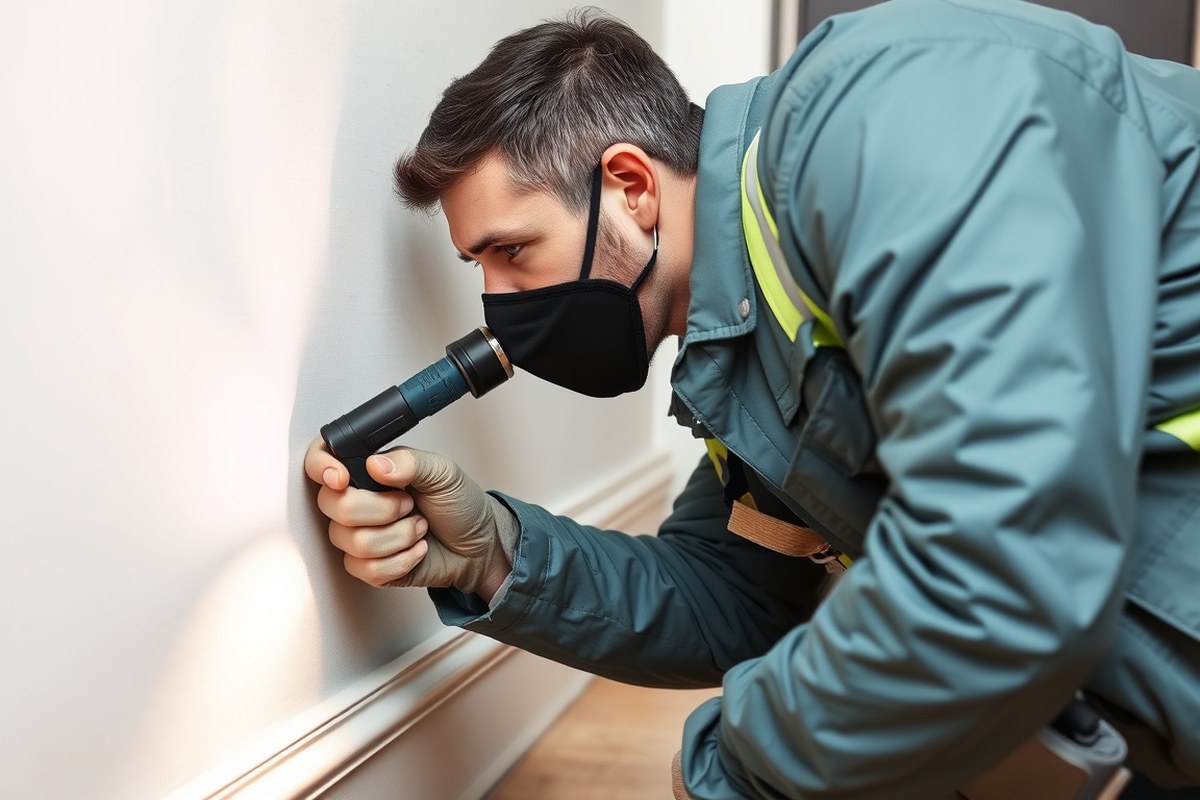
Professionals begin by thoroughly inspecting your property to detect signs of mice activity and discover how rodents enter. They look for evidence of infestation inside and outside your home, identifying tracks, droppings, nesting sites, and damaged areas that reveal frequent rodent paths. After finding these clues, they pinpoint exact entry points to seal off mouse access effectively.
Common Signs of Mice Infestation
Pest control technicians look for fresh droppings around food storage areas, inside cupboards, and near baseboards, as these indicate recent mouse presence. Smudge marks or dark grease streaks along walls and near openings show where mice repeatedly rub against surfaces. Chewed materials such as cardboard, plastic containers, wood trim, and wiring reveal both feeding and nesting behavior.
Also, damages to food packaging or gnawed holes in drywall suggest active infestation. Listening for faint scratching or squeaking noises at night helps confirm the presence of mice in hidden spaces. Nesting materials like shredded fabric, paper, or insulation found in corners or wall voids indicate where mice are living.
Tools Used for Inspection
Technicians often use a UV LED flashlight to detect rodent urine stains that are invisible to the naked eye, especially in dark corners and behind appliances. This rechargeable, professional-grade tool costs around $45 and improves accuracy in poorly lit areas. They may also bring wire brushes or small mirrors to peek into tight spaces such as under sinks or inside crawlspaces.
To document activity, inspectors carry notepads or digital devices to map signs and entry points systematically. Measuring tape or rulers assess gap sizes, helping determine if mice can pass through. Gloves and flashlights are standard to safely examine inaccessible spots during the inspection.
Process of Locating and Verifying Entry Points
Locating entry points means checking all common rodents’ pathways around doors, windows, and utility penetrations. Experts closely examine gaps under exterior doors, cracks around pipes, damaged air bricks, and holes near vents. Once these spots are identified, they verify mouse access by looking for smudge marks, droppings, or nesting materials close to openings.
They test openings by shining flashlights through cracks or using smoke pens to see if air leaks exist, indicating a path mice could use. This step ensures technicians don’t miss small gaps as mice only need openings roughly 1/4 inch wide to enter. Sometimes, even holes hidden behind bushes or inside attic eaves are discovered after a full perimeter walk.
Assessing Structural Vulnerabilities
After identifying entry points, technicians evaluate the building materials and conditions that allow mice inside. Common vulnerabilities include deteriorated sealant around pipes, warped weather stripping on doors, and damaged foundation vents. They check for gaps beneath siding, holes in soffits, or openings where wires and cables enter the home.
Proper assessment guides the choice of exclusion materials like steel wool, copper mesh, or fire-resistant caulks, which are effective at blocking rodent passage. In some cases, larger repairs may be recommended, such as replacing broken door sweeps or fixing exterior wall damage to prevent reentry. Small openings under 1/4-inch square can be sealed with foam containing a bittering agent safe for homes with children and pets.
Do not overlook attic, crawl space, and garage entry points; mice often use these less obvious areas to enter and nest undetected.
3. What Specialized Equipment Do Pest Control Companies Use for Mice?
Pest control companies use specialized equipment like dusters, foaming machines, and foggers to reach mice hiding in cracks, walls, and other inaccessible areas. These tools deliver pesticides in targeted ways that improve efficiency and effectiveness while minimizing exposure. Knowing how these devices work helps you understand their role in controlling mice infestations.
Dusters and Foaming Machines
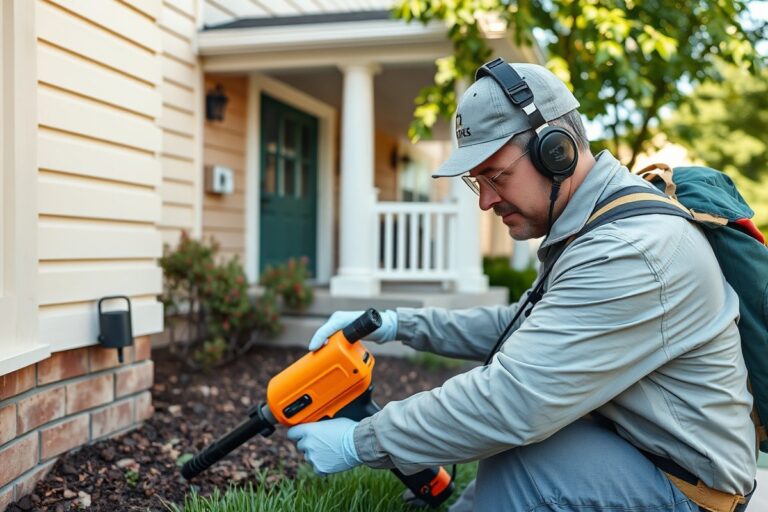
Dusters release a dry powder insecticide or rodenticide into small, enclosed spaces where mice often nest or travel, such as wall voids, attics, and crawl spaces. Professionals use hand-operated or battery-powered dusters to puff dust into gaps, where it clings to mice and disrupts their activity. The powder’s fine particles spread easily without wetting surfaces, which helps treat hidden spots without damage. A quality pest control duster costs between $30 and $500 depending on capacity and features.
Foaming machines produce a pesticide foam that expands to fill voids and cavities. Foam ensures good contact by sticking to walls and surfaces inside nests, making it harder for rodents to avoid it. Pest control technicians adjust foam density and volume based on the space size and infestation severity. These machines speed up treatment of complex areas faster than manual application. Foam is especially useful in ducts and behind appliances where mice hide. Using foam needs controlled application to avoid excessive residue and must be part of integrated pest management for best results.
Fogging and Fumigation Equipment
Fogging equipment disperses a fine mist of pesticide droplets designed to penetrate areas where mice live but don’t have direct access. Thermal foggers heat the liquid pesticide to create a thick smoke-like fog that permeates spaces quickly. ULV (Ultra Low Volume) foggers spray cold, micron-sized droplets for precise coverage with less chemical use. Pest control companies deploy fogging in large rooms, basements, and warehouses where droplet penetration kills mice and other pests on contact and through contact with surfaces.
Fumigation is a more intense treatment involving sealing a building and releasing a gas that penetrates every crack and crevice. It targets entire infestations at once but requires vacating the premises for up to several days due to the toxicity of gases used. This method is expensive and reserved for severe cases or when other treatments fail. Successful fumigation depends on evenly distributing the gas and ensuring airtight sealing.
When and Why Specialized Tools Are Necessary
Specialized tools like dusters, foamers, and foggers become necessary when mice infest areas that are difficult to reach or spot. Standard bait stations and traps often miss mice hidden in wall voids, utility conduits, or behind panels. Using these machines lets pest control pros treat the exact spots mice use for nesting and traveling, disrupting infestations more thoroughly.
Choosing the right tool depends on the infestation’s scale, site access, and safety considerations. For example, dusting works well in narrow voids, foaming suits irregular cavities, and fogging covers large open areas quickly. Fumigation is a last resort for severe infestations in well-sealed buildings. Cost varies by tool type and complexity of application, but investing in the proper equipment ensures treatments last and reduce the chances of quick reinfestation.
4. How Long Does Professional Mice Extermination Take and What Is the Process?
Professional mice extermination usually takes about two to four weeks to complete. This timeline covers inspection, treatment, monitoring, and sealing. Multiple visits matter because mice behavior changes with treatment, and ongoing assessment is critical to confirm elimination and prevent reinfestation.
Initial Inspection and Treatment Setup
The first visit generally involves a thorough inspection of your property to identify mouse entry points, nesting areas, and signs of activity. This stage usually takes a few hours depending on the property’s size and complexity. The pest control technician then sets traps and bait stations strategically, focusing on areas with high rodent traffic. Applying bait takes into account the type of rodenticide used; first-generation anticoagulants typically need two weeks for full effectiveness, as mice may die between four days to two weeks after ingestion.
This initial setup may also include placing monitoring devices and securing some limited exclusion points. Setting everything up properly from the start is essential to reduce the mouse population quickly and to begin cutting off access to food and shelter.
Monitoring and Adjustment Phases
Follow-up visits are important and generally scheduled within several days after the first treatment, then repeated every few days to a week for at least two weeks. During these visits, the technician checks traps, replenishes bait, and monitors mouse activity. The Center for Disease Control (CDC) recommends a minimum of 15 days of checking and re-baiting traps because mice often avoid new bait initially or may not consume a lethal dose immediately.
Technicians adjust placement of traps and bait based on activity levels and any changes in the infestation. Severe infestations or buildings with accessible entry points might require longer monitoring periods. Persistent activity after two weeks signals the need for extended treatment or additional exclusion measures. This phase ensures the majority of mice have consumed the rodenticide or been trapped before moving to sealing and prevention.
Final Sealing and Prevention
Sealing the building typically happens after trapping significantly reduces the population, limiting further entry and nesting opportunities. This process may take up to three days for a typical house, as technicians need to inspect perimeter gaps, cracks, and utility penetrations carefully and apply specialized materials to close them off. Proper sealing reduces the chance mice will return and is a critical step for long-term control, especially for structures where rodents can gain easy access.
Good results include no new signs of mouse activity for at least one week post-treatment and no captures during trap checks. When this condition is met, the technician may conclude the job. However, some customers opt for ongoing maintenance plans, especially in barns, sheds, or other buildings where complete exclusion is impossible. These plans involve scheduled inspections and bait replacements to manage recurring infestations effectively.
Supporting Homeowner Preparation
You can help speed up the process by preparing your home before the professional arrives. Removing food sources, clutter, and potential nesting materials limits what attracts mice and supports technician efforts. Sealing obvious gaps under doors and around pipes before the service can reduce the infestation faster.
During follow-up visits, do not reset traps yourself unless the technician advises specific baiting methods. Using too much bait at home can actually reduce trap effectiveness by attracting non-target animals or oversaturating mice. Your technician will guide you on proper preparation and behavior between visits for the best outcome.
5. What Safety Protocols and Precautions Are Followed When Using Rodenticides?
Rodenticides used by pest control professionals require careful handling to protect pets, children, and residents. Companies follow strict safety protocols, including using tamper-resistant bait stations and placing these devices where access by non-targets is impossible. Technicians also wear protective gear to prevent exposure, and residents receive clear instructions on precautions during treatment.
Types of Rodenticides with Safety Ratings
Rodenticides come in several formulations, with second-generation anticoagulant rodenticides (SGARs) being the most common for larger infestations. These products are more potent and regulated, so only certified technicians can apply them. Their toxicity to mammals, including pets and children, necessitates special safety measures. Less toxic options, like single-feed anticoagulants or non-anticoagulant baits, may be used for smaller or sensitive environments but still require cautious application.
Safety ratings or hazard categories assigned by the EPA help professionals select treatments suitable for the setting. The stronger the rodenticide, the greater the chances of accidental poisoning if safeguards fail. This makes professional application important, as these experts understand dosage, placement, and timing to minimize risks while effectively controlling mice.
Proper Bait Station Placement
Pest control technicians always place rodenticides inside tamper-proof bait stations to limit exposure. These black plastic boxes, about the size of a shoebox, prevent access by children, pets, and wildlife. Outdoors, bait stations are put in low-traffic areas such as under porches, in alleys, or near basements where rodent activity is highest. Indoors, they secure bait stations inside walls, crawlspaces, or under heavy appliances where pets and children cannot reach them.
Proper placement also prevents rodenticide from spreading accidentally and ensures that bait remains dry and effective. Professionals follow EPA label requirements to adjust placement depending on species risk and property type. For instance, schools and public buildings must comply with specific laws that require notification and written pest management plans before rodenticides can be used. This careful approach reduces harm and improves the treatment’s success.
Never place rodenticide bait stations on open floors or areas where children and pets can disturb them.
Personal Protective Equipment Used by Technicians
Technicians wear personal protective equipment (PPE) when applying rodenticides to avoid exposure to chemicals and biological hazards such as rodent urine or feces. Typical PPE includes gloves, masks, and sometimes eye protection. These measures prevent skin contact, inhalation of dust or vapors, and contamination from handling baits or spray equipment.
During work in confined or poorly ventilated spaces like attics or crawlspaces, technicians take extra care by donning respiratory protection and coveralls to shield from airborne particles and droppings. Proper training on PPE use also ensures that tools and clothing do not spread contamination between sites or into the home. Maintaining and cleaning equipment regularly extends its life and reduces risk.
Resident Safety Guidelines During Treatment
Pest control companies provide clear instructions to residents to boost safety during mice treatments involving rodenticides. Homes with pets or children should restrict access to treated areas until professionals confirm the bait stations are secure and settled. Keeping kids and animals away prevents accidental ingestion or contact, which can cause serious health issues.
It’s advisable to remove pet food bowls from areas near bait stations and to store pets’ toys and bedding away from treatment zones. Residents may also be asked to keep ventilation on or open windows to reduce chemical buildup indoors after application. If anyone experiences symptoms like nausea or skin irritation, contacting a healthcare provider and informing the pest company is critical.
6. When Should You Call a Professional vs. Handle Mice Infestations Yourself?
Deciding when to tackle a mice infestation yourself or call professionals depends on the extent of the problem and your comfort with pest control methods. Small, isolated sightings may be manageable with DIY tools if you know how to use them properly. Larger infestations, signs of nesting in hidden areas, or persistent problems usually require expert intervention to avoid costly mistakes and recurring issues.
Assessing Infestation Severity
Start by checking how often you see mice or signs like droppings, gnawed materials, or nesting in areas such as attics, crawl spaces, and behind walls. One or two sightings with minor signs can indicate an early infestation that you might manage with traps or baits. Widespread droppings, multiple entry points, or noises at night often mean the infestation is large or well-established. Professionals can detect hidden nests that are impossible to locate without specialized equipment. Infestations inside wall cavities or floors are hard to control without expertise, making a professional call necessary.
Finding signs in multiple locations or noticing damage spreading indicates rising costs and complexity. For example, a small infestation might cost under $200 with DIY bait stations and traps, while widespread infestations needing professional exclusion and chemical treatments can run several hundred dollars or more. This scale difference matters because amateurs may miss critical entry points.
DIY Control Limits and Common Pitfalls
Homeowners often make mistakes like using the wrong traps or poisons, placing bait where children or pets can reach it, or ignoring continuous re-infestation routes. One common error is relying solely on snap traps without sealing entry points, which lets mice return quickly. Others put poison bait in areas where rodents avoid it, reducing effectiveness and increasing risk to non-target animals. DIY rodenticides can also be hazardous if instructions are not strictly followed.
Trying to manage a large infestation without professional help can lead to partial control, prolonging exposure to health risks from droppings and disease. Licenced pest control operators know how to balance immediate rodent removal with safe pesticide use and structural sealing methods. Professionals can monitor progress and modify treatment during follow-up visits, which most DIY approaches lack. You’ll save money in the long run by calling experts when signs are extensive or traps fail repeatedly.
Questions to Ask Professional Companies
Before hiring, ask if the company performs a thorough inspection to identify all mouse activity and entry points. Confirm the types of control methods used and safety measures taken, especially regarding rodenticides. A reliable company will explain why they chose certain traps or baits and how they minimize risk to your family and pets. Get details about service frequency and what guarantees or follow-up services they offer if mice return.
Request clear pricing for initial inspection, treatments, and any additional visits, noting that complex infestations cost more. Ask if the technicians are licensed and trained in rodent control regulations because improper pesticide use can cause legal and health problems. Receiving references or local reviews can help ensure reliability. For example, contacting a local trusted firm can avoid unqualified operators who may apply ineffective or unsafe methods.
Preparing for a Pest Control Visit
Clear away clutter, food, and pets from treatment areas so technicians can access likely nesting or entry spots like basements, attics, and crawlspaces. Secure any valuables or breakables where traps or bait stations may be set. Write down observed activity details to share with the professional, such as where you’ve seen mice or droppings. This information helps target the treatment better.
Plan to follow all safety recommendations after treatment. This could include keeping children and pets away for a specific period, storing food securely, and monitoring new activity for at least a week afterward. Skilled professionals typically schedule follow-up visits to check results and adjust the plan if mice persist. Being proactive with cleaning and minor repairs after treatments reduces the chances of reinfestation and protects your investment.
7. How Do Professionals Prevent Mice Return and Handle Hard-to-Reach Areas?
Pest control professionals prevent mice from returning by sealing all possible entry points and addressing nests in hard-to-reach spaces like walls, attics, or garages. They carefully exclude mice from the structure with durable materials and treat infestations in concealed areas using targeted methods. Ongoing monitoring and maintenance help catch any new activity early to avoid reinfestation.
Sealing and Exclusion Strategies
Excluding mice means sealing all openings larger than a quarter-inch around doors, windows, vents, pipes, and foundations. Professionals use wire mesh, steel wool, concrete patching, or metal flashing to block these gaps. Mice can squeeze through very small holes, so thorough inspection and sealing prevent new entry points. This is important because mice can keep returning if even tiny gaps are left open, especially around foundations, basements, and garage walls.
Applying exclusion materials requires skill and durable products that resist chewing and weathering. Pest control workers often place a layer of steel wool stuffed into cracks, covered with a strong sealant to keep mice out permanently. Attention to detail includes checking behind appliances, around plumbing, and under fascia boards. The process may add days to the treatment timeline but is necessary to ensure mice cannot reenter after removal.
Treating Hidden Infestation Sites
Mice often nest inside wall voids, attics, or cluttered garages where access is limited. Professionals use specialized tools like inspection cameras and flexible traps to reach these hidden spots. In some cases, bait may be placed inside tamper-resistant bait stations in attics or inside walls through drilled access points. This targeted placement helps control mice that live deep within structures and avoids widespread poison use.
Dry or wet foam products designed for rodent exclusion may fill voids after baiting to discourage nesting. Removal of nesting materials and thorough cleaning in these areas is important to reduce residual attractants. Since nests can contain a large female population producing offspring, repeated visits may be required to treat new mice that hatch after initial control.
Structural Repairs Recommended
In addition to sealing holes, structural damage like chewed wood, damaged insulation, or broken vents should be fixed. Professionals recommend replacing damaged drywall, patching holes in siding, and reinforcing garage doors to stop mice from squeezing into those spaces. Repairs also prevent drafts and moisture issues that attract other pests once mice are removed.
In garages, landlords or homeowners should store firewood and garbage at least 20 feet away from the structure according to Viking Pest’s guidelines. Removing clutter and debris that create hiding spots complements sealing efforts and reduces areas where mice want to nest or forage. These repairs and good sanitation practices help maintain the effects of initial treatment and reduce reinfestation risk.
Post-Treatment Monitoring
After exclusion and treatment, pest control companies set traps or bait stations for ongoing monitoring. Traps are placed in pairs against walls or near suspected activity spots every 8 to 10 feet, especially in the first few weeks. Professionals check these regularly and adjust locations based on captures or signs of activity to ensure any surviving or new mice are caught quickly.
Monitoring includes checking entrances for new gnaw marks or droppings and confirming that sealed areas remain intact. Homeowners can help by maintaining good sanitation, storing food in sealed containers, and reducing clutter. Any return of mice activity alerts technicians to re-inspect for missed entry points or hidden nests. This persistence in monitoring is key because mice nests seldom travel beyond 30 feet from food and shelter, making continuous control practical and focused.
8. How Do Seasonal and Property Factors Affect Mice Control Strategies?
Mice activity and control methods vary significantly with the seasons, property type, and environment. Seasonal changes influence mouse behavior, which in turn requires pest control strategies to adapt accordingly. The size and nature of a property also guide the choice of treatments and application techniques to ensure effective mice management.
Seasonal Mouse Behavior Patterns
Mice become more active indoors during colder months because they seek warmth, food, and shelter. This increased indoor activity makes winter months a critical time for control efforts inside homes, commercial buildings, and storage areas. Conversely, in warmer months, mice are more likely to nest outdoors or near the foundation of a building, where food and cover are available. Outdoor nests often appear in dense vegetation, woodpiles, or debris near the property.
Many rodent control professionals notice a spike in mouse sightings and damage reports during late fall as rodents prepare for winter. This behavior is driven by the natural need to find stable environments and consistent food supplies. Understanding these patterns helps target inspections and treatment timing for better outcomes.
Adjusting Control Methods by Season
During winter, pest control focuses on indoor baiting and sealing entry points because mice tend to stay inside and breed. Using tamper-resistant bait stations with anticoagulants is common, but you must monitor them regularly to prevent bait deterioration or accidental exposure to pets and children. Since mice might be nesting in walls, dusting with appropriately sized applicators can reach deeper voids where traps or bait stations cannot.
In the warmer months, treatments may shift to outdoor perimeter baiting and habitat modification. You should remove brush, clean debris, and seal exterior openings to reduce nesting options. Foggers and dusters suited for outdoor use can be employed around foundations and entry points but must be selected for the specific property type and size. For larger properties like farms or warehouses, perimeter treatment may extend beyond the immediate structure to limit reinfestation.
Perform a thorough inspection after each season to adjust bait placement and seal new entry points revealed by temperature changes or structural shifts.
Adapting Strategies for Different Property Types
Small residential properties usually require focused interior treatment with bait stations and traps carefully placed in kitchens, basements, and attics. For larger homes or multi-unit buildings, pest control companies often use a combination of baiting, exclusion, and monitoring devices to cover more ground and detect activity early. Property size affects how many bait stations or dusting applications are needed, which influences treatment cost and duration.
Commercial or agricultural sites demand more extensive strategies that combine indoor and outdoor controls. For example, a poultry farm may integrate rodent fertility control products alongside anticoagulant baits to decrease breeding rates over time. Large warehouses benefit from professional-grade dusters and foggers designed for deep and frequent treatments, adjusted to the facility’s layout and materials used.
Environmental Considerations in Treatment Planning
The choice of rodenticides and application methods depends heavily on environmental factors such as climate, local wildlife, and regulations. Some anticoagulant baits pose risks to non-target animals and wildlife, so professionals must select compounds with minimal environmental impact, especially around water sources or natural habitats. Seasonal rainfall and humidity can reduce the effectiveness of exterior baits, requiring reapplication or alternative methods like physical exclusion.
Using personal protective equipment (PPE) during rodenticide application prevents contamination and complies with safety standards, but the cost may vary depending on the product brand and treatment area size. Pest control technicians adapt PPE and tools based on indoor or outdoor use, property size, and the depth of treatment needed. This attention to environmental safety helps avoid problems linked to residual rodenticides on a property, including accidental exposure to pets.
Step-by-Step Action Plan for Professional Mice Control
Follow these steps to understand and prepare for professional mice treatment, knowing what to expect at each stage and how to track progress effectively.
- Before Treatment: Arrange a professional inspection where the technician identifies active mice signs and entry points using tools like UV flashlights and moisture meters. Confirm the inspection by receiving a detailed report outlining infestation hotspots and access routes.
- Day 1 (Initial Treatment): Allow the pest control company to deploy targeted rodenticide baits and traps, placed strategically near detected runways and nesting sites. You’ll know this worked if bait consumption is recorded and fresh droppings or disturbances near traps appear within 24 to 48 hours.
- Week 1: Maintain a monitoring log of traps and bait stations visited during follow-up visits. Effective control shows reduced bait uptake and fewer new droppings by the end of the week.
- Week 2 to 3: Continue professional follow-ups where technicians replace consumed bait, adjust traps, and seal identified entry points with materials like steel wool and sealant. Success means no new entry damage and declining trap activity.
- One Month After Start: Confirm elimination through a final thorough inspection focusing on hard-to-reach spaces, aided by cameras or borescopes. No fresh signs of mice after this inspection suggest effective eradication.
- Ongoing Prevention: Implement recommended property maintenance such as removing food sources, storing firewood away from the home, and repairing holes immediately. Regularly check bait stations seasonally, especially in fall and winter when mice seek shelter indoors.
- Call a Professional When: You see persistent or multiple mice signs, feel unsure about handling rodenticides safely, or suspect infestations in inaccessible areas. Professionals have specialized equipment and follow rodenticide safety protocols to reduce risks to people and pets.
Frequently Asked Questions
What Does Pest Control Use to Catch Mice?
Pest control uses various traps like snap traps, live-catch traps, and electronic traps to catch mice. Professionals choose traps based on the infestation size and area safety, often combining these with baits to lure mice effectively.
How Does Pest Control Remove Mice?
Pest control removes mice by inspecting the property, sealing entry points, and deploying traps or rodenticides strategically. This complete approach targets current mice and prevents new ones from entering, ensuring a long-term solution.
What Kills Mice Immediately?
Snap traps kill mice quickly by breaking their necks instantly upon triggering. This method provides a fast mechanical kill without chemicals, preferred in homes where immediate removal and minimal poison use are important.
How Do I Get Rid of 100% Mice?
Achieving total mice removal requires professional assessment, sealing all entry points, trapping or baiting mice, and eliminating attractants like food and shelter. Follow-up visits confirm eradication and maintain prevention to reduce the chance of reinfestation.
Can Pest Control Handle Mice in Walls?
Yes, professionals access wall cavities using specialized tools and baits to reach mice hidden in hard-to-reach spaces. This approach prevents mice from avoiding traps placed only in open areas.
Are Ultrasonic Devices Effective for Mice Control?
Ultrasonic devices have limited effectiveness; mice often ignore or become accustomed to the sounds. Pest control does not rely on these devices as a primary solution for managing infestations.
Wrapping Up
Professional pest control companies rely on a combination of inspection, targeted rodenticides, mechanical traps, and sealing techniques to handle mice effectively. You can start by carefully checking your home’s common entry points like gaps around pipes or vents, then sealing any openings larger than a quarter inch with steel wool and caulk to slow mice entry before calling a pro. Taking this step helps limit the infestation spread and makes any subsequent treatments more successful and shorter in duration.