
How to Get Rid of Cramps: 8 Proven Ways for Fast, Lasting Relief
To get rid of cramps quickly and effectively, use a combination of heat therapy, over-the-counter pain relievers, and gentle exercise. Applying a heating pad or warm compress to your abdomen can ease muscle tension within minutes. Staying hydrated and taking supplements like magnesium may also reduce discomfort, while massage techniques help relax stiff muscles.
This information is for you if menstrual pain disrupts your daily life and you want proven ways to feel better fast. You’ll learn what causes cramps, quick home remedies, safe heat therapy, helpful exercises, dietary tips, medication options, and when to seek medical care for severe pain.
Key Takeaways
- Use a heating pad or warm water bottle under 104°F on your abdomen to relieve cramps safely and effectively within minutes.
- Engage in regular aerobic exercise for 8 to 12 weeks to reduce the intensity and duration of menstrual cramps.
- Massage your lower abdomen gently or try specific stretches to improve blood flow and ease cramping pain during your period.
- Stay hydrated, eat a balanced diet rich in magnesium and omega-3s, and consider supplements to help lessen menstrual pain.
- Take over-the-counter NSAIDs like ibuprofen at the start of cramps for best relief, following dosing instructions carefully.
- Seek medical evaluation if cramps start suddenly after age 25, become more severe, or if your periods are irregular.
1. What Causes Menstrual Cramps and How They Affect You
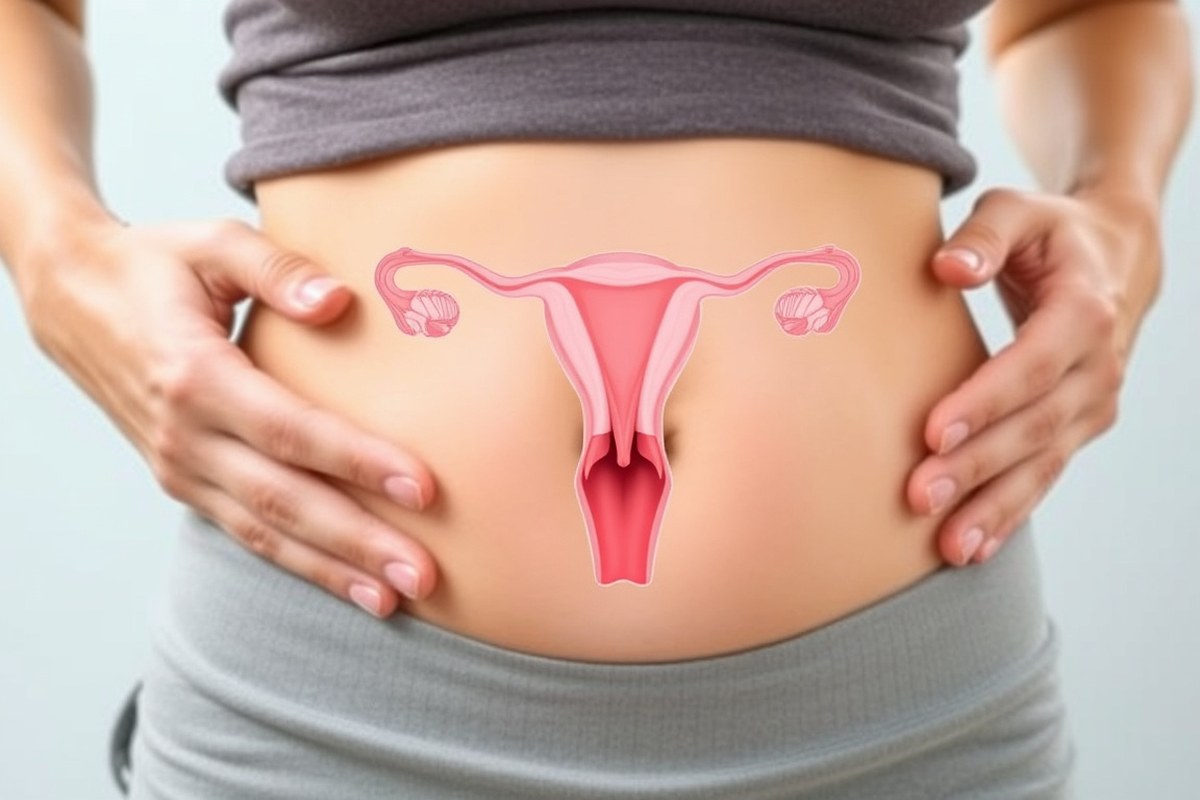
Menstrual cramps occur as your uterus emits substances known as prostaglandins. According to Linda Bahouth, MD, these prostaglandins prompt the muscles and blood vessels in your uterus to tighten. These tightening actions generate the stabbing or aching pain experienced during menstruation. Higher prostaglandin levels usually lead to more intense and painful cramps, as your uterus contracts to shed its lining, causing the pain.
Typically, cramps start about one day before your period begins and last for one to two days, although they can sometimes extend up to 72 hours. The actual cramping sensations may vary in length, from brief episodes lasting a few seconds to longer bouts up to 10 minutes at a time. About 80% of individuals who menstruate will experience menstrual cramps at some point, making it a very common symptom of the menstrual cycle.
Along with pain, cramps often bring other symptoms such as nausea, headaches, and dizziness. These symptoms can vary in intensity but often add to the overall discomfort during your period. Bloating is also a common companion symptom that may make cramps feel worse. These additional signs result from the hormonal changes and inflammation your body undergoes during menstruation.
The pain can differ from mild to severe and tends to affect daily activities if left unmanaged. Tracking your symptoms and their timing relative to your menstrual cycle can help your healthcare provider offer the best advice or treatment. If the pain worsens over time or lasts longer than usual, it could indicate an underlying reproductive disorder that requires medical attention.
Understanding the biological cause of cramps helps explain why they hurt and how long relief usually takes. The contractions are necessary for your body to shed the uterine lining, but excessive prostaglandins or other issues can increase the severity. Knowing what to expect about the duration and accompanying symptoms sets clearer expectations during your menstrual cycle and can guide you toward effective relief options.
2. Quick Home Remedies to Stop Cramps Within Minutes
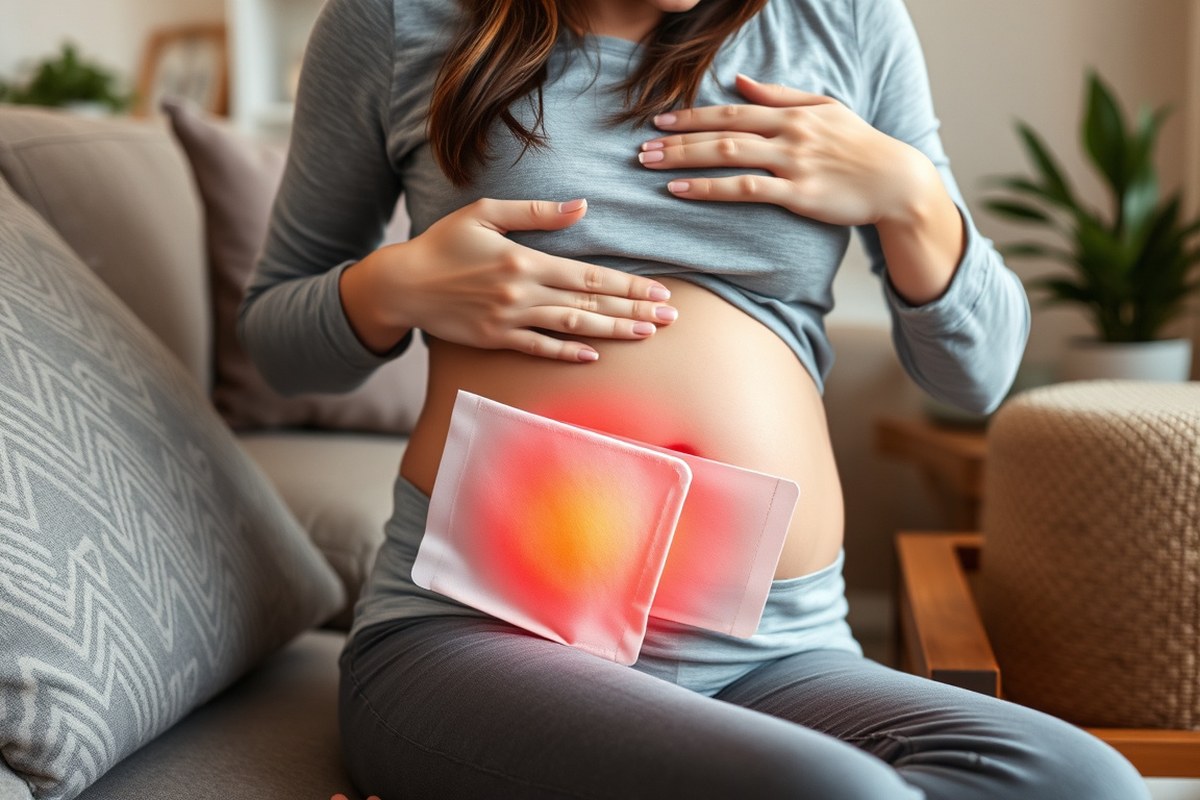
You can reduce menstrual cramps quickly by using targeted home remedies designed to bring relief within five minutes. Drinking certain herbal teas and hydrated fluids eases muscle tension and calms spasms. Taking immediate steps like gentle movement, focused breathing, and cold or warm compresses can also stop the pain fast.
Herbal teas make excellent drinks to fight cramps rapidly. Peppermint tea relaxes uterine muscles and reduces pain, so sip a cup slowly two or three times daily starting at the first sign of cramps. Chamomile tea has anti-inflammatory and anti-spasmodic properties. Drinking chamomile tea increases your body’s natural production of pain-relieving chemicals, which can relieve cramps within minutes. Ginger tea relieves nausea and inflammation common with periods and can ease cramping when consumed at the first sign of pain.
Proper hydration matters because muscle cramps worsen when you’re dehydrated. Aim for about 2 liters (68 ounces) of water daily during your period. Drinking water regularly throughout the day improves blood flow and relaxes muscles to stop cramps. Here are practical steps to reduce cramps fast, especially if you’re at home and need relief right away:
- Drink a warm cup of peppermint or chamomile tea. Let the tea steep for 5-10 minutes, and sip slowly to allow the calming effects to kick in.
- Hydrate with water. Drink a glass of water (8-12 ounces) to help relax uterine muscles and improve circulation. Keep water nearby to take small sips every 15-20 minutes.
- Try slow, deep breathing. Sit or lie down comfortably and breathe deeply through your nose for 5 breaths, then exhale slowly. This reduces muscle tension and pain.
- Engage in gentle movement. Light walking or stretching can help the muscles relax and increase blood flow, which eases cramps.
- Apply a cold pack if warm compresses aren’t available yet. Place a cold pack or wrapped ice for 10-15 minutes on your lower abdomen to numb pain quickly.
- Use a heating pad or warm water bottle. Apply it to your lower belly once the cold pack is removed; warmth soothes muscles and improves circulation for ongoing relief.
- Avoid caffeine and alcohol during your period. These can worsen cramps by dehydrating your body and tightening muscles.
Tip: Sip herbal tea slowly rather than gulping it to maximize relaxation benefits; taking smaller sips over 10-15 minutes works best for easing cramps.
3. Heat Therapy for Menstrual Cramps: How to Use It Safely and Effectively
Applying heat is an effective way to relieve menstrual cramps. Using heat therapy for 15 to 20 minutes at a time can relax uterine muscles and improve blood flow, which helps reduce pain. Choosing the right heat source and following safety guidelines prevents burns and maximizes comfort.
Types of Heat Therapy Explained
Heat therapy for menstrual cramps commonly uses heat patches, heating pads, or warm water bottles. Disposable heat patches stick directly to your lower abdomen and provide consistent warmth for up to 8 hours. They are convenient and cost around $3 to $5 each. Electric heating pads offer adjustable heat levels and can be reused but require a power source. Microwavable heat packs use gel or seeds and provide moist heat after warming in the microwave for 1 to 2 minutes. Warm water bottles are affordable and easy to use but need frequent reheating. Cordless rechargeable heat wraps combine portability and steady heat for about 2 to 6 hours. Each type shares the goal of applying gentle heat to the lower belly, which loosens muscle tension and inhibits the prostaglandins responsible for cramps.
Safe Temperature Thresholds and Timing
Keep the temperature of any heat source below 104°F (40°C) to avoid skin damage. Heat above this level increases the risk of burns and discomfort. Limit heat application sessions to 15 to 20 minutes. You can repeat sessions every hour if relief is needed throughout the day. Using heat for longer periods without breaks can cause skin redness or irritation without added benefit.
Applying heat early when cramps start yields better results. Use a timer or set alarms to prevent overuse. Always pause application if you feel any burning, stinging, or excessive warmth. Combining heat therapy with gentle abdominal massage or over-the-counter pain relief may improve effectiveness.
Avoiding Burns and Skin Irritation
Prevent burns by placing a cloth or towel between your skin and the heat source unless using a heat patch designed for skin contact. Check the temperature of heating pads or water bottles with your hand before applying. Avoid falling asleep while using electric heating pads or water bottles to prevent prolonged exposure. Do not place heat directly on broken or irritated skin.
For sensitive skin, test the heat source on your arm for a few seconds first. Stop use immediately if you notice blisters, rash, or prolonged redness. Ensure children or people unable to communicate discomfort do not use heat sources unsupervised. Reusable heat packs should be inspected for leaks or damage before each use to avoid accidents.
- Choose a heat source that suits your lifestyle and budget, such as a disposable heat patch or microwavable pack.
- Preheat the pack according to product instructions or warm a water bottle with hot, not boiling, water. Test the temperature with your hand.
- Place a thin cloth barrier between your skin and the heat source unless it is a skin-safe adhesive patch.
- Apply heat to your lower abdomen for 15 to 20 minutes per session.
- Remove the heat source and allow your skin to cool for at least 40 minutes before reapplying.
- Repeat sessions every 1 to 2 hours if cramps persist, but avoid continuous or overnight application.
- Stop using heat therapy if you experience burning, itching, blistering, or skin irritation and consult a healthcare provider if symptoms worsen.
4. Exercise and Massage Techniques That Relieve Menstrual Cramps
Exercise and massage can significantly reduce menstrual cramps by improving blood flow, relaxing muscles, and lowering stress levels. Gentle activities like yoga and calf stretches ease tension, while targeted massage on the lower abdomen or back can provide direct relief. Regular practice of these methods improve their effectiveness.
Best Exercises for Cramp Relief
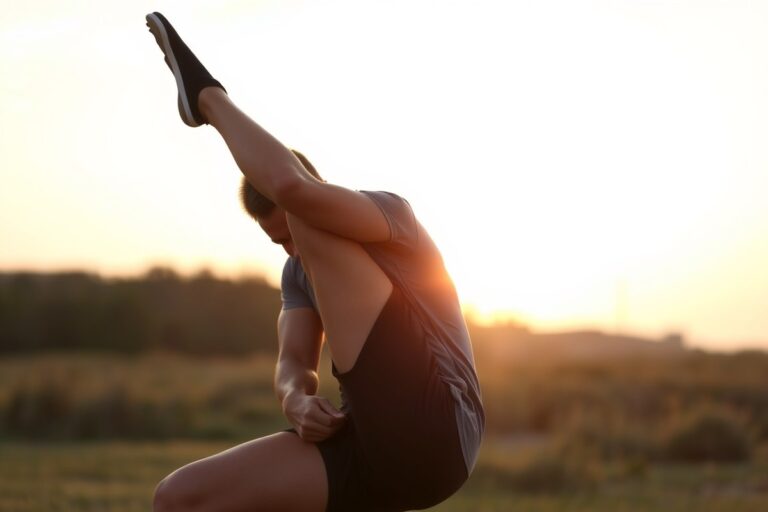
Light physical activities increase circulation and trigger endorphin release, which naturally reduces pain. Yoga, stretching, and core exercises work well since they relax the pelvic area and improve muscle tone. Calf stretches can also help ease cramps, although they may not completely eliminate the pain.
Try poses like child’s pose, cat-cow stretch, and pelvic tilts. These target key muscle groups linked to menstrual pain. Keeping movements gentle avoids adding discomfort and helps you stay consistent.
Self-Massage Techniques for the Lower Abdomen
Massaging the lower abdomen relaxes uterine muscles and reduces cramping pain. Using lavender oil may boost these effects due to its soothing properties. You can also massage the lower back for additional relief, especially if tension builds there. Follow these steps for an effective abdominal massage:
- Apply a small amount of lavender oil or your preferred carrier oil to your palms.
- Place your hands just below your navel on your lower abdomen.
- Using gentle pressure, make slow circular motions clockwise for about 5 minutes.
- Increase pressure slightly if comfortable but avoid causing pain.
- Switch to massaging your lower back by placing your hands on either side of your spine and applying gentle kneading motions.
- Repeat the abdominal massage if needed to improve relaxation.
- Finish by resting quietly to allow muscles to relax fully.
Recommended Timing and Frequency
You can start exercises and massages at the onset of your period or even a day before to prevent cramps from worsening. Performing 10, 20 minutes of gentle exercise daily during your period helps maintain reduced pain. Massage sessions lasting about 5 to 10 minutes twice daily provide noticeable relief. Consistency is key, regular practice over several cycles can lessen cramp intensity over time.
Avoid strenuous exercise during heavy bleeding, and stop massage if it increases pain or discomfort. Pairing these methods with stress reduction techniques like deep breathing can further improve results. Adjust frequency based on what feels best for your body.
5. Diet, Hydration, and Supplements That Ease Menstrual Pain
Changing your diet can play a key role in easing menstrual cramps by reducing inflammation and relaxing uterine muscles. Focus on foods rich in omega-3 fatty acids, magnesium, and antioxidants found in fruits and vegetables. These nutrients help lower levels of prostaglandins, which are compounds that cause uterine contractions and pain. Hydration also affects cramp intensity because water supports muscle function and minimizes bloating, which can worsen cramps.
Drinking enough water daily, about 8 cups (64 ounces), helps maintain hydration during your period. Increase intake if you exercise or sweat more. Herbal teas like chamomile or ginger can also soothe cramps, though they do not replace plain water intake. Avoid excessive caffeine since it can constrict blood vessels and cause water loss.
Supplements can be effective but should be introduced carefully and with a healthcare provider’s guidance, especially if you take other medications. Vitamin B1 (thiamine), magnesium, and omega-3 fatty acids stand out for menstrual pain relief. Studies suggest taking 100 mg of vitamin B1 daily for a few days before and during menstruation may reduce cramps. Magnesium, found in foods like spinach and nuts, supports muscle relaxation; supplements of 200-400 mg daily during your period can help, but side effects like diarrhea may occur at higher doses. Omega-3 supplements, usually 1,000 mg of fish oil daily, can decrease inflammation, though confirm dosage with your doctor.
| Nutrient or Food | Benefit | Dosage or Intake | Source Examples |
|---|---|---|---|
| Omega-3 Fatty Acids | Reduce inflammation and prostaglandin production | About 1,000 mg supplement daily or eat fatty fish (2-3 times/week) | Salmon, walnuts, flaxseeds, leafy greens |
| Magnesium | Relaxes uterine muscles and reduces cramps | 200-400 mg daily during menstruation | Spinach, nuts, whole grains |
| Vitamin B1 (Thiamine) | May lessen cramp severity | 100 mg daily starting a few days before period | Fortified cereals, legumes, supplements |
| Vitamin D | Supports muscle function and reduces pain | Follow healthcare advice, usually 600-800 IU daily | Sun exposure, fortified foods, supplements |
| Anti-inflammatory foods | Lower overall inflammation that worsens cramps | Eat fruits, vegetables, whole grains daily | Berries, leafy greens, whole grains |
| Hydration | Supports muscle function and reduces bloating | About 64 oz (8 cups) of water daily through menstrual cycle | Water, herbal teas |
Make these changes gradually, especially with supplements, to observe how your body reacts. Combining diet and hydration adjustments with other menstrual pain strategies can offer more complete relief. Avoid caffeine and highly processed foods that may increase cramping severity. Tailor your plan to your lifestyle, those with dietary restrictions may need alternative food sources or supplements.
Consult your healthcare provider before starting any new supplements, as doses vary and some may interact with medications or health conditions.
6. Over-the-Counter Medications and When to Use Them
Ibuprofen and naproxen are the most effective over-the-counter (OTC) medications for relieving menstrual cramps because they belong to a class called nonsteroidal anti-inflammatory drugs (NSAIDs). These drugs work by reducing prostaglandins, hormone-like substances that cause uterine contractions and pain. Starting to take these medications as soon as your cramps begin can maximize relief. Taking the first dose at the first sign of cramps helps block prostaglandin production early, which prevents the pain from worsening.
Ibuprofen is commonly available in 200 mg tablets. A typical dose for menstrual cramp relief is 200 to 400 mg every 4 to 6 hours as needed, not to exceed 1200 mg per day without doctor supervision. Naproxen, another NSAID, generally comes in 220 mg tablets and can be taken as 220 mg every 8 to 12 hours, with a maximum of 660 mg in 24 hours. Reading the label carefully and sticking to these recommended doses is important to avoid side effects like stomach irritation or increased bleeding.
Aspirin also has anti-inflammatory properties but is less preferred for cramps since it can sometimes increase menstrual bleeding. Acetaminophen (Tylenol) relieves pain but does not reduce prostaglandins and may not be as effective for cramping. For this reason, NSAIDs like ibuprofen or naproxen remain the first choice.
Taking these OTC pain relievers with food helps reduce stomach upset, and avoiding alcohol while using them lowers risk to the liver and kidneys. If you have a history of stomach ulcers, bleeding disorders, or kidney issues, it’s best to consult a healthcare provider before using NSAIDs. Many brands of ibuprofen and naproxen are budget-friendly, typically costing $10 to $15 for a bottle containing 100 tablets, which can last through several menstrual cycles.
Results from using NSAIDs usually appear within 30 to 60 minutes after taking a dose, and pain relief can last several hours. Persistent or severe cramps that do not improve with OTC options after a few days might indicate an underlying health problem requiring a doctor’s evaluation.
Hormonal birth control pills can also reduce menstrual pain by controlling hormone fluctuations and thinning the uterine lining, though these are not OTC and require a prescription. Combining timely NSAID use with other non-medication methods can provide stronger relief. Be sure to keep track of how your body responds to these medications to find the right dose and timing that works best for you.
7. Hormonal and Alternative Therapies for Managing Severe Cramps
Hormonal birth control and alternative therapies like acupuncture or TENS devices each offer ways to manage severe menstrual cramps. Hormonal methods adjust your cycle to reduce pain, while alternative treatments target nerve signals or relieve muscle tension. Choosing the right approach depends on your symptoms, health history, and preferences.
How Hormonal Birth Control Reduces Cramps
Hormonal birth control works by thinning the uterine lining and decreasing uterine contractions, which are the main causes of menstrual cramps. Pills, hormonal IUDs, or shots can reduce the severity and frequency of cramps over time. Some birth control methods may halt periods altogether, eliminating cramps during menstruation.
For cramps caused by hormonal imbalances, oral contraceptive pills (OCPs) are often prescribed to regulate hormone levels and ease symptoms. They do not provide immediate pain relief like painkillers but work gradually, often showing improvement within a few months. Hormonal birth control can also regulate period length and frequency, which supports overall menstrual health.
There are tradeoffs. Hormonal birth control requires a prescription and regular use, often daily for pills or every few months for shots. Side effects can include mood changes, weight gain, or increased risk of blood clots, especially if you smoke or have certain medical conditions. If cramps start suddenly or worsen after age 25, you should consult a healthcare provider before starting hormonal treatments.
Overview of Acupuncture and TENS Therapy
Acupuncture involves inserting thin needles at specific points on the body to stimulate nerves and release natural pain-relieving chemicals. Some studies report that acupuncture may reduce menstrual cramp pain by improving blood flow and relaxing pelvic muscles. Sessions typically last 20 to 30 minutes and might require multiple visits over several weeks. The cost per session often ranges between $50 and $100, depending on location and practitioner.
TENS (transcutaneous electrical nerve stimulation) devices use low-voltage electrical currents to disrupt pain signals sent to the brain. You apply adhesive pads to the lower abdomen for about 20 to 30 minutes during cramping episodes. TENS units can be purchased for $30 to $200 online or at medical supply stores. Many users find significant pain relief without medication, but effectiveness varies by individual.
Both acupuncture and TENS are non-hormonal options that avoid systemic side effects. They may be especially helpful if you prefer natural therapies or cannot use hormonal birth control. However, results vary; some people do not find these therapies effective, and acupuncture requires going to a licensed practitioner.
Choosing the Right Option for You
Selecting between hormonal birth control and alternative therapies depends on your medical history, pain severity, and lifestyle. Hormonal birth control is often recommended if your cramps stem from hormonal imbalance or if you desire contraception alongside pain relief. Consistent use over several months usually shows results.
Alternative therapies can supplement or replace medication if you want to avoid hormones or side effects. Acupuncture works best with multiple sessions, which may not fit every schedule or budget. TENS devices are user-friendly and portable, offering quick relief but needing proper use and patience to find effective settings.
Consult your OB-GYN or a healthcare professional to discuss your symptoms and evaluate safety, especially before starting hormonal treatments. They can help determine if a hormonal method or alternative therapy suits your health status and cramp severity. Combining therapies under medical guidance may also improve outcomes.
8. When to Seek Medical Help and Identifying Severe Cramps
Cramps become abnormal or severe when they disrupt your daily life or come with additional warning signs. You should consider cramps severe if the pain is intense enough to stop normal activities, lasts longer than your usual cramps, or requires more than standard home treatment and over-the-counter painkillers. Sudden new cramps after age 25 or a noticeable worsening of your usual pain also need evaluation. These changes can indicate conditions like endometriosis, adenomyosis, ovarian cysts, or pelvic inflammatory disease (PID), which may require medical care.
Knowing when cramps signal a health problem helps you seek timely help. Endometriosis causes tissue similar to the uterine lining to grow outside the uterus, triggering severe pain and potentially affecting fertility. Adenomyosis thickens the uterus lining, causing intense cramping. Ovarian cysts, especially large or multiple ones, can cause sharp pain and complications. PID, often without clear symptoms, can cause inflammation and pain that feel like bad cramping. Use this checklist to decide if your cramps call for medical attention:
- Pain that stops you from doing daily tasks or worsens quickly
- Cramps that last more than 2-3 days beyond your period
- New or severe cramps appearing after age 25
- Cramping accompanied by fever, heavy bleeding, unusual discharge, or nausea
- Numbness, weakness, or unusual symptoms along with cramps
- Any signs of pelvic or abdominal swelling
- Pain that does not improve with NSAIDs like ibuprofen or acetaminophen
Tracking your symptoms can clarify what’s normal and what needs help. Keep a symptom diary with the intensity, duration, and impact of your cramps, noting any new signs. If your cramps become frequent, severe, or include other symptoms listed above, talk to a healthcare provider. They may recommend imaging tests, pelvic exams, or hormone evaluations to diagnose conditions like PCOS or endometriosis. Treatments vary and can include prescription medications, hormonal therapies, or in some cases, surgery.
Do not ignore new, severe, or worsening pain, early diagnosis and treatment can help prevent complications and improve quality of life.
Managing cramps that develop suddenly after age 25 means seeking care even if you’ve had mild periods before. Stress and inflammation can worsen pain, so managing stress and inflammation through lifestyle can help, but don’t delay medical advice for unusual symptoms. Your doctor can tailor treatments specifically to your condition and needs, reducing pain and improving your menstrual health over time.
Step-by-Step Action Plan to Ease Menstrual Cramps
Use this plan to understand and reduce your menstrual cramps using home remedies, lifestyle changes, and medical options, while knowing when to get professional help.
- Before your period starts: Track your cramps and related symptoms to understand your pattern. Knowing when and how cramps hit helps you act faster.
- At the first sign of cramps: Apply heat therapy with a heating pad or hot water bottle on your lower abdomen for 15-20 minutes. Relief usually starts within minutes if heat therapy works for you.
- Within the first hour of cramps: Try gentle exercise like walking or use self-massage on your lower back or belly. Reduction in pain or stiffness shows this is effective.
- Daily during your period: Stay hydrated, eat balanced meals rich in magnesium and vitamins, and consider supplements like magnesium or vitamin B6 after consulting a healthcare provider. Notice decreased frequency or intensity of cramps over cycles.
- When cramps persist or worsen: Use over-the-counter pain relievers such as ibuprofen, following the label directions. Pain relief within an hour indicates the medication is helping.
- After 2 to 3 cycles of self-care: Assess your symptoms. When severe cramps continue to disrupt daily life despite home remedies, consult your healthcare provider about hormonal or alternative therapies.
- Immediately seek medical help: If cramps cause sudden, intense pain, fever, heavy bleeding, or are accompanied by nausea and vomiting, get professional care to rule out serious conditions.
Frequently Asked Questions
How to Stop Cramps in 5 Minutes?
Apply a warm compress on your lower abdomen and practice deep breathing. Heat relaxes muscles and eases pain quickly.
What Can I Drink to Stop Cramps?
Drink plenty of water to stay hydrated and relax muscles, which helps reduce cramps. Herbal teas like ginger or chamomile may also soothe discomfort.
Why Do Period Cramps Hurt so Bad?
Cramps result from uterine muscles contracting to shed the lining, cutting off oxygen and causing pain. Hormones increase sensitivity, making the pain worse for some people.
How to Stop Period Cramps Hurting?
Combine heat therapy with gentle exercise and over-the-counter pain relief to lessen pain. Staying active helps improve blood flow and reduce cramping intensity.
Can Stretching Reduce Menstrual Cramps?
Yes, light stretching helps loosen pelvic muscles and can ease cramp pain by improving circulation.
Does Caffeine Worsen Menstrual Cramps?
Caffeine can constrict blood vessels, potentially increasing cramp pain for some people, so consider limiting intake during your period.
Key Points to Remember
Finding relief from menstrual cramps depends on understanding what works best for your body and trying methods that fit your lifestyle. Starting today, you can apply a heating pad to your lower abdomen for 15 to 20 minutes to ease discomfort safely and effectively. Tracking how this affects your pain can help guide your next steps in managing cramps with or without medical advice.



One Comment