

How to Get Rid of a Stomach Ache in 5 Minutes: Fast-Acting Remedies That Work
Heat applied to your stomach, drinking peppermint tea, or taking a short walk can ease stomach pain within 5 minutes. These remedies start to reduce discomfort caused by gas, indigestion, or cramps fairly quickly. Though full relief may take between 20 and 60 minutes, you will often notice improvement soon after starting them.
This information is for adults and parents looking for safe, quick home remedies for stomach pain. You’ll learn how to use natural treatments correctly, avoid foods that worsen symptoms, and understand when it’s necessary to seek medical care. The article also covers specific approaches based on different causes and common mistakes that delay relief.
Key Takeaways
- Apply a warm heat pad on your abdomen for 15, 20 minutes to start easing stomach ache within five minutes and improve digestion.
- Drink peppermint or ginger tea prepared by steeping fresh or dried leaves and slices for 10, 15 minutes to quickly relieve indigestion.
- Engage in gentle walking or light movement to help reduce stomach discomfort and promote digestion without stressing your abdomen.
- Avoid water immediately after heavy meals; wait at least 30 minutes to prevent worsening your stomach ache.
- Use over-the-counter remedies like milk of magnesia carefully, noting it can work within 30 minutes to six hours for relief.
- Seek medical attention if your stomach pain is severe, persistent beyond 24 hours, or accompanied by vomiting and diarrhea.
Fastest Ways to Stop a Stomach Ache at Home

To stop a stomach ache quickly at home, focus on a few immediate actions that soothe your digestive system and relieve discomfort. Applying gentle heat to your abdomen can ease muscle spasms and reduce pain. Drinking something with peppermint, like tea or candy, helps relax your gut and calm nausea. Light movement, such as a slow walk, encourages digestion and eases gas. Posture also plays a role, sitting up or reclining slightly can reduce pressure on your stomach and limit heartburn or indigestion.
The effects of these methods start within minutes, but expect noticeable relief within 20 to 60 minutes for most mild stomach aches. Complete elimination of pain may take longer depending on the cause. Avoid lying flat on your back, as this can worsen acid reflux or cramps. Instead, sit in a comfortable chair with your back supported or recline on your side with a pillow behind your back. Staying hydrated by sipping water or a mild herbal drink supports digestion and prevents dehydration that can worsen stomach pain.
- Apply heat to your abdomen. Use a heating pad or a warm towel on your stomach for about 10 to 15 minutes. Keep the temperature moderate to avoid burns, around 100°F to 110°F (38°C to 43°C). This relaxes your stomach muscles and eases cramps quickly.
- Sip peppermint tea or suck on peppermint candy. Peppermint calms the gut and can reduce pain or nausea starting within five minutes of use. Prepare a cup of unsweetened peppermint tea, let it cool slightly, and sip slowly.
- Take a small walk. Move gently for 5 to 10 minutes to stimulate digestion and help release trapped gas. Avoid strenuous activity, which may worsen discomfort.
- Adjust your posture. Sit upright or recline with your feet slightly improve, supporting your back with pillows. Avoid lying flat, which can worsen acid reflux and delay relief.
- Hydrate cautiously. Drink small sips of water or a mild, non-acidic herbal tea. Avoid sugary, caffeinated, or carbonated beverages that might irritate your stomach further.
- Use an over-the-counter antacid if needed. For acid reflux or indigestion, antacids can start working quickly within 5 minutes to neutralize stomach acid. Follow the package directions carefully.
Comparing Top Home Remedies: Ginger, Peppermint, and Heat
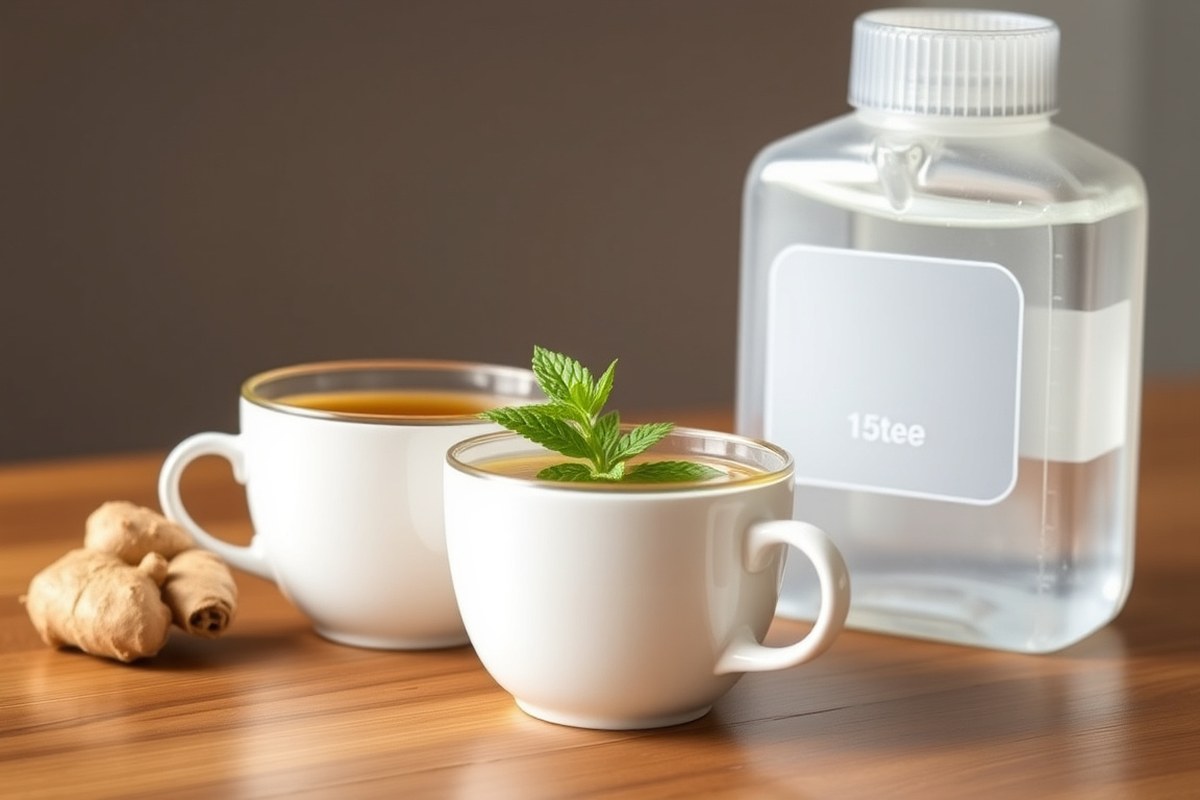
The best home remedy for a stomach ache varies based on your symptoms, how fast you need relief, and safety considerations. Ginger reduces pain and nausea due to its anti-inflammatory effects and usually acts within 10 to 15 minutes when made into tea by simmering a one-inch slice of fresh ginger in two cups of water for 15 minutes. Peppermint tea helps relax stomach muscles and ease bloating and cramping; steep one tablespoon of fresh peppermint leaves or one teaspoon of dried leaves in hot water for about 10 minutes to get these effects. Placing a warm compress or heating pad on your belly for 15 minutes improves circulation and relaxes digestive muscles, offering quick relief from cramps.
| Remedy | Time to Relief | Indications | How to Use | Safety Precautions |
|---|---|---|---|---|
| Ginger Tea | 10, 15 minutes | Nausea, mild stomach pain, indigestion | Simmer 1 inch fresh ginger in 2 cups water for 15 minutes; drink warm | May cause heartburn or interact with blood thinners; avoid if allergic |
| Peppermint Tea | 10 minutes | Bloating, cramps, gas | Steep 1 tbsp fresh or 1 tsp dried peppermint leaves in hot water for 10 minutes; sip slowly | Not recommended for acid reflux or GERD as it may worsen symptoms |
| Warm Compress / Heat | Within 5 minutes | Muscle cramps, menstrual pain, general stomach cramping | Apply warm pad or compress to abdomen for up to 15 minutes; ensure moderate warmth (not hot) | Avoid heat on broken skin or if sensation is reduced; never apply hot directly to skin |
The fastest relief generally comes from applying heat because it directly relaxes the abdominal muscles and increases blood flow, which can ease cramping in just a few minutes. Peppermint helps relax muscles too, especially useful for bloating and gas, but avoid peppermint if you have acid reflux since it may worsen the irritation. Ginger not only helps with pain but also combats nausea and inflammation, making it suitable for mild indigestion or upset stomach, though its effects come slightly slower compared to heat or peppermint tea. Using these remedies correctly involves measuring amounts carefully, steeping teas as directed, and not overheating compresses to prevent burns.
Do not use peppermint tea if you have acid reflux or heartburn, as menthol can relax the lower esophageal sphincter and worsen symptoms.
How to Use Herbal Teas and Natural Remedies Correctly
Herbal teas and natural remedies like apple cider vinegar and baking soda can help ease stomach aches if used properly. Preparing these remedies with the correct measurements and timing ensures safety and effectiveness. Avoiding common mistakes such as using undiluted vinegar or excessive baking soda reduces the risk of worsening symptoms.
Preparing Ginger Tea for Fast Relief
Ginger tea is well-known for its ability to calm an upset stomach and reduce nausea quickly. Fresh ginger root offers more potent benefits than pre-packaged ginger products. Use about one tablespoon of freshly sliced ginger per cup of boiling water for optimal effect. Follow these steps for the best ginger tea preparation:
- Boil one cup (8 ounces) of water and remove it from heat.
- Add one tablespoon of fresh ginger slices or grated ginger to the hot water.
- Cover the cup and let the ginger steep for 5 to 10 minutes to release its active compounds.
- Strain the ginger pieces out if desired, or leave them in for a stronger taste.
- Drink the tea slowly while it’s warm but not too hot to avoid irritating your stomach.
For added relief, you can squeeze a teaspoon of fresh lemon juice into your ginger tea. Avoid relying on ginger ale as a substitute since commercial versions often contain low ginger content and added sugars that may worsen digestion.
Using Apple Cider Vinegar Safely
Apple cider vinegar (ACV) can help balance stomach acid and ease indigestion if diluted properly. Because ACV is highly acidic, drinking it undiluted may increase stomach discomfort and worsen conditions like acid reflux or ulcers. Use it with caution and do not exceed recommended amounts. To use ACV for stomach relief, follow these instructions:
- Measure one tablespoon of raw, unfiltered apple cider vinegar.
- Mix the ACV into 8 ounces of warm water (not boiling) to dilute the acid.
- Stir well and drink this diluted solution 15 to 20 minutes before meals.
- Do not drink more than two tablespoons of ACV per day.
- Avoid ACV if you have a history of peptic ulcers or severe acid reflux, as it may irritate the lining of your stomach.
Some people find chewing apple cider vinegar gums helpful for reducing heartburn without drinking the vinegar. This remedy may also support digestive health by promoting a healthier bacterial environment in the stomach.
Making a Baking Soda Solution the Right Way
Baking soda acts as a natural antacid, neutralizing excess stomach acid quickly. It can provide fast relief from heartburn and acid reflux but must be used carefully to avoid side effects like bloating or altering your body’s acid-base balance. Use the following steps to prepare a safe baking soda solution:
- Dissolve 1/2 teaspoon of baking soda in 4 to 6 ounces of cold water.
- Stir the solution thoroughly until the baking soda is fully dissolved.
- Drink the mixture slowly for immediate acid relief.
- Do not take more than 3 doses of baking soda per day, spaced at least 2 hours apart.
- Avoid this remedy if you are pregnant, have high blood pressure, or kidney disease without consulting a healthcare provider.
Baking soda offers quick relief but should not be a long-term solution. Frequent use can lead to imbalances or mask symptoms needing medical attention.
Best Practices for Peppermint and Chamomile Tea
Peppermint and chamomile are gentle teas known for their calming effects on the digestive system. They help relieve cramps, gas, and restlessness in the stomach. Preparing these teas properly ensures maximum benefit and reduces chances of side effects. Follow these steps to prepare peppermint or chamomile tea:
- Boil 8 ounces of water and pour it over one tea bag or one teaspoon of dried peppermint or chamomile leaves.
- Cover the cup and steep for 5 minutes to extract the calming compounds.
- Remove the tea bag or strain out the leaves to prevent bitterness.
- Let the tea cool slightly before drinking it slowly.
Use these teas only if you don’t have acid reflux or allergies to mint or chamomile. Pregnant women should avoid excessive peppermint oil products. Drinking these teas warm helps soothe the stomach muscles and reduces digestive discomfort within minutes.
Posture, Movement & Quick Exercises to Ease Stomach Discomfort
Adjusting your posture and doing gentle movements can relieve stomach aches quickly. Sitting upright or lying in a supported position helps reduce pressure on your abdomen. Simple stretches, yoga poses, and breathing exercises relax your stomach muscles and improve digestion, offering fast relief from cramps, gas, or indigestion.
Optimal Sitting and Standing Positions
Sitting upright with your back straight allows your stomach to settle without extra pressure. Avoid slouching or hunching over, which can compress the abdomen and worsen discomfort. Standing with your weight evenly distributed on both feet and your shoulders relaxed also helps ease stomach pain.
Lying flat on your back might increase stomach pressure and sometimes make pain worse, especially if you have acid reflux or indigestion. Instead, try lying on your left side supported by a pillow, which can aid digestion and reduce cramping.
- Sit on a chair with feet flat on the floor and back straight.
- Keep your shoulders relaxed but not slouched.
- Stand tall with knees slightly bent to avoid tension.
- Lie on your left side with a pillow to support your abdomen.
- Use a reclining chair or prop pillows to angle your upper body if lying down.
These positions prevent excess pressure on your abdomen, helping trapped gas move easier and reducing cramps more quickly.
Simple Stretches Targeting Abdominal Muscles
Stretching gently loosens tight abdominal muscles and can help release gas that causes pain. Stretch the area without force or bouncing and hold each stretch for 20 to 30 seconds. Doing these stretches two to three times can ease discomfort within minutes. Try the following stretches:
- Seated forward bend: Sit with legs extended, slowly reach toward your toes without rounding the back.
- Standing side stretch: Raise arms overhead, gently lean to one side to stretch your side and lower abdomen.
- Cat-cow stretch: On hands and knees, alternate arching and rounding your back to massage abdominal organs.
- Knee-to-chest: Lie on your back and pull knees to your chest one at a time to relieve gas and cramps.
These movements improve blood flow and relax your digestive tract muscles, reducing pain from cramps or bloating.
Gentle Yoga Poses for Immediate Relief
Yoga offers poses that calm the digestive system and ease stomach pain. Focus on slow, controlled motion and avoid poses that compress the stomach forcefully. Holding these postures for 30 seconds to one minute supports relaxation and muscle release. Good options include:
- Child’s pose (Balasana): Kneel and sit back on your heels, extend arms forward, and rest your forehead on the floor to gently stretch the abdomen.
- Sphinx pose: Lie face down, then lift your chest slightly using your forearms for a mild belly stretch without strain.
- Supine twist: Lying on your back, drop both knees to one side with arms extended, keeping shoulders on the floor to relieve tension.
- Bridge pose: Lie on your back, bend knees with feet flat, lift hips gently to open the lower abdomen and stimulate digestion.
Perform these poses with deep breathing to improve the calming effect and improve oxygen flow to abdominal muscles.
Breathing Techniques to Relax the Stomach Muscles
Deep breathing helps reduce tension and spasms in your stomach muscles, easing pain and discomfort quickly. Use slow, diaphragmatic breathing to maximize its effect. This means breathing deeply into your belly rather than your chest. Try this method:
- Sit or lie comfortably with your hands on your abdomen.
- Inhale slowly through your nose for about 4 seconds, feeling your stomach rise under your hands.
- Hold your breath for 1 to 2 seconds.
- Exhale slowly and fully through your mouth for about 6 seconds, feeling your stomach fall.
- Repeat this cycle 5 to 10 times, focusing on the rhythmic movement and relaxation.
This breathing reduces stress hormones, relaxes abdominal muscles, and can help relieve cramping or gas-related pain fast.
Foods and Drinks to Avoid During a Stomach Ache Flare-Up
Certain foods can immediately worsen a stomach ache by increasing irritation, causing gas, or slowing digestion. Avoid fatty foods such as fried items and processed snacks because they take longer to digest and can intensify discomfort. Foods high in fermentable FODMAPs, including beans like rajma and chole, cabbage, milk, and eggs, often trigger bloating and cramping. Spicy food may irritate the stomach lining, leading to increased pain or heartburn. Aged cheeses and wine contain histamine, which some people cannot break down properly, causing stomach pain along with nausea or headaches. Gluten-containing foods and milk should be avoided if you know you have sensitivities, as they can provoke bloating and worsen upset stomach symptoms.
For drinks, steer clear of alcohol and caffeinated beverages. Alcohol can inflame the stomach lining and delay healing, while caffeine stimulates acid production, potentially causing or worsening pain. Carbonated drinks produce gas that leads to bloating and pressure, making stomach aches worse. It’s also advisable not to drink water immediately after a heavy meal; waiting at least 30 minutes helps digestion before adding fluids. Lying flat after eating can worsen reflux, so if you need to rest, prop up your head and shoulders to reduce acid backup, which can cause sharp stomach pain.
Hydration timing matters for relief. Drinking small sips of water throughout the day is fine, but drinking large amounts right after eating a big meal may dilute stomach acid needed for digestion. This can cause a feeling of fullness or gas buildup, prolonging discomfort. Instead, rehydrate with gentle fluids between meals and choose soothing options like herbal teas once the acute pain starts to fade. Keep an eye on how your body reacts to different foods and drinks by noting any immediate stomach pain afterward. Adjusting what and when you eat or drink can prevent flare-ups and ease symptoms faster.
Avoid consuming large meals or carbonated drinks during stomach pain to prevent increased bloating and pressure that can worsen your discomfort.
When to Seek Medical Care for a Stomach Ache
Not all stomach aches need a doctor’s visit, but knowing when to seek medical care can prevent serious complications. Mild, short-lived pain often resolves with home remedies, but sudden, severe, or worsening pain requires urgent attention. For example, appendicitis pain typically starts near the belly button and shifts to the lower right side, increasing steadily and often accompanied by fever, nausea, or vomiting.
If pain is localized to the upper right or left abdomen, or the lower right side, this could signal serious conditions like gallbladder issues, pancreatitis, or appendicitis. These situations need prompt evaluation to avoid complications. Also, stomach pain accompanied by continuous vomiting, high fever, or blood in stools or vomit should prompt a medical visit immediately.
Symptoms in children and pregnant women demand special caution. Babies or young children with persistent crying, refusal to eat, or a swollen belly require immediate pediatric care. Pregnant women experiencing severe abdominal pain, especially with bleeding or contractions, should contact their healthcare provider urgently to rule out pregnancy complications. Use this decision-making flow for urgent vs. Home care:
- Sudden, severe, or rapidly worsening stomach pain, seek emergency care
- Fever over 101°F with stomach pain, call your doctor
- Vomiting lasting more than 24 hours or vomiting blood, get medical help
- Unexplained weight loss, blood in stool, or severe constipation, see a healthcare provider
- Severe pain localized to right lower abdomen with nausea or vomiting, go to the emergency room
- Persistent pain in pregnant women or children, or abdominal swelling, seek medical evaluation
- Mild stomach ache without alarming symptoms that lasts less than a day, try home remedies first
When following these guidelines, urgent care clinics can handle non-emergency but immediate needs, such as ongoing moderate pain or persistent vomiting. Emergency rooms are best for sudden and severe symptoms or signs of complications. Proper timing of care helps avoid delayed treatment, which can worsen outcomes and increase costs, sometimes requiring hospitalization.
Tailored Remedies for Specific Causes and Groups
Treatment for a stomach ache varies significantly depending on the cause and the person experiencing it. Gas-related pain, indigestion, and menstrual cramps each require different approaches. Children and pregnant women need tailored remedies to ensure safety and effectiveness. Timing and situation also influence what works best, especially for night-time discomfort.
Relief Strategies for Gas and Bloating
Gas pain often causes sharp, sudden discomfort, especially at night. A traditional remedy like ajwain seeds can help; chewing a small pinch or taking ajwain water may ease the gas quickly. This works because ajwain contains compounds that relax intestinal muscles and reduce pressure. Over-the-counter simethicone drops or chewable tablets designed for gas relief also act fast by helping bubbles dissipate in the digestive tract.
Dietary adjustments like avoiding carbonated drinks and gas-producing foods can prevent recurring pain. Applying a warm compress to the abdomen for about 10 to 15 minutes helps relax muscles and reduce the sensation of bloating. Mild movement such as gentle walking can also promote gas passage. Rehydration is key because dehydration can worsen cramps and bloating by slowing digestion.
Menstrual Cramp Stomach Ache Remedies
Menstrual cramps cause lower abdominal pain that can mimic stomach aches. Heat application is one of the fastest ways to relieve cramps; a heating pad or warm water bottle placed on the lower belly for 15 to 20 minutes can reduce muscle spasms. Over-the-counter pain relievers such as ibuprofen or naproxen, when taken as directed, reduce inflammation and pain quickly.
Gentle stretching or yoga poses focusing on the lower back and abdomen can help relax cramped muscles. Drinking water or warm herbal teas like chamomile can ease discomfort and also help prevent dehydration, which can increase cramping intensity. Avoiding caffeine during menstrual cramps may reduce irritability and stomach upset.
Stomach Ache Tips for Children and Pregnant Women
For children with mild stomach pain, simple remedies include offering small sips of water and encouraging rest. Avoid giving aspirin or adult-strength medications unless prescribed by a pediatrician. Using a warm compress on the belly can ease discomfort safely. Keeping kids calm and comfortable often helps more than immediate intervention.
Pregnant women should avoid many over-the-counter pain medicines and herbal supplements without consulting a healthcare provider. Mild stomach aches from digestion or gas may improve with small, frequent meals and avoiding foods that trigger bloating. Drinking water steadily throughout the day helps prevent dehydration-related pain. Applying a warm compress is safe but should be done carefully, avoiding overheating. Any severe or persistent pain during pregnancy requires prompt medical attention because of possible complications.
Common Mistakes That Delay Stomach Ache Relief and How to Fix Them
Common mistakes during home treatment can make your stomach ache worse or slow down relief. Drinking too much water too fast often causes bloating, which adds pressure and discomfort. Small sips help hydrate without overfilling your stomach. Sitting or lying in a cramped position can increase tension around your abdomen, so keeping an upright posture is key. Using remedies without giving them enough time or in wrong amounts often causes frustration because symptoms don’t improve immediately.
- Drinking a large glass of water quickly, sip slowly over 5 to 10 minutes instead.
- Lying flat or slumping after symptoms start, sit upright or lean back with support.
- Wearing tight clothing, switch to loose, comfortable clothes to reduce stomach pressure.
- Trying multiple remedies at once, focus on one and allow 5 minutes to gauge effect.
- Ignoring persistent or worsening pain, seek professional care if symptoms don’t improve.
Signs that a remedy is working include a noticeable decrease in cramping, lessening bloating, or reduced nausea within 5 minutes. Your stomach should feel less tight, and you may notice improved movement or less urgency to use the bathroom. If symptoms worsen or stay the same, pause and reassess your approach. Small changes in breathing or posture can help you evaluate relief more accurately.
Take slow, measured sips of water and avoid rushing any remedy to let your body respond properly without added discomfort.
Practicing these adjustments can save time and reduce frustration during stomach ache episodes. Quick relief relies on gentle, patient treatment rather than speed or multiple simultaneous fixes. Being mindful of these common pitfalls improves how quickly and comfortably your stomach feels better.
Quick-Start Action Plan to Ease Your Stomach Ache Fast
Follow these simple steps to relieve your stomach ache within 5 minutes safely. This plan helps you pick the right remedy, avoid common mistakes, and know when to get medical help.
- Right Now: Sip a warm ginger or peppermint tea slowly. These natural remedies can reduce cramps and gas quickly. You’ll know it’s working if your stomach starts to feel less tense within a few minutes.
- Immediately After: Apply a warm compress or heating pad to your abdomen for about 5 minutes. The heat relaxes muscles and eases pain. Relief is indicated if the discomfort softens or moves from sharp to dull.
- Within 5 Minutes: Sit upright or lie down in a comfortable position that supports your back and avoids compressing your stomach. Good posture helps digestion and reduces pain. Notice relief if your bloating or cramps start calming down.
- Next: Perform gentle belly breathing or mild stretching exercises for 1 to 2 minutes to release tension and improve blood flow. Improvement shows if you feel less cramped or your stomach feels looser.
- Right After: Avoid carbonated drinks, caffeine, spicy, and fatty foods that can worsen your stomach ache. Stick to clear fluids and bland foods until the pain eases.
- Careful Next Steps: If your stomach ache persists beyond an hour, worsens, or is accompanied by fever, vomiting, or severe pain, contact a healthcare provider immediately. Quick medical care is essential in these cases.
- Later Today: Track what seemed to help or worsen your symptoms. Adjust your home remedies accordingly next time for faster relief.
Frequently Asked Questions
What Is the Fastest Way to Stop Stomach Pain?
Applying heat on your abdomen or sipping peppermint tea can start easing stomach pain within five minutes. These methods relax stomach muscles and reduce cramping, though full relief usually takes 20 to 60 minutes.
What Drink Stops a Stomach Ache?
Peppermint tea is known to help relieve stomach aches quickly by relaxing digestive muscles. Drinking it warm can provide relief faster, especially for gas or mild indigestion.
Is It Better to Lie Down or Sit Up with a Stomach Ache?
Sitting up or staying lightly active helps gas move through your system, easing pain faster than lying down, which may worsen discomfort in some cases. Gentle movement supports digestion and reduces bloating.
Can Salt and Water Stop Stomach Pain?
Drinking salt water isn’t recommended for stomach pain relief as it can irritate the stomach lining and worsen symptoms. Staying hydrated with plain water is better during an upset stomach.
How Soon Should I Eat After a Stomach Ache Starts?
Wait at least 30 minutes after your stomach pain begins before eating to avoid aggravating your symptoms. Starting with bland, easy-to-digest foods helps.
Can Over-The-Counter Medicine Relieve Stomach Aches Quickly?
OTC medicines like antacids or simethicone can start working within minutes to reduce acid reflux or gas pain, but always follow the label and consider your symptoms before use.
Final Thoughts
For quick relief from a stomach ache, trying a warm ginger tea or applying a heating pad can ease discomfort in just minutes. Choose one method that fits your situation and give it a try today to see what works best for you. Paying attention to your body’s signals can help you handle stomach aches more effectively and avoid unnecessary delays in feeling better.



3 Comments