
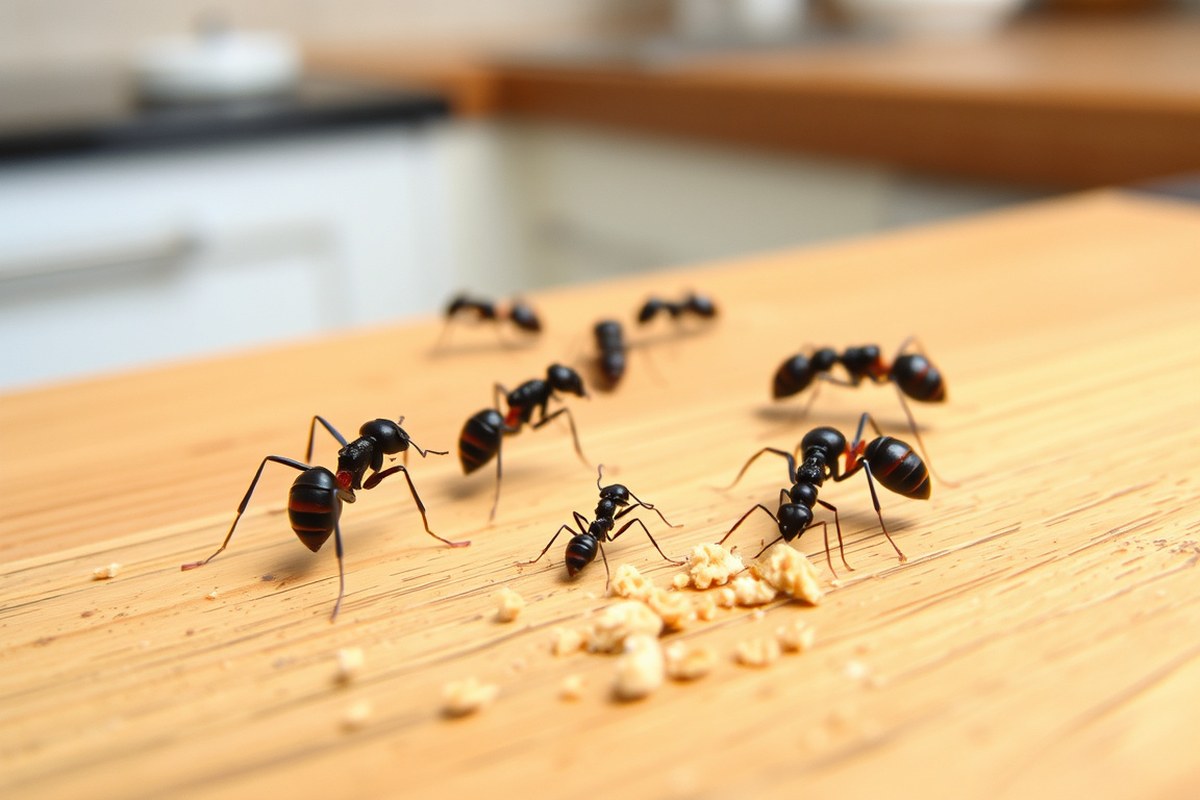
Do I Need Pest Control for Ants? A Complete Guide to Effective Solutions
Do I need pest control for ants? You likely do if ants keep returning despite your efforts, if you spot carpenter ants, or if colonies have grown inside your home. Effective pest control targets the entire colony, not just the visible ants, which is harder to achieve without professional help. Homeowners and renters facing persistent ant problems can benefit from understanding ant behavior, identification, treatment options, and prevention strategies.
This article covers common household ant species, how ants enter and nest indoors, and compares DIY methods with professional services. You’ll also learn about the risks ants pose, common mistakes in control efforts, and what to expect from ongoing pest control plans that keep ants out for good.
Key Takeaways
- Pest control is recommended if ants persistently invade your home or if carpenter ants cause structural damage.
- Identify common household ants like small brown Argentine ants or larger black carpenter ants to target treatment effectively.
- Ants enter through tiny cracks and build colonies indoors, often near food sources or moisture.
- Choose DIY treatments for minor infestations but hire professionals for large or persistent ant problems to ensure elimination.
- Carpenter ants can cause costly wood damage, making early professional intervention important to protect your home.
- Avoid common ant control mistakes like ignoring nests or using ineffective sprays by following label instructions and sealing entry points.
Do I Need Pest Control for Ants in My Home?

You may need professional pest control for ants if you notice a persistent infestation that DIY methods cannot eliminate. Many homeowners start by using over-the-counter bait and sprays, but these often only kill the ants you see, not the entire colony. Ants establish nests in hidden places like under your foundation or inside walls, making it hard to fully remove them without targeted treatments. Professionals identify these nests and apply stronger, more effective solutions that reach the whole colony.
Start by checking how widespread the ant problem is. When ants appear occasionally near food or windows and you can control them with bait stations or commercial sprays, continuing with DIY efforts is reasonable. Keep food sealed, clean up crumbs, and use bait traps placed where ants are active. Professional pest control becomes necessary if ants keep returning despite these efforts or if you find multiple ant trails indoors. It is especially important to call a pest control company if you spot carpenter ants, which can damage wood and cause costly repairs.
Consider timing and scale when deciding. When ants appear suddenly in large numbers or quickly spread throughout your home, immediate professional intervention can prevent the problem from worsening. Emergency pest control services are recommended if an infestation threatens your health or property, such as an aggressive ant species invading food prep areas or nesting inside structural components. Otherwise, a scheduled professional treatment plan can manage and prevent infestations over time.
Hiring a pest control professional generally costs more than DIY options but offers long-term results. Costs vary by location and infestation size, with quarterly service plans typically ranging from $150 to $400. These plans include inspection, targeted baiting, and barrier treatments that reduce the chance of ants returning. Professionals also advise on moisture control and habitat removal to reduce attractants, a step many DIYers overlook. Pest control experts can quickly locate nests, such as under foundations or in wall voids, where homeowners cannot reach them.
A simple decision rule: use DIY methods for small, infrequent ant sightings and sealed food sources. Contact a professional if baiting fails after 1, 2 weeks, ants multiply, or the infestation spreads indoors. An easy script for calling a pest control service is: “I have ants appearing daily despite baiting, and I notice trails in multiple rooms. I’d like a full inspection and treatment plan.” Prompt professional care limits property damage, reduces pesticide use by targeting nests directly, and gives peace of mind.
Common Types of Household Ants and How to Identify Them

Identifying the ant species invading your home is key to choosing the right control method. Different ants have specific behaviors and nesting habits that influence treatment success. Knowing which ants you face helps you target them effectively, whether you tackle them yourself or hire a professional.
Carpenter Ants: Appearance and Risks
Carpenter ants are large, usually half an inch to three-quarters inch long, and mostly black or dark brown, sometimes with red marks. Their size and shiny body help distinguish them from smaller ants. These ants don’t eat wood like termites, but they tunnel inside it to build nests, which can cause structural damage over time.
Because carpenter ants nest inside wood, treatments require locating and treating the nest directly. This usually involves professional inspection and targeted insecticidal treatment, as surface sprays or baits alone rarely eliminate the problem. Signs of infestation include small piles of sawdust near wooden structures and rustling noises inside walls.
Pharaoh and Argentine Ants: Behavior and Challenges
Pharaoh ants are tiny, about one-sixteenth to one-eighth inch long, pale yellow to light brown, and slender. They are unique since they can nest indoors permanently, spreading through walls and tight spaces. This makes them difficult to control, as nest location is hidden and colonies split when disturbed.
Argentine ants are small, around one-eighth inch long, dark brown, and form large outdoor and indoor colonies. They trail along paths to food and water, invading kitchens and bathrooms. Both species require specialized baiting strategies; indiscriminate sprays can cause colonies to fragment and worsen the infestation.
Other Common Household Ants and Traits
Odorous house ants, tiny gray or black ants that smell like rotten coconut when crushed, are common indoors. They don’t nest inside walls but under floors, in soil, or mulch outside. Little black ants and pavement ants are similar small species often found indoors searching for sweets or grease. These species usually respond well to standard baits and removing attraction points.
Fire ants, not common inside homes, pose a risk outdoors with painful stings and aggressive defense. Their presence near foundations should be managed professionally to avoid infestations migrating indoors. Below is a comparison of common household ants, highlighting features that affect control choices and when professional help is advisable.
| Ant Species | Size | Color | Indoor Nesting | Damage/Risk | Treatment Notes |
|---|---|---|---|---|---|
| Carpenter Ant | ½ to ¾ inch | Black or dark brown | No (nest in wood) | Wood structural damage | Professional inspection and nest treatment needed |
| Pharaoh Ant | 1/16 to 1/8 inch | Light yellow to brown | Yes, inside walls | Contamination, hard to control | Specialized baiting; avoid sprays that cause splitting |
| Argentine Ant | About 1/8 inch | Dark brown | No (usually outdoor) | Invades kitchens and bathrooms | Baiting and sanitation; multiple colonies possible |
| Odorous House Ant | 1/16 to 1/8 inch | Brown to black | No (under floors, soil) | Nuisance indoors | Standard baits and cleaning food sources |
| Fire Ant | 1/8 to ¼ inch | Red or reddish brown | No | Painful stings, aggressive | Professional outdoor control recommended |
Matching treatment to ant species prevents wasted time and harsher chemical use. For example, spraying carpenter ant trails rarely controls the colony and can disperse pharaoh ants into new nests, making the problem worse. Identifying ants by size, color, behavior, and where they nest can guide your control decisions and help you determine if professional assistance is needed.
Tip: Avoid broad-spectrum sprays before identifying ants; improper treatment can scatter colonies and increase infestations.
How Ants Enter, Nest, and Establish Colonies Indoors
Ants enter homes through small cracks and gaps, finding suitable spots to nest nearby or inside walls and wood. The ants you see are only scouts, while most of the colony stays hidden, making it essential to locate and treat the nests to control the problem effectively.
Common Entry Points in Homes
Ants typically enter through tiny openings around doors, windows, foundations, and utility lines. They often follow wires, pipes, and structural edges, which provide convenient pathways into your home. Check around baseboards, window frames, door thresholds, and any gaps between siding or brick.
Look for openings where cables, electrical wires, or plumbing pipes penetrate walls, as ants exploit these to travel indoors. Pay close attention to gaps near crawl spaces, attics, and vents. Even small cracks in concrete or wood can serve as an entry point.
Indoor Nesting Locations to Inspect
Once inside, ants prefer warm, protected areas near a steady food source. Common indoor nests include wall cavities, behind cupboards, inside skirting boards, and within hollow or damaged wood. Carpenter ants may hollow out wood to build nests, which can cause structural damage if left unchecked.
Other spots to check for nests include small empty containers, insulation spaces, and around leaky pipes or moisture-prone areas. Outdoor colonies often build nests under logs, mulch, or tree roots but can extend their trails indoors.
Signs of Hidden Colonies and Damage
Visible ants on trails are only a portion of the colony, so signs such as sawdust piles, rustling noises inside walls, or damaged wood may indicate nests hidden from view. Look for tiny holes or tunnels in wood or drywall, and check for ant trails leading to these areas.
Structural damage like hollowed and weakened wood with smooth tunnels suggest carpenter ant activity. A sudden increase in flying ants indoors often signals new colonies forming nearby, which requires prompt attention. To identify and target ant nests indoors, follow these steps:
- Inspect the exterior foundation for cracks, gaps, and openings around utilities and seal them to block entry.
- Trace visible ant trails indoors to find where they lead, often to wall voids or wood.
- Look for signs of nesting such as sawdust piles, hollow wood, or small holes and tunnels.
- Check dark, undisturbed spots like behind cabinets, inside skirting boards, or crawl spaces.
- Use a flashlight and a thin probe or wire to check wall cavities carefully without causing damage.
- Apply targeted insecticides or bait near or directly to nests following label directions, taking care when treating wood or wall voids.
- Consult a pest control professional if nests are inside difficult-to-access locations like inside walls or structural wood.
- Monitor treated areas for ant activity over several weeks to ensure colony elimination.
DIY vs. Professional Treatments: Pros, Cons, and When to Choose Which
DIY and professional ant control have different strengths. DIY methods work well for small or early ant problems if you use targeted baits and maintain cleanliness. Professional treatments offer more reliable, long-term results for bigger or persistent infestations by combining specialized techniques and thorough monitoring.
DIY Treatments: Ant Baits, Sprays, and Prevention
You can use store-bought ant baits, sprays, and dusts to tackle ants yourself, especially if the infestation is small. Ant baits should be placed near ant trails or entry points to attract worker ants that carry poison back to the nest, targeting the whole colony. Sprays and dusts kill ants on contact but often don’t reach the queen or nest, so they provide temporary relief rather than a complete solution.
Good food hygiene matters because ants are attracted to food residues and moisture, not just dirty homes. Cleaning up crumbs, sealing food containers, and fixing leaks cut off ants’ resources and discourage return visits. Merely killing visible ants will not solve the problem, as the colony remains and sends scouts back, so focus on finding and destroying nests or using baits that reach them.
Professional Pest Control Methods and Benefits
Pros hire trained technicians who use a combination of targeted gel baits, spot treatments, insect growth regulators, and sometimes perimeter sprays to attack the entire ant colony. Technicians place baits in specific locations where ants forage to ensure workers carry toxins back to the queen and larvae. This complete approach is safer for families and pets because it limits widespread pesticide use.
Professional services provide long-term value and peace of mind by preventing new infestations with ongoing monitoring and maintenance treatments. Costs depend on infestation size, treatment frequency, and whether you opt for a recurring pest control plan, which often starts at around $40 per month.
| Method | Effectiveness | Use Case | Time Frame for Results |
|---|---|---|---|
| DIY Ant Baits | Moderate for small infestations | Early or light ant problems | Days to weeks |
| DIY Sprays and Dusts | Temporary relief | Kill foraging ants on contact | Immediate, but short duration |
| Professional Gel Baits and Spot Treatments | High, targets entire colony | Established infestations | 1 to 2 weeks |
| Ongoing Professional Pest Plans | Prevention and long-term control | Maintenance and severe infestations | Continuous, monitored |
This comparison shows when each method works best and what results to expect. DIY methods need patience and ongoing effort, while professional treatments focus on thorough colony elimination and prevention.
Expected Time Frames and Monitoring Results
Professional ant control usually shows noticeable results within one to two weeks. This is the time needed for ants to carry bait poison back to the nest and eliminate the queen and larvae. You may see fewer ants soon after treatment, but monitoring helps confirm the colony is gone. Follow-up visits are common to catch any return activity.
DIY efforts may take longer to reduce ants, especially without targeting nests or using baits properly. You need to keep placing baits and maintaining cleanliness to avoid reinfestation. Ongoing monitoring and sealing entry points improve your chances of lasting control.
Risks and Damage Carpenter Ants and Other Species Can Cause
Carpenter ants can cause significant structural damage to your home by hollowing out wood to create their nests. Unlike termites, they do not eat wood but excavate it, which weakens beams, flooring, and supports over time. Ignoring an infestation allows these ants to expand their galleries inside walls, window frames, and doors, leading to costly repairs. Regularly inspecting areas with moisture, like around windows or under sinks, can help detect early signs of carpenter ant activity.
Ant infestations of any species can become more than just a nuisance when left unchecked. Ants contaminate food, which poses health risks, especially to families with children or seniors. Some ants also grow colonies indoors, attracting other pests or damaging insulation. Large ant populations may indicate moisture issues or structural vulnerabilities that need addressing beyond pest control. When outdoor colonies are near foundations, they can easily move indoors seeking food and shelter, escalating the problem.
Controlling carpenter ants through baits alone often fails since they eat a wide range of foods. Instead, a combined approach that targets both visible ants and nests is necessary. Locating and treating nests in wood decay areas, hollow doors, or firewood stacks outside prevents re-infestation. Monitoring moisture sources, such as leaks or poorly ventilated crawl spaces, reduces conditions favorable to ants. Professional pest control can identify hidden nests using specialized tools and apply treatments safely to protect your home’s structure.
You can reduce risks by removing wood debris and fixing leaks to eliminate nesting sites. If you find piles of sawdust (frass) or hear rustling inside walls, treat the problem promptly. Outdoor ant colonies may not always threaten the house directly but become a risk if they move indoors or damage wooden parts in your yard, like fences and decks. Keeping firewood stored off the ground and away from your home also limits homes for carpenter ants.
Check window and door frames for damaged wood and small sawdust piles as these signs suggest carpenter ant tunnels that need immediate attention.
Neglecting ant infestations often leads to progressively severe damage, increasing repair costs and pest control expenses. Starting treatments early means less structural damage and shorter, less expensive pest control plans. When carpenter ants are involved, acting quickly to seal entry points, eliminate nests, and manage moisture will protect your home from long-term harm.
Common Mistakes in Ant Control and How to Fix Them
Ants often return despite regular spraying or baiting because these methods may not reach the entire colony or address the root nest. Overusing sprays can actually make the problem worse by causing ants to scatter and establish new nests in hidden areas. Using baits incorrectly also reduces their effectiveness, as ants may not carry enough poison back to the colony to eradicate the larvae and queen.
Many people make common mistakes in ant control that lead to ongoing infestations. These include spraying visible ants without targeting the nest, applying baits in places ants don’t frequent, and relying exclusively on quick fixes like home remedies. Without treating the source, such as the main ant colony, your efforts only interrupt activity temporarily. It’s important to identify where ants nest and use control methods designed to penetrate the colony and kill the entire population.
- Over-relying on sprays that kill surface ants but fail to reach nests
- Using ant baits inconsistently or placing them away from ant trails
- Ignoring nests hidden inside walls, under floors, or outdoors near the foundation
- Applying pesticides too frequently, causing ants to develop avoidance behaviors
- Relying solely on DIY remedies that haven’t been proven effective for your ant species
- Not cleaning up food and moisture sources that attract ants indoors
- Failing to inspect entry points and seal cracks where ants enter
To fix these issues, start by locating where ants are nesting. Follow their trails to find entry points and suspected nests, then apply baits along these paths to ensure worker ants bring the poison back to the colony. Use sprays sparingly and focus them on outdoor perimeters or nest sites rather than broad indoor areas. Checking and cleaning up any food spills or sugary residue will reduce ant attraction and improve bait success.
Effective ant control takes patience and thoroughness. Baits work best when placed correctly and allowed time for ants to carry the poison back. Spraying sprays only when needed around the foundation can prevent new ants from entering. Avoid reapplying treatments too soon or too often, since this can cause ants to avoid bait stations entirely. If repeated treatments fail, consider relying on professional pest control services that can use targeted methods to identify and treat nests you might miss.
Effective Prevention Strategies to Keep Ants Out for Good
Stopping ants before they enter your home largely depends on keeping your space clean, dry, and well-sealed. Ants are attracted to food crumbs, sticky spills, and damp areas. By reducing these attractants, you make your home less inviting. Effective cleanliness means wiping down counters, promptly washing dishes, and storing food in airtight containers. Trash bins should have tight-fitting lids and be emptied regularly to prevent lingering food odors.
Sealing entry points is another critical step. Ants can squeeze through gaps around windows, doors, and utility pipes. Use silicone-based caulk or weather stripping to close these cracks. Inspect your home’s exterior every few months for new openings, especially after storms or repair work. This physical barrier stops ants from finding easy access to the interior.
Moisture control is also essential because ants seek water sources, especially in dry seasons. Fix leaky pipes, dripping faucets, and clogged gutters. Use dehumidifiers in damp basements or crawl spaces. Landscaping near your home should slope away to direct water away from the foundation, reducing soil moisture where ants might nest.
- Clean kitchen surfaces daily; mop floors weekly to remove food residues.
- Store food in sealed containers, including pet food.
- Seal cracks and holes with caulk around doors, windows, and pipes.
- Fix leaks promptly and use dehumidifiers in damp areas.
- Trim plants and shrubs at least 12 inches from the house.
- Remove wood piles and debris from around the foundation.
Proper landscaping helps keep ants from nesting close to your home. Avoid mulch or keep it thin because it holds moisture and hides nests. Maintaining a gap between shrubbery and your walls reduces ant travel paths. Wood debris and leaf piles attract ants; removing these lowers the chance of colonies establishing near your foundation.
Implementing these strategies may require time and some maintenance, but the results include fewer ants inside your home and less need for chemical treatments. Regular checks and cleaning prevent ants from establishing themselves. If ants persist despite these efforts, they may point to hidden moisture or larger entry problems that need professional inspection.
Costs, Plans, and What to Expect from Professional Ant Control Services
Hiring a professional to handle ant pest control commonly costs from $150 to $350 for the first treatment. Additional visits, if necessary, tend to cost between $75 and $125 each. The final cost depends on factors like your home’s size, how bad the infestation is, and the type of ants present. Monthly service plans, which include routine checks and treatments to stop ants from coming back, usually cost between $30 and $60.
Choosing a subscription plan makes sense if you live in an area prone to recurring ant problems or have a species known for persistent nests, like carpenter ants. One-off treatments can suffice for isolated or mild cases. Services start by identifying the ant species, this helps determine the most effective treatment method. Some species respond well to baits, while others require sprays or dust treatments. A technician might use a combination to target the colony accurately.
| Ant Species | Treatment Effectiveness | Common Professional Product Type |
|---|---|---|
| Odorous House Ants | High with baiting | Borate-based baits |
| Carpenter Ants | Moderate to high with targeted sprays and baits | Insecticidal sprays, borate dust |
| Argentine Ants | Variable; repeated treatments needed | Baits and residual sprays |
| Fire Ants | High if mound treatments are done | Granules and mound drenches (professional-only) |
The treatment process usually involves inspecting your property, locating entry points, and identifying nest locations. Based on the ant species, professionals apply targeted products. For example, borate baits work slowly, allowing ants to carry poison back to the colony, which helps eliminate it over time. Sprays provide quicker knockdown but may not reach deep nests.
Subscription plans often include quarterly visits. During these, technicians monitor previously treated areas and reapply products as needed. This ongoing service helps control species that are hard to eliminate with a single treatment, especially those with large or multiple colonies.
Certain ant species require repeated treatments; skipping follow-ups can lead to ineffective control and reinfestation.
Step-by-Step Action Plan for Managing Ants in Your Home
Follow these steps to identify, treat, and prevent ant problems effectively. This plan helps you decide whether to handle the issue yourself or call a professional.
- Day 1: Identify the ant species you see indoors by comparing them to common household types. Knowing the species helps choose the right treatment. Confirm identification by observing size, color, and behavior.
- Day 2: Inspect entry points, nests, and trails inside your home. Check windows, doors, pipes, and cracks. Finding the source lets you target treatments effectively. Success means locating at least one trail or nest.
- Days 3-5: Start DIY treatments using baits or sprays suited for the identified ant type. Follow product labels closely. Monitor bait consumption and ant activity. Reduced ant sightings indicate the treatment is working.
- Week 2: Evaluate if the DIY approach reduced or eliminated ants. If ants persist, especially carpenter ants or large colonies causing damage, consider contacting a licensed pest control service. Signs of success include no visible ants and no new trails.
- Week 3: Implement prevention strategies such as sealing entry points, cleaning up food sources, and reducing moisture. Inspect regularly to catch new ants early. A successful step means no fresh ant activity after one week.
- Month 1 and beyond: Continue monitoring your home regularly, maintain prevention measures, and schedule professional inspections if ants return. Ongoing absence of ants shows your efforts are effective.
Frequently Asked Questions
Do I Need Pest Control for Ants?
Pest control is needed if ants are infesting your home and causing damage or nuisance. Professionals can target entire nests, which is more effective than just killing visible ants.
Is It Worth Getting Pest Control for Ants?
Yes, professional pest control targets the entire colony, not just visible ants, offering long-term relief. DIY methods often fail to eliminate the nest completely.
Is My House Dirty If I Have Ants?
Having ants doesn’t mean your home is dirty; they seek food and moisture. Proper sanitation helps, but ants can enter even clean homes.
Is It Better to Kill Ants or Let Them Be?
Killing ants is advisable when they invade your home and contaminate food. Leaving them alone may allow colonies to grow and spread indoors.
Are Ants Considered Pests in Pest Control?
Ants are pests when they infest homes and consume human food. Pest control treats them as unwanted because they can cause harm and nuisance.
How Long Do Ant Infestations Usually Last Without Treatment?
Ant colonies can persist for months or years, especially if the queen remains, so prompt treatment is important.
Key Points to Remember
Deciding whether to hire pest control for ants depends on the severity of the problem and your comfort with DIY methods. If you spot carpenter ants or a large infestation, a professional can address the issue effectively and prevent costly damage. Today, try locating and sealing any entry points around your home to stop more ants from coming inside.


