
Do You Need Pest Control in Winter? A Complete Guide with Proven Prevention Tips
Do you need pest control in winter? Yes, certain pests remain active during cold months, seeking warmth and shelter inside homes. Addressing these issues early prevents infestations from worsening and protects your property from damage. This information is useful if you own, rent, or manage properties and want practical strategies to manage winter pest risks effectively.
You’ll learn which pests cause problems in winter, how to detect their presence, and when pest control measures are truly necessary. The advice covers inspection tips, common homeowner mistakes, and how factors like your home’s design and local climate affect pest control needs in the colder months. This approach helps you decide between DIY methods and professional services with clear reasons why.
Key Takeaways
- Pests such as rodents and spiders remain active indoors during winter, seeking warmth and food sources inside homes.
- Common winter pests include mice, rats, spiders, and cockroaches, which can cause damage and health risks if unchecked.
- Winter pest control is effective when timed before infestations peak, typically early fall or as cold weather begins.
- Inspect for signs like droppings, gnaw marks, and unusual noises around insulation, basements, and crawl spaces during winter.
- Seal cracks, maintain weatherstripping, and remove clutter to prevent pests from entering and nesting in winter.
- Use DIY traps and baits for minor pest issues; hire professionals for larger infestations or when poisons pose risks.
Do Pests Remain a Problem in Winter?
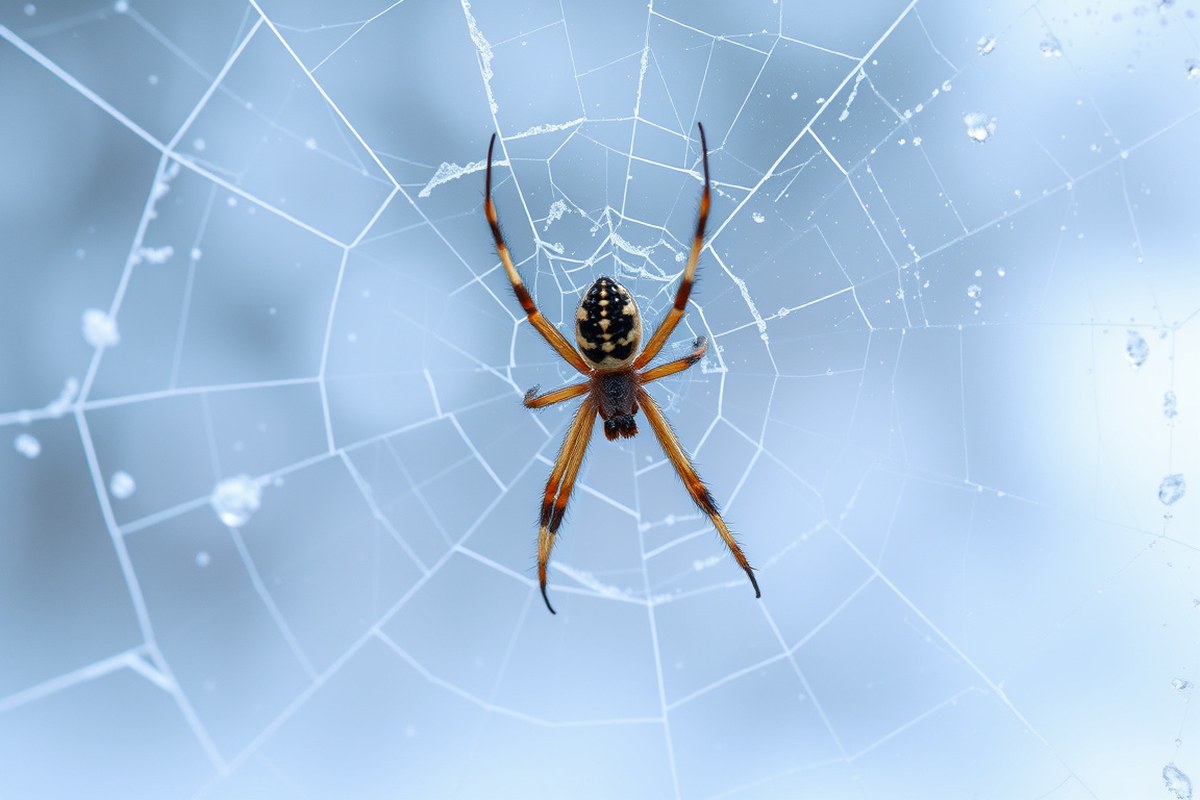
Pests do remain a concern during winter because many species change their behavior to survive the cold rather than disappear entirely. Most insects and rodents reduce activity or go into a dormant state outside, but some seek shelter indoors where temperatures stay higher. This shift means pests can continue to cause problems in homes during cold months.
Cold temperatures slow down or stop the normal activity of many pests by lowering their metabolic rates. Insects like mosquitoes and flies become inactive or die off above ground but survive in protected places such as under leaf litter, inside firewood piles, or within cracks in building foundations. Rodents, meanwhile, stay active in warmer indoor spaces, looking for food and nesting areas.
Certain pests overwinter inside homes, finding warmth and food sources to stay alive. Common examples include cockroaches, spiders, ants, and some species of mice and rats. These pests exploit gaps around windows, doors, and foundations to enter buildings. Once inside, they hide in wall voids, basements, attics, or behind appliances where temperatures remain relatively stable.
This behavior matters because pests inside your home during winter can cause damage, contaminate food, and create unsanitary conditions. You might not notice pests waiting out the season until they become more active in spring, but signs like droppings, gnaw marks, or smears may appear during winter. Addressing pest entry points before temperatures drop reduces the risk of infestations.
Keeping your home sealed against drafts and using screens on vents and chimneys helps limit pest access, reducing how many can overwinter indoors. Regular inspections in the fall and early winter can identify vulnerabilities like cracks, gaps, or damaged weather stripping that invite pests inside. Repairing these is a cost-effective step to lower pest survival rates through winter.
The extent of pest activity in winter varies by region and home type. In colder northern areas, more pests stay dormant outdoors or die off, while milder climates allow a higher number of pests to remain active indoors. Older homes with poor insulation and many entry points also face greater risk. Understanding your local conditions helps tailor pest control efforts effectively during the cold season.
Which Pests Are Most Common and Problematic in Winter?

Common pests during winter include rodents, certain insects, and wildlife that seek shelter and warmth indoors. These pests often enter homes through small cracks, gaps around doors and windows, and openings where utility lines and pipes enter. Regional climate affects which pests are most active or problematic during winter months.
Rodents: Mice and Rats
Mice and rats remain active in winter because they need warmth and food. They often enter homes through narrow gaps as small as a quarter-inch wide, holes around plumbing, or vents near the foundation. Once inside, they shelter in walls, attics, basements, or storage areas.
Rodents gnaw on wiring, insulation, and stored items, which can cause electrical hazards and property damage. They also contaminate food and surfaces with urine and droppings, posing health risks. Seal cracks and openings with steel wool and caulking. Place traps along walls where rodents travel, especially near suspected entry points.
Insects: Spiders, Cockroaches, and Ants
Indoor insects like spiders, cockroaches, and ants stay active in winter, especially if your home provides warmth and moisture. They often enter inside through cracks around doors, windows, and foundation gaps. Basements and crawl spaces with moisture problems are common harboring places.
Spiders hunt smaller insects indoors and prefer undisturbed corners or attics. Cockroaches seek water sources, so leaks or condensation increase their risks. Ants may forage indoors for food and establish small colonies inside walls or floor voids. Reducing clutter and fixing leaks helps limit their survival.
Other Pests: Wildlife and Stored Product Pests
Wildlife such as squirrels, bats, and raccoons sometimes move indoors during colder months. They enter through roof vents, chimney openings, attic vents, or damaged siding. Wildlife can cause noisy disturbances, damage insulation, and leave droppings with potential diseases.
Stored product pests like grain moths or beetles infest food kept in pantries. These pests enter via contaminated groceries or cracks in pantry shelves. Keep food sealed in airtight containers and regularly inspect stored items to catch infestations early.
| Winter Pest | Common Entry Points | Preferred Habitat Indoors |
|---|---|---|
| Mice and Rats | Cracks in foundation, utility line gaps, vents | Walls, attics, basements |
| Spiders | Window and door cracks, attic vents | Undisturbed corners, attics |
| Cockroaches | Cracks near water sources, foundation gaps | Kitchens, bathrooms, basements |
| Ants | Doorways, cracks in foundation | Inside walls, near food sources |
| Wildlife (Squirrels, Bats) | Chimneys, roof vents, damaged siding | Attics, crawl spaces |
| Stored Product Pests (Moths, Beetles) | Groceries, pantry cracks | Pantries, food storage areas |
These pests seek warmth and shelter in different parts of the home based on their biological needs. Addressing entry points specific to each pest limits their winter presence. Local climate influences the variety of pests you may face; colder northern regions see more rodents and spiders indoors, while milder southern areas can also have active cockroaches and ants.
Check all gaps wider than 1/4 inch around your home’s exterior for rodent entry and seal them before cold weather hits to reduce infestations.
Is Winter Pest Control Effective and When Is It Necessary?
Winter pest control can still be effective, especially in homes where pests seek shelter from the cold. Scheduling treatments during this season helps address existing infestations before spring increases pest activity again. Costs usually differ compared to warmer months but depend on treatment complexity and pest type.
Timing and Treatment Effectiveness
Pest control remains effective in winter because many pests try to survive indoors where temperatures are warmer. Services scheduled during late fall or early winter help target pests as they migrate inside. Treatments applied too late in winter risk missing some pests that are still dormant outdoors, so timing around when pests actively seek shelter matters.
The treatment’s success depends on knowing which pests are present and their behavior in cold weather. For example, rodents and cockroaches remain active indoors, so pesticides or baiting can work well year-round. Treatments focused on outdoor pests like mosquitoes make little sense in winter when these insects are inactive.
Regular monitoring helps determine the right moment for treatment. Pest control companies often recommend a winter inspection so they can customize approaches. This prevents unnecessary chemical use and targets the problem efficiently.
Seasonal Cost Differences
Winter pest control costs can be lower or higher depending on service demand and pest type. Many companies lower prices in the off-season due to reduced call volume, which benefits customers scheduling ahead. However, treatments requiring specialized cold-weather chemicals or more labor, such as rodent exclusion repairs, can increase costs.
Comparing costs across seasons also depends on pest pressure. You’re likely to pay less for simple indoor treatments in winter than broad outdoor spraying in summer. On average, routine pest control services run between $100 and $300 per treatment, but winter rates can vary 10% to 20% lower in some markets.
For annual contracts, winter treatments are included and priced alongside warmer months, which spreads the cost evenly. One-off winter treatments might cost more per visit if companies prioritize summer traffic. Calling in offseason can be a strategy to negotiate better rates.
Chemical and Method Adjustments for Winter
Winter pest control often requires adjusting chemicals and techniques to match lower temperatures indoors and outdoors. Many standard insecticides lose effectiveness or break down faster in cold conditions, so professionals use formulations stable at lower temperatures or target sheltered indoor spaces.
Rodent control tends to focus more on bait traps inside buildings rather than outdoor poisons frozen by cold. For insects like spiders or cockroaches, dust formulations or gel baits work better during winter since sprays may not spread as well on cold surfaces. Technicians also seal entry points more aggressively during winter to prevent reentry.
Homeowners should expect that winter treatments might involve more inspection and physical exclusion work rather than just spraying. This is because pests rely on cracks and warmth inside, so blocking these access points delivers better long-term control than relying solely on chemicals, which might have reduced residual effects in cold weather.
Signs and Inspection Tips for Winter Pest Infestations
Detecting winter pest infestations requires close attention to specific signs and a careful inspection strategy tailored to colder weather conditions. You will need to look for physical evidence of pests, unusual noises, and damage that can occur even during winter’s chill. Regularly scheduled inspections will help catch infestations early, saving money and preventing extensive damage.
Common Winter Pest Signs
Pests tend to seek shelter inside homes during winter, leaving behind unique indicators you can watch for. Look for droppings in hidden spots like baseboards or behind appliances; these can vary from tiny pellets to larger feces depending on the pest. You may notice greasy rub marks along walls where rodents travel, or short chew marks on wiring and wood.
Other signs include unusual sounds such as scratching or scurrying inside walls or ceilings, especially at night. Pest odors may develop from urine or decaying food sources indoors during long periods without outdoor access. Sometimes bundles of nesting materials like shredded paper or fabric appear tucked in corners or voids.
- Rodent droppings and urine stains
- Greasy smudge marks on walls or corners
- Chewed wires, insulation, or wooden surfaces
- Unusual indoor odors or musty smells
- Scratching, squeaking, or rustling sounds inside walls
- Visible nests made of shredded paper, fabric, or dried leaves
- Tracks or footprints on dusty surfaces or near entry points
Not all signs are obvious; minor droppings or faint noises might be missed without careful inspection. Late winter signs can also look like spring activity, so tracking changes week to week can help confirm ongoing pest presence.
Inspection Areas to Focus On
Start inspecting at common pest entry points such as gaps around foundation cracks, door thresholds, windows, attic vents, and where utility lines enter your home. These spots often have openings smaller than a quarter inch that pests exploit to gain warmth and shelter. Seal any identified cracks to stop further invasion.
Check less obvious areas where warmth builds up: behind kitchen appliances, beneath sinks, inside cabinets, and near heating equipment. Attics and basements often harbor nesting pests in winter due to stable temperatures. Look inside wall voids or ceiling cavities where noises or odors originate.
Use a bright flashlight to illuminate dark spaces and a mirror on an extendable pole can reveal hard-to-see spots. Wear gloves and a mask when handling insulation or disturbing potential nests to protect against allergens or disease agents.
- Ground level gaps around foundation and exterior walls
- Under doors, window frames, and attic vents
- Behind large appliances and inside kitchen or laundry cabinets
- Basement corners and crawl spaces
- Near heating units, water heaters, and furnaces
- Inside wall voids and ceiling cavities (use a flashlight and mirror)
- Behind stored boxes, fabric, and insulation
Homeowners with older or wooden homes should prioritize attic and crawl space inspections due to pest attraction to wood and warmth. For apartments, it may help to inspect common utility closets and report findings promptly to management.
Frequency and Timing of Inspections
You should conduct a thorough winter pest inspection at least once every six weeks during the coldest months. This schedule helps detect infestations early before they become costly or harder to treat. Areas near known pest activity or previous infestations may require monthly checks.
Conduct inspections during daylight when you can see evidence more clearly, and try to perform them when outdoor temperatures rise above freezing if possible. Warmer winter days increase pest movement, offering better opportunities to observe signs. Avoid inspections during heavy snow or severe cold spells when access and visibility may be limited.
Engage a professional pest inspector if you find repeated signs or can’t locate the source. Hiring a licensed technician once or twice in winter can provide a more thorough inspection using specialized tools like moisture meters or probes into wall cavities.
- Inspect once every six weeks during winter months
- Increase frequency to monthly if near known pest problem areas
- Perform inspections during daylight and on warmer winter days
- Avoid inspections in heavy snow or extreme cold
- Schedule professional inspections at least once during winter
Regular inspections combined with sealing entry points reduce the chances of a serious pest winter infestation. Delayed inspections can result in hidden colonies that multiply unnoticed until spring, complicating control efforts.
Preventive Measures to Keep Pests Out During Winter
Taking preventive steps to keep pests out during winter mainly involves sealing entry points, managing moisture, and performing regular maintenance on your home. These actions reduce the places where pests can enter, find shelter, and thrive despite cold temperatures.
Sealing Entry Points and Insulation
Sealing cracks, gaps, and holes in your home’s exterior is essential because pests look for warm shelters during winter. Start by carefully inspecting around windows, doors, utility penetrations, vents, and the foundation. Use weatherstripping or silicone caulk around windows and door frames to close small gaps. For larger holes or cracks, expanding foam insulation or steel wool combined with caulk works well, especially around pipes or cables.
Improving insulation also helps prevent cold drafts that attract pests into sheltered areas like attics or basements. Adding insulation in unfinished areas or sealing attic hatches reduces temperature fluctuations, making those spots less hospitable to rodents and insects.
- Use silicone caulk to seal gaps under 1/4 inch wide
- Apply expanding foam to cracks larger than 1/4 inch
- Install door sweeps to close gaps under exterior doors
- Seal vents and openings around plumbing with mesh or steel wool
- Check weather-stripping on doors and replace worn sections
- Add insulation to attic, crawlspace, and basement as needed
Good sealing can reduce pest entry noticeably within a few days of completing the work. However, missing or poorly sealed spots can let pests continue to enter. Inspect your work twice before finishing.
Managing Moisture and Indoor Climate
Moisture creates inviting conditions for pests like cockroaches, silverfish, and rodents during winter. Fix leaking pipes, faucets, and sump pumps promptly to remove water sources. Using a dehumidifier helps keep indoor relative humidity below 50%, which limits pest survival.
Indoor heating also affects pest activity. Well-heated spaces warm walls and floors, encouraging pests to move indoors. Maintain steady, moderate indoor temperatures and avoid unused heated rooms that provide quiet pest refuges.
- Repair leaks immediately in plumbing and roof
- Use exhaust fans or open windows occasionally to reduce humidity
- Run dehumidifiers in basements or crawlspaces
- Keep firewood, mulch, and debris away from foundation
- Store food in airtight containers to avoid attracting pests
Reducing moisture and controlling indoor climate can limit pest activity but will not prevent entry by itself. Combine these steps with sealing and maintenance for better results.
Regular Home Maintenance Tasks
Consistent home upkeep throughout winter makes a big difference in preventing pest infestations. Clean gutters and downspouts regularly to prevent water damage and insect breeding spots. Trim tree branches and shrubs away from the house to stop pests from using them as highways.
Inspect and clean areas where debris accumulates, such as basements, attics, and storage rooms. Remove clutter because it provides hiding places for pests. Check window and door screens for tears or holes and repair them promptly.
- Clear leaves and debris from gutters at least twice per winter
- Trim vegetation to keep at least 12 inches clearance from siding
- Declutter storage spaces quarterly during the season
- Replace damaged or worn screens on doors and windows
- Store firewood at least 20 feet from the house and 18 inches off the ground
Regular maintenance cuts pest shelter and entry opportunities; neglecting small chores can allow infestations to develop undetected.
When to Use DIY Pest Control and When to Call a Professional
DIY pest control in winter is often effective for preventing small issues and maintaining barriers against common pests, but professional help becomes necessary when infestations are severe or persistent. Homeowners can handle routine inspections and seal entry points, but treatments requiring specialized chemicals or equipment should be left to licensed professionals. Deciding between DIY and professional service depends on infestation signs, pest type, and home conditions.
Effective DIY Pest Prevention Options
You can manage basic winter pest prevention by sealing cracks and gaps around windows, doors, and foundation with latex or silicone caulk. This stops rodents and insects from entering warmed areas inside your home. Regularly clearing debris and firewood from close proximity to your foundation helps reduce pest harborage. Remove stored food remnants and keep kitchen areas clean to avoid attracting rodents and cockroaches.
Inspection is a key DIY step. Check attics, basements, and crawl spaces for droppings, nests, or gnaw marks, especially around heating vents and water pipes where pests seek warmth. Use a flashlight and wear gloves. Set sticky traps in areas where pest activity is suspected; these help you monitor pest presence and identify the species without using chemicals.
Do-it-yourself pest control in winter also involves limited use of store-bought rodent baits or ant-killing gels in areas inaccessible to children and pets. Follow product instructions carefully, as misuse can cause hazards or fail to control pests. You’ll need to reapply treatments according to label directions, typically every few weeks, since cold temperatures slow pesticide effectiveness.
Signs Indicating Professional Help Is Needed
Call a pest control professional if you see visible nests inside walls, hear frequent scratching noises that signal rodents, or find droppings in large quantities. Persistent pest sightings despite your attempts at prevention likely mean the infestation is beyond DIY control. Structural damage to insulation, wiring, or wood caused by pests is another reason to engage an expert because repairs and treatments may be needed simultaneously.
Use professional services if your home faces pests that are difficult to eradicate, such as carpenter ants, termites, or bed bugs. These pests require targeted treatments that involve specialized knowledge and often commercial-grade pesticides or heat treatments that you can’t safely apply. Professionals also provide inspection reports and follow-up visits to ensure full eradication during winter months when pest activity is lower but still possible indoors.
Consider professional pest control if local climate causes heavy pest pressure in your area or if your home has complex structures like older builds or large basements. Quit wasting time and products if repeat attempts do not reduce pest numbers within 2 to 4 weeks. The cost of professional winter pest control varies by region but usually ranges from $150 to $400 for an initial visit, with ongoing maintenance plans available.
Recommended Winter Pest Control Products
For DIY winter pest control, choose products labeled for indoor use and low temperatures. Rodent bait stations with tamper-resistant features help control mice and rats but must be placed where pets and children cannot access them. Ant gels and baits remain effective inside homes during winter if applied near baseboards and entry points.
Sealants such as silicone or latex caulks are inexpensive preventive tools costing under $10 per tube at hardware stores. Aerosol insecticides labeled for cracks and crevices can temporarily reduce insect activity but should be used sparingly and following all safety precautions. Avoid broad-spray insecticides indoors as these may disperse toxins unnecessarily and provide only short-term relief.
Professionals use products not available to the public, like perimeter barrier sprays that repel pests outdoors but remain effective in cold weather. These chemicals require training to apply properly and avoid damage to plants or pets. Professional winter treatments often include integrated pest management (IPM) combining chemical, physical, and environmental controls tailored to your home.
Common Mistakes Homeowners Make with Winter Pest Control
Homeowners often underestimate winter pest problems by assuming cold weather stops all pests. This mistake allows insects and rodents to settle inside homes, leading to larger infestations in spring. Ignoring these pests can cause costly damage to insulation, wiring, and stored food supplies. Treating winter pests early reduces the risk and cost of damage later.
Many try to treat winter pests with summer strategies, which don’t work well. For example, applying outdoor insecticides heavily in winter wastes money because pests are mainly inside. Instead, focus on sealing entry points like cracks around doors and windows, and use indoor treatments designed for low temperatures. Pest control products often specify temperature ranges for safe and effective use, so check labels carefully.
Another frequent error is overusing chemicals inside the home without following safety guidelines. This can expose family members and pets to harmful residues. Applying baits and traps in targeted areas, such as basements, crawl spaces, and attics, minimizes risks. Remove clutter to reduce hiding places and improve treatment effectiveness.
- Failing to inspect hidden spots where pests enter or nest during winter
- Skipping inspections due to low pest activity in cold months
- Using outdoor sprays indoors or under improper temperature conditions
- Applying DIY treatments without reading product instructions on winter use
- Neglecting to seal cracks, vents, and gaps that allow pest entry
- Ignoring signs of rodent activity such as droppings or chewing
- Waiting too long to address infestations until spring when pests multiply
Regular inspections during winter, about every 1 to 2 months, help detect early infestation signs. Look under sinks, around heating ducts, and near stored items. Use a flashlight to spot rodent droppings, insect carcasses, or webs. Sealing holes larger than 1/4 inch with steel wool or foam prevents pest entry. This simple step costs under $20 in materials and avoids expensive exterminations later.
For chemical treatments, apply only in targeted areas with products rated for indoor use during low temperatures, usually above 40°F. If your thermostat keeps the house warmer, treatments are more effective. Foggers and full-room sprays are often less effective and more hazardous in winter. Pests hide deep inside walls or insulation, so traps and baits placed near entry points and nesting sites work better.
Ignoring winter pests can lead to exponential population growth in spring. Rodents reproduce quickly in warm homes, and insect colonies expand once outside temperatures rise. Addressing winter pests with proper inspections, entry sealing, and temperatures-appropriate treatments reduces the total pest burden and the need for costly emergency service calls in warmer months.
How Regional Climate and Home Type Affect Winter Pest Control Needs
Pest control needs during winter change significantly depending on your region’s climate and the type of home you live in. Colder regions face different pest behaviors than milder ones, and homes such as single-family houses and apartments require tailored strategies to address common entry points and habitats.
Cold vs. Mild Winter Climate Challenges
Areas with cold winters generally see fewer outdoor pests during the season because low temperatures limit pest activity and reproduction. Indoors becomes the main trouble spot, as pests seek warmth, food, and shelter within homes. In contrast, mild winter regions may experience pests active year-round or using milder conditions to breed more continuously, demanding ongoing control efforts.
In cold climates, seal gaps in foundations and windows to prevent rodents and insects from entering, focusing on heating system cavities and attics where warmth collects. Hiring pest control professionals to apply residual insecticides inside targeted areas can reduce overwintering pests effectively. Mild climate residents need more frequent inspections and treatments, especially around the building’s exterior and landscaping where pests remain active.
Single-Family Homes vs. Apartments
Single-family homes often have more exterior surfaces and yards where pests can hide or enter, creating multiple points of access for pests like rodents or spiders seeking winter shelter. Regular perimeter treatments on the foundation and removal of debris or firewood stacked near the house are key steps. Blocking entry points around plumbing penetrations and installing door sweeps also help stop pests from getting indoors.
Apartments usually have fewer exterior access points per unit but may share building-wide pest issues such as cockroaches or rodents traveling through walls and shared spaces. In these cases, pest control needs coordination with property management to address the entire building, such as applying baits in common areas and sealing gaps between units. Tenants should report sightings promptly since pests can spread quickly in multiunit buildings.
Urban vs. Rural Pest Control Considerations
Urban homes typically face problems from pests like cockroaches, rats, and mice that thrive near human dwellings and food waste. Winter pest control strategies focus on sanitation, waste management, and professional baiting programs because pest pressure remains high inside heated buildings. Large-scale treatments and regular inspections in basements or shared infrastructure reduce risks significantly.
Rural homes encounter a broader variety of pests including wildlife like raccoons or squirrels, which enter attics or sheds. Pest control here requires securing property perimeter fences, installing chimney caps, and trimming vegetation to lower pest entry chances. Applying rodent-proof barriers around feed storage or barns also minimizes pest-attracting conditions. Winter control in rural areas often involves more physical exclusion methods alongside chemical treatments.
| Type of Pizza | Small | Medium | Large | Family |
|---|---|---|---|---|
| The Everything (Special Pizza) | N/A | N/A | 649 | 1189 |
| Four Flavour (Mix of four types) | 325 | 425 | 615 | 1095 |
| Tender Beef (Mashed Beef and Pepperoni) | 275 | 395 | 555 | 925 |
| Deep Sea Fantasy (Deshi Tuna Bhorta, Salt Water S) | 295 | 415 | 605 | 1015 |
Though unrelated to pest control outcomes, the table above models different sizes and prices across a product variety. Similarly, pest control varies widely based on region, home size, and pest pressure. Budgeting pest control in winter should reflect these differences, with more extensive treatments costing more yet providing better protection suited to your home’s needs.
Make sure to address the entire building or property, not just your unit or house, especially in apartments or rural settings, to prevent re-infestations during winter.
Winter Pest Control: Step-by-Step Action Plan
Winter pest control can be necessary depending on your home’s vulnerabilities and regional climate. This plan helps you decide when to act, how to inspect, and what preventive or treatment steps to take.
- Day 1: Inspect Your Home Thoroughly, Check common entry points like gaps around windows, door frames, roof eaves, and basement cracks. Look for pest signs such as droppings, gnaw marks, or nests in corners and behind furniture. Clear evidence means immediate action is needed.
- Day 2: Seal Entry Points, Use weather-resistant caulk or foam to seal openings larger than 1/8 inch where pests can enter. Prioritize sealing cracks near heat sources since pests seek warmth. Proper sealing reduces indoor pest invasions during freezing weather.
- Week 1: Implement Moisture Control, Fix leaking pipes, improve drainage, and use dehumidifiers in damp areas like basements. Moist environments attract pests like spiders and cockroaches even in winter. Lower humidity below 50% to discourage them.
- Week 2: Set Traps or Use Baits as Needed, For common indoor winter pests such as rodents or silverfish, place snap traps or gel baits in areas with visible signs. Monitor bait stations daily to assess activity reduction. Reduced catches in 7, 10 days indicate effective control.
- Week 3: Perform a Follow-Up Inspection, Re-check previously identified entry points and pest hotspots after sealing and baiting. Lack of fresh droppings or signs means your initial steps worked. If pests persist, consider professional help for targeted treatment.
- Week 4: Maintain Preventive Measures, Keep vegetation and firewood stored at least 20 feet away from your home. Regularly clean gutters and remove debris that provide shelter. These habits reduce shelter and food sources, limiting future infestations.
- Month 2 and Beyond: Monitor and Adjust, Continue seasonal inspections every 4 to 6 weeks, especially during warmer winter days when pests become more active. Adjust traps, reseal new gaps, and repair maintenance issues promptly to prevent resurgence.
- Anytime: Call a Licensed Pest Professional When Needed, Choose professionals if you notice large infestations, damage to insulation or wiring, or if DIY measures don’t reduce pest activity within two weeks. Professionals can apply treatments safe for winter conditions and your home’s structure.
Frequently Asked Questions
Can Sealing Cracks and Gaps Prevent Winter Pests Effectively?
Yes, sealing cracks and gaps keeps pests like rodents and spiders out by removing entry points. Use caulk or weather-stripping around windows and doors, paying close attention to areas near pipes and vents where pests often enter.
Does Humidity Control Affect Pest Presence During Winter?
Lowering indoor humidity reduces pests like silverfish and termites that thrive in damp conditions. Use dehumidifiers in basements or crawl spaces to keep moisture below 50%, making your home less hospitable for these pests.
Is Routine Winter Pest Inspection Necessary for All Homeowners?
Routine inspections help find hidden infestations early, especially in older homes or regions with mild winters. Checking attics, basements, and crawl spaces every 3 to 6 months can prevent costly infestations before spring.
Do Heating Systems Impact Pest Activity Inside Homes?
Heating systems can dry out some areas but create warm spots near ducts where pests seek shelter. Inspect around furnace vents and ductwork to detect and manage pest hiding places during winter.
Can Outdoor Pest Control Prevent Indoor Winter Infestations?
Treating outdoor pest habitats like mulch beds or wood piles in late fall reduces pests migrating indoors seeking warmth. Use perimeter sprays or remove pest-attracting debris to limit insect and rodent access to your home during cold months.
Are Pets at Higher Risk of Flea and Tick Infestations in Winter?
Flea and tick risks drop but don’t disappear in winter as indoor pets can still harbor pests. Treat your pets with year-round preventatives and check them regularly to avoid infestations inside your heated home.
Wrapping Up
Winter pest control is necessary when you see signs like droppings, damaged insulation, or unusual noises in walls, since many pests seek warmth indoors as temperatures drop. You can start by sealing gaps larger than 1/4 inch around windows, doors, and foundations today to block entry points, as even small openings allow rodents and insects inside. Keeping wood piles at least 20 feet from your home also reduces shelter for pests looking to move indoors. These actions help reduce the chance you’ll need costly professional intervention later during colder months.