
Is Quarterly Pest Control Worth It? A Complete Guide to Cost and Benefits
Quarterly pest control means having treatments every three months, four times a year. It typically balances cost and protection, making it a practical choice for many homeowners who want to prevent infestations without monthly visits. Is quarterly pest control worth it depends on factors like your property’s risk level and the types of pests you face, but it often provides effective prevention when scheduled and customized well.
This guide targets homeowners and property managers deciding how often to schedule pest control. You will learn what quarterly treatment involves, when it works best, how seasonal changes affect it, and what costs to expect compared to monthly or annual plans. The article also covers safety around pets and children and how to avoid common pitfalls, helping you choose a plan that fits your property’s needs and budget.
Key Takeaways
- Quarterly pest control means scheduling treatments every three months, aligning with seasonal pest activity for better prevention and control.
- Pests like ants, spiders, mosquitoes, and termites respond well to quarterly treatments due to their life cycles and seasonal surges.
- Quarterly plans typically cost more than annual ones but offer more consistent protection and fewer infestations over time.
- Homes in high-risk areas or with prior pest issues benefit more from quarterly control than low-risk properties with minimal exposure.
- Seasonal changes affect pest populations; scheduling treatments in early spring, summer, fall, and winter optimizes effectiveness.
- Quarterly pest control primarily prevents infestations but may require additional treatments if an active infestation occurs between visits.
Is Quarterly Pest Control Worth It Compared to Other Frequencies?
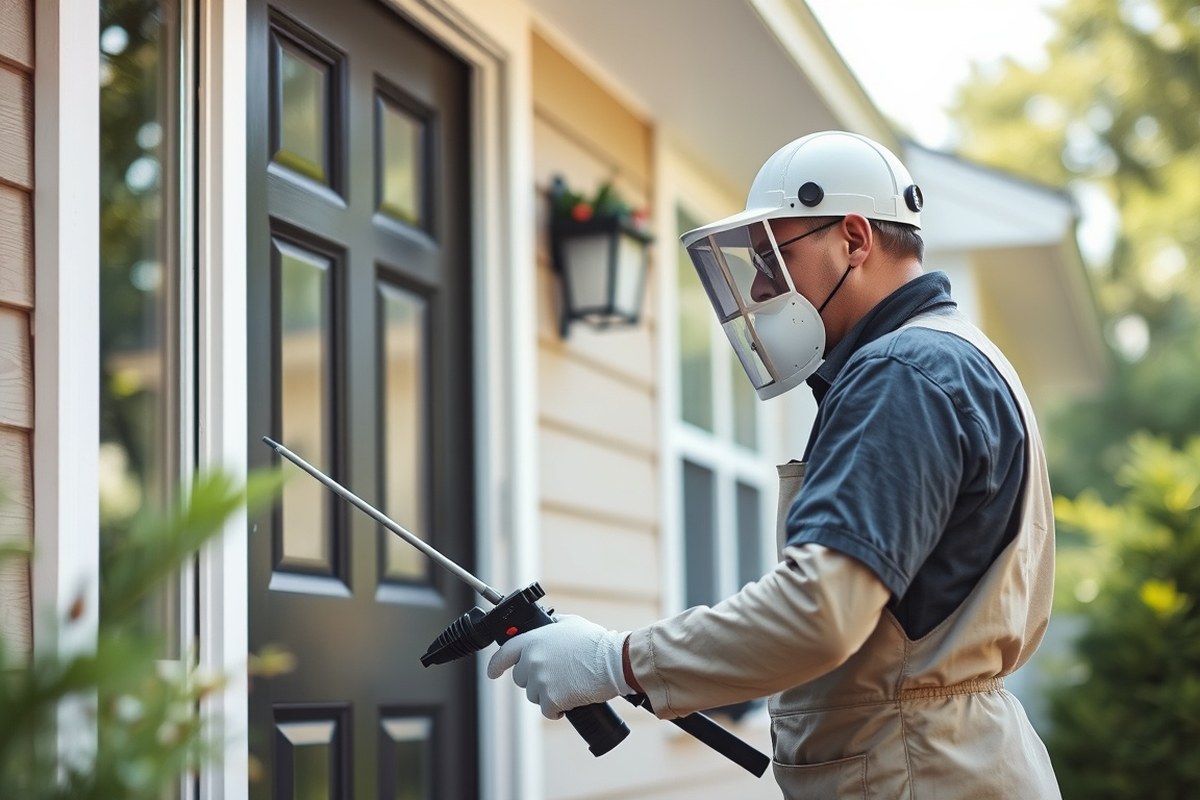
Quarterly pest control strikes a balance between cost-efficiency and effective pest management for many homeowners. It typically costs less than monthly plans because you only pay four times a year, which can reduce your annual spending by up to two-thirds compared to monthly services. This schedule provides regular monitoring and treatment intervals, helping maintain pest control without the high frequency that monthly treatments require.
Compared to annual or semi-annual plans, quarterly pest control offers more consistent protection. An annual treatment may not cover pest activity that spikes in different seasons, risking infestations between visits. Semi-annual plans reduce this risk somewhat, but gaps of six months can still let pests establish themselves if conditions are favorable. Four treatments a year ensure you address pest problems before they grow big and costly, especially in regions with moderate to high pest pressure.
The main drawback of quarterly service is it may not be frequent enough for homes with severe infestations or those located in areas prone to fast-spreading pests like termites or bed bugs. In those cases, monthly treatments provide quicker response and tighter control, albeit at a higher cost. Conversely, homes in low-risk zones might not need quarterly visits at all and can save money by opting for annual or seasonal treatments.
Quarterly pest control also lets you track the effectiveness of treatments better than annual services. Every three months, technicians can inspect the property, catch new infestations early, and adjust treatment plans. This timely feedback loop helps prevent pest resistance to chemicals and allows you to invest in targeted solutions rather than broad, heavy applications.
Cost-wise, you should compare what each plan includes. Quarterly treatments often combine preventive barrier sprays with follow-up inspections, which is more complete than a single yearly spray. Monthly plans may add costs for repeated applications or treatments for multiple pest types. Annual plans are cheapest upfront but can lead to higher costs later if pests return and require emergency treatments.
Deciding if quarterly pest control is worth it depends on your pest risks, budget, and tolerance for occasional pest activity. For moderate-risk homes with seasonal pest issues, quarterly offers a good mix of protection and value. You can schedule treatments every three months and request extra services as needed during peak pest seasons. Homeowners in low-risk areas might test annual services first and upgrade if pests return, while those in high-risk environments should consider monthly plans to avoid damage or health hazards.
What Does Quarterly Pest Control Mean and When Are Treatments Scheduled?

Quarterly pest control involves scheduling four treatments per year, spaced evenly every three months. This schedule divides the year into four periods known as quarters: Q1 through Q4, each spanning three months. Understanding this timing helps you plan treatments that maintain consistent pest protection as seasons change.
Definition of Quarterly as Four Treatments per Year
Quarterly pest control means treatments occur four times a year, once during each quarter. A quarter represents a three-month segment of the year, so treatments happen every three months rather than every two or six months. This frequency balances ongoing pest management without over-application of chemicals or gaps in protection.
Scheduling treatments quarterly allows pest controllers to address common activity peaks and vulnerabilities that pests exploit across different seasons. Spreading four visits evenly ensures pests are targeted before infestations can take hold or reestablish. It’s important you confirm the exact timing with your service provider since sometimes minor schedule shifts occur to fit your property’s pest risks and local climate conditions.
Typical Months Included in Each Quarter (Q1 to Q4)
The year is divided into four quarters, each covering three months: Q1 includes January, February, and March; Q2 covers April, May, and June; Q3 spans July, August, and September; and Q4 comprises October, November, and December. Pest control treatments generally occur at the start or middle of each quarter to maximize cover across those three months.
For example, a quarterly plan might schedule visits in early February for Q1, early May for Q2, early August for Q3, and early November for Q4. These months correspond with key seasonal transitions that influence pest behavior. This approach allows your pest control provider to apply treatments regularly enough to prevent problem buildup over time.
How Scheduling Aligns with Pest Activity Seasons
Quarterly pest control timing is aligned with common pest life cycles and activity patterns for your region. Early year treatments in Q1 prepare your property before warm-weather pests increase, while Q2 and Q3 visits target peak insect and rodent activity in spring and summer. The Q4 treatment helps close gaps going into colder months and reduces overwintering pest populations.
This scheduling approach works best in moderate climates where pests are active throughout much of the year. In very cold or hot regions, quarterly timing may shift slightly to concentrate treatments during the most active pest months. You can ask your pest control professional to adjust quarterly visits based on the pests most likely to affect your property and the local environment.
Schedule quarterly treatments at the start of each quarter to ensure coverage during changing pest activity; avoid delaying visits beyond the three-month mark to prevent gaps in protection.
Which Pests Are Best Controlled by Quarterly Pest Control?
Indoor Pests Managed Quarterly
Quarterly pest control is effective for many indoor pests that establish slow but steady populations. Common targets include ants, spiders, cockroaches, and occasional rodent incursions. Quarterly treatments disrupt pest breeding cycles by breaking the progression every three months, reducing the chance of a full infestation inside your home.
Ant colonies, for example, take time to expand, so quarterly baiting and barrier sprays keep populations manageable while limiting pesticide exposure inside. Spiders respond well to quarterly treatments that remove webs and reduce insect prey. Cockroach eggs hatch and mature over several weeks, making quarterly monitoring and treatment enough to limit their numbers if done consistently.
For rodents, quarterly visits let technicians inspect entry points and set traps or place rodenticide bait stations as needed. Since rodents reproduce rapidly, the key is early detection combined with follow-up treatments spaced about 90 days apart to control new generations before they spread extensively indoors.
Common Outdoor Pests Targeted
Quarterly pest control fits many outdoor pest types, especially those active or breeding in warmer months. Mosquitoes, ticks, fleas, and certain beetles respond well to this treatment frequency since it covers most of their active season. The regular cycle reduces their population across the yard by interrupting breeding and larval development at convenient three-month intervals.
Termites can also be monitored and controlled on a quarterly basis, especially in regions where infestations develop gradually. Treatments include perimeter baiting or soil treatments designed to protect foundations. Regular quarterly visits allow technicians to detect termite activity early and maintain protective barriers.
Grubs and certain lawn pests benefit from quarterly treatments scheduled around their life cycles. For instance, applying grub control in spring and summer while inspecting for reinfestation in fall fits this frequency well. Quarterly schedules also help with pest prevention when combined with lawn and garden maintenance, reducing habitat for outdoor pests.
Exceptions Needing Different Treatment Schedules
Some pests require more frequent attention than quarterly treatments provide. For example, heavy infestations of fleas inside a home may need monthly treatments initially to break their lifecycle quickly. Likewise, rodents with established nests sometimes require weekly or biweekly follow-ups until populations drop.
Bed bugs often demand intensive treatment schedules with multiple visits spaced weeks apart rather than quarterly visits. This pest’s rapid spread and hiding behavior means quarterly intervals are too long between treatments to achieve effective control.
Certain agricultural pests and highly seasonal insects may call for fewer or more targeted treatments around peak activity times rather than a strict quarterly schedule. Tailoring treatment timing based on pest biology and infestation severity gives the best results rather than relying solely on routine four-times-a-year visits.
How Seasonal Variations Affect Quarterly Pest Control Effectiveness
Quarterly pest control effectiveness depends heavily on seasonal pest activity. Some quarters require more attention because pests become more active with warmer temperatures, while others see reduced activity when it is colder. Targeting treatments around these natural cycles maximizes control and saves cost by applying efforts when pests are most likely to thrive.
Spring and Summer Pest Surges
Spring and summer correspond to the first and second quarters in many regions, bringing rising temperatures that trigger pest reproduction and increased movement. Insects like ants, mosquitoes, ticks, and stinging wasps emerge in greater numbers seeking food and breeding sites. Treating properties during late spring allows timely suppression before peak pest populations develop, especially around foundations, eaves, and landscaping.
Summer heat also encourages rodents to seek cooler shelter inside buildings and nest in wall voids or attics. Quarterly visits in this period focus on reducing hiding spots and setting traps to interrupt breeding cycles. A decision rule for Q2 and Q3 treatments is to schedule visits shortly before pests typically appear – this might mean mid-April instead of late May depending on your local climate.
Fall and Winter Reduced Pest Activity
Fall and winter generally cover the third and fourth quarters, when lower temperatures limit pest activity and reproduction slows dramatically. Many insects enter dormancy, and rodents have often found stable winter shelter by then. Quarterly pest control can switch focus to identifying entry points and repairing structures to prevent cold-weather pest intrusion.
Although pest numbers drop, fall remains important for control because pests still try to invade indoor spaces. Winter treatments support long-term prevention rather than active elimination. The frequency can sometimes be reduced in mild climates, but skipping cold season visits risks missing dormant egg stages that hatch early spring. Applying quarterly treatments in fall keeps residual control agents active on surfaces to catch emerging pests.
Adjusting Schedules Based on Climate and Region
The timing and intensity of pest activity vary by region, so a fixed quarterly schedule may not fit all situations. For example, southern states with mild winters can see year-round pest presence, requiring more equally spaced treatments. Northern states may only require intensive treatment during two or three quarters when temperatures stay above 50°F consistently.
To adjust your schedule, track local temperature trends and pest emergence reports to set treatment months when pests start to become noticeable. A practical decision rule is to avoid scheduling treatments in quarters that fall fully within freezing temperatures, as pesticides lose effectiveness and many pests are inactive. Instead, group those treatments before or after the colder months to catch pest life cycles efficiently.
Property features also matter: homes with heavy vegetation or standing water near the foundation may need quarterly visits even in off-peak seasons. Spending money on treatments during low activity periods can be justified if it prevents early infestations or damage. In all cases, consulting with a local pest professional to understand specific pest and weather patterns helps create a tailored quarterly plan that fits your home’s needs and budget.
Typical Cost of Quarterly Pest Control and How It Compares to Other Plans
Quarterly pest control services usually cost between $100 and $300 per visit, depending on factors like property size and pest issues. This schedule tends to be less costly per treatment than monthly plans but more expensive than bi-annual or annual services. Comparing these options helps you pick the right frequency and budget for your pest control needs.
Average Costs for Quarterly, Monthly, Bi-Annual, Annual Plans
Typical pricing for pest control varies by how often treatments are scheduled. Monthly plans often run between $40 and $80 per visit, reflecting more frequent service. Quarterly plans commonly charge $100 to $300 per visit, aiming for balanced maintenance without monthly visits. Bi-annual services generally cost $150 to $400 per treatment, covering two visits per year. Annual plans range from $200 to $500 per session and usually focus on broad preventative treatment once a year. Here is an overview to compare these common schedules and price ranges:
| Plan Frequency | Average Cost per Visit | Visits per Year | Typical Annual Cost Range |
|---|---|---|---|
| Monthly | $40, $80 | 12 | $480, $960 |
| Quarterly | $100, $300 | 4 | $400, $1,200 |
| Bi-Annual | $150, $400 | 2 | $300, $800 |
| Annual | $200, $500 | 1 | $200, $500 |
The price per visit for quarterly service typically falls between monthly and bi-annual rates, reflecting moderate service frequency and thoroughness. Annual plans are cheapest overall but provide less ongoing protection.
Price Influences: Property Size, Pest Type, Region
Property size is one of the primary cost drivers for pest control. Larger homes or commercial properties need more product and extended labor, which pushes prices higher. For example, a 3,000-square-foot house often costs 25% more to treat quarterly than a 1,500-square-foot home. Region also affects costs. Pest control in the Northeast may cost more due to higher living expenses and specific pest challenges.
The type of pest problem also matters. Termite control or treatments for rodents usually cost more than standard ant or spider controls because they require specialized solutions and longer follow-up. Seasonal pest activity in certain areas may increase costs if more intensive treatment is needed during peak months.
Schedule an inspection before committing to a plan to get a precise quote based on your property size, pest type, and local conditions.
Worked Cost Example and Potential Infestation Savings
Consider a homeowner with a 2,000-square-foot property in the Midwest facing occasional ants and spiders. The quarterly service charges $150 per visit, leading to a $600 annual cost. In contrast, a monthly plan at $60 per visit would total $720 annually, while a bi-annual service at $350 per visit would cost $700 annually.
This homeowner pays less with quarterly service than monthly plans due to fewer visits, and services are more frequent than bi-annual plans, which could miss pest peaks. Quarterly visits also allow early detection and prevention, potentially avoiding large infestations that need costly treatments over $1,000.
For example, a reported carpenter ant infestation untreated for months can cause thousands in wood damage. Quarterly inspections and treatments interrupt breeding and foraging cycles, mitigating the chance of such damage. Skipping these steps often means paying more later for repairs and emergency pest control.
Is Quarterly Pest Control Necessary for Every Home or Only High-Risk Areas?
Quarterly pest control is not necessary for every home but suits properties facing ongoing pest pressures. Evaluate your home’s location, environment, and risk factors before committing because a three-month treatment schedule aligns best with persistent threats or areas prone to certain pests. This approach helps maintain prevention without overusing treatments where pests pose little regular threat.
Risk Factors for Requiring Quarterly Treatments
Homes near water sources, dense vegetation, or construction zones often see higher pest activity. The increased moisture and shelter present ideal conditions for insects and rodents year-round, which makes quarterly treatments beneficial to keep populations low consistently. Also, homes showing previous pest infestations or those with structural vulnerabilities such as cracks, poorly sealed windows, or external food sources should consider quarterly control. These factors allow pests to enter easily and find ample resources, so regular treatments reduce the chance of recurrent problems.
Residents with allergies or sensitivities to pest allergens may prefer this frequency to minimize exposure. Quarterly control offers ongoing barrier protection and mitigation, protecting health as well as property. Use a risk checklist: presence of previous infestations, landscaping type, known neighborhood pest problems, pet or child vulnerabilities, and structural aging. A simple scoring system (e.g., one point per risk factor) can help identify if quarterly service fits your situation, for example, three or more points suggest a stronger case for quarterly scheduling.
Evaluating Local Pest Prevalence
The incidence of pests differs by climate and region, affecting how often you’ll need treatments. Hot, humid climates tend to harbor more insects like termites, ants, and mosquitoes year-round, making quarterly pest control more justified there. Conversely, drier, cooler regions might have seasonal pest activity where quarterly might not be necessary outside peak months. Check with neighbors, local extension offices, or pest control professionals about common pests in your area and how often they appear.
Neighborhood type also matters. Areas with many older homes or woods adjacent to residential areas face improve risk from rodents and wood-destroying insects. Urban neighborhoods may only require treatments when pest levels grow because concrete structures reduce typical pest habitats. Confirm pest prevalence by observing signs like droppings, chewed materials, or consistent sightings. This local context guides whether quarterly visits maintain control or if less frequent service suffices.
Property Features Influencing Treatment Needs
Key property traits shape how often pests invade and thus how often treatment is useful. Properties with large yards, wood piles, or compost heaps create ongoing attractants that call for quarterly service to prevent pest buildup. Similarly, houses with pet food left outside or uncovered trash bins invite persistent pest activity. Inside, homes with basement moisture issues or clutter may harbor pests longer, benefiting from quarterly inspections and treatments to catch issues early.
Conversely, well-maintained homes with sealed entry points, effective drainage, and minimal outdoor pest amenities may only need treatments during peak pest seasons or in response to infestations. Quarterly schedules cost more over time, so weigh maintenance versus reactive treatments. Inspect your property, look for common pest harborage, and assess your lifestyle habits creating attractants. This step-by-step evaluation helps decide if quarterly service prevents problems or is an unnecessary expense.
How Quarterly Pest Control Works as Prevention Versus Active Infestation Treatment
Quarterly pest control mainly works as a preventative measure, designed to reduce the likelihood of infestations before they start. It can limit the growth of minor pest problems but is not usually enough alone to eliminate significant active infestations, which often require more immediate and intensive treatment.
Preventative Barrier Treatments
Quarterly pest control creates chemical or physical barriers around your property to keep pests out. These treatments are timed to break pest breeding cycles and reduce population growth by consistently targeting pests as they try to invade. The idea is to apply pesticides that remain active for several weeks, discouraging insects, rodents, and other pests from settling in. For example, treatments in spring, summer, fall, and winter each address pests common during those seasons.
This approach matters because pests often look for new food and shelter, and a fresh quarterly barrier can intercept them before they enter your home. The cost includes the pesticide and application labor every three months, which typically ranges from $100 to $300 per visit, varying by local pricing and the size of the property. These treatments focus on prevention to avoid the larger costs and inconvenience of a full infestation.
Addressing Existing Infestations with Quarterly Plans
Quarterly treatments can help reduce the severity of a mild, early-stage infestation by interrupting pest activity and reproduction. However, they generally do not provide the rapid knockdown or thorough elimination needed for more established problems. Active infestations often require multiple weekly treatments combined with targeted approaches such as baiting, trapping, or structural repairs that quarterly visits do not cover.
For example, if you notice a few ants or termites already inside, a quarterly schedule might slow their spread but won’t remove all colony members promptly. In these cases, technicians often recommend an initial intensive treatment plan that might last several weeks. After controlling the active infestation, switching to quarterly service maintains prevention to keep pests from coming back.
When to Upgrade Treatment Frequency
You should consider increasing the frequency of pest control visits if pest pressure is high or if a pest is difficult to control, like termites, bed bugs, or rodents. Monthly or bi-monthly services give technicians a chance to detect and respond quickly, especially if your property has known vulnerabilities such as structural damage or landscaping that attracts pests.
Also, climates with long warm seasons or high humidity often require more frequent treatments to address multiple pest cycles. For example, a property in Florida might need treatments every six to eight weeks instead of quarterly because pests reproduce faster there. Moving to shorter intervals usually raises costs but can prevent the expense and disruption of a serious infestation.
In situations where pests have become resistant to certain chemicals, treatment frequency and methods might both need adjustment. Communicating regularly with your pest control provider about what you see between visits can help decide the best schedule to keep pests under control without unnecessary applications.
Common Pitfalls in Quarterly Pest Control and How to Avoid Them
Common mistakes with quarterly pest control plans often reduce their effectiveness, leading to recurring pest problems or wasted expense. Missing scheduled treatments, poor communication with your provider, and sticking with a fixed plan despite changing pest risks are key issues that can undermine the benefits of regular service. Addressing these will help your quarterly pest control work as intended.
Skipping or Delaying Scheduled Treatments
Missing or postponing one or more quarterly treatments interrupts the pest control cycle, allowing pest populations to rebound or new infestations to establish. Quarterly plans rely on treatments every three months to break pest reproduction and migration patterns. When treatments fall out of sync, pests can multiply unchecked for weeks or months.
Delays often happen when homeowners underestimate the time between visits or prioritize other maintenance tasks. However, rescheduling beyond a week or two can defeat the seasonally timed nature of many treatments. Delays also complicate record keeping and might lead to unnecessary repeat treatments to catch up.
Stick to the schedule as closely as possible; mark treatment dates on your calendar and set reminders at least one week in advance.
Not Communicating Pest Changes to Provider
Failing to update your pest control company about new or worsening pest issues limits their ability to adjust treatments or add specific services. For example, an increase in flea activity after a particularly wet spring or spotting termites require prompt attention and possibly different chemicals or inspection routines.
Providers expect timely reports to fine-tune their approach. Tell them about unusual sightings, property renovations, changes in landscaping, or new pest hotspots inside or outside the home. Without this information, providers can only apply a standard treatment that might not fully address your current needs.
- Report new pests or increased pest activity immediately to your provider
- Inform about major landscaping changes that may create pest harborage
- Update them on home repairs that expose new entry points
- Notify if you notice pets or children complain about irritation, which could signal a pest issue
- Ask for an extra inspection if untreated concerns surface between quarterly visits
Transparent communication ensures your service provider tailors treatments effectively and prevents minor issues from escalating.
Failing to Customize Plan to Changing Pest Risk
Using the same quarterly pest control plan year after year without adjustments wastes money and risks inadequate protection. Pest pressure changes with season, weather, property condition, and neighborhood pest trends. For instance, heavy rains one year may favor mosquito breeding, requiring extra larvicide treatments. Dry years might reduce that risk but increase rodents seeking indoor shelter.
Review your service plan annually with the pest company. Ask them to explain which pests have been controlled well and if new threats have emerged. Adjust treatments by increasing visits during high-risk seasons, adding specific bait stations, or switching chemicals based on pest resistance and safety updates.
Customization might add some cost, but it prevents larger expenses from pest damage or infestation. It also improve treatment effectiveness because providers address your property’s unique conditions and evolving risks rather than applying a generic quarterly approach.
Safety Considerations: Are Quarterly Treatments Safe for Pets and Children?
Quarterly pest control treatments use chemicals that are generally safe for pets and children when applied correctly. The scheduling allows time between treatments for any residues to diminish, reducing exposure risk. Homeowners should follow specific preparation and post-treatment instructions to keep their family and pets safe.
Common Chemicals and Their Safety Profiles
Most quarterly pest control services rely on insecticides like pyrethroids and neonicotinoids, which have low toxicity to mammals at typical use levels. These chemicals break down relatively quickly when exposed to sunlight and air, limiting long-term residue in your home. However, improper application or overuse can increase risks, especially to sensitive individuals and pets.
Some treatments include bait stations or gels, which contain active ingredients like boric acid. These pose less risk because they are confined to small, inaccessible areas. Homeowners should confirm with their provider what chemicals are used and request manufacturer safety data sheets if they have concerns. Licensed applicators follow state guidelines designed to balance effectiveness and safety.
Scheduling Treatments Around Family Presence
Quarterly plans allow you to time treatments when your family and pets can be away from the treated areas, minimizing exposure. For example, scheduling service during a weekend trip or an overnight stay lets chemicals dry or settle fully before everyone returns. You should vacate the treated rooms for at least two to four hours after application, depending on the product, and ventilate spaces well.
Pets are more sensitive to residues on floors and carpets, so it’s useful to prevent them from accessing treated areas until the operator confirms it’s safe. In homes with infants or individuals with respiratory conditions, notify the service provider to allow extra precautions or alternative treatments. This careful timing helps reduce any irritation or allergic reaction risks from residues.
Using Eco-Friendly or Low-Toxicity Options
Many pest control companies offer quarterly programs using reduced-risk products such as botanical insecticides or insect growth regulators. These choices lower chemical load inside your home, which some owners prefer for safety and environmental reasons. Such products often target specific pests without broad-spectrum toxins, reducing impact on beneficial insects and pets.
Choosing eco-friendly options might mean slightly higher costs or more frequent service adjustments, but they align better with families seeking minimal chemical exposure. Discuss your preferences with your provider during the initial setup to tailor treatments for your safety priorities. Regular quarterly monitoring also helps detect problems early, avoiding more intensive chemical interventions later.
How to Choose and Customize a Quarterly Pest Control Plan for Your Property
Choosing a quarterly pest control plan starts with finding a reputable company that tailors the schedule to your property’s pest history. You should look for flexibility in service timing and clarity in contract terms, including cancellation policies and guarantees. Customizing your plan and managing the contract effectively helps balance cost with coverage while addressing your property’s specific pest risks.
Evaluating Pest Control Companies’ Reputations
Start by checking how long the company has served your area since local experience matters for understanding seasonal pest trends. Request references or read online reviews to gauge consistency in service quality and customer responsiveness. Look for companies that mention their adaptation of schedules based on pest history rather than a fixed quarterly calendar. This indicates they consider your property’s specific needs and seasonal pest pressures.
Verify that the company holds valid licensing and insurance, which protects you and signals professionalism. Ask if they use integrated pest management practices since responsible companies rely on targeted treatments rather than blanket chemical applications. This approach respects safety and often improves long-term control success.
Options for Plan Flexibility and Pausing Service
A good quarterly plan lets you adjust the timing of treatments, especially if pest activity varies from the norm on your property. Ask the provider whether they offer a review after the first year to modify visit intervals based on actual results. This review helps avoid unnecessary treatments or provides extra visits if infestations worsen between scheduled service dates.
Find out if the company allows temporarily pausing service, such as during extended home absence or concerns about pet sensitivity. A flexible plan permits suspending without penalty and resuming later without fees. This option prevents paying for treatments you don’t need and maintains good standing for when you restart service.
Understanding Contract Terms and Cancellations
Always read contracts carefully before signing. Look for exact details on service frequency, the treatment methods used, and coverage of follow-up visits to control pests between quarterly visits. Contracts may include guarantees, which usually mean the company will retreat if pests return within a certain period. Confirm what triggers these guarantees and if there are limits on pest types or treatment scope.
Check the cancellation policy for any fees or required notice periods. Some companies lock you into a one-year commitment with penalties for early termination, while others offer month-to-month options at a slightly higher rate. Consider starting with short-term or trial agreements to test effectiveness before committing longer.
Step-by-Step Action Plan for Deciding on Quarterly Pest Control
Start by understanding your property’s risk level and pest history to see if quarterly pest control fits your needs. This plan will help you weigh cost, timing, and pest types for a clear decision.
- Day 1: Assess your pest risk and history. Check if your home is in a high-risk area for pests like termites, ants, or rodents by reviewing past infestations or local pest reports. High-risk properties often get better protection from quarterly plans. Low-risk homes might save money with less frequent treatments.
- Week 1: Contact at least three licensed pest control providers. Ask about their quarterly service schedules, what pests they target, and costs. Compare prices and services, noting whether they customize plans based on specific seasonal pest activity.
- Week 2: Evaluate treatment timing and seasonal factors. Confirm when each quarterly visit will happen and which pests are most active then. Quarterly schedules often target key pest seasons efficiently but may miss off-season infestations. Choose a timing that matches your local climate and common pest cycles.
- Week 3: Consider safety and family needs. Review product labels and ask providers about safety precautions for pets and children during quarterly treatments. Confirm they use EPA-approved methods and apply treatments when residents can avoid contact to reduce risks.
- Week 4: Decide if you need prevention or active treatment. Quarterly service can maintain low pest levels for ongoing prevention with few recent issues. Active infestations may require a more immediate or intensive approach combined with quarterly follow-ups.
- Month 2: Review common pitfalls with your chosen plan. Make sure the provider offers thorough inspections each visit; skipping inspections can lead to ineffective treatments. Confirm contract terms around cancellation and additional visits if pest problems persist between quarters.
- Month 3: Implement and monitor your plan. Schedule your first quarterly treatment and keep records of pest activity before and after visits. Track any pest signs to assess if quarterly service controls your specific pest problems effectively.
- Month 6: Reassess cost-effectiveness and necessity. After two quarterly visits, compare your reduced pest problems versus cost. Persistent pests or high costs call for discussing alternate frequencies or targeted treatments with your provider to optimize your investment.
Frequently Asked Questions
How Does Quarterly Pest Control Affect Long-Term Property Value?
Quarterly pest control can help maintain property value by preventing infestations that cause structural damage or cosmetic issues. Consistent treatments protect wood, wiring, and insulation, reducing the risk of costly repairs over time compared to irregular or reactive pest control.
Can Quarterly Pest Control Reduce the Use of Harsher Chemicals?
Yes, regular quarterly treatments often use lower concentrations of pesticides since pests are controlled early. This reduces chemical buildup and environmental exposure compared to infrequent treatments that require stronger applications to handle larger infestations.
Does Quarterly Pest Control Provide Better Protection Against Termite Damage?
Quarterly pest control offers more timely monitoring and intervention against termites before they establish colonies. Treatments every three months catch early signs and disrupt termite activity, which is critical since termite damage can escalate rapidly and become expensive.
Are There Any Situations Where Quarterly Pest Control Might Be Excessive?
Homes in dry, low-pest regions or with no history of infestations might not need quarterly treatments. In such cases, biannual or annual plans could suffice, saving money while still managing pest risks effectively based on local pest pressure and homeowner lifestyle.
How Does Quarterly Pest Control Impact Pest Resistance?
Consistently timed quarterly treatments help avoid overuse of any one pesticide, reducing chances pests develop resistance. Pest control providers often rotate chemical types with quarterly plans, which keeps treatments effective longer than sporadic, heavy pesticide use.
Can Quarterly Pest Control Improve the Effectiveness of Integrated Pest Management (IPM)?
Quarterly treatments complement IPM by providing regular data on pest activity, enabling targeted, minimal interventions. This schedule allows combining chemical, physical, and biological methods effectively, reducing pest populations with fewer chemicals than less frequent or emergency-only treatments.
The Bottom Line
Quarterly pest control can be a cost-effective and practical choice if your property faces moderate pest pressure or seasonal risks. Start by tracking when pests typically appear in your area and schedule treatments just before those times to maximize prevention and reduce the need for emergency visits. You can contact a licensed pest professional today to discuss your property’s specific pest challenges and get a tailored quarterly plan that balances cost with effective control.