How to Get Rid of Razor Bumps Overnight: 8 Proven Steps That Work Fast
To clear up razor bumps overnight, focus on reducing redness and itchiness while minimizing friction during sleep. Apply warm and cold compresses, gently exfoliate, and use calming topical remedies that quickly ease irritation. Avoid harsh treatments that could slow healing or cause infection, and try a bath with colloidal oatmeal to comfort your skin.
This advice is for anyone dealing with razor bumps, especially those with sensitive skin or prone to ingrown hairs. You’ll find proven steps for overnight relief, tips on shaving habits to prevent bumps, and guidance on when to seek medical help, all tailored for different body areas where razor bumps appear.
Key Takeaways
- Apply a warm compress for 10 minutes, three times daily, to reduce razor bump inflammation and soothe the skin effectively overnight.
- Use a gentle exfoliant before bed to remove dead skin and prevent ingrown hairs, aiding faster razor bump healing.
- Apply a thin layer of 1% hydrocortisone cream at night to minimize redness and inflammation on razor bumps safely.
- Cleanse and moisturize your skin gently each evening to maintain hydration and prevent further irritation or bump formation.
- Replace razor blades regularly and shave with a proper technique to reduce irritation and avoid new razor bumps.
- For bikini line razor bumps, consider a natural, affordable topical treatment designed to tone down inflammation within 24 hours.
1. How to Get Rid of Razor Bumps Overnight: A Step-by-Step Routine

Reducing razor bumps overnight requires a focused routine that calms inflammation, soothes irritation, and prevents further damage while you sleep. The goal is to lower redness and itching quickly, ease swelling, and protect the skin barrier. A consistent step-by-step approach using gentle cleansing, targeted treatments, and moisturizing will improve how your skin looks and feels within 12 hours.
Follow the outlined routine just before bed to maximize calmness and healing overnight. Avoid harsh scrubbing or using aggressive active ingredients on freshly irritated skin, as that may worsen bumps or cause infection. Instead, use mild products and focus on hydration and anti-inflammatory measures.
- Cleanse gently with lukewarm water and a mild, fragrance-free cleanser. Remove any sweat, oils, and shaving residue without stripping your skin. Avoid hot water, which can increase irritation. Keep cleansing to 1-2 minutes.
- Apply a warm compress for 5 to 10 minutes. Use a clean, soft washcloth soaked in water about 104°F (40°C). This softens the skin and opens pores, helping ingrown hairs move closer to the surface and reducing swelling.
- Use a targeted anti-inflammatory treatment. Apply a thin layer of 1% hydrocortisone cream or a soothing aftershave lotion with ingredients like aloe vera or chamomile. These calm redness and reduce itching. Avoid heavy creams that can trap heat.
- Apply a gentle, non-comedogenic moisturizer. Choose one designed for sensitive skin to maintain hydration and repair the skin barrier overnight. Look for ingredients like glycerin or hyaluronic acid. Avoid thick ointments that block pores.
- Avoid wearing tight clothing over treated areas. Loose fabrics reduce friction and allow your skin to breathe, which helps prevent further irritation while you sleep.
- Get a full night’s rest and avoid touching or scratching the area. Hands carry bacteria which can cause infection and worsen bumps. Keep fingernails trimmed and clean.
- Repeat the moisturizing and soothing steps in the morning. Gently cleanse and apply your moisturizer again to keep the skin calm throughout the day.
This routine relies mainly on products you might already have or can easily get at a drugstore, typically costing between $5 and $15 each for hydrocortisone creams and gentle moisturizers. You should see decreased redness, less itchiness, and smaller bumps by the next day. Avoid shaving the affected area during this time to give your skin space to heal. If irritation worsens or signs of infection like yellow pus or increased pain appear, consult a healthcare professional rather than continuing aggressive self-treatment.
2. Why Razor Bumps Appear and What Causes Them
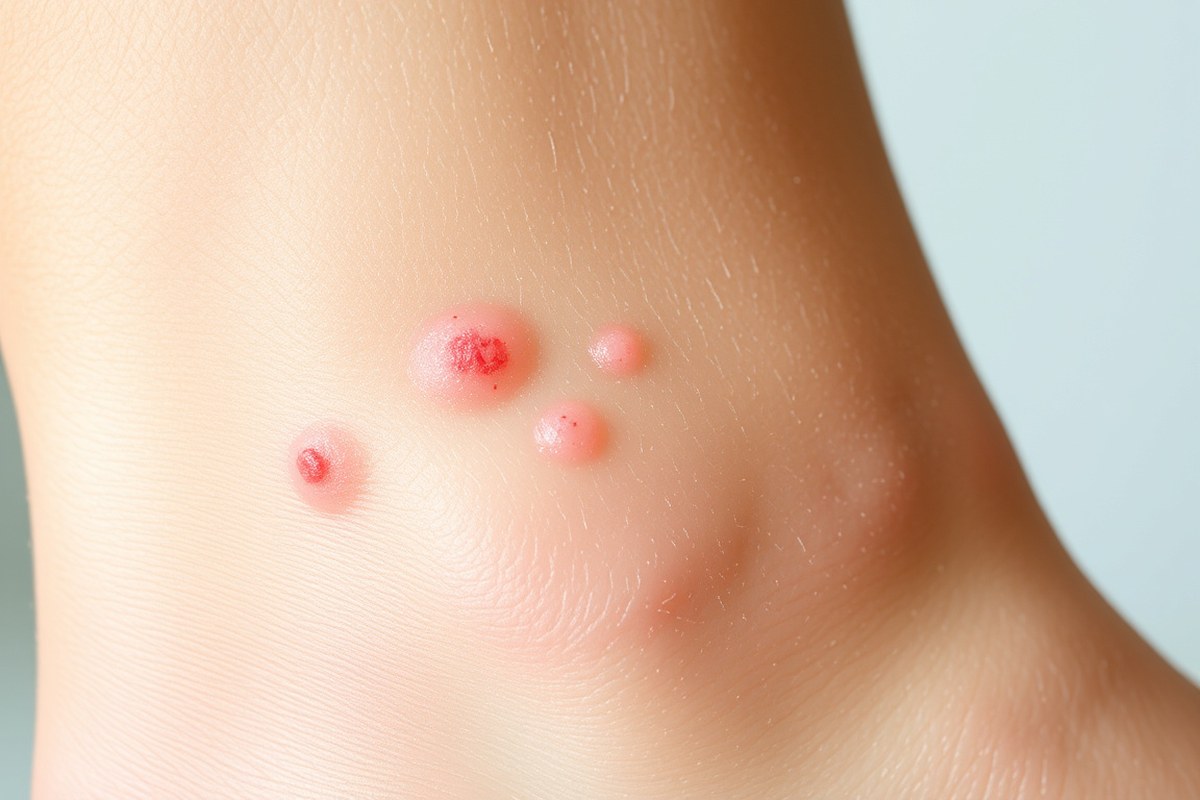
Razor bumps, medically known as pseudofolliculitis barbae, are inflamed, irritated spots that appear after shaving when hair curls back and grows sideways into the skin. This causes a red, raised bump that may develop a white head and sometimes shows a trapped hair. Razor bumps differ from razor burn, which is a surface-level irritation causing redness and small clustered bumps without any hair being trapped beneath the skin. Razor burn tends to look like a rash and is usually less severe than razor bumps.
The main cause of razor bumps is shaving too closely, especially against the direction of hair growth. Cutting hair below skin level allows it to grow inward, piercing the skin and triggering inflammation. Using razors with multiple blades can increase this risk since they provide a closer shave but also a higher chance for the hair to be cut too short. Shaving dry skin or neglecting skin care before and after shaving makes the skin more vulnerable to irritation and razor bumps. People with naturally curly or coarse hair are more prone since the curls are more likely to grow sideways into the skin.
Other shaving habits contribute to razor bumps forming as well. For example, shaving without proper lubrication or using dull blades increases friction, which worsens skin irritation and makes hair ingrowth more likely. Shaving in the direction of hair growth reduces irritation but does not guarantee avoiding razor bumps completely. It is important to keep the skin hydrated, use sharp razors, and maintain a gentle technique to minimize the chance of developing these bumps. Skin type also plays a role; sensitive or dry skin is at greater risk of both razor bumps and razor burn.
Shaving with the grain and keeping your skin well-moisturized before and after shaving can lower your chances of razor bumps significantly.
The best way to eliminate razor bumps is to pause shaving, allowing hairs to grow past the skin and stop ingrown hairs. Applying warm compresses can reduce swelling and soften skin to free trapped hairs. Preventing razor bumps means paying close attention to your shaving method, keeping your razor blades sharp, and maintaining good skin care. Neglecting any of these raises the chance of painful, stubborn bumps that take days to heal. Distinguishing razor bumps from razor burn ensures you pick the right treatment and don’t make the problem worse with wrong products.
3. How Warm and Cold Compresses Help Reduce Razor Bumps Effectively
Warm and cold compresses both play important roles in reducing razor bumps. Warm compresses help soften skin and loosen trapped hairs, easing swelling. Cold compresses soothe redness and constrict blood vessels, cutting down inflammation effectively.
Benefits of Warm Compresses
Applying a warm compress to razor bumps can reduce swelling and soften the skin around the area. This process helps trapped ingrown hairs break through the surface, which reduces irritation and speeds healing. The warmth also increases blood flow, delivering nutrients and immune cells to the skin.
Using a warm compress before shaving opens the pores and loosens hairs. This can lower the chance of new razor bumps forming because the hair cuts more cleanly, reducing the risk of curling back into the skin. A simple warm towel works well and is cost-effective.
Proper Application of Cold Compresses
Cold compresses target redness and soothe irritated skin by constricting blood vessels. This reduces blood flow to the area, calming inflammation and discomfort quickly. A cold, damp cloth or an ice pack wrapped in a thin towel can be effective.
Using a cold compress after shaving or when razor bumps start to sting can reduce swelling and offer relief. Its numbing effect can ease itching and throbbing caused by inflamed skin. Avoid placing ice directly on the skin to prevent frostbite or damage.
Timing and Frequency Guidelines
The best results come from applying warm and cold compresses at consistent intervals. A warm compress should be held on the affected area for 10 minutes about three times a day. This routine aids in softening the skin and promoting healing without overexposure.
Cold compresses should be applied for 10 to 15 minutes whenever redness or irritation is noticeable. You can repeat this several times a day as needed, allowing your skin to calm down between applications. Overuse might cause skin dryness or sensitivity. Follow these steps for effective compress use:
- Moisten a clean cloth with warm water below 110°F (43°C) for warm compresses or use cold water or ice wrapped in a towel for cold compresses.
- Wring out excess water to avoid dripping.
- Apply the cloth gently on the razor-bumped area without pressing hard.
- Keep the compress in place for 10 minutes for warmth or 10 to 15 minutes for cold.
- Remove the compress and pat the skin dry with a clean towel.
- Repeat the warm compress three times daily if swelling is present, especially before shaving if prone to bumps.
- Use the cold compress as needed to reduce redness or soothe irritation after shaving or during flare-ups.
- Do not use compresses on broken skin or open wounds to prevent infection risk.
4. Best Overnight Topical Treatments: Hydrocortisone, Acids, and Natural Remedies Compared
Overnight topical treatments for razor bumps focus on reducing inflammation, promoting skin renewal, and soothing irritation. Among the popular options, hydrocortisone cream, salicylic acid, glycolic acid, and certain natural remedies each have distinct roles, safety profiles, and effectiveness. Hydrocortisone cream at 1% strength is safe for short-term use and can calm redness and swelling by suppressing the skin’s inflammatory response. However, it does not actively remove bumps or exfoliate dead skin.
Both salicylic acid and glycolic acid are chemical exfoliants found in many over-the-counter aftershave products and treatment pads. Salicylic acid, a beta hydroxy acid, works by penetrating pores to reduce blockage and inflammation. Glycolic acid, an alpha hydroxy acid, speeds up natural skin shedding and has been shown to reduce razor bump lesions by over 60% in some studies, enabling quicker return to daily shaving with less irritation. These acids should be used in low concentrations and light applications overnight to avoid skin dryness or irritation.
Natural remedies containing oils like tea tree oil or witch hazel combine antimicrobial and soothing properties. These can be effective and safe when used properly, avoiding added fragrances or harsh additives that might worsen sensitivity. They work best in combination with mild chemical treatments or creams like hydrocortisone for calming red, angry razor bumps.
| Type | Examples | Usage Frequency | Effectiveness | Side Effects |
|---|---|---|---|---|
| Hydrocortisone Cream (1%) | OTC corticosteroid cream | Once nightly, short-term (up to 7 days) | Reduces redness and inflammation quickly | Possible skin thinning or irritation with overuse |
| Salicylic Acid | Aftershave, toners, treatment pads | Light use overnight, avoid overuse | Penetrates follicles, reduces clogging and inflammation | Dryness or irritation if applied too often |
| Glycolic Acid | Lotion, peels (OTC) | Light application nightly | Accelerates skin shedding; reduces razor bumps by 60%+ | Can cause irritation or sensitivity with excessive use |
| Natural Oils & Creams | Tea tree oil, witch hazel | Once or twice nightly | Antibacterial, anti-inflammatory, calming | Possible allergies or sensitivity to fragrances |
Using these treatments requires care to avoid irritation. For hydrocortisone creams, apply a thin layer only on affected areas, not regularly for weeks. Both salicylic and glycolic acids should be tested on small skin patches before full use, especially if your skin is sensitive, to minimize dryness or redness. Natural oils work well alongside these products but skipping added alcohol or fragrance helps reduce the risk of worsening razor bumps.
Choosing the right treatment depends on your skin type and how persistent the razor bumps are. Combining a gentle exfoliant like glycolic acid with calming remedies such as witch hazel or low-strength hydrocortisone cream often balances effectiveness with safety. Discomfort or worsening symptoms after a few days of use signals it’s time to pause these topical treatments and consider options like consulting a professional.
5. Gentle Cleansing, Exfoliation, and Moisturizing Tips for Overnight Skin Care
To clean your skin without worsening razor bumps, use a gentle cleanser that avoids harsh chemicals or fragrances. Choose a mild, soap-free wash designed for sensitive skin and cleanse with lukewarm water, hot water can irritate skin and worsen inflammation. Gently pat your skin dry with a soft towel instead of rubbing, which can cause friction and increase redness. Keeping the skin clean helps reduce bacteria that might worsen inflammation or cause infection, especially if bumps have white tips or swelling.
Exfoliation while razor bumps are inflamed needs to be very gentle or sometimes avoided overnight. If your skin is tender or swollen, skip heavy scrubs or brushes that can cause further irritation. Instead, try a mild chemical exfoliant with ingredients like alpha hydroxy acids (AHAs) or beta hydroxy acids (BHAs) in low concentrations, used sparingly and only if your skin tolerates them well. Apply the exfoliant after cleansing and allow it to absorb fully before moisturizing. For more sensitive areas, like the bikini line or underarms, stick to gentle exfoliants or pause exfoliation until redness improves.
Moisturizing is key to soothing razor bumps and preventing dryness that slows healing. Use a lightweight, fragrance-free moisturizer that absorbs easily without leaving a greasy residue, which can cause clogged pores. Look for ingredients like aloe vera, ceramides, or hyaluronic acid to help calm inflammation and restore the skin’s barrier. Avoid lotions or creams with alcohol or heavy oils that can clog pores or feel sticky. Applying moisturizer while the skin is slightly damp helps lock in hydration without causing friction when rubbing it in. Applying moisturizer twice a day can promote faster skin recovery.
Always use lukewarm water to cleanse and avoid scrubbing your skin; gentle patting helps prevent further irritation of razor bumps.
For areas prone to frequent bumps, such as the face or bikini line, consider products containing diluted tea tree oil for its antibacterial and anti-inflammatory effects. Use tea tree oil only as a spot treatment diluted with a carrier oil to avoid skin irritation. Wearing loose-fitting clothes after shaving also helps minimize friction and irritation while your skin recovers overnight. Consistency with gentle cleansing, cautious exfoliation, and regular moisturizing supports faster improvement, usually within a few days of care.
6. Shaving Habits and Razor Blade Care to Prevent Future Razor Bumps
To prevent razor bumps after shaving, focus on using a sharp blade regularly, applying proper shaving techniques, and adjusting how often you shave. Dull blades increase irritation, so changing them on time matters. Shaving less frequently can also reduce the chance of bumps by giving your skin time to heal.
Optimal Blade Replacement Schedule
Replace your razor blade every 5 to 7 shaves. A dull blade pulls and irritates the skin, which increases razor bumps and ingrown hairs. Single-use disposable razors or cartridge blades need this routine for best results. Some signs you need a new blade include tugging on hair, redness immediately after shaving, or feeling rough skin rather than smooth.
Using a high-quality razor helps prevent bumps too. Sharp, well-designed blades cut hairs cleanly and reduce follicle irritation. Spending around $8 to $15 for a good cartridge razor or investing in a professional safety razor can cut down bump risks.
Shaving Techniques to Avoid Razor Bumps
Adjusting how you shave can greatly lower irritation. Prepare your skin with warm water or a warm towel to soften hair before shaving. Use a gentle, alcohol-free shaving cream to protect skin and allow the razor to glide smoothly.
- Shave in the direction of hair growth, not against it.
- Use short, light strokes instead of long or heavy presses.
- Rinse the blade often during shaving to keep it clean and effective.
- Avoid going over the same spot multiple times in one pass.
- Don’t shave dry skin as this increases friction and irritation.
- After shaving, rinse with cool water to close pores and reduce inflammation.
Proper technique protects hair follicles from damage that causes ingrown hairs and bumps. Avoiding harsh scrubbing or pulling can reduce skin trauma. Try to keep a calm hand and focus on slow, precise shaving.
Adjusting Shaving Frequency Safely
Shaving less often can help your skin recover and reduce razor bumps. Skipping a day or two between shaves lets follicles heal, reducing irritation and ingrown hair chances. Some people benefit from shaving every 3 or 4 days instead of daily.
If you want to maintain a clean shave, try trimming hair instead of a full shave on off days to reduce skin contact with blades. This approach can balance smooth skin and bump prevention. Always moisturize after shaving to calm the skin and restore hydration.
Considering alternatives like laser hair removal may suit those who regularly struggle with bumps despite good habits. Laser treatments target hair follicles and lower overall hair growth and ingrown hairs.
7. When to Seek Medical Advice for Razor Bumps and How to Spot Infection
Razor bumps can sometimes become infected, turning what started as mild skin irritation into a condition that needs medical attention. You can spot infection by looking for signs such as increased redness, swelling, warmth around the bump, and pain that worsens over time. Small pus-filled bumps or yellowish discharge are clear indicators of folliculitis, an infection of the hair follicles, rather than just an ingrown hair. Unlike typical razor bumps, infected areas may also feel tender and cause discomfort beyond the shaving area.
If you notice razor bumps that persist beyond a week despite following home treatments like exfoliating and applying soothing topical remedies, it’s wise to consult a healthcare professional. Persistent bumps might indicate pseudofolliculitis barbae, a chronic form of razor bump that often resists over-the-counter care. Also, any bump that becomes increasingly painful, swollen, or hot to the touch should prompt a visit to your doctor. These symptoms suggest the infection could be worsening or spreading, requiring professional evaluation.
Medical treatment often begins with prescription-strength topical antibiotics or corticosteroids to reduce inflammation and fight infection. Sometimes oral antibiotics are needed when infections are severe or widespread. Your physician might also recommend antiseptic washes to keep the area clean and prevent further irritation. For stubborn pseudofolliculitis barbae, treatments can include laser hair removal or specialized creams that reduce hair growth and inflammation. These options often involve higher costs and multiple visits but can provide long-term relief.
To decide on seeking medical care, use this rule of thumb: If razor bumps aren’t improving after 7 days of consistent home care, or if the affected area shows signs of infection such as pus, spreading redness, or significant pain, schedule an appointment with your healthcare provider. Avoid squeezing or attempting to pop the bumps, as this can worsen infection and inflammation. A professional assessment ensures you get targeted treatment to clear infection quickly and reduce the risk of scarring or further complications.
People with curly or coarse hair are at greater risk of recurring razor bumps and infections due to the natural hair texture curling back into the skin. For these individuals, consulting a dermatologist may be particularly beneficial to break the cycle of irritation and infection with tailored treatments. Employers may also consider workplace accommodations if shaving-related skin issues affect job performance, reflecting expert consensus on managing this condition comprehensively.
Promptly recognizing infection and knowing when to seek medical advice can prevent minor razor bumps from developing into more painful or chronic skin problems. Careful observation and early action are key to maintaining smooth, healthy skin free from painful, infected bumps.
8. Tailoring Razor Bump Treatment and Prevention for Different Body Areas
Treatment for razor bumps varies by body area due to differences in skin thickness, sensitivity, and hair type. The face and neck often require stronger anti-inflammatory ingredients, while sensitive areas like the bikini line need gentler, soothing products to avoid irritation. Legs typically benefit from exfoliation and hydration focused on preventing ingrown hairs without harsh chemicals.
Face and Neck Treatment Differences
Skin on the face and neck tends to be more delicate but faces frequent shaving, especially around the beard area where hair is thick and coarse. This increases the risk of razor bumps and ingrown hairs. Treatments with anti-inflammatory ingredients like 1% hydrocortisone cream can reduce redness and swelling overnight.
Topicals containing mild acids, such as salicylic acid at 1-2% concentration, help unclog follicles and prevent trapped hairs. Avoid strong exfoliants or alcohol-based products, which can worsen irritation. Applying a non-comedogenic moisturizer after treatment can speed healing and reduce dryness.
Bikini Line Care and Sensitivity
The bikini line has thinner, highly sensitive skin with coarse, curly hair, making it more prone to razor bumps. Products made specifically for this area typically focus on calming ingredients like aloe vera, chamomile, or 100% natural formulations to minimize irritation. Strong acids or steroids should be avoided here to prevent further sensitivity or damage.
Using a Body Acne Clearing Mist with 2% salicylic acid can be effective for active breakouts on the bikini line, but only if your skin tolerates it. Cleanse gently and apply a soothing, fragrance-free moisturizer to maintain the skin barrier. Wearing looser clothing after shaving also helps reduce friction that worsens bumps.
Leg Skin Considerations
Leg skin is thicker and less sensitive than the face or bikini area but often experiences dryness after shaving. Hydrating lotions and gentle exfoliation reduce dead skin that can trap hairs. Unlike facial treatments, stronger acids are usually not needed, but consistent moisturizing with products containing ceramides or glycerin helps prevent razor bumps.
Since leg hair is finer, razor bump risk is lower, but you should still avoid dull blades and use shaving creams that protect the skin. Aftercare focusing on hydration and avoiding tight clothing supports quicker recovery and fewer bumps.
| Area | Skin Thickness | Hair Type | Common Sensitivity | Recommended Treatment |
|---|---|---|---|---|
| Face & Neck | Thin | Thick, coarse | Moderate sensitivity, frequent irritation | Hydrocortisone 1%, salicylic acid 1-2%, non-comedogenic moisturizers |
| Bikini Line | Very thin | Coarse, curly | High sensitivity, prone to friction irritation | Natural soothing creams, 2% salicylic acid mist if tolerated, fragrance-free moisturizers |
| Legs | Thicker | Fine | Low to moderate sensitivity, dry skin post-shave | Hydrating lotions with ceramides/glycerin, gentle exfoliation, protective shaving cream |
Matching product strength and formulation to each area prevents over-treatment and helps skin heal faster with fewer side effects. Skin thickness and hair type directly guide what active ingredients and moisturizing agents to use.
Avoid using harsh, strong acids or steroid creams on sensitive areas like the bikini line to prevent worsening skin irritation or damage.
Step-by-Step Action Plan to Reduce Razor Bumps Overnight
Follow this quick routine to calm razor bumps fast, manage discomfort, and reduce future irritation from shaving.
- Right after shaving: Rinse the shaved area with cool water, then apply a cold compress for 5 to 10 minutes to reduce swelling and close pores. You’ll notice less redness and immediate relief.
- Evening of shave day: Cleanse gently with a mild, fragrance-free cleanser to remove bacteria without stripping moisture. Your skin should feel clean but not tight or dry.
- After cleansing: Apply a thin layer of 1% hydrocortisone cream or an over-the-counter product with salicylic or glycolic acid to the affected area. Check in the morning for reduced bumps and itching.
- Bedtime: Moisturize with a fragrance-free, non-comedogenic lotion to soothe and hydrate your skin overnight. Skin texture should feel smoother by morning.
- Next day: Exfoliate gently using a chemical exfoliant (like an acid-based toner) or a soft washcloth to prevent ingrown hairs. Should bumps remain less than 24 hours later, continue topical treatment but avoid harsh scrubbing.
- Daily going forward: Use a sharp, clean razor blade and shave with light, short strokes in the direction of hair growth. Notice fewer new bumps after a week of careful shaving.
- After 1 week: Adjust shaving frequency and razor blade replacement based on your skin’s reaction. When irritation remains or worsens, consult a dermatologist for possible infection or alternative treatments.
Frequently Asked Questions
Can I Use a Colloidal Oatmeal Bath to Soothe Razor Bumps Overnight?
Yes, soaking in a colloidal oatmeal bath for 10 to 15 minutes once daily can calm razor bump irritation, reduce redness, and ease itching while helping your skin heal faster.
Are Hydrocolloid Patches Safe to Use on Razor Bumps Overnight?
Hydrocolloid patches help reduce inflammation and protect razor bumps from friction during sleep, promoting faster healing without drying out the skin, making them a safe overnight option.
Does Applying Antibacterial Ingrown Hair Oil Overnight Prevent Infection in Razor Bumps?
Applying antibacterial ingrown hair oil overnight can reduce bacteria buildup on razor bumps, lowering infection risk and soothing irritation, which supports a quicker recovery.
Can I Speed Up Razor Bump Healing by Exfoliating Right Before Bed?
Gentle exfoliation before bed removes dead skin that can trap ingrown hairs, helping clear razor bumps overnight; avoid harsh scrubs that irritate sensitive skin.
Is It Okay to Shave the Same Area If I Notice Razor Bumps Developing?
Avoid shaving affected areas until razor bumps fully heal, as shaving can worsen irritation, delay recovery, and increase infection risk.
Will Stopping Shaving Completely Speed Up the Disappearance of Razor Bumps?
Stopping shaving allows skin to repair and prevents new bumps, often speeding up healing more than any treatment applied overnight.
Final Thoughts
Getting rid of razor bumps overnight is possible by following a careful routine that soothes irritation and supports healing. Tonight, try applying a gentle hydrocortisone cream or a salicylic acid treatment right after cleansing the shaved area to calm inflammation and prevent clogged pores. Keep up with this consistent care to see noticeable improvements and reduce discomfort quickly.