How to Get Rid of a Hickey Fast: 8 Proven Methods That Work
To get rid of a hickey fast, start with cold compresses during the first 48 hours to reduce swelling and slow blood flow, then switch to warm compresses to help break down the clotted blood beneath the skin. Massaging the area gently after swelling goes down can improve circulation and speed healing. You can also try some topical treatments or makeup to conceal the mark while it fades. Keep in mind that deep hickeys may take up to two weeks to disappear completely.
This advice is for anyone wanting safe, easy ways to minimize or hide a fresh hickey quickly. You’ll find step-by-step methods, tips on proper compress use, home remedies compared, massage techniques, medication guidance, makeup tricks, and warnings about common mistakes. This approach helps you handle a hickey efficiently without causing more harm or relying on unproven remedies.
Key Takeaways
- Apply a cold compress within 12 hours of getting a hickey, up to 15 minutes each hour, to reduce swelling and discoloration.
- Use warm compresses and gentle massage starting 48 hours after the hickey appears to improve blood flow and speed healing.
- Rub the inside of a banana peel on the hickey for 5-20 minutes to potentially reduce its appearance faster.
- Apply aloe vera gel for 10 minutes and test for irritation before regular use to soothe and heal the skin safely.
- Aspirin should only be taken 24 hours after getting a hickey to avoid increased bruising risk during initial healing.
- Cover a hickey instantly with concealer and makeup techniques to temporarily conceal it effectively until it naturally fades.
1. How to Get Rid of a Hickey Fast: Step-by-Step Treatment Timeline
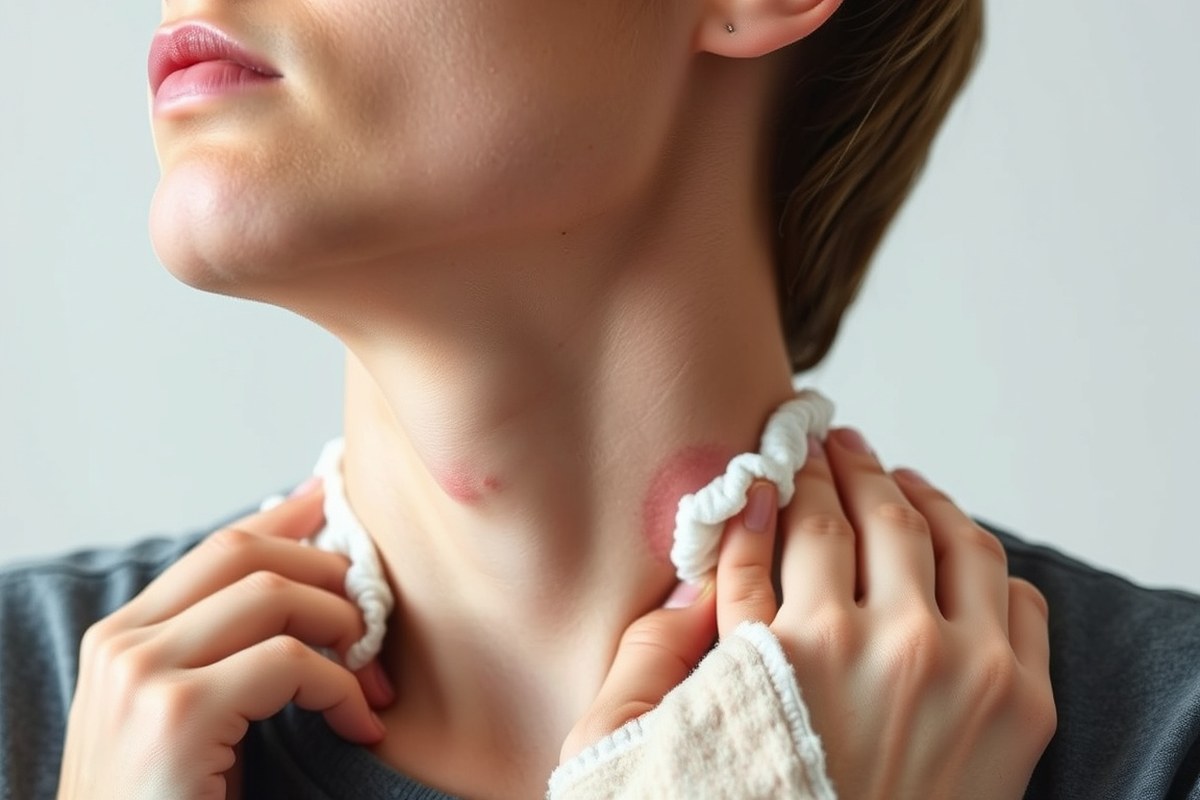
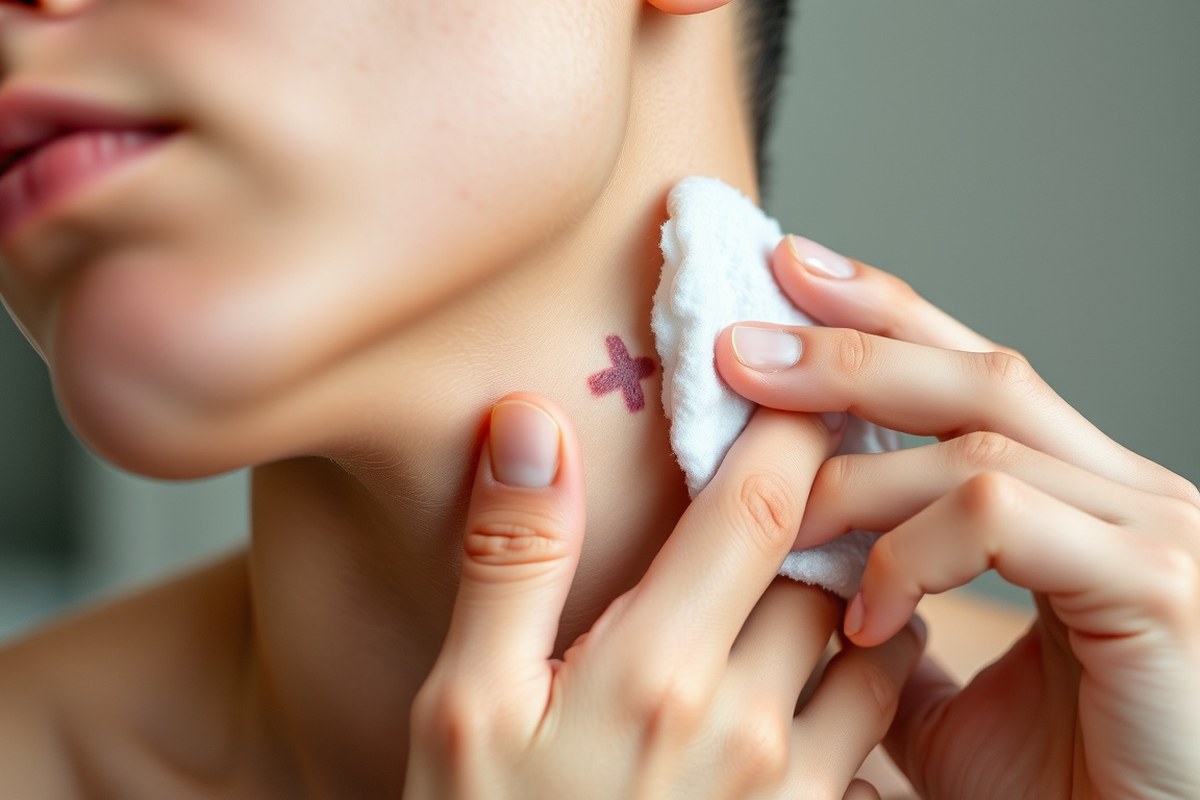
Starting treatment immediately after getting a hickey is key to reducing its appearance quickly. Cold compresses help limit swelling and prevent further blood leakage beneath the skin by constricting blood vessels. Using cold compresses within the first 12 to 48 hours is most effective. After two days, switching to warm compresses promotes blood flow, helping the body reabsorb the trapped blood faster. Gentle massage alongside warm treatment can also speed healing, but avoid aggressive pressure which can worsen the bruise. Reapplying these treatments several times daily is safe if you allow breaks between applications to protect your skin.
- Apply a cold compress as soon as possible, ideally within 12 hours of the hickey. Use a clean cloth wrapped around ice or a cold pack, holding it on the hickey for up to 15 minutes per session. Repeat this every hour, ensuring you leave at least 1 to 2 hours between applications to prevent skin damage.
- Continue cold compresses during the first 24 to 48 hours. This ongoing treatment reduces swelling and prevents blood vessels from leaking more blood under the skin, which helps keep the hickey from getting worse.
- After 48 hours, switch to warm compresses. Warm packs should be applied for about 10 to 15 minutes each session to increase circulation and encourage the body to absorb the pooled blood. Continue this several times per day as long as it feels comfortable.
- Incorporate gentle massage starting after two days. Use your fingertips or a smooth tool like a jade roller to softly massage the area around the hickey, not directly on sensitive spots. Massaging increases blood flow, aiding healing without aggravating the bruise.
- Consider applying arnica gel or cream after the initial cold compress period. These topical treatments may help reduce discoloration and inflammation safely. Follow product instructions closely and test for skin sensitivity before use.
- Maintain consistent treatment cycles throughout the healing process. Repeat cold or warm compresses and gentle massage multiple times daily as long as there’s no discomfort or skin irritation. Avoid excessive pressure during massage to prevent worsening the bruise.
- Allow your body time to naturally reabsorb the blood. No treatment will make a hickey vanish overnight, but following this timeline can improve healing speed by a day or two depending on your skin type and the severity of the hickey.
2. Using Cold and Warm Compresses Correctly for Hickey Relief
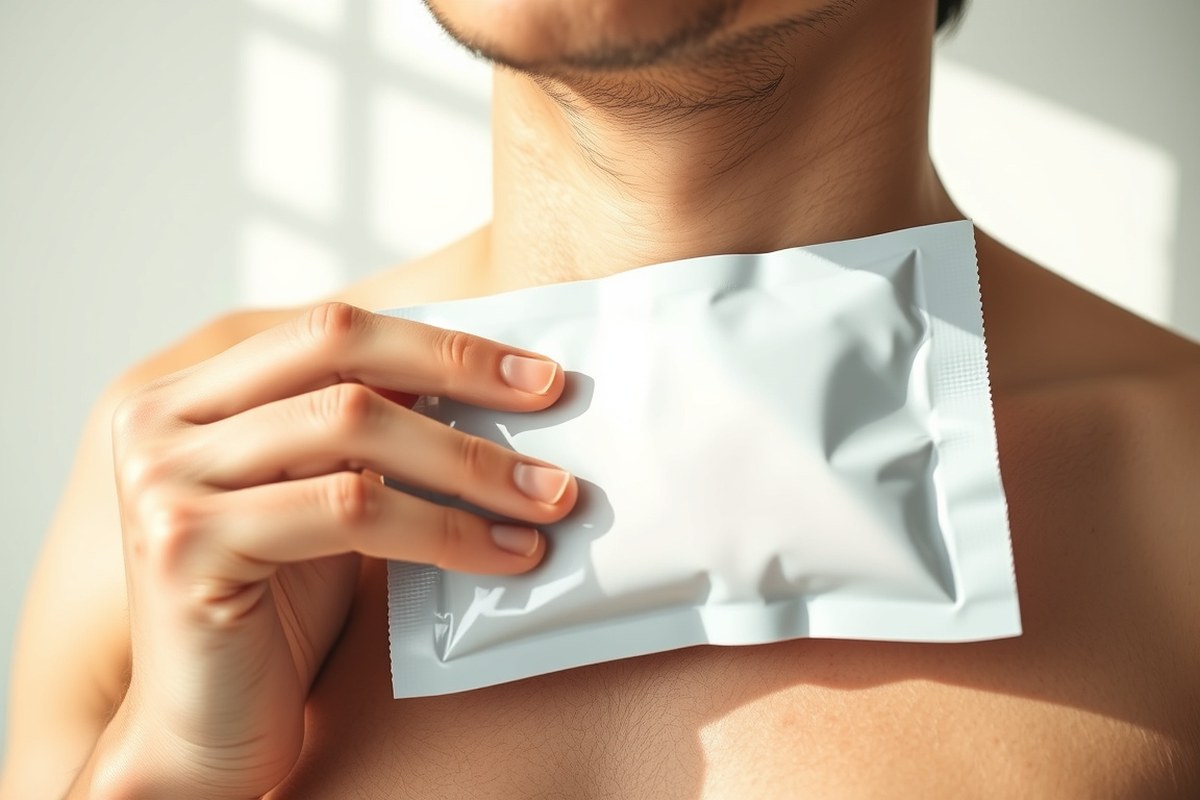
Using cold and warm compresses at the right times can help reduce the appearance of a hickey. Apply a cold compress within the first 24 to 48 hours to limit swelling and discoloration. After that, switching to a warm compress helps improve blood flow and speeds up healing.
How Cold Compresses Reduce Swelling and Bruising
Cold compresses work by constricting blood vessels in the affected area. This constriction slows blood flow, which helps reduce swelling and limits the amount of blood that leaks into the surrounding tissue. The result is less redness and a smaller, less noticeable bruise.
To apply a cold compress correctly, wrap ice or a frozen gel pack in a thin towel to avoid damaging your skin. Place it on the hickey for 10 to 15 minutes at a time. You can repeat this process every hour during the first 24 to 48 hours after getting the hickey. Using tools like a cold spoon or a jade roller can also help reduce swelling by cooling the area gently.
When to Switch to Warm Compresses and Why
The bleeding beneath the skin generally ceases after around 48 hours, and the damaged tissue starts to recover. Cold compresses tend to lose their usefulness after this stage. Applying warmth improves circulation in the region, aiding in the breakdown of collected blood and supporting the healing process.
To use a warm compress, soak a clean cloth in warm water (about 104°F to 113°F) and wring out the excess water. Apply the cloth to the hickey for 10 to 20 minutes. You can do this three to four times daily until the hickey fades. A heating pad set on a low setting can also be used, but avoid high heat to prevent irritation or burns.
Common Compress Mistakes to Avoid
Incorrect use of cold or warm compresses can make a hickey worse or slow down healing. Avoid applying ice directly to the skin without a towel, as this can cause frostbite. Do not leave compresses on for too long, this can damage skin tissue or cause additional swelling.
Switching to warm compresses too early can increase inflammation instead of helping it heal. On the other hand, sticking with only cold compresses beyond 48 hours can slow down the recovery process because the blood trapped under the skin won’t break down as fast.
- Use a thin cloth or towel to protect your skin from extreme temperatures
- Limit cold compress sessions to 10-15 minutes each, up to every hour initially
- Switch to warm compresses only after 48 hours have passed
- Apply warm compresses for 10-20 minutes, 3 to 4 times daily
- Avoid high heat that could burn or irritate your skin
- Do not massage the hickey while using compresses unless recommended
Always check your skin’s reaction during compress use, stop if you experience pain, numbness, or increased redness.
3. Topical Treatments and Home Remedies Compared: What Actually Works?
Several topical treatments and home remedies are commonly used to reduce the appearance of a hickey faster. Products containing vitamin K, arnica, or bromelain tend to be popular choices, alongside natural remedies like aloe vera, banana peel, and essential oils such as peppermint oil. Understanding the pros and cons of each, along with scientific backing, can help you decide the best approach for your situation.
| Remedy | What It Is | How to Use | Pros | Cons |
|---|---|---|---|---|
| Vitamin K Cream | Cream with vitamin K, which supports blood clotting and may help heal bruises. | Apply a thick layer directly to the hickey 2-3 times daily. | May speed healing by helping blood vessel repair; easy to find in stores. | Not guaranteed to work for everyone; some skin may be sensitive. |
| Arnica | A plant extract used to reduce inflammation and bruising. | Apply topical arnica gel or cream gently over the hickey twice daily. | Often recommended to reduce swelling and ease discoloration. | Oral use has risks; topical may cause irritation in sensitive skin. |
| Bromelain | Enzyme from pineapple that can reduce swelling and bruising. | Usually taken as an oral supplement; topical use less common. | May decrease inflammation and speed bruise healing. | Can cause allergic reactions; consult a professional before use. |
| Aloe Vera | Natural gel from aloe plant, known for soothing inflamed skin. | Apply a thick layer of fresh or store-bought aloe vera gel; leave on for about 10 minutes, 2-3 times daily. | Safe, moisturizing, and may promote healing and reduce redness. | Results are subtle; not a quick fix. |
| Banana Peel | Inner side of banana peel applied to skin. | Rub the inside of the peel gently over the hickey for up to 30 minutes. | Easy and natural; some users report lightening of bruise. | No scientific proof; effects vary widely. |
| Peppermint Oil | Essential oil with menthol, which can stimulate blood flow. | Mix 1-2 drops with a carrier oil (jojoba or almond), apply diluted to hickey once or twice daily. | May speed healing by increasing circulation. | Potential to irritate sensitive skin; avoid if skin is delicate. |
Applying vitamin K cream consistently is a common recommendation because vitamin K plays a role in blood clotting and repairing blood vessels, which can help fade a hickey faster. To use it effectively, smooth a thick layer over the bruise two to three times a day until you see improvement. Results may take several days, and some people may not notice much difference.
Arnica is often used to reduce swelling and bruising. Use it topically rather than orally to minimize risks. Gently apply arnica cream or gel to the hickey twice daily. Bromelain taken as an oral supplement could help inflammation but isn’t the best fit for quick topical treatment and carries a risk of allergies.
Aloe vera gel is a gentle, natural option that promotes healing and soothes skin. Applying fresh or store-bought aloe vera gel on your hickey for about 10 minutes multiple times daily may help reduce redness and discomfort. Banana peel is a creative, inexpensive remedy with no solid proof, but some say it lightens bruises after rubbing for 30 minutes. Peppermint oil, diluted with a carrier oil, might speed healing by increasing blood circulation. It requires caution because it can irritate sensitive skin.
4. How and When to Massage a Hickey Without Making It Worse
Massaging a hickey can help reduce its appearance by stimulating blood flow, but it must be done carefully. Gentle massage encourages circulation, which helps the body reabsorb the pooled blood under the skin faster. Pressing too hard or massaging too soon can worsen the bruise and increase pain.
Gentle Massage Techniques to Promote Blood Flow
Lightly massaging the hickey boosts blood circulation, helping your body break down the trapped blood. Use only your fingertips and avoid digging into the bruised area. Start massaging from the edges of the hickey and move toward the center or vice versa with soft, circular motions.
A safe method involves using an essential oil containing menthol, which may increase blood flow and slightly numb pain, aiding the massage benefits. Apply a small amount of diluted oil to your fingertip before massaging to avoid skin irritation.
- Wash your hands and clean the hickey area gently with lukewarm water.
- Put a drop of diluted essential oil with menthol on your fingertip, if desired.
- Apply light pressure to the area around the hickey using your fingertips.
- Massage in gentle, circular motions starting from the outer edge and moving toward the center.
- Keep the pressure soft enough to avoid pain or discomfort.
- Continue massaging for about 1 to 2 minutes.
- Stop if the area becomes too tender or the bruise looks worse.
When to Avoid Massage to Prevent Spreading the Bruise
Do not massage the hickey immediately after it forms. The first 12 to 24 hours are important because the capillaries are still damaged and massaging can cause the bruise to enlarge. Avoid massage if the bruise is visibly swollen, very tender, or painful, as this indicates more severe trauma.
Also, steer clear of massage once the bruise begins to discolor into yellow or green shades. At this stage, your body is already breaking down the blood cells and extra manipulation might irritate the skin or delay healing.
How Often and How Long to Massage
Massage the hickey gently up to two times a day. Each session should last 1 to 2 minutes to stimulate healing without causing irritation. Consistent, light massages promote blood flow and encourage the reabsorption of blood trapped under the skin.
Stop massaging if you notice increased pain, spreading redness, or if the bruise worsens. In those cases, allow the area to rest and try alternative treatments such as warm compresses later. Remember, a deep hickey can take up to two weeks to fully heal.
5. Safe Use of Medications and Supplements for Faster Recovery
Aspirin can help speed up the healing of a hickey because it thins the blood and reduces inflammation, potentially allowing bruised skin to fade faster. However, it’s best to avoid aspirin for the first 24 hours after getting the hickey, since taking it too early may increase bleeding and worsen the bruise. After a day, consider taking a low dose of aspirin, usually 81 mg once or twice daily, if your health allows it. Always follow package instructions and consult your healthcare provider before starting aspirin, especially if you have bleeding disorders or take other medications.
Other over-the-counter pain relievers like ibuprofen or acetaminophen may help reduce discomfort and swelling. Ibuprofen, for example, can be taken at 200-400 mg every 4 to 6 hours as needed for pain, but avoid exceeding the daily limit on the label. Acetaminophen doesn’t have blood-thinning effects but can ease pain. Avoid self-medicating beyond recommended doses or using multiple medications together without medical advice, as this can cause unwanted side effects and interactions.
Diet and supplements play a supporting role in skin healing. Vitamins C and K are known to help repair damaged blood vessels and reduce bruising. Foods rich in vitamin C include oranges, strawberries, and bell peppers, while leafy greens like spinach contain vitamin K. Taking a daily vitamin C supplement of 500 mg can support healing, but avoid megadoses which might cause digestive upset. Bromelain, an enzyme from pineapple, is sometimes taken at 200-400 mg daily to reduce bruising and inflammation, but evidence is limited and allergic reactions are possible.
Hydration is key, drink plenty of water to support your skin’s repair processes. Avoid alcohol and smoking, as they can slow healing by restricting blood flow and damaging tissue. While certain supplements may help, the body’s natural healing generally resolves a hickey in about one to two weeks.
Before using any medication or supplement to treat a hickey, check for allergies and interactions with your current prescriptions. Pregnant or nursing individuals, and people with medical conditions, should consult a healthcare professional first. Taking aspirin or supplements incorrectly might cause stomach irritation, bleeding, or allergic reactions, which can complicate recovery instead of speeding it up.
Only take aspirin at least 24 hours after getting a hickey to avoid increasing bleeding, and never exceed recommended doses without medical advice.
6. Effective Makeup Techniques to Temporarily Conceal a Hickey
Concealing a hickey with makeup can hide its discoloration effectively for several hours. Using the right combination of color-correcting products and layering concealer carefully offers natural-looking coverage. Proper setting techniques ensure the makeup stays in place, preventing the hickey from drawing unwanted attention.
Choosing the Right Color Correctors and Concealers
Fresh hickeys often appear red or purple, so start with a green or yellow color-correcting concealer to neutralize these tones. Green cancels out the red undertones, while yellow works better on purple or dark bruises. After color correction, apply a concealer that closely matches your skin tone to blend the area smooth. Cream-based concealers usually provide better coverage for bruises than liquid or stick types.
Look for highly pigmented products labeled as full coverage that specify suitability for blemishes or bruises. Brands focused on long-wear or professional makeup often offer concealers priced between $8 and $20 per tube, which are affordable and widely available. Having both a color corrector palette and a skin-tone concealer ready in your makeup bag saves time in touch-ups.
Layering Makeup for Natural Coverage
Follow a step-by-step routine to achieve the best concealment without caking or streaking. Start with cleansing the skin and applying a light moisturizer to create a smooth base. Dab the color-correcting concealer directly on the hickey using a clean fingertip or a makeup sponge, patting rather than rubbing to avoid disturbing the bruise.
- Apply the color-correcting concealer sparingly and build it up gradually to avoid a heavy, unnatural look.
- Let the color corrector set for a minute before moving to the next step.
- Use a concealer that matches your skin tone and gently blend around the edges of the corrected area to merge with your natural skin.
- Pat concealer in layers rather than applying it all at once; this helps prevent cracking and improves coverage.
- Avoid spreading makeup beyond the bruise area to keep the concealment discreet.
Using a damp makeup sponge or a clean brush helps achieve a soft, natural finish. If the hickey is still visible, a second thin layer of concealer can be added, but keep layers light to avoid drawing attention.
Setting Makeup to Last All Day
Properly setting your makeup prevents smudging and fading, especially important if you need all-day coverage. After concealer application, gently dust translucent setting powder over the area using a fluffy brush. This helps absorb oils and locks the makeup in place without adding color or weight.
For extra staying power, don’t rub or touch the concealed hickey frequently. Spray a light layer of setting spray over your face to seal the makeup. Setting sprays designed for long wear cost around $10 to $20 and can be found in most drugstores. Carry blotting sheets if you have oily skin to reduce shine without disturbing the makeup.
7. Common Hickey Treatment Mistakes and How to Avoid Them
Applying heat too soon is a common mistake that can actually make a hickey worse. Heat causes blood vessels to expand, increasing blood flow and potentially enlarging the bruise. Wait at least 48 hours after getting a hickey before using warm compresses, allowing the initial swelling and broken blood vessels to stabilize.
Over-massaging the area can also harm healing. Vigorous or frequent massage may rupture delicate vessels further, causing more bleeding under the skin and deepening the bruise’s color. A light, gentle massage done once or twice a day after the bruise has begun to fade helps improve circulation without worsening the injury.
Harsh rubbing or using objects like coins to scrape the skin often does more damage than benefit. Pressing or rubbing a coin over the hickey can irritate the skin, open microtears, and delay healing. Stick to very gentle treatments rather than abrasive or forceful ones.
- Avoid applying heat within the first 48 hours after the hickey appears.
- Massage only gently and infrequently, once bruising has started to fade.
- Do not rub or scrape the hickey with hard objects like coins or rough cloth.
- Use cool compresses in the first two days to reduce swelling.
- Apply vitamin C creams or arnica gels as directed, avoiding excessive amounts.
- Limit treatment sessions to 5, 10 minutes per area to prevent irritation.
- Stop any treatment if the skin becomes painful or shows signs of damage.
Following these safe treatment boundaries helps prevent worsening the bruise and supports faster healing. Using cold compresses initially reduces swelling by constricting blood vessels, while delaying warmth allows the body to clear away pooled blood gradually. Gentle massage after swelling subsides encourages circulation, helping cells repair damaged tissue without reopening blood vessels.
Overdoing any treatment risks increased pain, prolonged redness, and slower fading of the hickey. Spending a few minutes per treatment session and focusing on light pressure keeps the skin safe. Avoiding abrasive actions and heat too early saves you from turning a minor mark into a larger, longer-lasting bruise.
8. When to See a Doctor About a Hickey or Bruise
A hickey should start to fade within a week or two without causing pain or swelling. Normal healing includes changing colors from red or purple to green, yellow, and brown. When the mark grows larger, remains painful after several days, or develops swelling, it may have caused a deeper bruise that requires attention. Watch for symptoms like severe tenderness, increasing warmth, pus, or red streaks radiating from the site, which can signal an infection or other complications.
A hickey that grows in size or becomes more painful rather than healing is a warning sign. In rare cases, the pressure that causes a hickey can damage blood vessels more severely than expected. Discoloration that lasts longer than two weeks without improvement merits consulting a healthcare provider to rule out clotting or skin conditions. Avoid massaging or applying harsh treatments to the area during this time, as it can worsen tissue damage.
Advanced treatments, such as laser removal, are not standard for typical hickeys. Laser therapy may cost $300 or more per session and is usually reserved for persistent bruising that does not resolve or for cosmetic reasons after full healing. Since hickeys naturally disappear as your body breaks down the trapped blood, aggressive procedures pose risks like skin irritation and should only be considered after medical advice.
Seek professional medical care if you notice intense pain, swelling, open wounds, or if the mark does not improve within two weeks. People with blood clotting disorders or those on blood thinners should also get a doctor’s evaluation, because bruising can be more severe or prolonged. A doctor might diagnose an underlying cause such as a hematoma or infection, which would need different treatment, possibly including drainage or antibiotics. Do not attempt home drainage or use unapproved remedies on a suspicious or worsening bruise.
The decision to see a healthcare provider can follow a simple rule: check if your hickey is smaller, less painful, and less colorful each day. When there is no positive change after two weeks or the bruise worsens, schedule an appointment. Also, if symptoms like fever, pus, or spreading redness appear, seek immediate care. Resting the area and avoiding further irritation supports healing, but prompt medical diagnosis ensures safety when healing stalls or complications arise.
Don’t ignore signs like severe pain, spreading redness, or swelling around your hickey, these can be signs of infection or a more serious problem that needs medical attention.
Step-by-Step Action Plan to Get Rid of a Hickey Fast
Follow this timeline to reduce the appearance of your hickey quickly and safely, using the right treatments at the right time. These steps help speed healing and hide the mark until it fades.
- Within the First 24 Hours: Apply a cold compress wrapped in a cloth to the hickey for 10-15 minutes every hour. This reduces swelling and slows bleeding under the skin. You’ll notice less redness and puffiness after a day.
- Day 2 and 3: Switch to warm compresses for 10-15 minutes, 3-4 times a day. Heat encourages blood flow and helps clear pooled blood, which speeds healing. The hickey will start turning yellow or green as it fades.
- Day 2 Onward: Gently massage around the hickey in circular motions. Avoid pressing directly on the bruise to prevent damage. Improved circulation may make the color lighten faster.
- Days 2 to 5: Apply topical treatments like arnica gel or vitamin K cream twice daily. These remedies can reduce bruising and inflammation. A visible reduction in swelling and discoloration confirms effectiveness.
- First Few Days: Conceal the hickey using a color-correcting concealer or foundation matched to your skin tone. Use a green-tinted primer for red hues and blend well. The mark should be less noticeable for social situations.
- Throughout the Week: Avoid further trauma to the area and stay hydrated to support skin repair. Should the hickey worsen or pain increase, consider consulting a healthcare provider.
- After One Week: Review the hickey’s progress. When it remains very noticeable or shows signs of infection, such as excessive redness or warmth, see a doctor for evaluation.
Frequently Asked Questions
Can Rubbing a Banana Peel on a Hickey Help It Heal Faster?
Rubbing the inside of a banana peel on a hickey for 15 to 20 minutes may slightly speed up healing, but evidence is mostly anecdotal and results vary for each person.
Does Drinking More Water Reduce the Appearance of a Hickey?
Drinking water helps keep your skin hydrated, which can support the healing process, but it won’t directly make a hickey disappear faster.
Can Applying Peppermint Oil Get Rid of a Hickey Quickly?
Peppermint oil is sometimes suggested to improve blood circulation, but its effectiveness for hickeys lacks scientific proof and could irritate sensitive skin.
Is It True That Taking Aspirin Helps a Hickey Heal Faster?
Taking aspirin 24 hours after getting a hickey can help reduce swelling because it thins the blood, but don’t take it immediately as it might worsen bruising.
Does Exercise Help Reduce the Visibility of a Hickey?
Light exercise may increase blood flow and help healing, but intense physical activity could worsen bruising if you strain too much.
Will Makeup Completely Hide a Fresh Hickey?
Makeup can conceal a hickey temporarily but may require layering with color correctors and setting powder for effective coverage on fresh bruises.
Wrapping Up
Reducing a hickey quickly depends on acting fast with cold compresses and switching to warm treatments after a day or two. Start applying a cold compress to the area right now to minimize swelling and prevent the bruise from getting worse. Taking this first step can make a noticeable difference within hours and set you on the right path for faster healing.