

Can You Get Rid of Herpes? What Actually Works and How to Manage It
You cannot completely get rid of herpes today, as the virus remains in the body even after symptoms fade. However, antiviral treatments, lifestyle changes, and safe practices can reduce outbreaks and lower the risk of transmission. This means herpes can become a manageable part of your life without controlling it.
This information is for anyone diagnosed with HSV-1 or HSV-2, their partners, or people seeking accurate, practical ways to handle herpes. You’ll learn about treatment options, symptom differences, reducing spread, natural remedies, and how to navigate emotional and relationship challenges effectively.
Key Takeaways
- Herpes cannot be completely cured or removed from the body, but antiviral treatments help control outbreaks and reduce symptoms effectively.
- HSV-1 mainly causes oral herpes with cold sores, while HSV-2 often leads to genital herpes; symptoms can vary in severity and frequency.
- Start antiviral medications like acyclovir, valacyclovir, or famciclovir within 1 to 2 days of outbreak onset for best results in shortening duration.
- Valacyclovir shows strong efficacy for oral herpes with a one-day 2-gram treatment taken at the first signs of a cold sore.
- Condoms lower herpes transmission risk but aren’t fully protective; combining safe sex practices and antiviral suppression improves partner safety.
- Use topical remedies such as 1% hydrocortisone cream and OTC antiviral docosanol, along with cool compresses, to relieve outbreak discomfort.
Can Herpes Be Completely Cured or Removed from the Body?

Herpes simplex virus (HSV) cannot be completely cured or permanently removed from the body because it establishes a lifelong presence through a process called viral latency. Once HSV infects you, it travels to nerve cells, typically in sensory ganglia near the spine, and hides in a dormant state that is invisible to your immune system and unreachable by current antiviral medications. This hidden form of the virus is why treatments cannot fully eradicate it.
Viral latency means the virus remains inactive inside nerve cells, not producing new virus particles or causing symptoms. This dormant state allows HSV to evade immune defenses and survive within your body for years or a lifetime. The virus can reactivate later, leading to new outbreaks of sores or blisters, but the original infection stays concealed in the nervous system between episodes. This ability to hide and reactivate is the main reason herpes cannot be permanently cured.
Even the most effective antiviral drugs you might use on cold sores or genital herpes work by suppressing viral replication during active outbreaks or reducing their frequency and severity. These medicines do not reach the latent virus inside nerve cells. Experts explain that killing all active virus particles does not clear HSV because only a small amount needs to remain dormant inside the nerves for the infection to persist. The dormant virus can awaken under triggers like stress, illness, or immune changes.
Recent research offers some hope with gene-editing methods that have eliminated as much as 97% of hidden herpes DNA in animal experiments. These methods remain in the testing phase and are not yet proven safe or accessible for human use. Current treatments aim to control herpes symptoms and outbreaks rather than achieve a cure. Understanding that the virus can stay inactive explains why flare-ups often become less frequent over time even though the virus stays inside your body.
Knowing the nature of HSV’s dormancy is key to managing expectations and treatment goals. While your immune system cannot eliminate the virus completely, it does control the dormant infection most of the time. Managing outbreaks with antiviral medications and healthy lifestyle choices can significantly improve quality of life. Understanding that herpes is a lifelong infection due to viral latency helps avoid false claims about “guaranteed” cures and informs decisions on treatment and prevention strategies.
Differences Between HSV-1 and HSV-2 and Their Symptoms
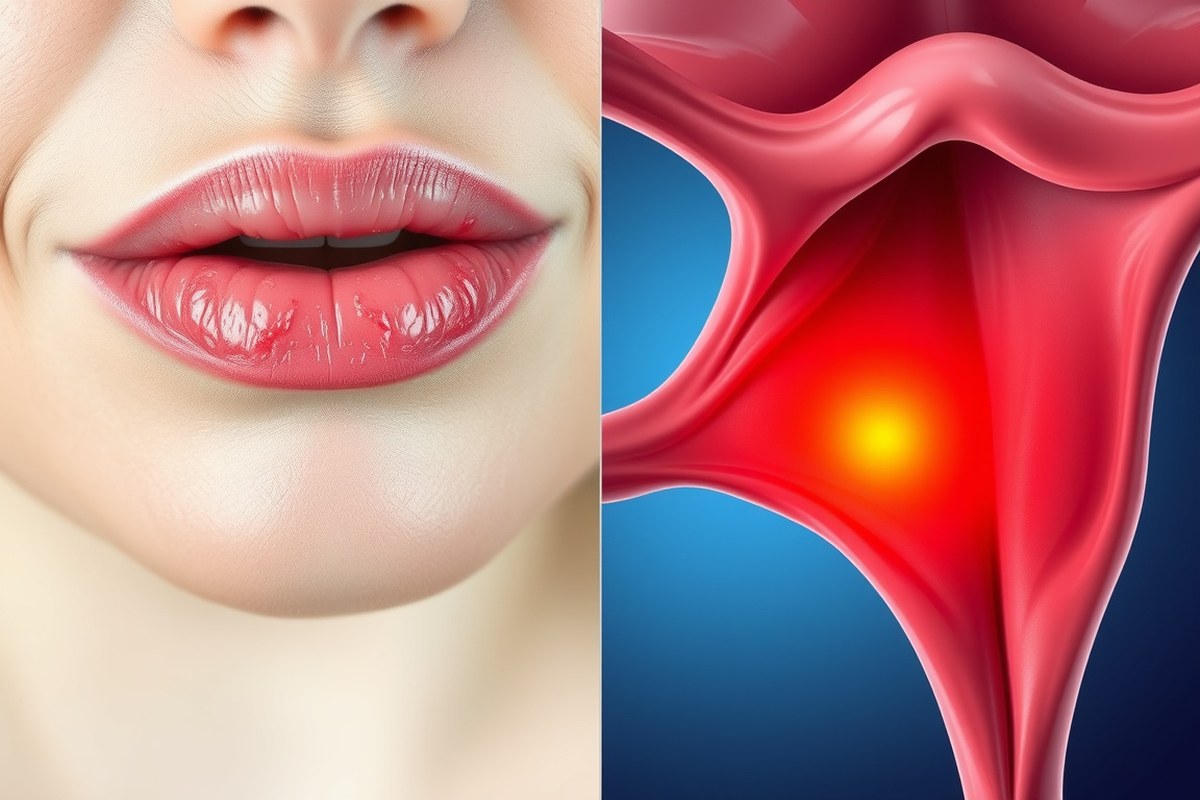
HSV-1 and HSV-2 are two types of herpes simplex virus that behave differently but can cause similar symptoms. HSV-1 usually causes oral herpes, producing cold sores around the mouth, while HSV-2 most often leads to genital herpes with sores in the genital area. Both types can infect either location, depending on contact, but HSV-2 remains the more frequent cause of genital herpes.
Types of HSV Explained
Herpes simplex virus type 1 (HSV-1) primarily infects the mouth area, resulting in oral herpes. It spreads mainly through non-sexual contact like kissing or sharing utensils. Herpes simplex virus type 2 (HSV-2) is mainly sexually transmitted and typically infects the genital or anal region, although HSV-1 can cause genital infections through oral-genital contact.
The difference matters because HSV-2 infections are more likely to recur and shed asymptomatically, meaning people can transmit the virus without noticing symptoms. HSV-1 tends to cause fewer genital outbreaks but still poses a risk. After initial infection, the virus travels along nerve fibers to nerve clusters called ganglia, where it remains latent and can reactivate later under triggers like stress or illness.
Symptoms of Oral Herpes
Oral herpes caused by HSV-1 usually starts with tingling, itching, or burning around the lips or mouth. Within a day or two, painful cold sores or fever blisters appear, often lasting 7 to 10 days. These sores may crust over and heal without scarring. Some people experience flu-like symptoms such as fever or swollen lymph nodes during the first outbreak.
Subsequent oral outbreaks tend to be milder and shorter. Triggers like prolonged sun exposure, emotional stress, or a weakened immune system can reactivate oral herpes. Antiviral medications started within 48 hours of lesion appearance can reduce outbreak duration by about one to two days.
Symptoms of Genital Herpes
Genital herpes symptoms, typically caused by HSV-2, include painful sores or blisters on the penis, vulva, anus, buttocks, or thighs. This initial outbreak often comes with flu-like symptoms such as fever, body aches, and swollen glands. The sores usually develop 2 to 12 days after exposure and take about 2 to 4 weeks to fully heal.
Many people with genital HSV-2 infection have mild symptoms or none at all, yet they can still transmit the virus to partners. HSV-1 can also cause genital herpes but less commonly prompts frequent recurrences. Recurrent genital outbreaks tend to be shorter and less severe with repeated flare-ups.
Typical Symptom Onset Timeline
Symptoms of herpes usually appear within 2 to 12 days after exposure, though this can vary by individual. The first outbreak tends to be more severe and longer lasting, while later episodes often start faster and improve more quickly. Some people never develop noticeable symptoms despite carrying the virus and can unknowingly spread it.
Prompt medical attention within 48 hours of noticing symptoms can enable antiviral therapy to shorten the outbreak and reduce viral shedding. Long periods without symptoms don’t mean the virus is gone because HSV remains dormant in nerve ganglia and can reactivate over time.
Always consult a healthcare provider if you experience symptoms suggestive of herpes, even if mild, to receive timely diagnosis and treatment options.
Current Antiviral Treatments and When to Start Them
Antiviral medications are the foundation for treating herpes outbreaks. They work by interfering with the virus’s ability to replicate, which reduces the severity and duration of symptoms. The three FDA-approved oral antivirals for genital herpes are acyclovir, valacyclovir, and famciclovir. These drugs can be used either episodically or as suppressive therapy, depending on the pattern and frequency of your outbreaks.
Episodic therapy involves starting antiviral medication right when you first feel early outbreak signals like tingling or burning, known as prodrome. Beginning treatment at this early stage can reduce the duration of the outbreak by nearly half. Typically, this therapy lasts between three and five days, with a daily dose ranging from one to five pills depending on your medication and doctor’s advice. Episodic therapy works well if you experience outbreaks occasionally or want to avoid continuous medication.
Suppressive therapy involves taking antiviral medication every day without breaks. This approach is recommended if you experience frequent outbreaks, defined as six or more per year. Daily suppressive therapy can reduce outbreaks by 70 to 80% while you continue the medication. It also lowers the chance of viral shedding, making transmission less likely. This method requires a longer commitment and may involve higher medication costs but offers much better control of herpes symptoms.
Understanding which antiviral and treatment type to use depends on your symptoms, outbreak frequency, tolerability, and cost considerations. The following table summarizes the main antiviral pills along with their treatment uses and key benefits to help you decide with your healthcare provider.
| Medication | Treatment Type | Key Benefits |
|---|---|---|
| Acyclovir | Episodic / Suppressive | Most affordable, multiple formulations available (pills, topical) |
| Valacyclovir | Episodic / Suppressive | Longer-acting, requires fewer daily doses |
| Famciclovir | Episodic / Suppressive | Alternative for people with specific sensitivities to other antivirals |
To maximize antiviral effectiveness, begin episodic treatment immediately when you first notice prodrome symptoms. Delaying treatment can reduce its ability to shorten outbreaks. Suppressive therapy requires consistent daily dosing, so set reminders or use pill organizers to maintain adherence. Discuss costs with your doctor or pharmacist; generic acyclovir is generally the most affordable option, while valacyclovir and famciclovir might be pricier but more convenient due to less frequent dosing.
If you develop herpes blisters near your eyes, seek prompt medical attention, as antiviral treatment here is urgent to prevent complications. For oral herpes symptoms, topical antivirals like acyclovir ointment or penciclovir cream may be prescribed in addition to or instead of oral pills. Always follow your healthcare provider’s instructions and finish the full course of medication to reduce symptoms and the risk of spreading the virus.
Comparison of Acyclovir, Valacyclovir, and Famciclovir
Three main antiviral drugs treat herpes: acyclovir, valacyclovir, and famciclovir. Each has specific dosages and treatment durations depending on whether the outbreak is the first episode, a recurrence, or if suppressive therapy is being used to reduce outbreak frequency. Understanding the differences in how they’re taken and their costs helps you choose the most convenient and effective option for your situation. Side effects are generally mild but vary slightly between the drugs.
| Drug | Typical Dosage | Frequency | Duration | Cost Approximation | Pros | Cons / Side Effects |
|---|---|---|---|---|---|---|
| Acyclovir (Zovirax) | 400 mg (first episode) 800 mg (recurrent) |
3 times/day (first episode) 2 times/day (suppressive) |
7 to 10 days (first episode) 5 days (recurrence) Daily for suppressive therapy |
Low; generic options available | Proven effective; low cost | Frequent dosing may reduce convenience; mild side effects like headache, nausea |
| Valacyclovir (Valtrex) | 1 g (first episode) 500 mg, 1 g (suppressive) |
2 times/day (first episode) Once daily (suppressive) |
7 to 10 days (first episode) Daily for suppressive therapy |
Moderate; brand and generic available | Once-daily dosing improves convenience; fast healing in some cases | Possible headache, nausea, rare kidney issues at higher doses |
| Famciclovir (Famvir) | 250 mg (first episode) 125 mg, 1 g (recurrence) |
3 times/day (first episode) Twice/day (suppressive) |
7 to 10 days (first episode) 1 to 5 days (recurrence) Daily for suppressive therapy |
Moderate to high; generally higher cost | Effective with shorter courses for recurrences | Possible headache, nausea; higher cost and more frequent dosing |
Valacyclovir offers greater convenience with its once- or twice-daily dosing, which may encourage better adherence. It is also effective in a one-day treatment of 2 grams at cold sore onset, followed by another 2 grams about 12 hours later, speeding recovery for oral herpes. Acyclovir’s lower cost makes it a preferred option for long-term suppressive therapy or if cost is a concern, but it requires more frequent dosing, which some find less convenient. Famciclovir can be more expensive but works well for shorter recurrence treatments.
Side effects for all three antivirals are generally mild and may include headache, nausea, or dizziness. Serious side effects are rare but can include kidney issues with valacyclovir, especially at higher doses or in people with impaired kidney function. You should follow your healthcare provider’s instructions closely and discuss any side effects you experience. Daily suppressive therapy with these antivirals can reduce outbreak frequency by about 70% to 80%, according to the CDC, improving quality of life for people with frequent outbreaks.
Reducing Transmission Risk and Safe Practices for Partners
Herpes can be contagious even when no symptoms are visible, a process called asymptomatic shedding. About 80% of herpes transmission happens during these silent periods when the virus is active on the skin but does not cause sores or other warning signs. This makes it important to use protection and communicate openly with partners, even if you feel well.
Condoms reduce the risk of spreading herpes but are not fully effective. Since outbreaks often occur on skin areas that condoms do not cover, the virus can still transmit through unprotected skin-to-skin contact. Using condoms consistently lowers transmission risk but does not eliminate it entirely. Similarly, dental dams are recommended for oral sex to reduce herpes spread by blocking contact with saliva or genital secretions.
Herpes can spread through oral sex and kissing. Oral herpes (typically HSV-1) can pass to the genitals during oral sex, while genital herpes (often HSV-2) can infect the mouth. Avoid contact during outbreaks, but remember the virus can spread without sores. During an active outbreak, avoid kissing and sharing items like utensils, straws, makeup, or towels that contact saliva.
Disclosing your herpes status to partners is important for trust and risk reduction. You can approach the conversation calmly and informatively to help your partner understand the risks and preventive steps. An example script might be: “I want to share something important about my health. I have herpes, which is common but contagious. Even though I don’t always have symptoms, I take precautions like using condoms and antiviral medication to reduce the chance of passing it to you. I’m happy to answer any questions you have.” Tailor your approach depending on how well you know the person and the relationship’s seriousness. For new or casual partners, be straightforward but brief. For established relationships, give more detailed information and discuss safer sex options together.
Always disclose herpes status before sexual activity to allow your partner to make informed decisions and reduce transmission risk.
Taking antiviral medication as prescribed can lower viral shedding and transmission risk, complementing barrier methods. Managing herpes involves combining safe practices: consistent condom or dental dam use, avoiding sexual contact during outbreaks, open partner communication, and following healthcare provider advice. Together, these steps create a safer environment but don’t guarantee zero risk. Honest conversations and prevention plans help maintain healthy relationships despite herpes’s contagious nature.
Natural Remedies, Topical Treatments, and Lifestyle Management
Over-the-counter creams can help ease the discomfort of herpes sores but don’t cure the infection. Natural remedies like lemon balm show some promise in reducing symptom severity. Managing outbreaks also relies heavily on lifestyle changes that reduce triggers and support your immune system.
Topical and OTC Options
The only over-the-counter antiviral cream approved by the U.S. FDA for cold sores caused by herpes simplex virus is docosanol 10% (Abreva). Applying this cream within 24 hours of the first symptoms can shorten healing time and reduce pain. However, OTC creams do not eliminate the virus or prevent future outbreaks.
Other topical treatments like 1% hydrocortisone cream can reduce inflammation and soothe redness and burning during an outbreak. Pain-relieving gels containing benzyl alcohol or ingredients like dimethicone with sunscreen (Herpecin-L) help relieve discomfort but do not affect healing speed or viral activity. Using a cold compress or ice pack wrapped in a cloth for 15 minutes several times daily can also reduce pain. OTC topical creams are not recommended for genital herpes, as they may interfere with the healing process and prolong outbreaks in that area.
Popular Natural Remedies and Evidence
Lemon balm cream is among the most researched natural treatments. In a small trial involving 66 patients, applying lemon balm twice daily on cold sore lesions for two days decreased the intensity of symptoms. Another study with 116 participants reported that using lemon balm two to four times daily for up to ten days helped speed up healing. Though these findings are positive, lemon balm should only be used to ease symptoms, not as a cure.
Natural remedies can help with comfort and mild symptoms, but they do not replace antiviral medications. Be cautious about creams or oils applied to genital herpes sores since they can delay healing. Always follow product directions and avoid irritating the skin.
Lifestyle Changes to Improve Outbreaks
Managing lifestyle factors can significantly reduce the frequency and severity of herpes outbreaks. Stress is a well-known trigger, so incorporating stress management methods like mindfulness, meditation, or regular gentle exercise can help. Getting adequate rest and eating a balanced diet rich in vitamins and minerals supports immune function.
Protect your skin from irritation and UV exposure by using a broad-spectrum SPF 30 lip balm or sunscreen on areas where you usually get outbreaks. Keeping the skin moisturized minimizes discomfort and the risk of worsening symptoms.
- Practice good stress management techniques
- Ensure consistent, quality sleep each night
- Maintain a nutritious diet and stay hydrated
- Avoid skin irritants and use sunscreen daily
- Apply cold compresses to painful sores for relief
- Consult your healthcare provider regularly for outbreak monitoring
- Avoid touching sores to prevent spreading
These lifestyle steps won’t end herpes but can control outbreaks so they have less impact on your daily life.
Living Confidently with Herpes: Emotional and Relationship Guidance
Living with herpes brings emotional challenges and relationship concerns, but learning how to handle these emotions and communicate openly can help you maintain healthy relationships and self-confidence. Facing stigma is part of the journey, but building support networks and educating yourself and others reduces isolation and fear.
Handling Emotional Impact
Receiving a herpes diagnosis often triggers feelings of shame, anxiety, or fear of rejection. These emotions are normal because herpes carries a social stigma that can affect your self-esteem and mental health. Understanding that nearly one in six people aged 14 to 49 in the US have genital herpes can help normalize your experience and remind you that you are not alone.
Dealing with the emotional impact takes active effort. Consider seeing a counselor or therapist familiar with sexually transmitted infections to help you process your feelings and develop coping skills. Supporting your immune system through good sleep, nutrition, and stress management can also improve your physical and emotional resilience. Remember, managing herpes is often about balancing medical treatment and emotional well-being.
Communicating with Partners
Open and honest conversations with current and prospective sexual partners build trust and reduce the risk of transmission. You don’t have to script every word, but having a general template can ease anxiety. For example, you might say: “I want to share something important about my health. I have herpes, which is common and manageable. I take medication to control it and reduce the chance of passing it to you. I want us to be informed and safe together.”
Timing matters. It’s best to disclose before intimacy, allowing partners to make informed decisions. If you are nervous, practicing what to say or writing it down can help. Be prepared for varied reactions and give partners time to process. Staying calm and providing accurate information about herpes’ prevalence, treatment options, and transmission risks supports a respectful dialogue.
Dealing with Stigma and Support Networks
Social stigma around herpes can lead to feelings of embarrassment or isolation. Overcoming this starts with educating yourself and challenging myths. Recognize that herpes is a virus many people live with silently or openly. Connecting with support groups online or in person can provide understanding, share experiences, and reduce loneliness.
Friends or family who know your diagnosis can offer emotional support, but choose carefully whom you tell based on your comfort and judgment. Healthcare professionals are excellent resources not only for treatment but for guidance on navigating social challenges. Encouraging open conversations helps dismantle stigma and creates a more supportive environment for everyone affected by herpes.
Emerging Research: Vaccines, Gene Editing, and Future Hope
Researchers are actively pursuing ways to cure herpes, focusing mainly on vaccines and gene editing. Although there is no commercially available vaccine yet, several candidates are in clinical trials. These vaccines aim to either prevent herpes infection or reduce the severity of symptoms. Advances in mRNA vaccine technology, inspired by COVID-19 vaccines, have accelerated this research, providing new hope for faster development and approval timelines.
Gene editing presents a promising but still experimental approach. Techniques like CRISPR-Cas9 target and remove the herpes simplex virus DNA from infected cells. This strategy aims to eliminate the virus rather than just suppress symptoms. Early laboratory studies show potential, but clinical applications are likely still several years away. The process requires precise delivery systems to edit infected nerve cells safely, which is a major technical challenge researchers are working to overcome.
Vaccine trials often take multiple years to complete because researchers must demonstrate safety, efficacy, and long-term effects through phased studies. Some herpes vaccine candidates have shown reduced outbreaks or lowered viral shedding in early trials, but no product has passed all regulatory hurdles yet. Approval and widespread availability could still take five to ten years or longer, depending on trial outcomes and investment.
Medical treatments continue to improve, with new antiviral drugs like pritelivir being tested to better control herpes symptoms. These medications may complement future cures but do not eliminate the virus on their own. The scientific community’s strategic research plans from 2023 to 2028 highlight vaccine development and gene editing as primary goals, reflecting sustained focus on achieving a real cure.
Keep using approved antiviral medications as prescribed, and consult your healthcare provider before trying experimental treatments or supplements like vitamin B12, which currently has only limited evidence for managing herpes symptoms.
Herpes Management: Your Step-by-Step Action Plan
Follow this practical plan to understand your diagnosis, start treatment, reduce transmission risks, and manage herpes confidently day to day.
- Day 1: Confirm Your Diagnosis, Get tested by a healthcare provider to identify if you have HSV-1 or HSV-2. Knowing your specific type helps tailor treatment and lifestyle choices. You’ll know this worked once you receive clear test results and a treatment plan.
- Within 2 Days: Begin Antiviral Medication, Start prescribed antivirals like acyclovir, valacyclovir, or famciclovir as soon as symptoms appear or right after diagnosis. Early treatment reduces outbreak severity and duration. You’ll see improvement as sores heal faster and pain decreases.
- Week 1: Learn and Practice Safe Behaviors, Use condoms and avoid sexual contact during outbreaks to reduce transmission risk. Share your diagnosis openly with partners. Success means fewer or no partner infections over time.
- Week 2: Implement Lifestyle and Symptom Management, Apply topical treatments for discomfort and try natural remedies like stress reduction and good sleep. Track your outbreaks to identify and avoid triggers. This works when outbreaks lessen in frequency or intensity.
- Month 1: Monitor and Adjust Treatment, Follow up with your provider to discuss medication effectiveness and any side effects. Adjust treatment if needed. Effective management shows in stable symptoms and tolerable medication use.
- Ongoing: Build Emotional and Relationship Support, Seek counseling or support groups to address stigma and emotional impact. Open communication helps maintain healthy relationships. You’ll notice reduced anxiety and stronger connection with your partner.
- Every 6 Months: Stay Informed on New Research, Keep up to date on vaccine developments and novel therapies like gene editing that may offer future options. This keeps you prepared for changes in herpes care.
Frequently Asked Questions
Can You Completely Get Rid of Herpes?
No, you cannot completely get rid of herpes today, but treatment can reduce its impact significantly. Proper antiviral management keeps outbreaks rare and mild.
Is There a Natural Cure for Herpes?
Claims of natural cures with ingredients like lemongrass and willow bark are not proven to cure herpes. They may help with symptoms but don’t eliminate the virus.
Can Topical Steroids Like Hydrocortisone Help Herpes Outbreaks?
Low-dose 1% hydrocortisone cream can reduce inflammation and discomfort but won’t cure herpes or stop outbreaks. Use it cautiously and alongside antiviral treatments.
Are Herpes Cures Advertised Online Real?
No, ads claiming a 100% herpes cure are false and misleading. There is no guaranteed cure, so avoid scams promising one.
Can Starting Antivirals Early Stop Herpes Completely?
Early antivirals reduce outbreak severity and duration but don’t stop the virus from staying in your body. They work best if started within 48 hours of symptoms.
Will Herpes Ever Be Eradicated with Gene Editing?
Gene-editing research shows promise in animals but isn’t available for humans yet. It may become a future option but isn’t a current cure.
The Bottom Line
Herpes cannot be completely cured or removed from your body, but effective antiviral treatments can control outbreaks and reduce the chance of transmission. You can improve your quality of life by starting medication early during symptoms and practicing safe sex. Consider scheduling an appointment with your healthcare provider today to discuss testing and the best treatment options tailored for you.



One Comment