How to Get Rid of a Sinus Infection in 24 Hours: Proven Fast Relief Steps
To get rid of a sinus infection in 24 hours, focus on relieving symptoms quickly through hydration, rest, and effective home treatments like nasal rinses or steam inhalation. Over-the-counter medications can also reduce pain and inflammation, while avoiding triggers and using a neti pot helps clear your sinuses faster. These steps combined can provide noticeable relief within a day.
This guide is for anyone suffering sinus infection symptoms and looking for fast, practical solutions at home. You’ll learn how to use treatments like nasal rinses and steam safely, when to seek medical care or antibiotics, and how to avoid common mistakes. Special advice for children, chronic sinusitis, and allergy sufferers will help you manage symptoms and prevent future infections.
Key Takeaways
- Use nasal rinses, steam inhalation, and OTC decongestants within your 24-hour treatment plan to quickly relieve sinus infection symptoms at home.
- Stay well hydrated to support your body’s natural healing process and reduce inflammation during a sinus infection.
- Distinguish sinus infection from migraines since 90% of sinus headache self-diagnoses are actually migraines, not infections.
- Call your doctor if symptoms last over 10 days or worsen after initial improvement, as antibiotics may be necessary then.
- Children under 5 with sinus infection symptoms require prompt medical evaluation from a primary care provider.
- Avoid overusing decongestant sprays or ignoring prolonged symptoms, as these common mistakes can worsen sinus issues or delay proper care.
How to Relieve Sinus Infection Symptoms Quickly at Home

Relieving sinus infection symptoms quickly at home focuses on reducing pressure, pain, and congestion. One of the fastest ways is applying a warm compress over your sinuses to ease facial pain and improve drainage. Use a clean cloth soaked in warm water, wring it out, then hold it on your nose, forehead, or cheeks for 5 to 10 minutes several times daily. This warmth helps loosen mucus and reduces inflammation.
Hydration plays a key role, but drinking plenty of fluids alone rarely clears a sinus infection within 24 hours. Staying well-hydrated thins mucus, making it easier to drain and reducing congestion. Aim to drink at least 8 to 10 cups of water or herbal teas throughout the day. Avoid caffeine and alcohol because they can dry out nasal passages. Besides fluids, rinsing your nasal passages with a saline solution dilutes mucus and washes allergens or irritants away, providing fast relief from stuffiness.
Steam inhalation is effective and safe for most adults to relieve sinus congestion quickly. Boil water, pour it into a large bowl, then lean over the bowl with a towel draped over your head to trap the steam. Breathe deeply through your nose for 10 to 15 minutes. Make sure the steam is not too hot to avoid burns. You can also use a humidifier or vaporizer for similar benefits, especially overnight, but clean these regularly to prevent bacteria growth.
Facial massage and acupressure can help reduce sinus pressure when done properly. Using your fingertips, press gently on areas around your nose, eyebrows, and under the cheekbones for several minutes. This stimulates circulation, encourages mucus drainage, and eases tension. Perform slow circular motions or light upward strokes. Avoid pressing on very painful areas or broken skin.
- Apply warm compresses on your forehead and cheeks for 5-10 minutes, 3-4 times daily
- Drink 64-80 ounces of water or herbal teas evenly spaced through the day
- Inhale steam from hot water safely for 10-15 minutes, 2-3 times during the day
- Use saline nasal sprays or rinses 2-3 times daily to clear nasal passages
- Perform gentle facial massages on sinus areas for 5 minutes, twice daily
- Consider over-the-counter pain relievers like ibuprofen for facial pain
- Run a humidifier in your bedroom overnight while sleeping
Monitoring your response is important. You should notice reduced nasal congestion, less facial pain, and easier breathing within a day. However, if symptoms worsen or last beyond a week, medical evaluation is recommended. Avoid overusing nasal sprays, which can worsen congestion if used longer than three days. Combining these home remedies offers the best chance of easing sinus infection discomfort quickly and safely.
Home Treatments Compared: Nasal Rinses, Steam, and OTC Medications
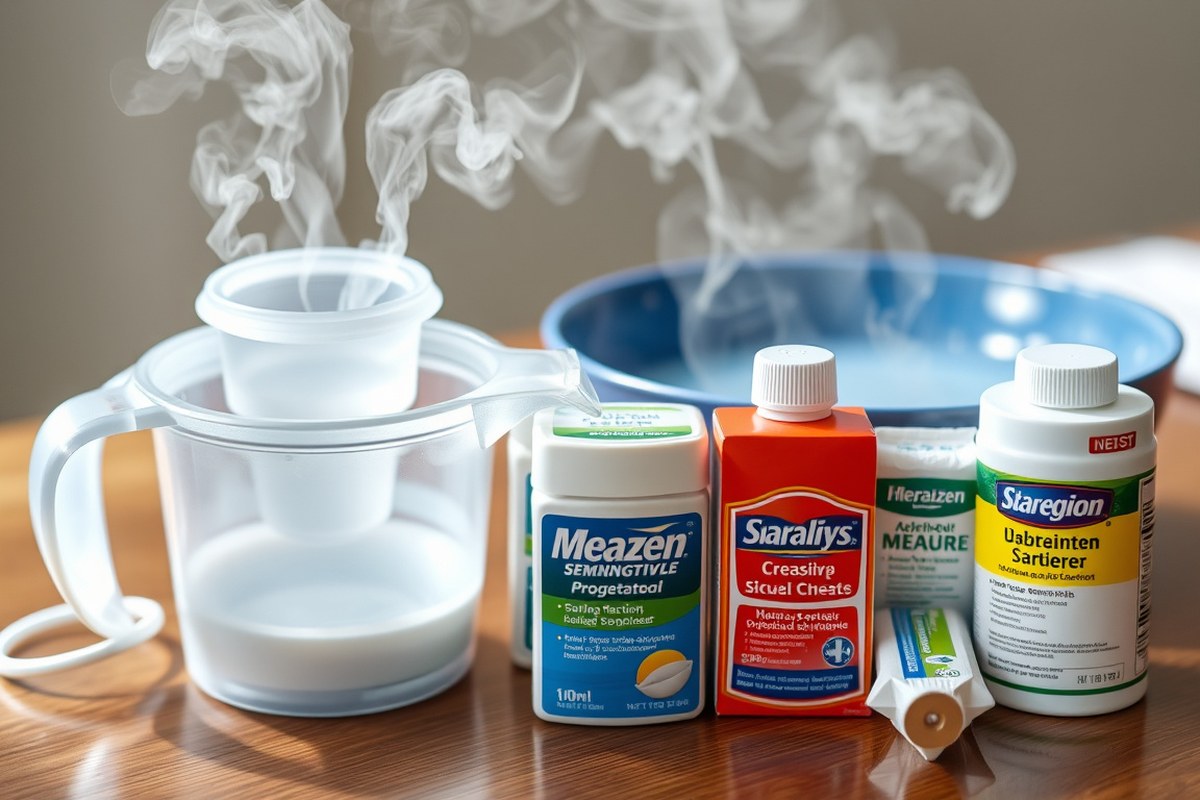
Choosing the right treatment can help you reduce sinus infection symptoms faster. Nasal rinses, steam inhalation, and over-the-counter (OTC) medications each offer different benefits and limits. Nasal rinses use saline to flush mucus and irritants from your nasal passages. Steam inhalation moistens your nasal tissues to ease congestion. OTC medications target pain, swelling, or nasal blockage through various active ingredients. Here’s a clear comparison of these treatment options based on what you need to know: how they work, how to use them, expected cost, time to relief, and safety cautions.
| Treatment | How It Works | Usage Instructions | Time to Effect | Cost Range | Cautions |
|---|---|---|---|---|---|
| Nasal Rinses (Neti Pot) | Flush nasal passages with saline solution to clear mucus and irritants | Use distilled or previously boiled water mixed with saline; irrigate nasal cavity 1-2 times daily | Immediate congestion relief; repeated use promotes faster recovery | $10, 20 for a neti pot and saline packets | Use sterile water to avoid infection; clean pot after each use; do not overuse (max 2 times daily) |
| Steam Inhalation | Moistens nasal tissues; loosens mucus for easier drainage | Inhale steam from a bowl of hot water for 10, 15 minutes, 1-3 times daily | 15, 30 minutes after treatment for relief | Minimal cost (mostly a bowl and tap water) | Keep water temperature below boiling; avoid burns; not advised for young children without supervision |
| Over-the-Counter Medications | Reduce inflammation, pain, and nasal congestion | Follow label dosing: decongestants (nasal sprays or oral) up to 3 days; pain relievers as needed | 30 minutes to 1 hour for symptom relief | $5, 15 per medication package | Limit nasal spray use to 3 days to avoid rebound congestion; check drug interactions and health conditions |
Nasal rinses can provide quick relief by cleaning your nasal passages, which helps your body fight the infection. Pay close attention to using sterile or boiled water and cleaning your neti pot to prevent introducing bacteria. Steam inhalation is a low-cost option that helps reduce congestion but offers shorter-term relief and requires careful handling to avoid burns. OTC medications cover various symptoms but must be used responsibly, especially nasal sprays, which can worsen symptoms if used too long.
Always use distilled or boiled water that’s cooled for nasal rinses to prevent rare but serious infections.
Identifying When Antibiotics or Medical Care Are Necessary
You should consider antibiotics or medical care for a sinus infection when symptoms last longer than 10 days, worsen after initial improvement, or include high fever or severe pain. Viral sinus infections usually improve within 10 days without antibiotics, which only treat bacterial infections. Knowing when to switch from home care to professional care helps prevent complications and promotes faster healing.
Signs Indicating Bacterial Infection
A sinus infection is likely bacterial when symptoms persist beyond 10 days without improvement or worsen after initially improving. This pattern is often called “double-sickening.” Other indicators of a bacterial infection include thick green or yellow nasal discharge, severe facial pain, and swelling or redness around the eyes. These symptoms suggest the body is fighting a bacterial invader rather than a viral one.
Doctors rely on these signs to decide if antibiotics are needed. Viral infections typically get better on their own within about 10 days. Antibiotics do not work against viral causes, so they are only prescribed when bacterial infection is suspected based on symptoms and symptom duration.
Duration and Severity of Symptoms
Pay attention to how long symptoms last and how severe they become. Mild sinus infection symptoms that start improving within a week can usually be managed at home. Persistent symptoms beyond 10 days or worsening conditions after a few days require medical evaluation. Fever above 100.5°F (38°C) is an important symptom to monitor, especially if it persists or spikes.
Severity of pain, difficulty breathing through the nose, and facial swelling also indicate the need for medical attention. Increasing discomfort or inability to manage nasal congestion signals the infection might be bacterial or complicated.
Risk Factors Warranting Doctor Visit
Certain personal factors increase the likelihood that a sinus infection requires professional care. These include:
- Symptoms lasting more than 10 days without improvement
- Fever higher than 100.5°F (38°C) lasting more than 3 days
- Recurring sinus infections (more than three a year)
- Severe facial pain or swelling, especially around the eyes
- Immunocompromised conditions or chronic respiratory illnesses
- Kids younger than 5 showing signs of a sinus infection
- Symptoms worsening after initially getting better (“double-sickening”)
These factors suggest that home care might not be enough and that antibiotics or further diagnostic tests should be considered to avoid complications.
Home Care Limits and Red Flags
Home remedies like nasal rinses, steam, and OTC medications can ease symptoms temporarily but do not kill bacterial infections. Lack of symptom improvement after two days of initial sinus infection treatment or sudden symptom intensification means a doctor should evaluate you. Watch for red flags such as persistent high fevers, severe headache, vision changes, or swelling of the face. These require immediate medical attention.
Caution is needed when relying on home care beyond the typical recovery window. Overusing nasal sprays or ignoring worsening symptoms can delay proper treatment. Symptoms persisting more than 10 days or deteriorating need professional evaluation.
Evaluating Need for Prescription Medication
Your healthcare provider will usually decide whether antibiotics are necessary based on symptom timeline and severity. They may check your sinuses for tenderness or inspect your nose for signs of infection and inflammation. The decision to prescribe antibiotics depends on the suspected presence of bacterial infection. Antibiotics are not given for viral infections, which cause most sinus infection cases.
Prescribed antibiotics typically require a course lasting about 7 to 14 days, depending on the infection’s severity and response to treatment. Some doctors may also recommend corticosteroids to reduce inflammation. Costs for doctor’s visits and prescriptions vary but are often partially covered by insurance. Prompt medical care can prevent complications and speed recovery, especially for bacterial infections.
Recognizing Sinus Infection Symptoms and Differentiating Similar Illnesses
Sinus infections often start with symptoms similar to a common cold, such as nasal congestion, facial pain or pressure, and thick nasal discharge that may appear yellow or green. Dizziness and sinus headaches are also frequent signs of a sinus infection. These symptoms are caused by inflammation that blocks your sinuses, leading to fluid buildup and discomfort. Understanding these symptoms helps you decide whether you’re dealing with a sinus infection or another illness like allergies or COVID-19.
Allergic reactions commonly cause sneezing, itchy and watery eyes, and clear, watery nasal discharge without the thick mucus seen in sinus infections. Allergies typically do not cause fever or facial pain. Trying an over-the-counter antihistamine can help confirm if your symptoms are allergy-related, since such medications specifically target allergy symptoms. If your symptoms improve with antihistamines, allergies are likely the cause.
COVID-19 shares some symptoms with sinus infections, including congestion, sore throat, and fatigue. However, COVID-19 often comes with fever, cough, loss of taste or smell that lasts longer, and sometimes breathing difficulties. Vaccinated individuals or those with mild COVID-19 may experience overlapping symptoms, which can make distinguishing between the two challenging. A COVID-19 test will provide clarity if you suspect infection or have been exposed.
When assessing whether your symptoms indicate a sinus infection, allergies, or COVID-19, consider these points in a checklist format: presence of thick yellow or green nasal discharge suggests a sinus infection, while clear nasal discharge and itchy eyes point to allergies. Fever combined with respiratory or systemic symptoms may indicate COVID-19 or another viral illness. Facial pain and pressure, particularly around the eyes, cheeks, and forehead, are more common with sinus infections. Dizziness or sinus headaches also strengthen the case for sinus infections. Keep in mind that some people develop sinus infections as complications from allergies or colds, so symptoms can overlap.
Pay attention to the duration of symptoms. Allergies often persist for weeks or months in seasonal patterns without fever. Acute sinus infections generally last about 10 days but can worsen or fail to improve, signaling the need for medical evaluation. COVID-19 symptoms tend to last a week or more, and testing is recommended if you suspect exposure. Rest and self-care support healing across all these conditions, but distinguishing the cause helps target treatment effectively.
A Sample 24-Hour Treatment Schedule for Fast Symptom Relief
To get noticeable relief from a sinus infection within 24 hours, follow a structured routine combining hydration, steam inhalation, nasal rinses, appropriate over-the-counter medication, and rest. This approach helps reduce inflammation, clear mucus, and promote healing efficiently.
Morning Routine for Sinus Care
Start the day by hydrating well to thin mucus secretions and ease sinus drainage. Use a saline nasal rinse next to flush out irritants and allergens from the nasal passages. Follow this by inhaling steam for about 10 minutes to open the sinus cavities and improve airflow.
Take an OTC pain reliever or decongestant as directed to address pain and congestion. Antihistamines can also help if allergies contribute to your symptoms. Begin with the following steps in the morning:
- Drink at least 8 ounces of water or warm herbal tea to increase hydration.
- Perform a saline nasal rinse using a neti pot or squeeze bottle with sterile saline solution.
- Inhale steam over a bowl of hot water for 10 minutes, keeping face about 12 inches away to avoid burns.
- Take an OTC decongestant (like pseudoephedrine) or pain reliever (acetaminophen or ibuprofen) according to package instructions.
- If allergies are suspected, take an antihistamine such as loratadine or cetirizine.
Use sterile or distilled water for nasal rinses to prevent infections and don’t exceed recommended medication doses.
Afternoon and Evening Symptom Management
Continue to hydrate throughout the day to support mucus thinning and reduce sinus pressure. Repeat the nasal rinse once more to clear accumulated mucus and reduce the chance of bacterial growth. Applying a warm compress over your sinuses for 10 to 15 minutes can soothe inflammation and relieve pain.
Take another dose of OTC medication as recommended, spacing doses properly. Avoid irritants like cigarette smoke or strong chemicals during this time to prevent worsening symptoms.
Nighttime Rest and Recovery Tips
Before bed, use steam inhalation or a warm compress again to relax sinus tissues and clear airways, helping you breathe better at night. Improve your head with an extra pillow to promote sinus drainage and reduce congestion. Maintain hydration with a small glass of water but avoid excessive liquids right before sleep to prevent nighttime bathroom trips.
Take a final dose of any recommended medication to manage symptoms overnight but follow label directions carefully. Aim for at least 7 to 8 hours of uninterrupted rest, as sleep supports your immune system’s ability to fight infection and reduce inflammation.
Precautions, Common Self-Treatment Mistakes, and What to Avoid
Using decongestant nasal sprays daily is not safe because overuse can cause rebound congestion, which makes your symptoms worse. These sprays, like oxymetazoline, should be limited to no more than three consecutive days. Exceeding that can damage your nasal tissues and prolong your sinus issues.
Common mistakes in treating sinus infections include improper nasal rinse techniques. For example, using tap water instead of sterile or distilled water can introduce harmful bacteria into your sinuses, leading to more serious infections. Also, rinsing too forcefully or too often might irritate the mucous membranes, worsening inflammation.
Ignoring worsening symptoms is risky. Increased sinus pain, a fever above 101.5°F, or symptoms that last beyond 10 days require prompt medical care. Delaying treatment in these cases can allow the infection to worsen or spread.
- Limit decongestant nasal spray use to 3 days maximum to avoid rebound congestion
- Use only sterile, distilled, or boiled and cooled water for nasal rinses to prevent infections
- Avoid high-pressure nasal irrigation; use gentle flow with devices designed for sinus rinses
- Do not ignore increasing facial pain, fever, or symptoms lasting more than 10 days
- Avoid combining multiple OTC nasal sprays or using them with steroid sprays without medical advice
- Refrain from smoking or exposure to strong irritants that can worsen sinus inflammation
Following these precautions matters because improper treatment can extend your infection or lead to complications. Proper nasal rinsing involves using a saline solution with the correct water type and gentle technique, leaning your head over a sink, tilting slightly, and allowing the fluid to flow naturally without force. Decongestant sprays are helpful but should be paired with other methods like steam inhalation or oral pain relievers to avoid dependency. Worsening symptoms or lack of improvement calls for contacting a healthcare provider for timely intervention and to prevent long-term issues.
Special Considerations for Children, Chronic Sinusitis, and Allergy Sufferers
Treatment for sinus infections varies significantly for children, people with chronic sinusitis, and those suffering from allergies. Children require gentler options and strict dosage control to avoid side effects. Chronic sinusitis patients need long-term management strategies, while allergy sufferers benefit from combining sinus care with allergy control to prevent recurring infections and promote healing.
Children’s Safe Sinus Infection Treatments
Children’s sinuses and immune systems differ from adults, making it necessary to choose treatments that are both effective and gentle. Over-the-counter decongestants are generally not recommended for children under six years old due to risks of side effects such as increased heart rate or nervousness. Instead, saline nasal sprays or rinses can safely help clear nasal passages multiple times daily, promoting drainage without medication. Warm compresses applied to the face for 10 to 15 minutes can ease sinus pressure and discomfort.
Oral pain relievers like acetaminophen or ibuprofen are appropriate for managing fever or pain in children, but always follow dosing instructions based on weight and age. Parents should avoid giving aspirin to children due to the risk of Reye’s syndrome. If symptoms worsen or last more than ten days, consult a pediatrician; antibiotics may be necessary only if a bacterial infection is confirmed. Ensuring the child stays hydrated and rests well supports faster recovery.
Managing Chronic Sinusitis Alongside Infections
Chronic sinusitis involves persistent inflammation and sinus blockage lasting beyond 12 weeks, often requiring a more complete treatment plan than occasional infections. Patients dealing with chronic symptoms should work with an ENT specialist for personalized care, which may include prescription nasal corticosteroids to reduce inflammation and improve sinus drainage. In some cases, doctors recommend balloon sinuplasty, a minimally invasive procedure that widens sinus passages for better airflow and drainage without surgery.
Antibiotics are reserved for bacterial infections in chronic sufferers but should not be overused to prevent resistance. New biologic therapies targeting inflammation hold promise for patients whose chronic sinus issues relate to underlying allergies or asthma. Regular follow-up visits help monitor progress, adjust treatments, and avoid complications. Consistent use of nasal saline rinses and humidifiers at home supports ongoing drainage and symptom relief.
Adjusting Home Remedies When Allergies Coexist
Allergies can trigger or worsen sinus infections by causing inflammation and blocking sinus drainage. Managing allergy symptoms helps reduce sinus infection risk and improves recovery time. Using antihistamines or leukotriene modifiers as directed by a healthcare provider can decrease allergic reactions. Allergy-targeted immunotherapy, such as allergy shots or sublingual tablets, may provide long-term relief by desensitizing the immune system and preventing sinusitis recurrence.
At home, avoid known allergens like dust mites, pet dander, or pollen by using air purifiers and regularly cleaning bedding. Nasal rinses with saline solution can flush out irritants and mucus, but using distilled or boiled and cooled water is critical to prevent infections. When combining allergy treatments with sinus remedies, monitor any side effects and consult a doctor to adjust medications as needed. Keeping humidity levels between 40 and 50 percent prevents dryness that further inflames sinuses.
How to Prevent Sinus Infections and Avoid Recurrence
Preventing sinus infections from coming back requires attention to everyday habits and environmental factors. Because most sinus infections stem from viral colds, a key part of prevention is minimizing exposure to viruses and allergens that trigger inflammation. Dry air, seasonal allergies, and close contact with sick individuals can increase your risk. Using a humidifier or vaporizer helps keep your nasal passages moist and reduces the chance of irritation that can lead to infection. Pay attention to your personal triggers, such as pets, dust, or pollen, and take steps to limit contact when possible.
Good hygiene is essential. Washing your hands regularly prevents the spread of viruses that start many sinus infections. Avoid touching your face with unwashed hands, especially during cold and flu season. If you already have allergies or frequent colds, managing those conditions reduces the chance that inflammation will block your sinuses and cause infection. Consultation with a healthcare provider can help identify specific causes and guide targeted prevention strategies.
- Use a humidifier in dry indoor environments to keep nasal passages moist
- Wash hands thoroughly with soap and water multiple times daily
- Avoid close contact with people who have colds or respiratory infections
- Manage allergies with appropriate medications and limit exposure to allergens
- Keep your home clean and dust-free to reduce irritants
- Stay well hydrated to support mucous membrane health
Seasonal factors influence how likely you are to get another sinus infection. Cold winter air is often dry, which dries out nasal tissues and slows mucus clearance. Spring and fall bring high pollen levels that worsen allergies, causing sinus swelling and making infections more likely. Regional climate matters too; people in dry or dusty areas may need to use humidifiers or nasal saline sprays more consistently. In contrast, those in humid climates should focus on reducing mold exposure and keeping indoor spaces well ventilated.
Start treatment at the earliest sign of sinus infection symptoms to reduce the chance of complications and future infections.
Preventive steps require ongoing attention, but they can significantly lower how often you get sinus infections. Small costs and efforts, like buying a humidifier (around $30, $60) or allergy medications, pay off by reducing doctor visits and the disruption caused by repeated infections. Be aware that steroid sprays do not prevent infections on their own and should be used only as part of a broader treatment plan under medical advice.
Step-by-Step Action Plan to Get Rid of a Sinus Infection in 24 Hours
Follow this plan to relieve your sinus infection symptoms quickly using proven home treatments and know when to seek medical care. Track your progress to adjust as needed.
- Hour 1: Start nasal irrigation with a saline rinse to clear mucus. You’ll know it worked when you feel less sinus pressure and nasal passages open.
- Hour 2: Use an over-the-counter pain reliever like ibuprofen or acetaminophen for headache and facial pain. Relief in 30 to 60 minutes indicates it’s effective.
- Hour 3: Inhale steam from a bowl of hot water or take a hot shower for 10-15 minutes to loosen mucus. You should notice easier breathing and reduced congestion right after.
- Hours 4, 6: Apply a warm compress over your sinuses for 10 minutes several times to soothe pain. Reduced tenderness and pressure means this step is helping.
- Hour 8: Repeat nasal rinse to maintain sinus clearance and hydration. Continued easier airflow shows it’s working.
- Hour 12: Monitor symptoms. If you have high fever, severe pain, swelling around eyes, or symptoms lasting more than 10 days, contact a healthcare provider for possible antibiotics or further evaluation.
- Hours 12, 24: Rest, stay hydrated, and avoid irritants such as smoke or strong allergens. Noticeable symptom reduction by 24 hours shows home treatments are effective.
- After 24 hours: Continue nasal rinses and avoid triggers to prevent recurrence. Seek medical care if symptoms worsen or don’t improve as expected.
Frequently Asked Questions
What Kills Sinus Infections Fast?
Most sinus infections improve on their own in about 10 days; fast relief usually comes from saline nasal rinses, steam inhalation, staying hydrated, and OTC pain relievers. Antibiotics are only needed if a bacterial infection lasts longer or worsens.
What Drink Opens Sinuses?
Warm fluids like hot tea, broth, or warm water help open sinuses by soothing inflamed tissues and thinning mucus. Keeping hydrated supports drainage and reduces congestion.
What Are the Worst Symptoms of a Sinus Infection?
Severe facial pain or pressure, high fever, swelling around the eyes, or persistent headache often signal a serious sinus infection that may require medical attention.
What Not to Do During a Sinus Infection?
Avoid smoking, exposure to irritants, or flying with severe congestion, as these can worsen symptoms or cause complications. Don’t overuse nasal sprays, which may cause rebound congestion.
How Long Should I Wait Before Seeing a Doctor for a Sinus Infection?
See your doctor if symptoms last more than 10 days without improvement or if they worsen after initially getting better.
Can Sinus Infections Cause Fever and Cough?
Yes, sinus infections can cause low-grade fever and cough due to postnasal drip irritating the throat.
Before You Go
Getting rid of a sinus infection within 24 hours involves combining targeted home treatments like nasal rinses and steam with careful symptom monitoring. Start today by setting up a saline nasal rinse routine to clear your sinuses and reduce inflammation. This simple step can provide quick relief and help avoid unnecessary antibiotic use.