

How to Get Rid of Cat Pee Smell: Complete Guide for Effective Odor Removal
To eliminate cat urine odor, apply an enzyme cleaner designed to break down the compounds in urine, steer clear of cleaners containing ammonia, and ensure the area is cleaned completely to prevent future accidents. Prompt action combined with effective techniques greatly improves the chances of removing stubborn smells. Safe natural options such as vinegar and baking soda may also assist in neutralizing the odor.
This guide is for cat owners and anyone dealing with cat urine in the home. You’ll find step-by-step cleaning instructions for common surfaces, tips to detect hidden spots, advice on when to call a professional, and ways to prevent future accidents to keep your home smelling fresh.
Key Takeaways
- Enzymatic cleaners break down urine proteins to neutralize odors better than regular cleaners, with top brands varying in enzyme potency and price.
- Apply oxygen bleach for 2-3 hours on fabric stains as a safe, effective method to remove cat pee and lighten discoloration.
- Sprinkle baking soda on affected areas for 15-30 minutes before vacuuming to absorb lingering urine odors naturally and safely.
- Use a UV light to detect hidden cat urine spots, then clean promptly and check again after 24 hours to confirm odor removal.
- Avoid common mistakes like using ammonia-based cleaners, which can intensify cat urine smell and cause repeat marking behavior.
- Hire a professional cleaner for old or heavily soiled mattresses and upholstered furniture when DIY methods fail to fully remove odors.
Why Cat Pee Smell Is so Hard to Remove
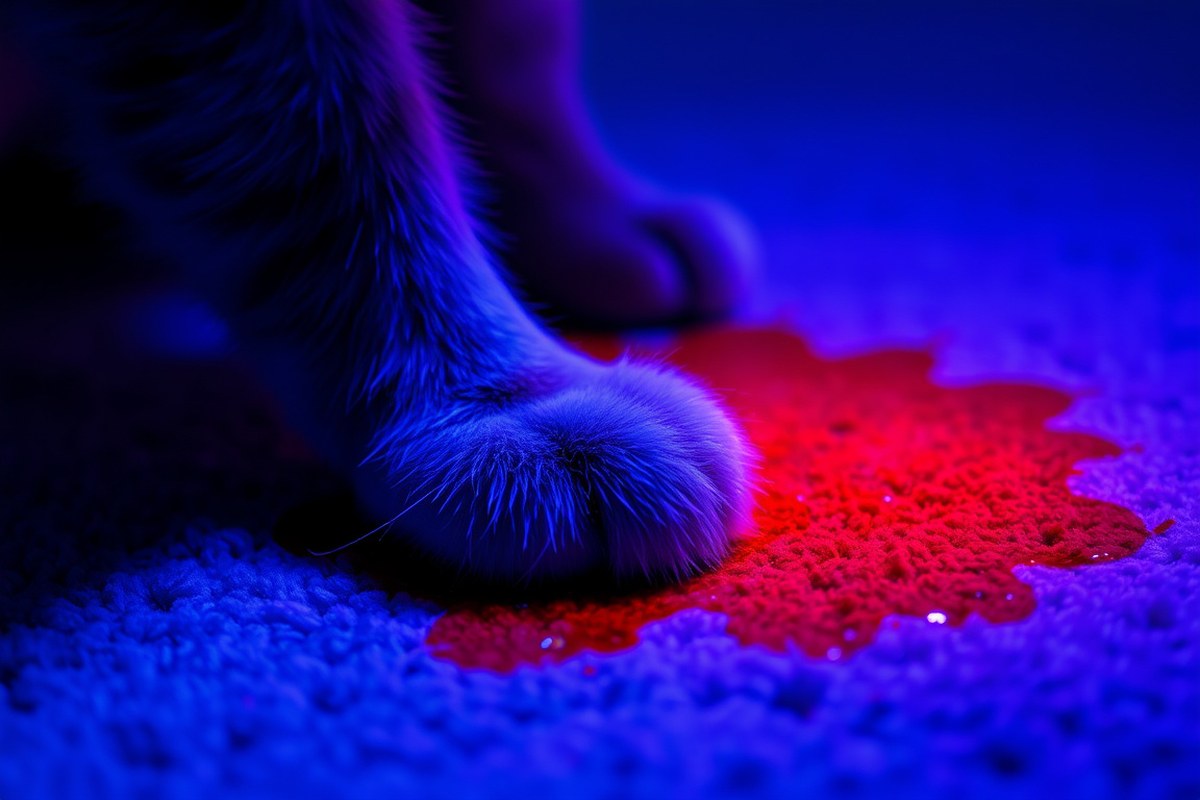
Cat urine has a chemical makeup that makes its smell especially difficult to remove. The main culprit is uric acid, a compound that forms crystals and residues in carpet fibers, upholstery, and porous surfaces. These tiny uric acid crystals don’t dissolve in water or typical household cleaners. That’s why even after you clean the visible stain, the smell can linger for weeks or months until the uric acid breaks down entirely.
Another reason cat pee smell is so persistent is that ammonia, a component naturally found in cat urine, has a sharp, pungent scent. Many traditional cleaning products also contain ammonia, which can actually make the problem worse. If a cat smells ammonia from a cleaning product, it may think the spot is still a suitable place to urinate and return to it. That’s why using ammonia-based cleaners on cat urine stains isn’t recommended.
Besides chemical challenges, the biological nature of cat urine worsens the smell problem. When fresh, cat urine’s acidity can be masked somewhat by vinegar or basic cleaning. But as time passes, bacteria break down the urine, converting uric acid into smelly ammonia gas. This process causes the odor to come back, often stronger than before. That’s why removing all urine residues is important for effective odor control and to prevent your cat from repeating accidents in the same area.
To tackle the uric acid crystals, a cleaning method using enzymatic cleaners is required. These products contain enzymes that chemically break down the uric acid and other urine compounds, neutralizing the smell at its source. Using an enzyme cleaner properly means applying it to the stained area and allowing it to sit long enough to fully digest the residues, usually around 10 to 15 minutes or as the product instructs. For porous materials like carpet or upholstery, repeated applications may be necessary to reach deep layers.
Not addressing the uric acid problem can cost you more time, effort, and money in the long run. Lingering urine odors can motivate your cat to return to the same spots, leading to repeated accidents. This cycle can become costly if professional cleaning or carpet replacement becomes needed. Effective cleaning means fully breaking down and removing the uric acid residues to stop your cat from being attracted back to the smell. Thoroughly drying the cleaned area is equally important to prevent any moisture that encourages bacterial growth and odor resurgence.
How Enzymatic Cleaners Work and Top Brands Compared
Enzymatic cleaners remove cat urine smell by breaking down the molecules that cause odors instead of just masking them. They contain special enzymes that digest urine compounds, eliminating both the stain and the smell. Choosing the right enzymatic cleaner depends on the type of surface you need to treat because some formulas work better on fabrics, while others suit hard floors or furniture.
What Enzymes Target in Cat Urine
Cat urine contains urea, ammonia, and sulfur compounds, which are responsible for the strong, persistent odor. Enzymatic cleaners include protease, lipase, and amylase enzymes that target these molecules directly. These enzymes break down urea into harmless nitrogen and carbon dioxide, effectively “erasing” the source of the smell rather than covering it up.
Unlike regular cleaners that just mask the odor with chemicals, enzymatic cleaners remove the biological compounds. This is why the smell tends to return if non-enzymatic products are used. Enzymatic cleaners work best on fresh stains but can be effective on older stains if used thoroughly and repeatedly.
Recommended Enzymatic Cleaner Brands
Some enzymatic cleaners are formulated specifically for cat urine and strong odors. Here’s a comparison of the best cleaner types to use for different surfaces in your home:
| Surface | Best Cleaner | Critical Pro-Tip |
|---|---|---|
| Carpet / Rugs | Enzymatic Formula | Avoid using steam cleaners because they can trap and seal in the smell instead of removing it. |
| Hardwood / Sealed Wood | Wood-Safe Enzyme | Wipe immediately to prevent seepage into seams. |
| Mattress / Sofa | Heavy-Duty Enzyme | Soak deeply to match the volume of urine. |
| Clothes / Bedding | Laundry Enzyme + Vinegar | Air dry only; check for smell before dryer use. |
Brands like Nature’s Miracle, Rocco & Roxie, and Simple Solution are frequently recommended for their effectiveness against cat urine odors. Prices generally range from $10 to $25 per bottle, depending on size and concentration. For larger or tougher stains, a heavy-duty enzymatic cleaner will be more effective but may require more time to soak.
Check the label to ensure the product is safe for your specific surface. Using the wrong type may damage delicate items or wood finishes.
When to Avoid Enzymatic Cleaners
Enzymatic cleaners should not be used after applying other chemical cleaners because residues may inhibit the enzymes’ activity. Avoid using bleach, ammonia-based cleaners, or steam cleaners on urine stains, as these can set the odor or damage surfaces. Steam cleaners, in particular, can lock the smell into carpets or upholstery by driving the proteins deeper into fibers.
On delicate surfaces like sealed hardwood, apply the cleaner carefully and wipe off quickly to prevent moisture damage. For fabrics, always air dry and smell-test before placing items in the dryer to ensure the odor is fully gone. If cat urine stains are very old or concentrated, enzymatic cleaners might need to be repeated or supplemented with professional cleaning.
Never use heat or steam on cat urine stains, as it can make the odor worse by setting the smell into fabrics and carpets.
Step-by-Step Instructions for Cleaning Cat Pee from Common Surfaces
Removing cat pee smell requires surface-specific cleaning steps to neutralize odors rather than just mask them. Carpets and upholstery need thorough treatment to reach urine that has soaked in. Mattress cleaning demands extra care to eliminate deep-seated odors. Clothing and bedding benefit from effective washing methods that remove urine compounds completely.
Cleaning Cat Pee from Carpet
Carpet fibers and padding absorb urine quickly, making odor hard to remove. Cleaning needs to reach through the carpet surface down into the padding. Acting promptly limits damage and prevents your cat from marking the same spot again.
- Blot up excess urine. Use paper towels or a clean cloth to absorb as much liquid as possible without rubbing.
- Apply an enzymatic cleaner. Saturate the affected area with an enzyme-based pet cleaner designed to break down urine proteins.
- Let the solution sit. Follow product instructions, but generally allow 10 to 15 minutes for enzymes to work.
- Blot again. Remove excess moisture using clean towels to avoid over-wetting the carpet and padding.
- Rinse the area. Lightly spray with clean water and blot to remove cleaner residue, which can attract dirt if left behind.
- Dry thoroughly. Use a fan or open windows to speed drying. Avoid heat which can set odors if urine remains.
- Repeat if necessary. Stubborn smells may need multiple treatments, especially on older stains.
Dish soap can clean fresh spills on the carpet surface but won’t neutralize odors deeply embedded. Professional carpet cleaning may be necessary if urine penetrates padding or subfloor.
Removing Urine Odor from Upholstery and Furniture
Upholstered furniture can hold urine smells in fabric and foam cushions. Quick treatment reduces staining and odor retention.
- Remove excess liquid promptly. Blot with paper towels or an absorbent cloth to soak up urine without rubbing.
- Test cleaner on a hidden area. Before applying enzymatic cleaners to upholstery, confirm fabric won’t discolor or damage.
- Apply enzymatic cleaner thoroughly. Use a spray bottle to cover the urine-soiled area and allow to penetrate.
- Let it set. Allow 10 to 15 minutes or follow the specific product instructions.
- Blot and rinse carefully. Blot out excess cleaner. If the fabric allows, lightly rinse with water and blot again to remove residue.
- Dry completely. Use fans or air drying; avoid direct heat to prevent damage.
Hard furniture surfaces can be wiped with a mild detergent solution, but upholstery generally requires enzyme cleaners to neutralize odor effectively. Cushion covers that are removable can sometimes be machine washed after treatment.
Washing Bedding and Clothing Contaminated with Cat Pee
Cat urine has ammonia and proteins that survive normal washing if not treated properly. Pre-soaking and enzyme cleaners help eliminate the smell completely.
- Rinse affected items with cold water. Do this immediately to dilute urine before washing.
- Soak in enzyme cleaner or a mixture of cold water and a small amount of detergent. Allow 15 to 30 minutes to loosen urine compounds.
- Wash in the warmest water safe for the fabric. Check care labels and use detergents along with a cup of white vinegar if safe.
- Avoid using hot water initially. Heat can set protein stains and odors permanently.
- Air dry or tumble dry on low heat. Check if odor persists before drying, as heat can lock in smells.
- Repeat washing if necessary. Persistent smells often require a second treatment with enzymatic cleaner.
Clothing and bedding frequently exposed to cat pee may need repeated treatment or professional laundering. Avoid bleach on urine stains, as it reacts with urine compounds and makes odors worse.
Treating Cat Pee on Mattresses
Mattresses are challenging because urine can soak deep inside foam and fibers. Complete odor removal ensures your cat won’t return to the spot.
- Blot up as much urine as possible immediately. Use absorbent towels without rubbing to avoid spreading.
- Sprinkle baking soda liberally over the damp area. Let it sit for at least 15 minutes to absorb moisture and odors.
- Vacuum up the baking soda completely. Repeat if the area still smells.
- Apply enzymatic cleaner spray thoroughly. Saturate the urine spot allowing deep penetration.
- Leave to dry naturally. Keep the mattress in a well-ventilated room or use a fan. Avoid direct heat which could damage the mattress materials.
- Consider covering the mattress with a waterproof protector after cleaning. This prevents future urine penetration.
Severe or frequent accidents may require professional mattress cleaning. Quick, thorough cleaning minimizes lingering odors and prevents your cat from marking the mattress again.
Natural Remedies: Using Vinegar, Baking Soda, and More Safely
You can use vinegar and baking soda to reduce cat urine odor, but these household products only mask the smell temporarily and do not remove the deep uric acid crystals that cause the odor to return. Vinegar is acidic and neutralizes the alkaline salts found in dried cat urine, which helps reduce the sharp ammonia smell. To use it safely, first blot up any fresh urine with paper towels. Then mix a solution of equal parts white vinegar and water. Apply it to the stained area and let it sit for about 10 minutes before blotting it dry. Avoid using this on natural stone or hardwood flooring as vinegar’s acidity can damage those surfaces.
Sprinkling baking soda on the affected area after cleaning with vinegar can absorb remaining odors and moisture. Spread baking soda liberally, especially on carpets or fabric upholstery, and leave it for several hours or overnight. Then vacuum it thoroughly. Baking soda does not break down urine crystals but helps control surface odor temporarily. For larger or older stains, this method might not fully eliminate the smell.
Hydrogen peroxide can oxidize ammonia in cat urine, which reduces odor. A common homemade cleaning solution combines 1 cup of 3% hydrogen peroxide, 1 teaspoon of dish soap, and 2 tablespoons of baking soda. After applying this mixture, gently scrub the area with a soft brush and let it dry completely. Test this solution on a small hidden spot first to check for discoloration, especially on colored fabrics or carpets. While hydrogen peroxide breaks down some odor-causing compounds, it can bleach or damage some surfaces, so use caution.
These natural remedies are best for recent or light urine stains. For odor in carpet padding or deep into wood, vinegar and baking soda cannot reach the source and may only mask the smell temporarily. On humid days, uric acid crystals can recrystallize, causing the smell to return. If odors persist despite these methods, enzymatic cleaners specifically designed for pet urine are more effective because they break down uric acid itself. Using vinegar, baking soda, or hydrogen peroxide alone will not fully remove deep-seated urine odors but can be a cost-effective first step for mild cases.
Common Cleaning Mistakes to Avoid and How to Fix Them
Avoid using ammonia-based cleaners on cat urine stains. Ammonia has a similar smell to cat urine because urine contains urea and uric acid. Using ammonia-based products can confuse your cat and make them return to the same spot to urinate again. Instead, opt for enzymatic cleaners designed to break down urine molecules and neutralize odor effectively.
Steer clear of steam cleaning urine-soaked carpets or fabrics. The heat and moisture from steam can set the uric acid crystals deeper into fibers and padding, making odors worse. Steam can also damage delicate upholstery or finishes on wood flooring by warping or staining. Cold water-based cleaning with enzymatic solutions is safer and more effective in these cases.
Improper drying is another common mistake that prolongs odor. Leaving cleaned areas damp allows bacteria to thrive and uric acid to persist. Always dry surfaces and fabrics thoroughly after cleaning by using fans, open windows, or a dehumidifier. For carpets, run an absorbent towel over the area and consider a wet vacuum to remove excess moisture.
- Never use bleach directly on cat pee stains, as it can react with the urine and worsen odor.
- Use enzyme cleaners that specify pet urine removal for carpets, upholstery, or mattresses.
- Test any cleaner on a hidden area to check for colorfastness before full application.
- For hardwood floors, avoid excessive water; use a damp cloth and dry immediately.
- Use oxygen bleach if fabric is color-safe; avoid chlorine bleach which can cause damage.
- Allow enzyme cleaners to sit for at least 10, 15 minutes or as per product instructions before blotting.
- Do not seal or paint over urine stains before odor is fully neutralized, which takes about 24 hours.
Using ammonia-based products on cat urine stains can backfire by encouraging repeat accidents in the same spot.
Some fabrics and carpets may stain or discolor if harsh chemicals or heat are applied. Always read product labels and avoid steam cleaning on delicate materials like wool or silk. Wood flooring can absorb urine and cleaning moisture, causing warping or staining if not dried properly. A thorough but gentle approach preserves your home’s surfaces while tackling odors.
How to Detect Hidden Cat Urine Spots and Know When the Odor Is Gone
Locating hidden cat urine stains is key to effectively removing the smell. Cat urine can soak beneath floors, carpets, and furniture within minutes, leaving odor behind even when you don’t see any discoloration. Your cat’s sensitive nose also detects these spots and may return to urinate there again, increasing the problem.
The most reliable way to find invisible cat pee stains is using a blacklight. Cat urine contains compounds that fluoresce bright yellow or green under ultraviolet light. To do this, turn off all the lights in the room and shine the blacklight across floors, corners, baseboards, upholstery, and beneath furniture. Hold the light close to the surface for best results. This process works best in a dark room at night or in a sealed space where light is minimized. Blacklights cost between $10 and $30 online or at pet stores, making them an affordable tool for cat owners.
In addition to blacklight inspection, trust your nose to detect ammonia-like odors, which indicate cat urine. Keep in mind the smell can spread beyond visible stains, so sniff areas around known spots and in hidden corners. Some people find that moistening their finger and gently rubbing surfaces can help intensify the smell for easier detection. Clothing or carpets near your cat’s favorite spots should also be checked.
After cleaning, knowing when the odor is completely gone can be tricky. Use blacklight again to verify no fluorescent urine remains. Then, closely sniff the area after it has fully dried since moisture can mask odors during cleaning. Normal room temperature and humidity help the area dry faster, usually within a few hours, though thick carpets may take up to 24 hours. Avoid masking smells with air fresheners, as this can confuse your sense and your cat’s awareness of the spots.
One good practice after confirming the area is clean is to change how your cat interacts with that space. Place a favorite toy or a scratching post there to discourage revisiting the spot and reduce accidents. Persistent odor after cleaning might mean urine soaked deeper than surface cleaning can handle, requiring professional treatments like ozone, which targets odor-carrying molecules but usually costs several hundred dollars.
To summarize the process: inspect regularly with blacklight and your nose, clean immediately when spots are found, allow proper drying time, and check again. This cycle helps prevent repeat accidents and keeps your home smelling fresh for you and your cat.
Whether to DIY or Hire a Professional Cleaner for Cat Urine Removal
Deciding whether to tackle cat urine removal yourself or to hire a professional depends largely on how old the stain is, how severe the urine penetration is, and how persistent the odor remains after cleaning attempts. For stains older than 3 to 4 days on mattresses, couches, or upholstered furniture, professional help is generally recommended to effectively eliminate the smell and prevent repeat marking.
Signs You Need Professional Help
You should consider hiring a professional cleaner when the cat urine stain is more than 3 or 4 days old, especially on soft surfaces like mattresses or couches. Older stains tend to soak deeply, making them harder to remove with typical enzyme-based cleaners. In situations where a strong odor remains after repeated cleanings or the urine has soaked into carpet padding and subflooring, professional equipment and expertise may be necessary. Persistent odors can also occur if the cat was spraying to mark territory, which usually means the urine was deposited in multiple spots and often in hard-to-reach areas.
Another sign that professional help is needed occurs when the stain covers a large area or multiple items are affected. Cleaning extensive or multiple stains requires specialized machines that extract urine and apply treatments more thoroughly than consumer products. Attempting detailed cleaning without the right tools can spread the urine further or fail to neutralize the odor, sometimes encouraging your cat to urinate again in the same spot.
Professional Cleaning Methods Explained
Professional cleaners use advanced extraction machines designed to deep clean fabrics and underlying materials. These machines inject cleaning solvents or enzymatic solutions and then extract moisture, removing urine trapped deep inside. Professionals may also use treatments that oxygenate or chemically neutralize odor molecules effectively. Routine consumer products and home methods cannot replicate this deep cleaning process, especially for old or dried urine.
In some cases, professionals use ozone generators or thermal fogging to break down odor-causing molecules in the environment. These methods require careful handling and ventilation to be safe. This level of treatment is necessary when the odor persists despite multiple cleanings because it targets the source compounds beyond surface stains. Professional cleaners can also assess structural damage to carpeting or padding, recommending partial replacement if needed.
Cost Estimates and When to Choose Which Service
The cost of professional cat urine removal varies based on the severity of the stain, the surface, and the cleaning method required. Steam or extraction cleaning for a single upholstered item typically ranges from $100 to $300. More extensive treatments involving ozone or fogging can add $100 to $200 more, depending on the size of the area. Carpet patching or padding replacement costs also increase the total.
DIY cleaning with enzyme cleaners or household products costs between $10 and $30 per treatment but may require repeated applications over several days or weeks. When the urine stain is fresh (less than 3 days old) and limited in size, these products can work well. For older, deeper stains or when odor persists despite DIY cleaning, investing in professional cleaning can save you time and prevent ongoing problems with your cat re-marking.
Preventing Future Accidents and Keeping Your Home Odor-Free
Preventing your cat from urinating outside the litter box requires a combination of cleanliness, environmental management, and addressing behavioral or medical issues. Start by having one litter box per cat, plus one extra. This reduces competition if you have multiple cats and means each cat has a clean option. Scoop the boxes daily and change litter completely at least once a week. Cats reject dirty litter boxes and may choose other spots if theirs smells unclean.
Neutering is an effective method to reduce territorial peeing, especially in male cats. Intact males often mark territory with urine. Spaying or neutering your cat lowers this instinct, which can curb unwanted urination behaviors. This procedure typically costs between $50 and $200, depending on your location and provider. Consult a veterinarian to schedule the surgery and discuss the best timing for your cat.
After cleaning any urine spots thoroughly, ensure those areas dry completely. Dampness encourages your cat to return and urinate again. Use fans or a dehumidifier in the room to speed drying, especially in humid environments or colder months when moisture lingers longer. In dry climates or summer, opening windows often helps air circulation. Monitor the spot for a few days to confirm there is no residual smell or moisture before allowing your cat back unsupervised.
The reasons behind litter box avoidance include medical issues such as urinary tract infections or pain during urination. A cat associating the litter box with discomfort will avoid it. Maintain routine vet visits if you notice changes in your cat’s urination habits or if accidents persist despite cleaning and litter box management. Addressing health problems can prevent repeat accidents and reduce household odors.
Seasonal or regional humidity affects how fast urine odors permeate and linger. In moist climates or winter, odors and moisture take longer to dissipate. Increasing ventilation or dehumidifying spaces where your cat spends time can keep the air fresh and discourage multiple accidents. In dry seasons, regular cleaning and litter changes are usually sufficient, but watch for signs your cat is stressed or avoiding the box.
Place washable piddle pads on common accident spots to protect the floor while retraining your cat and while you investigate underlying causes.
Step-by-Step Action Plan to Eliminate Cat Pee Smell
Follow this plan to completely remove cat urine odor and discourage your cat from re-soiling. Each step targets the smell on different surfaces and helps confirm your progress.
- Before you start: Identify all affected spots using a UV blacklight in a dark room. Mark the areas so you don’t miss any hidden stains.
- Day 1: Use an enzymatic cleaner on all marked spots according to the product instructions. Wait 24 hours to allow enzymes to break down urine proteins, then check if the smell has diminished.
- Day 2: For fabrics and carpets, after enzymatic treatment dries, sprinkle baking soda over the area. Let it sit overnight and vacuum thoroughly the next day to absorb lingering odors.
- Day 3: If odor persists on hard surfaces, apply a vinegar-water solution (1:1 ratio) briefly, then wipe clean. Vinegar neutralizes ammonia smell safely. Ensure area dries completely before testing for odor.
- Within the first week: Avoid common cleaning mistakes like using ammonia-based cleaners or scrubbing aggressively, as they can worsen the smell or spread it. Should mistakes occur, redo cleaning with enzymatic products and natural remedies.
- Week 2: Monitor areas daily. Use your nose and UV light to confirm no new stains or odors appear. Should the smell remain, repeat enzymatic treatment once more.
- After 2 weeks: If persistent odor still exists despite DIY efforts, hire a professional cleaner experienced with pet urine removal to deep clean upholstery or flooring.
- Ongoing: Prevent future accidents by keeping the litter box clean and accessible, and redirect your cat if it returns to previous spots. Regularly check and clean high-risk areas to keep your home odor-free.
Frequently Asked Questions
Can I Use Regular Laundry Detergent to Get Cat Pee Smell Out of Clothes?
Regular detergent alone often won’t fully remove cat pee smell. Use an enzyme-based cleaner specifically for pet odors before washing to break down the urine compounds.
Is It Safe to Use Bleach on Cat Pee Stains?
Oxygen bleach is safer than chlorine bleach for removing cat urine stains on fabric. It breaks down uric acid without damaging materials, but always test a small area first.
Will Cat Pee Smell Go Away on Its Own If I Ventilate the Room?
Ventilation helps but won’t eliminate cat pee odor because uric acid crystals remain. Proper cleaning with enzymatic products is needed to fully remove the smell.
Can I Use Essential Oils to Mask or Remove Cat Urine Smell?
Essential oils only mask odors and don’t eliminate urine compounds. Use enzyme cleaners to break down the smell, then worry about freshening the area if desired.
How Long Does It Typically Take to Remove Cat Urine Smell Completely?
Removing strong cat urine odor can take several cleaning sessions over days or weeks. Patience and repeated enzyme treatment often yield the best results.
Does Baking Soda Alone Get Rid of Cat Pee Smell?
Baking soda neutralizes odors but can’t break down urine compounds fully. Use it after enzymatic cleaning to absorb leftover odor and moisture.
Before You Go
Getting rid of cat pee smell requires the right cleaner and careful attention to where the urine has soaked in. Start by using an enzymatic cleaner on any recent or suspected spots, allowing it to break down the odor-causing compounds effectively. Today, you can check your floors and furniture with a UV light to spot hidden stains and treat them promptly before the smell sets permanently.


4 Comments