How to Get Rid of Gallstones: What Actually Works for Safe Relief
To get rid of gallstones safely, you need a proper medical diagnosis and a treatment plan tailored to your condition. Natural remedies and lifestyle changes can help manage symptoms and reduce recurrence, but medical or surgical treatments are often necessary for complete relief. Avoid unproven cleanses and harsh home methods that don’t effectively remove gallstones.
This information is for anyone diagnosed with gallstones or suspecting they have them. You’ll learn about gallstone types, natural and medical treatment options, when to seek urgent care, and how to prevent future issues through diet and lifestyle adjustments.
Key Takeaways
- Gallstones are often diagnosed through ultrasound and mainly consist of cholesterol stones, which make up 80% of cases.
- Natural remedies may ease symptoms but are unlikely to dissolve gallstones safely within 24 hours without surgery.
- Extracorporeal Shock Wave Lithotripsy works only for solitary gallstones smaller than 2 cm and often requires follow-up surgery.
- Oral dissolution therapy can take 6 to 24 months to dissolve gallstones and is best for small cholesterol stones.
- Seek emergency care if you experience severe abdominal pain, fever, jaundice, or vomiting, as these may indicate complications.
- Prevent gallstones by maintaining a healthy weight, exercising 30 minutes daily, and eating a balanced diet to reduce risk.
How to Effectively Get Rid of Gallstones Safely
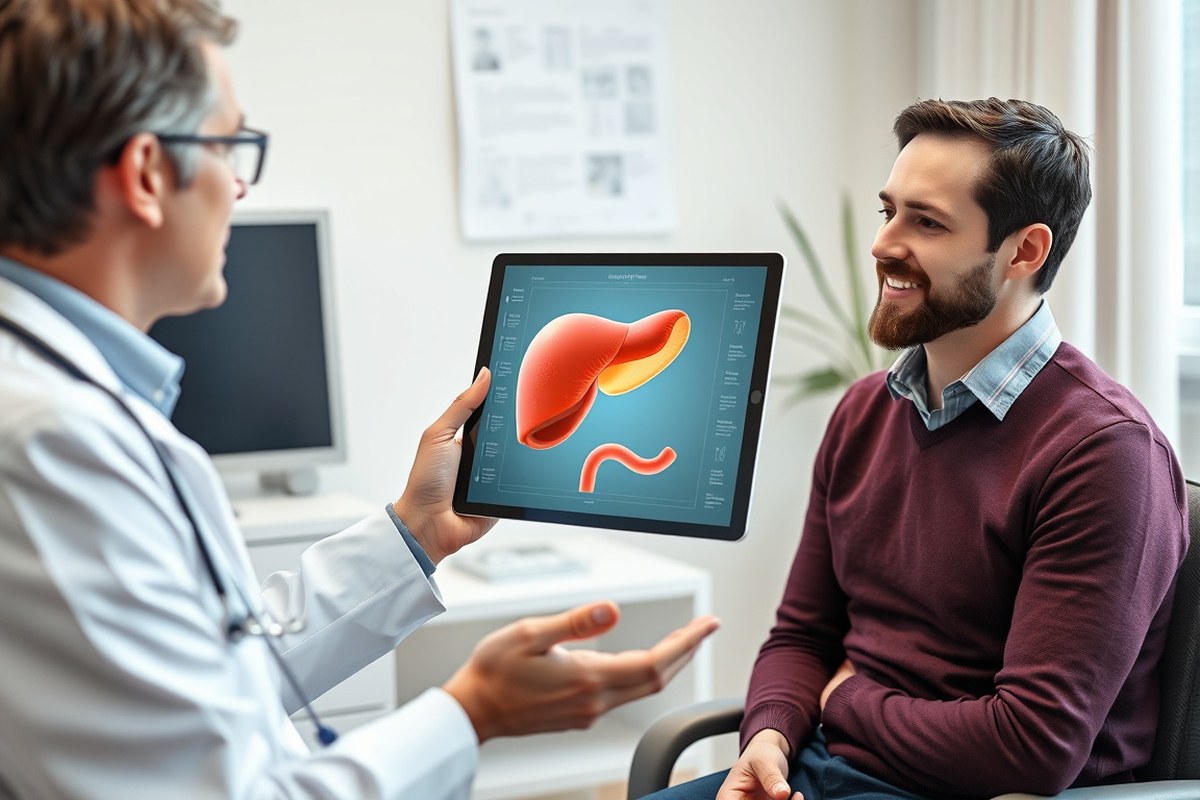
Gallstones do not usually go away on their own, especially if they cause symptoms. Some people never develop symptoms and may not need immediate treatment. For those with discomfort or complications, effective removal or dissolution of gallstones involves three main options: natural remedies, medications, and surgery. Each method has its own safety considerations and suitability depending on the individual situation.
Natural remedies, such as consuming apple cider vinegar, dandelion, or milk thistle, are popular for managing minor symptoms and improving digestion. However, these home treatments lack strong scientific evidence to reliably dissolve gallstones or remove them quickly. Natural remedies may reduce inflammation and discomfort but should not replace professional medical care, especially if you experience severe pain, jaundice, or infection signs.
Medications offer a non-surgical approach in certain cases, particularly for small cholesterol gallstones. Oral bile acid pills, like ursodeoxycholic acid, can gradually dissolve gallstones over time, typically requiring consistent use for 6 to 12 months or sometimes up to two years. This treatment avoids surgery but requires adherence and monitoring to confirm effectiveness. It is generally reserved for patients who cannot undergo surgery or have mild symptoms. Dissolution therapy does not create immediate relief and may fail if stones are large or calcified.
Surgery is the most common and definitive treatment. The standard procedure is a laparoscopic cholecystectomy, where surgeons remove the entire gallbladder through small abdominal incisions. Surgery generally resolves symptoms quickly and prevents recurrence, but as with any operation, it carries risks such as infection, bleeding, or injury to nearby organs. Hospital stays usually last 1 to 2 days, and full recovery occurs within a few weeks. Open surgery, which involves a larger incision, might be necessary if the laparoscopic approach is unsafe due to infection or scar tissue.
Medical intervention is necessary rather than home remedies when gallstones cause severe pain, nausea, infection, or block bile flow leading to jaundice. In such cases, delaying surgery or medication risks complications such as gallbladder inflammation or pancreatitis. For those with intermittent mild symptoms or no symptoms, doctors may suggest watchful waiting. Surgery is typically recommended when symptoms impact quality of life or if gallstones cause repeated episodes of pain and bile duct obstruction.
Deciding the best approach depends on factors like gallstone size, symptoms’ severity, overall health, and patient preference. Natural remedies can play a supportive role but are not a substitute for effective medical treatment. Medications provide a slow but less invasive option, mostly for specific stone types, while surgery offers a faster and more reliable solution but requires recovery time and carries operative risks. Always consult a healthcare provider for an accurate diagnosis and personalized treatment plan based on your symptoms and medical history.
What Are Gallstones and How Are They Diagnosed?
Gallstones are hardened deposits that form in your gallbladder, often caused by imbalances in the substances making up bile. They can cause symptoms like pain and digestive issues but sometimes remain silent. Doctors diagnose gallstones through physical exams, blood tests, and imaging techniques such as ultrasound.
Gallstone Formation and Causes
Gallstones develop when the bile, a fluid produced by your liver and kept in the gallbladder, has excessive cholesterol or bilirubin or lacks enough bile salts. This imbalance causes small particles to join and form stones. Major factors include consuming a diet rich in fat and cholesterol, being overweight, losing weight quickly, and certain health issues that change bile’s makeup. Women, particularly those who are pregnant or on hormone treatments, as well as individuals over age 40, face higher chances of developing gallstones.
Gallstones do not always cause symptoms; only about one in four people diagnosed each year need medical treatment. If gallstones block the flow of bile without care, it can cause swelling or infection of the gallbladder called acute cholecystitis, which can become serious without proper care.
Symptoms That Suggest Gallstones
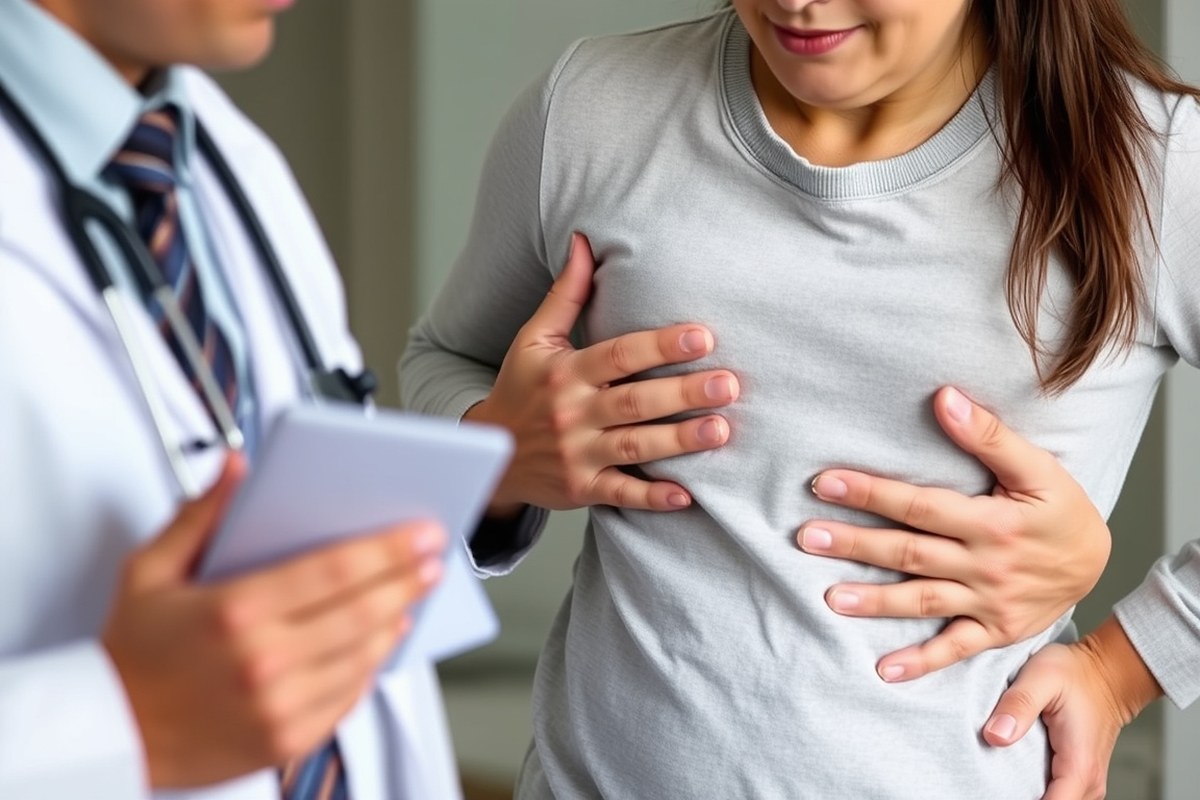
You might notice sharp pain in your upper right abdomen or center of your stomach, which can last from a few minutes to several hours. This pain may follow fatty meals and often radiates to your right shoulder or back. Other symptoms include nausea, vomiting, bloating, and indigestion. Sometimes gallstones cause jaundice, visible as yellowing of the skin and eyes. However, most gallstones do not produce symptoms at all, which is why routine diagnosis often happens during exams or tests for unrelated issues.
Signs of complications include fever, severe abdominal pain, or a rapid heartbeat. These require prompt medical attention because they suggest infection or blockage of the bile ducts.
Diagnosis Methods Including Imaging
Your doctor will first perform a physical exam and ask about your symptoms before ordering tests. Blood tests check for signs of infection, inflammation, jaundice, or pancreatic problems that gallstones may cause. They can indicate whether the gallstone has blocked bile flow or has caused complications like pancreatitis.
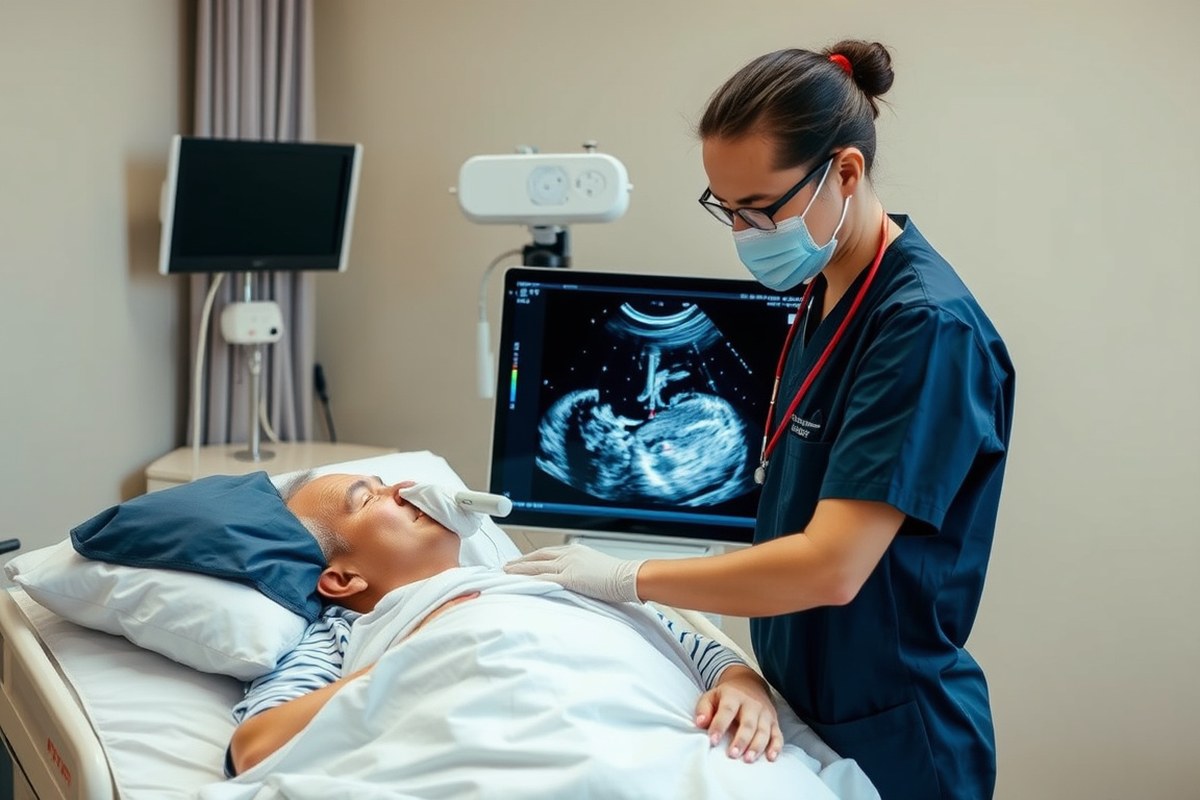
Ultrasound is the most common and reliable imaging method to identify gallstones. It uses sound waves to create pictures of your gallbladder and bile ducts, showing stones as dark spots. This test is painless, widely available, and does not use radiation. In some cases, more detailed imaging like CT scans or MRI cholangiopancreatography (MRCP) may be ordered, especially to check if stones have moved into the bile ducts.
Early diagnosis through ultrasound and blood tests can prevent severe gallbladder complications by prompting timely treatment.
Types of Gallstones and Treatment Impact
Gallstones primarily fall into two types: cholesterol stones and pigment stones. Cholesterol stones are the most common and consist mainly of hardened cholesterol. Pigment stones, made of excess bilirubin from red blood cell breakdown, often occur in people with liver disease or infections. The stone type can influence treatment choices since cholesterol stones are more likely to respond to certain nonsurgical treatments, although surgery remains common.
Cholesterol stones tend to be yellowish and can sometimes be dissolved with medications or procedures like extracorporeal shock-wave lithotripsy (ECSWL), which breaks stones into smaller pieces. Pigment stones usually require surgical removal of the gallbladder because they are harder to dissolve. The decision on treatment depends on your symptoms, stone size, location, and type.
| Gallstone Type | Main Composition | Common Treatment Options | Effectiveness Notes |
|---|---|---|---|
| Cholesterol stones | Cholesterol crystals | Medication, ECSWL, surgery | May respond to non-surgical treatments if small and few |
| Pigment stones | Bilirubin | Surgery | Less responsive to medication, surgery often preferred |
Natural Remedies to Dissolve and Pass Gallstones Safely
Natural remedies sometimes help relieve gallstone symptoms or support gallbladder health, but they rarely dissolve or pass gallstones on their own. Remedies like apple cider vinegar, milk thistle, castor oil packs, and herbal teas have mixed effectiveness and come with risks if used improperly. Consult a doctor before trying any natural method, especially to avoid complications such as blocked ducts or infection. Passing gallstones naturally can take weeks or months and may not be safe without medical supervision.
Using Apple Cider Vinegar and Apple Juice Correctly
Apple cider vinegar (ACV) and apple juice are popular natural remedies believed to soften gallstones due to their acidity. While some users report symptom relief, scientific proof that ACV or apple juice can dissolve gallstones is limited. Drinking them moderately and combining with plenty of water is important to avoid digestive discomfort or acid reflux. These remedies should not replace medical treatments or professional advice.
To try apple cider vinegar or apple juice safely, start gradually and watch for any adverse reactions like stomach upset. Avoid using apple cider vinegar undiluted, which can damage the throat or tooth enamel.
- Mix 1 to 2 tablespoons of apple cider vinegar or apple juice into 8 ounces of water.
- Drink once or twice daily, preferably before meals to reduce gallbladder pain.
- Increase water intake throughout the day to support digestion and flush the system.
- Stop use immediately if you experience increased abdominal pain or nausea.
- Discuss ongoing use with your healthcare provider to avoid interactions with medications or health conditions.
Preparing and Applying Castor Oil Packs Safely
Castor oil packs are an alternative remedy often used to ease gallbladder discomfort by improving circulation and reducing inflammation. According to some recommendations, these packs may help relieve pain but won’t physically dissolve or pass gallstones. Applying castor oil packs improperly can cause skin irritation or burns, so safety is important.
Use castor oil packs only externally and avoid open wounds or sensitive skin. Do not rely solely on this method if you have severe symptoms or signs of an infection, such as fever.
- Fold a clean cloth (cotton or flannel) into a size that covers your right upper abdomen.
- Soak the cloth in castor oil until it is saturated but not dripping.
- Place the soaked cloth over the gallbladder area (right side beneath the rib cage).
- Cover the cloth with plastic wrap to prevent staining your clothes.
- Apply a heating pad or hot water bottle on top to improve absorption, keeping the temperature comfortable.
- Leave the pack on for 30 to 60 minutes, no more than 2 hours per session.
- Repeat 3 to 4 times a week, monitoring skin for irritation.
Milk Thistle Dosing and Duration Guidelines
Milk thistle has been studied for its ability to shrink gallstones and reduce pain by supporting liver and gallbladder function. Some research suggests it may help dissolve cholesterol-based stones over time, but evidence remains limited. Milk thistle extracts are generally safe when taken by mouth for several months under medical guidance.
Standard dosing typically ranges from 140 mg to 420 mg of milk thistle extract daily, divided into two or three doses. Long-term use without doctor supervision is not recommended since the effects may vary depending on your gallstone type and overall health.
- Choose a milk thistle supplement standardized to contain 70% to 80% silymarin, the active compound.
- Take 140 to 420 mg daily, split into two or three doses with meals.
- Continue use consistently for at least 3 to 6 months to potentially observe benefits.
- Check in with your healthcare provider every 1 to 2 months to review symptom progress and liver function.
- Stop use if you experience allergic reactions, digestive upset, or no symptom improvement after 6 months.
Artichoke and Herbal Teas for Gallbladder Health
Artichoke and herbal teas such as dandelion leaf or peppermint are traditional options to stimulate bile flow and support gallbladder function. Dandelion leaves may promote bile production, potentially helping the gallbladder push small gallstones through, but clinical evidence is limited. These teas can be a mild, gentle way to aid digestion and reduce gallbladder discomfort when combined with a healthy diet.
Use herbal teas safely by purchasing from reputable sources and avoiding excessive amounts, which may cause side effects. Pregnant women or individuals with allergies should consult a healthcare professional before use.
- Purchase dried artichoke leaf or herbal tea blends labeled for digestive support.
- Boil water and steep 1 teaspoon of dried herbs in 8 ounces of hot water for 5 to 10 minutes.
- Drink 1 to 3 cups daily between meals.
- Observe how your body responds, and discontinue if you notice any adverse reactions like stomach cramps or diarrhea.
- Combine herbal tea use with balanced meals low in fat to reduce gallbladder stress.
Medical and Surgical Treatments for Gallstones Compared
Treatment for gallstones mainly involves surgery, oral medications, or extracorporeal shock wave lithotripsy (ESWL). Surgery, specifically cholecystectomy, removes the gallbladder entirely, preventing gallstones from forming again. Oral dissolution drugs such as ursodiol and chenodiol dissolve certain types of gallstones but take months to possibly years to be effective. ESWL breaks gallstones into smaller pieces using high-energy sound waves and is reserved for patients with single stones smaller than 2 cm; fewer than 15 percent qualify.
Choosing the right treatment depends on stone size, symptom severity, gallstone type, and overall health. Surgery remains the most common and effective method, especially for symptomatic gallstones, with a typical recovery time of 1 to 2 weeks for laparoscopic surgery. Medications work slower, with treatment lasting 6 months or longer, and they may cause digestive side effects. ESWL is noninvasive but usually combined with medication afterward to clear stone fragments.
| Treatment | How It Works | Who Qualifies | Timeline | Effectiveness | Risks/Side Effects |
|---|---|---|---|---|---|
| Cholecystectomy (Surgery) | Removal of the gallbladder | Symptomatic gallstones or complications | Recovery in 1, 2 weeks (laparoscopic) | High; prevents gallstone recurrence | Surgical risks; pain, infection, anesthesia complications |
| Oral Dissolution Drugs (Ursodiol, Chenodiol) | Dissolve cholesterol gallstones chemically | Patients who cannot undergo surgery; cholesterol stones | 6 months to 2 years | Moderate; gallstones may recur after stopping | Diarrhea, heartburn, nausea, abdominal pain |
| Extracorporeal Shock Wave Lithotripsy (ESWL) | Breaks stones into smaller pieces with sound waves | Single gallstone <2 cm; fewer than 15% of patients | Procedure takes less than an hour; requires meds for stone fragments | Limited; fragmentation only, needs combination treatment | Possible discomfort during procedure; incomplete stone clearance |
After gallbladder removal, bile flows directly from the liver into the small intestine, which may cause temporary digestive changes. Surgery can be done laparoscopically, with small incisions, or through open surgery if complications exist. Oral drugs require daily pills and monitoring through imaging to check stone shrinkage. ESWL is a single outpatient procedure but generally not stand-alone; you will likely take bile acid pills afterward to dissolve the fragments, prolonging overall treatment.
When to Seek Emergency Medical Help for Gallstones
Seek emergency medical help if you experience intense pain in your upper right abdomen lasting more than a few hours, fever with chills, jaundice (yellowing of your skin or eyes), persistent nausea or vomiting, or confusion. These symptoms can signal severe complications like gallbladder infection, bile duct blockage, or pancreatitis, which need urgent treatment. Home remedies are unsafe when these red flags occur because delays increase the risk of serious damage or death.
Stop all at-home treatments immediately if you notice worsening symptoms or new signs such as sudden severe pain or fever. Call 911 or go to the emergency room if you have any of the above symptoms, especially if you already have a gallstone diagnosis. Quick medical evaluation and treatment reduce the risk of infection spreading or bile duct injury.
Emergency doctors usually start with blood tests to check for infection or liver function issues. Imaging tests such as ultrasound or CT scans help locate gallstones and identify any blockages. They might use MRCP (Magnetic Resonance Cholangiopancreatography) for detailed bile duct images.
Typical urgent treatments include intravenous antibiotics to control infection, fluids to prevent dehydration, and pain management. If gallstones block bile flow, doctors can perform an ERCP (Endoscopic Retrograde Cholangiopancreatography) to remove stones or place a stent for drainage. Severe cases may require urgent gallbladder removal surgery.
- Persistent severe pain in the upper right abdomen for over 2 hours
- High fever (>100.4°F or 38°C) with chills
- Yellowing of skin or eyes (jaundice)
- Continuous vomiting that prevents eating or drinking
- Confusion or extreme weakness
- Inability to pass stool or gas if accompanied by severe pain
Do not delay emergency care if you notice fever and jaundice with abdominal pain; these signs suggest a blocked or infected bile duct requiring urgent intervention.
Act quickly when these symptoms arise. Early treatment reduces complications like bile duct perforation or pancreatitis, which can increase hospital stay and recovery time. Emergency procedures generally take a few hours and might require specialized equipment available only in hospitals. Expect costs to vary based on insurance and the interventions performed, but urgent care is necessary for safety.
Diet and Lifestyle Changes to Prevent Gallstones and Recurrence
Maintaining a balanced diet and steady lifestyle can help reduce the risk of developing new gallstones and prevent flare-ups if you already have them. A diet rich in fruits, vegetables, and fiber supports a healthy gallbladder and aids digestion. Avoid very low-calorie diets or rapid weight loss, as these increase the chances of gallstones forming by causing the liver to release excess cholesterol into bile and interfering with normal gallbladder emptying.
Gradual weight loss is safer and more effective. Experts recommend losing about 5 to 10 percent of your starting weight over six months. This gradual approach combines dietary changes with regular physical activity to improve digestion and reduce gallstone risk without triggering new stones.
Exercise plays a key role when managing gallstones. People with mostly sedentary jobs should aim for one hour of moderate activity daily. Those who stand or do heavy manual work should get at least 30 minutes. This level of physical activity has been shown to lower gallstone risk by up to 70 percent. Activities like walking, swimming, and cycling help promote bile flow and maintain a healthy weight.
- Eat plenty of fiber-rich fruits and vegetables daily
- Choose lean proteins and avoid high saturated fat foods
- Aim for gradual weight loss of 1 to 2 pounds per week
- Exercise at least 30 to 60 minutes most days of the week
- Avoid very low-calorie or crash diets
- Limit fried and fatty foods to reduce pain flare-ups
- Stay well-hydrated to support digestion
A low-fat, balanced diet with limited cholesterol supports gallbladder health but won’t dissolve existing stones. Avoiding fatty foods can reduce painful attacks by preventing irritation but won’t get rid of gallstones on its own. If you are preparing for or recovering from bariatric surgery, talk to your healthcare provider about strategies to reduce rapid weight loss risks and manage gallstones.
Developing consistent daily habits that include healthy eating, staying physically active, and maintaining a stable weight lowers the chance of new gallstones forming and minimizes flare-ups. These changes require commitment but cost little financially beyond choosing whole foods and dedicating regular time to movement. The benefits include fewer symptoms and reduced need for medical intervention over time.
Common Myths and Mistakes in Treating Gallstones at Home
Many people believe they can dissolve or pass gallstones quickly at home using unproven remedies. It’s a common myth that drinking large amounts of apple cider vinegar or olive oil can flush gallstones out of the gallbladder. These approaches are not supported by scientific evidence and may lead to digestive upset or worsen pain. Attempting to force gallstones to pass naturally without monitoring symptoms can delay necessary medical care and increase the risk of complications like inflammation or infection.
Self-diagnosing gallstones based on symptoms alone is risky because pain from gallstones can mimic other conditions such as pancreatitis or kidney stones. Only a healthcare provider can confirm gallstones through imaging tests like an ultrasound. Assuming you have gallstones and starting home treatments without a diagnosis can misdirect your care and delay treatment for other serious conditions.
Using natural remedies requires careful consideration. While mild measures like maintaining hydration, eating a balanced diet low in saturated fat, and incorporating moderate physical activity can support gallbladder health, aggressive or extreme home treatments can be harmful. Never consume excessive amounts of herbal supplements or oils without consulting a healthcare professional. Avoid any remedy that causes increased pain, nausea, or vomiting, and stop immediately if symptoms worsen.
Common mistakes include ignoring repeated gallstone attacks because of fear or hope the stones will resolve on their own. Most gallstones don’t cause symptoms and can be monitored safely, but frequent or severe pain often requires medical evaluation. Waiting too long to seek medical help increases risk of complications such as gallbladder infection or obstruction.
To safely use home care as part of managing gallstones, follow these tips: First, obtain a professional diagnosis before beginning any treatments. Next, focus on gradual lifestyle adjustments, such as reducing high-fat foods and maintaining a healthy weight, that support your gallbladder. If pain or other symptoms escalate, contact your doctor rather than attempting new home remedies. Keep a symptom diary with dates, duration, and severity of pain to help your provider track your condition. Always alert your healthcare provider about any supplements you take to avoid harmful interactions.
The cost of self-treatment errors may include hospital visits, surgery, or more complex medical care if complications arise. Paying attention to reliable medical advice ensures that your approach minimizes risk and supports your overall health effectively. Avoiding dangerous home remedies and delaying proper care is critical to prevent worsening gallstone problems.
How to Monitor Gallstones and Know When to Follow Up
Monitoring gallstones involves regular imaging and blood tests to track their status and detect any complications early. Follow-up care depends on your symptoms, treatment method, and overall health, with specialists recommending testing intervals tailored to your situation.
Imaging Tests for Gallstone Surveillance
Ultrasound is the most common and noninvasive way to monitor gallstones over time. It helps confirm whether gallstones have grown, moved, or caused blockages. Follow-up ultrasounds might be scheduled every 6 to 12 months if your gallstones are asymptomatic but need observing. More advanced imaging, like an MRI or an ERCP (endoscopic retrograde cholangiopancreatography), may be necessary if symptoms worsen or if gallstones block the bile duct. ERCP also allows doctors to inject dye to visualize the bile ducts and remove stuck stones if needed. The cost of these tests varies widely depending on location but generally ranges from $200 to $1,500 without insurance, so discussing coverage is critical.
After surgery, imaging is less frequent unless complications arise. If the gallbladder remains in place and symptoms persist, ultrasounds help detect any new stones or changes. Your healthcare provider decides the best imaging interval based on how you feel and previous findings.
Blood Tests to Detect Inflammation or Blockage
Regular blood tests play an essential role in checking for signs of gallbladder inflammation or bile duct obstruction. Physicians monitor levels of bilirubin, alkaline phosphatase, ALT, and AST enzymes, which rise if the liver or bile ducts face stress due to gallstones. Improve white blood cell counts may indicate infection caused by blocked bile flow. Typically, blood tests are ordered at diagnosis and repeated every few months if you have ongoing symptoms or after non-surgical treatment attempts. These tests are less costly than imaging, usually under $100 per panel, but their value depends on symptom changes. Any sudden increase in these markers or worsening symptoms can signal emergency complications like cholecystitis or pancreatitis that require immediate attention.
Scheduling Follow-Ups and Long-Term Monitoring
Doctors usually recommend follow-up visits every 3 to 6 months if you have untreated gallstones causing mild symptoms. After surgery, initial follow-ups occur within the first few weeks to check recovery, then as needed based on complications or new symptoms. Because gallstones can recur within five years despite treatment, annual checkups might be advised for some people. These appointments include symptom review and sometimes repeat testing to catch any issues early.
Creating a schedule with your doctor that matches your specific risks and symptoms is important. Keep track of any abdominal pain, nausea, or jaundice and report these at visits or sooner if they worsen. Persistent or increasing symptoms usually trigger additional testing or treatment adjustments.
Maintain clear communication with your healthcare provider and attend every follow-up to reduce risks from gallstones going unnoticed or untreated.
Special Considerations for High-Risk Groups
Women under age 40 are nearly three times more likely to develop gallstones than men of the same age, partly due to pregnancy and hormonal factors, which can affect monitoring priorities. Older adults and people with diabetes or obesity face higher risks of complications, prompting more frequent or intensive follow-ups. For these groups, doctors may recommend closer monitoring after treatment or more prompt imaging when symptoms arise.
People who undergo non-surgical gallstone dissolution or procedures like ERCP require tailored schedules for tests to ensure stones don’t redevelop or cause blockages. Your personal health conditions, treatment method, and symptom severity all shape how often your gallbladder health is checked.
Step-by-Step Action Plan to Manage Gallstones
Follow this plan to safely address gallstones, choose your treatment path, and reduce your risk of future stones.
- Day 1: Confirm your diagnosis. Schedule an ultrasound or another recommended diagnostic test with your healthcare provider to identify gallstones. You’ll know it’s effective when you have a clear diagnosis and treatment options.
- Week 1: Assess symptoms and severity. Track your pain, digestion issues, or other symptoms daily. Experiencing severe pain, fever, jaundice, or vomiting requires immediate emergency care.
- Week 2: Start dietary changes. Adopt a gallbladder-friendly diet low in fat and high in fiber. You’ll notice reduced discomfort and fewer digestive problems if it works.
- Week 3 to 4: Explore natural remedies cautiously. Try approved remedies like drinking plenty of water and incorporating foods that support bile flow, such as lemon juice. Stop and consult your doctor if symptoms worsen.
- After 4 weeks: Review your progress with your doctor. Discuss how you feel, any changes in symptoms, and results of any follow-up imaging. Adjust your treatment based on their advice.
- Month 2: Consider medical or surgical options if needed. When symptoms persist or worsen, discuss medications to dissolve stones or surgery like cholecystectomy. Relief from symptoms confirms effectiveness.
- Ongoing: Maintain lifestyle habits to prevent recurrence. Keep a healthy weight, avoid rapid weight loss, and stick to a balanced diet. Regular check-ups help monitor your gallbladder health over time.
Frequently Asked Questions
Can Gallstones Dissolve on Their Own Without Treatment?
Small gallstones may sometimes pass without treatment, but most require medical care to avoid complications. Monitoring symptoms and consulting your doctor helps ensure proper management.
Is It Safe to Attempt Gallbladder Flushes at Home?
Gallbladder flushes aren’t proven to remove gallstones and may cause harm. It’s better to follow medical advice for safe treatment options.
How Does Exercise Influence Gallstone Prevention?
Regular exercise supports maintaining a healthy weight, which lowers gallstone risk. Aim for 30 minutes of moderate activity most days to help keep your gallbladder healthy.
Can Gallstones Lead to Other Digestive Problems?
Yes, untreated gallstones can block bile flow, causing inflammation or infection. Early diagnosis and treatment prevent worsening digestive issues.
Are There Any Symptoms That Suggest Gallstones Require Immediate Removal?
Severe abdominal pain, fever, jaundice, or vomiting may signal complications from gallstones needing urgent medical care. Don’t delay seeking medical help if these arise.
Do All Gallstones Require Surgery to Be Removed?
Not all do; some are managed with medication or monitored if symptom-free. Surgery is recommended when stones cause pain or complications.
Key Points to Remember
Effectively managing gallstones requires a balanced approach that combines safe treatments with preventive lifestyle changes. Start by scheduling a medical evaluation if you notice symptoms like severe abdominal pain or jaundice, as early diagnosis can guide the safest and most appropriate options. Taking this step today puts you on a clearer path to relief and reduces the risk of complications.