How to Get Rid of Athlete’s Foot: A Complete Guide for Fast, Safe Recovery
To get rid of athlete’s foot quickly and safely, use an over-the-counter antifungal cream combined with keeping your feet clean and dry. Consistent treatment and proper foot hygiene help stop the infection and prevent it from coming back. Avoid using ineffective remedies like tea tree oil alone, and if symptoms persist beyond a few weeks, consult a healthcare provider for stronger options.
This information is useful for anyone dealing with athlete’s foot, whether it’s your first infection or a recurring problem. You’ll find clear advice on treatment options, hygiene practices, prevention tips, and when to seek medical attention to ensure a fast recovery and long-term relief.
Key Takeaways
- Use over-the-counter antifungal creams or sprays consistently for at least one to two weeks to effectively treat athlete’s foot at home.
- Keep your feet clean and dry, especially between toes, to speed healing and prevent fungal growth.
- Avoid relying solely on home remedies like tea tree oil or rubbing alcohol without antifungal medications, as evidence of their effectiveness is limited.
- Wear breathable, moisture-wicking footwear and change socks daily to reduce the risk of recurring athlete’s foot.
- Wash socks, shoes, and towels regularly in hot water to eliminate fungal spores and prevent reinfection.
- See a doctor if symptoms worsen, don’t improve after one week, or show signs of a bacterial infection like redness or swelling.
How to Effectively Treat Athlete’s Foot at Home
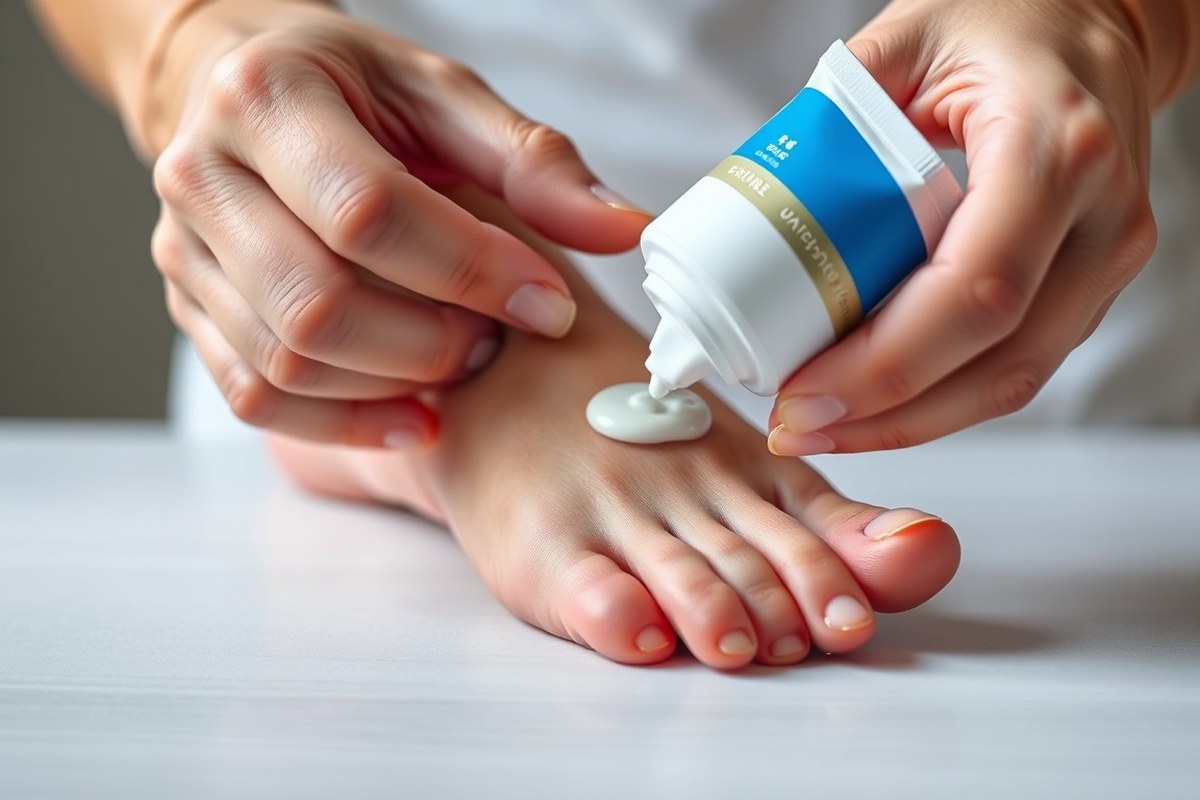
Treating athlete’s foot at home requires the right combination of antifungal products, careful application, and consistent foot care to clear up the infection. You’ll want to use proven antifungal treatments regularly, usually for 2 to 4 weeks, even if symptoms improve sooner. Alongside medications, natural remedies like tea tree oil can complement your routine but should not replace standard treatments. Post-treatment foot hygiene helps prevent recurrence.
Choosing an Antifungal Treatment
The most effective way to treat athlete’s foot is with over-the-counter antifungal creams, sprays, or powders containing terbinafine, clotrimazole, or miconazole. These products typically cost between $10 and $20 and target the fungal infection directly. Using powders or sprays can also help keep the feet dry, reducing fungal growth. Some people use natural options like tea tree oil, but clinical studies show mixed results, so natural remedies work best as a supplement to, not a replacement for, antifungal medications.
Apply antifungal products to clean, dry feet, focusing on the spaces between toes and any cracked or peeling skin. Continue treatment for at least one week after symptoms disappear to prevent recurrence. The full course often takes 2 to 4 weeks to clear the infection entirely.
Applying Treatments Safely and Correctly
Proper application makes a big difference in how quickly athlete’s foot clears up and whether it comes back. Treat both feet, even if only one shows symptoms. Avoid applying creams too near the nails unless directed, since nail fungus needs different treatment. Always read and follow the instructions on the antifungal product’s label.
You should apply treatment twice daily, once in the morning and once at night, to clean, dry feet. Wash your hands before and after applying medication to reduce spreading the infection. If irritation occurs, stop treatment and consult a healthcare provider.
Incorporating Natural Remedies Effectively
Natural remedies such as tea tree oil or coconut oil can help reduce fungal presence and soothe the skin but have limited evidence for curing athlete’s foot alone. For tea tree oil, dilute to a 25%, 50% concentration by mixing with a carrier oil like warm coconut oil to reduce skin irritation. Apply twice daily for up to four weeks alongside your antifungal cream. Vinegar soaks or cornstarch can keep feet dry and mildly inhibit fungus. Avoid relying solely on home remedies if symptoms persist.
Tracking Progress and Knowing When to Stop
Athlete’s foot usually improves within 1 to 2 weeks of consistent treatment, with complete healing in about 4 weeks. Keep applying antifungal treatments for at least 7 days after all symptoms clear. Watch for persistent redness, itching, or cracked skin beyond 4 weeks, these signs mean you should see a doctor. Stopping early increases the risk of recurrence. Maintain a foot hygiene routine after treatment, keeping feet clean and dry, changing socks daily, and using antifungal powders if prone to infection.
- Clean and dry your feet thoroughly. Wash with soap and water, then dry especially between the toes.
- Choose an appropriate antifungal product. Look for creams or sprays with terbinafine or clotrimazole.
- Apply the antifungal twice daily. Cover affected and surrounding skin, following label instructions.
- Use natural remedies as supplements. Mix tea tree oil with a carrier oil and apply twice daily if desired.
- Continue treatment for 1 week after symptoms disappear. Don’t stop early, or infection may return.
- Maintain good foot hygiene during and after treatment. Change socks daily and keep feet dry.
- Monitor your skin’s condition. Seek medical advice if symptoms persist beyond 4 weeks or worsen.
Identifying Athlete’s Foot: Symptoms, Causes, and Diagnosis

Athlete’s foot, also known as tinea pedis, is a fungal infection affecting the skin on your feet. It typically causes itching, redness, and peeling, especially between the toes. Identifying these symptoms early helps you manage the condition and avoid spreading the infection to other parts of your body or to other people.
Common Signs and Symptoms
Symptoms usually start with itching and a burning sensation between your toes. You might notice flaky, scaly skin, redness, and peeling, commonly found in the spaces between the toes or on the soles of your feet. Blistering can also occur in some cases, leading to pain and discomfort while walking. Symptoms may appear within a few days to a week after exposure to the fungus that causes athlete’s foot.
Check for a white, soggy appearance of the skin between your toes, which can indicate a moist environment allowing fungal growth. Cracks or fissures can develop, sometimes leading to infections if left untreated. Watch out for spreading redness, swelling, or pus, which may require medical attention.
Fungal Species Responsible
The fungi causing athlete’s foot mainly belong to the Trichophyton genus, with Trichophyton rubrum being the most common species involved. These fungi thrive in warm, moist environments such as sweaty socks and shoes. The infection is contagious and can spread through direct contact with contaminated surfaces, floors, or towels.
These fungi infect the top layers of your skin, causing symptoms by breaking down keratin, the protein that makes up your skin’s structure. This process results in the peeling and redness characteristic of athlete’s foot.
Risk Factors and Causes
Warm and humid conditions increase your risk of developing athlete’s foot. Wearing tight, non-breathable footwear and not drying your feet properly after bathing promotes fungal growth. Using communal showers, locker rooms, or pools also raises exposure to the fungi that cause this infection.
Other factors include having sweaty feet, sharing towels or footwear, and having a weakened immune system due to illness or medication. People with a history of athlete’s foot are more likely to experience recurrent infections, especially if treatment is incomplete.
Professional Diagnostic Methods
Healthcare professionals diagnose athlete’s foot by examining your feet and symptoms. To confirm the diagnosis, they may take a skin scraping from the affected area and examine it under a microscope or send it for fungal culture testing. This helps differentiate athlete’s foot from other skin conditions and confirms the presence of fungal infection.
It often takes a few days to receive fungal culture results, but microscopic examination can provide quicker answers. Accurate diagnosis prevents unnecessary treatments and ensures you receive the correct antifungal medication.
Distinguishing from Other Skin Conditions
Athlete’s foot symptoms can resemble other skin problems like eczema, psoriasis, or dry skin. Unlike athlete’s foot, eczema and psoriasis usually produce more widespread redness and scaling and often affect other parts of the body besides the feet. Dry skin typically does not cause itching between toes or blistering.
If your skin is cracking without the typical redness or itching, or if symptoms don’t improve after a week of home treatment, have a doctor check for other conditions. Misdiagnosing fungal infections can lead to ineffective treatments and worsening symptoms.
Keep your feet dry and exposed to air as much as possible to reduce fungal growth and support healing.
Comparing Over-the-Counter Antifungal Treatments
Over-the-counter antifungal treatments for athlete’s foot vary mainly by their active ingredients, application methods, treatment duration, and potential side effects. Choosing the right product depends on your infection’s severity, location, and personal preference for creams, sprays, powders, or ointments. Most cases improve with consistent use of an OTC antifungal treatment for two weeks. If symptoms persist beyond that, consult a healthcare provider.
| Active Ingredient | Form | Frequency | Duration | Pros | Cons |
|---|---|---|---|---|---|
| Terbinafine | Cream, spray | Once or twice daily | 1 to 2 weeks | Highly effective, fast relief | Possible skin irritation, more costly |
| Clotrimazole | Cream, ointment | Twice daily | 2 to 4 weeks | Good for mild to moderate cases, widely available | Longer treatment time, may cause mild burning |
| Miconazole | Cream, powder | Twice daily | 2 to 4 weeks | Also reduces moisture, good for sweaty feet | May leave residue, needs consistent use |
| Tolnaftate | Cream, powder, spray | Twice daily | 2 to 4 weeks | Effective for mild infections, affordable | Less effective for severe infections |
| Aluminum acetate (as solution) | Topical soak or compress | Up to 3 times daily | Until irritation subsides | Temporary relief of itching and irritation | Does not kill fungus, supports symptom relief only |
Terbinafine creams or sprays offer the quickest results. You can apply these once or twice a day, typically clearing mild athlete’s foot in as little as one week. For more persistent or mild cases, clotrimazole and miconazole products are suitable but require longer and regular use twice daily for up to four weeks. Powders containing miconazole or tolnaftate help dry out moist areas, which is useful if your feet sweat a lot.
Aluminum acetate solutions don’t combat the fungus directly, but they can soothe irritation and stop itching temporarily. Use these as a supplement rather than a primary treatment. Side effects like skin irritation or burning are rare but can occur with topical antifungals, so stop use if you notice worsening symptoms. Cost also varies: terbinafine tends to be pricier than tolnaftate or clotrimazole, which might influence your choice.
For mild redness or scaling between toes, a cream applied twice daily should suffice. Severe cases with blisters or spreading redness may respond better to stronger agents like terbinafine or require a doctor’s evaluation. Consistent application for at least two weeks, even after symptoms fade, helps prevent recurrence. Using treatments inconsistently or stopping early often leads to incomplete clearing and return of the infection.
Best Foot Hygiene and Drying Practices for Faster Healing
Keeping your feet clean and dry is the foundation for faster healing of athlete’s foot and preventing reinfection. After showering or bathing, thoroughly wash your feet with soap and warm water. Spend about 30 seconds gently scrubbing the areas between your toes, then rinse well. Dry your feet completely using a clean towel, paying special attention to the spaces between the toes, which are often overlooked and can trap moisture that encourages fungal growth.
Allow your feet to air out for at least five to 10 minutes before putting on socks and shoes. This step helps reduce residual moisture. Using a talc-based or starch-based powder can absorb dampness and reduce friction, but remember these powders primarily prevent fungus rather than cure existing infections. Changing your socks at least once daily, or more often if your feet become sweaty during the day, helps maintain dryness and hygiene. You should also switch out shoes regularly, giving pairs at least 24 to 48 hours to dry out before wearing them again limits fungal buildup.
- Wash feet daily with soap and warm water, focusing on toe webs.
- Completely dry feet, especially between the toes, before wearing socks.
- Air your feet for 5 to 10 minutes after washing before putting on socks and shoes.
- Use talc or starch-based powders to keep feet dry.
- Wear clean, dry socks daily; change socks more often if feet sweat.
- Alternate shoes daily, letting each pair dry for 1, 2 days.
- Choose breathable shoes and socks made of natural or moisture-wicking materials.
Socks made from cotton or moisture-wicking fibers help keep your feet dry by allowing air circulation and drawing sweat away from the skin. Avoid nylon or polyester socks unless they contain moisture-wicking properties. For shoes, opt for lightweight, breathable materials like leather or specialized mesh fabrics to reduce heat and moisture buildup. Tight-fitting shoes and those made of synthetic materials can trap sweat, worsening athlete’s foot and delaying recovery. Wearing sandals or open-toed shoes when possible encourages airflow and speeds drying.
Taking these daily foot hygiene steps can help your antifungal treatments work better and lower the risk of repeated infections. Skipping proper drying or reusing damp socks and shoes allows the fungus to thrive again, which prolongs symptoms and can cause the infection to spread. Consistent care requires modest effort and minimal cost, soap, clean towels, affordable powders, and alternate pairs of socks and shoes can meet these needs. Sticking to this routine even after symptoms improve can keep your feet healthy and fungus-free.
Preventing Athlete’s Foot: Footwear, Laundry, and Lifestyle Tips
Preventing athlete’s foot from coming back or spreading relies heavily on careful disinfection of footwear and laundry, lifestyle adjustments, and maintaining hygiene in shared spaces. Taking these steps can significantly lower your chance of reinfection and keep the fungus from affecting others around you.
Disinfecting Shoes and Socks Effectively
Your shoes and socks can hold athlete’s foot fungus if not properly disinfected, leading to reinfection. The fungus thrives in warm, moist environments like inside shoes. To stop this cycle, disinfect shoes and socks regularly. Follow these steps to disinfect footwear and avoid reinfection:
- Remove insoles and wash separately: Take out insoles, wash them if possible, or replace them if worn.
- Air out shoes daily: Leave shoes in a well-ventilated area to dry completely between wears.
- Use antifungal sprays or powders: Apply products labeled to kill fungi inside shoes after every use.
- Place shoes in sunlight or use heat: Direct sunlight or a shoe dryer can reduce fungal presence, but avoid overheating or plastic bags which trap moisture.
- Rotate multiple pairs: Don’t wear the same pair every day to allow shoes to dry and reduce fungal growth.
Keep shoes dry and disinfected; moist environments inside shoes can quickly reinfect your feet.
Laundry Practices That Kill Fungus
Socks and other foot-related clothing can harbor the fungus if laundry settings are not right. Washing at high temperature significantly reduces fungal survival.
Research shows washing socks at 140°F (60°C) cuts positive fungus cultures to 6%, compared with 36% at 104°F (40°C). Adding detergents with bleach does not guarantee complete elimination, so heat is critical. Use this checklist for laundering to kill athlete’s foot fungus effectively:
- Wash socks and foot garments in hot water: Set your washer at 140°F (60°C) when possible.
- Choose strong detergents but avoid relying on bleach alone: Detergents with antifungal properties work best.
- Dry thoroughly: Use a hot dryer cycle or sun-dry completely to remove moisture.
- Wash towels and bedding regularly: These items can also carry fungi and infect your feet or others.
High-temperature washing is one of the most reliable ways to disinfect socks and prevent fungal regrowth.
Lifestyle Habits to Minimize Recurrence
Changes in your daily habits help keep your feet fungus-free. Fungi thrive where moisture lingers and skin stays warm, so controlling these conditions matters.
Wear breathable footwear made of natural materials like leather or mesh, and change socks at least once a day or more if feet sweat heavily. Avoid tight shoes and opt for footwear that keeps feet dry. Shower at the end of the day and dry feet thoroughly, especially between toes. Avoid scratching to reduce spreading the fungus to other skin areas. Try these practical lifestyle adjustments:
- Use antifungal foot powders or sprays daily: Apply to feet and inside shoes to reduce fungal growth.
- Practice foot hygiene consistently: Clean and dry feet every day.
- Wear moisture-wicking socks: Materials like synthetic fibers help keep feet dry.
- Keep nails trimmed and clean: Prevent fungal buildup around nails.
Keeping your feet dry and clean daily is key to stopping athlete’s foot from returning.
Preventing Spread at Home and Public Places
The athlete’s foot fungus spreads easily through direct contact with infected skin, shared surfaces, or contaminated objects such as towels and shoes. To protect family members and prevent reinfection, take precautions at home and in public places.
Always wear flip-flops or waterproof shoes in communal areas like gym showers, locker rooms, and pools. Avoid sharing footwear, socks, or towels with others. Clean floors and bathroom surfaces regularly with disinfectants that kill fungi. After showering, dry off feet properly and change into clean socks. Here’s a quick guide to reduce spread at home and public spaces:
- Wear protective footwear in public wet areas: Use flip-flops or shower shoes every time.
- Avoid sharing personal items: Keep towels, socks, and shoes to yourself.
- Disinfect home showers and floors regularly: Use hydrogen peroxide or antifungal cleaners on surfaces.
- Ask family members to check their feet: Early detection reduces spreading risk.
Prevent sharing anything that touches feet directly and disinfect common surfaces to stop fungus transmission.
When to See a Doctor: Signs Athlete’s Foot Needs Medical Attention
You should see a doctor or dermatologist if your athlete’s foot symptoms do not improve after two weeks of consistent over-the-counter (OTC) treatment or if they worsen at any point. Watch for signs like increasing redness, swelling, blisters, or pain that spreads beyond your feet, as these could indicate a secondary bacterial infection or a more severe fungal infection. When your skin cracks deeply, bleeds, or develops open sores, seek professional care promptly. These complications can lead to more serious infections requiring prescription medication.
The decision to escalate care also depends on symptom severity and recurrence. Mild itching and peeling can often resolve with topical OTC antifungal creams or sprays, but persistent scaling, severe itching, or spreading patches may need prescription-strength treatments. Your healthcare provider might prescribe stronger topical creams like Ertaczo (sertaconazole nitrate) or oral antifungal pills, which are typically reserved for cases where topical treatments fail or the infection is widespread. Oral medications usually require a longer treatment course of several weeks and can cost between $30 and $150 without insurance, depending on the drug and dosage.
Use a clear checklist to decide if medical attention is necessary. When after 14 days you see no improvement, experience increased pain or swelling, or notice the infection spreading to other parts of your body, arrange a doctor’s visit. Also, if you have underlying health conditions like diabetes, a weakened immune system, or poor circulation, consult a healthcare provider sooner. These factors increase the risk of complications and slower healing.
When you visit, the doctor will likely confirm the diagnosis by examining your feet and may take skin scrapings to identify the fungus precisely. This testing informs the choice of the most effective prescription medication, which could be a stronger topical antifungal or an oral pill. Prescription-strength treatments often clear the infection more quickly and reduce the chance of recurrence. Your doctor will also provide guidance on preventing reinfection and may suggest adjustments in foot care routines.
Follow your treatment regimen fully, even if symptoms improve earlier, to avoid the fungus from regrowing. A lapse in any treatment, OTC or prescription, can allow the infection to return, sometimes more stubborn than before. Expect noticeable improvement within one to two weeks of starting prescription medication, but complete clearance may take up to four weeks. When symptoms continue despite prescription treatment, a follow-up appointment is needed to reassess and possibly adjust therapy.
Common Treatment Mistakes and Myths to Avoid
Athlete’s foot requires proper treatment to avoid relapse or complications. A common mistake is stopping antifungal use as soon as symptoms improve. Continue treatment for 1 to 2 weeks after the infection clears to ensure fungus elimination and reduce the chance of recurrence.
Many people try home remedies like hydrogen peroxide or rubbing alcohol, but these are not recommended. Hydrogen peroxide can irritate and damage skin, especially if there are sores or breaks. Research is inconclusive on rubbing alcohol’s effectiveness for athlete’s foot, so relying on it alone could delay proper healing.
Maintaining foot care routines like pedicures during infection deserves caution. Avoid sharing tools or going to salons that don’t sterilize equipment properly. If you continue foot care at home, use clean, disinfected tools and avoid aggressive scrubbing that may break skin, increasing infection risk.
Athlete’s foot is contagious, often spread by direct contact or sharing towels and footwear. You remain contagious until the fungus is fully treated, which is why completing the full antifungal regimen is essential. Wearing breathable shoes and changing socks daily helps reduce fungus spread.
Untreated athlete’s foot can lead to serious issues. Fungal infection may break down skin, allowing bacteria to enter and cause additional infection. This can lead to painful swelling and longer treatments. Permanent skin damage is rare if treated early but may occur with untreated severe infections.
- Apply antifungal cream or powder to affected skin and at least a 1-inch border of healthy skin.
- Continue treatment for 1 to 2 weeks after symptoms disappear, even if skin looks healed.
- Keep feet clean and dry, changing socks daily and using medicated powders to absorb moisture.
- Avoid using hydrogen peroxide or rubbing alcohol directly on athlete’s foot sores.
- Pause professional pedicures or confirm sterilization standards to prevent spreading the fungus.
- Wash socks and footwear in hot water (140°F or higher) to kill fungus and prevent reinfection.
- Do not share towels, socks, or shoes to reduce contagion to others.
Properly completing treatment involves applying antifungal medication consistently, treating slightly beyond visible symptoms, and maintaining excellent foot hygiene. This accounts for the fungus lurking under skin layers that appear healed. Prevention of relapse relies on moisture control and avoiding environments where fungi thrive. These steps require patience but are key to breaking the cycle of recurring infection.
How Climate and Season Affect Athlete’s Foot and Its Treatment
Humidity and temperature strongly influence the risk of developing athlete’s foot and affect the treatment approach. Fungi thrive in warm, moist environments, so regions with consistently high humidity and temperatures above 70°F increase the chance for fungus to grow. In these climates, persistent sweating and inadequate drying create ideal conditions for athlete’s foot. You may experience more intense symptoms and a longer healing time, often requiring at least two to four weeks of treatment with antifungal creams or sprays to fully clear the infection.
Cooler and drier climates reduce fungal growth but do not eliminate the risk. During colder months, sweating might decrease, but wearing insulated or non-breathable footwear can trap moisture. This still promotes fungus growth if feet stay damp for extended periods. In dry conditions, prevention focuses heavily on keeping feet clean and dry with absorbent socks, while treatment may take a standard two-week course assuming consistent medication use and foot hygiene.
Geographic factors also guide prevention and management. In tropical or subtropical areas, daily foot care should include thorough drying, changing socks at least once per day, and using antifungal powders to reduce moisture. Avoiding tight-fitted shoes that trap heat is critical. In contrast, people living in temperate climates need to pay particular attention to footwear during summer months and after exercise. Wearing sandals or breathable shoes indoors can help speed healing and reduce recurrence.
Seasonal changes alter foot environment and thus treatment plans. Warmer seasons tend to worsen symptoms and prolong treatment, as sweat and humidity boost fungal activity. During these times, it’s helpful to apply medicated antifungal products twice daily and increase drying time after washing your feet. Winter treatment may require fewer applications but maintaining clean socks and footwear remains essential. Adjusting usage based on changes in climate helps maintain foot health and supports faster recovery.
For those in high-risk regions like the southeastern United States or tropical countries, prevention costs usually involve more frequent purchases of antifungal powders or sprays, priced roughly $10 to $20 per bottle. Regular replacement of socks and insoles to prevent reinfection may add to expenses. People in drier or cooler areas might spend less but still need to remain vigilant during humid periods or after gym workouts. Consistency with prevention strategies decreases the chance of recurring infections and reduces cumulative treatment time.
Keep your feet dry and change socks often, especially in hot and humid weather, to limit fungal growth and support quicker healing.
Step-by-Step Action Plan to Get Rid of Athlete’s Foot
Follow these clear steps to treat athlete’s foot effectively at home, prevent it from coming back, and know when to seek medical help.
- Before You Start: Identify symptoms like itching, redness, or peeling between toes to confirm athlete’s foot. Begin daily foot hygiene by washing and drying feet thoroughly to reduce fungal growth.
- Day 1: Apply an over-the-counter antifungal cream according to the package instructions. Choose treatments with active ingredients like terbinafine or clotrimazole for best results.
- Week 1: Maintain good foot drying practices, especially between toes, and change socks daily. Notice if itching and skin irritation start to decrease, indicating treatment is working.
- Week 2: Continue applying the antifungal treatment even if symptoms improve. Keep footwear clean and use moisture-wicking socks to prevent reinfection.
- After 3 Weeks: Check if skin has fully healed without redness, scaling, or itching. If symptoms persist or worsen, schedule a visit with a healthcare professional for stronger medication.
- Ongoing: Prevent recurrence by wearing breathable shoes, rotating footwear, and washing socks and towels in hot water regularly. Avoid walking barefoot in communal areas like locker rooms.
Frequently Asked Questions
How Long Does It Typically Take to Cure Athlete’s Foot with Treatment?
Athlete’s foot usually clears up within 1 to 4 weeks of consistent treatment. Continuing the treatment for at least a week after symptoms disappear helps prevent recurrence.
Can Athlete’s Foot Come Back After Treatment?
Yes, athlete’s foot can return if the fungus is not fully eradicated or if preventive measures are neglected. Keeping feet dry and clean reduces the chance of reinfection.
Is It Safe to Share Shoes or Socks If You Have Athlete’s Foot?
No, sharing shoes or socks can spread the fungus and increase infection risk. Use your own footwear and wash socks regularly to limit germ transmission.
Can Diet or Nutrition Affect Athlete’s Foot Healing?
There’s no direct evidence diet speeds healing, but good nutrition supports immune function. Maintaining overall health can help your body fight fungal infections.
Do Certain Sports or Activities Increase Athlete’s Foot Risk?
Activities causing sweaty, confined feet, like running or gym workouts, raise risk. Wearing breathable footwear during exercise reduces fungal growth conditions.
Is Athlete’s Foot Contagious Through Surfaces Like Gym Floors or Showers?
Yes, fungus can live on damp surfaces like gym floors and showers, spreading infection. Wearing sandals and cleaning such surfaces helps lower your infection risk.
Key Points to Remember
Getting rid of athlete’s foot relies on consistent treatment and keeping your feet clean and dry. Start by applying an over-the-counter antifungal cream as directed and changing into clean, breathable socks daily. Staying vigilant about foot hygiene today can help you stop the infection before it worsens or spreads.