
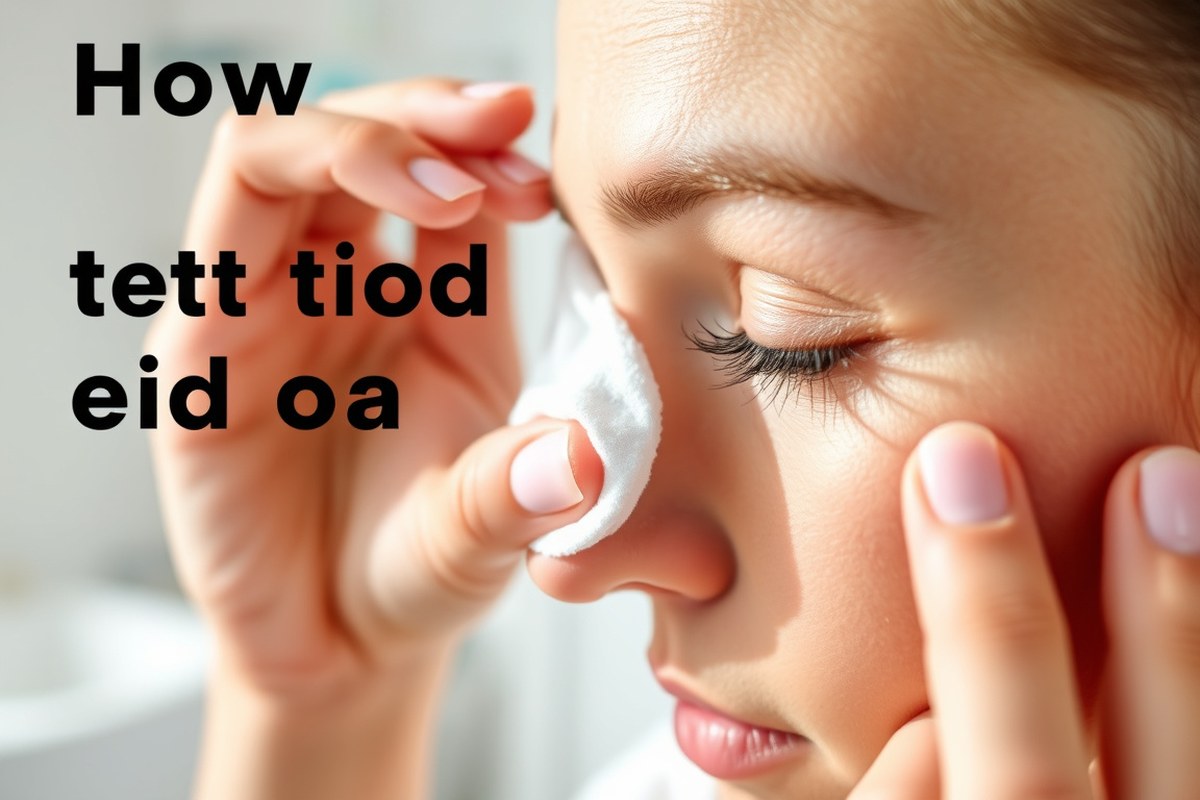
How to Get Rid of a Stye: Simple Steps for Fast and Lasting Relief
To treat a stye quickly, place a warm compress on the affected eyelid for 10 to 15 minutes multiple times daily. This softens the blocked gland, promotes drainage, and helps relieve swelling and discomfort. Along with using warm compresses, keeping your eyelid clean and resisting the urge to squeeze or pop the stye will help it heal faster and reduce pain.
This information is for anyone dealing with a stye who wants fast, lasting relief and practical steps to prevent recurrence. You’ll learn what causes styes, proper home treatments, when to see a doctor, and how to avoid common mistakes that delay healing.
Key Takeaways
- Use warm compresses by applying a clean, damp washcloth on your eyelid for 10-15 minutes, up to four times a day for relief.
- A stye usually resolves within 10 days, but avoid expecting it to disappear within 24 hours or just minutes.
- Never pop or squeeze a stye, as this can worsen infection and delay healing.
- Maintain eyelid hygiene and avoid touching your eyes to help prevent recurring styes.
- Seek medical advice if your stye worsens after 48 hours, doesn’t clear within 1-2 weeks, or causes significant pain.
- Use any prescribed antibiotic cream as directed, typically for 7-10 days, to support faster healing.
What Is a Stye and What Causes It?

A stye is an infection and swelling of an oil gland located in the eyelid. It appears as a red, sore, and tender bump that develops quickly, often near the edge of the eyelid where the eyelashes grow. The infection is usually caused by bacteria, most commonly Staphylococcus. This happens when the oil gland becomes clogged and bacteria multiply inside, leading to inflammation and discomfort.
Styes are not contagious, so you won’t pass them to other people or to your other eye by casual contact. However, touching or rubbing the infected eye and then touching the other eye can spread bacteria, raising the chance of a new stye forming. Practicing good hand hygiene and avoiding rubbing your eyes helps reduce this risk.
It’s important to tell a stye apart from a chalazion or blepharitis. A chalazion results from a blocked oil gland without infection and tends to form a firm, usually painless lump that develops slowly. Blepharitis causes chronic inflammation along the eyelid edges, usually in both eyes, leading to redness, tearing, and a gritty feeling, unlike the more acute swelling seen in styes.
The key difference lies in the cause: styes involve an active infection that results in a painful bump, while chalazion is a non-infected blocked gland, and blepharitis is a chronic inflammation of the eyelid’s surface. Knowing this helps guide proper treatment and care. For example, a stye benefits from warm compresses and hygiene to clear the infection, while blepharitis requires more ongoing eyelid cleaning routines.
How Fast Can a Stye Heal and What to Expect?

A stye usually takes about 7 to 10 days to heal completely with proper care. Healing time depends on the stye type and treatment applied, but most cases resolve within one to two weeks. Paying attention to symptoms and following a consistent treatment routine can help speed up recovery and reduce discomfort.
Initial Symptoms and Onset Timeline
A stye often starts as a tender, red bump near the edge of the eyelid, caused by a blocked oil gland or infected hair follicle. You may notice swelling, pain, and a sensation of a foreign body in your eye within the first 1 to 3 days. Small styes without infection might appear as a slight swelling before a visible bump develops.
The earliest sign can also be mild irritation or eyelid swelling. Over a few days, the bump usually grows, sometimes producing a small amount of pus. Warm compresses applied early can help reduce swelling and prevent the stye from worsening during this initial phase.
Typical Duration of a Stye
Most styes clear up within 7 to 10 days when treated with warm compresses and improved eyelid hygiene. Your body fights the infection naturally, and pus may drain on its own, speeding up relief. A stye will almost never disappear within 24 hours, so expect several days of discomfort before healing begins.
Some styes last up to two weeks, especially if they are larger, deeper, or untreated. If you have recurrent styes or a chalazion (a type of stye that usually lasts longer and is not infected), it may take months to fully clear up. Medical treatments such as topical antibiotics or drainage may shorten healing time in stubborn cases.
Stages of Stye Development
The progression of a stye typically follows a four-step course:
- Redness and swelling: Within 1 to 3 days, the area becomes tender and swollen.
- Formation of a visible bump: By days 2 to 4, a red or yellowish lump appears on the eyelid margin.
- Pus accumulation and drainage: Between days 4 to 7, pus collects and may naturally drain, reducing swelling.
- Healing and resolution: After drainage, symptoms subside, and swelling decreases over 3 to 5 days.
Throughout these stages, warm compresses should be applied 3 to 4 times daily for 10 to 15 minutes each session to promote drainage and blood flow. Avoid squeezing or attempting to pop the stye, as this can worsen infection and delay healing.
When to Seek Medical Attention
See a doctor if your stye doesn’t get better after 1 to 2 weeks or if your symptoms get worse. Warning signs include growing pain, spreading redness, fever, or changes in vision. These could signal a deeper infection or complications that might require antibiotics or professional drainage by a healthcare provider.
A healthcare professional might recommend a minor incision to drain the stye if it is large, persistent, or unresponsive to home care. This procedure often speeds healing and prevents complications. Taking prompt action avoids more serious infections involving the eye socket or tissue around the eyelid.
Do not delay medical care if you notice fever, severe pain, or spreading redness around your eye.
Expected Changes During Healing
Once the pus drains naturally or is released during medical treatment, swelling and pain usually improve quickly. The eyelid may appear red and tender for several more days as the infection resolves. New skin forms, and the bump flattens slowly.
Healing may leave minor eyelid crusting or dryness, which gentle eyelid hygiene can manage. Avoid rubbing or touching the eye to prevent reinfection. Gradual improvement of comfort and appearance over the following week is expected as your eyelid returns to normal.
How to Use Warm Compresses Properly for Fast Relief
The fastest way to relieve a stye at home is by applying warm compresses regularly. This helps reduce pain and swelling while encouraging the stye to drain naturally. You should apply a warm, damp cloth to your eyelid for about 10 to 15 minutes, repeating this 3 to 5 times a day for best results.
Preparing a Safe Warm Compress
Start with clean hands to avoid introducing more bacteria to the area. Use a clean washcloth soaked in warm water, not hot, to prevent burns or irritation. The water temperature should feel comfortably warm to your skin, around 104°F (40°C) is ideal. Wring out excess water so the cloth is damp but not dripping.
Avoid using reused or old fabric that could carry dirt or germs. Fresh, sterilized cloths reduce the risk of worsening the infection. Having a small bowl or cup nearby with warm water helps you keep the compress warm during the process.
Correct Application Technique and Timing
Follow these steps to apply a warm compress effectively and safely:
- Wash your hands thoroughly with soap and water.
- Dip a clean washcloth in warm water and squeeze out the extra moisture.
- Close your affected eye and gently place the warm compress over your eyelid.
- Hold the compress in place for 10 to 15 minutes without pressing hard.
- Should the compress cool before the time is up, re-soak it in warm water and reapply.
- Repeat 3 to 5 times daily, spaced evenly throughout the day.
- Use a separate clean cloth for each application to maintain hygiene.
This routine helps soften the stye, promotes pus drainage, and calms inflammation. Avoid touching or rubbing the stye during or after application, except to wash your hands and perform compress changes.
Aftercare When a Stye Bursts
When the stye bursts on its own, gently wash the area with warm water and mild soap or a saline solution to clear away any discharge. Do not squeeze or force a stye to burst, as this can spread infection or make it worse. Allow the wound to dry naturally and continue warm compresses to aid healing.
Maintain good eyelid hygiene by gently cleaning your eyelids daily and avoid makeup or contact lenses until the stye fully heals, usually within 7 to 10 days. Should swelling or pain worsen after bursting or if vision changes occur, seek medical advice promptly.
Safe Home Remedies and Eyelid Hygiene Tips
Using a warm compress remains the best home remedy, but some natural options can complement it safely. Warm, damp tea bags may soothe the stye, but they don’t work better than a plain warm compress and should be clean and free of additives. Applying coconut oil directly on a stye is not recommended due to the risk of further irritation or trapping bacteria. Instead, focus on gentle hygiene and keeping the eyelid clean.
Maintaining eyelid hygiene is critical to help the stye heal and prevent new ones. Start by washing your hands thoroughly before touching your eyes. Use a mild, hypoallergenic soap or saline solution to gently cleanse the eyelid. Avoid harsh scrubbing or rubbing, which can worsen irritation. You can use commercially available eyelid wipes with tea tree oil, which has antimicrobial properties, to clean the area without causing dryness.
Avoid makeup and contact lenses while the stye is active and healing. Eye makeup, especially mascara and eyeliner, can trap bacteria and further irritate the eyelid. Contact lenses can also increase the irritation risk and introduce more bacteria near the infection site. Wait until the stye has healed completely before resuming use. Change any eye makeup products and applicators every three months or clean your brushes with warm water and antibacterial soap to reduce contamination.
- Clean the eyelid twice daily with mild soap or saline using a cotton ball or clean hands
- Apply a warm compress for 10 to 15 minutes, 3 to 5 times daily
- Use preservative-free eyelid wipes with tea tree oil for gentle cleaning
- Avoid eye makeup and contact lenses until full healing
- Wash hands before touching your eyes to prevent spreading bacteria
- Clean eye makeup brushes every three months or regularly with antibacterial soap
Cleaning the eyelid properly without irritation usually costs only a few dollars for mild soap or saline solution and possibly $10 to $15 for eyelid wipes. Results include reduced redness, less swelling, and faster healing within a few days. Poor hygiene or using irritating substances may prolong the infection or cause secondary problems, emphasizing gentle handling and avoiding any squeezing or popping attempts.
Why You Should Never Pop or Squeeze a Stye
Resisting the urge to pop or squeeze a stye is critical for proper healing. Despite looking like a typical pimple, a stye is a bacterial infection on the eyelid. Squeezing or puncturing it can push the bacteria deeper into the sensitive eyelid tissue. This not only worsens the infection but may also lead to serious complications like orbital cellulitis, a severe infection around the eye that requires urgent medical care.
If a stye bursts naturally, you should allow it to drain on its own and clean the area gently. Use a clean, warm compress to help soothe irritation and encourage natural drainage. After the stye drains, wash the eyelid carefully with mild soap and water or an eyelid cleanser recommended by your doctor. Avoid touching the eye with unwashed hands to prevent spreading bacteria and worsening the infection.
Watch for signs that a stye might be getting worse or leading to complications. Increased redness, swelling beyond the eyelid, severe pain, vision changes, or fever are warning signals. These symptoms mean you should contact a healthcare professional immediately to prevent the infection from spreading or causing more damage.
In practice, warm compresses applied for about 10 minutes, three to four times daily, can speed healing by bringing pus to the surface and encouraging the body to clear the infection naturally. Use a clean cloth each time and be careful to keep the water temperature at a comfortable warmth, around 110°F (43°C), to avoid irritation or burns.
Never try to pop or squeeze a stye; this can worsen the infection and prolong healing.
When to See a Doctor and Medical Treatment Options
Stop home treatments and see a doctor if the stye does not improve within 7 to 10 days, worsens, spreads beyond the eyelid, or affects your vision. Medical treatments such as prescription antibiotics, steroid injections, or surgical drainage may be necessary when home remedies fail or complications arise. These treatments are generally safe when performed by a healthcare professional under specific indications.
Signs You Must See a Healthcare Professional
Most styes heal within a week with home care, but seeing a doctor is necessary if symptoms do not improve or get worse after 7 to 10 days. Immediate medical attention is needed if the swelling spreads to your cheek or starts impacting your vision. Persistent lumps lasting longer than two weeks or the development of a chalazion, a hardened eyelid bump, require professional evaluation.
Worsening redness, increasing pain, or discharge that does not clear up after warm compresses also merit contacting a healthcare provider. These signs suggest that the infection might be spreading or becoming more severe.
Common Prescription Treatments Explained
If a stye does not respond to home care, a doctor may prescribe antibiotic ointments or drops to target bacterial infection. These are usually applied directly to the eyelid margin for several days. Oral antibiotics might be prescribed if there are signs of spreading infection or cellulitis.
In some cases, a steroid injection may be recommended to reduce inflammation and speed healing, especially if the swelling is large or very uncomfortable. Steroid shots are typically safe when administered by an eye care professional but are used selectively because they can thin the skin if overused.
Understanding Medical Procedures Safely
Surgical drainage is reserved for styes or chalazions that have not resolved after 1 to 2 months or if they severely affect vision. The doctor numbs the area and makes a tiny incision to release pus or hardened oil, which helps clear the blockage quickly. This procedure is safe when done by a trained ophthalmologist but should never be attempted at home.
Costs vary widely depending on your insurance coverage, the healthcare provider, and location. Doctor consultation fees typically range from $100 to $300, not including possible charges for prescription medications or procedures. Antibiotic ointments may cost between $20 and $50 without insurance. Surgical drainage can be more expensive, often several hundred dollars, including facility fees. Use the table below as a quick guide to decide when to continue home treatment and when to seek medical care for a stye.
| Symptom or Situation | Action Needed | Expected Time Frame |
|---|---|---|
| Stye present but improving | Continue home treatment (warm compresses, hygiene) | Up to 7, 10 days |
| Stye not improving or worsening | See a doctor for evaluation and possible prescription | After 7, 10 days |
| Swelling spreading or vision affected | Seek immediate professional care | Immediately |
| Lump persists beyond 1, 2 weeks | Consult doctor for possible surgical drainage | Within 2 weeks |
| Chalazion formation from stye | Possible surgery if no improvement after 1, 2 months | 1, 2 months |
Following this approach helps you balance timely home care with safe professional intervention. Always talk openly with your healthcare provider about any concerns or changes in your stye to avoid complications.
Why Styes Keep Coming Back and How to Prevent Them
Styes can come back repeatedly if underlying issues remain unaddressed. One common cause of recurring styes is blepharitis, a chronic inflammation of the eyelids that clogs the tiny oil glands. This condition traps bacteria, making infections more likely. Poor eyelid hygiene and improper contact lens care also raise the risk. Stress and certain health conditions like diabetes may weaken your immune response, making it easier for styes to develop again.
Preventing future styes depends on managing these factors with specific daily habits. Start by cleaning your eyelids gently but thoroughly every day using a mild, hypoallergenic cleanser or eyelid scrub recommended by your eye care professional. Wash pillowcases, towels, and face cloths at least once a week in hot water (130°F or above) to eliminate bacteria. For contact lens wearers, disinfect lenses carefully every day and replace them with a new set once the stye heals. Avoid sleeping with contacts, since warm, moist environments encourage bacterial growth.
Children and makeup users need tailored strategies. Kids may benefit from supervised eyelid cleaning and avoiding rubbing their eyes. Makeup users should remove all eye makeup before sleeping and replace cosmetics regularly to avoid bacteria buildup. Weather changes and environmental factors can also influence styes. Dry or windy conditions may cause eye irritation, so using protective eyewear and moisturizing eye drops can reduce stress on the eyelids.
- Practice daily eyelid hygiene with a gentle scrub or cleanser
- Wash pillowcases and fabrics in hot water weekly
- Disinfect and replace contact lenses after a stye clears
- Avoid sleeping with contact lenses in place
- Remove all eye makeup nightly, and refresh cosmetics every 3 months
- Supervise children’s eye care and discourage eye rubbing
- Protect eyes from harsh weather using glasses or drops
Consistent hygiene reduces bacteria on the eyelids and surrounding skin, minimizing the chance for blocked glands to become infected. Monitoring your health and managing stress through adequate sleep and relaxation techniques supports your immune system, which also helps prevent infections. If styes come back frequently despite these efforts, consult a healthcare provider to check for conditions like blepharitis or diabetes, which may require specific treatments. Following these tailored prevention tips can lower your chances of dealing with recurrent styes and help keep your eyes comfortable and healthy.
Common Treatment Mistakes to Avoid for Better Healing
Treating a stye at home can be straightforward, but common mistakes often delay healing or worsen the infection. One frequent error includes rubbing or scratching the stye. Doing this can irritate the area further, spread bacteria, and slow the recovery process. Keeping your hands away from the stye helps it heal faster and reduces the risk of complications.
Many people also apply makeup while the stye is active, which can trap bacteria and oils around the eyelid, increasing inflammation and prolonging symptoms. Wear clean, makeup-free eyelids until the stye clears. Another common misstep is attempting to pick or squeeze the stye. This action may spread bacteria to nearby glands, leading to more styes or worsening redness and pain.
Good hygiene and proper care play a big role in faster healing. Gently rinsing your eyelids with warm water daily, especially if you get frequent styes, helps keep bacteria at bay. You can carefully apply an antibacterial cream or a small amount of aloe vera to the stye to help reduce infection, but avoid getting any product in your eye. Consistency is key, continue these treatments until the stye disappears.
- Do not rub, scratch, or touch the stye with unwashed hands.
- Avoid wearing eye makeup until the stye fully heals.
- Never pick, squeeze, or try to pop the stye.
- Cleanse the eyelid gently with warm water daily.
- Apply antibacterial cream carefully, avoiding eye contact.
- Keep towels and pillowcases clean to prevent reinfection.
- Maintain routine eyelid hygiene if you have recurring styes.
Apply warm compresses for about 5 to 10 minutes, three to four times a day, but do not apply heat directly or use extreme temperatures that could burn the eyelid.
Poor hygiene, such as using old makeup or touching your eyes with dirty hands, significantly raises the chance of new or persistent styes. Daily lid cleansing and replacing eye cosmetics every three months can lower this risk. Taking these careful steps will help the affected area heal better and avoid longer or more severe infections requiring medical treatment. Staying consistent with gentle care and hygiene is the best way to support rapid recovery.
Step-by-Step Action Plan to Get Rid of a Stye
Follow these practical steps to treat your stye safely at home, relieve symptoms quickly, and prevent future outbreaks. Pay close attention to signs that mean you should see a doctor.
- Day 1: Start applying a warm compress to the affected eyelid for 10 to 15 minutes, 3 to 4 times a day. You’ll know it’s working when the swelling begins to reduce and the stye feels less painful.
- Days 2 to 4: Maintain good eyelid hygiene by gently cleansing the eyelid with a mild, non-irritating soap or eyelid scrub daily. Improvement shows when redness and tenderness decrease.
- Days 3 to 5: Avoid touching, rubbing, or trying to pop the stye. Healing progresses smoothly if there is no increased pain, spreading redness, or pus leakage.
- After 1 week: Monitor your stye’s size and discomfort. A healing stye will shrink noticeably and cause less irritation. If it stays large, worsens, or affects vision, see a healthcare provider.
- Throughout treatment: Use separate towels and wash your hands frequently to prevent spreading bacteria. Prevention is effective when no new styes appear on either eye.
- After clearing the stye: Continue regular eyelid hygiene and avoid eye makeup until your skin is fully healed. Prevent recurrences by keeping eyelids clean and avoiding sharing eye products.
- When symptoms escalate: Seek medical advice if the stye lasts more than two weeks, worsens despite home care, or if you experience vision changes, fever, or increased eyelid swelling.
Frequently Asked Questions
Can Styes Go Away Without Treatment?
Yes, most styes heal on their own within 1 to 2 weeks without treatment, as your body fights the infection naturally. Applying warm compresses can speed up healing and reduce discomfort during this time.
Can an Eye Makeup Cause a Stye?
Yes, using expired or contaminated eye makeup can introduce bacteria that cause styes. Always replace eye products regularly and avoid sharing makeup to reduce your risk.
Is It Safe to Use Over-The-Counter Antibiotic Ointments on a Stye?
Over-the-counter antibiotic ointments can be safe for some people, but check with a pharmacist or doctor first. Some ointments may cause irritation, and prescription options are often more effective.
Can Stress Trigger Recurring Styes?
Stress may weaken your immune system, making you more susceptible to infections like styes. Maintaining good hygiene and reducing stress can help prevent outbreaks.
Will Contact Lenses Worsen a Stye?
Wearing contact lenses when you have a stye can irritate your eye and slow healing. It’s best to switch to glasses until the stye clears to avoid infection spread.
How Can Diet Affect Stye Prevention?
Eating a balanced diet supports your immune system, which helps prevent infections like styes. Foods rich in vitamins A, C, and zinc are especially helpful for eye health.
Before You Go
Getting rid of a stye safely requires consistent care and avoiding habits that can worsen it. You can start today by applying a warm compress for 10 to 15 minutes, three to four times a day. This simple step helps reduce pain and speeds healing while preventing new ones from forming. If your stye doesn’t improve within a week or worsens, don’t hesitate to get a professional evaluation.


2 Comments