

How to Get Rid of Post Nasal Drip: 8 Proven Ways That Really Work
To get rid of post nasal drip, focus on reducing nasal inflammation, clearing mucus, and avoiding triggers. Using home remedies like saline nasal sprays and staying hydrated can provide fast relief. Over-the-counter medications such as antihistamines and nasal decongestants often help when symptoms persist. For chronic cases, prescription nasal corticosteroids or other treatments guided by an ENT specialist may be necessary.
This article is for adults experiencing post nasal drip who want clear, practical ways to relieve symptoms and prevent recurrence. You’ll learn what causes post nasal drip, recognize its symptoms, explore effective home and medical treatments, and discover lifestyle changes to manage your condition day and night.
Key Takeaways
- Post-nasal drip happens when extra mucus builds up in the throat, commonly due to allergies, sinus infections, or acid reflux.
- Persistent post-nasal drip lasting over 10 days may signal chronic sinusitis, allergies, or acid reflux requiring medical evaluation.
- Home remedies like nasal irrigation and staying hydrated provide quick relief by clearing mucus and soothing irritated tissues.
- Over-the-counter oxymetazoline nasal sprays reduce nasal congestion for up to 12 hours but avoid using them more than three days consecutively.
- Consult a doctor if symptoms persist; prescription treatments for acid reflux may take 2-3 months to show improvement.
- Avoid eating 2-3 hours before bedtime to reduce acid reflux, a common contributor to post-nasal drip worsening at night.
1. What Is Post-Nasal Drip and How Does It Happen?

Post-nasal drip happens when your nasal passages produce extra mucus that doesn’t drain out through your nose like it normally should. Instead, this mucus drips down the back of your throat. Your nose constantly makes mucus to trap dust, germs, and other particles, keeping your airways moist and clean. Normally, this mucus flows smoothly and you don’t notice it. When mucus builds up because it’s too thick, too thin, or overproduced, it causes symptoms like coughing, throat irritation, hoarseness, or congestion.
You can tell if you’re dealing with post-nasal drip by checking the mucus and your symptoms closely. Start by assessing the mucus at the back of your throat or that you might spit out. Clear, thick, or sticky mucus combined with a feeling of something constantly dripping or tickling in your throat points to post-nasal drip. This buildup often causes coughing or repeated throat clearing. Unlike mucus from a common cold, which mainly stays inside your nose, mucus from post-nasal drip travels down your throat.
Another clue is the timing and triggers. Post-nasal drip often worsens during allergy season, cold weather, or after exposure to irritants like smoke. When the sensation lasts longer than 10 days or keeps returning, it may be more than just a temporary cold or minor irritation. Mucus characteristics can vary by cause; allergies might produce clear, watery mucus, while infections or inflammation could make it thicker or discolored. Checking for related symptoms such as nasal congestion, sore throat, or persistent cough helps confirm post-nasal drip.
To self-assess, note how your mucus looks and feels: Is it clear or colored? Thick or runny? Do you cough more at night or in the morning? How often do you need to clear your throat? These observations give a good idea if mucus stems from post-nasal drip. For example, frequent throat clearing and a feeling of mucus “dripping down” after waking up suggests mucus drainage is not exiting your nose properly.
Understanding post-nasal drip matters because mucus buildup can worsen symptoms and cause ongoing discomfort or infections if left unmanaged. Early identification through mucus consistency and symptom patterns can guide you to try effective over-the-counter options or seek professional treatment when symptoms last longer than two weeks. This checklist of mucus and symptoms makes it easier to distinguish post-nasal drip from other types of nasal or throat irritation.
2. Common Causes Behind Persistent Post-Nasal Drip
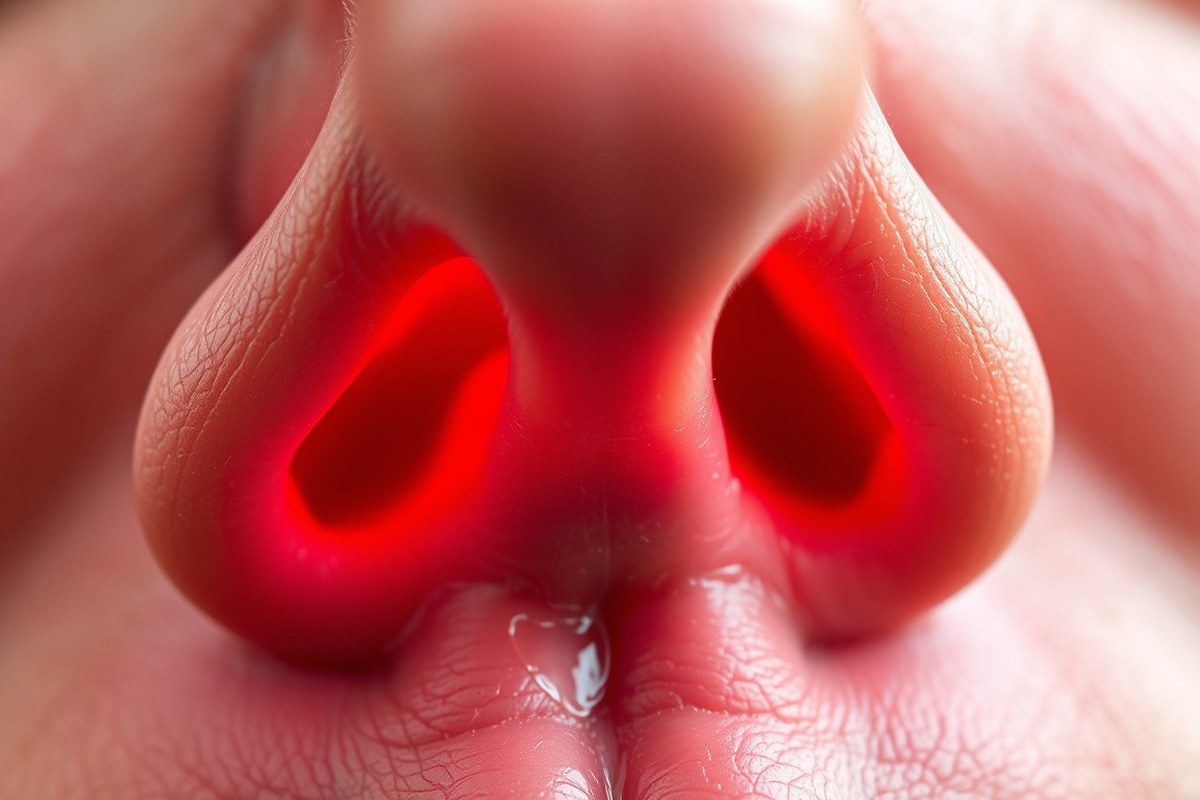
Post-nasal drip often results from several main causes, including allergies, infections, acid reflux, and structural issues within the nasal passages. Identifying the specific cause helps target effective treatments and relieve persistent symptoms.
Allergic Reactions Triggering Excess Mucus
Allergies represent the most frequent cause of post-nasal drip and are often called allergic post-nasal drip. When allergens like pollen, dust mites, or pet dander irritate your nasal lining, your body produces extra mucus to trap and clear these particles. This excess mucus can drip down the back of your throat, causing discomfort.
Allergic rhinitis, or hay fever, specifically leads to inflammation and increased mucus production. Seasonal changes can worsen symptoms during pollen seasons, while indoor allergens might cause year-round issues. Managing exposure to triggers often reduces mucus overproduction and drip.
Infectious Agents Leading to Nasal Drainage
Viral infections like the common cold or flu frequently cause temporary post-nasal drip as your nose produces more mucus to fight the infection. Bacterial sinus infections can also lead to thicker mucus that drains improperly. These infections increase inflammation and block regular mucus flow, making the drip more noticeable and persistent.
- Common cold viruses
- Influenza virus
- Bacterial sinus infections
- Upper respiratory tract infections
- Dehydration or dry air thickening mucus
Usually, post-nasal drip from infections lasts less than 10 days but can persist longer if untreated or if complications arise.
Persistent post-nasal drip lasting over 10 days with fever or facial pain warrants medical evaluation for sinus infection.
Impact of Gastroesophageal Reflux Disease
Gastroesophageal reflux disease (GERD) plays a significant role in some cases of post-nasal drip. Acid from the stomach moves up into your esophagus and throat, irritating tissue and causing inflammation. This irritation can trigger increased mucus production and the sensation of mucus dripping down the throat.
Besides post-nasal drip, GERD often causes symptoms like heartburn, a sore throat, hoarseness, and a persistent cough. Treating the acid reflux through lifestyle changes or medication may reduce these mucus-related symptoms. Managing GERD symptoms usually involves:
- Eating smaller, more frequent meals
- Avoiding acidic and spicy foods
- Not lying down soon after eating
- Maintaining a healthy weight
- Using prescribed acid-reducing medications
Structural Abnormalities Influencing Mucus Flow
Structural issues in your nasal passages, such as a deviated septum, nasal polyps, or narrow sinus openings, can disrupt the normal drainage of mucus. A deviated septum involves an abnormal position of the wall dividing your nose, which can block mucus flow and cause it to pool.
When mucus cannot drain properly, it builds up and worsens post-nasal drip symptoms. This drainage blockage may increase your risk of sinus infections and prolonged discomfort. Surgical options, including septoplasty to correct a deviated septum or balloon sinuplasty for opening blocked sinuses, may be recommended if other treatments fail.
- Deviated septum blocking nasal passages
- Nasal polyps causing obstruction
- Narrow or blocked sinus openings
- Chronic sinusitis linked to abnormal anatomy
- Excess mucus pooling due to poor drainage
Consult an ENT specialist if structural problems repeatedly cause post-nasal drip or sinus infections to discuss possible corrective procedures.
3. Recognizing Symptoms and How Long Post-Nasal Drip Lasts
Post-nasal drip usually feels like mucus is constantly dripping down the back of your throat, causing irritation that makes you want to clear your throat frequently. Common symptoms include a sore or scratchy throat, persistent coughing, hoarseness, and a sensation of mucus accumulating in your throat. You might also notice a mild sore throat or a tickle that doesn’t go away, which can make swallowing uncomfortable or cause you to cough more often. This happens because excess mucus produced by your nasal and sinus glands isn’t cleared away properly and instead drains down, irritating the sensitive tissues at the back of your throat.
The mucus in your throat lingers and won’t “go away” easily because it keeps dripping from your nasal cavities. Your body produces too much mucus due to allergies, infections like the common cold, or environmental triggers such as dry air or pollution, and this drainage continues until the underlying cause improves. When increased mucus production never stops or drainage is blocked, the sensation persists, causing ongoing discomfort. Unlike a one-time throat clearing, this is a continuous cycle where mucus buildup causes irritation, leading your throat to produce more mucus or responses such as coughing.
The length of post-nasal drip symptoms varies based on the cause. Short-term issues like colds or mild allergy attacks typically produce symptoms lasting around 5 to 10 days. When symptoms go on for more than three weeks, this is called chronic, and seeing a healthcare provider is advised. Ongoing post-nasal drip often indicates persistent inflammation or physical problems such as sinus infections or nasal polyps. Seek medical attention if symptoms continue beyond a few weeks or if you notice other signs like fever, severe throat pain, mucus with blood, or major hearing problems.
To distinguish post-nasal drip from other throat issues, start with a simple checklist. Notice if you feel mucus dripping from your nose to your throat, rather than just throat irritation alone. Post-nasal drip often comes with nasal congestion or runny nose, whereas throat infections tend to cause more intense throat pain and fever. Unlike acid reflux, which sometimes causes a burning sensation and heartburn, post-nasal drip involves more of a mucus buildup sensation. Your cough from post-nasal drip usually worsens when lying down due to mucus pooling in your throat. Monitoring symptoms alongside nasal signs can help you understand if post-nasal drip is the cause.
The exact cause of your mucus buildup affects how long the symptoms last. Seasonal allergies may cause symptoms to come and go over weeks or months, while a sinus infection may improve in a couple of weeks with proper care. Controlling factors like dry indoor air, irritants such as smoke, or allergies can shorten the duration significantly. Getting rest and staying hydrated supports natural mucus clearance, while stubborn cases might require treatments directed by a healthcare professional experienced in ear, nose, and throat care.
4. Home Remedies That Provide Fast Relief from Post-Nasal Drip
To relieve post-nasal drip quickly at home, focus on keeping your nasal passages clear and your throat moist. Using saline nasal sprays or a neti pot helps flush out mucus and allergens, while drinking plenty of fluids and running a humidifier soothes irritated tissues. Avoid triggers like smoke and allergens to prevent excess mucus buildup.
How to Use a Saline Nasal Spray Safely
Saline nasal sprays are an accessible way to reduce mucus thickness and clear nasal passages. They are safe for daily use and can provide fast relief from post-nasal drip symptoms. Use a non-medicated spray containing sterile saline to avoid irritation or dryness.
- Wash your hands thoroughly before handling the spray bottle.
- Gently blow your nose to clear nostrils.
- Tilt your head slightly forward and insert the nozzle into one nostril.
- Spray once or twice per nostril, avoiding forceful sprays that can irritate the lining.
- Breathe in gently through your nose during the spray to help the saline reach deeper.
- Repeat for the other nostril using the same steps.
- Wipe the nozzle clean after use and store the bottle in a cool, dry place.
Use the spray up to three times daily as needed but stop if you notice increased irritation or bleeding. Some people find relief using these sprays before bed to reduce nighttime drainage.
Using a Neti Pot: Step-by-Step Guide
A neti pot flushes nasal passages using a saline solution, often providing more thorough relief than sprays. Use distilled, sterile, or previously boiled water to avoid infections. Follow these steps carefully to avoid complications and ensure effectiveness.
- Mix a saline solution by dissolving 1/4 teaspoon of non-iodized salt and a pinch of baking soda in 8 ounces of warm distilled or boiled water.
- Fill the neti pot with the prepared solution.
- Lean over a sink, tilt your head sideways about 45 degrees, and insert the spout gently into the upper nostril.
- Breathe through your mouth and pour the saline slowly into the nostril, allowing it to flow through the nasal passages and out the other nostril.
- Remove the spout and blow your nose gently to clear remaining fluid.
- Repeat on the other side by tilting your head in the opposite direction.
- Clean the neti pot thoroughly after each use with hot water and allow it to air dry.
Use neti pot irrigation once daily while symptoms last. Avoid use if your nasal passages are blocked or if you have ear infections. Proper hygiene is critical to prevent infections.
Hydration and Humidifiers for Throat Comfort
Staying hydrated thins mucus, making it easier to clear from your throat and nose. Aim to drink at least 64 ounces of water daily, supplemented by warm liquids like herbal teas or low-sodium broths that soothe irritated tissues. Avoid caffeine and alcohol as they can cause dehydration.
Running a cool-mist humidifier in your bedroom adds moisture to dry air that often worsens post-nasal drip. Keep humidity levels between 40% and 60% to prevent mold growth. Use the humidifier throughout the night, cleaning the unit regularly per manufacturer instructions to maintain effectiveness. Combining these methods helps reduce throat irritation and encourages drainage, especially in dry or cold indoor environments common during cold and flu season.
5. Over-the-Counter Medications Compared for Post-Nasal Drip
Over-the-counter (OTC) medications offer several options to relieve post-nasal drip symptoms caused by allergies, sinusitis, or infections. Antihistamines, decongestants, and nasal sprays differ in how quickly they work, their side effects, and how they relieve symptoms. Choosing the right medication depends on your symptoms, how long you plan to use the treatment, and your health status.
Antihistamines help block the chemicals that trigger mucus production in response to allergens. Non-drowsy second-generation antihistamines such as loratadine or cetirizine usually act within one to three hours and can be taken daily during allergy season. First-generation antihistamines like diphenhydramine work faster, in about 30 minutes, but they often cause drowsiness and should be used cautiously.
Decongestants reduce swelling in nasal passages to ease mucus drainage, providing relief within 30 minutes to an hour. They come in oral forms (like pseudoephedrine) and nasal sprays (such as oxymetazoline). Nasal sprays act faster but should be used for no more than three consecutive days to avoid rebound congestion. Oral decongestants may raise blood pressure or cause insomnia, so check with a healthcare provider if you have heart conditions.
Nasal steroid sprays reduce inflammation that causes mucus buildup, and they can be effective for allergy-related or chronic sinusitis-induced post-nasal drip. These sprays may take several days up to a week to produce noticeable effects. They are generally safe for long-term use when following package instructions but require consistent daily application. Common OTC options include fluticasone and triamcinolone.
| Medication | Typical Onset Time | Main Benefits | Side Effects | Usage Notes |
|---|---|---|---|---|
| Second-Generation Antihistamines (loratadine, cetirizine) | 1-3 hours | Reduces allergy-triggered mucus | Minimal drowsiness | Safe for daily use during allergy season |
| First-Generation Antihistamines (diphenhydramine) | ~30 minutes | Fast relief of allergic symptoms | Drowsiness, dry mouth | Use short-term; avoid driving |
| Oral Decongestants (pseudoephedrine) | 30-60 minutes | Relieves nasal swelling | Increased heart rate, insomnia | Not for high blood pressure; consult doctor |
| Nasal Decongestant Sprays (oxymetazoline) | Within 10 minutes | Fast relief of nasal congestion | Rebound congestion if overused | Limit use to 3 days |
| Nasal Steroid Sprays (fluticasone, triamcinolone) | Several days to 1 week | Reduces nasal inflammation | Possible nasal dryness, irritation | Safe for long-term use with daily use |
| Saline Nasal Sprays | Within minutes | Moisturizes and clears mucus | Minimal side effects | Safe for frequent use |
Saline nasal sprays do not contain medication but can provide immediate relief by clearing excess mucus and moisturizing nasal passages. They are safe to use alongside any other treatments and can help improve overall comfort.
Do not use nasal decongestant sprays for more than three days in a row to avoid worsening congestion and dependence.
Long-term use of steroid nasal sprays is generally safe when used as directed. Their anti-inflammatory effect helps prevent post-nasal drip caused by chronic allergies or sinus inflammation. Regular application is key to seeing benefits, so follow the instructions carefully. If side effects like persistent nasal irritation occur, consult a healthcare provider.
6. When to See a Doctor and What Prescription Treatments Help
Seek medical evaluation when your postnasal drip symptoms last beyond 10 days despite home treatment, worsen over time, or if you experience severe symptoms such as a high fever over 101.5°F, facial pain or swelling, or difficulty breathing. These signs can indicate an infection or a more serious underlying condition that requires professional care. Chronic postnasal drip lasting several weeks or recurring frequently also warrants a visit to an ENT specialist to identify causes such as nasal polyps or structural issues that may need tailored treatment.
Preparing to see a healthcare provider involves clearly describing your symptoms. You might say, “I’ve had a persistent sensation of mucus dripping down the back of my throat for more than two weeks. It worsens at night and sometimes causes coughing. I’ve tried over-the-counter antihistamines and nasal sprays without significant relief.” Providing this information helps the provider select appropriate tests and treatments.
Prescription treatments depend on the underlying cause. For bacterial sinus infections causing postnasal drip, an ENT may prescribe antibiotics, usually for 10 to 14 days. Antibiotics do not work for viral infections or allergies, making an accurate diagnosis important. For chronic cases related to allergies, prescription nasal corticosteroids or antihistamines may be recommended. In some cases, nasal nerve treatments or surgery might be necessary, especially if nasal polyps or other anatomical issues are found during evaluation.
Determining whether your postnasal drip is bacterial typically relies on symptom duration and severity. Bacterial infections usually cause symptoms lasting more than 10 days, with worsening nasal congestion, thick yellow or green mucus, facial pain, and fever. Viral infections generally improve within one to two weeks. A healthcare provider may perform nasal swabs or imaging studies to confirm the diagnosis before prescribing antibiotics to prevent unnecessary use.
Expect a professional consultation to include a physical exam and possibly imaging such as a CT scan to identify the exact cause. Prescription treatments vary in cost; generic antibiotics may range from $10 to $40 depending on insurance coverage, while more specialized treatments or surgery will be more expensive and might require prior authorization. Effective treatment should reduce mucus production, ease throat irritation, and improve breathing. When symptoms persist despite treatment, another evaluation is advised to check for complications or alternative diagnoses.
7. Lifestyle and Environmental Changes to Prevent Post-Nasal Drip
Adjusting your daily habits and surroundings can significantly reduce the frequency and severity of post-nasal drip. Allergens, such as pollen, dust mites, and pet dander, often trigger this condition. Identifying and minimizing exposure to these allergens helps prevent chronic irritation of your nasal passages and throat.
Seasonal variations affect post-nasal drip differently depending on your location. In spring or fall, when pollen counts peak, symptoms may flare up. On the other hand, cold, dry winter air or polluted urban environments can also worsen mucus production and irritation. Monitoring local allergen reports and air quality indexes guides you on when to take precautions.
Diet plays a role too. Spicy foods and dairy products can increase mucus production for some people. Reducing intake of these items, especially during allergy seasons, may lessen post-nasal drip symptoms. Staying well-hydrated helps thin mucus, making it easier to clear from your airways. Practical steps for managing allergens and your environment include:
- Keep windows closed and use air conditioning with a clean filter during high pollen seasons.
- Regularly clean bedding and vacuum with a HEPA filter to reduce dust mites and pet dander.
- Avoid exposure to cigarette smoke and heavy pollution, which irritate nasal tissues.
- Use a humidifier to maintain indoor humidity between 30% and 50% to prevent dryness.
- Wear a mask outdoors during peak pollen times or when air pollution levels are high.
- Track daily local pollen counts through apps or websites and limit outdoor activities when counts exceed 50 grains per cubic meter.
- Limit consumption of spicy foods and dairy, especially when symptoms worsen.
Long-term commitment to these changes can reduce post-nasal drip by cutting off persistent sources of irritation. Results don’t happen overnight; expect improvements within a few weeks after consistent implementation. Neglecting these environmental and lifestyle factors often leads to symptom recurrence despite medications. If symptoms persist despite these steps, consulting a healthcare provider can help identify additional causes or treatment options.
8. Tips for Managing Post-Nasal Drip at Night and Improving Sleep
Adjusting how you sleep and setting up your bedroom can reduce post-nasal drip symptoms at night and help improve sleep quality. Raising your head prevents mucus from pooling in your throat, while maintaining humidity and clean air eases throat irritation. Avoiding food and drinks that trigger reflux before bedtime can also reduce coughing and discomfort overnight.
Elevating Your Head for Better Drainage
Sleeping with your head improve helps mucus drain away from your throat rather than accumulating and causing irritation. Gravity assists drainage, which reduces nasal congestion and allows easier breathing. Propping your head up by 6 to 8 inches is generally effective for most people.
Use firm pillows or a wedge pillow designed for elevation to keep your head and upper body raised consistently through the night. Avoid stacking soft pillows as this can cause neck strain rather than proper elevation. Elevation also helps minimize acid reflux, which can worsen post-nasal drip symptoms.
- Choose a wedge pillow or extra firm pillows that keep your head improve 6 to 8 inches.
- Position the pillow(s) under your upper back and head, not just your neck.
- Sleep on your back or on your side to maintain the improve position comfortably.
- Avoid sleeping flat on your back, which allows mucus to pool in the throat.
- Adjust the pillow height based on comfort and symptom relief.
Tip: improve the head of your bed by placing blocks under the legs to create a steady incline if pillows alone cause neck discomfort.
Using Humidifiers and Air Filters in Your Bedroom
Dry air can irritate your nasal passages and throat, making post-nasal drip symptoms worse during sleep. Using a humidifier to maintain indoor humidity between 30% and 50% helps keep mucus thin and the throat moist.
Air filters can reduce allergens and airborne irritants in your bedroom, especially if allergies trigger your post-nasal drip. Choose a HEPA filter to capture common allergens like dust, pet dander, and pollen. Clean your humidifier and filters regularly to prevent mold or bacteria buildup.
- Set a cool-mist humidifier in your bedroom and adjust humidity to 30%-50%.
- Use a HEPA air filter designed for your room size to reduce airborne triggers.
- Clean or replace filters and humidifier water daily or as recommended.
- Monitor room humidity with a hygrometer to avoid excess moisture that encourages mold.
Warning: Avoid hot steam humidifiers if you have young children or pets due to burn risk and do not let water sit stagnant in devices.
Avoiding Triggers Before Bedtime
Some foods and habits worsen post-nasal drip and throat irritation overnight. Avoid eating or drinking alcohol, caffeine, or acidic foods for at least two to three hours before sleep to reduce acid reflux and mucus production.
Chicken soup or warm fluids can soothe nasal passages and thin mucus but should be consumed earlier in the evening, not immediately before bed. Rinse your nasal passages with saline spray or do a gentle nasal irrigation before sleeping to clear mucus.
- Stop food and beverage intake at least 2-3 hours before bedtime, avoiding caffeine, alcohol, and acidic items.
- Use saline nasal spray or nasal irrigation 30 minutes before lying down.
- Drink warm fluids like chicken soup earlier in the evening for soothing relief.
- Maintain a consistent bedtime that allows 7-9 hours of rest.
- Monitor any worsening of symptoms such as difficulty swallowing or persistent ear pain overnight, and seek medical attention if these occur.
Tip: Keep a glass of water by your bedside to help soothe throat irritation from coughing but avoid excessive drinking that might disrupt sleep.
Step-by-Step Action Plan to Stop Post-Nasal Drip
Follow these clear steps to identify your post-nasal drip cause and start effective relief right away. Adjust as needed based on your symptoms and response.
- Day 1: Identify Symptoms and Triggers, Note your post-nasal drip symptoms and possible causes like allergies, colds, or irritants. Success is recognizing your main triggers and how severe your symptoms are.
- Day 1-2: Use Home Remedies for Fast Relief, Try saline nasal sprays, warm fluids, and steam inhalation. You’ll know it’s working if drainage lessens and your throat feels less irritated within 24-48 hours.
- Day 2-3: Try Over-the-Counter Treatments, Consider antihistamines for allergies or decongestants for congestion, following label instructions. Improvement includes reduced mucus thickness and easier breathing.
- Week 1: Make Lifestyle and Environment Adjustments, Avoid smoke, allergens, and dry air; use a humidifier and keep nasal passages clean. Notice fewer flare-ups and calmer symptoms as evidence of success.
- After 1 Week: Monitor Symptom Duration, If post-nasal drip persists beyond 10 days or worsens, prepare to seek medical advice to rule out infections or chronic conditions.
- Week 2: Consult a Doctor if Needed, See a healthcare provider for prescription treatments like nasal corticosteroids or antibiotics if infection is present. Expect relief as recommended medicines start working over the next few days.
- Nightly Routine: Manage Symptoms Before Sleep, improve your head, stay hydrated, and use nighttime remedies like saline rinses. Better sleep quality and less coughing signal this strategy’s effectiveness.
Frequently Asked Questions
Why Won’t the Mucus in the Back of My Throat Go Away?
Persistent mucus in your throat happens because excess mucus keeps draining down from your nasal passages. It often worsens at night since lying down makes mucus collect and drip more, which keeps irritating your throat and causing the feeling that it won’t clear.
What Medicine Dries Out Post-Nasal Drip?
Decongestants can help dry out post-nasal drip by reducing mucus production in nasal passages. However, they should be used cautiously and short-term because overuse can worsen symptoms or cause side effects like dryness and irritation.
What Could Be Mistaken for Post-Nasal Drip?
Acid reflux or throat infections can mimic post-nasal drip since they cause throat irritation and mucus sensation. Getting a proper diagnosis from a healthcare provider can help distinguish these conditions and guide correct treatment.
What Drink Stops Post-Nasal Drip?
Warm liquids, like herbal tea or broth, can soothe your throat and thin mucus, easing post-nasal drip symptoms. Staying hydrated helps thin mucus, making it less likely to irritate your throat and allowing it to clear more easily.
Can Allergies Cause Post-Nasal Drip?
Yes, allergies often trigger excess mucus production, leading to post-nasal drip. Managing allergies with antihistamines or allergy avoidance can reduce symptoms and mucus buildup.
Does Smoking Worsen Post-Nasal Drip?
Smoking irritates nasal passages and increases mucus production, worsening post-nasal drip. Avoiding smoke and other pollutants can help reduce symptoms and throat irritation.
Wrapping Up
Taking control of your post-nasal drip starts with identifying and addressing its cause while using remedies that fit your situation. Today, try keeping a symptom diary to track what triggers your drip or worsens it, such as certain foods, environmental factors, or activities. This simple step can guide you toward effective treatments and help you communicate clearly with your healthcare provider if symptoms persist.


One Comment