
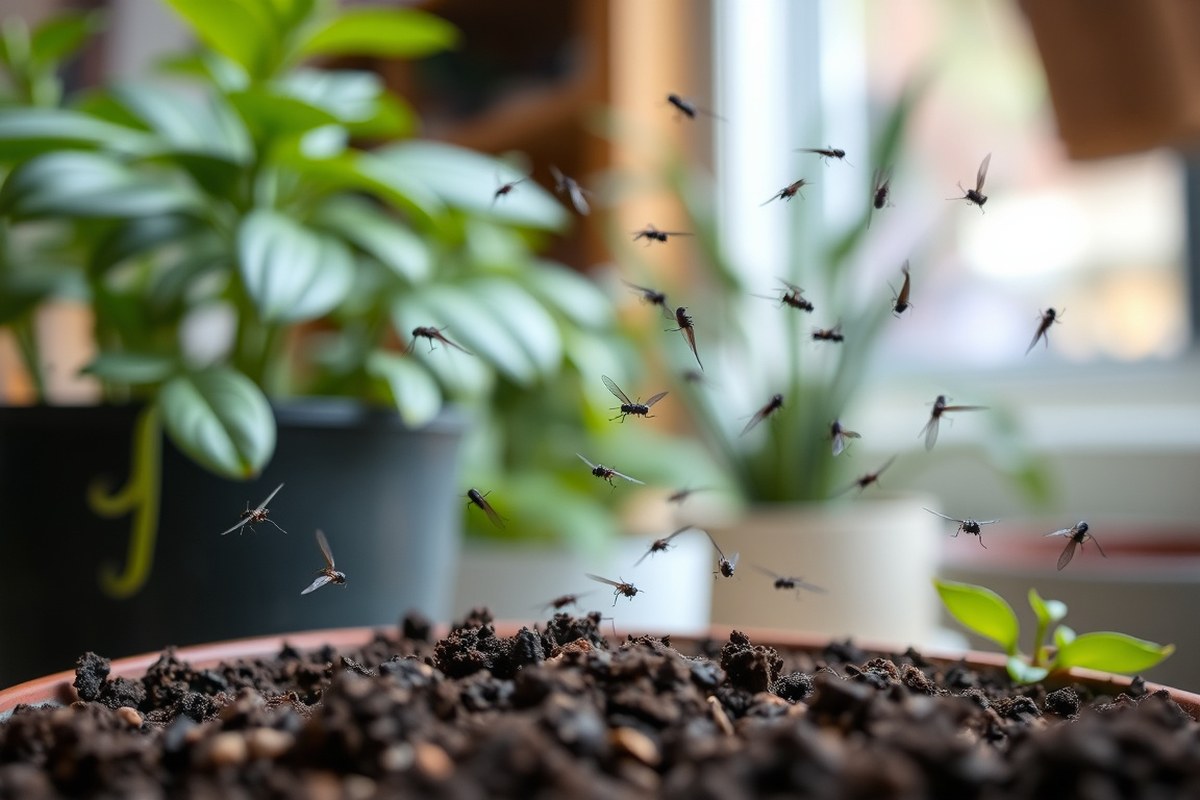
How to Get Rid of Fungus Gnats Fast: 8 Proven Methods That Work
To get rid of fungus gnats fast, focus on killing their larvae and reducing the conditions that let them thrive. Repotting plants with fresh, sterile soil is the quickest way to stop the infestation. Combining methods like using neem oil, sticky traps, and targeted pesticides speeds up control and prevents return.
This advice is for indoor plant owners dealing with stubborn fungus gnats and looking for practical, proven solutions. You’ll learn how to identify these pests, why they’re harmful, effective treatment steps, when to repot, prevention tips, treatment comparisons, common mistakes, and how seasonal factors impact success.
Key Takeaways
- Check the top 2 to 3 inches of soil for fungus gnat larvae, especially if the soil stays moist between waterings.
- Let the top 1 to 2 inches of soil dry completely between waterings to reduce fungus gnat breeding grounds.
- Use nematodes to target fungus gnat larvae; they kill larvae within 7 to 10 days efficiently and naturally.
- Consider repotting with fresh, well-draining soil to disrupt fungus gnat life cycles and improve plant health.
- Repeat treatments every two weeks to control newly hatched fungus gnat eggs since no product kills eggs directly.
- Lower indoor humidity below 55% using a dehumidifier to make the environment less favorable for fungus gnats.
1. How to Identify and Understand Fungus Gnats
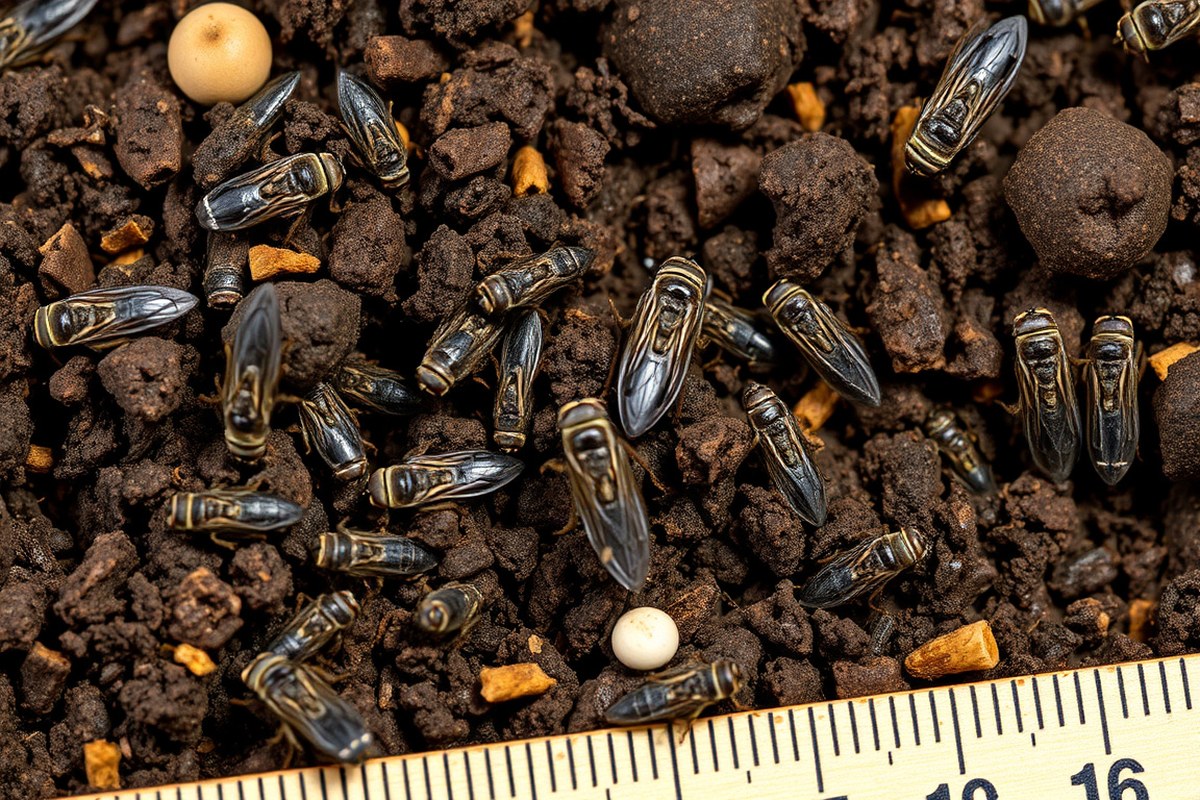
Fungus gnats are small, dark greyish-brown flying insects that measure about 3 to 4 millimeters long. Their bodies are slender, often described as mosquito-like, and some species have yellowish abdomens. They can be mistaken for fruit flies due to their similar size and shape, but there are key differences to help you tell them apart. Fungus gnats have translucent, creamy wings and thinner bodies, while fruit flies tend to have shorter, rounder bodies and are attracted to ripening or fermenting fruit rather than plant soil.
Noticing small winged bugs hovering around your houseplants, especially near the soil, usually indicates fungus gnats rather than fruit flies. Fruit flies are mostly found around kitchen areas with fruits and vegetables, not indoor plant soil. Fungus gnats prefer moist, organic-rich soil, such as that found in potted plants. They lay their eggs in the top inch of damp soil, especially where there is decaying plant debris. This organic matter provides a perfect environment for their larvae to feed and develop.
The life cycle of fungus gnats can be rapid. A single female can lay up to 500 eggs during her lifetime. These eggs hatch into larvae in about 4 to 6 days under typical indoor temperatures, usually between 70 and 80 degrees Fahrenheit. The larvae live in the soil, feeding on fungi, plant roots, and organic matter for about two weeks before pupating. After the pupal stage, adult gnats emerge, continuing the cycle. This fast reproduction rate is why infestations can escalate quickly if not managed.
To identify fungus gnats effectively, start by observing where the bugs are most active. Look closely at the soil surface of your indoor plants for small, translucent larvae or tiny black flies. Seeing flies that resemble tiny mosquitoes flying above the soil is a sign of fungus gnats. You can gently tap the soil and watch for any flying insects taking off. Since fungus gnats prefer moist conditions, check how wet your soil feels. Overwatering often creates ideal conditions for them to thrive.
Distinguishing fungus gnats from other pests like fruit flies or drain flies is important for choosing the right control measures. Trap tests using apple cider vinegar mixed with dish soap work well for fruit flies but often fail for fungus gnats. Fungus gnats may respond better to sticky traps placed near plant soil or using biological controls like beneficial nematodes. Understanding their life cycle and habitat helps you target each stage appropriately and curb infestations before they worsen.
2. How Fungus Gnats Harm Indoor Plants and Why Removal Is important
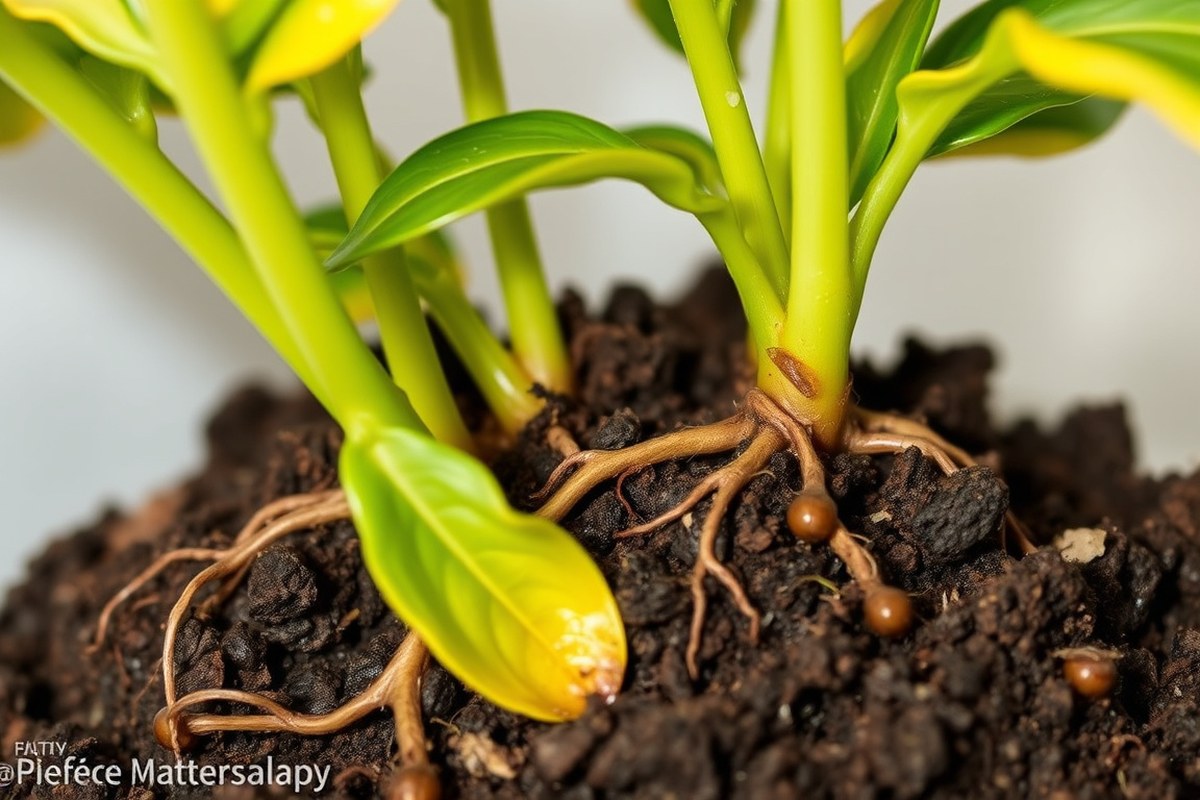
Fungus gnats may seem harmless since the adults don’t bite or directly feed on plants, but their larvae can cause serious harm, especially to young and delicate plants. Eliminating fungus gnats quickly is important because their larvae damage roots and can spread diseases, weakening your plants and affecting their growth.
Impact on Root Development
The larvae of fungus gnats live in the soil and feed on the root hairs and organic matter around roots. This feeding damages the fine root system that plants rely on to absorb water and nutrients. Seedlings, cuttings, and young plants are especially vulnerable since their roots are still developing and more delicate. When roots sustain damage, plants may show stunted growth, yellowing leaves, or wilting despite adequate watering.
Allowing fungus gnat larvae to continue feeding on roots can cause long-term root damage, making your plants less resilient to stress and disease. For established houseplants, damage may be less severe but still raises the risk of poor growth and vulnerability to other problems.
Transmission of Plant Diseases
Adult fungus gnats do not just annoy you with their flying swarms; they can carry fungal pathogens from one plant to another. As adults fly from plant to plant, they can spread diseases that harm roots and stems. The larvae feeding on roots may also open wounds that make it easier for harmful fungi or bacteria to infect plants.
This combination of larvae damage and disease transmission can lead to root rot, damping-off in seedlings, and other fungal or bacterial infections. Your entire collection is at risk if fungus gnats are left uncontrolled, particularly if plants share soil or watering sources.
Stress Caused by Larvae Feeding
Larvae feeding continuously on roots creates stress for your plants. Roots are the support system for water and nutrient uptake, so damaged roots mean the plant struggles to survive and grow. This stress often shows as drooping leaves, poor new growth, or unusual leaf spots that might be mistaken for other problems.
Growing plants under constant larval attack will slow down or stop growth and reduce overall plant health. Young plants or sensitive varieties may even die without intervention. Monitoring your plants regularly and acting fast can stop these stressful conditions from worsening.
Decreased Nutrient Absorption
With root damage caused by fungus gnat larvae, plants cannot efficiently absorb essential nutrients and water. The compromised root system means that even if you water and fertilize normally, plants won’t get what they need. This nutrient deficiency often causes leaf yellowing, weak stems, and failure to thrive.
Keeping your soil too wet allows larvae to thrive, so watering that lets the top inch of soil dry between sessions can reduce larval survival. For plants already showing nutrient deficiency symptoms, repotting them with fresh, sterile soil is a direct way to restore healthy root function and control fungus gnats simultaneously.
Consequences of Ignoring Infestations
Neglecting a fungus gnat infestation typically leads to worsening plant health over time. Larvae populations can grow quickly in constantly moist soil, causing widespread root damage. Over months, this weakens plants and increases their susceptibility to other pests and diseases.
Ignoring gnats can also affect neighboring plants as adults spread diseases and larvae contaminate shared soil. Many indoor gardeners find that treating fungus gnats early saves money and effort compared to losing plants and having to replace soil or start again from cuttings.
Check soil moisture carefully and avoid overwatering, keeping the surface dry for a few days starves fungus gnat larvae and helps protect your plants from serious damage.
3. Step-by-Step Methods to Get Rid of Fungus Gnats
Getting rid of fungus gnats requires a mix of methods targeting both the adult gnats and their larvae in the soil. Start by drying the soil to interrupt the larvae’s growth, then apply biological treatments like nematodes or neem oil to kill larvae and adults. Use sticky traps to quickly reduce flying adults and safe sprays, such as diluted hydrogen peroxide, to kill larvae without harming plants.
Drying Out Soil to Disrupt Larvae
Fungus gnat larvae depend on moist soil to develop, so reducing soil moisture is a practical and non-chemical method to break their life cycle. Allow the top 1 to 2 inches of soil to dry out completely between waterings. This can stop larvae growth and lower egg hatching rates since eggs need moist conditions. To do this safely:
- Check soil moisture regularly with your finger or a moisture meter.
- Water plants only when the soil is dry to the touch at the surface.
- Avoid overwatering or letting tray water sit under pots.
- Use well-draining soil to speed drying.
- Consider moving plants to a brighter location with good air circulation.
Note that drying soil alone might not eliminate an established infestation because eggs can survive in deeper, moist layers. Combining this with other treatments improves results.
Using Biological Controls Like Nematodes and Neem Oil
Biological control offers effective and safe options for killing fungus gnat larvae inside the soil. Beneficial nematodes, specifically Steinernema feltiae, are tiny parasitic worms that target and kill fungus gnat larvae within 7 to 10 days. These nematodes can be purchased online or at gardening stores and should be applied as a soil drench following package instructions to keep the nematodes alive and effective. Neem oil is another natural pesticide that works against both larvae and adult fungus gnats. To use neem oil:
- Mix a natural neem oil concentrate with water according to the product label.
- Drench the soil with this solution to kill larvae hiding there.
- Spray plant leaves thoroughly to control adult gnats and interrupt breeding.
- Repeat treatments weekly until the infestation disappears.
Nematodes and neem oil can be combined with soil drying for a complete approach. Neem oil works faster on adults than nematodes but doesn’t provide long-term soil infestation prevention alone.
Applying Traps and Safe Sprays Effectively
Sticky traps provide a quick way to reduce adult fungus gnats flying around your plants. Yellow sticky traps are ideal because they attract gnats to the bright color. Place these traps close to your plants and replace them when covered in pests. These traps don’t remove larvae but reduce adult populations, which slows egg laying.
Hydrogen peroxide is an affordable and safe larvicide to use as a soil drench. Use a 3% hydrogen peroxide solution diluted at 1 part peroxide to 10 parts water. Pour this mix evenly over the soil until moist but not flooded. The peroxide kills larvae and releases oxygen, benefiting roots as it breaks down. Repeat applications every few days for a week to target new larvae hatching from eggs. Avoid using undiluted peroxide to prevent root damage.
Combining sticky traps with hydrogen peroxide drenches gives faster visual results and treats both life stages of fungus gnats without harsh chemicals. For severe infestations, combining all three strategies, drying soil, biological controls, and traps, works best.
4. When to Repot and How to Choose Soil Against Fungus Gnats
Repotting your plants is often necessary to eliminate fungus gnats when the infestation is severe or persistent, especially if the larvae are deep in the soil. Choosing the right potting mix helps prevent fungus gnats by reducing the organic matter that attracts them. If repotting immediately isn’t possible, you can still limit the problem with surface treatments and careful watering.
Signs You Need to Repot Your Plants
Repotting becomes necessary when infestation symptoms are severe or ongoing despite other treatments. Look for signs such as constant adult fungus gnats flying around the plant, visible larvae or fungus growth in the soil, or soil that stays excessively damp for long periods. These signs indicate that larvae are developing deep within the potting medium, making surface treatments ineffective.
Also consider repotting if the soil has accumulated decayed organic matter or if it’s old and compacted. Fungus gnats lay eggs in moist, organic-rich soil, so removing infested soil directly stops the life cycle by eliminating larvae and eggs.
Choosing Fungus Gnat-Resistant Potting Mix
Using the right potting mix changes the environment in your pots to discourage fungus gnats from breeding. Avoid mixes with composted materials, bark fines, or high-organic peat moss content, which retain moisture and attract gnats. Instead, opt for a light, well-draining mix specially designed for indoor plants or succulents.
Additions like horticultural sand or perlite improve drainage and help keep the soil surface drier. A 1/4-inch layer of horticultural sand on top of the soil blocks fungus gnats from laying eggs because they cannot penetrate more than 1/16-inch deep. Seedlings can still grow through this thin sand layer without trouble.
Interim Measures When Repotting Isn’t Possible
Addressing fungus gnats without repotting requires blocking their access to soil and reducing soil moisture. Here are steps to manage gnats until repotting becomes feasible:
- Allow the soil to dry out completely between waterings to disrupt the larvae’s need for moist conditions.
- Apply a 1/4-inch layer of horticultural sand on top of the soil to prevent adult gnats from laying eggs.
- Use yellow sticky traps near the plants to catch adult fungus gnats and reduce their population.
- Remove any visible larvae or organic debris on the soil surface.
- Consider applying insecticides labeled safe for use on indoor plants, targeting both adults and larvae at the soil surface.
- Change watering habits to avoid overwatering, which encourages fungus gnat reproduction.
These measures will help control fungus gnats temporarily but work best combined with repotting and soil replacement for long-term success.
5. How to Prevent Fungus Gnats from Returning After Treatment
Proper watering practices are key to stopping fungus gnats from returning after treatment. Keep the top 1 to 2 inches of soil dry between waterings, especially during cooler months like fall and winter when plants use less water. Consistently moist soil creates ideal conditions for gnat eggs to hatch and larvae to thrive. Avoid overwatering by checking soil moisture with your finger or a moisture meter, and water only when the upper soil feels dry. Ensure pots have good drainage to prevent water from pooling, which attracts fungus gnats and can harm your plants over time.
Isolating new plants before introducing them to your indoor garden prevents new infestations. Keep new plants away from existing ones for at least two weeks in a separate area with good light and airflow. Examine new plants closely for signs of fungus gnats or larvae on the soil surface before integrating them. During this period, you can place sticky traps nearby to capture any gnats that may emerge. This quarantine approach stops gnats from spreading to your other plants and reduces your chance of restarting the infestation cycle.
Environmental control also matters for long-term prevention. Remove dead leaves, fallen plant debris, and old potting soil from around your plants regularly to eliminate breeding grounds. Clean plant leaves with a damp cloth to remove dust and potential egg deposits. Use vinegar traps made by mixing two or three drops of dish detergent in a cup of white vinegar; place these traps next to plants to lure adult gnats and reduce their numbers. Maintaining air circulation through window openings or fans lowers humidity and deters fungus gnats, who prefer damp environments.
Results of proper prevention should be visible within a few weeks. You’ll see fewer adult gnats flying near soil and fewer sticky traps catching these pests. Careful watering schedules that keep soil properly dry without stressing your plants support healthy growth and limit fungus gnat reproduction. Without these changes, your plants may quickly become reinfested since fungus gnat eggs in the soil hatch over about two weeks, meaning treatment often requires follow-ups if moisture problems persist.
Some situations demand extra care. Houseplants that are seedlings or have softer stems need careful monitoring since some fungus gnat larvae feed on tender roots and may stunt growth. Larger, established plants are less vulnerable but still benefit from dryness at the surface and cleanliness. If your home has high humidity or poor air flow, increase ventilation and consider using a dehumidifier to reduce moisture levels. In severe cases, integrated pest management tactics may combine environmental control with targeted insecticides or beneficial nematodes following label directions.
Always let the top 1 to 2 inches of soil dry completely before watering again; this dryness interrupts the fungus gnat life cycle and helps prevent future infestations.
6. Comparing Fungus Gnat Treatment Options: Effectiveness, Cost, and Safety
Choosing the right fungus gnat treatment depends on how quickly you want results, your budget, and safety concerns inside your home. Sterilizing soil before planting offers long-term prevention by killing gnat eggs before they hatch, but it requires prep time and proper equipment, such as a greenhouse oven or microwave setup. This method stops infestations at the source but won’t help with existing adult gnats.
For fast action against current gnat populations, insecticidal sprays like Stryker 54 Aerosol act quickly and effectively. These tend to cost between $10 and $20 per can and are widely available online or in garden centers. They provide rapid knockdown of adults but don’t always affect larvae deep in the soil. Being aerosols, they require good ventilation and careful use around children or pets to maintain indoor safety.
Bioinsecticides containing Bacillus thuringiensis israelensis (BTI) offer a safer, natural alternative. BTI targets larvae in the soil without harming beneficial insects or humans. The cost ranges from $15 to $30 per treatment, and products are often sold as granules or liquid concentrates. Some countries restrict BTI’s use against fungus gnats, so check local regulations. BTI affects larvae over days instead of hours and works best combined with soil dryness management.
Home remedies vary widely in effectiveness. Diatomaceous earth, popular for other pests, does not work against fungus gnats as the larvae live in moist soil. Insecticidal soap can help reduce adults but has limited impact on larvae in moist soil and may need repeated applications every 7 to 10 days.
| Treatment | Speed of Effect | Cost Range | Indoor Safety | Best Use |
|---|---|---|---|---|
| Soil Sterilization | Prevents future infestations | $0 to $50 (equipment varies) | Safe when soil is cooled | Before potting or repotting plants |
| Stryker 54 Aerosol | Immediate adult knockdown (hours) | $10, $20 per can | Use in well-ventilated areas; caution with pets | Active infestations of adult gnats |
| BTI Products | Larvae control over days | $15, $30 per treatment | Very safe, minimal risk indoors | Targeting larvae in soil |
| Insecticidal Soap | Moderate, needs repeat use | $7, $15 per bottle | Generally safe when used as directed | Reducing adult gnat numbers |
| Diatomaceous Earth | Not effective on fungus gnats | $5, $15 per container | Safe but ineffective for gnats | Requires other pest control uses |
Combining treatments maximizes success. Sterilize soil before use, manage moisture to keep it less hospitable for larvae, use BTI or insecticidal soap for larvae and adults, and apply aerosols only when immediate adult control is needed. Avoid relying on remedies like diatomaceous earth that have mixed or no results. Cost and safety vary by product, so read all labels carefully to match your situation, especially if you have children or pets indoors.
7. Common Mistakes and How to Fix Them When Removing Fungus Gnats
Many people make the mistake of focusing only on killing adult fungus gnats, often using sticky traps alone. While these traps catch the adults, they don’t affect the larvae living in the soil. Since fungus gnats lay eggs in moist soil, the real problem hides beneath the surface. That’s why just trapping adults won’t stop the infestation completely. For lasting results, you must target the larvae by drying out the soil or using soil treatments designed for larvae control.
It typically takes 2 to 3 weeks to fully eliminate fungus gnats from indoor plants. This timeline covers the life cycle from egg to adult. Since adults only live about a week, repeated treatments timed every 7 to 10 days are necessary. When new adults continue to appear after three weeks of treatment, it may mean larvae survived or new eggs were laid. At that point, changing your approach or consulting a professional might be needed.
Drying out soil to control fungus gnats is effective because larvae need moist conditions to survive. However, drying soil too much can harm your plants, especially those that prefer consistent moisture, like ferns or peace lilies. To avoid this, reduce watering frequency gradually until the top 1 to 2 inches of soil feels dry to the touch. Use a moisture meter to check more precisely. For succulents and cacti, letting soil dry thoroughly between waterings is easier and safer. Pay close attention to your plant’s specific needs to prevent stress or root damage.
Effective fungus gnat treatment shows fewer adults caught on traps over time and less plant damage like yellowing or wilting. Continuing to see many adults a week after starting treatment suggests the larvae may still be present, or conditions might remain too wet. In that case, revisit your watering habits and soil quality. Avoid overwatering by improving drainage or repotting with fresh, well-draining soil. Consider applying biological controls like Bacillus thuringiensis israelensis (BTI) products, which target larvae without chemicals.
Here’s a checklist to avoid common treatment mistakes: Start by reducing soil moisture; wait until the top inch or two is dry before watering again. Use sticky traps to monitor adults but add larva-targeting methods, such as soil drench with BTI or hydrogen peroxide diluted to 3% (about 1 part peroxide to 4 parts water), applied once weekly. Remove wet or decaying organic material from soil surfaces. Repot with fresh, well-draining soil if the infestation persists beyond three weeks. Regularly check moisture levels with a meter, and keep treating larvae until adults disappear for at least two weeks. This approach takes patience and consistency but limits plant harm and ensures the infestation ends permanently.
8. Seasonal and Regional Factors Affecting Fungus Gnat Control Success
Fungus gnat infestations often vary by region and season because these insects thrive in warm, moist environments. Warmer climates or the summer months can increase their activity and speed up their lifecycle, making infestations more frequent or severe. In colder regions or during winter, indoor heating and reduced humidity may slow their reproduction, but improper indoor humidity can still trigger outbreaks. Understanding how temperature and moisture influence fungus gnats helps you adjust your prevention and treatment strategies effectively.
Controlling moisture is essential to reducing fungus gnats inside your home. These pests lay their eggs in damp soil, where their larvae thrive on rotting organic parts and plant roots under wet conditions. You should keep your plant’s soil damp but avoid overwatering. Water plants only when the top 1 to 2 inches of soil feels dry. A moisture meter helps with precision, especially during winter when moisture takes longer to evaporate. Lowering indoor humidity to about 40% to 50% can decrease fungal development and reduce gnat populations. A dehumidifier or better airflow can help reach these humidity levels.
In areas with naturally high humidity, like humid southern states, extra care is needed. Using well-draining soil mixes and planting in pots with drainage holes decreases excess moisture retention. A layer of sand or fine gravel on the soil surface helps dry out the topsoil where gnats lay eggs. For people in drier climates, fungus gnats can still be a problem if overwatering is common. Adjust your watering routine rather than your soil mix to avoid drying out plants too much. Pay attention to seasonal changes: in spring and summer, gnats multiply faster, so you might need more frequent monitoring and control measures.
Your approach to treatment should match the infestation stage and environmental conditions. Larvae, which develop in soil, require soil drying, physical removal, or insecticidal drenches that are safe for indoor plants. Adult gnats can be caught with yellow sticky traps placed near plant pots. In summer or warm indoor environments, traps may need to be replaced more often, possibly every week, to keep up with fly reproduction cycles. In cooler months, traps can last longer but watch for any signs of renewed activity as indoor conditions warm from heaters.
Because breaking the fungus gnat lifecycle is essential, adjusting your plant care to the season and your home’s climate will improve your control success. Avoid watering plants indiscriminately during peak gnat seasons and keep soil conditions unfavorable for larvae survival. Monitoring humidity with a hygrometer is a low-cost way to track indoor conditions continuously. Many dehumidifiers suitable for a single room cost between $50 and $150 and can quickly reduce moisture that helps fungus gnats thrive.
Dry out the top 1 to 2 inches of soil before watering again and keep indoor humidity below 50% to disrupt fungus gnat breeding effectively.
Step-by-Step Action Plan to Get Rid of Fungus Gnats
Follow these clear steps to quickly identify, eliminate, and prevent fungus gnats in your indoor plants and soil.
- Before you start: Inspect your plants and soil closely for tiny flying gnats and larvae in the soil. Confirm fungus gnats by their small size and presence near moist soil. This identification ensures you are treating the right pest.
- Day 1: Stop watering your plants for a few days to let the soil surface dry. Fungus gnats thrive in moist conditions, so drying the soil helps starve larvae and reduces adult activity.
- Day 2, 3: Place yellow sticky traps near affected plants to catch adult gnats. Success shows as trapped gnats decrease within a few days, indicating lowered adult populations.
- Day 4, 7: Apply a suitable non-toxic treatment like biological larvicides (e.g., Bacillus thuringiensis israelensis) or insecticidal soap to the soil following label instructions. Effective treatment will reduce larvae and adults significantly within one week.
- Week 2: Check soil moisture and only water plants when completely dry an inch below the surface. Overwatering encourages fungus gnats, so maintaining proper moisture helps prevent re-infestation.
- Week 3: Repot heavily infested plants using fresh, well-draining soil known to discourage gnats. Avoid using reused or damp soil. This step helps remove larvae hiding in old soil and cuts the pest’s life cycle.
- After 3 weeks: Continue monitoring with sticky traps and inspect new soil regularly. If you see few or no gnats over two weeks, the treatment has worked. Persist with moisture control and occasional inspections to keep fungus gnats away.
Frequently Asked Questions
What Kills Fungus Gnats Fast?
The fastest way to kill fungus gnats is to repot plants with fresh, sterile soil. This removes larvae and eggs in old soil, stopping the cycle quickly. Use sticky traps to catch adults for a fast reduction while you treat the soil.
Can You Permanently Get Rid of Fungus Gnats?
You can only permanently get rid of fungus gnats by combining several methods, such as soil drying, repotting, and using pest control products. Prevention is key because these pests often return if conditions favor their breeding.
Why Do I Suddenly Have Fungus Gnats?
Fungus gnats appear suddenly when soil stays too moist, creating ideal conditions for larvae to thrive. New plants sometimes bring gnats since growers may skip proper pest control. Drying out your soil helps break their life cycle.
How Long Does It Take to Completely Get Rid of Fungus Gnats?
It typically takes about eight treatments or watering cycles to fully eliminate fungus gnats. Larvae live in the soil, so consistent drying and treatment over weeks are necessary for complete control.
Are Fungus Gnats Harmful to Humans?
Fungus gnats do not bite or harm humans but can be annoying indoors. Their main threat is to plants, where larvae can damage roots and stunt growth.
Can Fungus Gnats Live in Dry Soil?
Fungus gnats cannot survive well in dry soil because their larvae need moisture to develop. Letting soil dry thoroughly between waterings helps prevent infestations.
Key Points to Remember
Getting rid of fungus gnats involves consistent care and attention to your indoor plants’ watering and soil conditions. You can start today by checking your pots for overly damp soil and letting them dry out between waterings to disrupt the gnats’ breeding cycle. This simple action reduces their numbers significantly and protects your plants from damage.



2 Comments