

How to Get Rid of Tonsil Stones: 8 Safe and Effective Ways Explained
To get rid of tonsil stones, you can try gentle home removal methods like coughing, using a cotton swab, or gargling with salt water. For persistent or larger stones, medical treatments such as coblation cryptolysis may be necessary. Removing tonsils is the most permanent option if tonsil stones keep recurring.
This information helps anyone dealing with tonsil stones understand safe ways to remove them at home and when to see a doctor. You’ll learn about causes, symptoms beyond bad breath, effective treatment options, and daily habits to prevent tonsil stones from coming back.
Key Takeaways
- Use gentle saltwater gargles daily to soothe discomfort and help loosen tonsil stones before attempting removal at home.
- Try oxygenating mouthwash once or twice weekly to reduce bacterial growth and prevent tonsil stones, avoiding overuse.
- Small tonsil stones under 5mm often detach naturally within 3, 14 days through eating, coughing, or gentle gargling.
- Stop trying to remove a stuck stone after 2-3 attempts and wait 12, 24 hours to soften it with saltwater.
- Persistent or severe tonsil stones may require a course of antibiotics or evaluation by an ENT specialist for medical treatment.
- Practicing daily oral hygiene, including brushing and tongue cleaning, reduces debris buildup that causes tonsil stones.
How to Safely Remove Tonsil Stones at Home
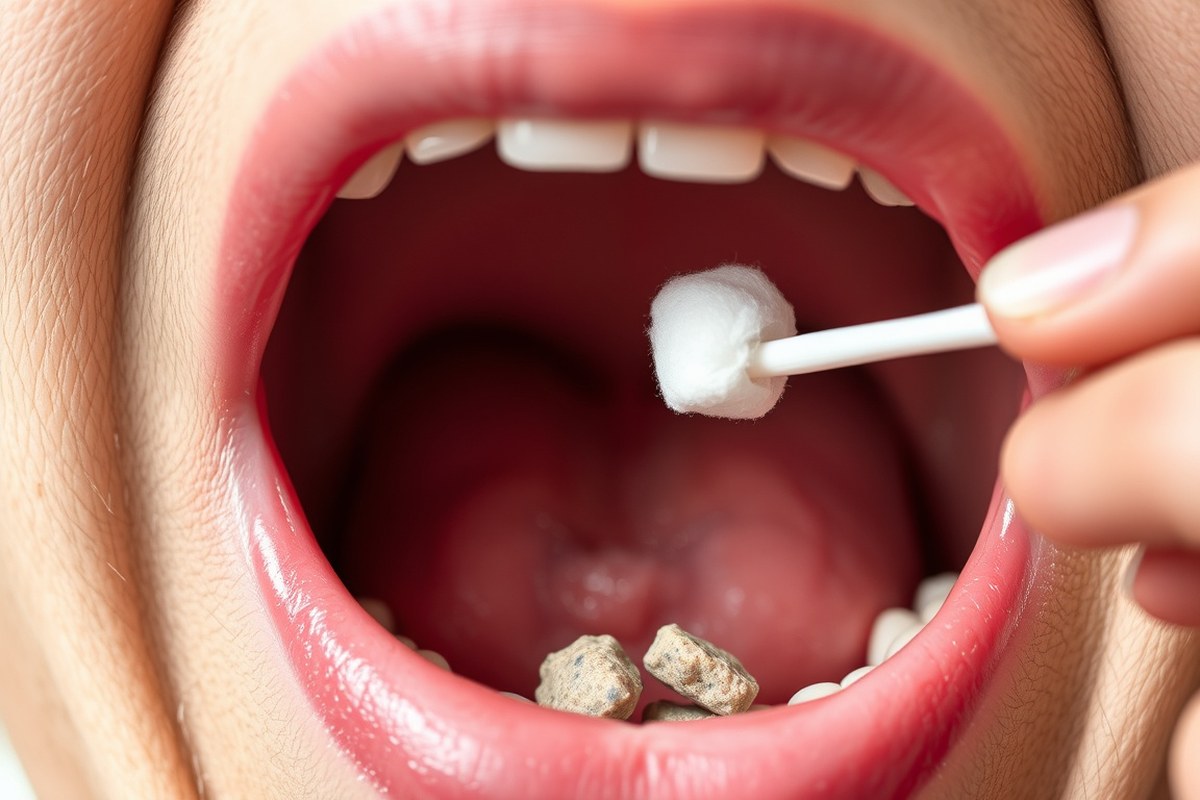
You can safely remove tonsil stones at home by using gentle pressure with a moistened cotton swab or the back of a toothbrush. Avoid sharp objects and harsh poking to prevent injury or infection. Follow careful steps to reduce discomfort and know when to stop and seek professional care.
Preparing for Safe Removal
Start by washing your hands thoroughly and using clean tools to minimize the risk of introducing bacteria into your mouth. Good lighting, such as a bright bathroom with a mirror, helps you locate the tonsil stones clearly. Staying calm and sitting upright reduces gag reflex and improves control during removal.
Before attempting removal, gargle with warm salt water or an antiseptic mouthwash for about 30 seconds to loosen the stones and reduce bacterial buildup. Avoid trying to dig out stones that are not visible or easily reachable to prevent injury.
Using Cotton Swabs or Soft Tools
For stones visible near the surface of the tonsils, a moistened cotton swab provides a gentle way to dislodge them. The back of a soft toothbrush can also nudge the stone, loosening it so it can be removed. Follow these steps to safely remove tonsil stones:
- Wash your hands and gather a fresh cotton swab, a soft toothbrush, a cup of warm salt water, and a good light source.
- Swish or gargle the warm salt water for 30 seconds to help loosen the stone.
- Use the lighted mirror to locate the visible tonsil stone.
- Soak the cotton swab in clean water to moisten it, making it less likely to irritate the surrounding tissue.
- Gently press the cotton swab against the tonsil next to the stone, applying light pressure to nudge the stone outward.
- When needed, use the back of a soft toothbrush to lightly push the stone until it loosens.
- Remove the stone carefully with the swab or toothbrush tip once it detaches.
- After removal, rinse your mouth with salt water again to clean the area and reduce bacteria.
Repeat these steps only if the stone loosens easily without causing pain or bleeding. Use a clean swab or toothbrush for each attempt to prevent infection.
Avoiding Common Removal Mistakes
Do not use sharp or pointed objects like toothpicks, safety pins, or tweezers to remove tonsil stones. The area around your tonsils contains many sensitive blood vessels that can bleed and become infected if injured. Pressing or digging aggressively can cause pain, swelling, and even spread bacteria.
Avoid removing stones that are deep inside the tonsil crypts or not clearly visible. Continuous poking may worsen your symptoms or cause small tears in the tissue. When gentle pressure does not dislodge the stone, allow it to dissolve naturally by gargling with antiseptic mouthwash for several days, then try again. Persistent or painful stones should be evaluated by a healthcare professional.
Effective Home Remedies and Tools Compared for Tonsil Stones

Among home remedies and tools used to get rid of tonsil stones, saltwater gargling and water flossers stand out as the safest and most effective options. Saltwater gargles loosen tonsil stones by reducing bacterial buildup and flushing away debris. Water flossers mechanically dislodge and wash out small stones for quick relief. Natural remedies like apple cider vinegar (ACV) offer antibacterial benefits and can help break down stones, but they require careful dilution to avoid throat irritation. Garlic also helps reduce bad breath caused by bacteria but is less direct in removing stones.
| Remedy / Tool | What It Is | How to Use | Effectiveness | Safety | Ease of Use |
|---|---|---|---|---|---|
| Saltwater Gargle | Warm water mixed with salt | Mix 1/2 to 1 teaspoon salt per 8 oz warm water; gargle for 30 seconds, 2-3 times daily | High, loosens stones & prevents new ones | Very safe; avoid swallowing | Simple, inexpensive ($0.10 per use) |
| Water Flosser | Device that shoots pressurized water | Aim tip at tonsil crypts; use medium pressure; 1-2 minutes per session | High for small stones | Safe if used gently; avoid excessive force | Moderate; upfront cost $30-$70 |
| Apple Cider Vinegar (ACV) | Diluted vinegar solution | Mix 1 tbsp ACV in 1 cup warm water; gargle briefly, 1-2 times daily | Moderate, helps dissolve stones and reduce bacteria | Safe with dilution; do not use undiluted to avoid irritation | Easy; low cost |
| Cotton Swabs | Small cotton-tipped sticks | Use gently to nudge stones out; avoid deep poking | Moderate, may remove visible stones | Risk of injury or gagging if used roughly | Easy; very cheap |
| Garlic (natural remedy) | Fresh garlic or garlic supplements | Consume daily or chew small pieces | Low to moderate, primarily reduces bacteria and odor | Generally safe; may cause bad breath or digestive upset | Easy; low cost |
Saltwater gargling remains the easiest and most accessible remedy for most people. Using a water flosser offers a more targeted approach, especially when stones are located deeply in tonsil crevices. ACV works best as a supplementary treatment over time and must be diluted to avoid throat discomfort. Cotton swabs can help remove visible stones but should be handled carefully to prevent irritation or injury. Garlic complements these methods by reducing bacteria and improving breath freshness, though it is less effective at dislodging stones directly.
Gargle vigorously with warm salt water for 30 seconds to loosen stubborn tonsil stones before trying manual removal methods like a water flosser.
Each remedy requires consistent use to see results. Avoid swallowing harsh solutions such as undiluted ACV and never use sharp objects that could damage your tonsils. If tonsil stones persist or cause pain despite using these methods, consulting an ear, nose, and throat specialist is advisable.
What Causes Tonsil Stones and How Long They Last
Tonsil stones, also known as tonsilloliths, form when debris like dead cells, saliva, mucus, and food particles accumulate in the crevices or crypts of your tonsils. These materials harden over time as calcium salts deposit on them, creating small, calcified stones that are typically pastel yellow. These crypts serve as pockets where buildup can easily get trapped, which is why some people are more prone to developing tonsil stones.
Studies show that close to 40% of individuals develop tonsil stones at some time. Usually, these stones remain for months or years if not manually extracted. Still, they can sometimes disappear without intervention. Tonsil stones often break free naturally through coughing, swallowing, or speaking. Many people remain unaware of the stones until one detaches.
The duration that tonsil stones remain varies widely. For some, stones clear up within 1 to 3 weeks without intervention. Others might carry them longer, especially if their tonsil crypts are deep and trap more debris, promoting stone growth. Small stones might dissolve or exit unnoticed, while larger or more firmly attached stones tend to persist.
Since the formation process depends on how much debris gets trapped and how well your mouth’s natural cleaning mechanisms work, maintaining good hydration and oral hygiene helps reduce how often tonsil stones develop and how long they last if they appear. Good bacteria balance in your mouth also matters; some people try probiotics to support “good” bacteria that may prevent buildup leading to stones.
In cases where stones remain for months or cause discomfort, professional removal might be necessary. Treatments such as coblation cryptolysis and CO2 laser therapy focus on reducing the depth of tonsil crypts, minimizing pocket areas where stones form and making it harder for stones to develop in the future. This approach treats the root cause rather than just removing individual stones but usually requires a visit to an ENT specialist or oral surgeon.
Although tonsil stones rarely cause serious health problems, about 3 percent of the time, they occur alongside kidney stones, gallstones, or stones in the salivary glands. This coincidence is unusual but worth discussing with your healthcare provider if you experience recurring stones.
Signs You Have Tonsil Stones: Symptoms Beyond Bad Breath
Tonsil stones are small lumps of calcified material that form in the crevices of your tonsils. You might first notice bad breath, but there are other signs that point to tonsil stones. These include a sore or scratchy throat, a persistent feeling that something is stuck in your throat, and sometimes pain that radiates to your ear. Unlike tonsillitis, which is an infection of the tonsils, tonsil stones usually cause mild soreness without the high fever or intense swelling typical of infections.
Distinguishing tonsil stones from other conditions involves observing specific symptoms and their intensity. You may actually see the stones themselves, visible as white or yellowish lumps ranging from the size of a grain of sand to that of a grape, lodged within the pits of your tonsils. Experiencing chronic bad breath despite good dental hygiene could be a key indicator of tonsil stones. Unlike tonsillitis, you won’t typically have a high fever, but you might notice redness and irritation localized to the tonsils where stones are present.
The sensation of needing to swallow repeatedly or having difficulty swallowing can also occur with tonsil stones, especially if the stones are larger. Ear pain is a common referred symptom due to shared nerve pathways but usually without ear infection signs. Tonsillitis often results in swollen tonsils with white patches, severe throat pain, fever over 101°F, and general malaise. Experiencing these symptoms points more toward a bacterial or viral infection.
- Visible white or yellow stones lodged in tonsil crevices
- Persistent bad breath despite good oral care
- Mild sore or scratchy throat without high fever
- Feeling of something stuck in the throat or frequent swallowing
- Redness and irritation localized in the tonsils
- Ear pain without ear infection symptoms
- Absence of severe tonsil swelling or fever above 101°F
Monitoring these signs offers a practical way to differentiate tonsil stones from infections such as tonsillitis. When symptoms are mild and primarily involve bad breath and a scratchy throat, tonsil stones are likely the cause. A severe sore throat with fevers and swollen tonsils suggests tonsillitis or another infection, which usually requires different treatment. To confirm the diagnosis and determine if removal or other treatments are needed, consulting an ENT specialist is recommended when uncertainty remains.
When to See a Doctor or ENT Specialist for Tonsil Stones
Tonsil stones usually resolve without medical intervention, but persistent, painful, or recurrent stones require professional assessment. When home remedies do not remove a stone within two weeks or the stones occur more than three times a year, you should consult a doctor or an ear, nose, and throat (ENT) specialist. These specialists provide accurate diagnosis of tonsil stones and recommend treatments beyond self-care, including surgical options if needed.
Look out for signs that call for immediate medical attention instead of continued home treatment. Severe throat pain, difficulty swallowing or breathing, ongoing bad breath that does not improve after stone removal, or symptoms of tonsil infection such as a fever above 101°F, swollen lymph nodes, or pus around the tonsils need urgent evaluation. Emergency care is essential if swelling significantly blocks the airway or intense pain stops you from eating or drinking.
A practical approach starts by monitoring your symptoms and response to home care over 7 to 14 days. When your tonsil stones are small, cause mild discomfort, and improve with gargling or irrigation, you may continue home remedies with care. Stop home treatments and schedule a visit if stones become larger (over 5 mm), cause ongoing pain, or lead to repeated infections. Regular ENT visits are recommended for frequent tonsil stones, as a specialist can tailor treatment or suggest tonsil removal if other options fail.
During a medical appointment, an ENT specialist examines your throat, sometimes using imaging or a scope to confirm the diagnosis. Consultation costs vary widely, typically ranging from $150 to over $500 depending on insurance coverage and location. Professional removal procedures cost more but reduce risks such as infections or abscesses and provide longer-lasting relief. Patients often notice improvements in breathing, swallowing, and oral comfort after specialist care. Untreated large stones can cause chronic throat irritation or repeat infections.
People with certain health conditions or age-related risks should seek professional care sooner. For example, those with weakened immune systems or diabetes may experience complications from tonsil stones more rapidly. Avoid home removal methods if severe swelling or pain occurs. Instead, contact your healthcare provider immediately.
Persistent or painful tonsil stones that don’t respond to two weeks of home remedies, or signs of infection like fever and swelling, require prompt evaluation by an ENT specialist.
Medical Treatments for Persistent or Severe Tonsil Stones
You might need medical treatment if tonsil stones are persistent, cause significant discomfort, or keep coming back despite home efforts. Options include antibiotics, coblation cryptolysis, and tonsillectomy. Each method has specific purposes, risks, and recovery times to consider before proceeding.
Antibiotic Use and Limitations
Antibiotics can be prescribed for tonsil stones when infection or inflammation is present, especially in severe or persistent cases. Common choices include penicillin or erythromycin. These medications reduce bacterial growth, helping control symptoms like swelling and pain.
Antibiotics do not eliminate the root cause of tonsil stones, which is food debris trapped in tonsil crypts. Therefore, they rarely provide a permanent solution. You should follow the full prescribed course to avoid antibiotic resistance and consult your healthcare provider about side effects.
- Useful for treating bacterial infection linked to tonsil stones
- Does not prevent future stone formation
- Effective only while medication is taken
- Potential side effects include allergic reactions and gastrointestinal upset
- Typically taken for 7 to 10 days
- Requires a prescription from a healthcare provider
Antibiotics are best suited for short-term relief during infection or flare-ups rather than a long-term fix.
Coblation Cryptolysis Explained
Coblation cryptolysis is a minimally invasive procedure designed to reduce or remove tonsil crypts where stones develop. It uses radiofrequency energy at low temperatures (around 60°C or 140°F) to gently dissolve tonsil tissue without damaging surrounding areas. This process makes it harder for debris to accumulate and form stones.
Performed under local or general anesthesia, the doctor targets only the crypts, preserving most tonsil function. Recovery typically takes a few days, with mild throat soreness as the most common side effect. Coblation cryptolysis is offered to patients with recurrent tonsil stones linked to large or deep crypts but who want to avoid full tonsillectomy.
- Noninvasive outpatient procedure lasting about 30 minutes
- Targets tonsil crypts to reduce stone formation
- Involves local or general anesthesia depending on the case
- Post-procedure discomfort usually lasts under a week
- Low risk of bleeding or infection compared to surgery
- Does not remove the entire tonsil
Coblation cryptolysis offers an effective middle ground between conservative care and full tonsil removal for suitable candidates.
Tonsillectomy: Risks and Recovery
Tonsillectomy is the surgical removal of the tonsils and may be recommended if tonsil stones come back often or cause severe symptoms. It completely eliminates tonsil crypts and tissue where stones form, making it the only permanent cure. However, it carries more risks and a longer recovery than other treatments.
Recovery generally takes 10 to 14 days for children and can last up to 3 weeks for adults. Pain, difficulty swallowing, and risk of bleeding during healing are common. Adults are more likely to experience longer recovery and complications than children. You should follow your surgeon’s instructions carefully during this period.
- Potential risks include bleeding, infection, and anesthesia complications
- Hospital or outpatient surgery under general anesthesia
- Complete removal of tonsils eliminates tonsil stones permanently
- Recovery: 10-14 days for children, up to 21 days or more for adults
- Postoperative pain managed with medication and hydration
- Costs vary widely depending on insurance and facility fees
- Recommended only for frequent, troublesome, or complicated cases
Tonsillectomy is a major procedure requiring careful consideration and medical advice before scheduling. It is generally a last resort after less invasive options have failed.
Preventing Tonsil Stones with Daily Oral Hygiene Habits
Preventing tonsil stones involves keeping your mouth clean and moist while limiting substances that encourage bacterial buildup. Tonsil stones form when food debris, dead cells, and bacteria collect in the small pits of the tonsils called crypts. Maintaining a healthy oral microbiome through daily habits can reduce their formation by minimizing the material that causes these clumps.
Daily oral hygiene plays the biggest role. You should brush your teeth at least twice a day, including gently brushing your tongue to remove bacteria. Flossing once daily also helps stop food particles from nesting in the mouth where stones can start. Using an oxygenating mouthwash once or twice a week can further reduce bacteria responsible for stones. Gargling with salt water or an alcohol-free mouthwash after meals helps dislodge trapped particles and soothe the throat. Drinking plenty of water keeps saliva flowing and prevents dry mouth, which can contribute to stone development.
- Brush your teeth and tongue twice daily for two minutes each time
- Floss at least once every day to remove trapped food particles
- Gargle with salt water or a mild mouthwash after meals, about 3 to 4 times daily
- Use an oxygenating mouthwash once or twice a week (avoid overuse to prevent irritation)
- Drink 8 to 10 cups (64 to 80 ounces) of water daily to maintain saliva flow
- Include crunchy fruits and vegetables like raw carrots in your diet to boost saliva and cleanse your mouth
Following these steps consistently can reduce the incidence of tonsil stones by limiting the debris and bacteria that cause them. Gargling 3 to 4 times a day after eating prevents bits of food from settling in your tonsils. Meals with fibrous foods stimulate saliva, which naturally cleans your mouth. Avoiding dry mouth is critical since saliva helps keep bacteria in check. Overusing harsh mouthwashes can damage your oral tissues and should be limited to a couple of times weekly when using strong oxygenating formulas.
Good oral hygiene also means regular dental checkups to address any cavities or gum issues that may worsen bacterial growth. If you frequently get large or painful stones despite these routines, consult an ENT specialist, as other treatments may be necessary. Keeping these daily habits practical and consistent not only prevents tonsil stones but improves overall oral health and freshens breath.
Tools to Keep at Home for Tonsil Stone Removal and Safe Usage
Keeping a few specific tools at home can help you safely remove tonsil stones. Using the right items correctly reduces irritation or injury to your tonsils. Avoid sharp or hard instruments without guidance, and handle all tools gently.
Cotton Swabs and Soft Brushes
Cotton swabs are a common tool for gently dislodging tonsil stones. Using the soft end, you can press around the stone to push it out. Soft interdental or toothbrush heads work well to clean the crevices without damaging the tissue.
Use a mirror and good lighting to locate the stones before attempting removal. Avoid forcing the swab too hard to prevent irritation or bleeding. Keep the tools clean by rinsing them with warm water or wiping with alcohol before and after use to reduce infection risk.
- Use a fresh, dampened cotton swab or a soft-bristled brush.
- Press gently on the tonsil surface near the stone, not directly on it.
- Work slowly to avoid pain or tissue damage.
- Rinse your mouth with warm salt water afterward.
- Discard or clean tools thoroughly after each use.
Never use sharp objects like toothpicks or metal tools at home, as they can easily injure delicate tonsil tissue or cause bleeding.
Water Flossers and Oral Irrigators
Oral irrigators, such as water flossers, are effective for flushing out tonsil stones with a gentle stream of water. They use pressurized water to push stones free from the tonsil crypts while reducing trauma to the tissue. Models with adjustable pressure settings let you start on lower levels to avoid discomfort.
To use a water flosser safely, lean over a sink, direct the nozzle towards the back of your mouth, and aim for the area where the stones are lodged. Use short bursts of water and avoid forcing the flow deeply to prevent gag reflex or injury. Clean the irrigator regularly to prevent bacterial buildup.
- Select a water flosser with adjustable pressure (start on low).
- Position your head for easy drainage (lean forward).
- Target water at the tonsil crevices from different angles.
- Use for 1 to 2 minutes, then rinse mouth with salt water.
- Disassemble and clean after each use to maintain hygiene.
Gargling Solutions and Natural Remedies
Gargling with warm salt water is a simple, effective way to loosen tonsil stones and calm swelling. Salt water helps break down debris and reduces inflammation around the tonsils. Use about 1/2 teaspoon of salt dissolved in 8 ounces of warm water.
Swish and gargle the solution for 15 to 30 seconds, then spit it out. Repeat this two to three times daily or after attempts to remove stones. Avoid overly hot water that can irritate tissues.
- Mix 1/2 teaspoon salt in 8 ounces of warm water.
- Gargle for 15 to 30 seconds, then spit out.
- Repeat 2 to 3 times a day, especially after removal attempts.
- Do not swallow the salt water.
- Use other natural rinses cautiously, as some may irritate sensitive tonsil tissue.
Step-by-Step Action Plan for Managing Tonsil Stones
Follow this plan to identify, remove, and prevent tonsil stones safely at home, and to know when to seek expert care.
- Before you start: Gather safe removal tools like a cotton swab or a soft water irrigator and check your mirror under strong light. Identify visible stones or symptoms such as throat discomfort or persistent bad breath to confirm you have tonsil stones.
- Day 1: Gently try to remove small tonsil stones using a damp cotton swab or gargle with warm salt water. Success means noticeable relief from discomfort or partial stone removal without pain or bleeding.
- Within 1 week: Use daily saltwater gargles and practice gentle removal where safe to reduce stones. Observe if symptoms like bad breath or throat irritation diminish.
- Week 2: Maintain excellent oral hygiene by brushing twice daily, cleaning your tongue, and flossing to prevent new stone buildup. Check if no new stones appear and symptoms continue to improve.
- After 2 weeks: Monitor your symptoms and stone recurrence. When stones persist, grow larger, or cause pain, schedule a consultation with an ENT specialist for evaluation.
- If recommended by your doctor: Be sure to follow through with medical treatments such as professional removal, antibiotics, or tonsillectomy depending on severity. Note a significant reduction in symptoms and stone formation after treatment.
- Ongoing: Keep up daily oral hygiene routines and avoid smoking or dehydration to prevent tonsil stones from returning. Confirm long-term relief by symptom-free periods and no new stones visible.
Frequently Asked Questions
What Is the Most Permanent Way to Get Rid of Tonsil Stones?
Removing your tonsils is the most permanent solution for tonsil stones, especially if you have a history of frequent occurrences. This procedure eliminates the crypts where stones form, preventing them from returning.
Can Coughing Help Expel Tonsil Stones?
Yes, coughing can sometimes dislodge tonsil stones naturally. This works because the pressure from coughing can loosen the stones stuck in tonsil crypts.
Do Probiotics Help Reduce Tonsil Stones?
Taking probiotics may help by increasing good bacteria in your mouth and throat, which can reduce bacteria that contribute to tonsil stones. Probiotics support overall mouth health but aren’t a guaranteed cure.
Are Antibiotics Effective for Tonsil Stones?
Antibiotics generally don’t work for tonsil stones unless there’s a bacterial infection causing tonsillitis alongside stones. Antibiotics won’t remove the stones themselves.
Can Tonsil Stones Cause Serious Health Problems?
Tonsil stones are usually harmless but can cause bad breath, discomfort, and sore throat. When infections happen repeatedly or pain occurs, you should see a healthcare provider.
Is Professional Removal of Tonsil Stones Necessary?
Sometimes professional removal is needed for large or persistent stones that don’t respond to home remedies. A doctor or ENT can safely remove them and offer treatments like coblation cryptolysis.
Before You Go
Removing tonsil stones safely starts with gentle self-care, like using a soft cotton swab or a water flosser to ease them out. Keeping your mouth clean by gargling with saltwater daily can prevent new stones from forming. Today, try rinsing your mouth thoroughly twice a day and check your tonsils regularly for any signs of stones, so you can address them early before they cause discomfort or infection.


2 Comments