
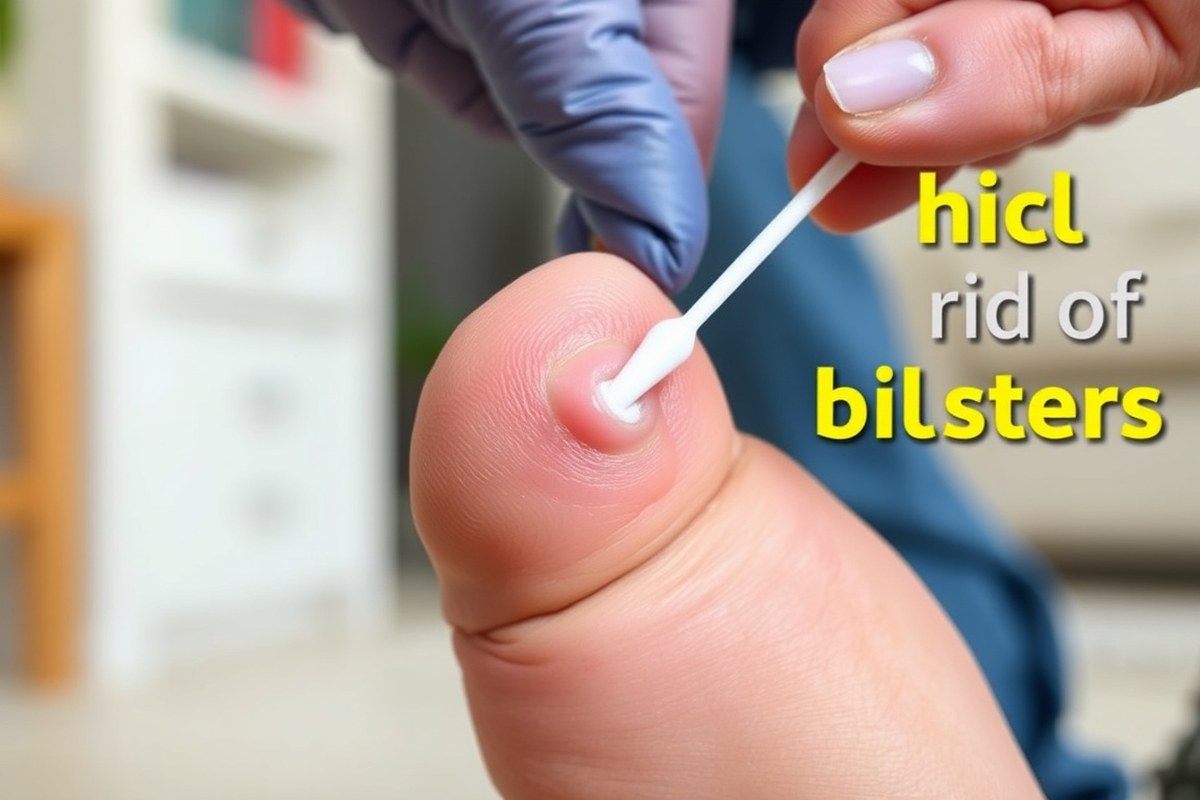
How to Get Rid of Blisters: Safe Care and Fast Healing Tips
To get rid of blisters safely and speed up healing, keep the area clean, avoid popping the blister, and protect it with a soft bandage or moleskin. Using a skin protectant like Aquaphor® Healing Ointment on areas prone to blisters can prevent them from forming. Properly cleaning and covering blisters helps reduce the risk of infection while allowing natural healing within one to two weeks.
This advice is useful for anyone who experiences blisters on their feet, hands, or other skin areas. You’ll learn about what causes blisters, how to treat and protect them at home, tips to prevent infection, signs that require medical care, and how to avoid future blisters through better footwear and skin care habits.
Key Takeaways
- Clean blisters gently with mild soap and water, then cover with a sterile blister bandage or pad to protect and promote healing.
- Most blisters heal naturally within 3 to 7 days if left undisturbed and protected from further irritation or friction.
- Avoid popping blisters unless large and painful; draining with care can relieve pain but increases infection risk without proper cleaning.
- Apply ointments like Aquaphor to keep skin moist, which can speed up blister healing and reduce discomfort.
- Use low-cost surgical tape or padded blister bandages on areas prone to friction to prevent blister formation during activities.
- Watch for signs of infection such as redness, warmth, pus, or increased pain, and seek medical advice promptly if symptoms appear.
How to Treat and Manage Blisters Safely at Home

Leaving small blisters unbroken is usually best because the skin over them serves as a protective layer that reduces infection risk and promotes quicker healing. Popping these blisters can let bacteria enter, causing delays in recovery. Still, if a blister is large, painful, or located where it may easily be rubbed, like on a foot, carefully draining it might ease discomfort and stop it from tearing on its own.
Deciding whether to drain a blister depends on its size, location, and pain level. Large blisters that are tense or causing significant discomfort may benefit from controlled drainage. This should be done in a sterile manner to avoid infection and with an effort to keep the skin flap over the blister intact. You should never puncture blisters that are already broken, bloody, or show signs of infection, such as redness, warmth, swelling, or pus. In those cases, seek medical advice.
Some important practices help ensure safe treatment and management of blisters at home. These steps support healing and reduce the risk of infection.
- Clean the Area Gently. Wash your hands and the blister area with mild soap and water. Avoid using harsh chemicals like hydrogen peroxide on intact blisters as they can damage healing tissue.
- Decide If Draining Is Necessary. For small, painless blisters, leave them alone. For larger or painful blisters, sterilize a thin needle with rubbing alcohol, then gently puncture the edge of the blister to drain fluid without removing the skin covering.
- Apply an Antibiotic Ointment. After drainage or on intact blisters, apply a thin layer of an antibiotic ointment or a protective balm like Aquaphor® Healing Balm to keep the area moist and prevent infection.
- Cover the Blister. Use a blister pad or cushioning bandage to protect the area from friction and pressure. Change the dressing daily or if it becomes wet or dirty.
- Avoid Irritation and Pressure. Try not to wear tight shoes or continue activities that worsen the blister, as added rubbing delays healing and increases the chance of tearing or infection.
- Monitor for Signs of Infection. Watch for increasing redness, swelling, pus, fever, or worsening pain. If any of these occur, consult a healthcare professional promptly.
- Keep the Area Clean and Dry. Maintain good hygiene by washing gently once or twice daily and patting dry. Avoid soaking the blister in water for long periods, which can soften surrounding skin and make blisters worse.
Following these steps makes home management of blisters safer and more effective. Healing times vary, but most blisters improve noticeably within a few days when properly cared for. Taking precautions against infection and protecting the blister’s skin will help you recover with less pain and a lower chance of complications.
What Causes Blisters and How Do They Form?
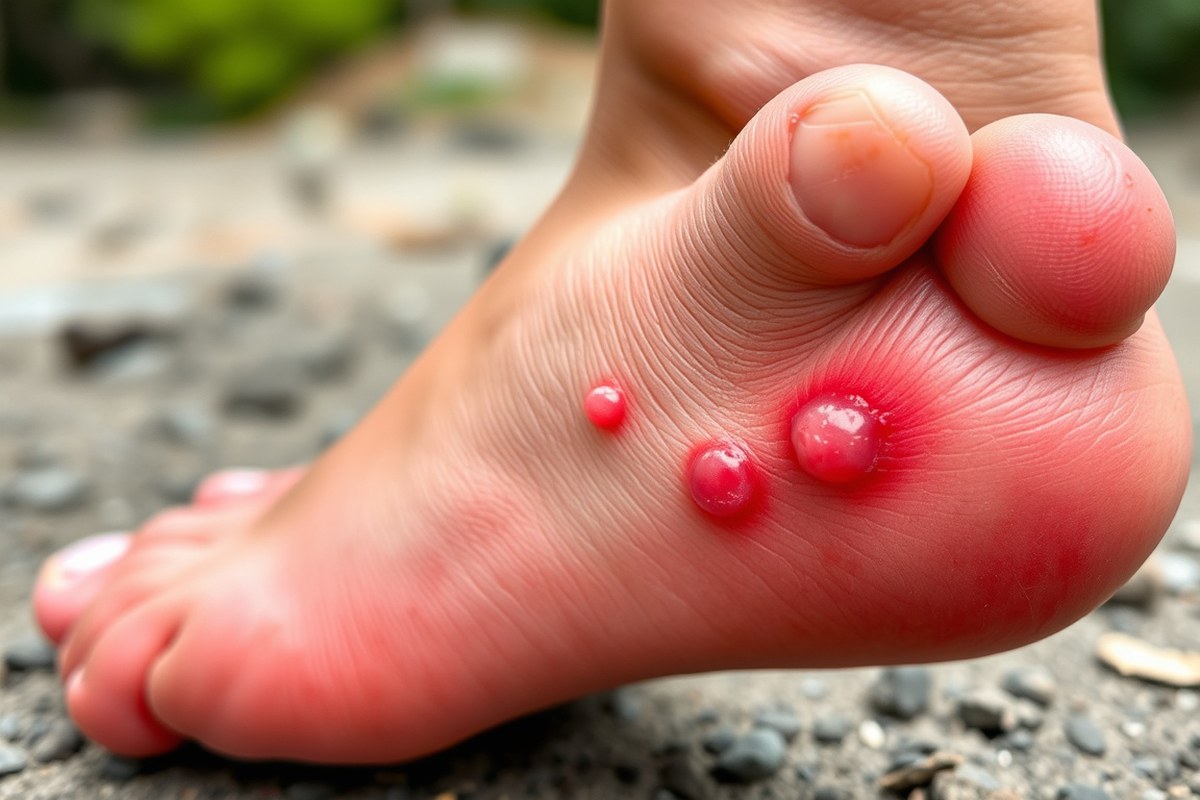
Blisters are small, fluid-filled bubbles that appear on the skin when its outer layers get damaged. This usually happens because of friction, heat, or moisture. When you experience repeated rubbing against your skin, the layers below the surface separate, and the space fills with fluid to protect the damaged area. This natural cushioning helps prevent further injury to the skin underneath.
On the feet and hands, blisters commonly result from friction caused by repetitive movement or pressure. For example, walking or running in shoes that don’t fit properly often leads to blisters on the feet. Similarly, frequent use of tools or sports equipment without protective gloves can cause blisters on the hands. Shoes that are too tight, too loose, or have rough seams rub against the skin, triggering blister formation even on shorter trips.
Moisture, especially from sweat, plays a significant role in blister development. Sweat trapped inside socks or gloves, or when shoes or gloves get wet, softens and weakens your skin’s protective barrier. This makes the skin more vulnerable to friction damage. When your feet stay damp inside shoes during long hikes or rainy walks, the risk of blisters rises because the skin can tear more easily. Changing socks regularly and wearing moisture-wicking materials can help keep your skin dry and less prone to blisters.
Heat can cause blisters, too. Burns from hot surfaces or sunburns, particularly on exposed skin like the tops of feet, lead to blister formation as the skin reacts to injury. Certain skin conditions, like scabies or bullous pemphigoid, may also cause blisters, although these tend to be less common than friction and moisture-related blisters.
Applying low-cost surgical tape on spots prone to rubbing can help reduce blister formation by minimizing friction against the skin.
Understanding why blisters form on your feet and hands helps you take practical steps to avoid them. Proper footwear that fits well and stays dry, along with protective gloves and moisture management, greatly reduces the chance of painful blisters. These measures protect your skin’s layers from the repeated rubbing and pressure that cause blisters to appear.
Types of Blisters and How to Identify Them
Blisters are fluid-filled sacs under the skin that differ depending on their cause. Understanding the type of blister you have guides how to treat it properly. The main categories include friction blisters, blood blisters, and burn blisters, each with unique causes and characteristics.
Friction Blisters: Typical Characteristics
Friction blisters develop when repeated rubbing or chafing causes the top layer of skin to separate and fill with clear fluid. They often appear on feet and hands, especially in active individuals or those wearing tight or loose shoes that cause rubbing. These blisters are usually round, soft, and filled with a clear, watery liquid. They can be painful but generally heal on their own within one to two weeks if left undisturbed.
Because friction blisters occur where skin surfaces repeatedly rub, prevention focuses on reducing that friction. Wearing properly fitted footwear and moisture-wicking socks can minimize rubbing on the feet. For blisters on hands caused by manual tasks, protective gloves help reduce irritation.
Blood Blisters: What Causes Them
Blood blisters form when the skin experiences sudden pinching or crushing trauma. This injury breaks tiny blood vessels near the surface, causing blood to pool between layers of skin instead of clear fluid. Blood blisters often look darker red or purple beneath translucent skin. They are common after pinch injuries or when the skin is crushed rather than rubbed continuously.
Blood blisters require careful monitoring to avoid rupture, which can increase infection risk. While they usually heal on their own within about a week, you should watch for expanding redness, pus, or increased pain that could signal infection. Unlike friction blisters, blood blisters are often linked to acute injury rather than repetitive motion.
- Friction blisters have clear fluid; blood blisters contain dark red or purple fluid.
- Friction blisters result from repetitive rubbing; blood blisters come from pinching or crushing injury.
- Friction blisters commonly appear on feet and hands, blood blisters can occur anywhere damaged.
- Blood blisters may be more painful because of underlying tissue damage.
- Both types should be kept clean and protected to prevent infection.
- Seek medical advice if blisters become infected or do not heal within two weeks.
Burn Blisters and Their Special Care
Burn blisters arise from skin damage caused by heat, chemicals, or extreme cold. These blisters form as the body attempts to protect deeper tissues, filling with clear fluid that cushions the injury. The affected area often appears red, swollen, and painful before the blister forms. Unlike friction or blood blisters, burn blisters need close attention to avoid infection and ensure proper healing.
Care for burn blisters begins with cooling the burn immediately with clean, cool (not cold) water for 10 to 20 minutes. Avoid breaking burn blisters. Covering the area loosely with sterile gauze helps protect from contamination. Monitoring for signs of infection, such as increased redness, swelling, or pus, is critical. Because burns can damage skin layers more severely, healing may take longer, sometimes up to two weeks or more, and may require professional treatment depending on severity and location.
How to Clean, Protect, and Dress Blisters Properly
Cleaning, protecting, and dressing a blister carefully helps speed healing and lowers the chance of infection. You should gently clean the blister, apply a suitable antiseptic or antibiotic ointment, and cover it with an appropriate bandage designed for blister care.
Proper Cleaning Techniques
Keeping a blister clean reduces infection risk and promotes faster healing. Use mild soap and lukewarm water to cleanse the area gently without bursting the blister. Avoid harsh scrubbing or alcohol-based products that can irritate the skin.
If the blister has popped naturally, carefully clean the exposed skin and fluid area. Use clean hands or a sterile cotton swab for applying ointments afterward to maintain hygiene.
- Wash your hands thoroughly with soap and water.
- Rinse the blister and surrounding skin using lukewarm water and mild soap.
- Pat the area dry gently with a clean towel or allow it to air dry.
- Avoid popping or pricking the blister yourself to keep germs out.
- Clean any popped blister carefully, removing loose skin only if it separates easily by itself.
Choosing the Right Antiseptic or Ointment
Applying an antiseptic helps prevent infection, while ointments protect and soothe the skin. Antibiotic ointments containing bacitracin or polymyxin B are good choices if the blister has burst, as they inhibit bacterial growth and promote healing.
For unbroken blisters, a skin protectant ointment that moisturizes and nourishes the skin can ease discomfort and keep the area supple. Avoid strong antiseptics like iodine or hydrogen peroxide on intact blisters since they may delay healing.
Best Bandages and Dressings for Blister Care
Covering the blister prevents further friction and contamination. Hydrocolloid bandages are often recommended because they cushion the blister, absorb fluid, and create a moist healing environment that speeds recovery. These bandages also reduce pain, especially overnight.
For minor blisters, use soft, sterile adhesive bandages with padded centers to shield the area. Change the dressing daily or whenever it becomes wet or dirty. Avoid tape that sticks directly to the blister; instead, place padding between the skin and adhesive. Specialized blister treatments like gel-filled pads or products such as 2nd Skin can be applied to “hot spots” before activity for prevention and to existing blisters for treatment.
Home Remedies and Tips to Speed Up Blister Healing
Aquaphor® Healing Ointment and Vaseline support blister healing by protecting damaged skin and maintaining moisture. Keeping the skin moist prevents cracking and speeds recovery, while a barrier ointment soothes irritation. Apply a thin layer of ointment on the blister or the surrounding skin, especially on sensitive areas like the back of your ankle or toe joints where friction is common. Use it before going to bed or after cleaning the area during the day to help the healing process.
To safely speed healing, reduce friction and pressure on the blister. Cover it with a hydrocolloid dressing or a blister-specific bandage such as Compeed®. These bandages cushion the area, reduce pain, and maintain a moist environment that can boost healing. Change the bandage every 24 to 48 hours or sooner if it becomes wet or dirty. For overnight care, combine ointment application with hydrocolloid dressings to keep the blister protected, lower inflammation, and ease discomfort.
Managing pain and pressure during daily activities and sleep requires cushioning and limiting contact with hard surfaces. Padding around the blister with moleskin or donut-shaped tape can relieve localized pressure. When the blister is on your foot, opt for well-fitting shoes paired with soft socks that reduce rubbing. Protect the blister at night by applying ointment and covering it with a loose bandage to prevent irritation and keep the area clean.
- Apply a thin layer of Aquaphor® Healing Ointment or Vaseline to the blister and surrounding skin.
- Use a hydrocolloid blister bandage (like Compeed®) for cushioning and moisture retention.
- Cover blisters with loose bandages at night to prevent friction during sleep.
- Use moleskin padding or donut-shaped tape to reduce pressure on blisters during activity.
- Wear well-fitting, soft shoes and moisture-wicking socks to protect foot blisters.
- Change dressings every 1 to 2 days or when soiled to reduce infection risk.
- Keep blisters clean by gently washing with mild soap and water before applying treatments.
Protecting the blister with a hydrocolloid bandage and applying ointment nightly can reduce pain and speed healing significantly.
Full healing takes several days, but proper protection can lower irritation and the chance of infection. Avoid popping blisters unless a healthcare professional advises it, since breaking the skin barrier increases infection risk. Persistent pain or changes in color or swelling in the blister should prompt consultation with a podiatrist. They can safely drain it to relieve pressure and promote healing without raising the risk of infection.
Recognizing and Preventing Blister Infection
Infection is a significant risk when dealing with blisters, especially on feet or hands that get frequent contact or pressure. Common signs of infection include increased pain, swelling, redness, and warmth around the blistered area. Pus or fluid drainage that looks cloudy or yellow also signals infection. Red streaks spreading away from the blister and systemic symptoms such as fever or chills indicate the infection might be worsening, which requires prompt medical attention. Monitoring your blister daily helps catch these signs early and avoid complications.
To check if your blister is healing properly or getting worse, inspect it carefully whenever you change the dressing, ideally once a day. Look for shrinking size, reduced redness, and absence of new pain or swelling. If the blister’s skin remains intact or only lightly peeled, it usually means healing is progressing. However, if the blister grows larger, becomes more painful, or shows any signs of pus or red streaks, seek advice from a healthcare professional.
Preventing infection means avoiding common mistakes that can introduce bacteria or damage the skin. Never pop or drain a blister yourself unless it is very large, extremely painful, or placed where it constantly gets irritated. Popping increases the risk of bacteria entering the wound. Also, avoid applying harsh chemicals like hydrogen peroxide or alcohol because they damage healthy skin and slow healing. Here’s a checklist to help you prevent blister infection and monitor healing effectively:
- Wash your hands thoroughly before touching or changing the dressing.
- Change the dressing at least once daily, or more often if it gets wet or dirty.
- Avoid putting pressure or friction on the blister by reducing walking or activities that aggravate it.
- Use a sterile, breathable bandage that cushions the blister without sealing in moisture.
- Do a daily inspection for increased redness, swelling, warmth, pus, or red streaks.
- Keep the blistered area clean, using mild soap and water during dressing changes.
- Watch for systemic symptoms like fever or chills, which require medical evaluation.
Following these steps can keep the blister from getting infected and ease the healing process. Protecting your skin and recognizing trouble signs early cut down both pain and the risk of complications. People with conditions like diabetes should be extra cautious, as even minor infections can lead to serious issues. In those cases, regular checks and prompt care are particularly important.
When to See a Doctor for Blister Care and Advice
Seek medical care if your blisters are unusually painful, occur frequently, show signs of infection, or interfere with daily activities like walking. Consulting a healthcare provider helps address complications and offers treatments that go beyond home care, especially when underlying health conditions are present.
Signs You Need Medical Attention
Blisters typically heal on their own with proper hygiene and protection, but you should see a doctor if the blisters appear alongside symptoms such as itching, scaling, or significant redness. These signs may point to an underlying medical condition that requires professional evaluation. Continuous or recurring blisters can indicate a chronic issue needing specialized care.
Large blisters or those causing severe pain that affects your mobility also warrant medical consultation. For individuals with diabetes, poor circulation, or a weakened immune system, any blister that shows signs of infection or slows down healing should be evaluated by a healthcare provider to avoid serious complications. Professionals can provide personalized treatment plans tailored to your situation.
Urgent Symptoms to Watch For
Immediate medical attention is important if you notice any spreading redness around the blister or red streaks extending away from it. A foul-smelling discharge, increased warmth, or swelling are red flags that an infection may be developing. Feeling feverish, experiencing chills, or having flu-like symptoms could indicate the infection is entering your bloodstream, which is a medical emergency.
Seek help promptly if the blister becomes unbearably painful or if natural healing does not occur within a reasonable timeframe. For someone who cannot easily inspect or reach their blisters, such as individuals with physical disabilities, a healthcare professional should evaluate the blister to prevent worsening conditions.
How to Describe Your Blister Symptoms
When consulting a pharmacist or doctor, clearly describe the size, number, and location of your blisters. Mention how long they have been present and whether they show changes like increased redness, swelling, or discharge. Explain the level and type of pain you are experiencing, for example, sharp, throbbing, or constant.
Use simple but specific language such as, “I have a blister on my heel about the size of a dime, which has been there for four days. It started clear but now has yellowish fluid. The area around it is red and sore, and walking has become painful.” If you have underlying health problems like diabetes or immune issues, include that information upfront so the provider understands your risk factors.
Preventing Future Blisters: Footwear, Moisture, and Skin Care
Choosing the right footwear is essential to preventing blisters on your feet. Shoes that fit well and do not rub or pinch reduce friction points where blisters often form. Aim to wear shoes with enough room for your toes to move without being loose enough to cause slipping. Socks made from moisture-wicking materials like synthetic blends or wool help keep your feet dry, lowering the chance of blisters caused by damp skin.
Managing moisture effectively can protect your skin from blister formation. Excess humidity inside shoes softens the skin, making it prone to friction damage. Applying a regular foot cream keeps the skin supple and less vulnerable to blisters by maintaining hydration without becoming overly moist. Consider using foot powders or antiperspirants designed for feet in sweaty conditions or hotter weather.
Protective products can provide a barrier against friction. Silicone or gel pads, moleskin patches, and blister prevention tapes reduce rubbing in high-risk areas such as heels or toes. For runners or hikers, lubricants like petroleum jelly applied before activities can minimize skin irritation by lowering friction.
- Wear shoes that fit properly and break them in gradually before extended use
- Choose socks made from synthetic fibers or wool that wick moisture away
- Apply a foot cream daily to keep the skin soft and resilient
- Use powder or antiperspirant on feet if prone to excessive sweating
- Apply protective pads or tape on areas that typically blister
- Use lubricants like petroleum jelly on hot spots during physical activity
- Avoid new products or chemicals that irritate your skin or cause allergic reactions
Environmental factors play a key role in blister risk. Hot temperatures increase sweating, which raises moisture inside footwear and skin. Cold conditions can dry out your skin, making it cracked and more prone to injury. Shift your foot care routine seasonally: moisturize more in winter, and manage sweat more actively in summer. Sunburn can cause blisters as well, so protecting skin from sun exposure with sunscreen and appropriate clothing is critical.
Test new footwear and protective products on short walks before long use to spot potential blister risks early.
Step-by-Step Action Plan for Treating and Preventing Blisters
Follow these clear steps to treat blisters safely, promote healing, and reduce the risk of future blisters. Each step guides you on what to do and how to check if it’s working.
- Before You Start: Clean the area gently with mild soap and water. This prevents infection and prepares your skin for treatment.
- Day 1: Protect the blister using a sterile, non-stick bandage or blister pad. You’ll know it worked if the blister stays clean and intact without pain increasing.
- Days 2-3: Keep the blister covered and dry, changing the dressing daily or whenever it gets wet. Healing shows as reduced redness, swelling, and pain.
- If Blister Breaks: Clean the area carefully, apply antibiotic ointment, and cover with a sterile dressing. Watch for signs of infection like increased redness, warmth, or pus.
- Ongoing Care: Use home remedies like aloe vera or cool compresses to ease discomfort and speed healing. Improvement includes less itching and faster skin repair.
- Prevention From Day 1 Onward: Wear proper footwear that fits well and reduces friction. Monitor your skin for early signs of blistering when active.
- After Healing: Keep skin moisturized and avoid excessive moisture to maintain healthy skin and reduce blister risk. Well-hydrated skin looks smooth and feels comfortable.
- Seek Medical Help: Consult a doctor if you notice severe pain, spreading redness, fever, or if blisters come back frequently. Prompt treatment prevents serious complications.
Frequently Asked Questions
Is It Better to Pop a Blister or Leave It?
It’s better to leave blisters intact because they heal faster and protect the skin underneath. Popping can increase infection risk and delay healing unless the blister is large or painful. Use a cushioned bandage to protect it while it heals naturally.
Does Vaseline Help Blisters Heal?
Vaseline can keep the area moist, which helps prevent cracking but doesn’t speed up healing. Using ointments like Aquaphor® Healing Ointment is better for protecting from friction and supporting natural healing.
How Fast Do Blisters Go Away?
Most blisters heal naturally within 3 to 7 days without medical attention if left undisturbed. Larger blisters may take up to 1 or 2 weeks but generally do not require special treatment.
Which Ointment Is Good for Blisters?
An ointment like Aquaphor® Healing Balm helps protect skin prone to friction and supports healing. It also prevents chafing that can cause blisters on areas like the feet and inner thighs.
Can Blisters Burst on Their Own?
Yes, blisters can burst naturally from friction or pressure but should be kept clean and covered to prevent infection. Avoid intentionally popping them unless necessary.
What’s the Best Way to Protect a Blister While It Heals?
Use cushioned blister pads or hydrocolloid bandages like Compeed® to reduce pressure and protect from further friction. This can relieve pain and speed recovery.
The Bottom Line
Proper care and protection are key to healing blisters quickly and preventing complications. Keep your skin clean, avoid popping blisters, and use suitable dressings to protect the area. Today, check your shoes and socks to make sure they fit well and keep your feet dry to reduce the chance of new blisters forming.


One Comment