How Much Does Commercial Pest Control Cost? A Complete Guide for Businesses
How much does commercial pest control cost? Typically, commercial pest control runs between $135 and $200 per visit, but recurring service plans may average $250 a month or about $3,000 a year for businesses like restaurants. These costs reflect ongoing protection against pests that could otherwise lead to costly inspections or closures. Pricing varies significantly based on property size, pest type, and industry-specific regulations.
This information targets business owners, property managers, and facility professionals aiming to understand and manage pest control expenses. You’ll find details on cost factors, treatment options, regulatory impacts, and strategies to prepare for service visits. Knowing these elements will help you estimate your annual pest control budget and avoid expenses from common pitfalls.
Key Takeaways
- Expect commercial pest control visits to cost between $135 and $200 on average, with initial consults ranging from $250 to $850.
- Recurring monthly pest control for businesses typically costs $100 to $500, totaling $1,200 to $6,000 annually depending on size and location.
- One-time pest control treatments usually range from $300 to $700, with follow-up visits often included if pests return within 30 days.
- Costs vary by industry regulations, pest type, facility size, and visit frequency, with some services reaching over $2,000 per month.
- Regular pest control contracts help avoid costly inspection failures or business closures that can exceed thousands of dollars.
- Prepare for pest control visits by clearing access points and reviewing previous pest issues to optimize treatment effectiveness and cost.
What Is the Average Cost of Commercial Pest Control Services?
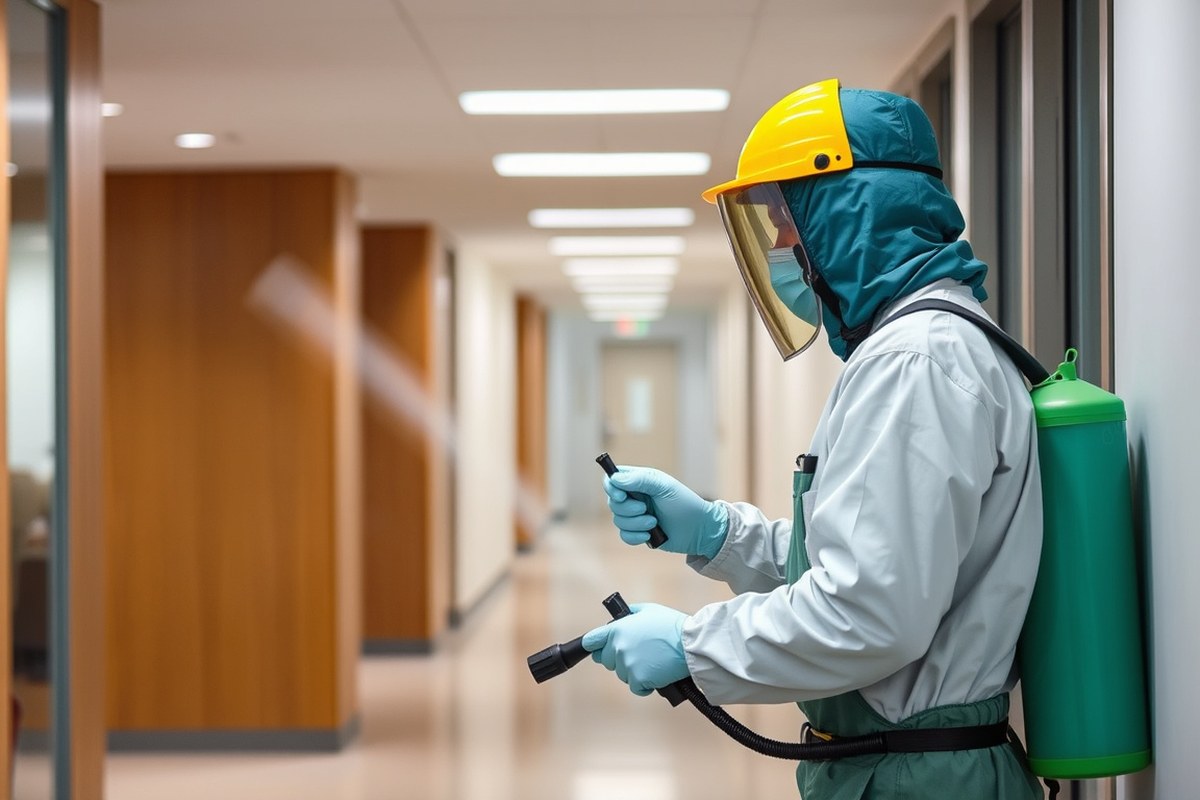
Commercial pest control costs vary based on how often you schedule treatments and the type of service you choose. On average, a single visit for commercial pest control ranges from about $100 to $600, depending on the severity and size of the infestation or property. For ongoing contracts, monthly service fees typically run between $40 and $75 per visit, making recurring plans a more budget-friendly option for businesses with steady pest prevention needs.
One-time treatments usually cost more upfront, averaging around $171 per visit nationwide, because they involve immediate, intensive efforts to manage active infestations. In contrast, ongoing maintenance plans spread the expense over time and often include unlimited re-treatments within the contract period. Such plans help control pests proactively and can prevent costly outbreaks that disrupt your business operations.
| Service Frequency | Average Cost per Visit | Estimated Monthly Cost | Annual Cost | Best Use Case |
|---|---|---|---|---|
| One-time treatment | $171 | $171 | N/A | Active infestations requiring immediate response |
| Monthly service | $55 | $55 | $660 | High-pressure environments, commercial properties |
| Bi-monthly service | $68 | $34 | $408 | Moderate pest activity, seasonal prevention |
| Quarterly service | $175 | $44 | $525 | Year-round residential protection (most common) |
For example, consider a restaurant choosing between a one-time treatment for $171 and a monthly plan costing $55 per visit. If the pest problem is urgent, paying $171 to address it immediately makes sense. However, if the focus is on ongoing prevention in a high-traffic kitchen, the monthly service totals $660 annually. This spreads costs and keeps pests at bay, minimizing disruptions and potential health code violations.
Some commercial properties with moderate pest issues might opt for bi-monthly services, which usually cost less per month but still offer regular monitoring. Quarterly plans are less common in commercial settings but can suit offices or smaller businesses with low pest pressure, typically averaging $525 a year. You’ll find that specialized services, such as rodent control or termite treatments, can cost more, often requiring an initial setup fee that pushes expenses higher.
Key Factors That Influence Commercial Pest Control Pricing

Pest control pricing in commercial settings depends on several key variables that you need to consider to budget effectively. The size of your property plays a major role because larger spaces require more time, labor, and materials for treatment. For example, pest control for a 5,000 square foot warehouse will cost more than for a 1,000 square foot office due to the increased area and complexity.
The kind of pest you need to manage has a big impact on the price. Certain pests need more complex and costly methods, often requiring several visits to handle effectively. Termite, bed bug, and rodent treatments are generally higher in cost because of the thoroughness and ongoing monitoring they require. Mosquito control can also be pricey, with each session costing $80 to $150 or seasonal packages ranging from $350 to $1,000, mainly due to repeated treatments during warmer periods.
Infestation severity is directly linked to cost as well. Minor or early-stage infestations can often be treated quickly and at lower cost. Severe situations require more extensive inspection, application of chemicals, or heat treatments, which increase labor and materials expenses. You might pay $250 to $600 for a one-time treatment in a moderate infestation, but severe cases can push costs into the hundreds or even thousands, depending on the property size.
Location, including regional regulations, affects pricing because different states or municipalities may have specific rules governing treatment options, especially in sensitive industries like food service or healthcare. Areas with stricter environmental controls or licensing requirements might have higher labor costs or limited pesticide usage, impacting the final price. Also, urban areas with dense building clusters may face higher prices due to accessibility challenges or more complex infestations.
- Property size: Larger spaces increase treatment area and time, raising costs.
- Pest type: Termites, bed bugs, rodents are costlier due to treatment complexity.
- Infestation severity: Severe infestations need more materials and repeat visits.
- Location and regulations: Regional rules can limit treatment options or add fees.
- Treatment methods: Chemical sprays, heat treatments, or baiting influence pricing.
- Follow-up schedule: Ongoing pest control plans generally cost more but ensure control.
Request a detailed inspection report before approving a treatment plan to avoid paying for unnecessary services or facing hidden costs later.
Consider how these variables interact in your specific situation. For example, a large restaurant with a moderate cockroach infestation in a state with strict pesticide regulations may see higher costs than a similarly sized warehouse with a minor ant problem in a region with fewer restrictions. Understanding each factor helps you choose the most effective and budget-conscious pest control approach for your commercial property.
Comparing One-Time Treatments and Recurring Pest Control Plans
One-time pest control treatments usually cost less upfront but can become more expensive if pests return and require additional visits. Recurring pest control plans spread costs over time and offer ongoing prevention, which is often more cost-effective for commercial properties with persistent or high-risk pest problems. The choice depends on your property’s pest situation, budget, and the level of protection your business needs.
Cost Differences Between Service Types
One-time treatments typically involve a single complete inspection and treatment, averaging around $171. While this option might seem cheaper initially, any follow-up visits for persistent pests add extra costs, often making the total spend higher in the long run. Monthly pest control plans, priced roughly between $45 and $75 per month, cover inspections, treatments, and unlimited callbacks, which helps keep pest issues under control without unexpected expenses.
Quarterly plans fall in between, offering scheduled inspections and treatments approximately every three months, often with extra visits if new pest issues arise. These plans commonly waive the initial inspection fee, which can range from $75 to $125 in one-time services. Over a year, the cost of quarterly or monthly plans adds up, but the price includes continuous monitoring and prevention.
Choosing Service Frequency Based on Business Needs
One-time pest control fits best for isolated or newly detected pest issues where you want to address a problem quickly without ongoing costs. If you operate a business that rarely faces pest problems and can tolerate the risk, a single treatment with follow-up options might suffice. However, properties with persistent pest activity or higher risks, such as restaurants, warehouses, or apartment complexes, benefit from recurring plans to minimize disruptions and maintain compliance.
Monthly service suits businesses facing high-pressure pest environments or where even minor infestations could cause significant damage or regulatory issues. Quarterly service works well for routine monitoring and prevention in lower-risk properties or when seasonal pests are a concern. Consider your facility’s pest history, industry regulations, and how a pest problem might affect operations when deciding how often to schedule treatments.
Guarantees and Follow-Up Options Explained
Recurring pest control contracts often come with guarantees that cover follow-up visits at no extra charge if pests return between scheduled treatments. For example, some companies offer a “It Guarantee,” meaning they will return to retreat the property if previously treated pests come back, providing peace of mind and ensuring your investment in pest control protects your business effectively.
One-time treatments sometimes include a limited warranty, such as a free return visit within 30 days if the pests return. However, this warranty may be narrower in scope compared to service contracts. Without a recurring plan, additional visits beyond the warranty period are usually billed separately, which can add up quickly if the pest problem persists.
Before choosing a service, verify the scope of guarantees and understand what follow-up services are included. Contracts that cover unlimited callbacks or provide structural exclusion treatments can further protect your property and reduce long-term costs by preventing pest entry points.
Common Pest Types in Commercial Properties and Treatment Expenses
Common pests in commercial properties include rodents, various insect species, and termites. Treatment costs vary based on pest type, infestation size, and property use, such as restaurants or offices. Understanding the typical control methods and their expenses helps you plan pest management budgets effectively.
Rodents and Mice Control Costs
Rodents like mice and rats are frequent in warehouses, offices, and food service facilities, posing health risks and property damage. Control methods typically involve baiting, trapping, and exclusion techniques. Costs rise with the size of infestation and pest type; rats generally cost more to control than mice because they require more intensive treatment and monitoring.
In commercial settings, rodent control often needs ongoing monitoring and maintenance to prevent reinfestation, which increases long-term costs. Warehouses with large storage areas might see higher costs due to the size of the property and complexity of access to nesting areas.
Insect (Cockroach, Ant, Bedbug) Treatment Pricing
Insect pests vary widely, with cockroaches and ants common in restaurants and offices. Bedbug infestations occur less frequently but demand expensive and thorough treatments. Different ants like carpenter ants and pharaoh ants require specific pesticides and approaches, influencing costs. Cockroach treatment expenses depend on species; German cockroaches typically cost more to treat than American or Oriental cockroaches due to their resistance and rapid breeding.
Treatment approaches may include sprays, bait systems, and heat or liquid treatments. Bedbug treatment per room can surpass the cost of general insect control because it requires more labor and specialized products. In commercial kitchens, pest control must follow stringent hygiene regulations, which might increase costs but prevent violations.
| Pest Type | Treatment Cost |
|---|---|
| Ants (Small / Common) | ~$225 |
| Carpenter Ants | ~$325 |
| Pharaoh Ants | ~$475 |
| Cockroaches (German) | $395, $795 |
| Cockroaches (American / Oriental) | $295, $595 |
| Bed Bugs (Liquid Treatment per Room) | ~$650 |
The table shows typical commercial treatment costs to address common insects and bed bugs. Treatments vary widely depending on infestation severity and environmental factors. Preventive maintenance plans may reduce the number of emergency treatments needed for these insects.
Termite Management Expenses
Termite treatment generally costs more than controlling other pests because it requires specialized chemicals, bait stations, and professional inspection equipment. Perimeter liquid barriers and bait systems are common, involving extensive labor and ongoing monitoring for up to five years. Restaurants, warehouses, and office buildings all face termite risks but might demand different approaches based on construction materials and accessibility.
Termite baiting costs typically range from $1,000 to $2,300, while liquid perimeter treatments can run $1,700 to $2,500 or higher. These treatments are more expensive upfront but provide long-term protection and meet regulatory standards, especially in commercial real estate. Effective termite control success looks like no visible damage and absence of termite activity during regular inspections.
How Regulatory Requirements Affect Pest Control Costs in Different Industries
Regulatory requirements play a major role in determining the cost and complexity of commercial pest control services. Facilities in industries like food service, healthcare, and warehousing must meet strict sanitation and safety standards enforced by local and national agencies. These rules demand thorough inspections, continuous monitoring, and detailed record-keeping, all of which increase service frequency and add specialized treatments that raise overall costs.
Restaurants and food service businesses face zero-tolerance policies for pests from health inspectors, which means pest control companies deploy proactive strategies like monthly or even bi-weekly visits. These frequent inspections focus not only on visible infestations but also on preventive measures to maintain compliance. Treatments often include rodent bait stations, fly light traps, and zero-contact pesticide applications, which can be more expensive than standard sprays. These specialized protocols require certified applicators who document each visit with reports tailored for health department audits, adding to labor and administrative costs.
Healthcare facilities add another layer of complexity by requiring pest control methods that avoid contamination and protect vulnerable patients. These locations usually mandate integrated pest management (IPM) plans that prioritize non-chemical alternatives and monitor pest activity constantly through traps. The use of IPM may involve higher upfront costs but reduces chemical exposure risks, lowers liability, and supports continuous regulatory compliance. Service providers typically charge more for the documentation and specialized training needed to meet these standards.
Warehouses, particularly those storing food products, also face stringent regulations to prevent pest-related product damage or contamination. Pest control in these settings often includes perimeter treatments, frequent inspections of storage areas, and quick-response actions if pests are detected. Because of large square footage and varying storage environments, pest control costs will generally increase with facility size and inspection frequency.
Compliance-driven pest control plans are custom-designed per facility type and risk level. For example, a busy restaurant in a high-traffic area will pay more than an administrative office with no food service. The cost difference stems from more frequent visits, specialized equipment, and complete documentation required to pass inspections. In Staten Island and similar regulated markets, expect monthly recurring service fees ranging from $300 to $1,500, depending on the property’s size and risk profile.
Tip: For food service or healthcare facilities, confirm your pest control provider’s experience with regulatory compliance and request documentation examples to avoid costly re-inspections or fines.
Strict adherence to regulatory standards means pest control providers must adapt their practices to each industry’s unique needs, often increasing costs but preventing penalties and supporting safe operation. Choosing recurring service plans that include routine inspections, preventive treatments, and detailed reporting helps maintain compliance and control pest risks effectively over time.
Preparing for Pest Control Visits and What to Expect During Service
Preparing your commercial property carefully ahead of pest control visits helps ensure thorough inspections and effective treatments. During each visit, expect a detailed walkthrough, targeted treatments tailored to your specific pest issues, and a clear plan for ongoing management. Knowing how to get ready and what the technician will do helps you maximize your investment and stay on top of pest risks.
Preparing the Facility for Inspection
The initial inspection lays the foundation for an effective pest control strategy. You can help by making the facility as accessible and clear as possible. This means moving items away from walls, cleaning up food debris, and ensuring that pest-prone areas like kitchens, storage rooms, and loading docks are open for close examination. Clear access to electrical panels and plumbing also matters, as pests often travel through these. Check these steps to prepare your property:
- Remove clutter and organize storage to avoid hiding spots
- Clean floors, counters, and food preparation areas thoroughly
- Store food in sealed containers to reduce attractants
- Provide clear access to dark, hard-to-reach spaces
- Ensure waste containers are empty and lids are secure
- Fix any obvious leaks or standing water to reduce pest harborage
Completing these steps reduces inspection time and lets the technician identify potential problem areas with fewer obstacles. This preparation also contributes to quicker, more effective treatments.
Typical Steps During a Pest Control Visit
Each service visit usually includes an inspection followed by treatment tailored to your facility’s needs. Most commercial pest control providers start by confirming pest activity locations and signs, then evaluate conditions like entry points, food sources, and moisture levels. Treatments may involve baiting, spraying, trapping, or exclusion work depending on the pest type and infestation level. Expect these key components during your service visit:
- Complete walkthrough of the entire facility to spot pest signs
- Targeted application of pesticides or bait in problem areas like behind equipment or near entry points
- Placement or checking of traps and monitoring devices
- Sealing cracks, holes, and other pest access points if included in the service
- Advising the property manager on findings and recommendations for prevention
Visits might last from 30 minutes to a couple of hours, depending on the property size and infestation severity. Facilities with high pest pressure, like restaurants, often require more frequent and thorough visits than offices or warehouses.
Follow-Up and Documentation Process
After the treatment, pest control companies typically leave a written report summarizing what they found and what actions were taken. This documentation helps track progress over time and supports compliance with industry regulations, especially in foodservice or healthcare settings.
Good follow-up includes scheduling return visits as necessary to monitor pest activity and adjust treatments. Many providers offer guarantees that cover additional visits if pests return between scheduled services, minimizing surprise costs.
- Written summary of inspection findings and treatments applied
- Recommendations for facility maintenance and sanitation improvements
- Scheduling of follow-up visits or ongoing service plans
- Documentation suited for regulatory compliance and internal records
- Customer guidance on spotting pest signs between visits
Following the service provider’s recommendations and maintaining open communication can improve pest control outcomes and potentially reduce your overall costs.
Estimating Total Annual Pest Control Costs for Different Commercial Spaces
To estimate the total annual cost of commercial pest control, you need to consider four main factors: the property type and size, the pest risk, the treatment frequency, and the specific pests involved. Start by measuring your property’s square footage and identifying the categories it fits into, such as restaurant, office, or warehouse. Each type has different baseline needs and risks. Next, determine what pests are common in your location and their treatment requirements. Most commercial plans involve quarterly or monthly visits, but some pests demand seasonal or annual attention.
Calculating costs begins with a base rate adjusted for your property’s size and pest complexity. For example, a small office might pay $40 to $75 per visit for quarterly treatments targeting ants and rodents, while a large warehouse could be charged a flat rate to cover broad preventive measures. Restaurants often face higher risks due to food-related pests and health regulations, which may mean more frequent treatments and inspections, pushing costs higher annually. Here is a breakdown of common pests, their typical monthly costs, and recommended treatment frequencies to help guide your estimates:
| Pest Type | Monthly Cost (USD) | Typical Treatment Frequency | Notes |
|---|---|---|---|
| Termites | $58, $125 | Annual inspection + ongoing monitoring | Requires specialized detection equipment and treatment expertise |
| Ticks | $88, $150 | Monthly (April, October seasonal) | Specialized knowledge of tick biology and habitat essential |
| Ants (General) | $30, $50 | Quarterly or bi-monthly | Most common pest, carpenter ants cost about 30% more |
| Carpenter Ants | $40, $75 | Monthly during spring/summer | Potential structural damage requires prompt treatment |
Let’s work through an example for a mid-sized restaurant with 5,000 square feet that needs quarterly general pest control and annual termite checks. Quarterly general pest control might cost $45 per visit, totaling $180 annually. Termite service with inspection and monitoring averages $100 per month if included year-round, or about $1,200 annually. Seasonal treatments like ticks or bedbugs would add based on specific occurrence risks, but for this example, they may not be necessary. So your total yearly budget might be roughly $1,380 plus any incidental treatments.
Additional costs can arise from emergency treatments or identifying unexpected infestations. Restaurants may face regulatory fines if pests are detected, which could lead to costly remediation and service upgrades. Travel fees for providers servicing remote or multiple locations also add to the total. It’s wise to set aside 10% to 20% extra for these contingencies. By adjusting the known monthly or quarterly rates by your pest risk and property size, you create a realistic budget that balances preventive care and potential surprises.
Avoiding Common Mistakes That Increase Commercial Pest Control Costs
Choosing the lowest-cost pest control service often backfires, resulting in higher expenses over time. Cheaper providers may use less effective treatments or overlook thorough inspections, leading to recurring infestations. These require repeated visits that add up quickly, sometimes exceeding the price of a well-structured recurring plan. For example, a one-time emergency treatment can cost between $171 and $280, but follow-up calls increase the yearly total to $400-$650, which is more costly than many subscription-based plans.
Checking that treatments are working is key to avoiding unnecessary expenses. Successful pest control shows fewer sightings or signs of pests within weeks after treatment. If pests persist, it’s time to ask your provider about adjusting the approach or switching to a different method. Regular inspections, either by your service provider or by your own monitoring, help catch problems early and avoid costly infestations.
- Ask providers if they offer bundled service packages covering multiple pest types throughout the year
- Review contract terms carefully for service frequency, response times, and treatment details
- Request detailed inspection reports and follow-up schedules to track treatment effectiveness
- Compare emergency one-time fees with recurring plan rates to find cost-effective options
- Negotiate pricing or service bundling if you also manage building maintenance or landscaping contracts
- Ensure your pest control company complies with local regulations and uses licensed technicians
Various situations require tailored strategies. For example, restaurants often need more frequent inspections due to health code requirements, while office buildings may opt for seasonal treatments targeting common pests. Bundling pest control with other maintenance tasks can save money but requires clear agreements to avoid misunderstandings about scope and responsibility.
Discuss pest issues openly with your provider and insist on written progress reports after each visit to confirm treatment success or needed adjustments.
Regular communication and setting realistic expectations help control pest problems without overspending. Avoid the pitfall of assuming the cheapest service plan fits all needs; instead, evaluate your specific pest risks, business type, and local factors to choose the right balance between cost and effectiveness.
Your Quick-Start Plan for Managing Commercial Pest Control Costs
Use this plan to understand key pricing factors, choose the right service type, and set a budget that fits your business needs. Follow the steps to make informed decisions about pest control for your property.
- Before you begin: Identify common pests in your commercial space and review applicable regulatory requirements. Knowing this helps you select appropriate treatments and anticipate any compliance-related costs.
- Day 1: Request detailed quotes from at least three licensed pest control providers. Compare one-time treatment versus recurring service prices and what each covers; ensure they include all fees and service details to avoid surprises.
- Day 3: Evaluate the total estimated annual cost based on your space size, pest risk, and service frequency. This helps you budget correctly and choose a plan that balances effectiveness and expense.
- Week 1: Choose a provider and service plan that fits your budget and regulatory needs. Confirm the visit schedule and prepare your facility according to their guidelines for best results.
- Service day: Be present or assign someone to oversee the pest control visit and ensure all agreed treatments occur. Document the process and ask for a detailed report to track progress and plan next steps.
- 2 weeks after treatment: Monitor pest activity and facility conditions for improvements. A reduction in signs of pests indicates treatment success; if not, consult your provider for follow-up actions.
- Monthly: Keep records of pest control costs, service notes, and any pest sightings. Regular tracking helps you spot trends and adjust your plan to optimize spending and effectiveness.
- Annually: Review your overall pest control expenses and service outcomes. Use this review to renegotiate contracts or adjust service frequency based on actual needs and budget changes.
Frequently Asked Questions
How Much Does Commercial Pest Control Cost?
Commercial pest control typically ranges from $35 to $2,000+ per month, based on property size and location. Most small to midsize businesses pay between $100 and $500 monthly in 2026.
Is Commercial Pest Control Worth It?
Yes, especially for businesses facing regulatory inspections or customer health concerns. A $250 monthly plan can prevent costly closures and damage far exceeding the annual pest control expense.
How Much Is a Termite Treatment for a 2000 Sq Ft House?
Termite treatment usually costs between $550 and $2,500+, depending on infestation severity and treatment method. Early detection helps reduce costs and potential property damage.
Is $50 a Month a Lot for Pest Control?
$50 monthly for commercial pest control is low to moderate and may suit small businesses or low pest risk areas. Higher-risk environments usually need more frequent or complete services.
How Much Is a One-Time Commercial Pest Control Treatment?
One-time treatments often cost between $225 and $550+, covering interior and exterior inspections plus initial pest removal. Follow-ups are typically free within 30 days if pests return.
What Pest Control Service Frequency Is Best for Restaurants?
Monthly or bi-monthly services, costing $55 to $68 per visit, help maintain hygiene standards and comply with health codes in food service environments.
Final Thoughts
Understanding the cost of commercial pest control helps you budget effectively and protect your property from costly infestations. You can get the most value by assessing your specific pest risks and choosing a treatment plan that fits your business needs. Contact a licensed pest control provider today to request a detailed quote based on your property size, industry requirements, and pest challenges.